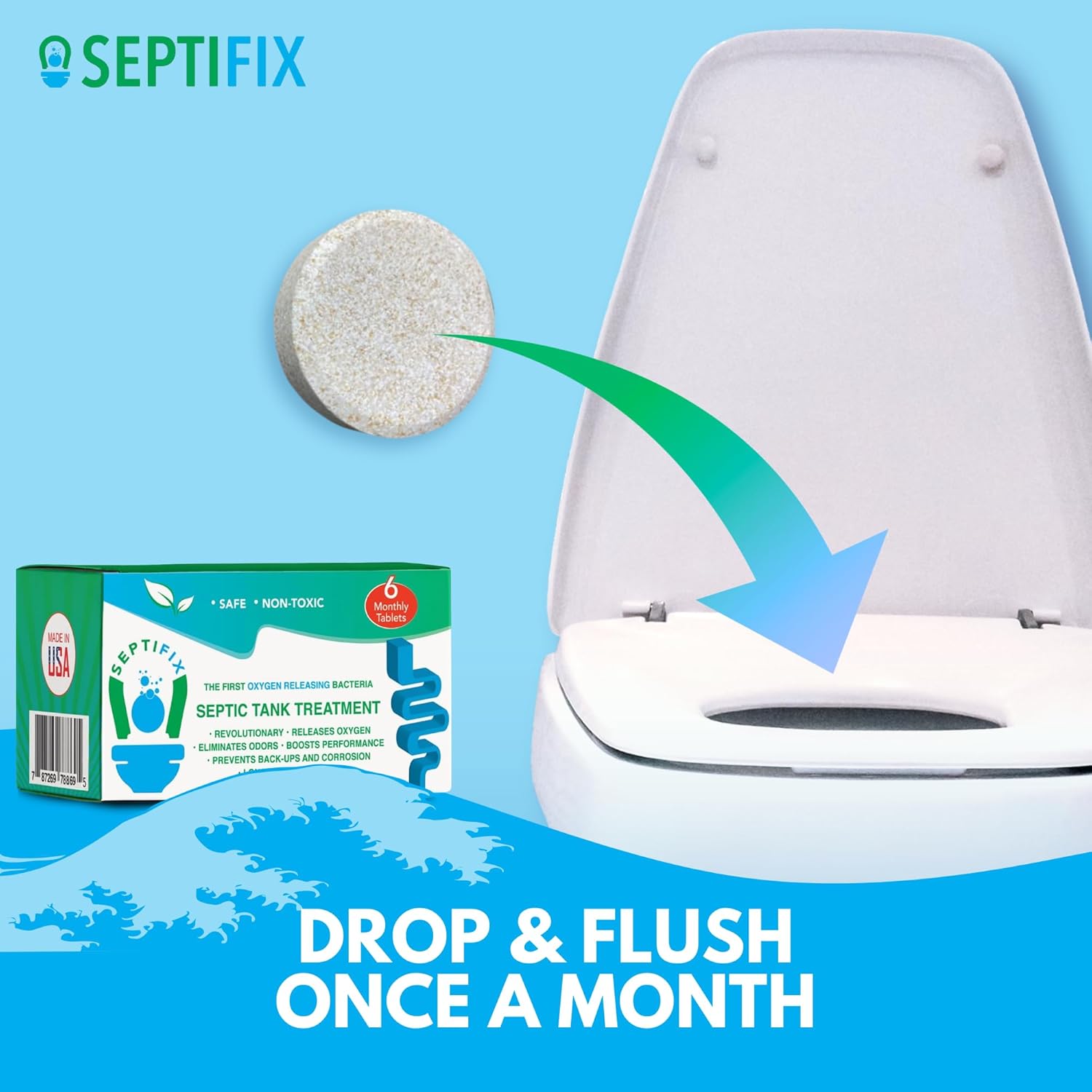
Septic Tank Treatment and Maintenance Guide
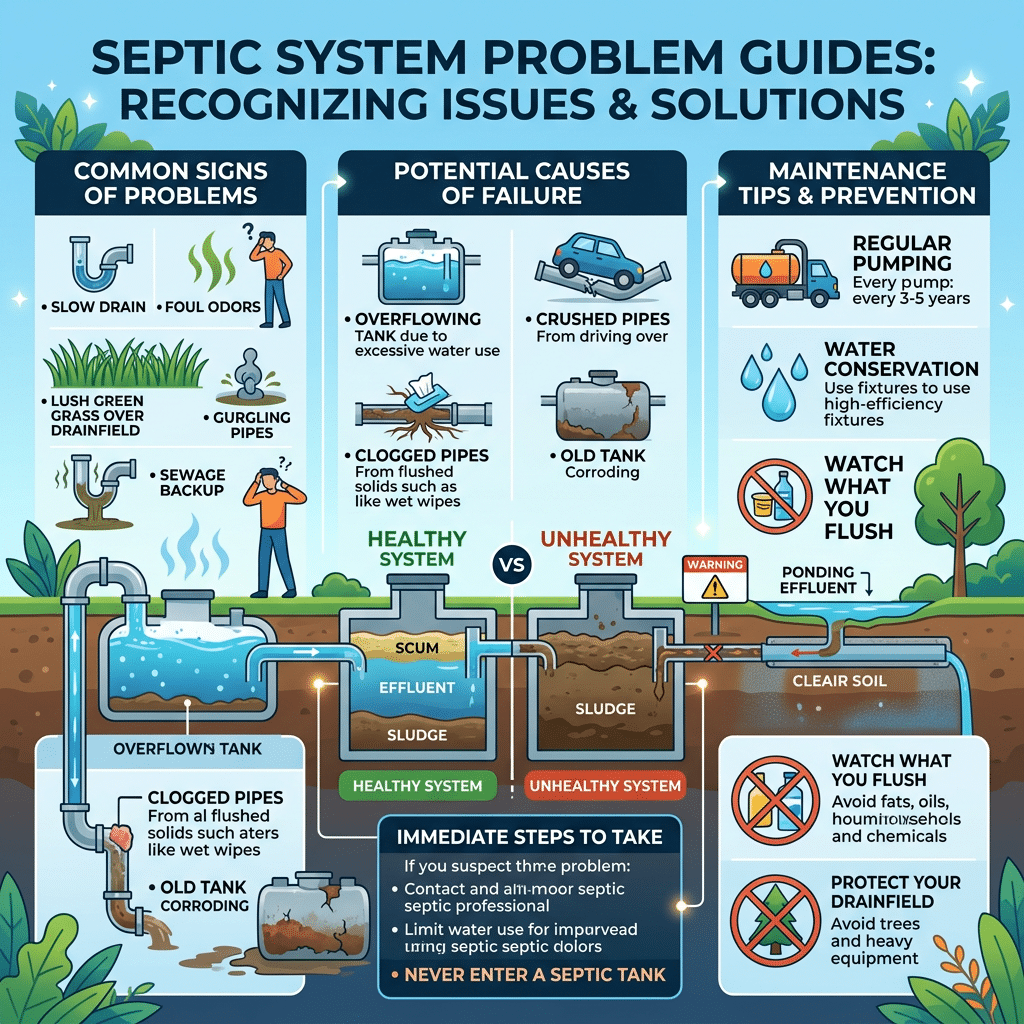
Septic systems are usually quiet until they go bad. The first signs of trouble include slow drains, stinky smells, soggy areas in your yard and sewage backups. These are costly issues that should be dealt with as soon as possible.
This website provides information about septic systems; including how they operate, how to properly take care of your septic, when to pump out your septic tanks, and what type of septic treatment products may be useful. This site will also assist you in determining whether or not certain issues need to be addressed by a licensed septic professional.

Start with the septic tank treatment guide
What do you need help with?
I want to maintain my septic system
Regular activities will assist in reducing the load on your septic tank and drainfield. Find out about conserving water, avoiding products that could cause damage and following an established routine for maintaining your system.
- Septic Tank Maintenance Checklist
- Septic Tank Care and Maintenance Made Simple
- Septic Tank Maintenance That Actually Saves You Money
- Cold Weather Septic Care Checklist
View all septic maintenance guides
I want to understand septic tank treatments
Many septic tank treatment products have been promoted as quick fixes for cleaning or repairing tanks. Although some of these products may be beneficial to a typical biological process there is no substitute for periodic inspections by a qualified technician, emptying (pumping) the tank and/or performing needed repairs.
Find out what a treatment product can and cannot accomplish and learn which claims should be viewed with skepticism.
- Do Septic Tank Treatments Really Work?
- Septic Tank Treatment Options You Can Trust
- Natural Septic Tank Additives: What Works and What Is Hype?
- Bacteria for Septic Tank Treatment
- Septic Tank Treatment Pods
- Homemade Septic Tank Treatment
Explore septic tank treatments
I think my septic system has a problem
Slow draining sinks, toilets that “gurgle” when flushed, foul smelling sewer odors, or a damp spots in the lawn are all good indicators of a problem with your septic system and if not addressed will result in a catastrophic backup.
- 9 Signs Your Septic System Is Failing
- 7 Signs Your Septic Tank Is Full
- Septic Tank Backup: Emergency Steps and Prevention
- Issues With Septic Tanks: Signs, Causes, and Safe Fixes
- Septic Tank Smell Problems
- Septic Tank Baffle Damage
Read septic system problem guides
How often should you pump a septic tank?
The appropriate frequency for pumping depends on many factors including the size of your tank, the number of people using water in your home, how much water is being used daily, and how much solids enter into the system.
Read: How Often Should You Pump a Septic Tank?
How much does septic tank pumping cost?
The cost to pump your septic system varies depending on several different variables including: where you live, the size of your septic tank, how easily the septic tank is accessible and how much labor is needed. By understanding all of these variables when comparing prices for pumping services or planning for routine servicing you will be able to better determine what price range is typical for your situation.
Read: How Much Does It Cost to Pump a Septic Tank?
How long can a septic tank last?
The life expectancy of a septic system (the tank portion) has been estimated to last anywhere from 20 to 40 years. This time frame could potentially be influenced by many things, including; the type of material used in making the tank, the construction/quality of the initial installation, local soil conditions, proper maintenance, and usage levels.
Read: How Long Can a Septic Tank Last?
How does a septic drainfield work?
The drainfield treats and disperses (filters) what is left in the effluent from the septic tank after it has been treated by the tank. If you see poor drainage, or if there is standing water on top of the drain field; if your lawn appears greener than normal; then it could indicate that your drain field has failed.
Read: Septic Drainfield: How It Works and Warning Signs

Latest septic tank articles
Septic Tank Backup: Causes, Emergency Steps, and Prevention
Learn what to do if wastewater comes up through a toilet, sink, shower, tub, or floor drain.
How Much Does It Cost to Pump a Septic Tank?
Understand the main factors that affect septic tank pumping prices.
9 Signs Your Septic System Is Failing
Find out which warning signs may point to a failing tank, drainfield, or plumbing problem.
Septic Tank Pink Slime
Learn what pink slime may be, where it comes from, and how to clean it safely.
Read more septic tank articles
Septic tank care basics
A healthy septic system depends more on regular habits than on quick fixes.
Use water wisely
Excessive water flow into your system at one time will put excessive stress on both the tank and drain field. Be sure to spread out the amount of water being sent through your system. Fix leaky faucets and toilets as well.
Be careful what you flush
Only flush human waste and toilet paper. Do not flush wipes, paper towels, feminine hygiene products, medications, grease, or household chemicals.
Protect the drainfield
Do not park vehicles, build structures, or plant deep-rooted trees over the drainfield. Keep surface water away from the area.
Keep pumping records
Save inspection reports, pumping receipts, repair details, and tank location information. These records can help with future maintenance or a home sale.
Do not use treatments as a repair
A septic treatment cannot fix a broken pipe, damaged baffle, blocked outlet, failed pump, or saturated drainfield. Call a qualified professional when you notice sewage, repeated backups, or standing wastewater.
What to do during a septic backup
A sewage backup can create a health hazard.
- Stop using sinks, toilets, showers, washing machines, and other water fixtures.
- Keep children and pets away from wastewater.
- Avoid contact with sewage.
- Do not use chemical drain cleaners.
- Call a licensed septic professional or plumber.
- Follow local health and cleanup guidance.
Read the complete septic tank backup guide
Product and treatment guides
Looking for information about a specific septic product or household cleaner?
- Roebic Septic Tank Treatment
- Acti-Zyme Septic Tank Treatment
- Can Septic System Shock Fix Your Tank?
- Can Septic Gems Help Reduce Odors?
- Is OxiClean Septic Safe?
- Baking Soda Septic Tank Treatment
These articles explain possible uses, limitations, and safety concerns. Always follow the product label and local regulations.
About SepticTankAndTreatment.blog
SepticTankAndTreatment.blog provides practical information for homeowners who use private septic systems.
The goal is simple: help readers understand septic tank maintenance, treatments, pumping, drainfields, warning signs, and common household products.
The information on this site is for general education. It does not replace an inspection, diagnosis, or repair from a licensed septic professional. Septic rules vary by state and local authority, so check local requirements before making major changes to your system.
For additional public guidance, visit the U.S. Environmental Protection Agency septic systems page.
How often should a septic tank be pumped?
The frequency of needing to pump your home’s tanks is typically between 3-5 years depending on how many people are in the house, the capacity of the tank(s), how much water you use daily, and how quickly solid matter builds up inside. This will be determined by inspecting the system and can be suggested by a local septic service provider.
Do septic tank treatments replace pumping?
No. Sludge and scum buildups from using a treatment product do not remove sludge or scum. Treatment products should never replace routine inspections/pumpings.
What should never be flushed into a septic system?
Do not flush wipes, paper towels, grease, oil, medications, chemicals, feminine hygiene products, or cat litter. These items can cause blockages or interfere with septic system operation.
What are the first signs of a septic problem?
Common warning signs include slow drains, gurgling toilets, sewage odors, wet areas near the drainfield, unusually green grass, and wastewater backing up into the home.
Can I fix a septic backup myself?
You can stop using water and take steps to keep people away from the affected area. However, a backup usually requires professional diagnosis. Do not enter the tank or attempt to repair septic components yourself.
How long does a septic tank last?
A septic tank can last for many years, but lifespan depends on the material, installation, soil, groundwater, maintenance, and household use. The tank and the drainfield may have different lifespans.
Final call to action
Not sure where to begin?
Start with the basic maintenance guide, then review the pumping schedule and warning signs checklist.
Read the Septic Tank Maintenance Checklist
Learn How Often to Pump Your Septic Tank
Check for Signs of Septic System Failure