Bacteria for Septic Tank Treatment: Simple Steps That Keep Your System Healthy
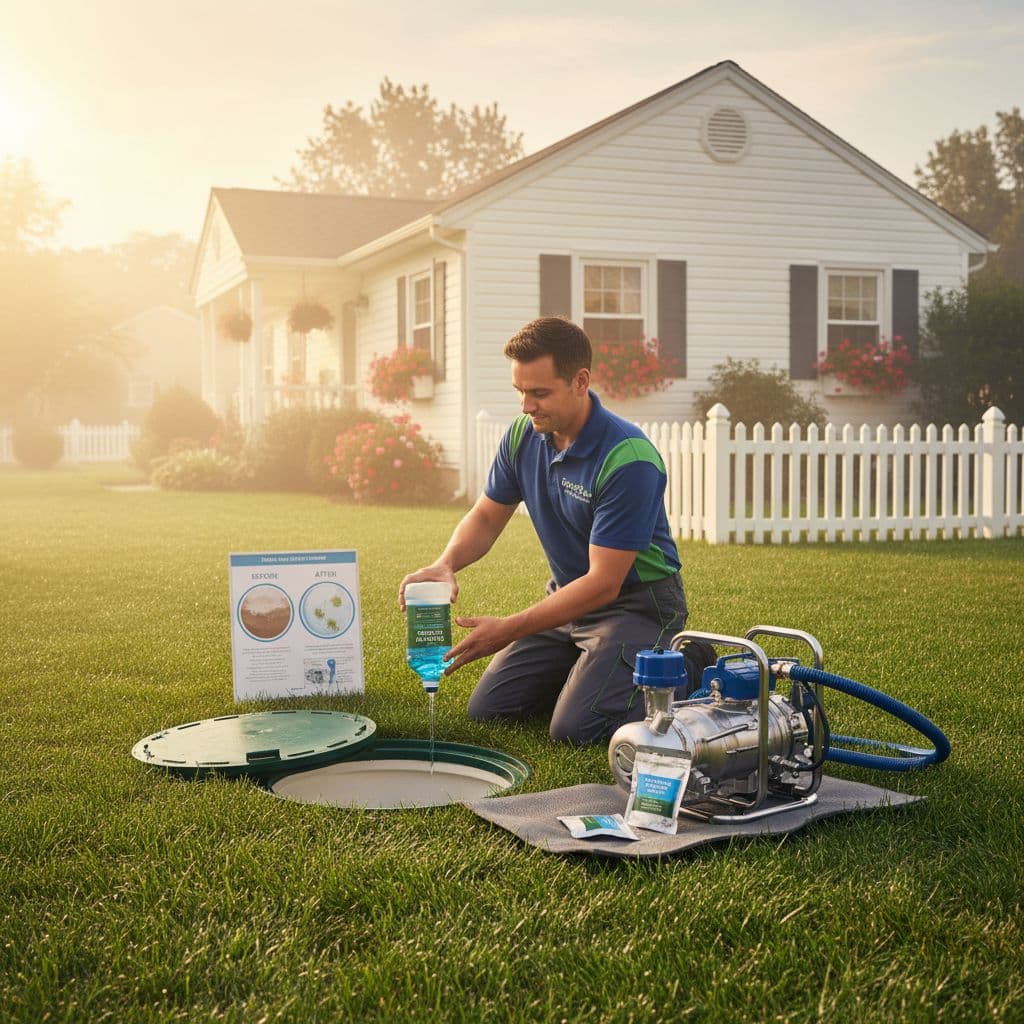
Odors, slow drains, worrying that you are due for a repair bill. If you own a septic system, you know that feeling. Here is the good news. A steady routine, the right habits, and the right bacteria for septic tank treatment can keep your system calm and quiet.
You’ll see where these living helpers digest waste, eliminate odors and protect your drainfield. You’ll see where bacteria help and where they do not. Bacteria help digestion but do not substitute for pumping or basic preventative care.
In this guide, you will learn what bacteria are good for septic systems, what they need to grow, how to use the products properly, and when to call a pro. Think of this as a course of action that you can follow on a busy week.
I learned this the hard way after a season of slow drains and embarrassing smells in the backyard. A few fixes made all the difference. You can do it too!
How Septic Tank Bacteria Work and Why They Matter
Understanding a septic system is a simple matter of breaking it down into its parts. Waste from your home enters the tank of your septic system. The heavy solids settle down and form sludge. The oils and fats will float and form scum. The waste that is left, called effluent, will flow from the tank into the drainfield.
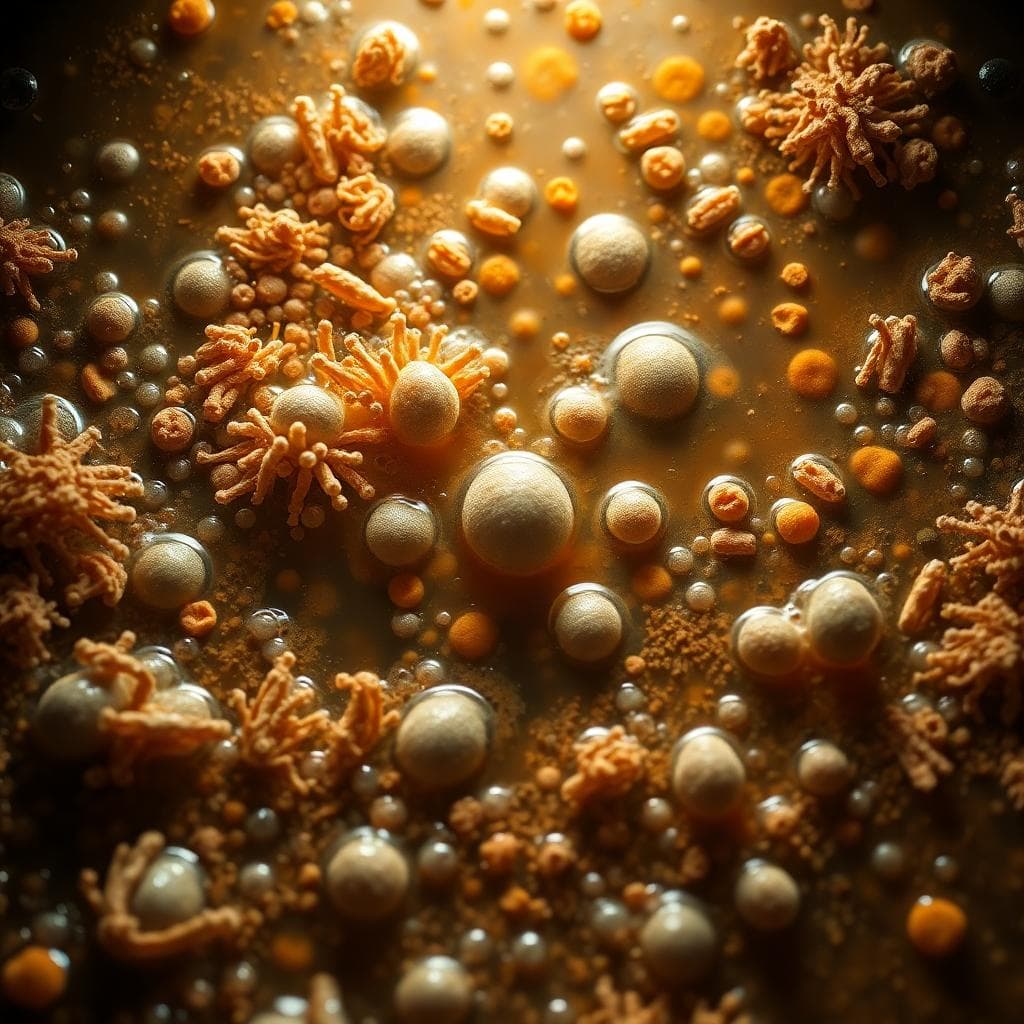
Inside the tank, bacteria feed on this waste. They digest the larger piece of waste into smaller particles working to produce less odor. If bacteria are healthy they will prevent most clogs, control the sludge, and prevent overload of the drainfield.
When bacteria thrive in your system, the whites have no odors, or backups. If they do not, odors from the drains and backups begin to appear.
What Happens Inside Your Septic Tank
Here is the flow in plain terms.
- Settling: Solids drop to the bottom as sludge. Grease rises to the top as scum. The liquid in the middle is effluent.
- Digestion: Most action inside a septic tank is anaerobic, so it happens without oxygen. These bacteria break down waste slowly but steadily.
- Enzymes as helpers: Enzymes act like scissors that snip waste into smaller pieces. Then bacteria eat those pieces and keep the cycle going.
- Outflow: Effluent exits to the drainfield where soil and microbes finish the cleaning.
If the tank has enough good bacteria, digestion keeps up with daily use. If not, solids build up, odors grow, and the drainfield gets stressed.
Good Bacteria vs. Harsh Chemicals
Bacteria and enzyme blends are alive or bioactive. They help your tank digest waste. Strong cleaners, bleach, solvents, and products that claim to be antibacterial kill or weaken those helpers. Too much use of this kind of cleaning product slows digestion and invites odors.
Clean your house, just do it with balance. Use cleaners that are septic safe and space out strong products. That way, you will protect your system and still have clean sinks and showers.
When Bacteria Alone Is Not Enough
Bacterial additives aren’t magic. They will not fix structural problems, broken baffles, crushed pipes, or a drainfield that is saturated. They also will not replace a good pump out.
Expect to pump every 3 to 5 years or as needed for your household size and tank size. Call a professional if you have standing water over the drainfield, sewage smells in the house or frequent backups. Bacteria help your system, but they won’t rescue a failing system.
What Bacteria Is Good for Septic Systems? Choose Safe, Effective Products
You don’t have to be a scientist to select a good product. You need a clear label, honest claims and ingredients that will match septic system workings.
Forget stuff that sounds too good to be true. Look for products that list strains, give directions, and say they are safe for septic systems. If the product says it will dissolve anything or that you won’t have to pump again, walk away.
Good Bacteria for Septic Tank: Helpful Strains and Enzymes
Here are common helpers and why they matter.
- Bacillus species: Hardy, form spores, and handle many conditions. They survive swings in temperature and pH better than fragile strains.
- Pseudomonas species: Good at breaking down oils and some complex compounds.
- Lactobacillus species: Produce acids that can help with odor control and digestion.
- Nitrosomonas and Nitrobacter: More relevant in aerobic steps, but they may appear near the drainfield and help with nitrogen conversion.
Enzymes are not alive, but they speed up breakdown.
- Protease: Breaks down proteins, like food waste and some household residues.
- Amylase: Breaks down starches from food and laundry residues.
- Lipase: Breaks down fats and oils, helps reduce scum buildup.
- Cellulase: Breaks down paper fibers, helps keep toilet paper moving.
A blend of bacteria and enzymes can support a tank after stress, like after antibiotics, a deep clean with bleach, or a pump-out.
How to Read the Label: CFU, Strain Names, and Claims
CFU stands for colony forming units. It is a count of living bacteria per dose. More CFU is not always better if the strains do not fit the job. A balanced mix of tough strains often outperforms a giant number of random microbes.
What to look for on a label:
- Strain names: Not just “bacteria” or “natural cultures,” but families like Bacillus subtilis or Bacillus licheniformis.
- Clear dosing directions: How much, how often, and where to add.
- Storage info: Shelf stable or refrigeration needed, and expiry date.
- Safety notes: Septic safe, non-corrosive, and no harmful chemicals.
- Realistic claims: Support digestion, help with odors, reseed after pump-outs.
Be cautious with vague marketing terms like “super formula” with no details. Clear, simple labels show respect for your money and your system.
Enzyme-Only vs. Bacteria Blends vs. DIY Mixes
Each option has a place.
- Enzyme-only: Speeds up breakdown of grease, starch, and proteins. Helpful as a complement, but not a replacement for living bacteria.
- Bacteria blends: Good for routine support and reseeding after stress or a pump-out. Look for hardy strains and simple directions.
- DIY mixes: Yeast, meat scraps, sugar, or milk. These can cause foam, odors, and imbalance. They can spike activity, then crash. Skip the DIY hacks and choose a tested product.
Red Flags and Myths to Avoid
Avoid products with toxic or harsh additives.
- Quaternary ammonium compounds, called quats, kill bacteria, including the ones you want.
- Solvents and formaldehyde can harm your system and the environment.
Common myths to skip:
- The monthly yeast fix. Yeast is not a full solution for a septic tank.
- The magic shock in a bottle. One dose will not save a failing system.
- The never pump promise. You still need to pump on a schedule.
Pick septic safe products with clear directions. Keep it simple and steady.
How to Use Bacteria for Septic Tank Treatment the Right Way
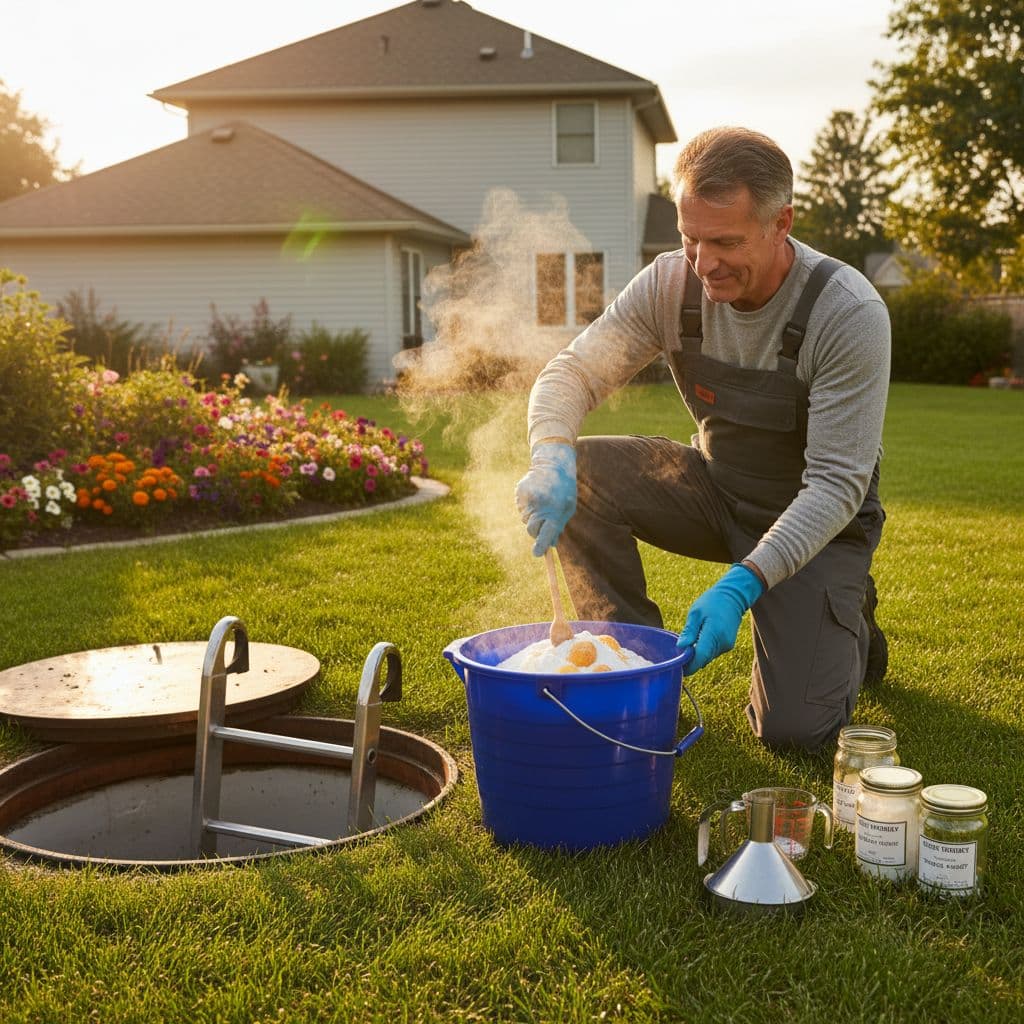
Good products are of no use unless they are used properly. A good plan of using them is to use them at night and not use excessive amounts of water for a certain time before and until they are used, then they will work best. The plan given here is a simple one which fits into the daily schedule of most people without having to make extra effort.
Dosing and Timing: A Simple Schedule That Works
A monthly maintenance dose should be used. This should be adjusted to suit the size of family and tank. If the family is large or tank small, a slightly larger dose will be needed. If the family is small or tank large the dose may be fixed smaller.
If the system is in a new condition or is stressed, the starter dose should be used. This will be given according to the manufacturer’s instructions for the first month, afterwards the monthly maintenance doses should be used.
It is well to use the dose in the night-time sparingly when little water is being used in the household. This will allow it to roost before the morning shower bath busy time.
Where to Add and How to Apply
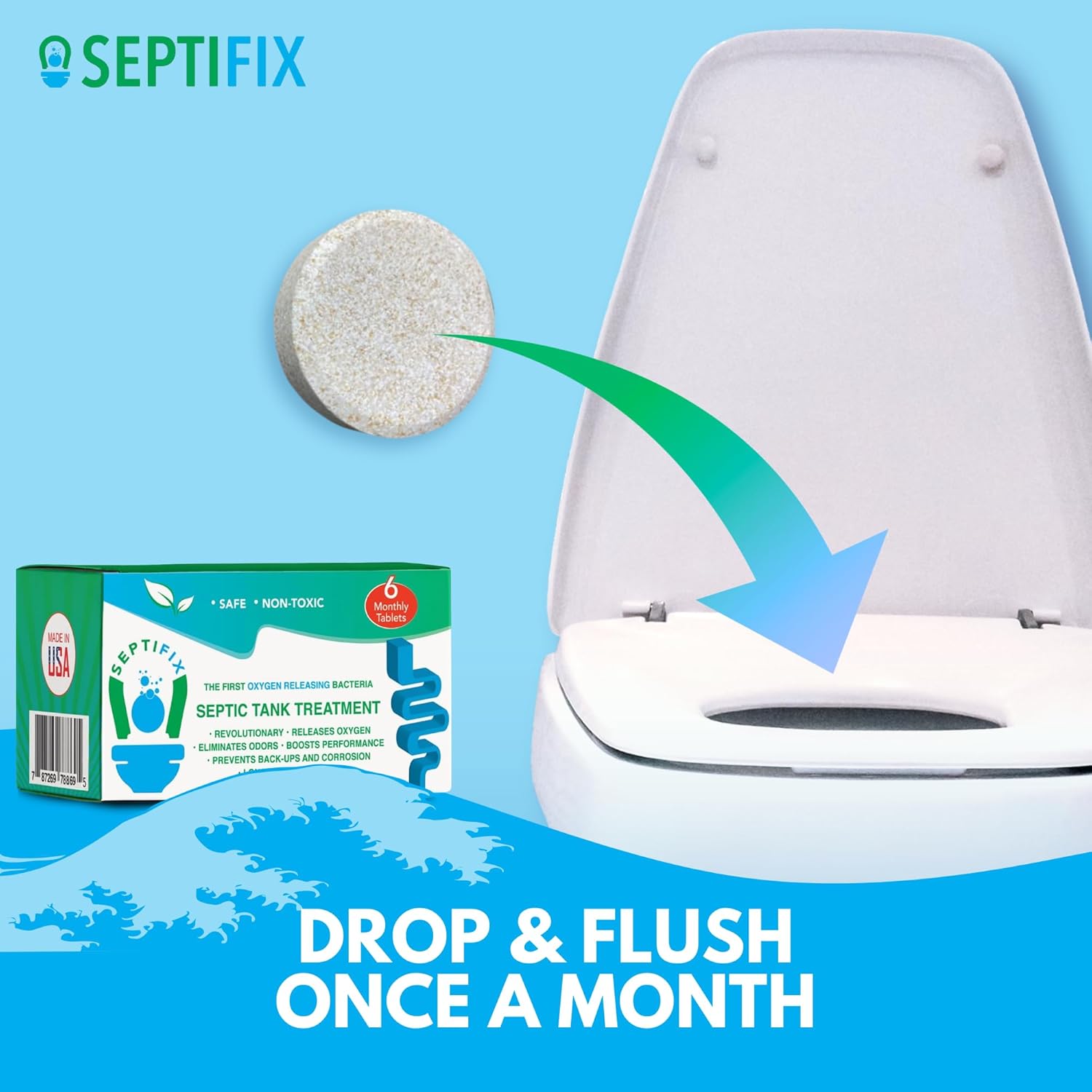
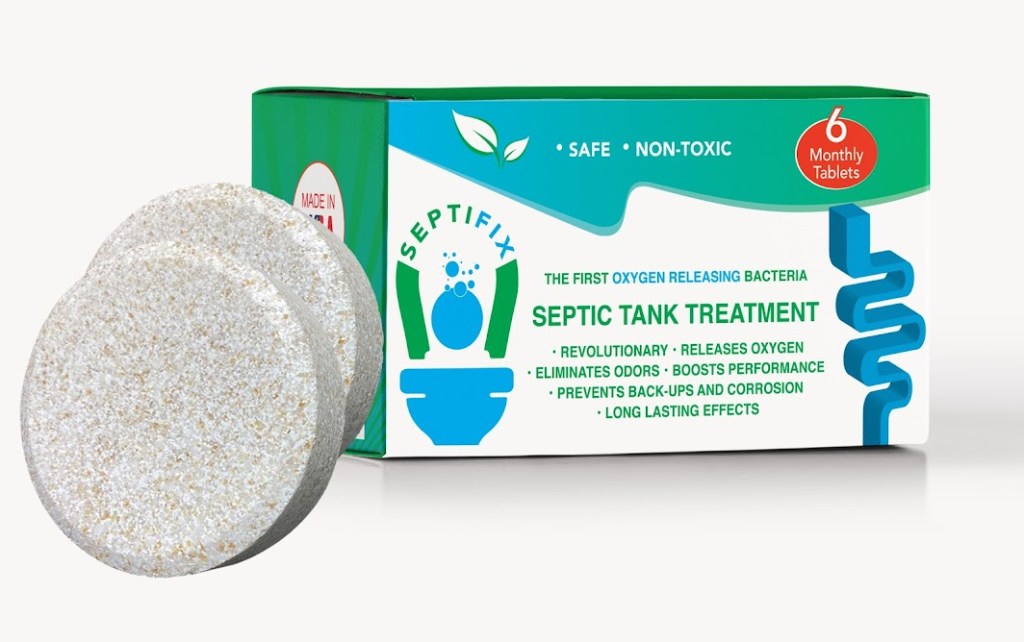
Adding the product through the toilet is a simple and good method. If you have the powder or tablets, drop them in and follow with a light flush. If you have the liquid, pour it slowly into the bowl and let it sit for some little while and work on before flushing.
Never pour it in the kitchen sink which may have grease in it A little grease will slow up the cooking power and may stop altogether flow. The baths are the proper place.
After pumping the tank resow it as directed. A new dose immediately after a pump-out is a good way to replenish the population that went into the waste stream.
Seasonal Tips: Cold, Heat, and Big Events
Cold slows down bacteria; winter will do well to keep a strictly routine situation and no large doses of harsh cleaners. Warm the pipes through daily normal use so that the system stays active.
Heat accelerates activity but the greases can mean trouble; in summer you should scrape plates and pots into the garbage and limit the oils used in cooking down the drain. You should also limit the water surges that might force the solids out to the drainfield.
Before having parties or company, add a maintenance dose one or two days ahead. Spread the laundry over two or three days if possible. Space the showers if you can, and any little things you do will prevent a dependency overload.
Safety, Cost, and Expectations
Keep products away from children and pets. Do not mix your dose with heavy cleaners at the same time. Give the bacteria a quiet window in which to do their thing.
What it costs will vary from brand to brand, but you can plan a budget for the year. Many families get a product which costs what a dinner out does in the way of monthly maintenance dosing. Compare cost per dose, not just the bottle.
Signs It Is Working: fewer odors, normal drainage, and no gurgling. If you still have frequent slow drains, odors of sewage or wet spots on the yard, call a professional.
What Helps Septic Tank Bacteria Thrive Every Day
Your daily habits have the most to do with it, not simply a packet monthly. Little things like scraping the grease into the garbage, spacing the laundry, fixing quiet leaks, using septic-safe cleaners, help keep the microbes alive and the drainfield in good checking. Wipes and chemical shocks should be avoided so that the bacteria can do their job daily.
What to Flush and What to Skip
Here is a simple guide for what to send down the toilet.
- Do flush toilet paper and normal waste.
- Do not flush wipes, even if they say flushable.
- Do not flush feminine products, floss, cat litter, or cigarette butts.
- Do not flush coffee grounds or paper towels.
- Do not pour paint, oil, solvents, or meds down drains.
Short and clear. If it is not human waste or toilet paper, put it in the trash.
Smart Water Use Protects Bacteria and Your Drainfield
Water use shapes your system’s health. Big surges can push solids out to the drainfield, then the field clogs, and backups follow.
- Spread laundry across the week, not all in one day.
- Fix leaky toilets and faucets. A silent leak can flood your system.
- Install low flow fixtures to cut peaks in water flow.
- Use a lint filter on the washing machine drain. Lint can bind with grease and cause clogs.
- Take shorter showers when you can.
Small habits add up to big savings and a longer lasting system.
Cleaning Products That Play Nice
You can keep your home clean without hurting your tank.
- Choose mild cleaners with septic safe labels.
- Use bleach sparingly, and never mix chemicals.
- Limit antibacterial soaps and sanitizers for routine use.
- Skip harsh drain openers. For clogs, try a mechanical snake or a septic safe enzyme drain treatment.
If you need to sanitize, space out use and avoid heavy doses all at once. Your bacteria will thank you.
Early Warning Signs and When to Call a Pro
Your system will send signals when it needs help.
- Gurgling drains or toilets.
- Slow sinks and tubs that do not clear well.
- Sewage smells inside or near the tank area.
- Wet, spongy spots, or extra green grass over the drainfield.
Check your records. When was your last pump? How old is the system? Did you have a recent spike in guests or water use? If signs persist, call a licensed septic pro. Ask for an inspection, a sludge and scum check, and a pump-out if needed.
Quick Reference: Enzymes and What They Break Down
Here is a handy reference table outlining the important enzymes used in treatments of sewers. It shows what each acts on, and what common household sources would cause accumulations in the drains.
Protease is the enzyme for breaking down the proteins in food residues and organic solids. Amylase works on the starches in the kitchen waste and laundry residues. Lipase destroys the fats and oils in the substances, as vegetable oils or grease used on cooking food, or oils originating from the human bodies. Cellulase acts on the papers—paper fibers, as in the paper of toilet tissue.
Use the table to determine whether a certain product meets the needs of your home. For instance, a product that contains lipase should be used if a lot of vegetable oils are fed into the drains. Cellulase would be required for any excesses of toilet paper, where toilet tissue was more plentiful than usual because of so many extra guests, the effect of all these extra products being to maintain the good flow of liquid matter in the sewers.
Bringing It All Together
Bacteria for septic tank treatment are your quiet helpers. They digest waste, cut odors, and protect your drainfield. The right product, a simple dosing routine, and smart daily habits keep that system working in the background, just like it should.
Here is a short action plan for this week:
- Pick a septic safe bacteria and enzyme blend with clear strains and directions.
- Dose at night through a toilet, once a month, with a starter dose if needed.
- Spread laundry across the week, and fix any leaks you have been ignoring.
- Keep harsh chemicals to a minimum, and avoid flushing wipes or trash.
- Mark your calendar to check pump date and book service if you are due.
Be consistent, keep records, and look for early signs! Schedule frequent flushing, even using bacteria for treatment of the septic tank. If you see warning signs, call a pro before they grow from small problems into expensive repairs.
You deserve a home that works without worry. It will take a few regular habits to get there.
Related Posts