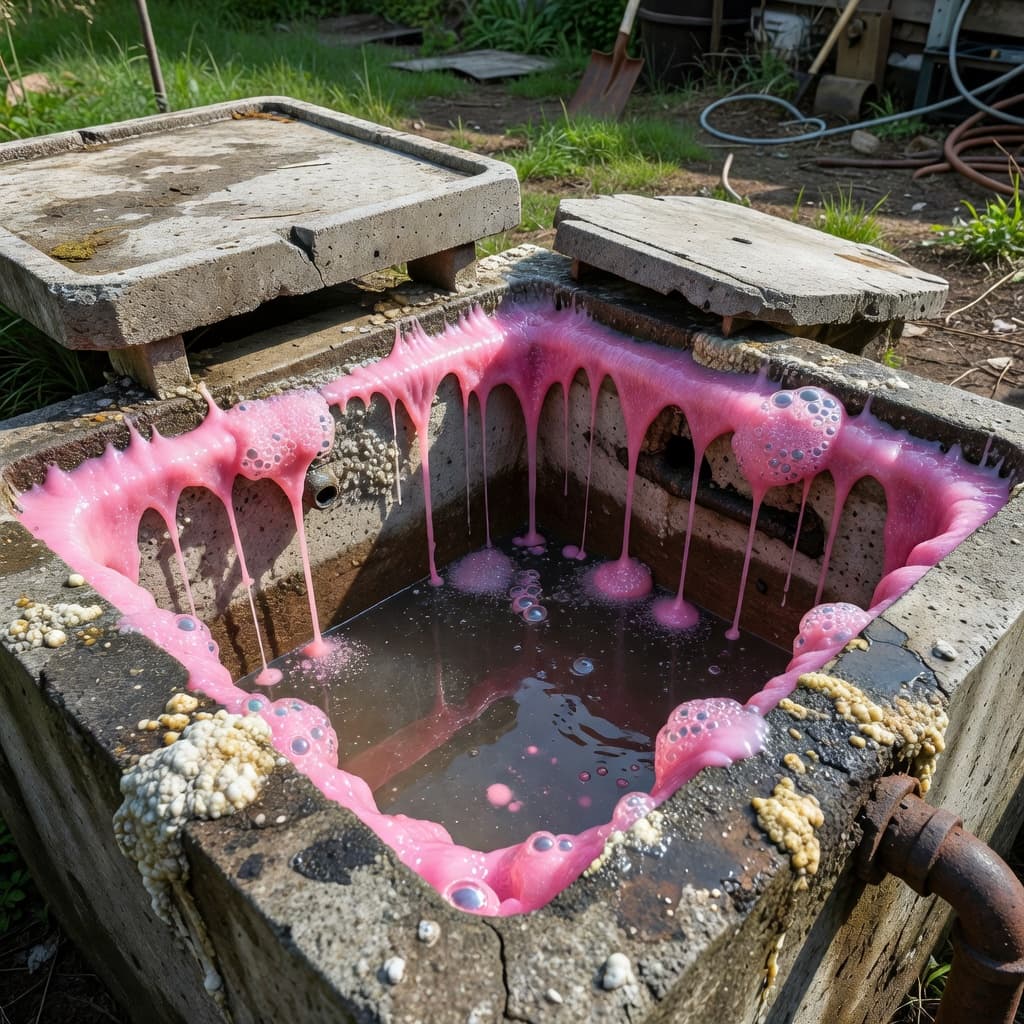
When pink slime shows up in your bathroom, it is likely an unwanted surprise. Pink slime could show up in the toilet bowl, around the sink drain, in the shower, or on damp areas of grout.
Most homeowners believe that the pink slime they see is “pink sludge” coming out of their septic system. In many cases, this isn’t true.
In general, pink slime is actually a type of biofilm made by bacteria. Bacteria create these biofilms on surfaces which have soap residue, body oils, and other organic materials on them along with some level of mineral content. These types of bacteria typically include but aren’t limited to Serratia marcescens; however, the presence of one of the organisms cannot be confirmed solely based upon color.
Pink slime does not generally indicate that your septic system has failed. However, it will continue to grow if there continues to be moisture present and/or residue. It can occur at the same time as actual problems within your septic system (i.e., slow draining toilets or sewage backing up into the house).
This article provides information about what septic tank pink slime indicates, how to clean it off, how to prevent its appearance, and when to contact a septic service company for assistance.
Key Takeaways
- The term “pink slime” is generally a biofilm created by bacteria, rather than simply an accumulation of raw sewage (septic sludge).
- Bacterial growth and pink slime formation is most likely in warm and humid locations where there are soaps and oils from human skin present.
- Areas where pink slime appears include toilet bowls, shower walls, sink basins, drains, as well as shower curtains.
- While pink slime is rarely harmful to otherwise healthy individuals, those who have compromised immune systems or underlying medical conditions may experience negative consequences.
- When attempting to clean pink slime be sure to wear protective gloves and eye protection.
- Never combine bleach with either vinegar, ammonia, acid products, or other household cleaners.
- Do not dispose of large quantities of highly concentrated chemical solutions (such as drain cleaners) down a septic drain field.
- Presence of pink slime in your plumbing does NOT mean you need to pump your septic tank.
- You will know if you need to call a professional for assistance if you notice sewer odor, backup of water into your home, saturated ground around the drainfield area, or you hear gurgling sounds coming from your drain lines.
What Is Septic Tank Pink Slime?
Pink slime is usually a thin layer of bacteria and other microorganisms. This layer is called a biofilm.
A biofilm forms when microorganisms attach to a damp surface. They create a protective coating that helps them remain in place. Soap residue, body oils, dust, and minerals can give the biofilm more material to grow on.
The film may look:
- Pink
- Salmon
- Orange
- Peach
- Red-orange
The color can change based on the surface, water quality, lighting, and the amount of buildup.
The Cleveland Clinic explains that Serratia marcescens can grow in damp areas such as showers, sinks, and toilet bowls. It is often mistaken for mold.
Septic Tank Pink Slime is usually not mold. Mold is a fungus. Pink slime is more often a bacterial film.
Still, you cannot identify bacteria with certainty by looking at the color. Several organisms can create colored growth. If you are concerned about a health risk, contact a medical professional or public health department.
Where Does Pink Slime Usually Appear?
Pink biofilm grows where moisture remains for long periods. It also grows where soap and organic residue collect.
Common locations include:
- Under the toilet rim
- Toilet Bowl Waterline
- Drain (sink)
- Overflow Drain Opening (sink)
- Shower Drains
- Shower Corners
- Grout Lines
- Base Faucets
- Shower Heads
- Bathtub Drains
- Shower Curtains
- Pet Water Bowls
- Wet Cleaning Tools
There may be pink rings under the waterline of toilets; or you might observe a slimy film on/around drain stoppers. Pink slime can form at the base of an open-ended shower curtain.
Pink slime can appear to grow in shower corner areas that remain wet for extended periods. These areas are part of your home’s plumbing system.
The presence of pink slime is no indication that there is “pink goo” in your septic tank.
Is Pink Slime Really Coming From the Septic Tank?
Generally, No.
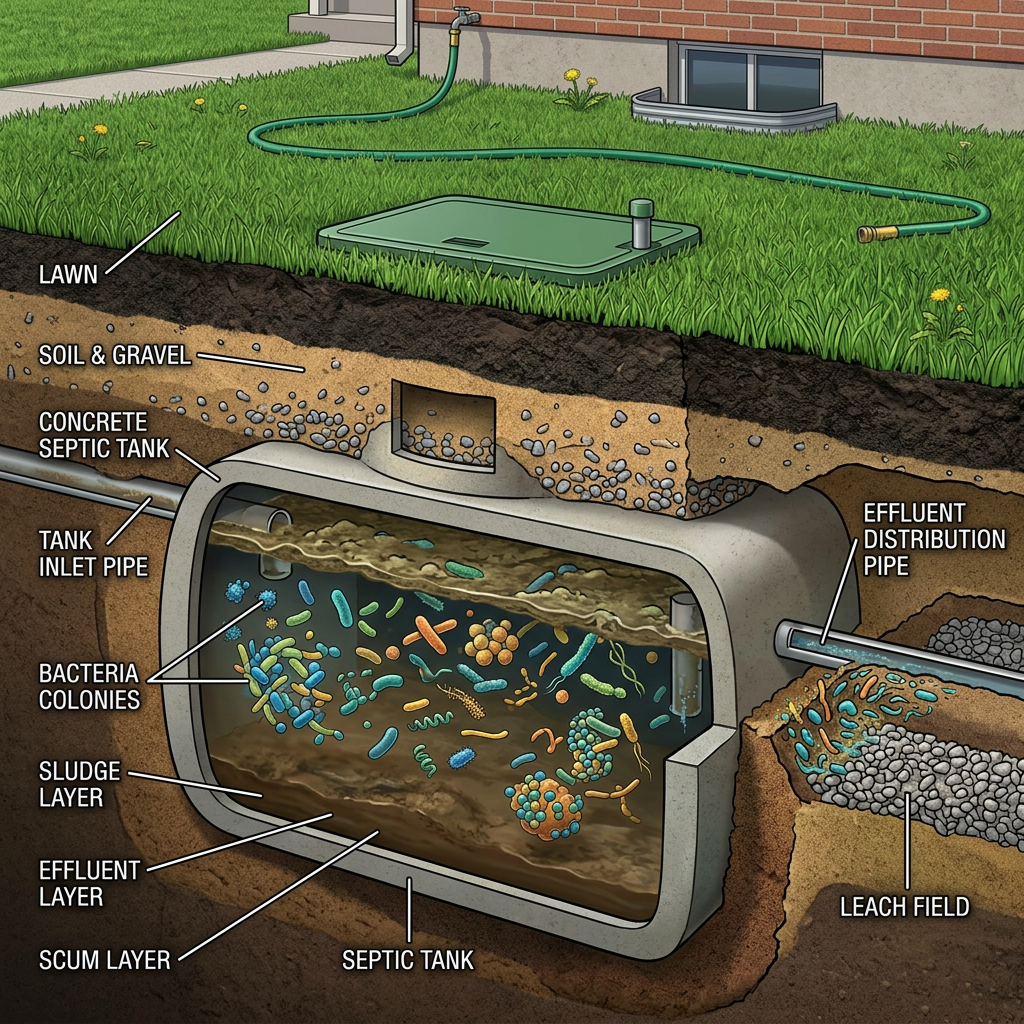
Septic tanks receive all of the wastewater (toilet, kitchen sink, shower, washing machine etc.) A septic tank has three layers; liquid, scum, and sludge. In addition to these three layers, there are trillions of bacteria in a septic tank. The environment inside a septic tank is very different than the warm, oxygen rich environments you find in bathrooms.
Pink Slime generally forms on the surface of where it is seen. Generally, it does not come out of the bottom of the septic tank and cover an entire toilet, sink or shower.
Why This Matters.
You can pump the sludge from your septic tank. Pumping your septic tank will not take away a biofilm from your shower grout or sink drain. You will have to clean the surface where the pink slime appeared, and then you will have to lower the conditions for the growth of this material.
However, Pink Slime often occurs as part of a larger problem within your septic system. Be aware of additional signs, such as:
- Sewage odors outdoors
- Sewage backing up into the home
- Gurgling drains
- Slow drains throughout the house
- Wet soil over the drainfield
- Standing water near the tank
- A septic alarm
- Toilets that flush poorly
If you notice these problems, call a qualified septic professional. Do not assume that cleaning the pink film will solve the larger issue.
Is Pink Slime Dangerous?
Septic Tank Pink Slime is usually not a serious health threat to healthy people. However, it should still be handled carefully.
Some strains of Serratia marcescens can cause infections in vulnerable people. This includes people with weakened immune systems, open wounds, or certain medical conditions.
The Gwinnett County Water Resources fact sheet on Serratia marcescens recommends careful cleaning of areas where the film grows.
Use these precautions:
- Always wear rubber or disposable gloves to protect your skin.
- Protect your eyes by wearing protective eyewear if there may be splash back.
- Keep all children and pets at a safe distance.
- Use bandages for any cuts you have on your hands.
- Do not touch your eyes, mouth, or face when working with chemicals.
- Clean your hands thoroughly as soon as you finish.
- Be sure to ventilate (let in air) as much as possible while using chemical cleaners.
If the substance gets into an open wound or irritates your eyes; flush with clean water.
How to Clean Pink Slime Safely
The best approach is simple. Remove the film first. Then clean and disinfect the surface.
Step 1: Ventilate the room
Open a window or turn on the bathroom exhaust fan. Good ventilation reduces fumes and moisture.
Remove towels, bath mats, toiletries, and other items near the affected area.
Step 2: Put on protective equipment
Wear gloves before touching the biofilm. Use eye protection if you expect splashes.
You may also want to wear old clothing. Pink residue can spread during scrubbing.
Step 3: Remove the visible film
Use a disposable paper towel or cleaning cloth to remove the thickest layer.
Place used towels in a sealed rubbish bag. Do not shake them around the room.
For a drain or toilet bowl, use a separate brush. Do not use the same brush for food preparation areas.
Step 4: Wash the surface
Use warm water and a mild household cleaner. Scrub the surface with a brush or sponge.
Focus on:
- Grout lines
- Drain openings
- Corners
- Under the toilet rim
- Faucet bases
- The underside of the drain stopper
Scrubbing is important. Disinfectant works better after the visible film and soap residue have been removed.
Step 5: Disinfect the surface
Use one disinfecting product. Follow the instructions on its label.
Do not mix products. Never combine bleach with:
- Vinegar
- Ammonia
- Toilet bowl cleaner
- Drain cleaner
- Acidic products
- Other disinfectants
These combinations can create dangerous gases.
For homes with septic systems, use the smallest practical amount of disinfectant. Apply it to the surface. Do not pour concentrated bleach or disinfectant into the drain.
The EPA guide to septic system care advises homeowners to keep harsh chemicals and unsuitable waste out of the septic system.
Step 6: Rinse the area
Rinse the surface with clean water. Remove any leftover cleaner or disinfectant.
Do not flush large amounts of cleaning water into the septic system. Use only the amount needed to clean the area.
Step 7: Dry the surface
Dry the area with a clean towel. Leave the shower curtain open. Run the exhaust fan for a while after cleaning.
Dry surfaces make it harder for the biofilm to return.
How to Clean Pink Slime From a Toilet
To prevent “pink slime” from forming around the toilet waterline (and underneath it), you will first need to apply a toilet cleaner to the inside of the toilet bowl; scrub the area where the water line is located with a toilet brush; then flush the toilet.
Do NOT use two different types of toilet cleaners in one session.
Blue-colored tablet products for cleaning the water in the toilet tank should be avoided if possible. If you do decide to buy these kinds of products, please contact the manufacturer and ask them to confirm whether the product you have purchased is safe for your plumbing/septic system. These kinds of products usually contain chemicals that could harm rubber parts or cause additional chemical additives to be added to your wastewater when flushed down the toilet.
Wipe clean the outside of the toilet using a separate towel/rag. Be sure to get all of the exterior areas such as: hinge, seat bolt, etc., on the bottom of the toilet.
If pink slime returns within a few days, check for a slow leak from the toilet tank. A small leak can keep the bowl surface wet and encourage repeated growth.

How to Clean Pink Slime From a Shower or Sink
Start by removing hair, soap buildup, and visible slime. Wash the area with warm water and a mild cleaner.
Use a brush for grout and textured surfaces. Remove the drain stopper if possible. Clean underneath it and around the drain opening.
For a sink, check the overflow hole. This small opening can hold moisture and organic residue.
For a shower, clean:
- The drain cover
- The bottom of the shower curtain
- Shower door tracks
- Grout lines
- Faucet bases
- The underside of bottles
- Corners that stay wet
Rinse the area well. Dry the surface after cleaning.
If the sink or shower drains slowly, do not immediately use a strong chemical drain opener. A physical blockage may be present. A plumber can inspect the drain without sending harsh chemicals into your septic system.
Can Bleach Damage a Septic System?
A small amount of diluted bleach used on a surface is different from pouring concentrated bleach into the septic tank.
Large amounts of bleach, disinfectant, antibacterial chemicals, and drain cleaner can disrupt the organisms that help treat wastewater. They may also harm plumbing components or affect the drainfield.
Advice about bleach can vary by septic system and location. Some systems have special treatment units. Others have pumps or aerobic components with different requirements.
For that reason:
- Follow the cleaner label.
- Use the smallest amount needed.
- Keep concentrated chemicals out of drains.
- Do not pour leftover bleach into the toilet or sink.
- Ask your septic provider about products that are suitable for your system.
Never use chemicals as a replacement for pumping or inspection.
How to Prevent Pink Slime From Coming Back
Cleaning removes the visible film. Prevention reduces the chance of new growth.
Keep bathroom surfaces dry
Run the exhaust fan during a shower and for several minutes afterward. Wipe water from shower walls and doors.
Spread the shower curtain open so it can dry. Wash the curtain and liner regularly.
Reduce soap residue
Use only the amount of soap, shampoo, and conditioner you need. Heavy products can leave more residue behind.
Rinse shower walls when practical. Clean soap buildup before it becomes thick.
Fix leaks
Check for leaks around:
- Toilets
- Faucets
- Showerheads
- Supply lines
- Sink drains
- Washing machine hoses
A slow leak keeps surfaces damp. It can also send extra water into the septic system.
Clean drains regularly
Remove hair and visible residue from drain covers. Clean the drain stopper and overflow opening.
Do not rely on strong chemical drain cleaners. Mechanical cleaning is often safer for septic systems.

Run unused fixtures
Guest bathrooms and rarely used sinks can develop odors and buildup. Run water through unused fixtures every week.
Flush guest toilets. Run each sink and shower for a short time. This keeps the traps filled and moves standing water through the plumbing.
Choose septic-friendly products
Look for products labeled as septic-safe. Choose biodegradable, low-phosphorus products where available.
Avoid sending these items into a septic system:
- Grease
- Cooking oil
- Paint
- Solvents
- Pesticides
- Harsh drain cleaners
- Wipes
- Paper towels
- Feminine hygiene products
- Cat litter
- Coffee grounds
Septic-safe products still need to be used as directed. The label does not give permission to pour large amounts down the drain.
Spread out laundry
Doing many loads at once can send a large amount of water into the system. Spread laundry throughout the week.
This helps reduce hydraulic stress on the tank and drainfield.
Does Pink Slime Mean You Need to Pump the Septic Tank?
Not by itself.
Septic Tank Pink Slime on a bathroom fixture usually means that surface needs cleaning. It does not tell you how much sludge is in the septic tank.
You may need pumping if:
- The tank has not been serviced within the recommended period.
- The tank has a high sludge level.
- Drains are slow throughout the house.
- The toilet is backing up.
- You notice sewage odors.
- Wastewater is surfacing near the drainfield.
Read our guide to 7 Signs Your Septic Tank Is Full for more warning signs.
Most household septic systems need inspection every one to three years. Many systems need pumping every three to five years. Your household size, tank size, water use, and system design may change that schedule.
You can also learn more in How Often Should You Pump a Septic Tank?.
When Should You Call a Septic Professional?
Call a professional if pink slime appears with other warning signs.
Important signs include:
- Sewage entering your house
- You smell like sewer
- Your drain field has wet or spongy dirt
- There is standing water in the yard with raw sewage
- Your plumbing sounds like it’s gurgling
- You have multiple slow drains
- Septic alarm sounding
- Tank filling up too quickly
- Recent pumping didn’t fix the problem
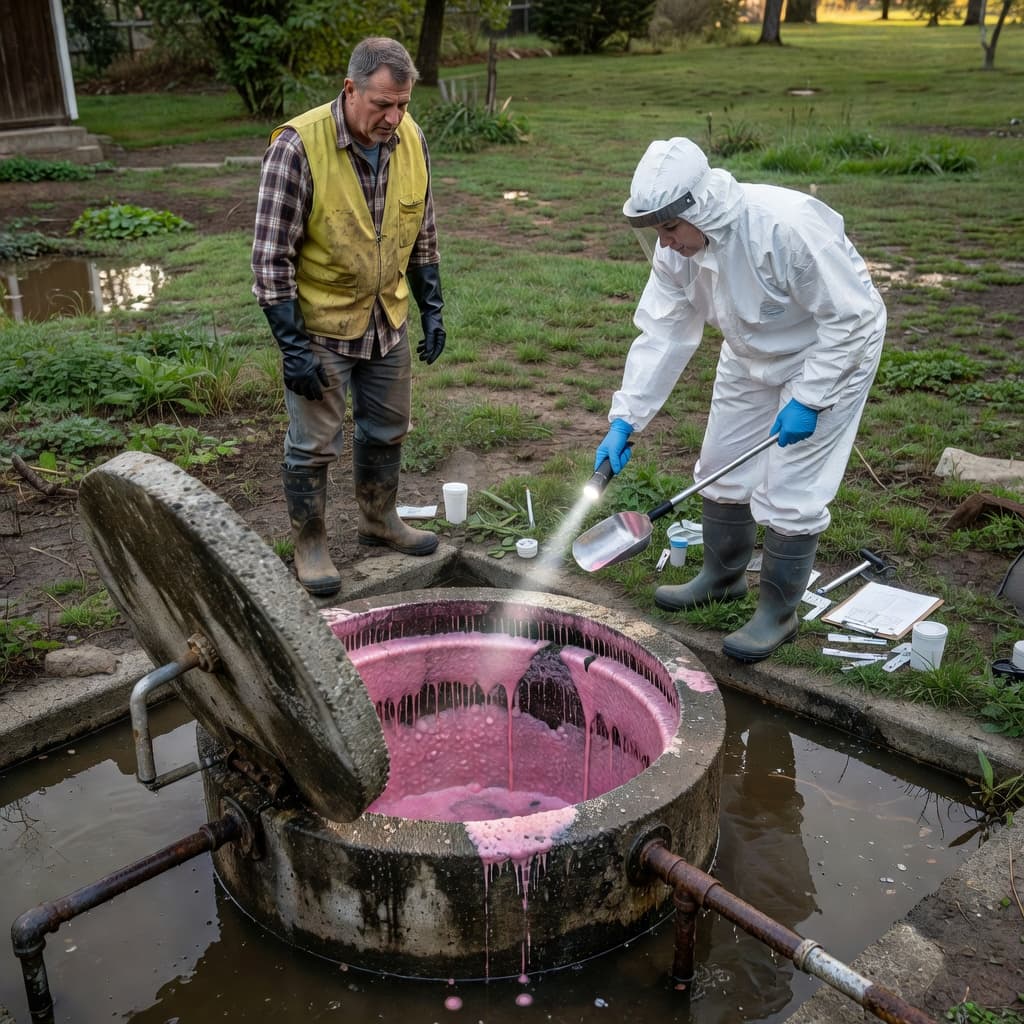
Do not look for “pink slime” by opening a septic tank. Do not lean over an open tank. The fumes of a septic system are poisonous and could make you pass out.
Do not enter a septic tank. It is unsafe for homeowners to visually inspect from the inside.
Only a professional will be able to evaluate the condition of the tank, baffles, filter, pipes, pump and drainfield. If there is a sewage leak, do not allow people or animals near the contaminated area.
Frequently Asked Questions
Is pink slime in a septic tank normal?
Septic tank Pink slime – most often the Pink slime found on bathroom fixtures is simply a surface biofilm. Therefore it is generally not indicative of septic tank failure. If you have a septic expert inspecting the tank, they will need to determine whether there are any “unusual” materials within the tank; therefore, even though the color alone cannot be used to diagnose why Pink slime exists, the inspector should be able to find out what caused the slime.
Is pink slime the same as pink mold?
No. Generally Pink slime is a biofilm produced by bacteria. While Pink Mold is a very common misnomer for the Pink film frequently seen in bathrooms, Pink Mold is actually a type of fungus (Mold).
A good example of this would be serratia marcescens which is a bacterium.
Can I pour bleach down the drain to kill pink slime?
Do not pour concentrated bleach into your drain. Bleach can travel through the drain to your septic system and could potentially interfere with the biological process occurring in your septic system. Use an acceptable cleaner on the surface that has the Pink slime on it.
Read and follow the label directions carefully. As little product as possible should be introduced into the septic system via your drain.
Why does pink slime keep returning after cleaning?
The reason Pink slime appears again is because there was still some moisture and residue present. Some ways moisture can develop include poor ventilation, excessive soap usage, leaky faucets/shower heads, and excessive humidity from a wet shower curtain. All these conditions allow for growth of the Pink slime again.
To help prevent the Pink slime from developing again make sure to dry off after each use. Repair leaks quickly. Clean drains and shower walls routinely.
Can septic additives remove pink slime?
No. Septic additives are intended to provide additional assistance to your septic system. However, septics additives do nothing to remove biofilms that occur on surfaces around your home (i.e. Shower wall). Additionally, septic additives do not replace regular pumping and inspections required for maintaining your septic system.
Properly clean surfaces where Pink slime develops and follow local guidelines for maintenance of your septic system.
Should I pump my septic tank if I see pink slime?
Seeing Pink slime does not indicate that you need to have your septic tank pumped. Determine how long ago you last had your tank pumped and check for other indicators that suggest potential problems such as: slow draining toilets/sinks/drains, gurgling sounds coming from pipes, bad odors coming from drains/sewer vents.
Our Septic Tank Pumping Guide explains what pumping does and what to expect from a service visit.
How long does a septic tank last?
A septic tank can last for many decades when it is installed correctly and maintained properly. Soil conditions, tank material, groundwater, traffic, and repairs all affect its life.
Read How Long Can a Septic Tank Last? for more information.
Final Thoughts
Septic Tank Pink Slime is generally a layer of bacteria that develops on the surfaces of the bathrooms when they are in contact with water. This bacteria can feed off of soap residue, body oils, minerals, and moisture (trapped).
When using to remove the above mentioned bacteria from an area, always use gloves and ensure there is proper ventilation. First scrub the area then apply one of the recommended disinfectants. Do NOT combine cleaning supplies. Never pour caustics into the septic system.
Even after removing the pink slime, it will most likely grow back until the bathroom remains dry. To help prevent future occurrences of pink slime, simply remove all excess moisture from the bathroom by drying surfaces, fixing any leaks in the house, maintaining clean drains, and improving ventilation within the home.
Most importantly, do NOT believe that pink slime indicates that your septic tank has failed or is at capacity. The presence of pink slime is just one symptom of many potential issues associated with the function of your septic system.
If you experience any of the following symptoms you should call a licensed and experienced septic service technician immediately; sewage backup, sewer odors outside, standing water in yard, unusual noises coming from drain pipes or septic alarm sounding.
Give Your Septic System a Monthly Boost With Septifix
Less odor. Less buildup. More peace of mind.
Septifix helps make it easier to maintain your septic system. Simply drop a Septifix Tablet in the toilet you want to treat and then flush. The combination of the aerobic bacteria, oxygen release and pH balancing agents are specifically formulated to help break down organic material that may be causing problems with your septic systems.
Septifix Tablets can be used as a monthly addition to your normal routine of maintaining your septic system. They are very simple to use, do not require any measurements and take only seconds to add each month.
Keep your septic system working smoothly. Try Septifix today.
Check the current Septifix price here.
Affiliate disclosure: This may be an affiliate link. We may earn a commission if you make a purchase, at no extra cost to you.

Disclaimer
This article is for general information only. Pink slime cannot be identified with certainty by appearance alone. Cleaning products, septic requirements, and health guidance may vary by location and system type.
This information is not a substitute for advice from a licensed septic professional, plumber, doctor, or local health department. Contact a qualified professional if you have sewage backups, standing wastewater, strong odors, health concerns, or questions about cleaning products for your septic system.
U.S. Government Septic System Resources
These official resources provide reliable information about septic system care, pumping, household chemicals, and septic additives.
- EPA: How to Care for Your Septic System
Learn about regular inspections, pumping, water use, drainfield care, and items you should keep out of your septic system. - EPA: Septic Tank Additives Fact Sheet
This fact sheet explains what septic additives are and why they are usually not necessary for a properly maintained septic system.
Related Posts