Septic Tank Treatment Options You Can Actually Trust (Bacteria, Additives, and Habits)
So you have a septic system. Well then, you probably know this already. Anytime your septic system malfunctions, your entire life will seem like it is malfunctioning. Odors, slow draining, and toilets threatening to overflow; and that gnawing feeling of anxiety in your belly.
A septic tank is simply a large underground tank that holds and processes household wastewater. Bacteria in the tank digest the solid waste that comes in through the house’s drainpipes. This natural digestion process continues as long as the system remains in equilibrium. However, when the digestion process becomes unbalanced, repair costs and backup problems quickly occur.
There are many different types of septic tank treatment options available to consumers, which can create confusion. But, the purpose of this article is to explain how each type of septic tank treatment works and to provide you with practical information to assist you in selecting the best product to suit your needs. Ultimately, our aim is to help you maintain your septic system to prevent costly, inconvenient septic-related emergencies, while also helping to minimize ongoing costs associated with maintaining your system.

How Your Septic Tank Works and Why Treatment Matters
It is helpful to understand the components of your septic system and how they interact with one another before making a decision on which product to purchase. The typical residential septic system consists of three primary components: the household piping system, the septic tank itself, and the drainfield.
Water entering the tank from sinks, showers, toilets, and washing machines separates into two layers. At the bottom of the tank, heavy solids settle, and grease and lighter materials such as oil float to the surface. Between the two layers lies the effluent, or cloudy liquid, which eventually enters the drainfield. Within the soil, the effluent is filtered and purified as it percolates downward into the earth.
The bacteria present within your tank are the quiet heroes that naturally consume and break-down the solid waste in your tank, creating less space for solids and reducing the amount of energy required for subsequent pumping operations. The addition of harsh chemicals, excessive amounts of water entering the tank, etc., disrupts this equilibrium.
Septic tank treatment products and routine maintenance practices help to protect the beneficial bacteria present within your septic tank. By doing so, you are typically able to experience reduced clogging of the drainfield, fewer odors emanating from your tank, and greater longevity of your septic system prior to requiring major repairs.

The basics: What happens inside your septic tank
Within the confines of your septic tank, there will eventually develop three distinct layers:
* Sludge forms at the bottom of the tank and is comprised of solids that are denser than water.
* Scum, located at the top of the tank, is composed primarily of fats, oils, and grease (FOG).
* Effluent, which exists between the two previously mentioned layers, represents the cloudy liquid that will eventually drain into the drainfield.
The beneficial bacteria residing in your tank begin to decompose the sludge and scum, though it does not completely eliminate them, which is why periodic pumping will continue to be necessary. However, by increasing the rate of decomposition, the bacteria facilitate the reduction of sludge and scum formation rates, allowing the tank to operate properly. When the bacteria present in your tank remain healthy and active, waste decomposition occurs at a faster rate, and the tank operates optimally. Conversely, when the bacteria become inactive or die, solid waste builds-up in the tank, potentially causing clogs in the drainfield, resulting in a variety of problems related to household plumbing.
Why regular septic treatment can save you money and stress
While regular maintenance is not merely a matter of using various products, it involves establishing a simple routine that addresses problems early and prevents future issues from occurring.
When your septic system remains in equilibrium, you typically encounter:
* Reduced frequency of backups and slow drainage.
* Reduced odor in your yard and/or within your home.
* Extended intervals between pumping operations.
* Lower likelihood of significant repair events, including replacement of your drainfield.
In a similar manner to dental care, where routine habits and occasional visits to the dentist prevent major problems from developing, regular maintenance of your septic system enables you to spend more time enjoying your life, rather than worrying about your toilets.
Septic Tank Treatment Options Explained (Bacteria, Additives, and More)
As you enter the aisle of your local hardware store or home improvement center, you are confronted with numerous bottles and packages claiming to possess magical properties. To make the selection process easier, let us group septic tank treatment products into four categories: bacteria products, enzyme and natural additives, chemical additives, and daily routines.
Bacteria-based septic treatments: Helping your tank do its job
Bacteria-based treatments contain additional beneficial microbes for your tank. These products exist in a variety of formats, such as:
* Flushable packets you insert into your toilet.
* Powders you sprinkle into the tank.
* Liquid solutions that you pour into the tank via a toilet or drain.
You may use these products for a variety of purposes:
* When you install a new system.
* Following the use of bleach or other harsh cleansers.
* Following a series of antibiotics used in your home.
* Based upon recommendations from a professional who suggests additional support for a sluggish system.
Advantages:
* Generally gentle and safe for tanks and drainfields.
* Enhance the natural process that is already taking place.
* May assist a stressed system in returning to equilibrium.
Limitations:
* Do not replace pumping.
* Do not solve pipe failures or drainfield failure.
* Results are generally non-dramatic.
Consider bacteria-based treatments to be similar to a probiotic for your septic system. They can be helpful, but they cannot restore equilibrium after years of abuse.
Enzymes and natural additives: Do they really help break down waste?
Enzymes are proteins that accelerate specific tasks. In the context of septic care, enzymes target items such as fats, oils, and other organic substances. Many products combine enzymes with bacteria to attempt to enhance both.
If your home generates a high volume of kitchen waste or grease, enzymes may be useful because they can enable bacteria to more easily digest this material, thereby possibly slowing the accumulation of scum.
However, enzymes are not a panacea either. If you consistently scrape plates into the trash and refrain from pouring grease into the sink, the benefits may be limited.
Prior to selecting an enzyme or “natural” additive, confirm that it:
* Is clearly labeled as “septic-safe”.
* Complies with local regulations.
* Contains no hazardous chemicals that could damage beneficial bacteria.
General principle: gentle products are preferred; large marketing claims are a red flag.
Chemical additives: When they cause more harm than good
Chemical additives comprise strong drain cleaners, “shock” treatments, and products that promise to dissolve sludge. They appear powerful. That is a concern.
Strong chemicals can:
* Kill the beneficial bacteria in your tank.
* Reduce the solids in your tank to small particles that flow into the drainfield and clog it.
* Damage concrete or plastic components over time.
Many professionals and local public health officials advise against frequent use of harsh chemicals in septic systems. In fact, some states prohibit the use of certain products entirely.
To address clogs or slow drains, you have safer alternatives:
* Utilize mild, septic-safe cleaners.
* Attempt to unclog your drain using a plunger or drain snake.
* Contact a certified septic or plumbing technician to resolve severe blockage problems.
Adding chemicals to your tank to address a problem typically converts a minor issue into a larger expense later on.
Everyday habits that work like free septic tank treatment
The habits you develop every day are significantly more effective than any single product. These habits protect bacteria, lower stress levels on the system, and incur no direct costs.
Some beneficial habits include:
- * Reducing your overall water usage by repairing leaks and dispersing laundry throughout the week.
- * Not flushing wipes, diapers, cotton swab applicators, or sanitary/hygiene products.
- * Scraping excess food into the garbage rather than into the sink.
- * Pouring grease into a can and not down the drain.
- * Utilizing septic-safe toilet paper and cleaners.
Each of these behaviors promotes the natural processing that occurs in your tank. Although you may not immediately observe a response, you will perceive a difference over time when you do not have to call an emergency pump-out truck.
How to Choose the Best Septic Treatment Plan for Your Home
You do not require an extensive collection of products. You require a straightforward maintenance plan that suits your home, your budget, and local regulations.
An excellent plan typically combines your daily habits, possible use of bacteria products if necessary, and scheduled pumping and inspections. When you approach things in a straightforward manner, you are more likely to sustain your efforts from year to year.
Key factors to consider before buying any septic additive
Prior to purchasing any product, review the following factors:
- * Age and size of your system: older or heavily utilized systems may necessitate more stringent monitoring.
- * Previous difficulties: if you have experienced clogs, backups, or soggy patches in your yard, consult with a qualified technician before proceeding.
- * Regulatory requirements: some municipalities restrict specific products. A simple phone call can prevent potential complications.
- * Advice from your septic technician: someone familiar with your tank can offer insightful guidance.
- * Labeling: verify that the product is clearly labeled “septic-safe,” contains understandable ingredient listings, and provides genuine claims.
Caution: beware of any product that promises you will never again need to pump your tank. As indicated earlier, pumping your tank approximately every 3-5 years, or as directed by your local technician, is essential for maintaining a healthy system.
A simple septic care routine you can follow year after year
You can establish a routine that appears stable and peaceful.
For the majority of homeowners, a simple plan may consist of the following:
- * Daily: utilize less water, avoid flushing unnecessary objects, and employ mild, septic-safe cleansers.
- * Monthly/Seasonal: as you and your technician concur is suitable, apply a bacteria treatment, particularly after extensive cleaning or guest events.
- * Every Few Years: arrange for the tank to be pumped and inspected fully before issues arise.
By treating your septic system with consistent respect, as opposed to temporary fixes, you safeguard your property, your yard, and your finances.
Conclusion
Your septic system already relies on bacteria, not miracle-working chemicals. The best septic tank treatment products collaborate with the natural process, not against it. Helpful bacteria or enzyme products can be useful at the correct time, but they represent only a portion of the picture.
The true strength lies in your routines and in regular pumping and inspections. By utilizing milder cleansers, avoiding flushing harmful items, and adhering to a simple plan, you increase the likelihood that your system will function quietly and reliably.
Spend a few minutes this week to reflect on a behavior you can modify. Perhaps it is spreading laundry loads throughout the week, or disposing of grease in a trash can. Simple actions you take now can aid in preventing significant septic-related challenges in the future.
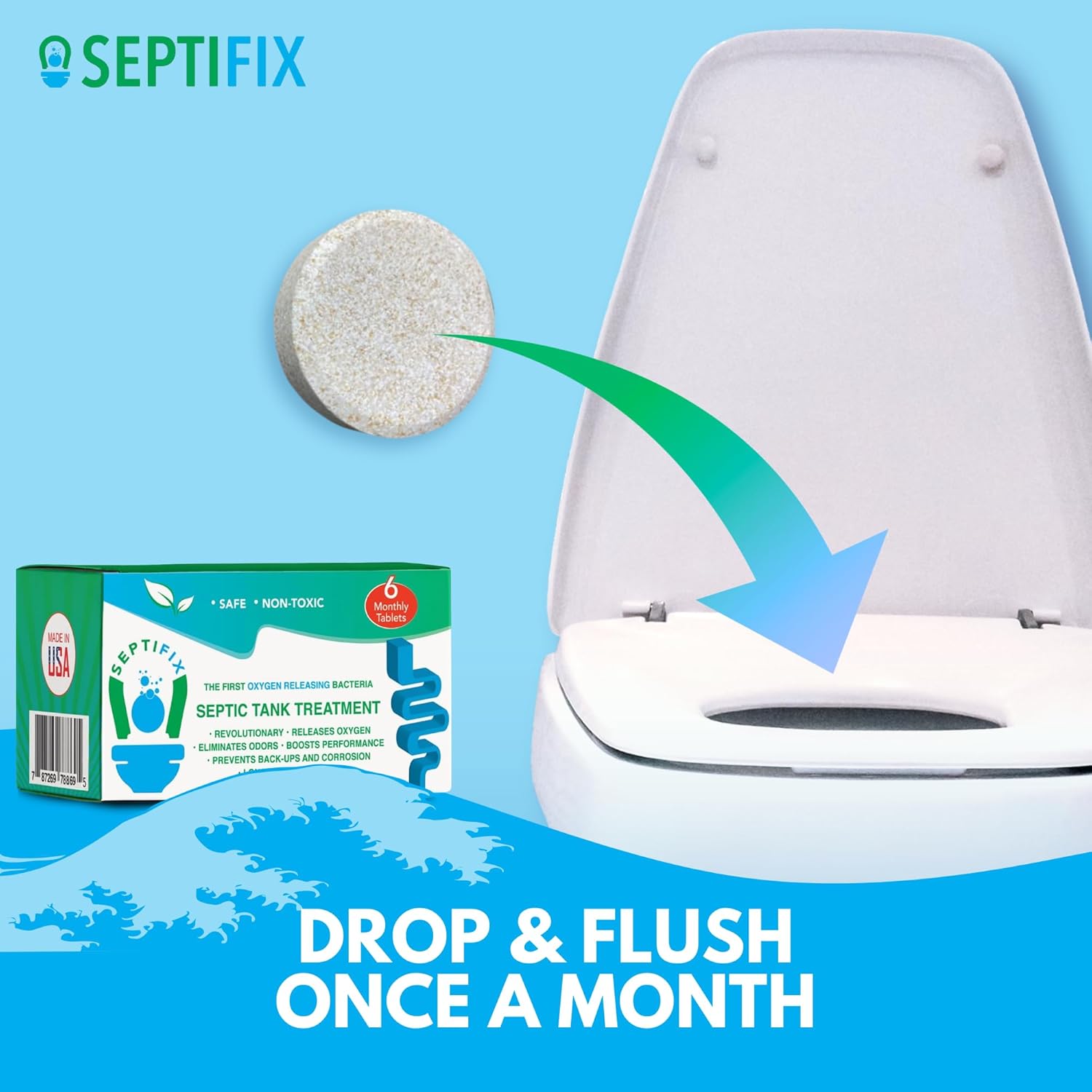
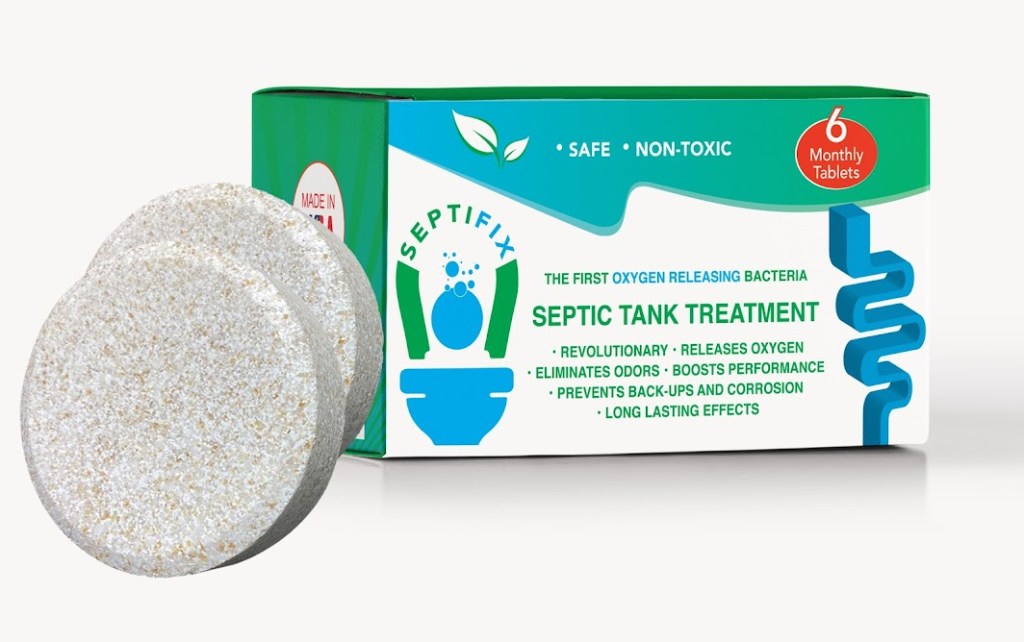
Keep your septic system on track with Septifix, a simple treatment option that supports regular maintenance and helps you care for your system between professional services.
Affiliate Disclosure
This article may contain affiliate links. If you click a link and make a purchase, we may earn a small commission at no extra cost to you.
We only recommend septic tank pumping products and services that we believe may be useful to our readers. Our opinions are our own, and affiliate relationships do not influence our recommendations. For major septic issues, contact a licensed septic professional.
U.S. Septic System Resources
The following resources provide trusted guidance for septic system owners in the United States. Septic regulations can vary by state and local health department, so check your local requirements before using a treatment product.
- EPA: Septic Tank Additives Fact Sheet
Explains what septic additives are and why many products are not necessary for a properly maintained system. - EPA: How to Care for Your Septic System
Covers septic tank inspections, pumping, water use, drain field care, and items that should not be flushed. - EPA: Septic System Care and Maintenance
Provides general maintenance advice for homeowners and septic system users. - EPA: Frequent Questions About Septic Systems
Answers common questions about septic tank additives, maintenance, repairs, and system regulations. - CDC: Septic and Onsite Wastewater Systems
Offers safety advice for septic systems after flooding, damage, or other emergencies. - Kansas State University: Onsite Wastewater Treatment System Additives
Provides independent research-based information about bacteria, enzyme, and chemical septic additives.
Related Posts