Homemade Septic Tank Treatment: Simple Recipes You Can Trust
A slow drain, gurgling pipes, a smell that’s impossible to ignore. If you’ve felt the surge of dread in your chest, you’re not alone. I’ve been there, feeling the anxiety rise that perhaps a costly service call might be next, and wishing there was both an easier way to treat these hidden issues.
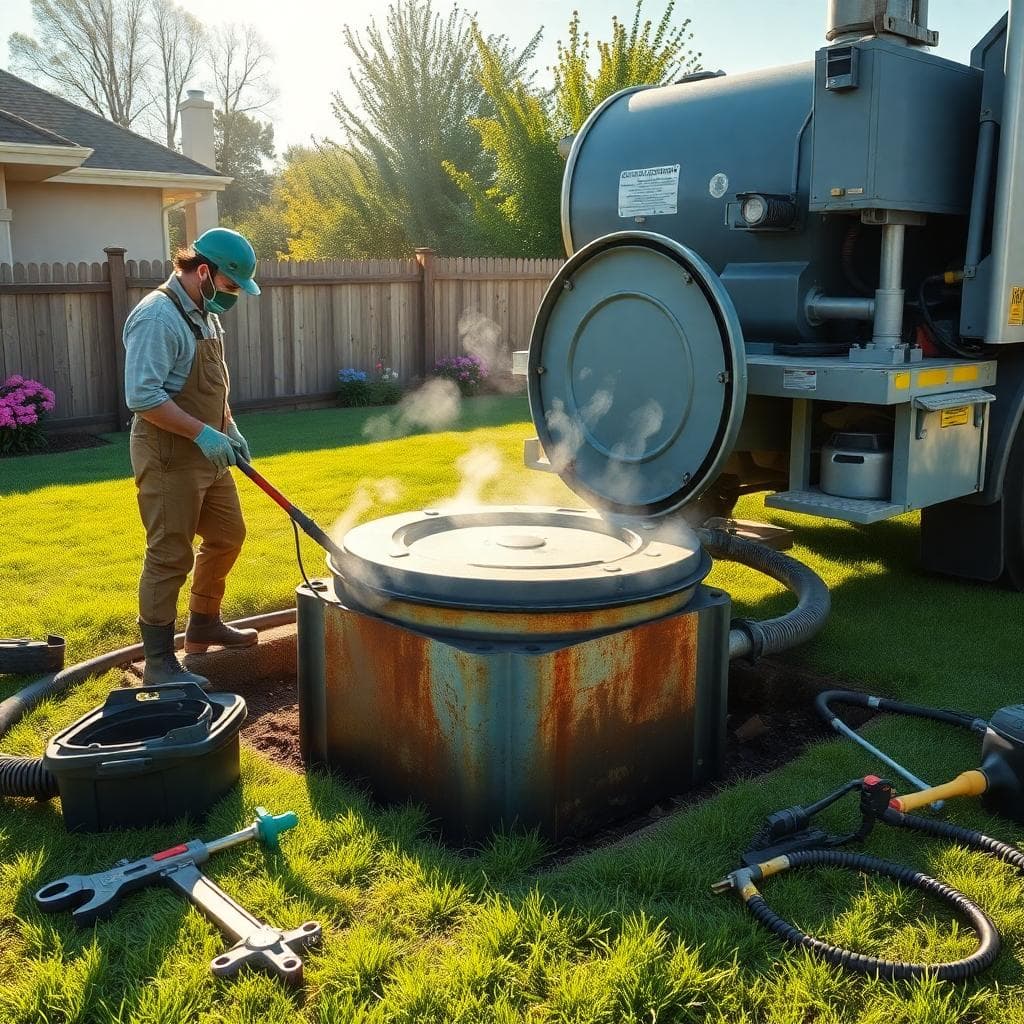
At heart, your septic tank is very simple. It’s a holding area for waste, where solids settle and helpful bacteria break things down. When anything tips this balance, it causes clogs and back-ups, and a repair bill that can be a shocker. Regular treatment keeps the balance of bacteria on an even keel, helps promote flow through the tank and ensures your drainfield does its job.
No harsh chemicals are needed to keep it fit. You can, in fact, easily create a homemade septic tank treatment, in your kitchen, using simple and mild ingredients, that support the biological atmosphere in the tank. This treatment is inexpensive, will help protect your system, and will give you comfort ahead of pumping.
In this post you will get an understanding of why these simple homemade septic tank treatment works, which to avoid, and how to safely use them without disturbing sludge or underscoring the load on your pipes. There will be simple recipes, timing suggestions, and a few habits that over time can be of tremendous help. You will know when to work on it and when to call in professional help, so you don’t guess, and cause your self even more headaches.
If you’ve been putting this off because it sound messy or vague, take a breath. It’s not difficult to deal with when you know what trifle steps, care. The object is a system that continues to hum quietly along, draining and a house that feels easy again. Let’s keep it a simple concept that suits your pocketbook and the dear old bacteria, that do go high work.

Key Takeaways
- Septic tanks rely on good bacteria for the decomposition of organic matter and to maintain a healthy environment for the system.
- Chemicals like bleach, antibacterial cleaners and other harsh household cleaners, and an increase in water usage will disrupt this environment.
- A mild homemade treatment may be beneficial for maintaining your septic system but do not provide an alternative for harsh chemical additions.
- Slow draining, gurgling pipes, strong sewage odors, wet spots in your yard, and clogged or backed up drains are all common indicators that something is wrong with your septic system.
- By performing some form of regular maintenance (such as pumping) at least once every month you should see less accumulation build-up between professional services.
- Practicing good septic habits (for example, using fewer harsh cleaners and spreading out your laundry), will aid in reducing the stress being put on your system.
- While homemade remedies may be useful in aiding in septic system maintenance they will never replace the need for routine inspections, pumping of the tank, and/or any required repairs.
- If you experience repeated backups, strong sewer odors, soggy areas in the drain field, and serious drainage issues call a local septic service immediately.
Why Your Septic Tank Needs Regular Treatment
A septic system is a living entity. Wastewater enters, solids settle, and a quiet little colony of good bacteria digests what you put down the drain. When the bacteria are well-fed, your tank is stable, and your lawn is dry. When they are fed bleach, antibacterial products or a huge increase in use they slow down. Solids build up, scum builds up, and the drain field fails.
Regular care provides those bacteria with a steady bolus of help. A simple homemade septic tank treatment can promote digestion, hold sludge back from rising so fast, and keep pipes clear. You don’t need to use harsh chemicals to do it. In many homes a monthly regimen is ample to keep the equilibrium between pumpings. If you have a large family, or days of heavy laundry, you may prefer a slightly more frequent schedule.
If your tank is having troubles, you will observe the telltale signs. Gurgles, odors, sogginess of soil, and slow drains are usually indicative of a bacterial imbalance. There can be snowballing consequences of blocked passages, backups or crushings of the drain field that will cost thousands to repair. That is a painful lesson to learn.
A homemade treatment for a septic tank is a simple road. Environmentally friendly, wholesome ingredients are used, not harsh additives which might be destructive to the biology. It is a big family budget help. You stabilize your system, safeguard the ground under your feet, and minimize the likelihood of panic moments at the sink. Small, steady strides outgain large, messy repair incidents. If you are regular, it will prove rewarding in a steady flow of quiet, healthy substance.

Common Signs of Septic Tank Problems
When bacteria fall out of balance, the system speaks up. Watch for these signs and act early.
- Slow drains and gurgling pipes: Buildup forms when digestion lags. That trapped waste makes sinks glug and tubs linger. A homemade treatment feeds the good microbes so they can break down grease and solids faster.
- Foul odors indoors or near the drain field: If you smell something off near your yard or vents, digestion is behind and gases escape. Supporting bacteria helps reduce odor at the source instead of masking it.
- Wet or spongy spots in the yard: Effluent should filter underground. When solids migrate, the soil clogs and the surface gets damp. Restoring bacterial activity helps reduce suspended solids so the field can recover.
- Frequent backups or toilet burps: Pressure spikes when the path is blocked by sludge or scum. By boosting microbes, you help thin the organic load and ease the flow before it turns into a full blockage.
- Scum or sludge rising faster than expected: If pump-out intervals are shrinking, breakdown is lagging. Gentle, regular homemade care supports steady digestion so layers grow at a normal pace.
Benefits of Natural Homemade Approaches
Homemade septic tank treatment keeps things simple and kind. You save money, often under $5 per treatment, and skip harsh chemicals that can irritate skin or harm the soil. These mixes are pet and kid safe when stored and used responsibly. They also cut plastic waste and mystery additives that come with some store-bought products. Many commercial options work well, yet they can be pricey or stronger than you need for monthly upkeep. You’ll feel good knowing you’re using simple, safe ingredients that support the living biology your tank depends on.
Simple Recipes for Homemade Septic Tank Treatment
You can use a homemade septic tank treatment gentle, inexpensive, and can be mixed in a matter of minutes. The recipes below are made for a standard 1,000 gallon tank. If your tank is larger or smaller, scale the amounts. For example, a 1,500 gallon tank requires about 50 percent more. But keep it simple, uniform and gentle on the bacteria that are doing the work.
Yeast-Based Bacterial Booster Recipe
You’ll need just these basics from your pantry.
- Ingredients:
- 1 packet active dry yeast
- 1 cup sugar
- 1/2 cup warm water
- Steps:
- Sprinkle the yeast into the warm water and let it foam for 5 to 10 minutes.
- Stir in the sugar until it dissolves.
- Let the mixture sit for 2 hours so the yeast wakes up and multiplies.
- Pour it into the toilet and flush once.
- How it works:
- Yeast adds helpful microbes and enzymes. The sugar is a quick food source that gets them active. This speeds the breakdown of paper and organic solids so sludge rises more slowly.
- Use it: every 3 months. Do not double up. Too much yeast can cause excess foaming.
Baking Soda and Vinegar Cleaner Mix
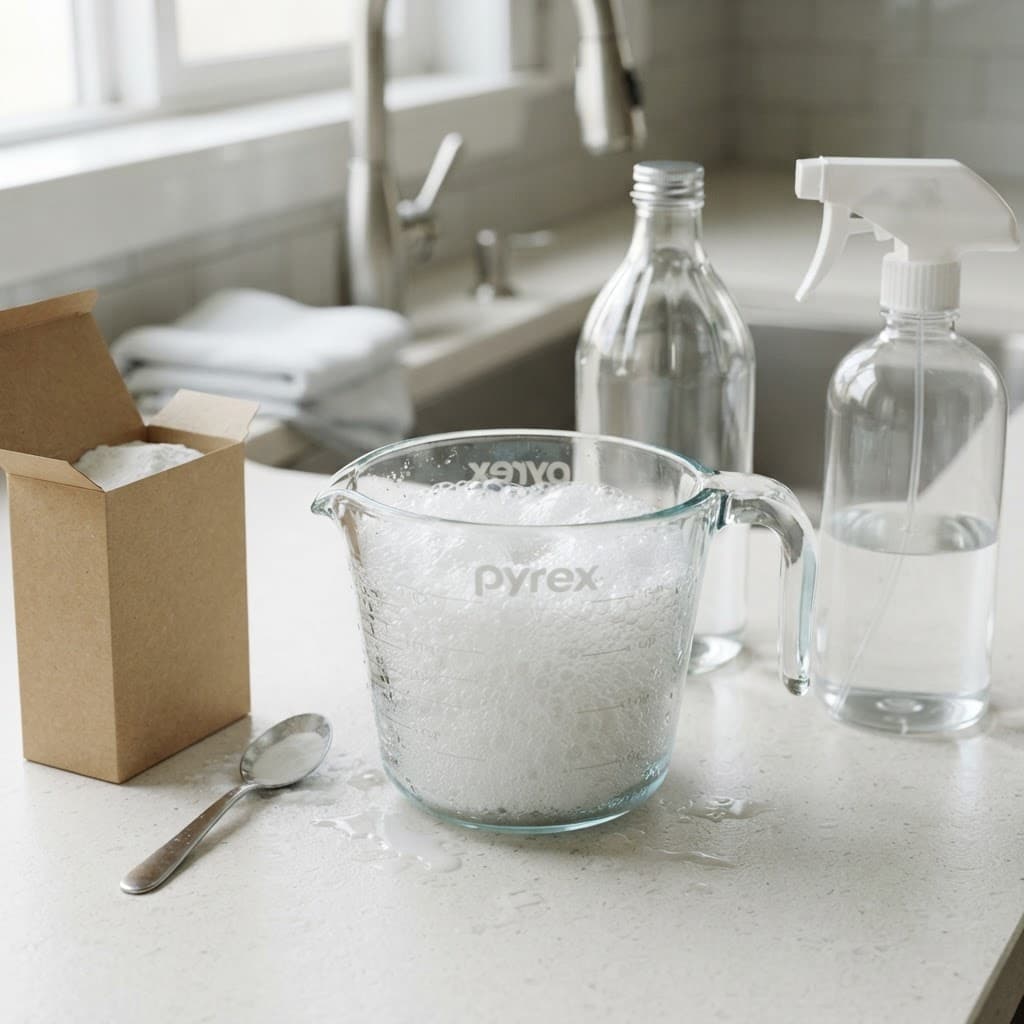
Watch the bubbles work their magic as you add the vinegar.
- Ingredients:
- 1 cup baking soda
- 1 cup white vinegar
- 1 kettle of hot water
- Steps:
- Pour the baking soda into the toilet.
- Add the vinegar and let it fizz for 5 minutes.
- Follow with hot water, not boiling, to protect pipes.
- How it works:
- The fizzing reaction loosens grease, soap scum, and light biofilm in pipes. Baking soda buffers acid and helps neutralize odors. Vinegar helps lift deposits so they move into the tank without harsh chemicals.
- Use it: monthly for prevention. This is a cleaner for lines and a light assist for the tank, not a fix for serious clogs.
Epsom Salt Maintenance Treatment
This gentle mix keeps things flowing smoothly without effort.
- Ingredients:
- 2 cups Epsom salt
- Juice of 2 lemons
- 1 gallon warm water
- Steps:
- Mix these in a bucket, then pour it down the drain.
- Rinse the bucket with warm water and pour that in too.
- How it works:
- Epsom salt dissolves and helps soften some organic buildup. Magnesium and sulfate provide trace minerals that support bacterial activity. Lemon juice adds mild acidity that can help loosen grime and freshen odors.
- Use it: quarterly. Do not overuse salts. Too much can stress the system.
Quick safety notes:
- Space treatments out. Overdoing any recipe can upset the tank balance.
- If you notice backups, strong odors, or soggy soil, pause DIY and call a pro.
How to Safely Apply Your Homemade Treatment
You desire a smooth, steady machine—not a mess of surprises. The good news is that a home-made septic tank treatment is easy to apply if you set the start and have uniform steps in view. You don’t need fancy tools. It does require timing, a safe entrance point, and a little patience. If it is your intention to follow these steps, you can put it to use confidently.
Best Times and Methods for Adding Treatment
You’ll get better results if you time it right. Aim for low water use so the mix can sit and work.
- Best timing
- Evening or late night, after dishes, laundry, and showers.
- Avoid the day after heavy rain, since a saturated drain field can slow movement.
- Apply after a routine pump-out if one is due, not before. A freshly pumped tank is ideal.
- Entry point choices
- Toilet: Easiest and safest for most homes. Pour and flush once.
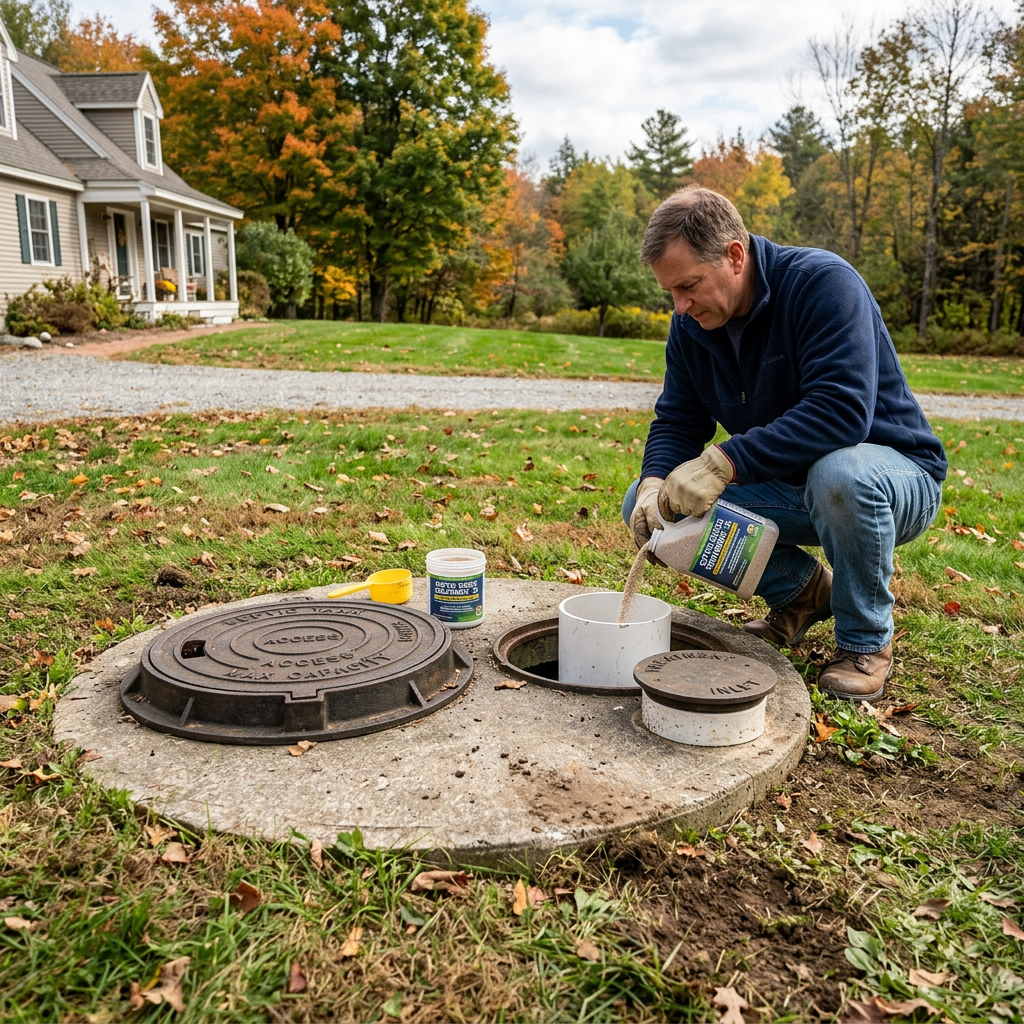
- Cleanout port: Use this only if you know its location and it is easy to access. Wear gloves and open it slowly.
- Direct pour vs flushing
- Direct pour at the cleanout: Faster contact with the tank. Good when you want the treatment to reach the tank without lingering in pipes.
- Flushing through a toilet: Easiest option, no tools, minimal mess. It also gives a light rinse to the line on the way down.
- Simple safety steps
- Wear gloves, keep kids and pets away, and avoid splashes.
- Do not mix treatments on the same day. Space them out.
- Skip if you suspect damage, like frequent backups, yard seepage, or strong sewer smells indoors.
What to Watch For After Treatment
Keep an eye on your drains to see the positive changes. Small wins add up.
- Good signs
- Improved flow at sinks, tubs, and toilets.
- Less odor indoors and near vents.
- Quieter pipes, fewer gurgles after flushing.
- Red flags
- Slow drains that persist or worsen after a week.
- Sewage smells in the house or wet spots over the drain field.
- Backups, toilet burps, or repeated clogs.
- Track it
- Jot down the date you applied the treatment and note changes for 2 to 4 weeks.
- Keep your normal water habits steady so you can read the results.
- Call a pro if
- Odors, backups, or yard seepage show up.
- You have not pumped in years and levels rise fast.
- You recently had heavy rain and problems continue.
Used with care, a homemade septic tank treatment supports the bacteria you rely on, keeps things quiet, and helps you stay ahead of trouble.
Conclusion
You have learned the very basics, a living organism that needs stable bacteria and kind handling. You have projects for nice results, yeast for a quick boost, baking soda and vinegar for clean lines, Epsom salts for light treatment. You know safe methods of using them, add them at time of low water, space the treatments, and stop home projects if there are and red flags show.
Use this one project this week, and see the results. Write down what you find and share it in the comments so others may learn from it. Small and steady steps lead to big and lasting savings and real peace of mind.
You start with worry and a few rough edges at your sink. You finish with a plan and a calm system that can be reached. You have the tools now to do it yourself. Your home will feel easier, your drains will flow and your pocketbook will bless you for treating the septic tank at home.
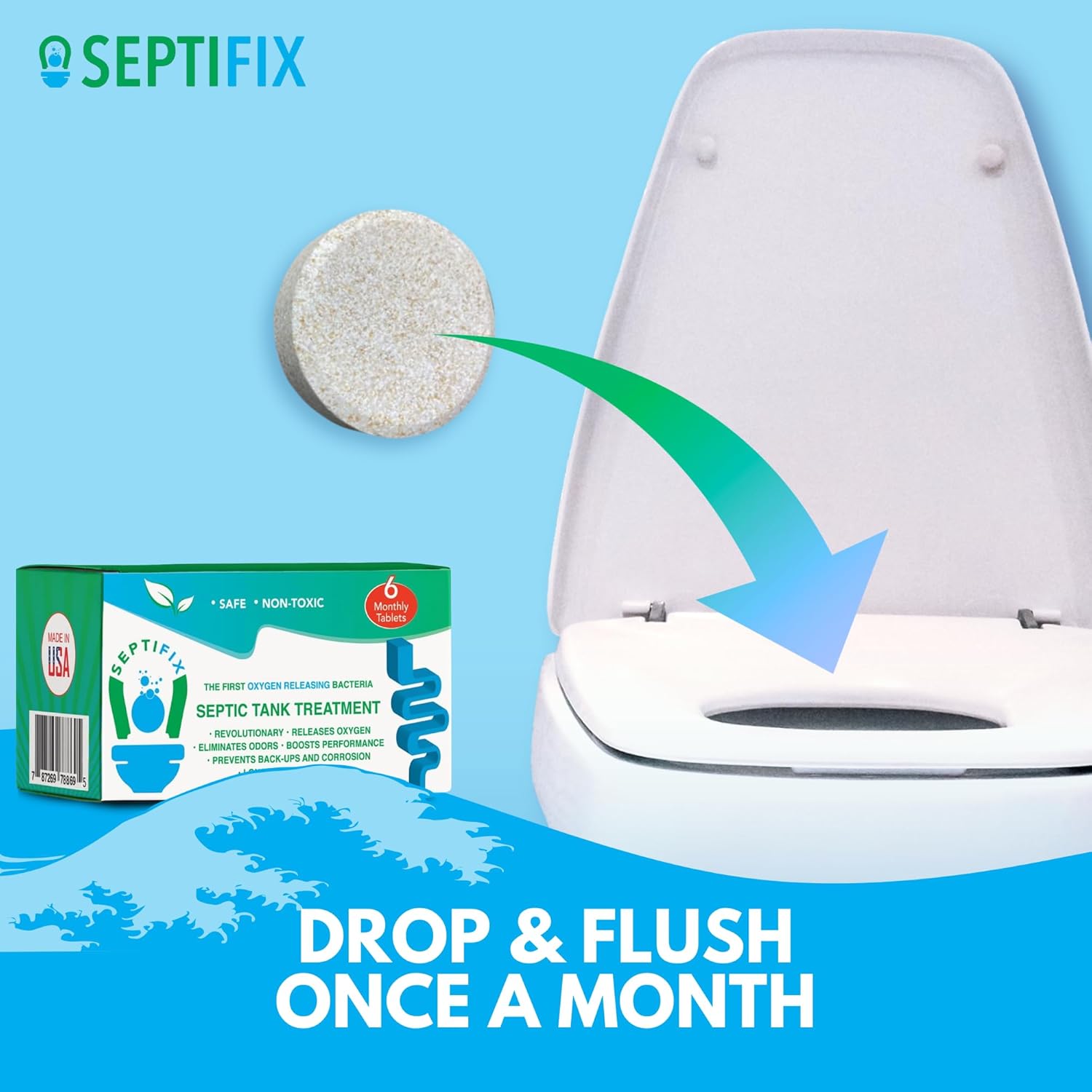
Give your septic system extra support with SeptiFix, an easy-to-use monthly tablet designed to help maintain a cleaner, healthier tank between professional inspections.
Affiliate Disclaimer
Some links in this article may be affiliate links. If you click a link and make a purchase, we may earn a small commission at no additional cost to you.
We only recommend products and services that may be useful for septic system maintenance and care. Affiliate relationships do not affect the information or recommendations in this article.
Additional Septic Tank Resources
More From Our Blog
- Septic Tank Care and Maintenance Made Simple
Learn the basic habits that help protect your septic tank and drainfield. - Natural Septic Tank Additives: What Works and What’s Hype
Review the difference between useful septic care products and unsupported treatment claims. - Septic Tank Maintenance Checklist
Follow a simple maintenance routine to help reduce the risk of backups and drainage problems. - How Often Should You Pump a Septic Tank?
Learn how household size, tank capacity, water use, and sludge levels affect pumping schedules. - Septic Drainfield: How It Works, Warning Signs, and Care Tips
Understand how the drainfield works and which warning signs may indicate a problem. - How to Dissolve Septic Tank Sludge Safely
Find out why sludge cannot simply be dissolved away and when professional pumping is needed.
Trusted U.S. Septic System Resources
- How to Care for Your Septic System, U.S. Environmental Protection Agency
The EPA explains inspection and pumping, water efficiency, waste disposal, and drainfield care. - Why Maintain Your Septic System, U.S. Environmental Protection Agency
Learn how regular maintenance can protect your home, groundwater, and local waterways. - Frequent Questions on Septic Systems, U.S. Environmental Protection Agency
Get answers about pumping, inspections, septic additives, drainfields, and common system problems. - Septic Systems and Their Maintenance, NC State Extension
This university resource covers water use, waste disposal, pumping, and septic system warning signs. - Find a Septic System Professional, National Onsite Wastewater Recycling Association
Use this directory to locate septic professionals in the United States. - Guidelines for Septic and Onsite Wastewater Systems, Centers for Disease Control and Prevention
Review safety steps for septic systems affected by flooding or other emergencies.
Important Safety Note
Do not use home made treatments to replace your regular inspections or pumping of your septic tank.
The EPA does not suggest the use of routine additive products for your septic tank as the naturally occurring microorganisms in the tank are able to break down the waste in the water properly.
If you have noticed an increase in sewage odors, repeated back-ups, an area on your drain field is consistently wet, or if you have experienced persistent drainage problems, stop using do it yourself products and call a licensed septic professional.
Related Posts