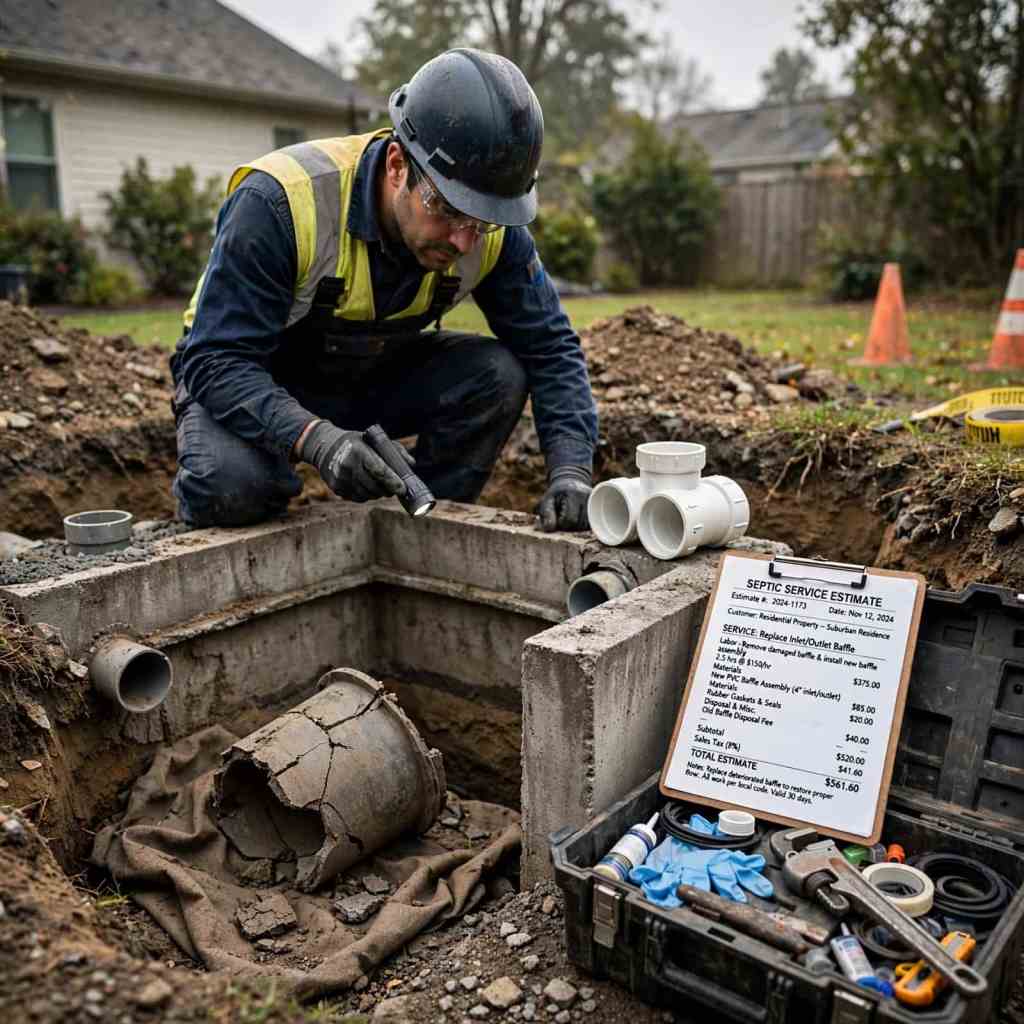
Septic Tank Treatment: Simple, Safe Care for Your Home
What a quiet workhorse is a septic tank. It keeps things afloat in places that have no city sewers, out of sight and generally out of mind until a backup occurs at some inconvenient time. I have been there, standing over a slow-draining sink and wishing I had paid attention to the clues earlier on.
Septic tank treatment is simple care that keeps your system digesting wastes and in balance. It includes a few habits such as what you flush, how many gallons go down in a specified time, when bacteria or enzymes should be introduced for tank support, and it also includes regular pumping so solids do not accumulate.
Why bother? Because while the costs of a little care now are not so great, the costs afterwards for emergency repairs are terrible. A little care now makes for odorless space, less danger to the lawn and home, a good feeling when guests arrive for meals or the rain comes down and doesn’t quit.

In this guide, you will get the fundamentals of how a septic system works, together with practical info on the septic tank treatment. We will describe common products, how to apply them and what to avoid. You will also get some simple habits that might easily fit into real life and living in the lab.
If you are new to the rural way of living or have inherited an old tank with its quirkiness, you are in the right place. I shall tell you how to go from hiding mystery smells to a smooth-running, quiet series of systems. No scare tactics, only practical applications and a few honest lessons learned in the messy way.
What Is Septic Tank Treatment and Why Does It Matter?
The simple solution to the system that provides no trouble ever until it does is the treatment of septic tanks, which consists in the use of bacteria and enzymes or clean chemicals that will get busy on the waste matter, do away with the sludge in the septic tank, and prevent stoppages. They are like the probiotic treatment for the healthy functioning of tanks. By giving it the treatment, you are able to keep the favor in balance, denying it superlative effect and so the waste water will be transmitted rapidly and cleanly through the soil.
A timely treatment accelerates the natural process of the septic tank, and there is no chance of any tendency toward the formation of a mass of solids, eliminates the odor, and protects the drain field. It saves you money, it saves the wells, and it is a safe-guard to the health of family. If you do not give this treatment you run the risk of an overflowing of the septic tank, have a damp yard, or have a full-blown septic tank trouble. I learned this lesson at my own expense after a week end spent in courtship with a plunger.
How Septic Systems Work Basics
A septic system works in two main stages, and both matter.
Inside the septic tank, wastewater slows down. Solids settle to the bottom as sludge. Oils and light waste float on top as scum. In the middle sits the liquid layer, called effluent. Natural bacteria in the tank digest the solids and cut waste into smaller parts. That digestion is what keeps the sludge layer from piling up too fast.
From there, the drain field takes over. Effluent flows out through perforated pipes and into the soil. The soil acts like a filter. It traps particles and lets microbes polish the water before it reaches groundwater. When everything is balanced, this process is steady and quiet.
Life at home can throw that balance off. Household cleaners, antibacterial soaps, bleach, and heavy water use can reduce bacteria in the tank. So can dumping grease, paint, or flushable wipes. When bacteria levels drop, digestion slows. Sludge builds. The drain field gets stressed. Septic tank treatment helps replenish bacteria and enzymes, so the tank recovers and the drain field can keep doing its job.
Signs Your Septic Tank Needs Treatment
Small clues show up before a big problem. Catching them early saves money and frustration.
- Slow drains: Sinks or tubs that empty like molasses point to buildup in the tank or lines.
- Gurgling toilets: Air in the pipes means the system is working harder than it should.
- Foul odors: A sewage smell inside or near the tank area is a warning sign.
- Wet spots or lush grass: Bright green stripes or soggy areas over the drain field suggest effluent is rising to the surface.
- Backups after heavy use: Hosting guests, long laundry days, or back-to-back showers can push a stressed system over the edge.
These are signs of bacterial imbalance or solids buildup. A prompt septic tank treatment can help restore digestion and keep the drain field from clogging. Keep an eye on your patterns too. Big water spikes, frequent bleach use, or washing many loads in one day can tip the system. Spreading out laundry, choosing septic-safe cleaners, and using treatment on a schedule will keep things smooth.
Top Types of Septic Tank Treatments to Consider
Choosing the right septic tank treatment keeps your system calm, quiet, and worry free. Start with eco-friendly options that support the natural biology in your tank. Then, only move to stronger products if you have a confirmed clog or a full-on backup. Match the treatment to your tank size, your household’s water use, and your local rules.
Before you buy, read the label. Look for septic-safe, non-toxic, and directions that fit your schedule. When in doubt, call your septic pro, then pick a product that supports long-term balance rather than quick fixes.
Bacterial Additives for Natural Breakdown
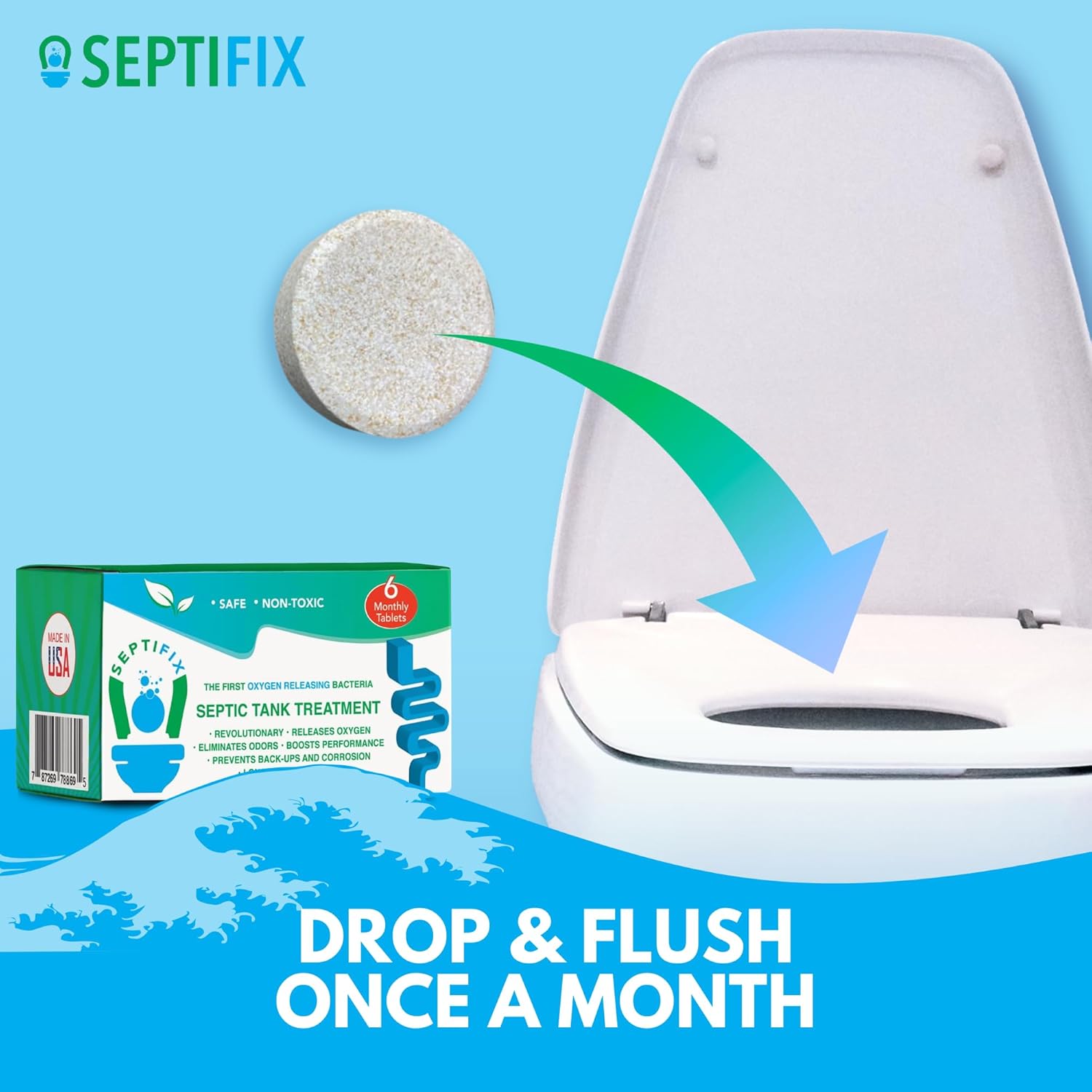
Bacterial treatments add live, helpful microbes to your tank. They feed on organic waste, which speeds up the breakdown of solids and helps keep odors down. Think of them like probiotics for your system. They are safe for pipes and the environment when used as directed, and they work well for ongoing maintenance.
- Best use: Routine care, light odor control, recovery after bleach or antibiotics in the home.
- Frequency: Once a month is a common schedule for most homes. Larger households or rentals with heavy use may add an extra dose during peak months.
- How they help: Restore healthy bacteria after harsh cleaners or big water spikes. Support steady digestion so sludge layers do not climb too fast.
- Pros: Eco-friendly, gentle on the drain field, easy to apply.
- Cons: Not a fix for a collapsed baffle, broken pipe, or a badly overloaded drain field.
Proven options: RID-X, Roebic K-37, Bio-Tab, Bio-Clean. I have had the best luck with monthly packets because they are simple to remember, and they reduce guesswork.
Tips for success:
- Dose at night so bacteria start working while water use is low.
- Skip bleach-heavy laundry on treatment day.
- Choose products that match your tank size, for example 1,000 or 1,500 gallons.
Where to buy: Local hardware stores, plumbing supply shops, farm stores, and reputable online retailers. Watch out for miracle claims. Real bacterial products list the strains or CFU counts and provide a clear schedule.
Enzyme-Based Treatments Explained
Enzymes are proteins that act like tiny scissors. They cut fats, oils, proteins, and starches into smaller pieces so bacteria can digest them faster. Enzymes are not alive, so they do not reproduce, but they work fast when loads spike.
- Best use: Short-term boost or “shock” during heavy use periods, like holidays or after a big party.
- How they help: Thin out grease and food residue so flow improves and bacteria can finish the job.
- Pairs well with bacteria: Enzymes break waste apart, then bacteria digest it. This combo supports full breakdown when the tank is stressed.
- Pros: Quick action, helps reduce grease films, gentle when used correctly.
- Cons: Overuse can strip the food supply too quickly, which can upset tank balance.
Smart plan:
- Use enzymes for 1 to 3 nights in a row during high-demand weeks, then go back to monthly bacterial dosing.
- Choose targeted formulas for grease or paper if those are your problem areas.
Helpful examples: Roebic K-570 for drain field fats and oils, enzyme-forward packs from Green Gobbler or Bio-Clean for periodic boosts. Always check the label for enzyme types like protease, amylase, lipase, and cellulase.
Chemical Cleaners: When to Use Them
Inorganic chemical treatments, like caustic soda or acids, can punch through severe clogs. They also come with risk. These products can kill the good bacteria in your tank, corrode pipes, and threaten groundwater if misused. For most homes, they belong at the end of the plan, not the start.
- Best use: Last resort for confirmed blockages when pumping and biological methods are not enough.
- Risks: Harm to beneficial bacteria, damage to fittings, contamination if overused or misapplied.
- Safety first: Follow the label, wear protection, keep children and pets away, and never mix chemicals. Many areas restrict what you can pour into a septic system, so check local regulations or call a licensed pro.
Balanced approach:
- Try pumping and biological treatments first.
- If a clog persists, ask a septic professional to inspect lines and the drain field.
- Use chemical cleaners only under guidance, and only once the cause is clear.
Where to buy: Plumbing supply stores and professional channels. Avoid off-brand chemicals with vague labels. Look for clear active ingredients and instructions that reference septic systems, not just household drains.
Key takeaway: For ongoing septic tank treatment, lead with bacteria, add enzymes during busy times, and keep chemicals as a true last step. This protects your tank, your yard, and your wallet.
How to Apply Septic Tank Treatment Step by Step
You do not need fancy gear to care for your tank. You do need a plan, a few basics, and a habit you can stick with. Think of this as a simple routine that keeps things quiet in the background. Read labels, match the dose to your tank size, and always check how the system is doing before and after you treat.
DIY Septic Tank Treatment Methods
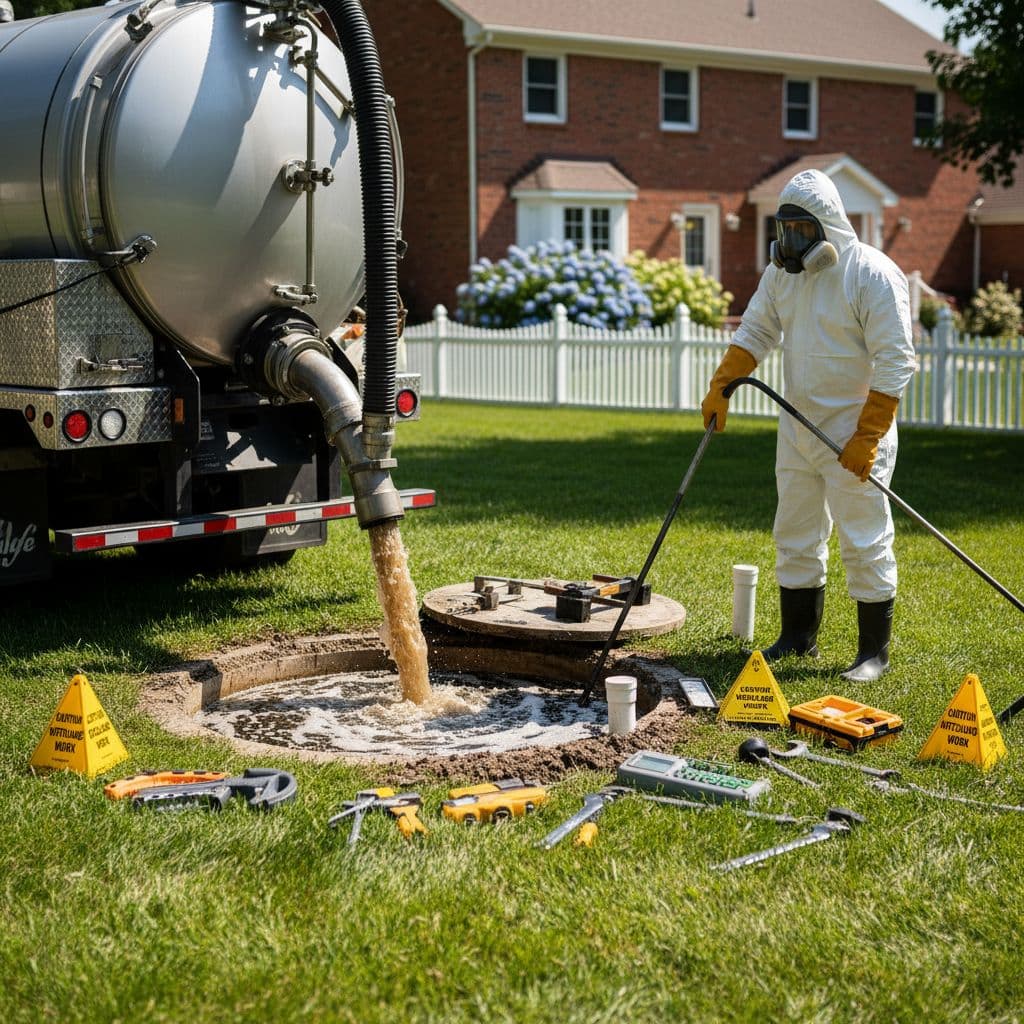
Most homeowners can handle routine septic tank treatment at home. Start small, watch results, then build a schedule that fits your household.
Tools and prep:
- Gloves and eye protection: Basic safety, even for mild products.
- Access: A clean toilet bowl for flush-in packets, or the tank access port if pouring directly.
- Label and dosage: Verify tank size, ingredients, and frequency.
- Notebook or phone notes: Track dates, odors, water use, and drain speed.
Step-by-step for a normal month:
- Check the tank’s mood: Walk the yard. Note odors, soggy spots, or gurgling. If you see trouble signs, pause and investigate first.
- Pick your product: Use a monthly bacterial packet for routine care. Choose an enzyme boost only during heavy use weeks.
- Dose at low-use hours: Evening works well. Toilets are quiet, so bacteria can settle in and start working.
- Apply the product:
- Packets or powder: Flush one packet per label directions. Avoid back-to-back flushes for 30 minutes.
- Liquid: Pour into the toilet, then flush once. If the label calls for direct-to-tank, use the access port and pour slowly.
- Protect the dose: Skip bleach loads and heavy cleaners for 24 hours. Limit laundry to spread out water flow.
- Log it: Note the date, product, and dose. A two-minute habit that saves guesswork later.
Timing that helps:
- After pumping: The best reset point. Add a bacterial starter within 24 to 72 hours after a pump-out to rebuild the colony.
- During stress weeks: Holidays, guests, or big laundry days can spike load. Add a short enzyme run for 1 to 3 nights, then return to monthly bacteria.
- After antibiotics or bleach-heavy cleaning: Dose bacteria to restore balance.
How to monitor results:
- In the home: Faster drains, fewer gurgles, and neutral odors tell you it is working.
- At the tank: No sewage smell, no pooling water, and the grass looks normal, not extra lush over the lines.
- Simple test: Time how fast a sink drains before and one week after treatment. Keep the note.
- Start small: Use the lowest effective dose first. If results are light, increase to the full label dose next cycle.
What to avoid:
- Mixing products: Do not stack multiple brands on the same night.
- Guessing on size: Dose for your tank capacity. If unknown, check records or ask a pro.
- Harsh chemicals: Save chemical cleaners for last resort situations with expert guidance.
Example routine:
- First week each month, one bacterial packet at night.
- Holiday weeks, add an enzyme dose for two nights.
- After pumping, one bacteria starter dose within 48 hours.
When to Call a Professional for Treatment
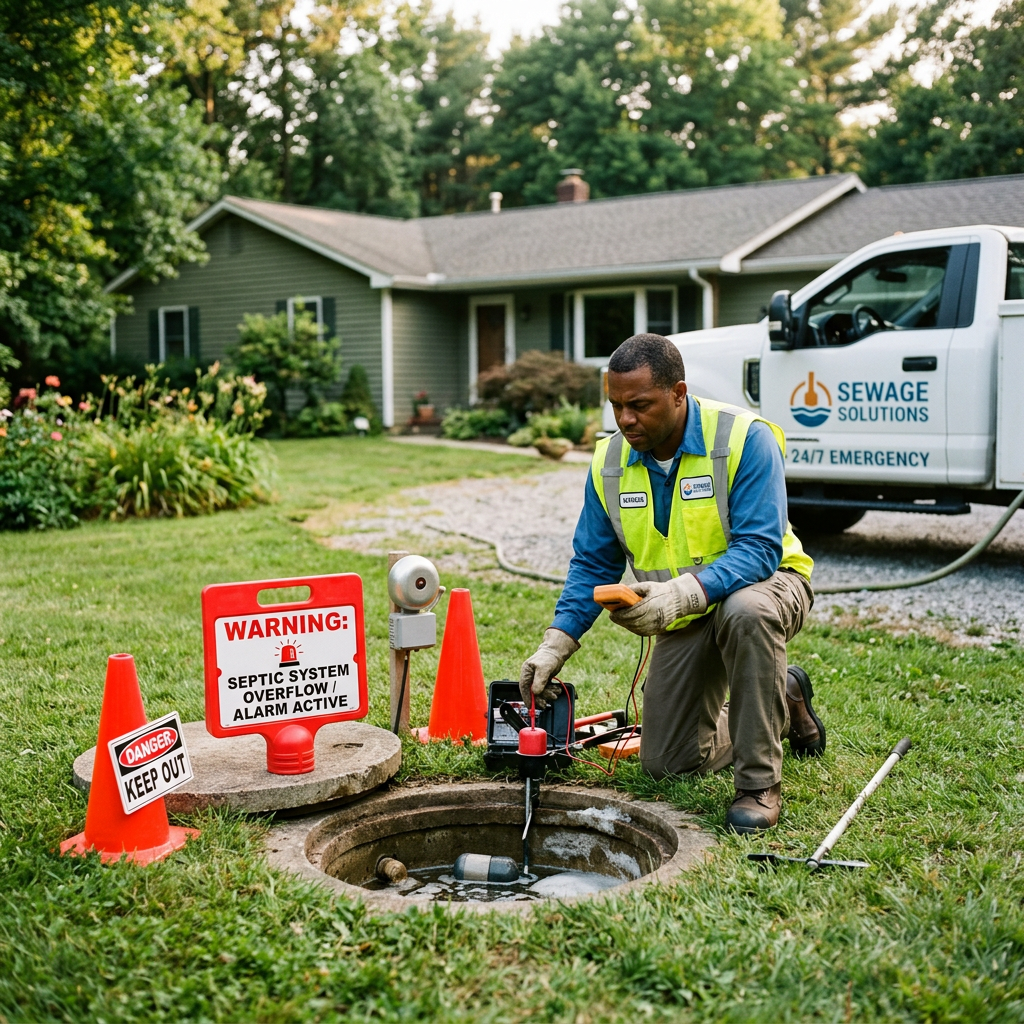
Sometimes you need skilled eyes and the right equipment. Call an expert if the system is large, hard to access, or shows signs that DIY care will not fix.
Good times to call:
- Large tanks or older systems: You are not sure of size, layout, or last service date.
- Persistent symptoms: Ongoing odors, slow drains, wet spots, or repeat backups.
- Before selling or after buying: A baseline inspection saves headaches.
- After flooding or heavy storms: Waterlogged drain fields need careful assessment.
What the pros do:
- Inspection: Locate the tank, measure sludge and scum, check baffles, and inspect the drain field.
- Pumping: Remove solids safely, which restores capacity and protects the field.
- Targeted septic tank treatment: Apply high-strength biological products, enzyme shock for grease, or jetting for lines if needed.
- Camera or dye tests: Verify flow, spot broken lines, and confirm that effluent is moving correctly.
- Maintenance plan: Set a pumping and treatment schedule that matches your home.
Typical costs and benefits:
- Inspection: $150 to $400, helps you catch issues early.
- Pumping: $300 to $700, based on tank size and access.
- Line jetting or cleaning: $200 to $600, used for stubborn buildup.
- Targeted biological shock: $150 to $300, done after pumping when needed.
- Annual service plan: Often $150 to $350, includes checkups and reminders that prevent emergencies.
Why it pays off:
- Fewer surprises: Regular checks reduce the risk of backups.
- Longer drain field life: Proper care avoids the most expensive repair on the property.
- Clear records: Helpful for resale and warranty claims.
If you are on the fence, start with a phone consult. Share your notes, symptoms, and what you have already tried. A short call often points you to the next right step, whether that is a simple dose at home or a scheduled visit.
Essential Maintenance Tips Beyond Treatment
Septic tank treatment is helpful, but habits daily do the dirty work. The goal is simple. Balance tank, move solids and keep drainfield breathing. The little things in kitchen and bathroom lessen strain on the system, which means fewer emergencies and fewer products to buy. Think of it as quiet insurance paid for with good habits.
What Not to Flush to Avoid Problems
Your septic system runs on bacteria. Feed it the right stuff and it hums along. Feed it the wrong stuff and it struggles, then clogs, then backs up. Here is what to keep out and why it matters.
- Wipes of any kind: Baby, makeup, cleaning, or “flushable.” They do not break down fast. They tangle, snag on baffles, and block lines.
- Grease, oils, and fats: Bacon grease, fryer oil, butter. They cool in pipes, then harden and coat the tank, which starves bacteria of oxygen.
- Harsh chemicals: Bleach overload, paint, solvents, pesticides, drain openers. These kill the bacteria that power your system.
- Excess toilet paper: Big wads slow flow and build sludge faster. Quilted or ultra-thick paper breaks down slower.
- Hygiene products: Pads, tampons, cotton swabs, dental floss. They do not break down and can lodge in pipes.
- Coffee grounds and food scraps: These add solids and grit. Grinding them with a disposal makes it worse.
- Cat litter, even “flushable”: Clay and clumping agents gum up the works.
- Medications: Antibiotics and other drugs can suppress bacterial activity.
What to do instead:
- Trash can for wipes and hygiene items: Place a small bin by each toilet.
- Grease jar in the kitchen: Wipe pans with a paper towel, then trash it.
- Choose septic-safe cleaners: Mild soaps, vinegar, and oxygen-based products. Use bleach lightly, not every load.
- Switch to fast-breakdown paper: Look for septic-safe or rapid-dissolve. Use less per flush.
- Compost or trash food scraps: Skip the garbage disposal when you can.
- Pick biodegradable options: If it is labeled septic-safe and breaks down quickly, it is a better fit.
Why this matters: every no-go you keep out protects the bacteria that make septic tank treatment work. You rely less on products and more on a steady, healthy system.
Scheduling Regular Pumping and Inspections
Pumping keeps sludge from creeping into the drain field. Inspections catch small problems before they turn into a Sunday-night emergency. Pair both with your septic tank treatment routine for the best results.
How often to pump:
- General rule: Every 3 to 5 years for most homes.
- Smaller household: Closer to 5 years.
- Larger household or heavy water use: Closer to 3 years.
Simple guide for typical 1,000 to 1,500 gallon tanks:
- 1 to 2 people: about every 4 to 5 years.
- 3 to 4 people: about every 3 to 4 years.
- 5+ people or rentals: about every 2.5 to 3 years.
What a good inspection checks:
- Sludge and scum levels: Confirms if pumping is due soon.
- Baffles and T‑fittings: Prevents solids from escaping to the field.
- Effluent filter: Clean or replace to keep flow steady.
- Tank and lid condition: Cracks, leaks, or roots can cause hidden damage.
- Drain field health: No pooling water, no strong odors, normal grass growth.
- Flow test: Confirms water moves through the system without strain.
Early warning signs between visits:
- Slow drains, frequent gurgles, or sewer smell near the tank.
- Wet, spongy spots or greener grass over the drain field.
- Effluent filter clog alarms if your system has one.
How this complements treatment:
- Pumping removes solids so bacteria and enzymes can focus on daily waste.
- Inspections verify the tank is healthy enough for treatments to help.
- A clean filter and intact baffles reduce clogs, so your routine dosing works better.
Why schedule now:
- You save money by avoiding drain field repairs.
- You save time by stopping backups before they start.
- You gain peace of mind because you know the system is ready for guests, storms, and busy weeks.
Set a reminder on your phone, note the last pump date on the tank lid, and tie your inspection to a season you will remember. A simple plan keeps your system quiet and your yard happy.
Conclusion
Septic tank treatment is a simple endeavor that pays dividends. Continually break down waste, prevent odours, keep your drain body healthy. The simple actions include said bacteria for your monthly maintenance, use enzymes for busy weeks, then secondary chemical treatment, but always correlate it with pumping and inspection. Small habits at your sink and toilet prevent bacterial degradation in your tank which cause less problems and at a gentler quieter system.
If you felt that slow drain thing in your gut, you are not the only one. I have been at that stage also, wishing I had started sooner. The good thing is that this is doable. Start with where you are at, then create a pattern of care that suits what is coming to you from your home.
Quick next steps:
- Walk your yard and note any odors, gurgles, or wet spots.
- Set a pumping and inspection date if it has been a while.
- Choose a monthly bacterial product and mark your calendar.
- Use enzymes only during high-use weeks, then return to your base plan.
- Track dates and results so you can see progress.
Evaluate your system today and develop a plan for treatment. With these tips, septic tank treatment is simple, safe and stressless. Your future self will thank you.
Give your septic system extra support with SeptiFix, an easy-to-use monthly tablet designed to help maintain a cleaner, healthier tank between professional inspections.

Affiliate Disclaimer
Some links in this article may be affiliate links. If you click a link and make a purchase, we may earn a small commission at no additional cost to you.
We only recommend products and services that may be useful for septic system maintenance and care. Affiliate relationships do not affect the information or recommendations in this article.
Additional Resources
Learn more about septic tank treatments, additives, maintenance, and repairs with these related guides.
More from Our Blog
- Septic Tank Treatment Options You Can Actually Trust
Compare bacteria treatments, additives, and simple maintenance habits. - Do Septic Tank Treatments Really Work? Myths vs. Facts
Learn what septic treatments can and cannot do. - It’s Been 3 Years? Your Septic Tank Needs Treatment ASAP
Review warning signs that may indicate your tank needs professional service. - What Happens If You Skip Septic Treatment?
Find out how missed maintenance can affect your tank and drainfield. - Septic Tank Pumping: Schedules, Signs, and Care
Learn when pumping may be needed and what affects the service schedule.
Official U.S. Government Resources
- How to Care for Your Septic System
Get practical guidance about water use, drainfield protection, inspections, and maintenance. - Why Maintain Your Septic System?
Learn how regular care can help prevent backups, system damage, expensive repairs, and water pollution. - EPA Septic System FAQs
Find answers about septic additives, pumping, inspections, garbage disposals, and common system problems. - Resolving Septic System Malfunctions
Learn what to do when you notice slow drains, sewage backups, bad odors, wet areas, or other failure signs. - EPA Septic Tank Additives Fact Sheet
Review government guidance about septic tank additives and why regular maintenance remains important.
Always follow local regulations and contact a licensed septic professional for inspections, pumping, repairs, or serious system problems.
Related Posts