How Often Should You Pump a Septic Tank? Most septic tanks should be inspected every one to three years and pumped about every three to five years, according to the U.S. Environmental Protection Agency.
A good general rule for this system would be helpful; however, there will always be some homes that require additional pumping. The frequency of pumping is determined by factors such as household size, tank size, usage (water), use of a garbage disposer, and the percentage of sludge in the tank.
A backup of raw sewage into your house or yard is NOT an acceptable method for determining when to pump out the tank. At that time, solids may have already passed through the tank into the drainfield causing potential clogging problems, odor issues, groundwater contamination, and costly repair needs.
How Often Should You Pump a Septic Tank-Key Takeaways
- Have your septic system inspected at least once each year for up to three years.
- Households generally need to have their septic tanks pumped every three to five years; however, larger households will typically need to pump theirs more frequently.
- Adding garbage disposal units in homes will increase the amount of solids that go into the septic tank, thus shortening the time between septic pumping intervals.
- Slow draining, gurgling sounds from pipes, odor from sewage, wet areas (where water is pooling), or unusually lush greenery where the drain field is located are signs that there could be a potential problem with your septic system.
- Septic additives will not replace regular maintenance by pumping out your septic tank nor the necessity of having a professional inspect your system.
- Do not attempt to enter a septic tank as toxic gas and low oxygen levels can result in death.
- You should check local regulations regarding septic systems for possible additional requirements on the frequency of inspections and/or pumping.
Why Septic Tank Pumping Is Important
There are essentially three types of material within a septic tank.
Heavier particles will settle on the bottom forming what we refer to as “sludge.” Lighter particles such as grease, oil, etc., will rise to the surface creating what we call “scum.” Between those two areas, there is a layer of fluid which is considered “liquid” (wastewater).
There are bacteria present in a septic tank for the purpose of breaking down the organic waste in it. However, the bacteria cannot remove all forms of organic waste. Consequently, both sludge and scum continue to accumulate over time.
There is typically an outlet at the bottom of a septic tank from where the liquid wastewater flows toward a drainfield. Baffles, or a t-shaped outlet can prevent both sludge and scum from exiting out of the tank. When the tank becomes overly full with sludge and/or scum; however, solids can exit out of the tank via the outlet.
When solids exit into the drainfield area, they have the potential to block the soil. A blocked drainfield can affect how well the drainfield absorbs wastewater. In many cases, this leads to standing water in the yard, sewage surfacing in the yard, and/ or wastewater backing up into your house.
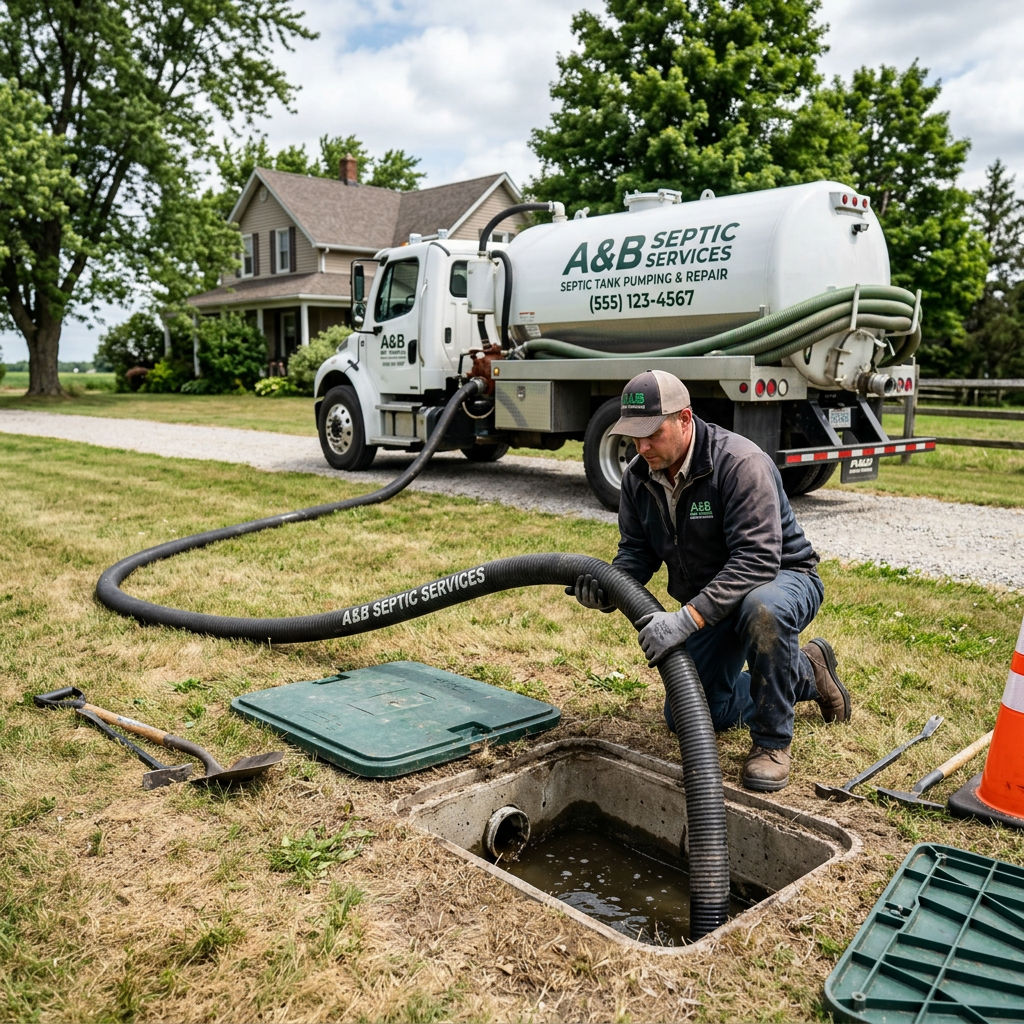
One of the primary ways of preventing this problem is by pumping the accumulated sludge and scum out of the septic system. Pumping is one of the most important aspects of maintaining a septic system.
How Often Should You Pump a Septic Tank?
The EPA recommends inspecting a septic system every one to three years and pumping the tank every three to five years.
The exact timing depends on several conditions:
- The size of the septic tank
- Number of residents using the house
- Volume of wastewater produced
- Daily use of water
- Use of trash grinders (garbage disposals)
- Amount of sludge & scum in the septic tank
- Age and condition of the septic system
Home with two people and large tank may need pumping less often than home with six people and small tank. Families that use garbage disposals frequently may also require more frequent service.
This is not a guarantee but rather general guideline for many homes. The best way to determine your schedule will be by keeping records of when you have each pumping done and to have a professional check the sludge and scum levels in an inspection.
Septic Tank Pumping Schedule by Household Conditions
There is no single schedule that works for every property. The following table provides general guidance, not a replacement for an inspection.
| Household condition | Possible maintenance need |
|---|---|
| One or two people, low water use | May need pumping less often than the average home |
| Three to five people, average water use | Often falls within the three-to-five-year range |
| Large household or frequent visitors | May need more frequent pumping |
| Small septic tank | Solids may accumulate faster |
| Frequent garbage disposal use | More frequent pumping may be needed |
| Older or troubled septic system | Inspection may be needed more often |
| Seasonal or vacation property | Still needs regular inspections and records |
Some home owners have to pump their systems on average once per year (or every other) due to the fact that too many individuals are using the system, or because they have a small tank size, or because there are a lot of chemicals being produced by the household which contribute to a large volume of wastewater.
A seldomly used system will probably allow solids to build up at a slower rate, however do not ignore your system. Problems such as broken or damaged lids, leaking pipes, root infiltration in the soil treatment area (drain field), or drainage problems could potentially exist within your system and an annual inspection would help determine if these conditions are present.
EPA Guidelines for Measuring Sludge and Scum
A septic professional can measure the layers inside the tank. The EPA provides several signs that pumping is needed:
- It’s possible that there are less than six inches from the bottom of the septic tank to the bottom of the outlet (the way out) at the bottom of the scum layer.
- It’s also possible that there could be less than twelve inches from the top of the sludge layer to the outlet.
- In addition, it’s possible that both the sludge layer and scum layer could represent more than twenty-five percent of the water height in your septic system.
As stated by the environmental protection agency, you should pump the septic tank when the solid material reaches approximately two thirds full of the total volume of the septic tank.
Septic tank levels can be hard to judge for homeowners. Septic tanks have different layouts so it will be confusing as to what area is being referenced. There are many parts to a septic tank which can include an outlet baffle, outlet tee etc., making safe measurement of these areas impossible without a qualified professional with proper equipment and training.
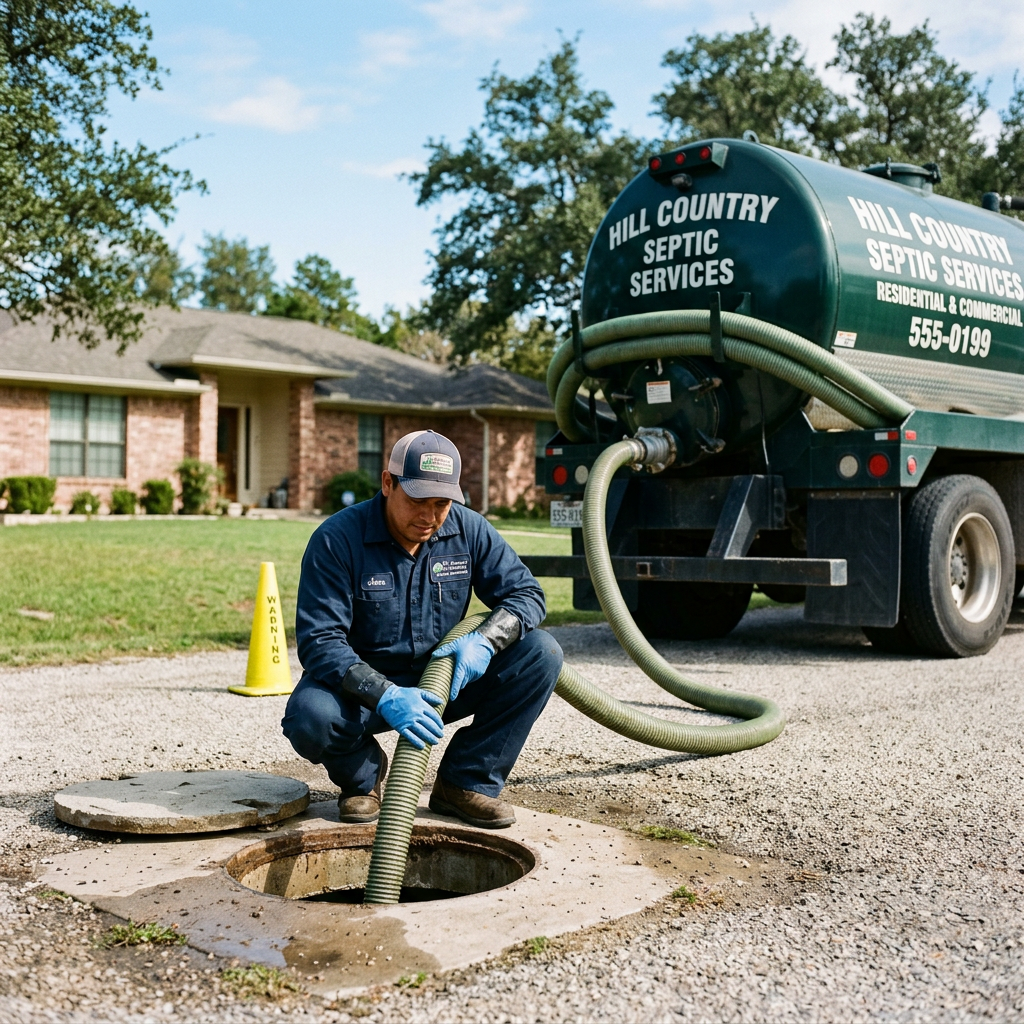
Signs Your Septic Tank May Need Pumping
A full tank may not always show obvious symptoms at first. Watch for changes inside the home and around the yard.
1. Slow drains throughout the house
A single clogged drain may lead to one sink draining slowly in that location. However, if multiple drains begin to back up at once, it could indicate that the septic tank is either full or there is a clog somewhere along the septic drainfield.
Listen for slow draining of your toilet, shower, bathtub, washing machine (or washer) sink and any other low-lying floor drains as they will provide early warning signs of an overall house-wide issue. These issues need to be addressed immediately.
2. Gurgling pipes
If you hear gurgling sounds coming from your pipes this typically means air is passing through the pipes due to normal flow of water being disrupted.
Gurgling sounds are indicative of a plugged septic tank or a blockage in the pipe running to the septic tank.
3. Sewage backing up into the home
Backflow of sewage is a red flag. In addition to backflow coming out of a toilet, tub, basement drain, or laundry sink, you will see black (dark) water flowing.
Keep all contact with sewage to an absolute minimum. Prevent children and pets from being exposed to this contaminated environment. Do not use water in your house until a certified septic professional evaluates the condition of your septic system.
4. Bad odors inside or outside
Bad smells around your septic system’s tank, drainfield, and/or plumbing fixtures and/or basement may signal some type of septic malfunction. Malfunctions can include a full tank, a cracked pipe, clogged vents, and/or a failing drain field.
Don’t mask the bad smells with air fresheners. Instead, locate the source of those odors.
5. Standing water near the tank or drainfield
Standing water above the septic tank or drainfield indicates that there is a blockage somewhere in your system. Problems may arise due to a full tank, cracked pipe, clogged outlet, saturation in the soil or failure of the drainfield.
All individuals and animals should stay far away from any water contaminated by sewage.
6. Bright green or spongy grass
Grass over a drainfield may look greener than the surrounding lawn when wastewater is reaching the soil near the surface. A lush patch is not always a problem, especially after rain, but bright green and spongy grass during dry weather deserves attention.
Look for other signs, such as odors, wet soil, or slow drains.
7. Repeated plumbing problems
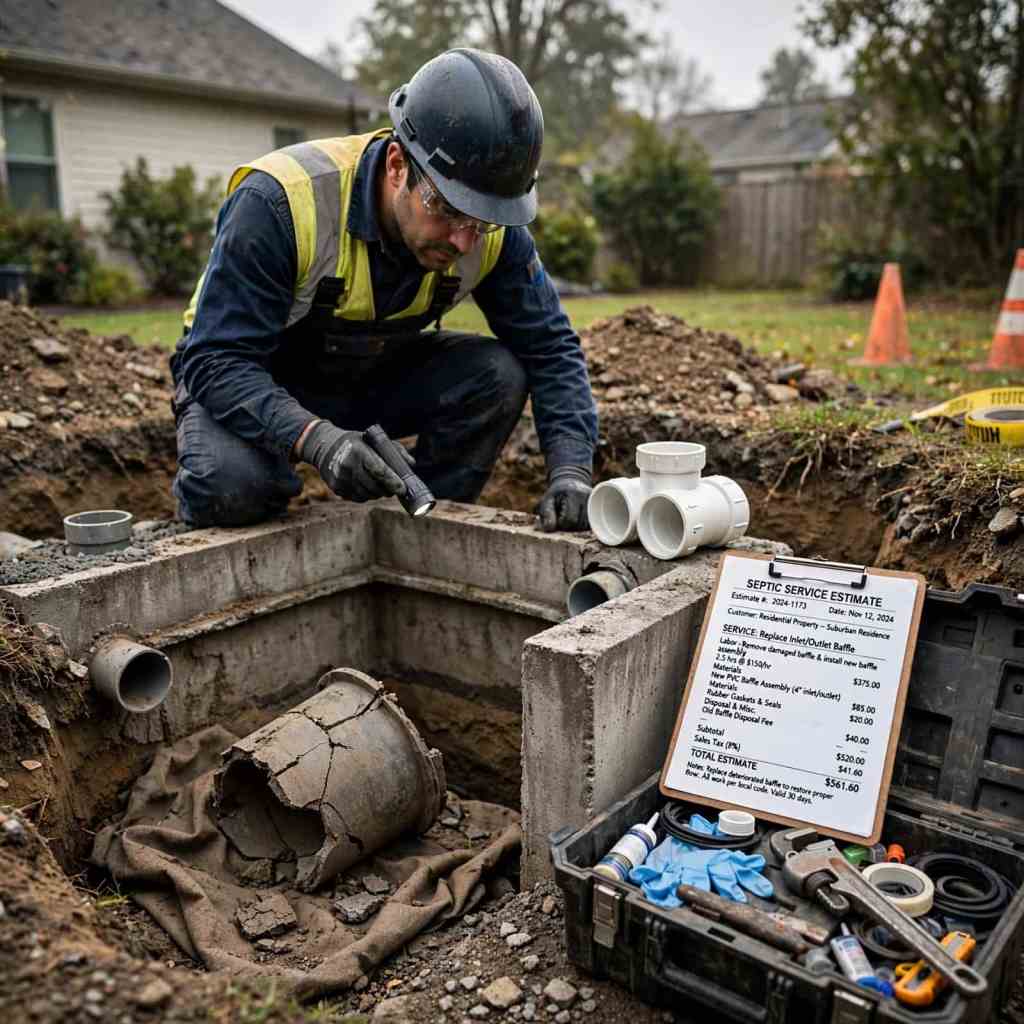
If your home has frequent backups, slow drains, or toilet problems, pumping may not solve the entire issue. The system could have a blocked pipe, damaged baffle, broken distribution box, or failing drainfield.
This is one reason an inspection is important. Pumping removes solids, but it does not repair damaged parts.
For more information about serious system problems, read our guide to common septic tank failures.
What Causes a Septic Tank to Fill Faster?
Several household habits can increase the amount of solids or wastewater entering the system.
Large household size
More people usually means more showers, laundry loads, toilet flushes, and dishwashing. This increases the amount of wastewater entering the tank.
A larger family may need to pump more often than a smaller household, even if both homes have the same tank size.
Excessive water use
A septic system can become overloaded when too much water enters the tank in a short period.
Spread laundry throughout the week instead of washing many loads in one day. Repair leaking toilets and faucets. Consider water-efficient fixtures, but do not send large amounts of water into the system at once.
Garbage disposals
Garbage disposals send food particles into the septic tank. These solids add to the sludge layer and may increase the need for pumping.
The EPA notes that frequent garbage disposal use can significantly increase sludge and scum accumulation. If you use one regularly, ask your septic professional whether you need a shorter pumping schedule.
Flushing unsuitable items
Toilets are designed for human waste and toilet paper. Do not flush:
- Paper towels
- Baby wipes
- Cleaning wipes
- Feminine hygiene products
- Cotton swabs
- Dental floss
- Condoms
- Cat litter
- Diapers
- Coffee grounds
Even products labeled flushable may not break down quickly enough for a septic system.
Grease and cooking oils
Grease can harden inside pipes and add to the scum layer in the tank. Pour used cooking oil and grease into a container and place it in the trash when it has cooled.
Harsh chemicals
Large amounts of solvents, drain cleaners, paint, pesticides, and other chemicals can harm the organisms that help treat wastewater. Some chemicals can also move through the system and contaminate soil or groundwater.
Follow local disposal rules for household chemicals.
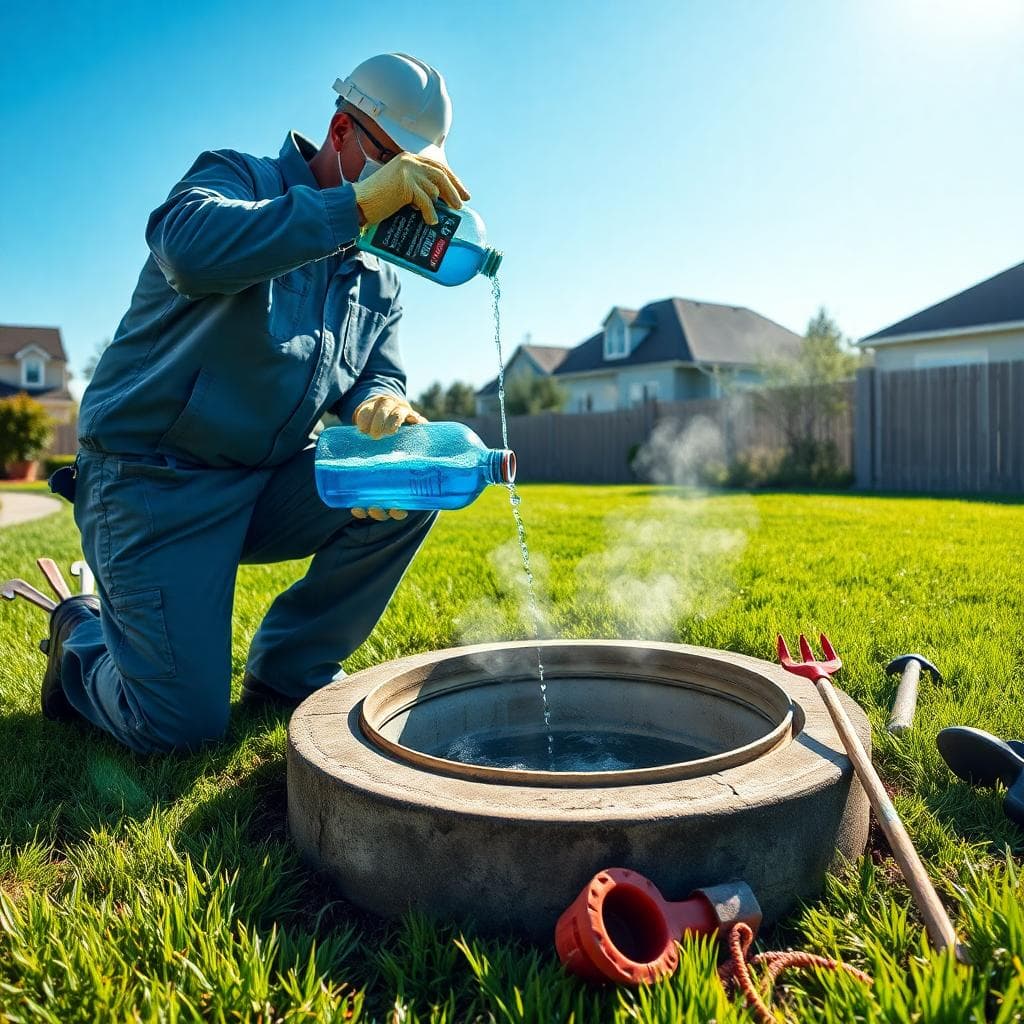
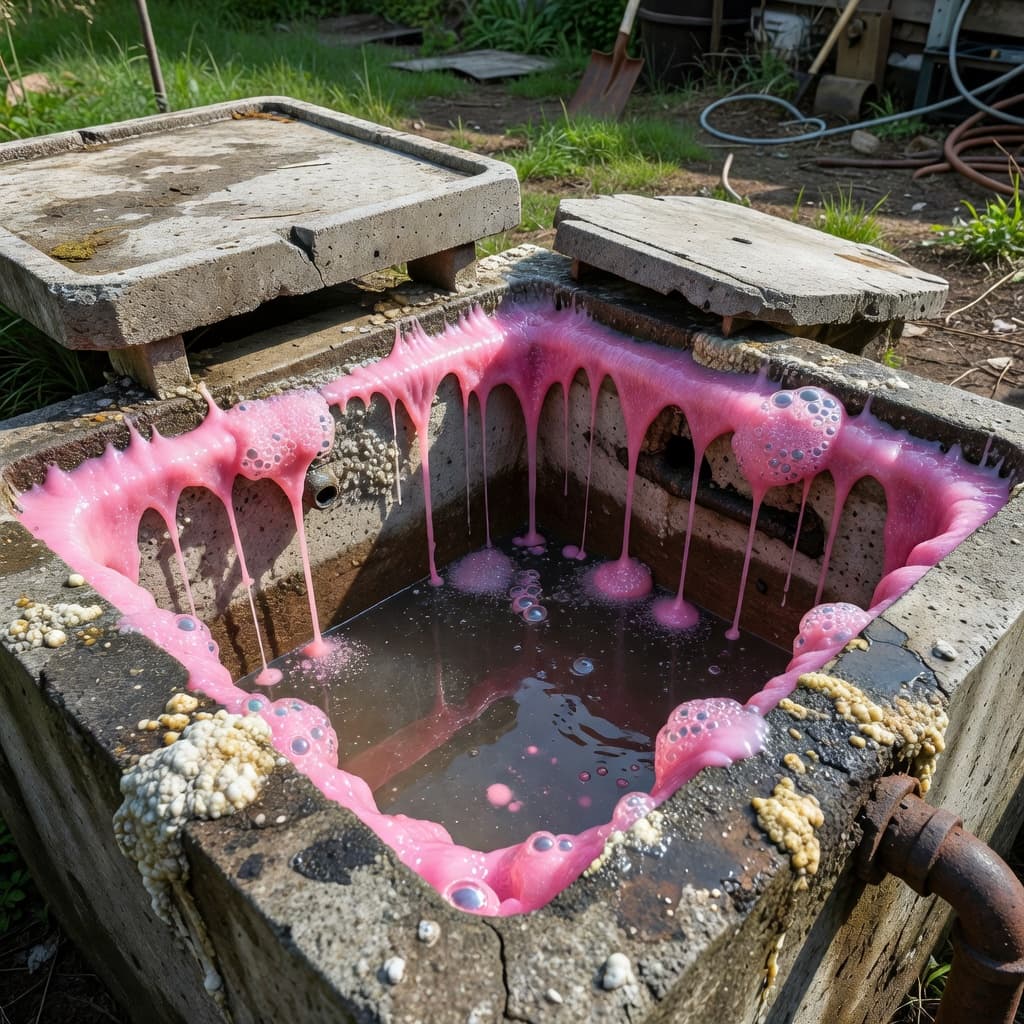
Do Septic Tank Additives Reduce the Need for Pumping?
No. you can’t use additives to replace either the pumping of your tank or the inspection of your tank.
Some additives will have bacteria, enzymes, etc. which may claim to help with reducing sludge, controlling odor, improving flow/drainage. The EPA claims no additive is needed if your septic system is working correctly. The EPA also states that most additives do not work effectively.
Your septic tank already has bacteria in it due to the typical organic waste found in household wastewater. Additives can not get rid of debris like plastic, wipes, grime etc.
Some additives may also affect the drainfield. Read our guide to natural septic tank additives to learn what these products claim to do and why regular maintenance matters more.
If your tank has odors, slow drains, or rising wastewater, do not rely on an additive. Arrange an inspection.

How to Protect Your Septic System Between Pumpings
Good daily habits can help your system work properly.
Use water carefully
Fix leaks as soon as possible. Run full loads in the dishwasher and washing machine. Avoid sending large amounts of water into the system at one time.
Keep waste out of the drains
Use trash cans for wipes, paper towels, dental floss, and hygiene products. Keep grease, oil, and coffee grounds out of sinks.
Protect the drainfield
Do not park vehicles or place heavy structures over the drainfield. Soil compaction can reduce the system’s ability to absorb wastewater.
Avoid planting trees with aggressive roots near the tank and drainfield. Keep roof gutters, sump pump discharge, and stormwater away from the system. Extra water can saturate the drainfield.
Keep access covers secure
A septic tank should have a secure cover that prevents accidental falls. Keep access points visible and easy for a professional to reach.
Do not enter the tank under any circumstances.
Keep maintenance records
Record the date of each inspection and pumping. Keep notes about repairs, tank size, and the location of the tank and drainfield.
These records can help you identify patterns and make it easier to maintain the property if you move.
What Happens During a Septic Tank Inspection?
A septic inspection may include several steps:
- Identifying the location of the septic system components.
- Inspecting the tank cover and access ports to check for damage or leakage.
- Visual inspection of the tank exterior for damage such as cracks in the walls of the tank (cracks are a sign of structural damage).
- Determine if there is excessive amounts of sludge and/or scum in the bottom of the tank.
- Check that all baffle systems on both sides of the inlet pipe and around the perimeter of the tank are intact. Also look at the baffle system inside the tank which is usually found near the center. These baffle systems help prevent solid waste from entering into the drain field.
- Examine the distribution box (this is where the effluent exits) to ensure it has no leaks.
The inspector may recommend pumping during the visit. If the system has a pump, alarm, or control panel, those parts may also need to be checked.
Ask the professional to explain the findings and provide a written record.
What to Do If Your Septic Tank Is Overdue
If you do not know when the tank was last pumped, schedule an inspection. Do not wait for a backup to find out.
Before the appointment:
- Locate any past maintenance or repair records of the septic system.
- Find the location of the tank (if it is accessible).
- Determine where your drain field is located.
- Take note of any areas that are draining slowly, producing odors, have wet patches, or making gurgling noises in your pipes.
- Let the technician know how many individuals reside at the house.
- Inquire as to whether a garbage disposal has been installed in your kitchen and when you have experienced any other recent issues with your plumbing.
If sewage is already backing up, reduce water use immediately. Do not use toilets, showers, washing machines, or sinks until you receive professional advice.
Frequently Asked Questions
Can I wait until my septic tank backs up before pumping it?
No. A backup indicates that the system could already be overtaxed or damaged. In addition, solid waste could now exist in the drainfield area causing long term issues. It is safer to regularly pump the tank than wait for a back-up to occur.
Is pumping every three years always necessary?
Not always. For many homes, a three-year interval is used as a guideline. However, based on individual factors (tank size, household size, water usage, if a garbage disposer exists and the quantity of solids), more frequent or less frequent pumping will be required.
How often should a septic tank be inspected?
The U.S. Environmental Protection Agency (EPA) recommends having a septic system inspected at least once each year up to no more than every three years. These inspections allow you to determine when there are potential problems with your septic system prior to the onset of sewage backups and/or failure of the drain field.
Does a septic tank need pumping if the house is rarely used?
The answer is yes, you will likely still need to have the tank pumped and inspected. Although a seasonal home will have less solid accumulation than a year round occupied home, it can still be plagued with issues such as broken covers, leaking tanks, roots growing into the tank, etc. Your best bet is to call a septic professional and get a pump schedule set up, as well as find out what are the regulations in your area.
Do septic additives replace pumping?
Absolutely not. Septic additives do not clean away all sludge, scum, grit, or undigestible (non-biodegradable) waste. In fact, the Environmental Protection Agency (EPA), considers additives an unnecessary addition to a working septic system. They only add additional chemicals that could potentially harm the beneficial bacteria in the tank. If your tank needs to be serviced, there is no substitute for physically removing all of the accumulated solids.
Can a full septic tank cause slow drains?
A full tank and/or clogged drain line will obviously cause slow drains. On occasion however, slow drains can result from many things including; a plumbing clog somewhere in the lines, damage to a sewer pipe, or a failing drain field. An inspection by a professional would help determine which issue is causing the problem.
What is the biggest warning sign of septic failure?
One of the biggest indicators of a failing septic system is when raw sewage backs-up into the home or surfaces in the yard. Other symptoms include; standing water around the tank/ drain field, unusual strong sewage odor emanating from the drain field, slow draining at times throughout the home, gurgling sounds coming from some of the pipes under the floor or in walls and/or excessively healthy looking grass around the drain field. Any of these symptoms should prompt further investigation.
How long does septic tank pumping take?
The length of time depends upon several factors including where the tank is located in relation to access points, how large is the tank itself, how much work needs to be done to complete the job and whether or not additional services need to be completed. The best person to give you an accurate estimate would be a representative from a reputable septic service company.
Do local governments regulate septic systems differently?
Yes. Because of different soil types, groundwater levels, and varying environmental conditions across different areas of our country, each governmental body has their own specific regulations regarding regular inspections, pumping frequencies and required maintenance. While there are some general guidelines provided by the Environmental Protection Agency (EPA) for residential septic systems throughout the United States, each homeowner’s situation will vary depending on those regulations within their own community.
Final Thoughts
Most residential septic systems require regular maintenance including inspection every one to three years, and pumping every three to five years depending upon the number of people in the home, the volume of the tank, the amount of water used by the home, whether there is a garbage disposer installed, and how much sludge has accumulated.
Slow draining toilets and sinks, gurgling sounds from the plumbing, sewer odors, standing water around the area where the effluent leaves the house (drainfield), or wet spots that develop are all signs that your septic system may need to be serviced sooner than you think.
Regular pumping removes solid matter from the tank so it does not pass into the drainfield. Careful management of water usage, responsible disposal of wastes, and regular inspections will also help prolong the time before you have to replace parts of your septic system
For the safest advice, follow the EPA’s septic system maintenance guidance and work with a qualified septic professional familiar with local rules.

Cost Disclaimer
Septic service and repair costs vary widely across the United States. Your final price may depend on your location, tank size, system type, property access, soil conditions, permit requirements, and the extent of the problem. The cost ranges in this article are general estimates only and are not a guaranteed quote. Before approving work, request a written estimate that separates inspection, pumping, parts, camera work, labor, permits, and any drain-field repairs.
Affiliate Disclosure
This article may contain affiliate links. If you purchase a product through one of these links, we may earn a small commission at no extra cost to you.
We only link to products that may be relevant to septic system care and maintenance. However, affiliate relationships do not affect our opinions or recommendations. Always read product labels and consult a licensed septic professional for system failures, backups, or repair needs.
Sources
- U.S. EPA: How to Care for Your Septic System
- U.S. EPA: Frequent Questions on Septic Systems
- U.S. EPA: Resolving Septic System Malfunctions
- U.S. EPA: Septic Tank Additives Fact Sheet
- University of Maryland Extension: Maintaining Your Septic System
- Pennsylvania Department of Environmental Protection: Septic Systems
Related Posts