Issues With Septic Tanks: Signs, Causes, and Safe Fixes
Many of the problems that occur with septic systems will provide you with advance warnings (e.g., slow draining) before they develop into a yard flooding, or sewage backing up into your house. Other potential indicators of possible septic system problems include odors; gurgling sounds in your pipes; wet patches on your lawn; or when water backs up from a low-lying drain.
It is necessary to identify the root problem of what is causing the septic system to fail. Possible causes for a failing septic system are a full septic tank, clogged plumbing, damaged equipment/structural integrity of your septic system, or the soil has been over-saturated with liquid waste. While chemical additives might temporarily make an odor-free drain appear again, they do nothing to diagnose why you need to have your septic system pumped out, repaired, etc.

Key Takeaways
- Slow draining, or a low volume of wastewater flowing through your pipes; Gurgling sounds as water tries to flow back up into the house; Odors (smells) emanating from the drain system, especially near the vent pipe; Wet ground at the septic drainfield may indicate a failure in the leaching process.
- If there is an overflow inside the house, do NOT continue to run water until you have called for assistance.
- Pumping will remove the solids from the septic tank and allow for proper operation again. Additives alone cannot fix a clogged drainfield.
- By conserving water, maintaining steady usage within your household, you can minimize the amount of pressure placed upon the soil surrounding your drainfield trenches.
- Keeping service records and performing regular maintenance will help ensure that you pump your tank at the correct time thereby minimizing costly septic tank repairs.
Issues With Septic Tanks: Warning Signs You Should Not Ignore
A single sign of an issue with your septic is never enough. It is always better to evaluate a number of signs that appear together rather than just one fixture. As well as having a slow drain, if you notice a smell on your grass and there is water pooling around your home (as opposed to it being absorbed into the ground) do not assume the system will correct this issue by itself.
You may find that some of your sinks run very slowly. In contrast, all of your household drains running very slowly indicate a greater potential problem. You may also hear your toilet(s) making “gurgling” sounds after each flush or observe rising water levels when taking baths or showers.
Typically, sewage backups begin at the lowest drain within a residence. This could potentially be located in the basement area (i.e., a basement floor drain), or at the base of a bathtub or shower. Causes can include but are not limited to: 1) a full septic tank, 2) clogged pipes, 3) damage to the baffles or 4) blockage of the effluent filter.
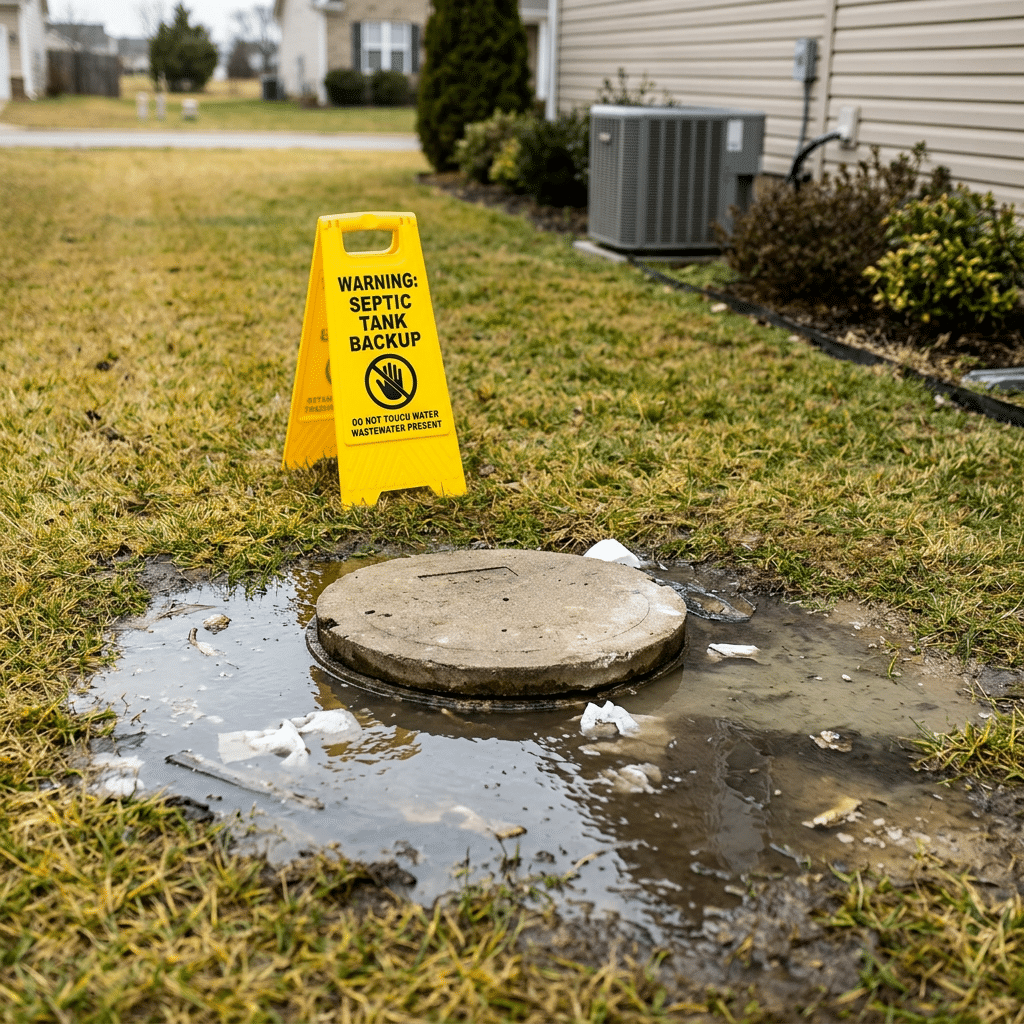
Don’t keep flushing or running taps to force a backup away. Extra water can make the backup worse and push sewage farther into the home.
Foul odors, soggy soil, and unusually green grass outside
To be sure if you have an issue with your septic tank system, look for the signs of trouble in your drain field (leach field) such as soft spots where the ground feels spongy to walk on, standing water, unusual “foul” smelling areas of the lawn and/or odd colored patches on the lawn and especially if you notice what looks like striped or irregularly shaped areas of very fast growing grass in the drain field area.
If the drain field (leach field) becomes saturated from too much rainfall it will no longer be able to take up and filter the wastewater (effluent). In addition gases are able to get trapped beneath the surface of the soil and move upward through the soil. Rainfall also disrupts normal air movement above the drainfield causing odors that would typically dissipate away from your property now stay closer to your yard.
However all sewer odors do not necessarily mean there is something wrong with your septic tank. For example, if your p-trap is dry, the clean-out cap to your main sewer line is loose or broken; there is a leak somewhere in one of your underground pipes; and/or the roof vent line is low or clogged then those things can cause sewer odors to enter into your home. Therefore check out these easy to find sources before calling for service.
Why Septic Problems Happen, From Solids Overload to Water Saturation
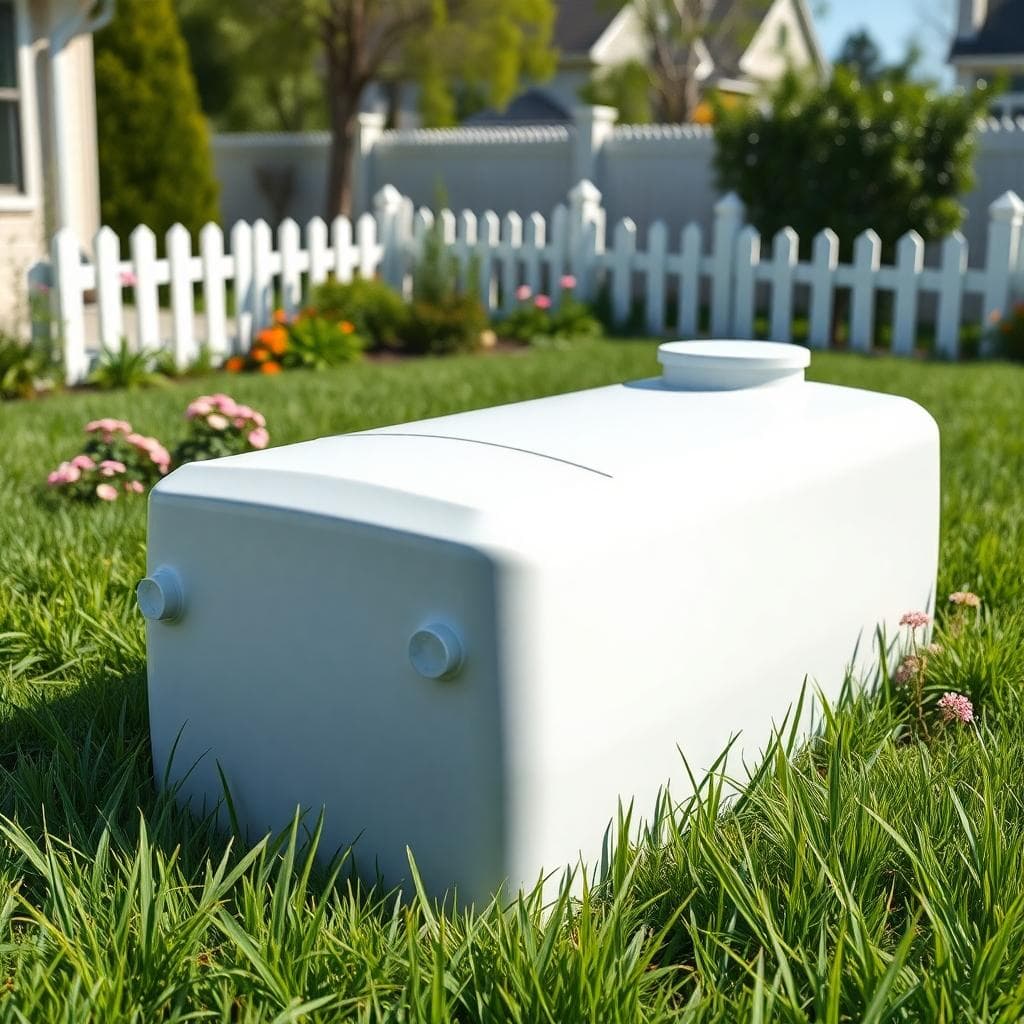
Your septic tank works like a settling container; conventional tanks generally rely on anaerobic systems, though some properties use different treatment technologies. Heavy solid waste sinks to the bottom and builds up as sludge, while grease, oils, and other light materials rise to form a scum layer. The clearer liquid between these layers flows through the outlet into the connected drainage system and toward the drain field, where soil filters and treats the wastewater. When a septic tank is overloaded, thick sludge or scum can block the outlet or carry solids into the field, so regular pumping helps protect the rest of the system.
The maintenance and household habits that overload your system
Many issues with septic tanks begin with everyday overload. Routine maintenance includes timely pumping, but water use matters too. Several loads of laundry, long showers, and dishwasher cycles all on one day can flood the system with more water than the treatment area can handle.
Garbage disposal waste, cooking grease, wipes, paper towels, diapers, and feminine products add material that doesn’t break down well. Reasonable amounts of toilet paper usually break down, but wipes and other non-degradable products can contribute to clogged pipes. Even products labeled “flushable” can create trouble in a septic system.
Avoid pouring solvent-based cleaners, strong degreasers, or chemical drain openers down the drain. They can harm helpful microorganisms and may move dissolved grease and solids toward the treatment area. Fix dripping toilets and faucets quickly. A small leak can send hundreds of extra gallons through the system over time.
Rain, runoff, blocked vents, and damaged septic parts
Heavy rain can cause soil saturation around your drain field. Roof runoff, sump pumps, French drains, irrigation, and poor grading can overload the field with additional water. Once soil pores are full, wastewater has nowhere to go.
Damaged inlet or outlet baffles, a clogged effluent filter, crushed pipes, and tree roots can interrupt normal flow. A low or blocked roof vent may create indoor odors even when the tank itself is fine.
Pink or salmon-colored slime around a drain is usually surface biofilm. It grows where moisture, soap residue, oils, and stagnant water meet. It isn’t automatic proof of septic failure. If it appears with gurgling, wet ground, or sewage odor, the larger system needs attention.
Safe Steps You Can Take Before Calling a Septic Professional
You can reduce pressure on the system while you arrange an inspection. Use these as short-term water conservation steps, not as a repair. Don’t dig into wet soil, open a tank, or try to diagnose underground parts yourself.
For 24 to 48 hours after heavy rain or during drainage problems, spread out water use. Skip extra laundry loads. Take shorter showers. Wait to run the dishwasher if you can.
Keep vehicles, sheds, patios, pools, firewood stacks, and heavy equipment off the drain field. Heavy loads can compact soil around the drain field or damage buried pipes. Direct downspouts, sump discharge, French drains, and sprinkler runoff away from that area.
Use shallow-rooted grass over the field. Deep-rooted trees can send tree roots into pipes, especially when planted too close. In many situations, keeping trees 20 to 30 feet away gives roots more room to stay out of the system.
Simple odor checks and fixes that do not damage the system
Foul odors may come from dry P-traps or plumbing vents. Add water to rarely used sinks, showers, basement drains, and floor drains. A P-trap needs water in it to block sewer gas. One quart is usually enough for an unused fixture.
For visible pink or slimy drain buildup, use a brush or sponge, mild soap, and hot water. Friction removes biofilm better than dumping harsh chemicals into the plumbing.
Never enter a septic tank or lean over an open lid. Dangerous gases and low oxygen can overcome you without warning. Don’t smoke nearby, and never leave an unsecured lid where children or pets can reach it.
Professional Repairs, Septic Tank Pumping, and What They May Cost
Repeated symptoms need a full inspection, not a guess. Septic system failure can develop gradually, and Septic warning signs can build gradually before a major failure, so an early service call often gives you more repair options.

What a licensed septic contractor should inspect
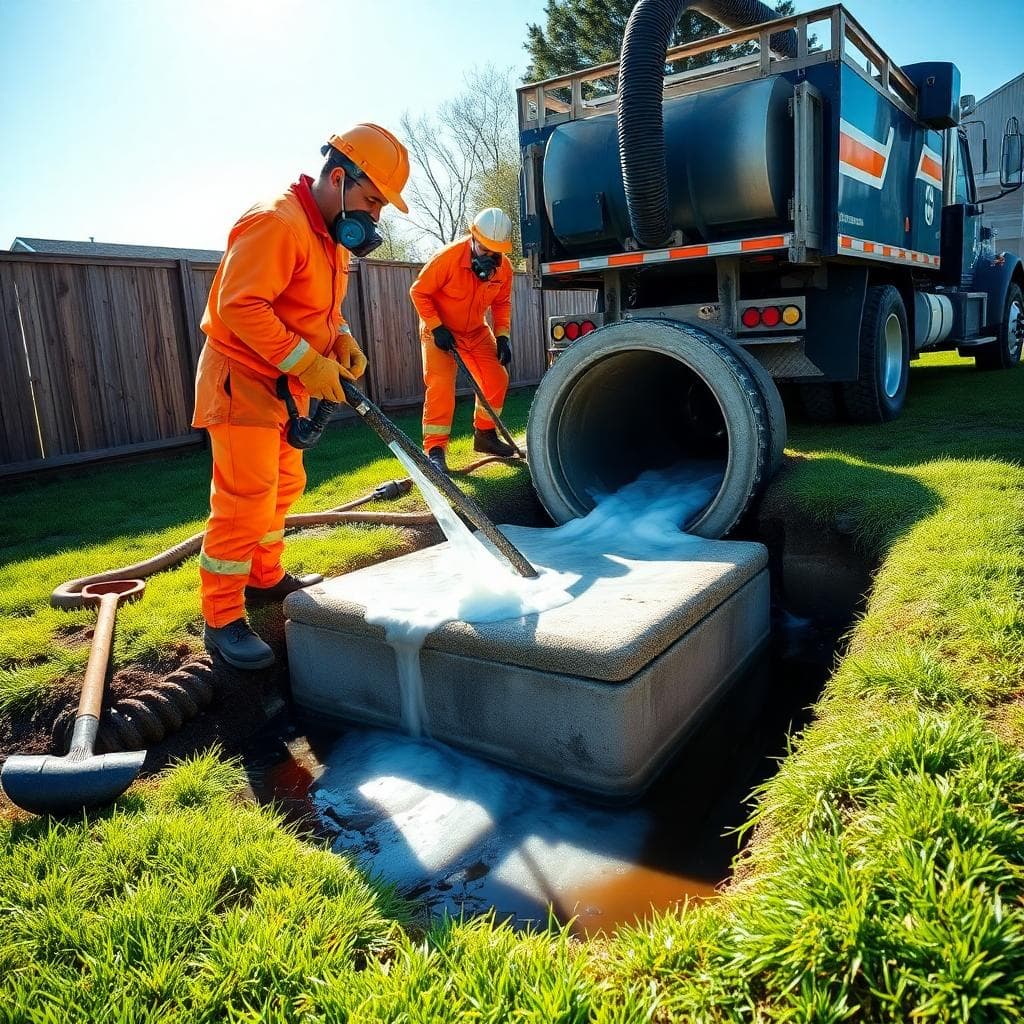
Ask contractors to go beyond just pumping quickly. A full visit for septic tank service should measure sludge and scum and pump the tank completely to remove solid waste. Contractors should clean or replace effluent filters and check inlet and outlet baffles including condition of baffles..
Contractors should also perform an inspection of tank walls, lids, lines and signs of saturation in the drain field. Ask for photos, written findings, details about disposal and clear estimate before approving repairs.
Costs for pumping and inspection usually range from about $300 to $700. Difficult access, lids buried underground, long hose runs, camera inspections, jetting and emergency service and repairs can add to the bill.
Repair costs, health risks, and why waiting gets expensive
A few hundred dollars for a lid, gasket, baffle or filter repair; Several thousand for a drain field repair; Full system replacement can be in the order of $8,000-$25,000 or higher based on soil condition, required permits, accessibility to the site and local labor costs.
Cleaning up indoor sewage can also lead to costly repairs to floors, walls (drywall) and other items. The exposure itself represents a potential health hazard. Failed septic systems have the potential to contaminate the ground water and threaten nearby wells with excessive levels of nitrates and bacteria dependent upon the conditions at your property.
Depending on where you live, the local health agency will likely have some jurisdiction over issues related to reporting, obtaining necessary permits or cleaning up failures relative to wastewater. Typically, septic failure is not covered by a typical homeowners’ policy.
How regular maintenance prevents repeat septic failures
Build a simple service record as part of routine maintenance. Keep the pumping date, tank measurements, repairs, photos, and contractor report together. Those details help you set a schedule based on your household size, septic tank capacity, and water use.
Many homes need pumping every two to five years. Your contractor can recommend a better interval after measuring the sludge and scum layers. A septic tank maintenance checklist can help you stay ahead of odors, leaks, and water overload.
Bacteria, enzymes, and oxygen-based products may support normal tank conditions in some cases. They cannot remove settled solids or repair a blocked drain field. Pumping, careful water use, and good drainage are still the foundation.
Frequently Asked Questions
Can slow drains mean the septic tank is full?
Slow drains don’t always mean the septic tank is full. One slow sink or shower usually means that nearby pipes are clogged. If several fixtures slow down, toilets start gurgling or there is backup of sewage, that suggests there is a problem throughout the whole system.
Can heavy rain affect a septic tank?
Rain doesn’t automatically cause permanent failure. Temporary saturation of soil can overwhelm the area and reveal an existing problem. During storms conserve water and watch well water for any changes after flooding too. Should you plant a garden over a drain field?
Should you plant a garden over a drain field?
A vegetable garden is usually not a good choice over a drain field. Keep the area in grass or shallow-rooted plants, and avoid digging that could damage pipes or disturb the soil. The same guidance applies to a leach field.
Can household items cause septic problems?
An added load from a garbage disposal creates more waste for the septic system to handle on its own. Standard toilet paper is usually accepted by septic systems. Wipes and many other non-biodegradable materials are potential causes of problems.
Do you need an effluent filter?
Not all systems have a pump chamber. Many newer systems do. A contractor will be able to let you know if your system has a pump chamber, and will add this as part of their maintenance schedule if needed.
Keep Small Septic Problems Small
Foul odors, Gurgles in your plumbing, Wet Grass in your yard, Backups (into your home) are signs that your Septic System is failing and you need to address these issues. Do not try to cover them up by adding chemical products. If your system backs up, do not continue to run water until it stops backing up. Keep all people and animals out of contact with the sewage. Do not allow any one to add harsh chemicals into your system. Do not have an unqualified person perform work on your septic tank.
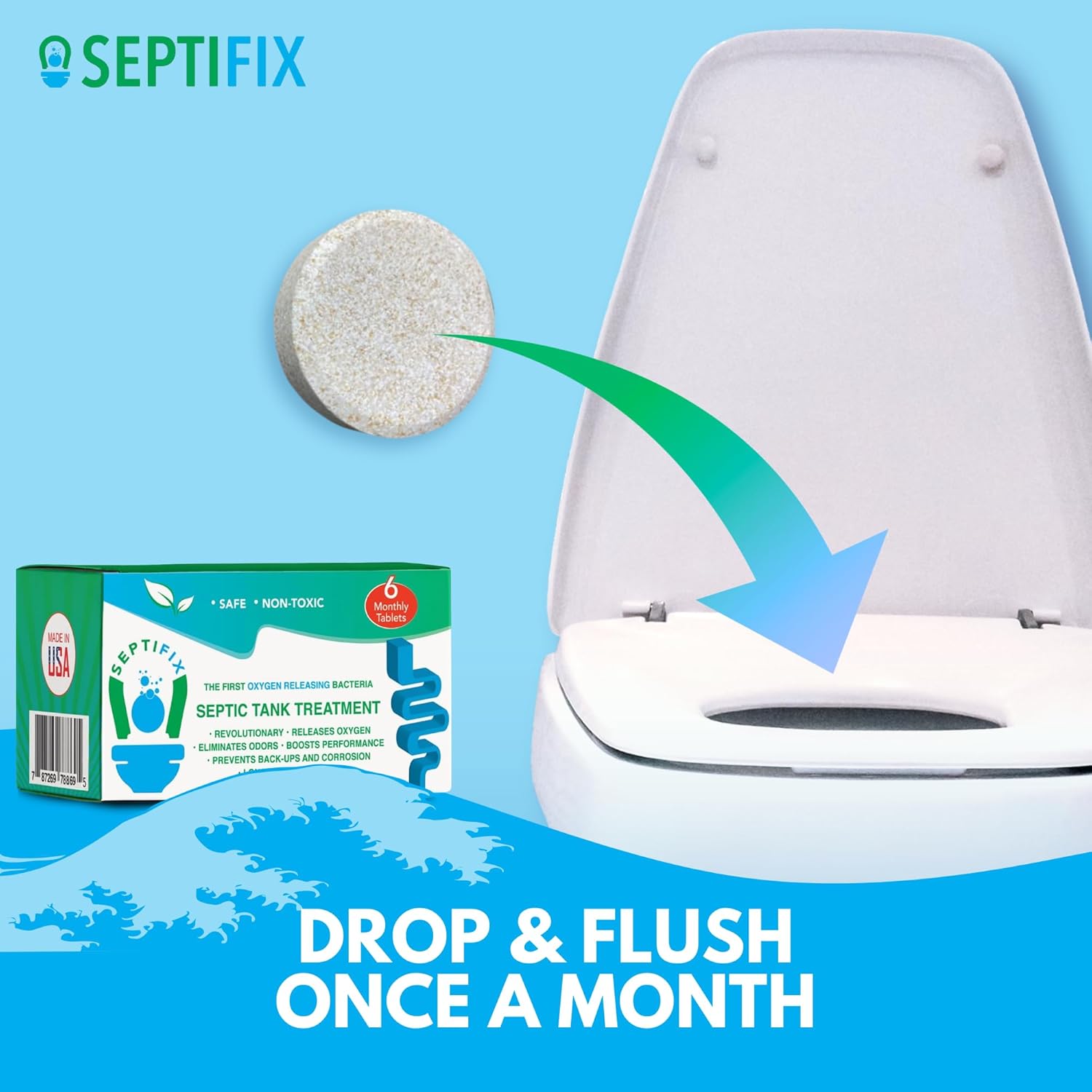
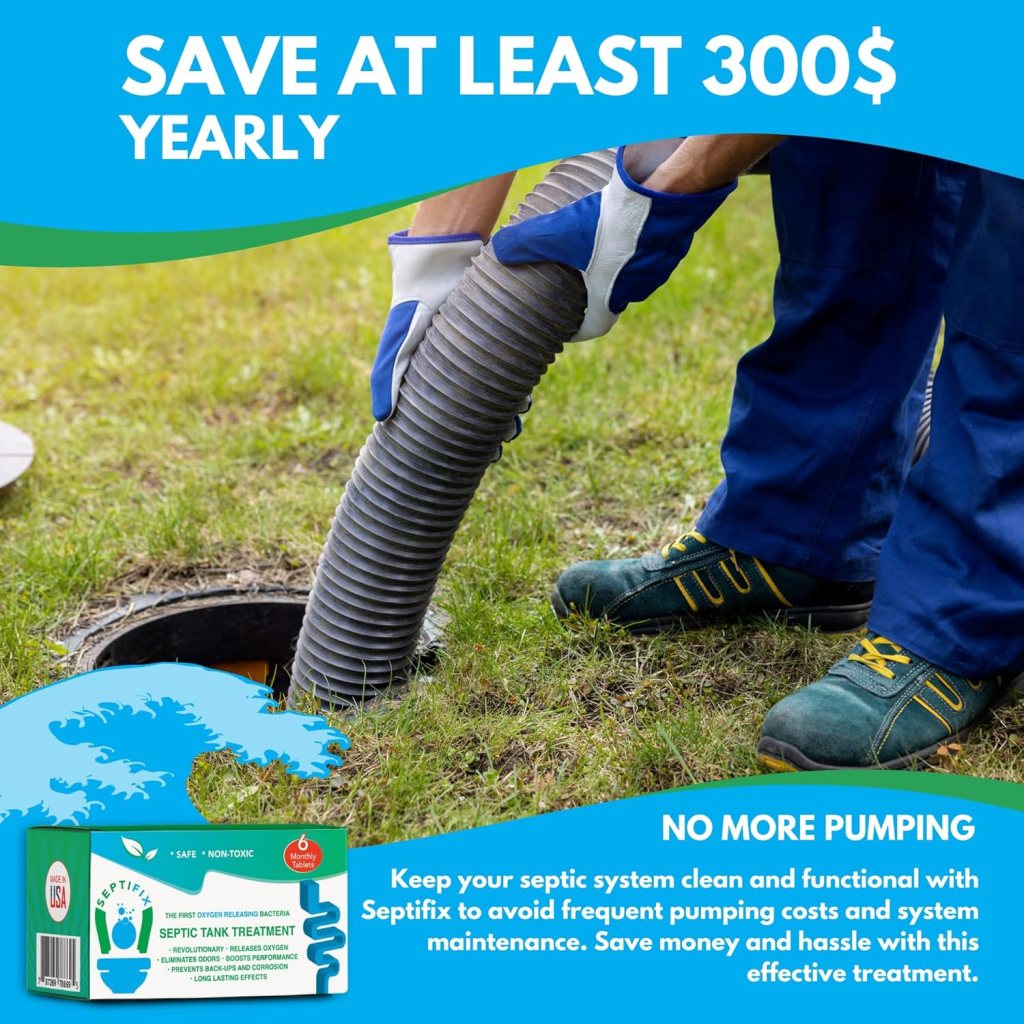
Water usage and pumping frequency are two things that will protect your drainfield far better than using additive products for quick fixes. Regular inspections of your septic system, proper drainage and maintaining accurate records of how many gallons pumped per year will assist in reducing future costs associated with replacing the entire septic system and the stress of having a failing system. Check out Septifix tablets. They release oxygen to clean your septic tank and stop odors fast.

Related Posts