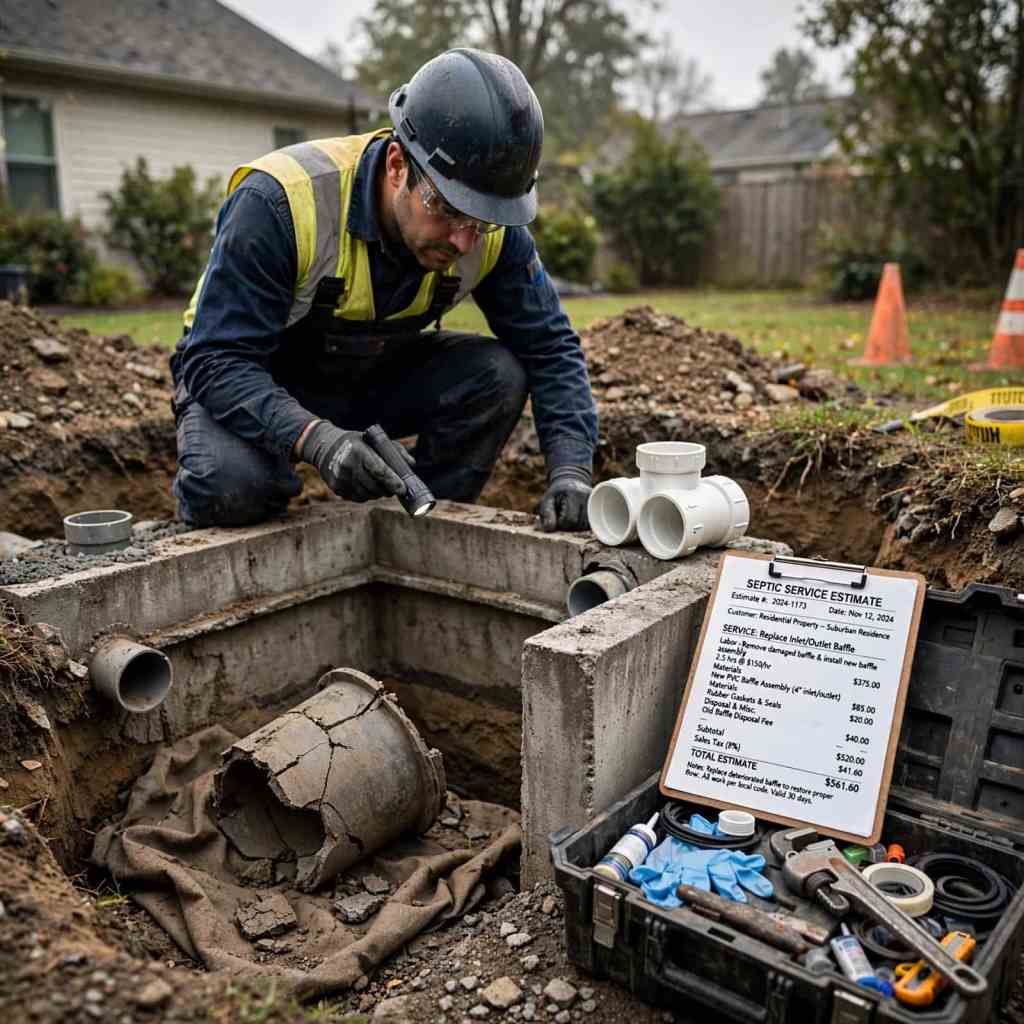
Septic Tank Effluent Filter Cleaning: How Often, How to Do It, and When to Call a Pro
A septic tank effluent filter is a small component, but it plays an important role in protecting the outlet pipe and drainfield. Regular inspection and cleaning can help prevent restricted flow, backups, and unnecessary strain on the septic system.
Key Takeaways
- An effluent filter prevents solids from being released from the septic tank into the drainfield.
- Effluent filters are generally required for all septic systems, but exceptions apply depending on the system design.
- You should inspect your effluent filter at least once per year.
- You need to clean your effluent filter if it becomes plugged, restricts flow, or when the tank is pumped.
- To rinse the effluent filter, place a hose in the filter opening and extend both ends of the hose (one end on top of the septic tank, the other end under the septic tank) so that the water flows back into the tank.
- When cleaning your effluent filter, protect yourself by using waterproof gloves, protective clothing, and safety glasses.
- Never go inside a septic tank or lean over an open tank.
- Cleaning your effluent filter does not replace pumping your septic tank.
- If your effluent filter is damaged, inaccessible, severely clogged, or has been attached to a backup valve or alarm, contact a licensed septic service technician.

What Is a Septic Tank Effluent Filter?
A septic tank effluent filter is a cartridge or screened device installed near the outlet of a septic tank. It allows treated liquid to leave the tank while helping block larger solids.
Inside a septic tank, wastewater separates into three layers:
- Scum floats at the top.
- Liquid wastewater stays in the middle.
- Sludge settles at the bottom.
The liquid layer leaves the tank through the outlet pipe. Before it moves toward the drainfield, it may pass through an effluent filter.
The filter helps keep floating solids and suspended particles inside the tank. This can reduce the amount of material that reaches the drainfield.
The U.S. Environmental Protection Agency explains that effluent filters help protect downstream treatment areas. Another EPA fact sheet describes filters as a way to help prevent solids from entering the drainfield and contributing to early failure.
A filter cannot fix an overloaded tank, a damaged drainfield, or a failing septic system. It is one part of the system’s protection and maintenance plan.
Do All Septic Tanks Have an Effluent Filter?
Yes, some septic tanks include an effluent filter, while others do not.
Newer systems or those designed for additional protection often incorporate filters. Local regulations may also mandate their inclusion in other septic installations.
Conversely, some older tanks or alternative septic systems may not utilize a filter. Multiple treatment options or screening processes may be available. Your filter might be installed in a separate pump tank or treatment chamber rather than the primary septic tank.
To determine if your system includes a filter, you can check your septic records or contact your installation contractor or service provider.
It’s important not to assume all tanks use the same type of filter. Filter cartridges come in various designs and forms, such as round or square. Access methods, screens, and cleaning instructions will differ depending on your system’s manufacturer and design.
If you are not sure where your tank is located, read this guide on how to find your septic tank without digging up the yard.
Where Is the Effluent Filter Located?
The filter should normally be located either just after or at the septic tank outlet. It could be housed within a small filter housing, vault, or outlet piping.
An access riser will make it easier for maintenance personnel to locate the filter. However, other filters could be buried below grade and accessed through the septic tank cover.
Your system may have more than one access cover. The location of the filter will depend on the design of the tanks and the placement of the baffle or outlet pipe leading from them.
Do not attempt to locate the filter yourself by opening covers in your yard. Septic tank covers can be heavy and/or unsteady when removed or replaced. If you cannot determine where your septic filter is located, please consult with a septic professional or your local health department.
Signs Your Septic Tank Filter May Be Clogged
A filter does not always show visible signs before it needs cleaning. In many cases, the first problem is reduced flow from the tank.
Common warning signs include:
1. Slow drains throughout the home
One slow sink drain may be a local plumbing problem. Several slow drains at the same time may point to a septic issue.
A clogged effluent filter can restrict the movement of wastewater out of the tank. This may cause water to drain slowly from toilets, tubs, showers, and sinks.
2. Gurgling toilets or plumbing
Gurgling sounds can occur when air and wastewater are struggling to move through the system. A filter may be part of the problem, but blocked pipes, a full tank, or a drainfield issue can cause similar symptoms.
Affiliate disclosure: This post may contain affiliate links. If you purchase through one of these links, we may earn a commission at no extra cost to you.
3. Water backing up into the home
A clogged filter can contribute to sewage backing up through a toilet, bathtub, shower, or floor drain.
Stop using water if wastewater is backing up. Avoid contact with the sewage, keep children and pets away, and contact a septic professional.
Your site’s guide to septic tank backups, emergency steps, and prevention covers what to do during an active backup.
4. A septic alarm turns on
Some systems have an alarm that warns when water levels rise or when a filter or pump needs attention.
An alarm does not prove that the filter is clogged. It may point to a pump, float, electrical, or high-water problem. Treat it as a warning and investigate it promptly.
You can also read Septic Tank Alarm Going Off? Causes, Troubleshooting, and What to Do.
5. Visible solids on the filter
When the cartridge is removed, you may see toilet paper, hair, grease, or other material covering the screen or openings.
A small amount of material may be normal. Heavy buildup that blocks the openings can restrict flow and requires cleaning.
How Often Should You Clean a Septic Tank Filter?
There is no single cleaning schedule that works for every septic system.
The correct interval depends on:
- Number of residents in the home.
- Daily household water usage (gallons/day).
- Septic tank size (gallons or cubic feet).
- Filter type (e.g., sand, gravel).
- Volume of solid waste entering the septic tank per week (pounds/week).
- Age and design of the entire septic system.
- Presence of alarms to signal system problems.
- Frequency of septic tank pumping.
A practical maintenance plan is to inspect the filter at least once a year. Several extension and local health department guides recommend annual inspection.
The Purdue Extension guide on onsite sewage systems recommends checking or servicing the filter at least annually. Another Purdue guide suggests cleaning the filter every six months at first, then extending the interval if little material collects during those checks.
The filter should also be cleaned:
- When it becomes clogged
- When wastewater flow from the tank is restricted
- When a filter alarm activates
- During or after a septic tank pump-out, if recommended by the service provider
- According to the filter manufacturer’s instructions
The Maricopa County septic maintenance guide also treats filter cleaning and tank pumping as separate maintenance tasks.
Do not wait for a backup before checking the filter. A yearly inspection can help you understand how quickly the cartridge collects material and create a schedule that fits your system.
How to Clean a Septic Tank Effluent Filter
The following steps describe a common filter-cleaning process. Your filter or septic system may have different instructions. Follow the manufacturer’s directions when they are available.
Step 1: Confirm that the filter is accessible
Find the correct septic tank access lid or filter riser. If you are not sure which lid to use, stop and ask a professional.
Never remove a lid that appears damaged or unstable. Do not work alone around an open septic tank.
Step 2: Limit water use
Avoid flushing toilets, running washing machines, taking showers, or using large amounts of water while the filter is removed.
If your system has a pump or electrical controls, do not disconnect or adjust them unless you are qualified to do so. Ask a professional if you need to know whether the pump should be turned off.

Step 3: Wear protective equipment
Used septic filters contain sewage. Wear:
- Waterproof gloves
- Long pants
- A long-sleeved shirt
- Waterproof shoes or boots
- Safety glasses or goggles
The Purdue Extension maintenance guide recommends protective waterproof gloves. A Gallatin County septic maintenance handout also recommends protective clothing and eye protection.
Keep children and pets away from the work area.
Step 4: Open the access point carefully
Remove the lid carefully. Keep your face away from the opening.
Septic tanks can contain dangerous gases. Never enter a septic tank, climb inside it, or allow anyone else to enter it. Do not lean over the opening to inspect the tank.
If the lid is very heavy or difficult to remove, use a professional.
Step 5: Remove the filter cartridge
Most cartridges lift out of a housing near the outlet pipe. Some have a handle or grip.
Lift the cartridge slowly. Avoid splashing. Hold it over the open septic tank so any liquid and loose material can flow back into the tank.
Do not place the dirty cartridge on the grass, driveway, patio, or other clean surface.
Step 6: Rinse the filter back into the tank
Use a gentle spray from a garden hose to clean the filter, aiming the spray at the opening to your septic tank.
You want to wash away anything stuck in the filter and send it back to the tank. Do not allow the filter to be washed off into the ground, a storm drain, or a ditch.
According to the Environmental Protection Agency (EPA) and Connecticut’s regulations for onsite wastewater treatment systems, filters should be removed and cleaned by directing a stream of water from a hose back into the septic tank.
Do not use a power washer to clean your filter unless the manufacturer specifies that it has been designed for this purpose. Excessively high pressure may damage your filter cartridge or push debris further into areas that will make cleaning extremely difficult.
Step 7: Check the cartridge
Look for:
- Cracks
- Warping
- Broken handles
- Damaged screens
- Missing parts
- Blocked openings
- Material that will not rinse away
Inspect any vent holes or openings that are part of the filter design. Lightly clear away visible debris.
A damaged filter may need replacement. Do not force it back into the housing if it does not fit correctly.
Step 8: Reinstall the filter
Place the cartridge back into its housing. Make sure it is fully seated and aligned with the support points or saddle holes.
A filter that is not installed correctly may allow solids to bypass it or may restrict flow.
Replace the access lid securely. If the lid is cracked, unstable, or not childproof, have it repaired or replaced.
Step 9: Clean up and record the service
Clean the work area and dispose of contaminated materials properly. Do not wash sewage into a street drain or waterway.
Remove your protective clothing carefully. Change clothes after the work and wash your hands with soap and water. Sanitize tools according to the manufacturer’s directions.
Record:
- The date
- The condition of the filter
- The amount of buildup
- Any alarm activity
- Any signs of restricted flow
- Whether the cartridge was replaced
This record can help you decide whether the filter needs attention every six months, once a year, or at another interval.
Is Cleaning the Filter the Same as Pumping the Tank?
No. Filter cleaning and septic tank pumping serve different purposes.
Filter cleaning removes material from the filter screen or cartridge. It helps restore flow through the outlet.
Pumping removes accumulated sludge and scum from the tank. It is needed because solids continue to build up over time.
Cleaning the filter does not remove the sludge layer at the bottom of the tank. It also does not remove the scum layer at the top.
The EPA recommends inspecting and pumping septic systems based on household use, system design, and measured tank levels. Many household systems are pumped every three to five years, but the correct schedule can vary.
You can learn more in this septic tank pumping guide.
When Should You Call a Septic Professional?
Call a septic professional if:
- Incorrect way of accessing your lid.
- The filter is at a difficult-to-reach or unsafe place.
- The filter has become stuck.
- Damage to the cartridge.
- The filter will not fit properly back onto its housing.
- Backflow into your home due to
- septic system failure.
- Alarm sounds from your septic alarm.
- Your tank appears to be over capacity (more liquid) than usual.
- Odors of strong sewer gas and/or wet/damp patches are found in the grass near the drain field.
- You do not feel comfortable working with equipment/parts that have been exposed to contaminants.
- The system includes pumps/electrical components you are unfamiliar with.
A filter may be clogged because of normal solids buildup. It may also be clogged because the tank is overdue for pumping, the baffle is damaged, water use is excessive, or the drainfield has a problem.
If cleaning the filter does not restore normal flow, stop using large amounts of water and arrange a professional inspection.
How to Prevent Effluent Filter Problems
You can reduce the amount of material reaching the filter by using the septic system properly.
- Only dispose of human waste and toilet paper in the toilets. Toilet paper is safe for flushing into the system.
- Dispose of wipes, paper towels, diapers, dental floss, grease, and feminine hygiene products by using a trash can.
- Fix leaky faucets and toilets since these will cause contamination of the soil with sewage.
- Spread laundry and dishwasher loads throughout the week.
- Do not pour oils, paints, solvents, or harsh chemicals down drains.
- When possible, try to keep vehicles and heavy equipment off the drain field.
- Keep records of inspections, pumpings, filter cleanings, and repairs.
- Follow local requirements and manufacturer instructions for the filter.
These habits do not eliminate the need for filter cleaning. They may help reduce unnecessary buildup and protect the rest of the septic system.
Frequently Asked Questions
Can I clean my septic tank filter myself?
Some homeowners can clean an accessible filter themselves if they follow safety precautions. The filter must be easy to reach, and you should be comfortable wearing protective equipment and working near an open septic tank.
Call a professional if the access point is unsafe, the cartridge is stuck, or the system has a backup or alarm.
How do I know if my septic filter is clogged?
Possible signs include slow drains throughout the home, gurgling toilets, sewage backing up, a high-water alarm, or heavy material covering the filter cartridge.
These symptoms can also point to a full tank, blocked plumbing, pump failure, or drainfield trouble. Cleaning the filter may not solve the larger problem.
How often should I clean my septic tank filter?
Inspect it at least once a year. Clean it when it restricts normal flow, becomes heavily covered with solids, triggers an alarm, or when your service provider recommends cleaning.
Some systems may need cleaning every six months. Others may go longer when little material collects. Your maintenance records will help reveal the right schedule.
Can I clean the filter without pumping the septic tank?
Yes, an accessible filter can often be cleaned without pumping the entire tank. However, cleaning the filter does not remove sludge or scum. The tank still needs to be pumped when measured levels or the maintenance schedule indicate that pumping is necessary.
Should I use bleach or a chemical cleaner?
No chemical cleaner is normally needed. A light rinse with a garden hose is the usual cleaning method.
Do not pour bleach, drain cleaner, solvents, or other chemicals into the septic tank to clean the filter. These products may harm the system and can create a safety hazard.
What should I do if the filter alarm is sounding?
Reduce water use and contact a septic professional if the alarm does not stop. A filter alarm may indicate restricted flow, but it may also point to a pump or high-water problem.
Do not silence the alarm and ignore it. Continuing to use large amounts of water could lead to a backup.
Does every septic system need an effluent filter?
No. Filter use depends on the septic system design, installation date, local requirements, and equipment selected by the installer.
Check your system records or ask a licensed septic professional whether your tank has one.
Can a dirty filter damage the drainfield?
Yes. A clogged filter can restrict flow and contribute to backups. A missing, damaged, or bypassed filter may allow more solids to leave the tank and reach the drainfield.
The filter is not the only factor that affects drainfield health. Excessive water use, poor soil conditions, surface water, tank problems, and vehicle traffic can also cause damage.
Final Thoughts
A septic tank effluent filter is compact and may help prevent solids from reaching the drain field and plugging the discharge line. To maintain your septic system’s effluent filter, simply inspect it regularly, clean it immediately after noticing a decrease in flow, and keep records of all maintenance performed.
When cleaning your effluent filter, always wear proper safety gear. Spray the filter with water from a hose back into the septic tank; never enter the septic tank. If you are unable to access the effluent filter or see signs of sewage backing up into your house or yard, contact a septic service provider.
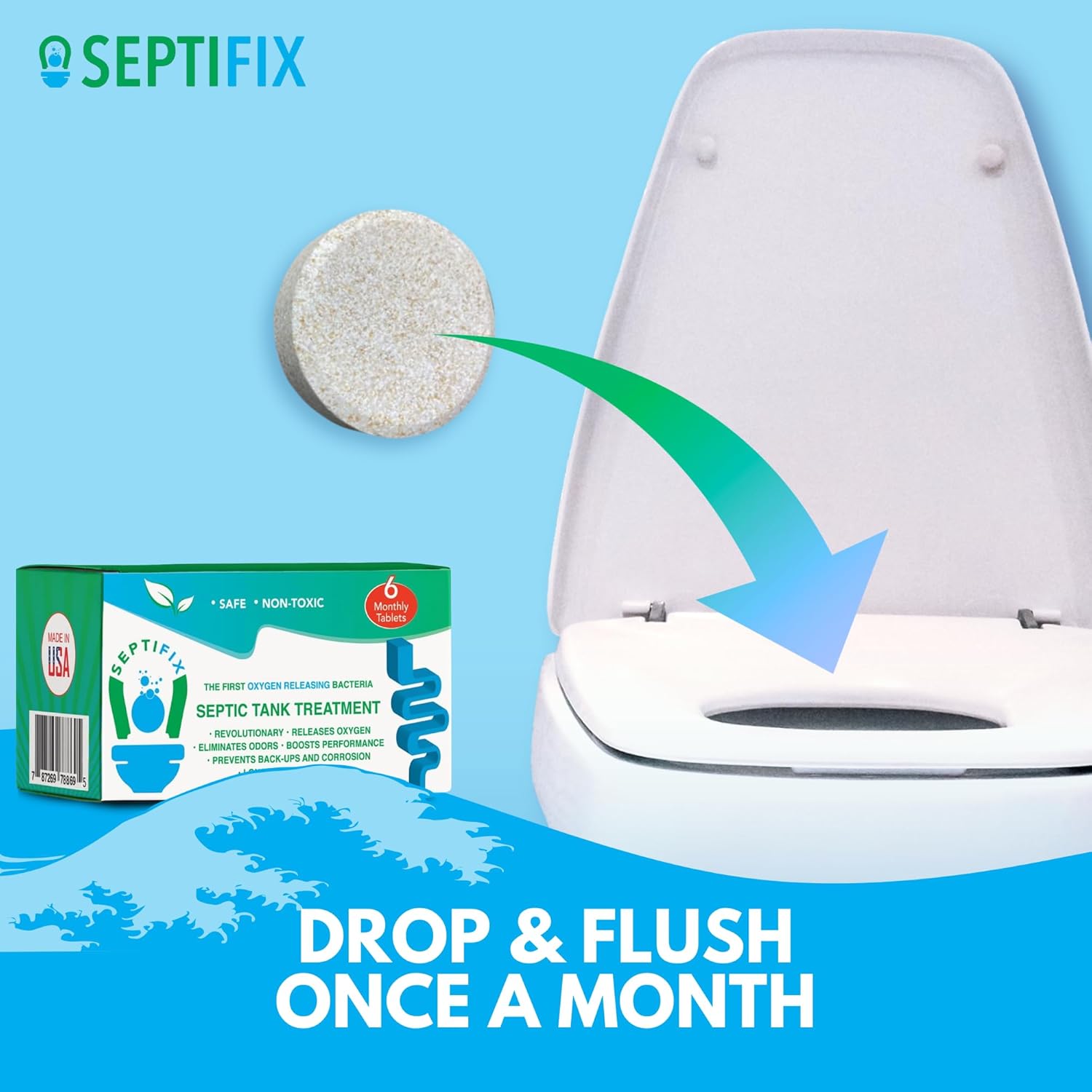
Give your septic system extra support with SeptiFix, an easy-to-use monthly tablet designed to help maintain a cleaner, healthier tank between professional inspections.
For broader maintenance advice, see the EPA’s guide on how to care for your septic system.

Sources
- U.S. EPA, Septic Tank Polishing
- U.S. EPA, Types of Septic Tank Filters
- Purdue Extension, Operating and Maintaining an Onsite Sewage System
- Purdue Extension, Recirculating Vertical Flow Constructed Wetlands
- Gallatin County, How to Clean Your Effluent Filter
- Connecticut Department of Public Health, Onsite Sewage Disposal System Technical Standards
- Maricopa County, Septic System Operation and Maintenance Recommendations
Related Posts