Septic Tank Baffle Damage: Warning Signs, Common Causes, and Repair Options
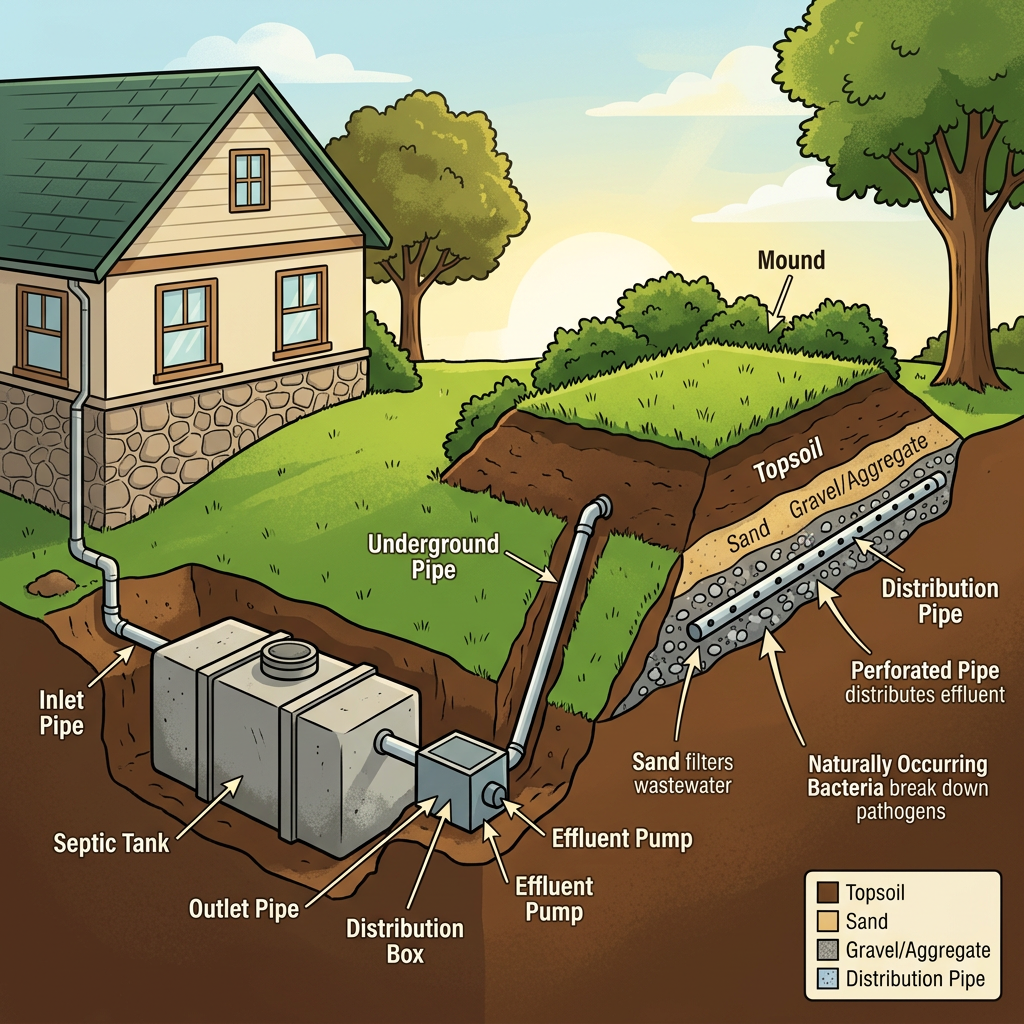
There is an “invisible” traffic light within your septic system known as a baffle. This is just another way of saying that it determines what items remain in the tank, and which ones leave the tank. As long as your baffle is functioning properly, you likely will not even be aware of its presence. If it becomes damaged, however, you may quickly become acutely aware of the problem.
Damage from the baffle of your septic tank can begin with seemingly minor issues, such as occasional slow draining, which may seem unexplainable, then develop into larger problems, such as backup or clog problems in your drainfield. I have personally observed many homeowners incorrectly assume they had plumbing issues for weeks or months before identifying the root cause of the issue as damage to the baffle of their septic tank.
This article will provide information regarding the function of the baffle; the signs of septic tank baffle damage; the most common sources of damage; the process of cleaning a septic tank baffle; your options for repairing a septic tank baffle; and when to seek assistance from a professional.
What a septic tank baffle does, and why it matters
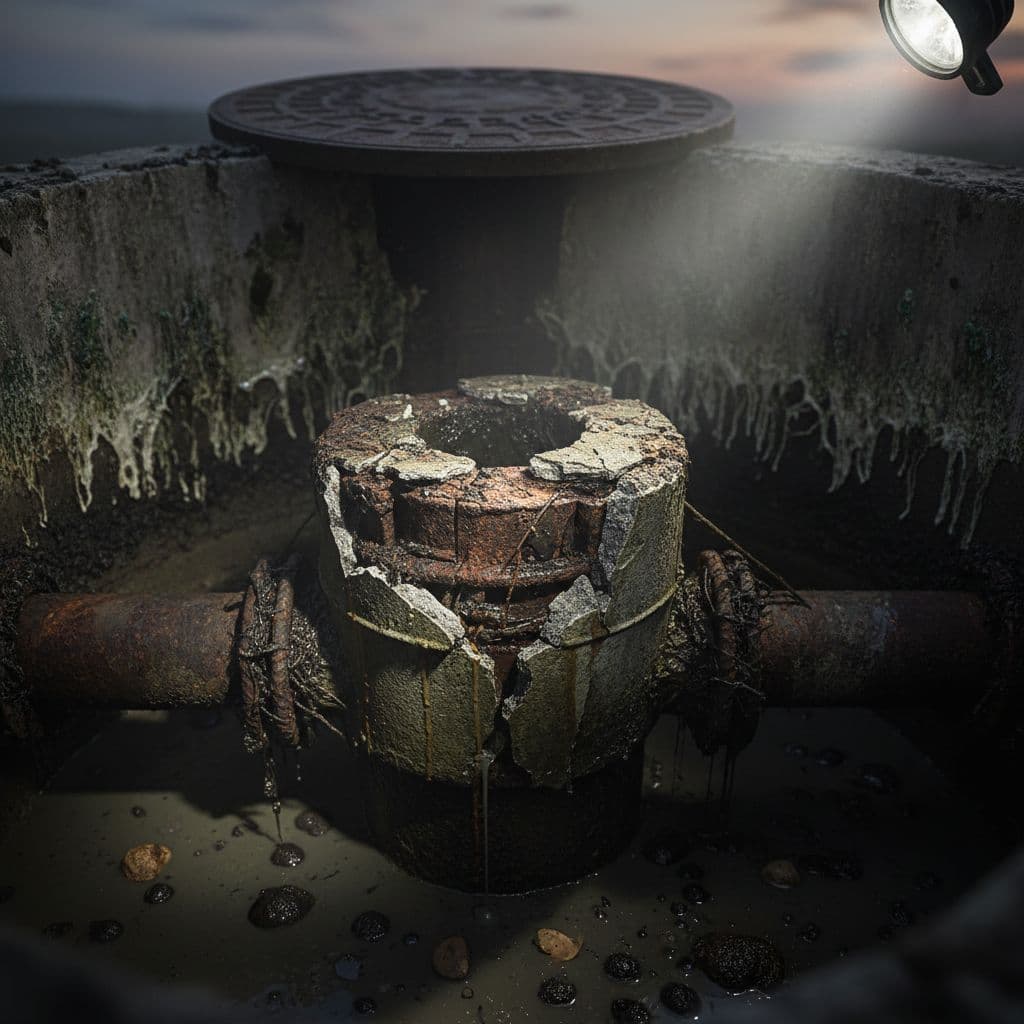
If you have ever asked yourself “what is a baffle in a septic tank,” then the answer is easy – it prevents the mixing of solids with liquids by slowing down and directing the flow of water through the septic tank. A septic tank acts as a settling vessel for wastewater. Solids are heavier than the rest of the waste materials and settle at the bottom of the tank (sludge), while lighter waste materials float on top (scum) and the remaining liquid is in the middle. The purpose of a baffle is to ensure that this separation is maintained throughout the process.
There is typically an inlet baffle at the point where wastewater enters the septic tank and an outlet baffle at the location where the treated liquid exits the septic tank and flows towards the drain field. Each baffle is equally important. If either the inlet or outlet baffle fails, the flow of water may become too turbulent, and solids will be displaced to locations they should not be located. This can lead to solids being discharged into the drain field which cannot treat these types of solid materials.
Damage to a septic tank’s baffle(s) may result in clogged outlet areas, frequent backups, or discharge of solids into the drain field. In addition, damage to a septic tank’s baffle(s) can negatively affect the effectiveness of routine maintenance pump-outs as the septic tank does not properly settle during the pumping operation due to the lack of adequate baffle function. I frequently hear individuals comment that their septic tank filters all material that enters the tank, however the primary reason for this separation is the baffle system within the septic tank.
Inlet baffle vs outlet baffle, what each one prevents
The inlet and outlet baffles do different jobs, and the symptoms can look different depending on which one is failing.
Inlet baffle (at the incoming pipe): Incoming water flow is directed to the bottom of the tank and reduces turbulence in the tank.
If the baffle is damaged or absent, then the inflowing water will create turbulence that will allow scum to be mixed into the liquid layer of the tank and cause solids that are floating on the surface to travel to the drain (outlet). More frequent clogging may occur and the sludge may form at a quicker rate.
Outlet baffle (at the outgoing pipe): This baffle will pull water from the “clear zone” in the center of the septic tank and prevent the scum layer and solid material to exit.
Example: If the baffle is damaged or absent, the solid materials in the tank will bypass the drain field. When the baffle tee comes loose (it is like taking away the guard rail on the side of a bridge), you run the risk of solids getting into your drain field, which means you are headed for costly problems.
You may have heard professionals call this type of baffle a sanitary tee. A sanitary tee is a very common baffle design; it is usually shaped like a tee, where the outlet pipe pulls from the middle of the septic tank and prevents the upper scum layer to enter the outlet pipe.
Materials you might see, and why they fail differently:
- Concrete baffles (common in older tanks): Strong, but can crumble, crack, or erode over time.
- PVC or plastic tees: They don’t corrode like concrete, but they can get knocked loose, crack, or disconnect if mishandled during pumping.
- Retrofit baffle kits: Used when a tank needs an upgrade, often paired with an effluent filter on the outlet.
How baffles protect your drainfield and save you money
Your drain field was not constructed to handle large pieces of debris. The drain field was designed to accept mainly liquid effluent and allow the soil to complete the treatment process. Once solid materials enter the drain field, they can cause clogs in the piping system as well as the pores in the soil reducing the amount of area that may be available for absorption of water.
That’s why, a simple baffle repair today could result in you having to replace an elbow or fix a damaged portion on the tank. However, a drain field repair down the line could end up costing you much more, including costly excavation, soil remediation and long term disruption to your lawn. You do not have to know specific numbers to realize which way is less expensive. In some cases, one method is simply measured in hours and parts while the other is measured in heavy machinery and weeks of aggravation.
Warning signs your baffle is damaged, missing, or clogged
You don’t need special tools to notice early signals, you just need to pay attention to patterns. The tricky part is that baffle problems can mimic a basic clog at first, then keep coming back.
Septic Tank Baffle Damage often shows up after heavy water use, like a weekend of laundry, guests visiting, or a long shower streak. Septic Tank Baffle Damage can also show up right after pumping if a fitting was loose already, or if the system wasn’t checked carefully. Septic Tank Baffle Damage is rarely a “one weird thing” problem. It’s usually a cluster of clues that start to line up.
I have seen a typical service call start with “the toilet gurgles sometimes,” and end with “the outlet tee is gone and the drainfield is stressed.” The goal is to catch it before you reach that second sentence.
Inside the home signs, slow drains, gurgling, sewage smells, and backups
Here are common, home-observable signs, and what they can mean:
- Slow drains that keep returning: A snake or drain cleaner might buy time, but the problem comes back because the restriction is at the tank outlet area, not the sink trap.
- Gurgling sounds in drains or toilets: Air gets trapped when flow isn’t moving right, especially if the outlet is partially blocked.
- Sewage smell indoors: It can come from a dry trap, but if it shows up with other symptoms, it can point to poor flow and tank stress.
- Toilet bubbles when you run a sink: That cross-fixture reaction can signal a bigger restriction than a single clogged line.
- Backups in the lowest fixtures first: A basement shower or first-floor tub may complain before an upstairs sink does.
- Multiple fixtures slow at once: This is a big red flag. One slow sink is often a plumbing issue. Several slow fixtures together often point toward the septic system.
- You recently had pumping, then symptoms started: That timing can matter. A baffle could have been loose already, or it may have been damaged during service.
One safety reminder that matters: don’t try to “check” the baffle by leaning into an open tank. Toxic gases can knock you out fast, and falls happen more easily than people think.
Outside signs, soggy yard, greener grass, standing water, and strong odors
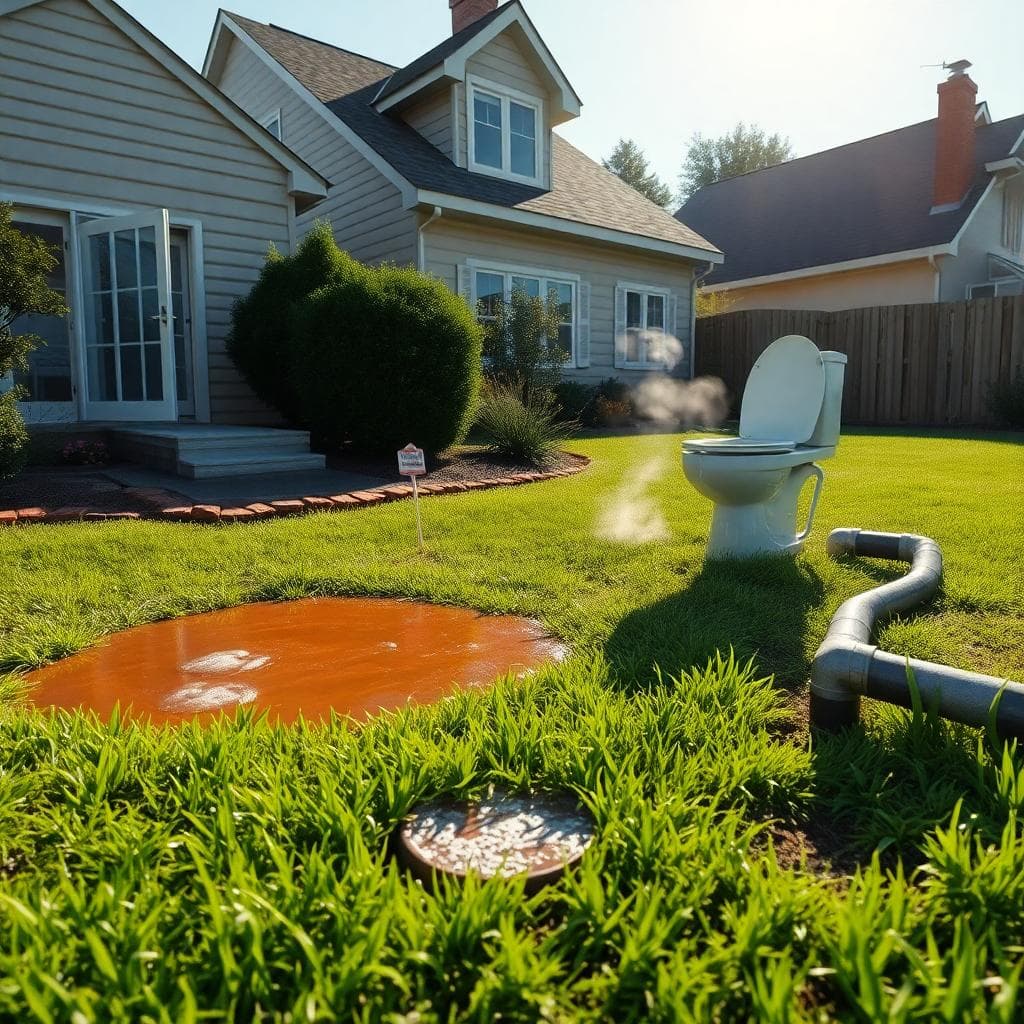
Step outside and look for changes near the tank and drainfield area. You’re not hunting for one dramatic sign, you’re watching for patterns.
- Soggy soil or spongy ground: If effluent can’t move forward, it may rise and spread near the tank or lines.
- Greener grass in stripes or patches: A little extra growth can happen naturally, but bright, fast-growing patches along drainfield lines can mean extra nutrients from escaping wastewater.
- Standing water with no rain: Puddling over the drainfield is never normal.
- Strong septic odors outdoors: Odor plus wet spots can signal that solids are leaving the tank, especially if you’ve had recent heavy water use.
- A surge after laundry day: If things look fine most days but the yard turns damp after high water use, the system may be operating on the edge.
If you notice outdoor signs, keep people and pets away from the area until you get a professional evaluation.
Common causes of septic tank baffle damage
Normally baffles do not “fail mysteriously.” Normally baffles fail due to age, an impact, build-up, or prolonged neglect. Knowing what caused your baffle failure allows you to make some adjustments in your habits and decrease your chances of having another problem.
Damage to septic tank baffles are often found on old systems made of concrete; however, new systems can experience damage as well. Septic tank baffle damage occurs in homes that use a lot of wet wipes, throw grease down their drains, or go extended periods without a pump out. Septic tank baffle damage may be a single repair issue; however, it could be an indicator that the system was functioning under excessive stress for an extended period of time.
Age, corrosion, and concrete breakdown over time
Older tanks often used concrete baffles, and concrete isn’t invincible in a septic environment. Moisture, bacteria, and gases can slowly wear it down. Edges can crumble. Hairline cracks can widen. A chunk can break off and drift toward the outlet.
Those small pieces matter. A broken fragment can:
- lodge near the outlet and restrict flow
- create a catch point where toilet paper and grease build up
- reduce the “quiet zone” that helps solids settle
If your system is decades old, regular inspections matter even more, because damage can build quietly.
Poor pumping habits and rough service that cracks or dislodges baffles
Pumping is required for safety, however, this time period of pumping creates an opportunity to damage parts by aggressive use of hoses, pulling equipment over connections, etc., as well as possibly cracking or removing a part at the outlet tee, particularly if the part in question is made from plastic.
Protecting your pump from damage is easy; simply require that you have confirmation from the pumper that both the inlet and outlet baffle are still intact once they have completed their service. This confirmation will be relatively inexpensive, and it may help you identify potential problems earlier, while the tank is already open and the technician is already present.
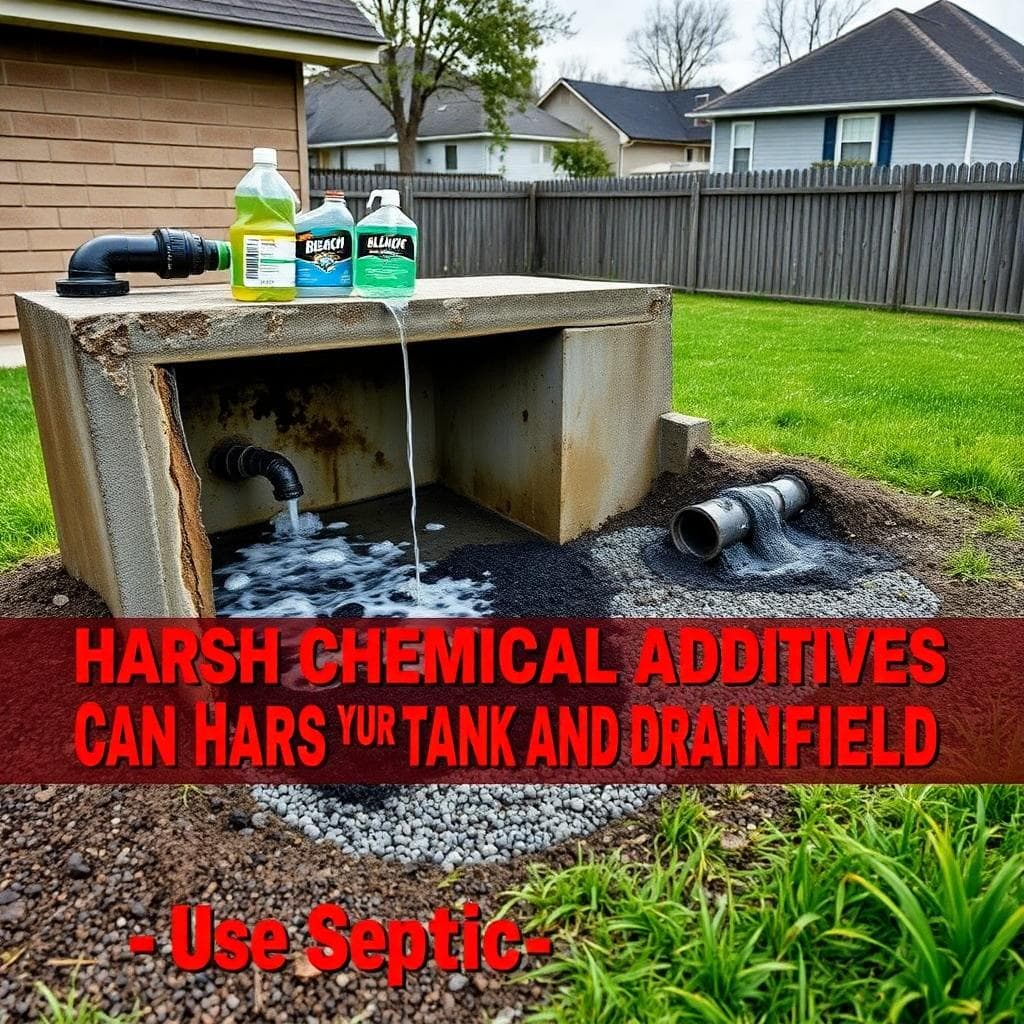
Clogs from grease, wipes, diapers, and heavy toilet paper
Even when a baffle is physically fine, it can get blocked. The baffle area is where floating scum and incoming material meet, so it becomes a natural choke point.
Common culprits include:
- Grease and cooking fats: They cool and congeal, then grab onto other debris like a sticky net.
- “Flushable” wipes: Many don’t break down like toilet paper, and they snag at fittings.
- Diapers, feminine products, and paper towels: These can jam the inlet or outlet tee fast.
- Too much thick toilet paper: It can build up at the baffle, especially in low-flow situations.
This is where septic tank baffle cleaning comes in, but it should be handled during professional service, not as a DIY project with a stick and a flashlight. The risk isn’t worth it.
Repair options, cleaning steps, and when to call a pro
If you believe you are experiencing a baffle issue, there are solutions that are available and relatively inexpensive for most homeowners who have this type of problem, rather than viewing this as a catastrophic failure. There are many possible causes for a baffle problem (clogged, cracked, damaged or missing) depending on your type of septic system and whether solids have made their way into the drainfield.
There are several ways to potentially correct a baffle problem including cleaning and replacing parts or repairing a failing concrete wall baffle structurally.
I would highly recommend treating all concerns about baffles in a septic tank as a priority for an inspection and do not recommend attempting to open a septic tank yourself regardless of how handy you may think you are.
Septic tank baffle cleaning, what it involves and what to avoid
When a pro handles septic tank baffle cleaning, it usually happens during pumping or a targeted service visit. The process often includes:
- Opening the access lid safely, with proper gear and ventilation awareness
- Inspecting the inlet and outlet baffles (or tees) for cracks, missing parts, or heavy buildup
- Clearing blockages at the tee or baffle area, and removing trapped debris
- Verifying flow direction and checking that liquid is leaving the tank correctly
- Looking for signs that solids have passed the outlet (a clue that the drainfield may be at risk)
What to avoid is just as important:
- Don’t climb into a tank, ever. Confined space hazards can kill.
- Don’t lean over an open tank and breathe deeply. Toxic gases can overcome you quickly.
- Don’t let kids or pets near an open lid.
- Don’t try to “hose it out” yourself. You can stir the tank and push solids where they don’t belong.
You can lower the odds of future clogs with simple habits:
- Stop flushing wipes and hygiene products, even if the label says flushable.
- Keep grease out of the drain, wipe pans with a paper towel first.
- Spread out laundry loads across the week, so you don’t flood the system in one day.
Septic tank baffle repair, replacement parts, and cost saving choices
Repair can be straightforward, or it can be a bigger job, depending on what failed.
Common repair paths include:
- Replace a missing or damaged outlet tee: This is often one of the best cost-saving fixes because it restores protection to the drainfield fast.
- Repair or rebuild a concrete baffle: If the tank has a structural baffle wall that’s crumbling, a contractor may patch, rebuild, or install a retrofit tee solution, depending on tank design.
- Install a sanitary tee kit: Some systems can be upgraded with modern fittings that improve performance and are easier to inspect later.
- Add an effluent filter (when appropriate): This can catch small solids before they leave the tank. It also requires regular cleaning, so it’s not “set it and forget it.”
Whether or not the correct solution is concrete, fiberglass, or plastic tanks as well as whether or not the riser will aid in accessibility and if there are any signs that your drain field is stressed will determine which option is best for your home.
If you do find yourself with solid waste that has passed through your drain field and into your yard; it is likely that you will be required to complete additional inspections to assess the extent that your issue has progressed.
Prior to hiring anyone, ask them several direct questions so that you can get the information you require and deserve.
Quick contractor question checklist:
- What part is damaged, inlet, outlet, or both?
- What materials will you install, and why that choice fits your tank?
- Will permits or inspections be required in your area for this repair?
- Will you check for drainfield impact, and how will you explain what you find?
- What warranty is included on parts and labor?
Conclusion
When there is no baffle, or the baffle is broken or clogged, the flow of solid waste remains in the septic tank while the liquid flows through as normal. This creates issues such as slow draining, gurgling sounds, strong smells, frequent backing up of water into homes, and soggy patches in lawns.
Most likely the reason for these problems include age and cracking of the concrete, damage to the baffle from being handled roughly during the pumping process, and clogging caused by grease or other non-flushable items. The options for repairing these types of baffle problems may be as simple as cleaning and installing a new tee, repairing broken concrete components, or if possible, installing an effluent filter on your system.
If you see several red flags, or have recently experienced a back-up, please schedule a septic inspection and pumping service check. Be sure to specifically inquire about the condition of the inlet and outlet baffles. In the long run, making a minor repair today will help prevent future problems with your drain field and give you peace of mind again knowing that your home’s plumbing system is working properly.
Affiliate Disclaimer
Some links in this article may be affiliate links. If you click a link and make a purchase, we may earn a small commission at no additional cost to you.
We only recommend products and services that may be useful for septic system maintenance and care. Affiliate relationships do not affect the information or recommendations in this article.
Related Posts