Can Septic Gems Help Reduce Odors? What to Know First
The presence of a strong septic odor throughout your entire property (or even your house) is likely to negatively affect how you perceive your property and/or your home. As long as you are able to find the product which has been identified as the possible cause of the odor, it would seem reasonable to expect that there should be some kind of solution that does not require an emergency service visit and can stop the odor quickly and inexpensively.
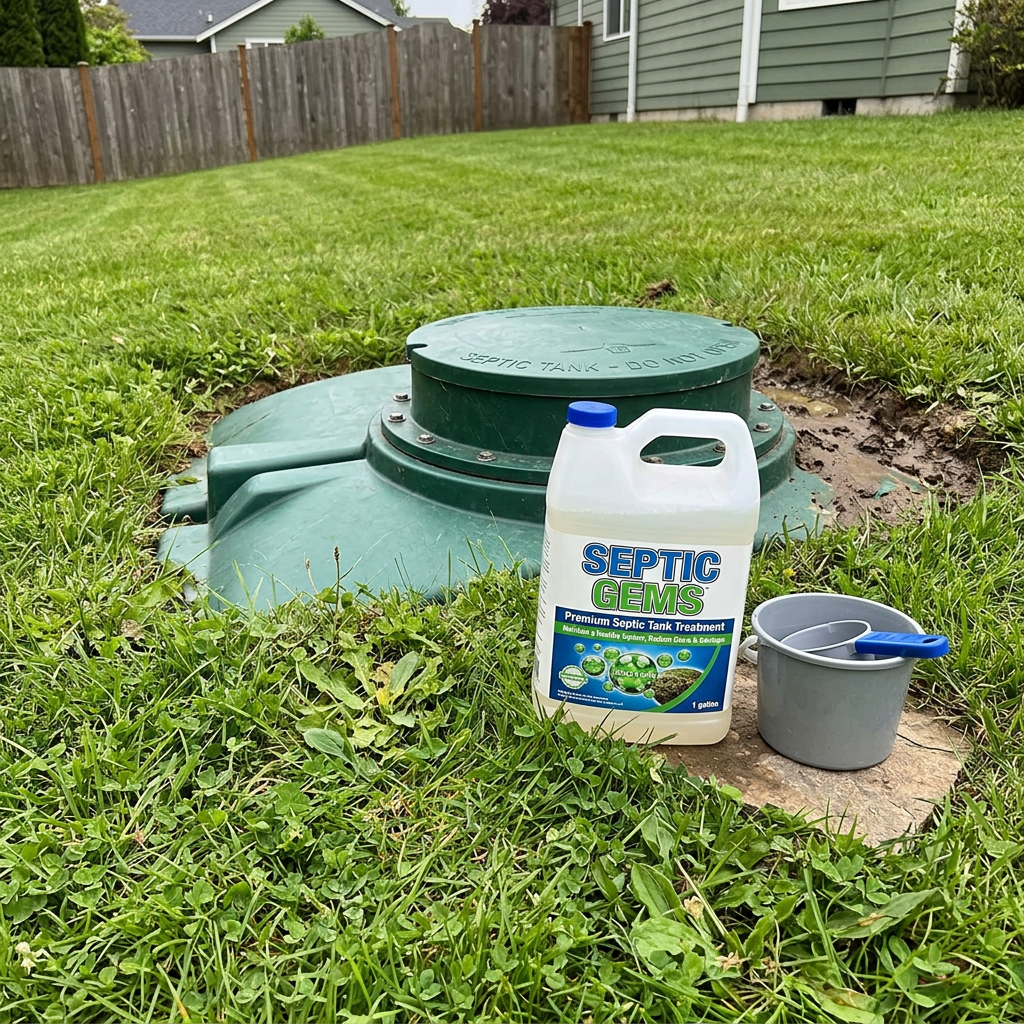
Septic Gems could not be confirmed by an official manufacturer’s website, list of ingredients, Safety Data Sheet or product labeling in the materials reviewed; therefore, neither the composition of the treatment nor the safe application rate of this product can be confirmed prior to use.
Can septic gems Help Reduce Odors?
There is no confirmed evidence of this product eliminating septic odors. Without having the complete label information it will be difficult to determine what active ingredients are present, how much to use (dosage), or if they will harm your tank and/or drainfield.
Products may eliminate odors as long as there is a source of odor; products may also help promote normal bacteria growth. The problem is that additives cannot repair issues such as a full tank, damaged equipment, plugged pipes or a failed drain field.
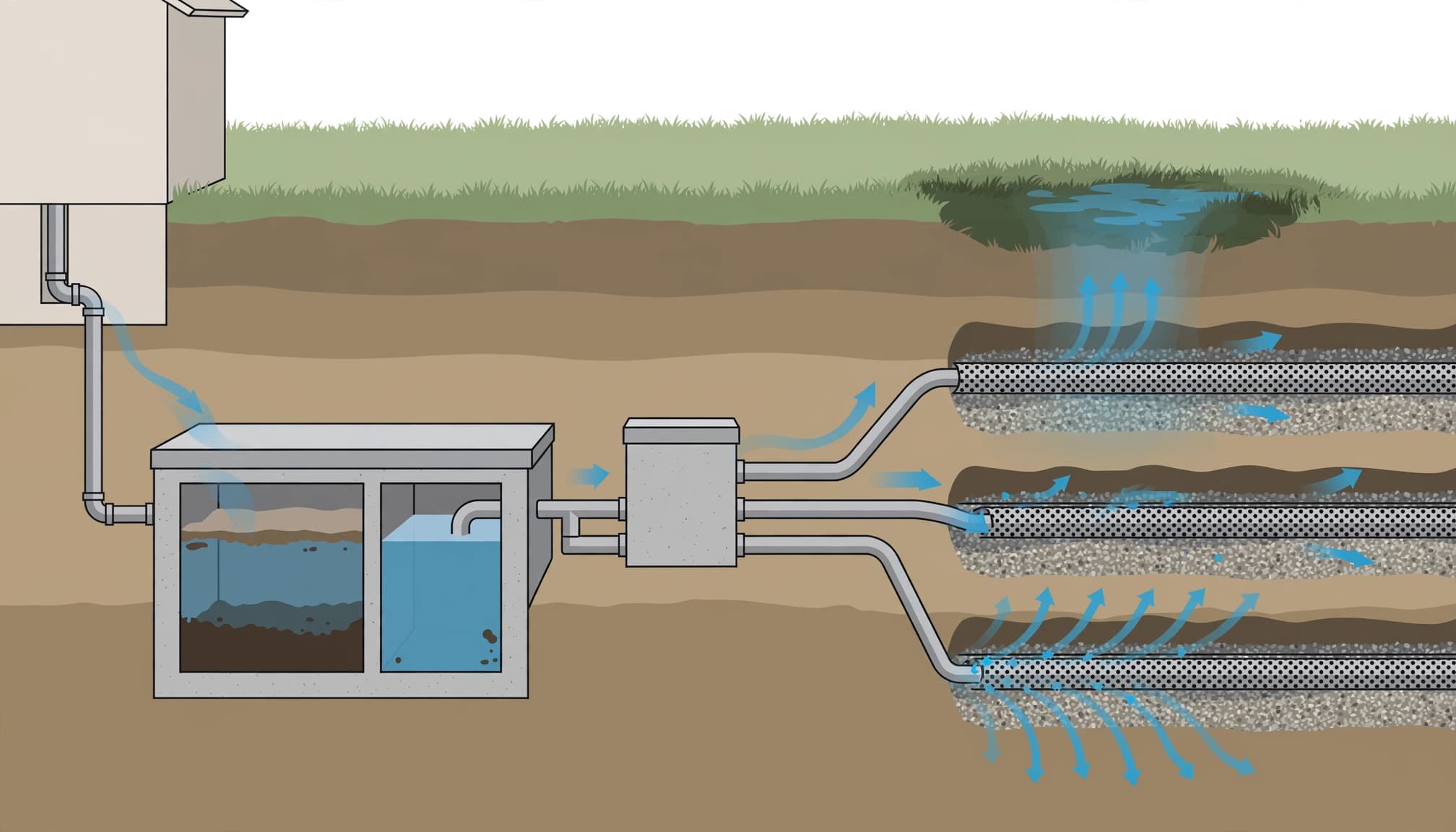
The biological process which occurs within a wastewater treatment tank is primarily based upon the natural microbial populations within the system. As aerobic systems include oxygen and anaerobic systems do not have oxygen, these two types of environments provide different pathways for biological processes to occur. Therefore, an additive should not be used to alter the amount of oxygen available within the tank.The EPA’s septic system care guidance also warns that additives haven’t been shown to replace regular inspection and pumping.
What the Product May Do, and What It Cannot Repair
Even though a biological product may contain bacterial culture, enzymes, or odor control agents, there is no guarantee that the product will correct your situation.
There are tablets, crystals, powders, and liquids available to treat residential sewage systems; however, none of these can remove solids which have collected in septic tanks. In addition, they cannot fix broken pipes, repair compacted soils, clear clogged drainfields, nor replace inspections.
Labels on some of these products may be labeled “Bio-Gem,” “Organic Digester” or “Grease Buster.” Verify what each term means and verify if the product was designed for residential sewage treatment. Do not assume another Bio-Gem product or Norweco System has anything to do with this product or indicates that this product works.
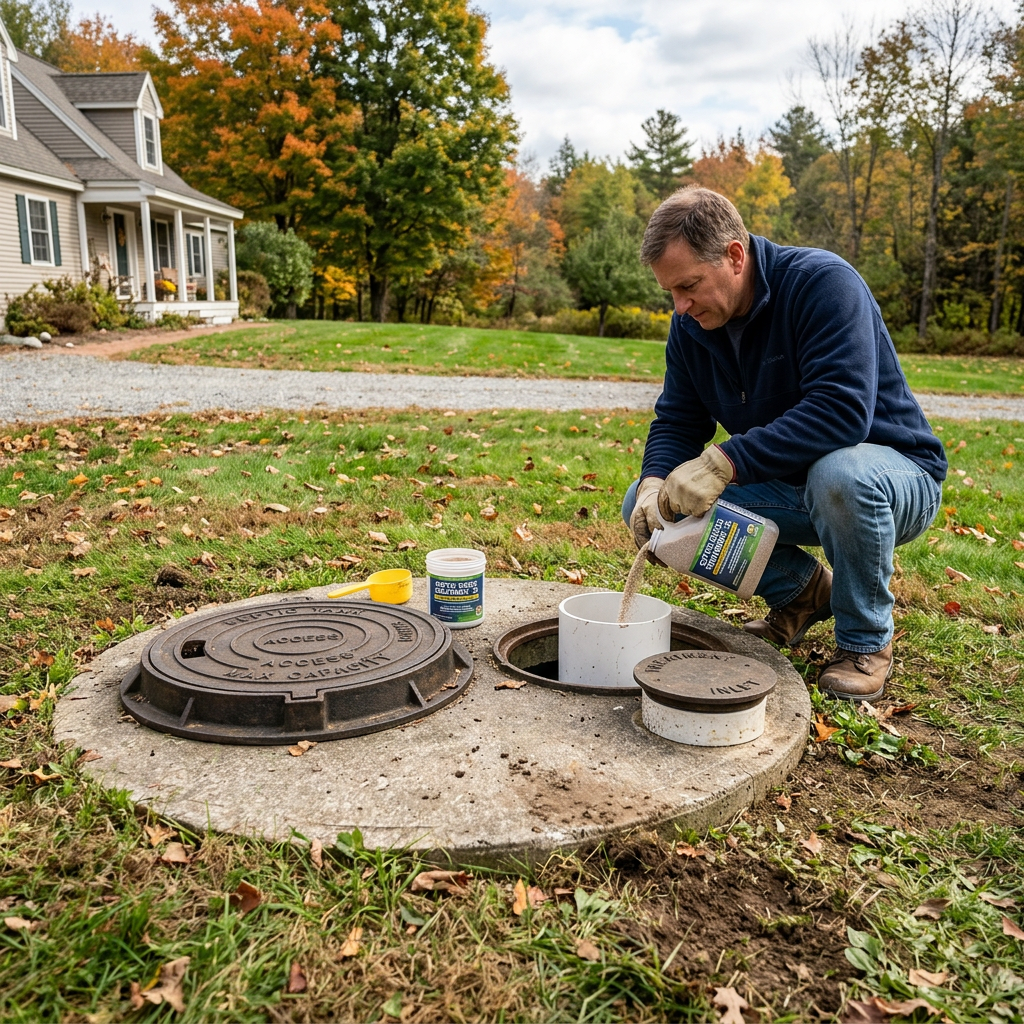
When you decide to try the product, read all the labeling before you apply the product. Use only the exact amount of the product called for on the label. Adding extra amounts of the product when you smell a bad odor does not help. Keep all packaging materials, including the product label, ingredient listing, warning statements and purchasing information should you need to consult with someone about the product.
Why You Should Be Careful With Unverified Odor Products
If a treatment product’s label does not identify each ingredient; provide clear direction for use; provide specific warning(s); provide instructions on safe disposal; then do not add it to your system. An unclear or incomplete label will leave too much unanswered in terms of what you are adding to your system.
Many different types of harmful chemicals have been added to some septic deodorizers including but not limited to formaldehyde, quaternary ammonia compounds and zinc sulfate. Any one of these potentially toxic materials could damage good bacteria, damage parts, produce irritating fumes, contaminate soil and/or ground water. They could also present pollution control issues.
This means there is no way to determine if the product actually includes one of these toxins. There is no way to verify its formulation. It simply boils down to this: don’t place an untested treatment product into a subterranean system designed to treat the waste generated by your home.
A septic additive may support routine maintenance, but it can’t remove solids or repair a damaged system.
Find the Real Cause of Septic Tank Odors First
Where and when smell happens can be very helpful. By identifying odor sources in your septic system, you may be able to determine if the source is your tank or related plumbing/drain field equipment.
An odor after a rainstorm could have different causes than an odor coming from one bathroom sink.
Odors near the septic tank are likely due to the lid being loose; gasket seal is poor; tank is full; baffles in the tank are damaged; filter in the tank is clogged.
In properties with a lift station, it’s also possible that odors are caused by a pump problem, alarm problem or ventilation issue.
Indoor odors often come from a dry P-trap, loose cleanout cap, plumbing leak, blocked drain lines, or roof vent issue. The University of Minnesota notes that a working septic tank produces gases including methane and hydrogen sulfide as part of normal wastewater treatment, as described in its septic system maintenance guidance.
Warning Signs That an Additive Is Not Enough
An odor product isn’t the right answer if you notice warning signs that point to a plumbing or septic failure. A professional assessment is more appropriate than an additive when you notice:
- Slow draining of all fixtures throughout your home.
- Your toilets, tubs, or sinks gurgle as you drain the water from them.
- The sewage backs up into your shower, toilet or floor drains.
- You see standing water, have wet soil or can smell an awful odor surrounding your drainfield.
- During very dry periods, you notice that there is sewage surfacing on top of the ground near the drainfield, or it looks like someone put fertilizer on your lawn because your grass has become abnormally bright green.
A competent technician may test the level of solid/liquid in the sludge by using a sludge judge. The technician will likely check the quality of the effluent as well as inspect equipment not observable on the surface of the septic system.
Do not allow any additional water into the sewer line (if) you have sewage backing up inside your home. Remove all children & pets from areas where the wastewater has contacted; do not come in contact with the wastewater yourself. Contact a state-licensed septic service provider. Local ordinances should be followed when disposing of wastewater & cleaning contaminated areas. Timely actions help prevent pollution by protecting humans, soils, and groundwater.
Never go inside of a septic tank. Never lean over the edge of an open septic tank. In addition to being lethal, hydrogen sulfide, methane, and low oxygen environments exist in these tanks. A tank that appears to be still is no less dangerous than one that does not appear still.

Safe Checks You Can Make Without Opening the Tank
You may be able to make some important observations simply by looking at the tank and drainfield from a distance.
Check your lawn after a rain and see if you notice pooling of water (or softening of the ground) in either area. Look for any damage to the tank lid, or cracks in the lid itself; also check for any signs that the lid is sinking in. Do you notice a strong odor anywhere? Is it particularly noticeable inside, closer to where the tank is located, or around the drainfield?
Take a look from a safe distance at all of the traps on your plumbing fixtures as well as clean-out caps. Are there any leaks or are they loose?
Additionally, check that none of the downspouts, sump-pump discharges, nor roof runoff flows onto the drainfield. After heavy rainfall, the soil becomes saturated which means no room for additional septic effluent. In addition, a low roof vent will create an opportunity for sewer odors to move towards your windows and soffits.
Please do NOT use chemicals to unclog your pipes; please don’t turn up the faucet to “flush” out the system; please DO NOT drive over your drainfield; and please DO NOT open your own tank.
What Actually Reduces Septic Odors Reliably
Dependable odor control starts with correcting the source of the septic system odor. A licensed septic professional can inspect the tank, measure sludge and scum, clean the effluent filter, and check the inlet and outlet baffles.
If a blockage, root intrusion, or broken line is suspected, camera scoping or line jetting may be needed. A professional can also inspect lids, gaskets, vents, distribution components, and the drainfield.
Many homes need maintenance pumping about every three to five years. The right pump-out frequency depends on measured solids, household size, tank size, water use, and garbage disposal use. Pumping protects the drainfield by removing solids before they leave the tank. It can’t repair a drainfield that has already failed.
Maintenance Habits That Help Prevent Odors
Everyday household actions count. Do not run multiple full washes on the same day, spread them out over the course of a week. Fix leaky toilets and sinks to conserve water while it is raining heavily.
Remove grease, wipes, paper towels, solvents, paints and other strong chemicals from the sink and toilet drains. Grease can form a hardened clog inside a pipe or septic tank. Clogged filters, baffles and sewer lines are possible with wipes that claim they will flush down the toilet.
Household grease trap systems do not exist for residential properties; therefore, dispose of grease carefully. Grease Buster products should be used as a supplement to find the cause of grease clogs and clean the system professionally.
Prevent additional weight (vehicles, shed, patio) and roots (trees), along with excessive irrigation around the drain field. The above items contribute to a reduction in environmental risk due to failed treatment. Soil cannot be compacted and expect the soil to be able to process and treat the wastewater.
Annual inspections will typically reveal potential issues between scheduled pump-outs. Record all service dates, tank readings, photos, repairs and maintain them with each inspection. This documentation supports regular maintenance of the system and will also be beneficial at time of sale of property.
When Pumping Is Not the Whole Fix
Pumping will provide room in the tank and eliminate the accumulation of solids. It could also assist with flow where there are issues with a blocked filter.
However, pumping will not correct issues such as; A cracked pipe, Damaged baffle, Leaking Lid, Failed Pump, Permanently Saturated Soil. If Odors return shortly after pumping then ask for an Inspection Report to be provided and necessary repair work to resolve the issue rather than repeat treatment.
A complete service would consist of measuring solids, checking that the filter and baffles are functioning properly, Visually Inspect all visible parts of the tank and review the Drain Field for Wet Areas or Surfacing Wastewater. The clarity of your inspection results will ensure that you do not spend unnecessary money correcting the wrong item(s).
How Much Odor Diagnosis and Repair May Cost
Septic costs vary by region, tank access, soil conditions, permits, and the urgency of the call. These broad U.S. ranges are for planning, not guaranteed quotes:
| Service | Typical Cost Range |
|---|---|
| Basic septic inspection | $100 to $400 |
| Septic pumping | $250 to $700 |
| Lid, gasket, baffle, or filter repair | $50 to $1,000 |
| Camera scope or line jetting | $200 to $600 |
| Drainfield restoration | $1,000 to $8,000 or more |
| Full drainfield replacement | $8,000 to $25,000 or more |
Local ordinances, digging, checking, and local requirements may influence the final cost of the job.
Small repairs could be completed on the same day as service. However, drainfield work typically requires several days to several weeks. This time frame includes the need for permits, digging (excavation), soil testing, etc., as well as compliance with local codes.
Price varies depending on who sells them and what they sell in terms of consumer additives. A typical retail price is around $15-$50 per unit. The price does not determine whether an additive will be effective or represent good value. Typically unproven products do not eliminate odors due to mechanical or structural issues which require professional assistance.
Get a Clear Diagnosis Before Approving Work
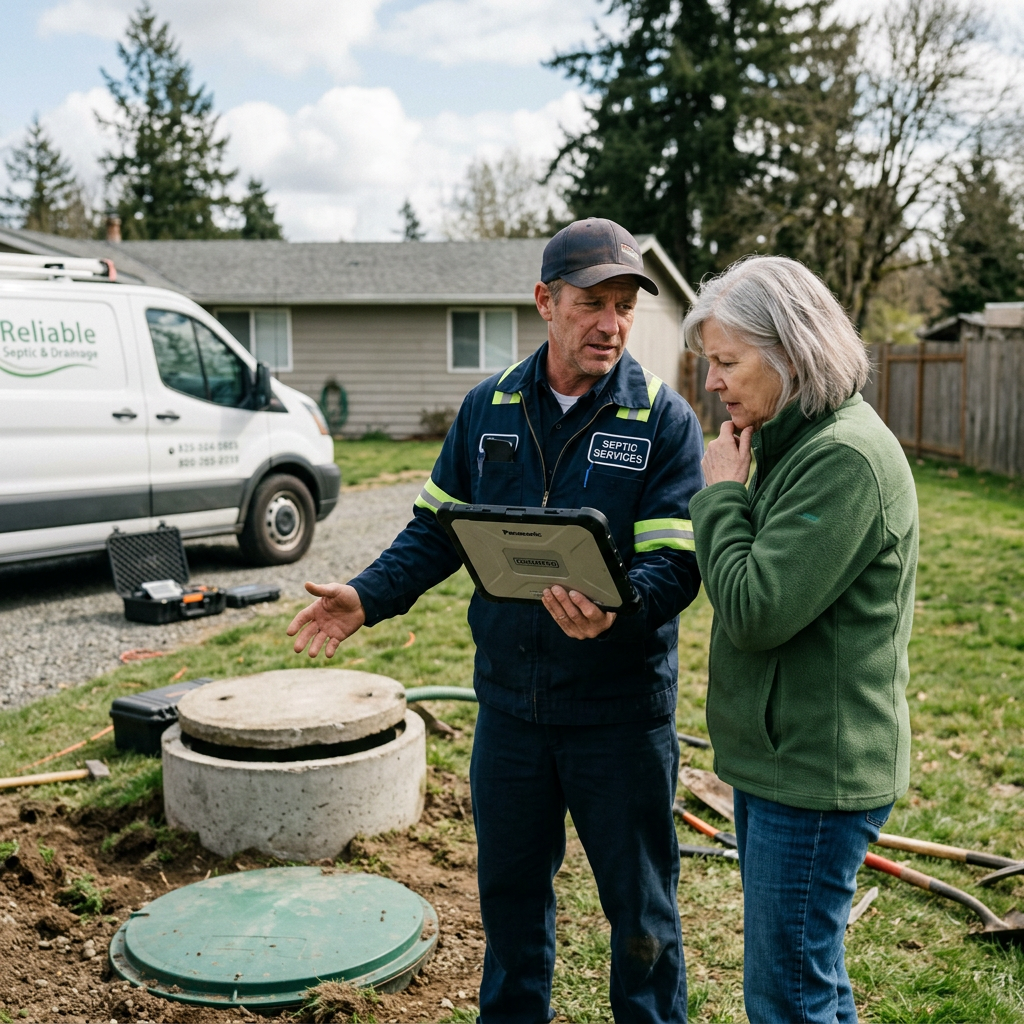
Before you allow them to start working on your septic system, ask if they will give you a written estimate prior to starting work. A good written estimate will have the most probable cause of the problem, the recommended repair for this issue and why it is expected to resolve the issue.
When looking at different licensed repair services in your area, ask for a written Scope of Work. Also be sure to get an opportunity to see photos of what was done. The service provider should provide you with measured sludge and scum level information as well as details about any warranties that may apply. Finally verify that the company has been properly licensed and insured.
You should also inquire with the service provider as to whether or not they inspected the effluent filter(s), baffles, and drain field conditions. Additionally you should confirm that all costs included in their bid include the location and uncovering of lids (if applicable) removal of waste water from site, etc. as well as any additional permits required.
Low estimates often end up costing a lot more money than initially quoted because many people do not know about these other items.
Frequently Asked Questions
Can septic gems eliminate septic odors?
There isn’t enough verified information to confirm that septic gems reduce odors. They may temporarily mask a smell, but they can’t fix a full tank, damaged components, clogged lines, or a failed drainfield.
Are septic gems safe for septic systems?
The product’s formula, dosage, and safety information couldn’t be verified. Don’t use an unverified treatment unless the complete label clearly lists its ingredients, directions, warnings, and intended wastewater application.
What should I do if my septic system smells?
First, note whether the odor is indoors, near the tank, or around the drainfield. Persistent odors, slow drains, wet soil, gurgling fixtures, or sewage backups require inspection by a licensed septic professional rather than repeated doses of an additive.
Can pumping remove septic odors?
Pumping can remove accumulated solids and may improve odors caused by a full tank. It won’t repair cracked pipes, damaged baffles, failed pumps, or saturated drainfield soil, so recurring odors need further diagnosis.
How can I help prevent septic odors?
Use water carefully, repair leaks, keep grease and wipes out of drains, and protect the drainfield from vehicles and excess water. Follow a regular inspection and pumping schedule based on your household’s system and usage.
Final Thoughts
Review the entire label of a product before using it, to be sure it is safe to use with your type of plumbing system. Reviewing a product’s label does not replace getting a proper diagnosis by a licensed plumber. There is no current evidence that this product will help reduce odor issues you may have or fix the root cause of those issues.
If you experience persistent odors; water in the floor or on walls; slow draining sinks, tubs, toilets or washing machines; noisy pipes (gurgling); back-ups of wastewater into your home or yard, contact a licensed plumber immediately. Do not assume repeated applications of an untreated remedy will solve the issue. Routine pumping, careful water use, drainfield protection, and prompt repairs remain the most reliable ways to keep odors under control.
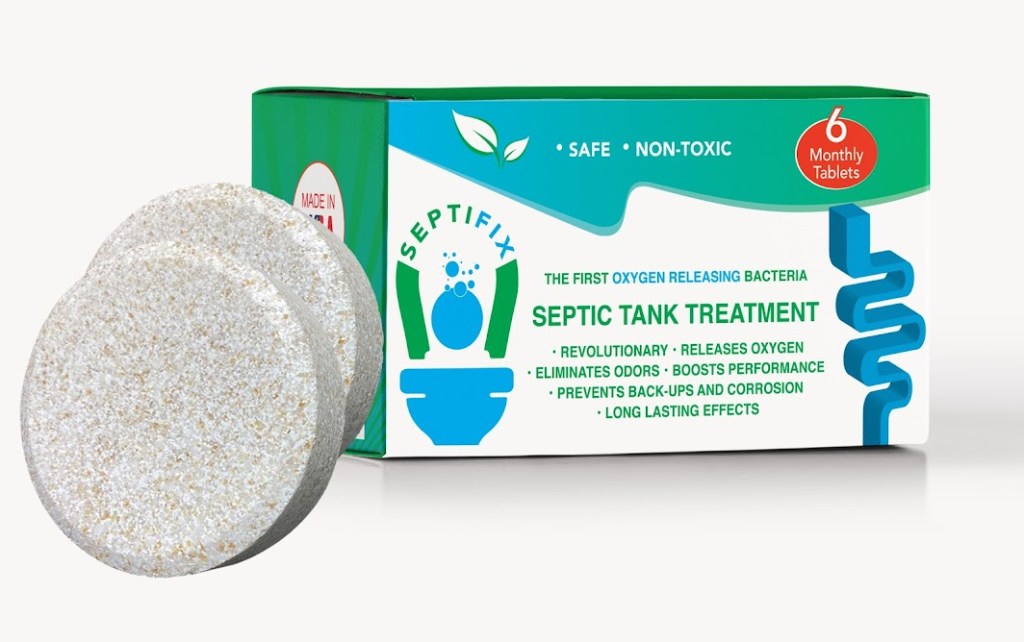
Septifix offers a simple monthly tablet designed to support septic tank maintenance, reduce odors, and help break down organic waste.

Affiliate Disclosure
This post contains affiliate links. septictankandtreatment.blog earn a commission if you make a purchase through one of these links, at no extra cost to you.
Related Posts