
Septic Tank Care and Maintenance Made Simple
Your home’s septic system has one quiet job: move wastewater out of your home and treat it safely underground. When it works well, you hardly notice it. When it doesn’t, you notice fast.
Good septic tank care and maintenance helps extend the life of your septic system and avoid backups, bad smells, slow drains, soggy patches in the yard, and repair bills that can sting. The good news is that most septic care comes down to steady habits, a few warning signs, and service at the right time.
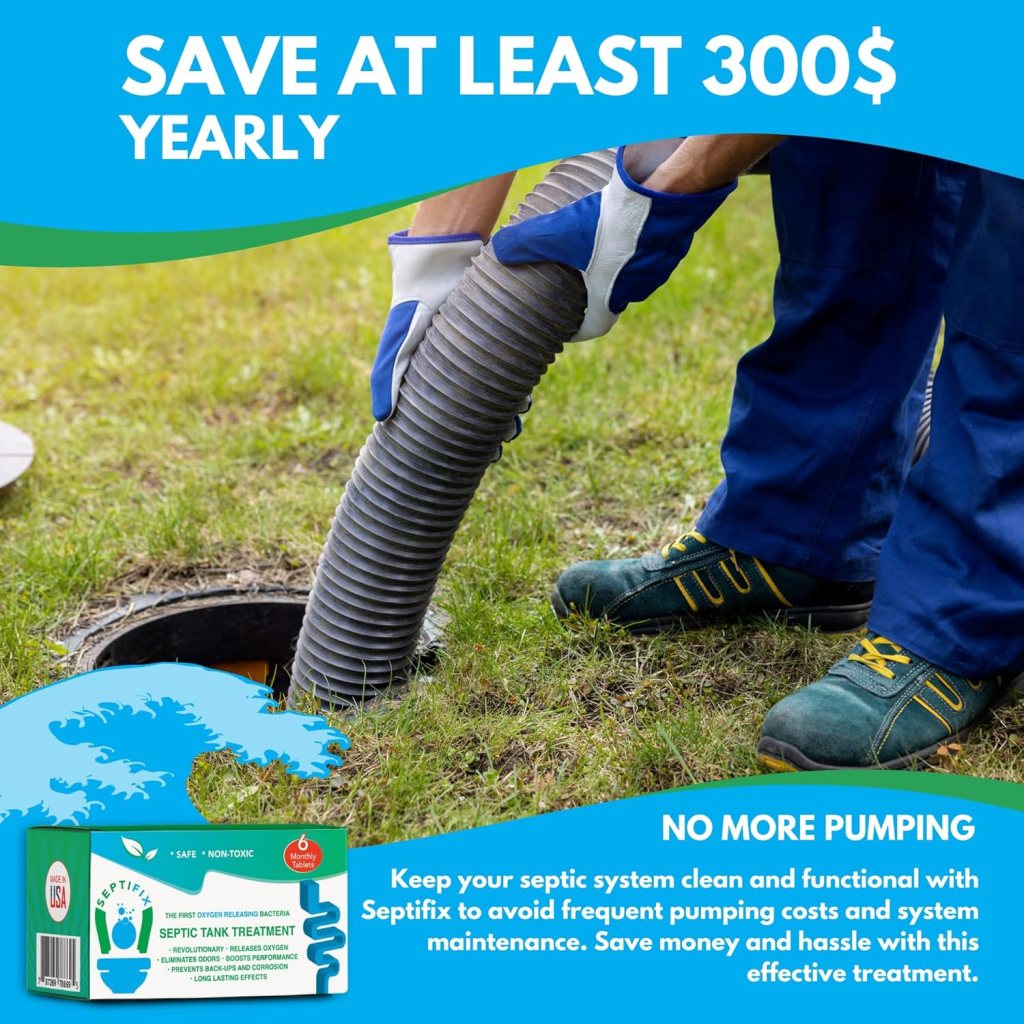
Key Takeaways
- Understand your septic system’s basics: wastewater separates into sludge, scum, and effluent in the tank, with bacteria breaking down waste before it reaches the drainfield.
- Build daily habits like water conservation, spreading out laundry, and never flushing non-degradables (wipes, grease, coffee grounds) to avoid overload and clogs.
- Follow a maintenance schedule: pump every 3-5 years based on tank size and household use, keep records, and get inspections to catch issues early.
- Watch for warning signs like slow drains, sewage smells, gurgling, or wet yard spots over the drainfield, and call a pro for backups or pooling water.
- Protect the drainfield by keeping vehicles off it, directing runoff away, and following seasonal tips to prevent damage and ensure long-term function.
Know how your septic system works before problems start
A little basic knowledge makes daily choices easier. You don’t need to become a septic expert, but you should know what parts you have and what they do.
If you have a private system, look for a large concrete or plastic lid in your yard, or check your property’s closing documents or site map for a septic permit. You can also look for a septic riser or inspection port, which are often the only visible signs of a buried tank. If you are still unsure, your local health department or building permit office should have records of whether your home is connected to a municipal sewer or a private septic system.
The main parts of a septic system and what each one does
Your septic system usually has four main parts. First, Wastewater leaves your house through a pipe and flows into the septic tank. Inside the tank, heavy solids sink to the bottom and form the Sludge layer. Lighter waste, like oils and grease, rises to the top and forms the Scum layer. The liquid in the middle flows out to the Drainfield.
Effluent filters and outlet tees at the tank openings help keep solids from moving where they shouldn’t. Then the Drainfield spreads that liquid into the soil, where it gets filtered naturally.
Why bacteria inside the tank are important to your system
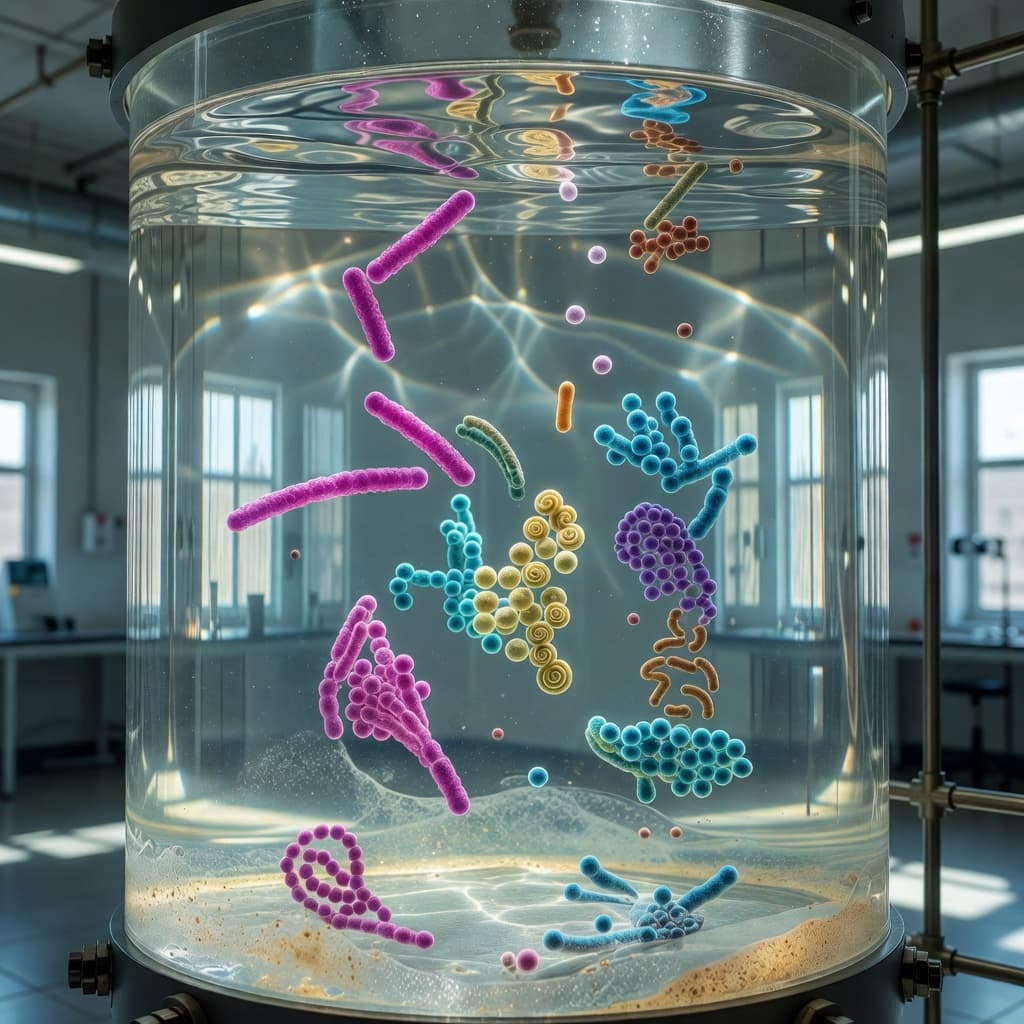
Your tank depends on helpful bacteria to break down waste. Those bacteria are already there, and they work every day. Still, they can’t make solids disappear completely, which is why pumping still matters.
Household chemicals can hurt that balance. Large amounts of bleach, drain openers, and antibacterial products may reduce the bacteria your tank needs. If you’re considering Septic tank additives, research them carefully before use; this Roebic septic tank treatment guide can help you understand where treatments may fit and where they won’t.
Build simple daily habits that keep your septic tank healthy
Most septic problems don’t start with one dramatic event. They build slowly, day by day, from water overload and the wrong things going down the drain.
Watch your water use so you do not overload the tank
Your septic tank needs time to separate waste. When too much water rushes in at once, solids can get pushed toward the Drainfield. That’s where bigger trouble begins.
Practice water conservation by spreading out laundry loads across the week. Fix leaky faucets and toilets quickly. Install high-efficiency toilets, faucet aerators, and high-efficiency showerheads if you can. Even a small drip adds up over time.
If you have guests staying over, be a little more mindful. Shorter showers and staggered laundry loads help more than most people think.
What should never go down your toilet or sink
Your septic system is not a trash can. It also isn’t built for products that claim to be “flushable.” Many of them break down too slowly and can clog pipes or add to sludge.
Keep these out of your system:
- Non-flushable wipes, even if the package says “flushable”
- Paper towels and facial tissues
- Cooking grease, fats, and cooking oil
- Coffee grounds
- Cat litter
- Feminine products and diapers
- Dental floss
- Strong cleaners and chemical drain openers
If it didn’t come from your body or toilet paper, don’t flush it.
Kitchen habits matter too. Scrape plates into the trash, and don’t rinse greasy pans into the sink.
Follow a septic tank maintenance schedule instead of waiting for a backup
A septic system can seem fine right up until it isn’t. Routine care is cheaper, cleaner, and far less stressful than an emergency call after sewage comes back into the house.
How often your septic tank should be pumped
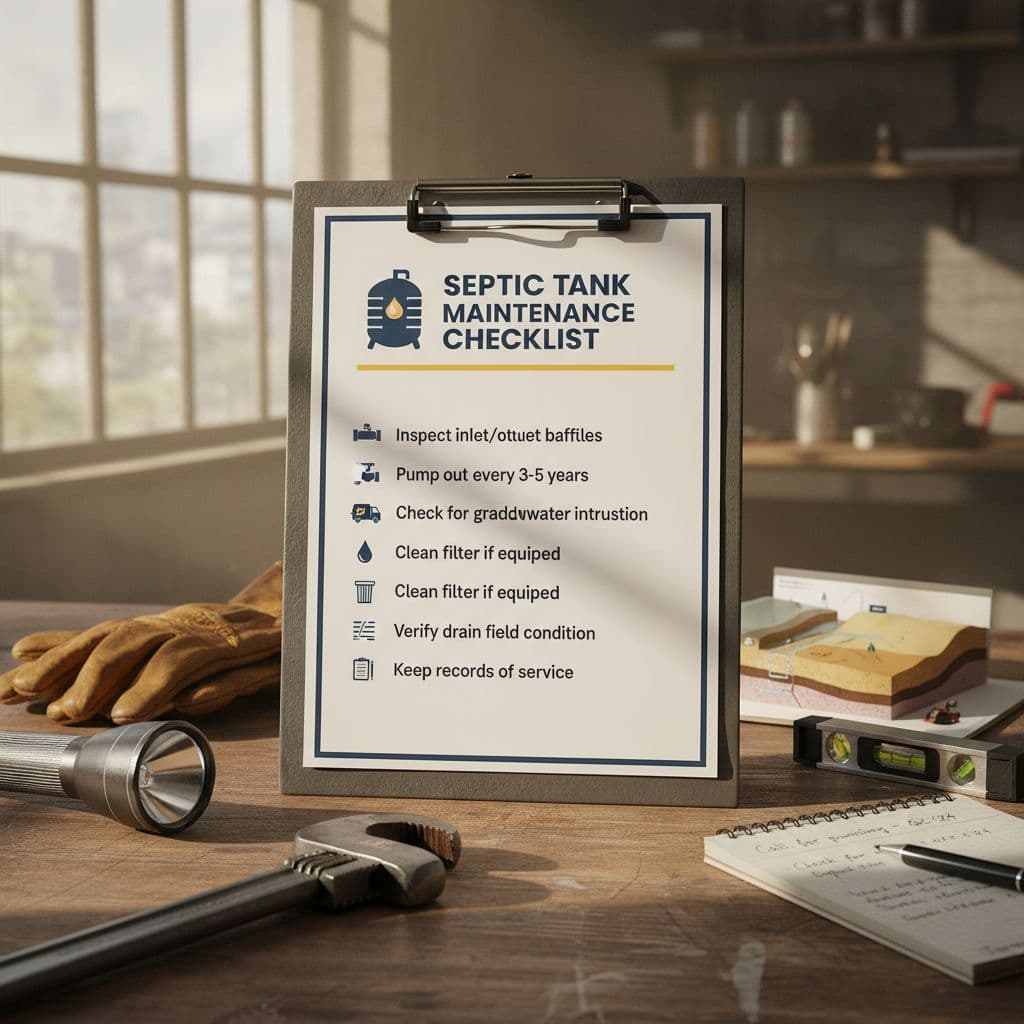
Most homes need a pump out every 3 to 5 years for septic tank pumping. Still, there isn’t one perfect schedule for everyone. Your timing depends on tank size, how many people live in your home, water use, and whether you use a garbage disposal.
A larger family usually fills a tank faster. Heavy water use does the same. Garbage disposals add more solids, so some homes need service sooner than they expected.
If you don’t know your tank size or last pump out date, now is a good time to find out. That one detail can save a lot of guesswork later.
Why inspections and maintenance records save time and money
Keep a simple record with septic tank pumping dates, repairs, tank size, and a rough map of where the tank and drain field sit. You don’t need anything fancy. A note on your phone or a folder in a drawer works fine.
These records help when service is due again. They also help if you sell your home or notice the same problem repeating.
Most of all, inspections catch small issues before they become drain field damage. And drain field replacement is often the costliest septic repair you can face.
Spot early warning signs before septic problems get expensive
Septic systems usually give you hints before they fail. You just have to notice them early and act fast.
Common signs your septic system needs attention now
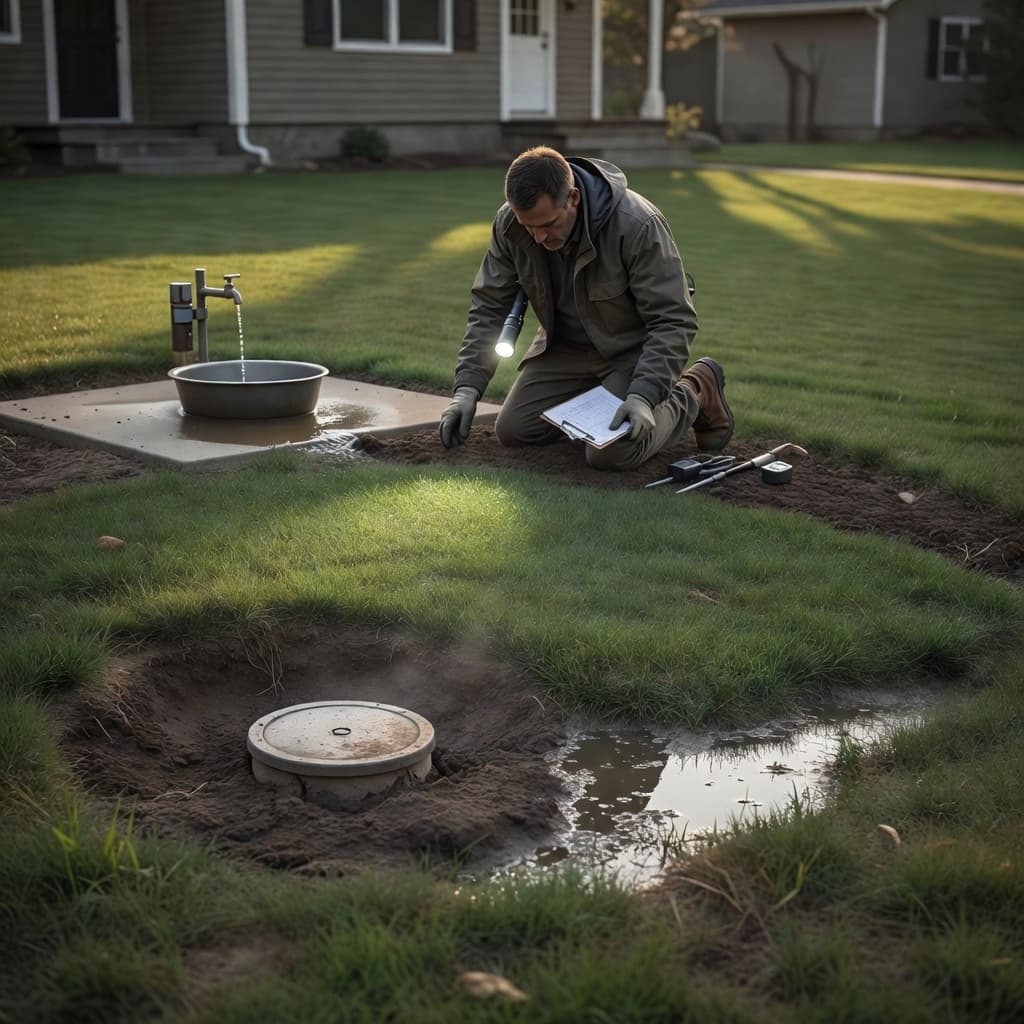
Watch for slow drains in more than one fixture. Listen for gurgling in pipes or toilets. Notice any sewage smell inside or outside. Check the yard for wet spots, pooling water, or grass that looks much greener over the Drainfield than the rest of the lawn.
When you can troubleshoot and when to call a septic service professional
One slow sink may only be a local clog. In that case, check the trap, use a drain snake, or remove hair and debris first. But when several drains slow down at once, or you smell sewage, the issue may be in the septic system. Check the inspection port for high liquid levels.
Call a septic service professional quickly if you see yard pooling over the Drainfield, repeated backups, or strong outdoor odors near the tank or Drainfield. Sewage exposure can create health risks, so don’t put off help once those signs show up.
Protect your drain field and prepare your system through every season
Many homeowners focus on the tank and forget the drain field, also known as the absorption field. That’s a mistake, because the drain field is where treated liquid finishes its path.
Seasonal septic tank care and maintenance tips for your home
Spring often brings heavy rain, so check for standing water and soggy ground. Summer can mean guests, more laundry, and more showers, so use water wisely during busy weeks.
In fall, schedule an inspection or pumping if you’re due. It’s easier to handle service before winter ground conditions get harder. During winter, keep grass over the system in place because it helps insulate the soil. Try not to drive over snowy areas where the tank or field sits.
If you leave a vacation home empty for months, fix leaks before you go and have the system checked if it’s already been acting up. When you return, pay attention to odors, drain speed, and any wet spots outside.
Septic tank care and maintenance is mostly about steady habits, not hard work. Practice water conservation, keep harmful items out of the system, schedule regular septic tank maintenance and septic tank pumping, and protect the drain field from damage.
When you give your system that kind of routine attention, it usually returns the favor with years of quiet service. A simple maintenance plan today can save you from a messy, expensive surprise later.
Frequently Asked Questions
How often should my septic tank be pumped?
Most homes need a pump out every 3 to 5 years, but it depends on tank size, household size, water use, and garbage disposal habits. Larger families or heavy water users may need it sooner. Check your records or last pump date to stay on schedule.
On average, homeowners can expect to pay between $300 and $600 for a septic tank pump out, though local rates vary based on tank size and accessibility. You may find higher costs if your tank requires extensive excavation to locate the lid or if the technician encounters significant sludge accumulation. Requesting quotes from several local septic professionals helps ensure you get a fair price for your specific system requirements.
What should I never put down my drains or toilet?
Avoid non-flushable wipes, paper towels, grease, coffee grounds, cat litter, feminine products, dental floss, and chemical drain openers. These build sludge, clog pipes, or kill beneficial bacteria. Scrape plates into trash and use toilet paper only.
When selecting toilet paper for a septic system, look for brands that are specifically labeled as septic-safe or rapid-dissolving. These types of paper break down quickly in water, which prevents them from building up as excess sludge in your tank.
Avoid heavy-duty, multi-ply, or cushion-soft toilet papers, as they often contain synthetic fibers that do not degrade easily. Sticking to standard, simple toilet paper is the best way to ensure your system remains clog-free.
What are early signs my septic system needs attention?
Look for slow drains in multiple fixtures, gurgling pipes, sewage odors, greener grass or wet spots over the drainfield, or backups. One slow sink might be a clog, but multiple signs point to the tank or field. Call a professional for pooling water or strong smells.
How do I protect my drainfield?
Keep vehicles, buildings, and deep-rooted trees off it, and direct roof drains or runoff away to avoid saturation. Grass helps insulate in winter, and inspections catch damage early. Extra water can overwhelm soil absorption and contaminate groundwater.
Are septic tank additives necessary?
Your tank has natural bacteria that work daily, but harsh chemicals can harm them. Research additives carefully; some like Roebic may help in specific cases, but they’re not always needed. Focus on habits and pumping first.
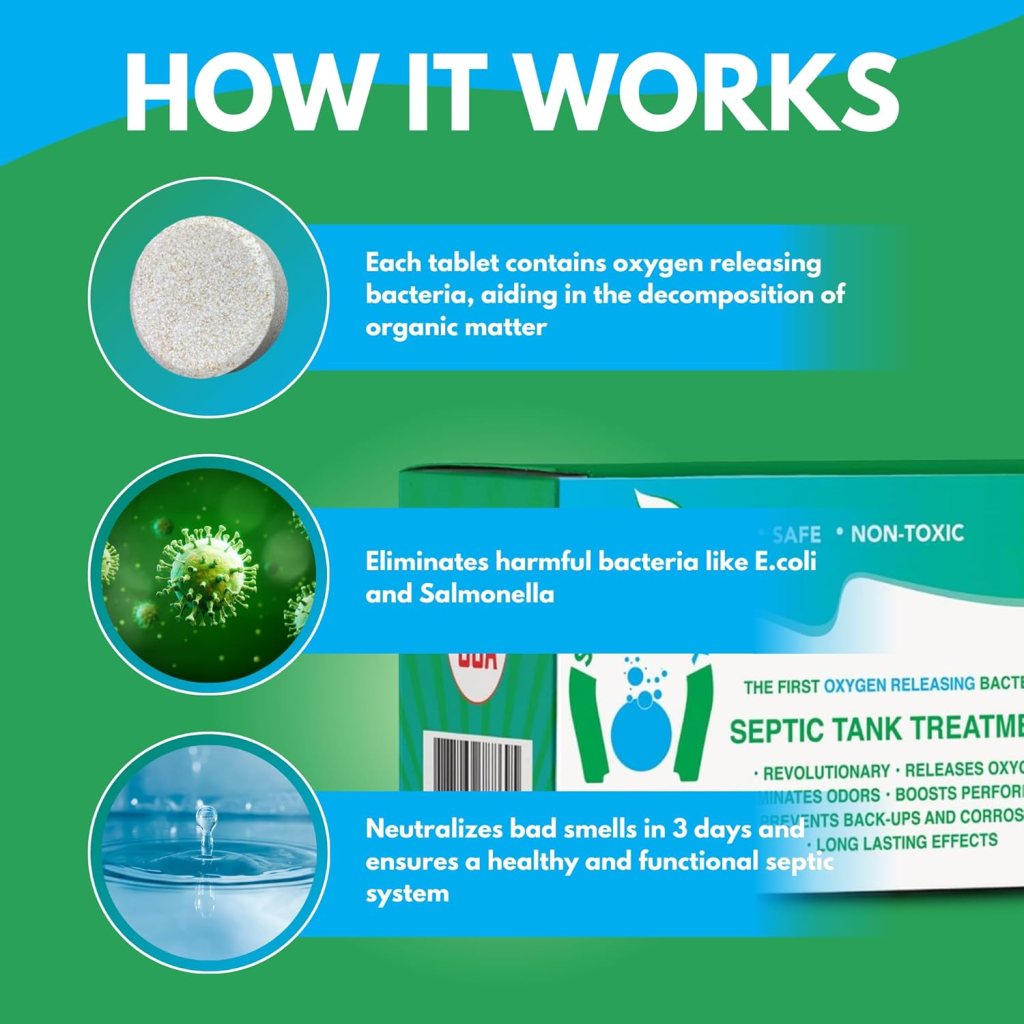
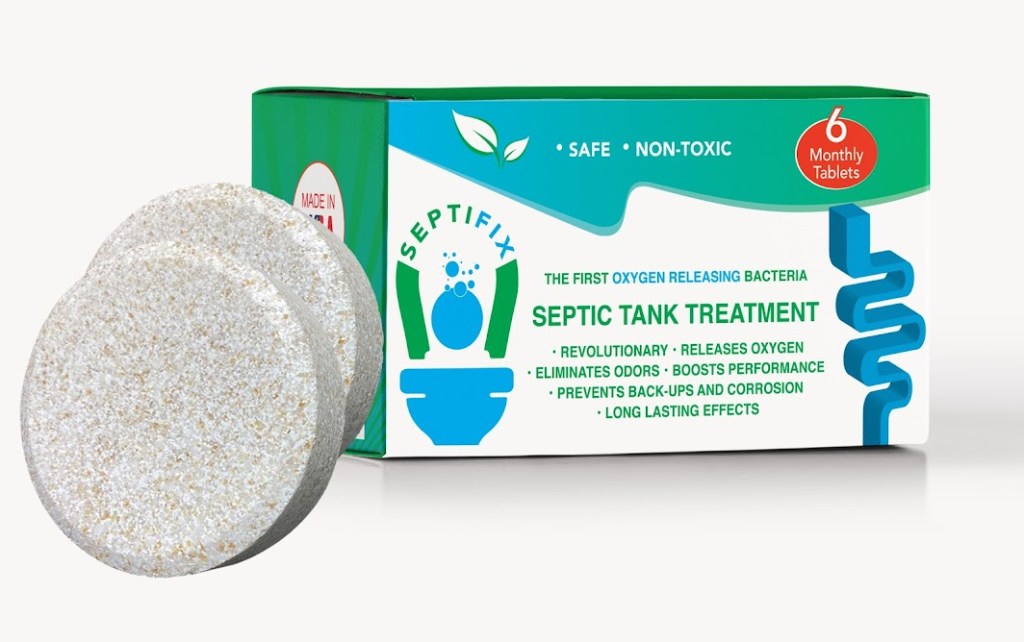
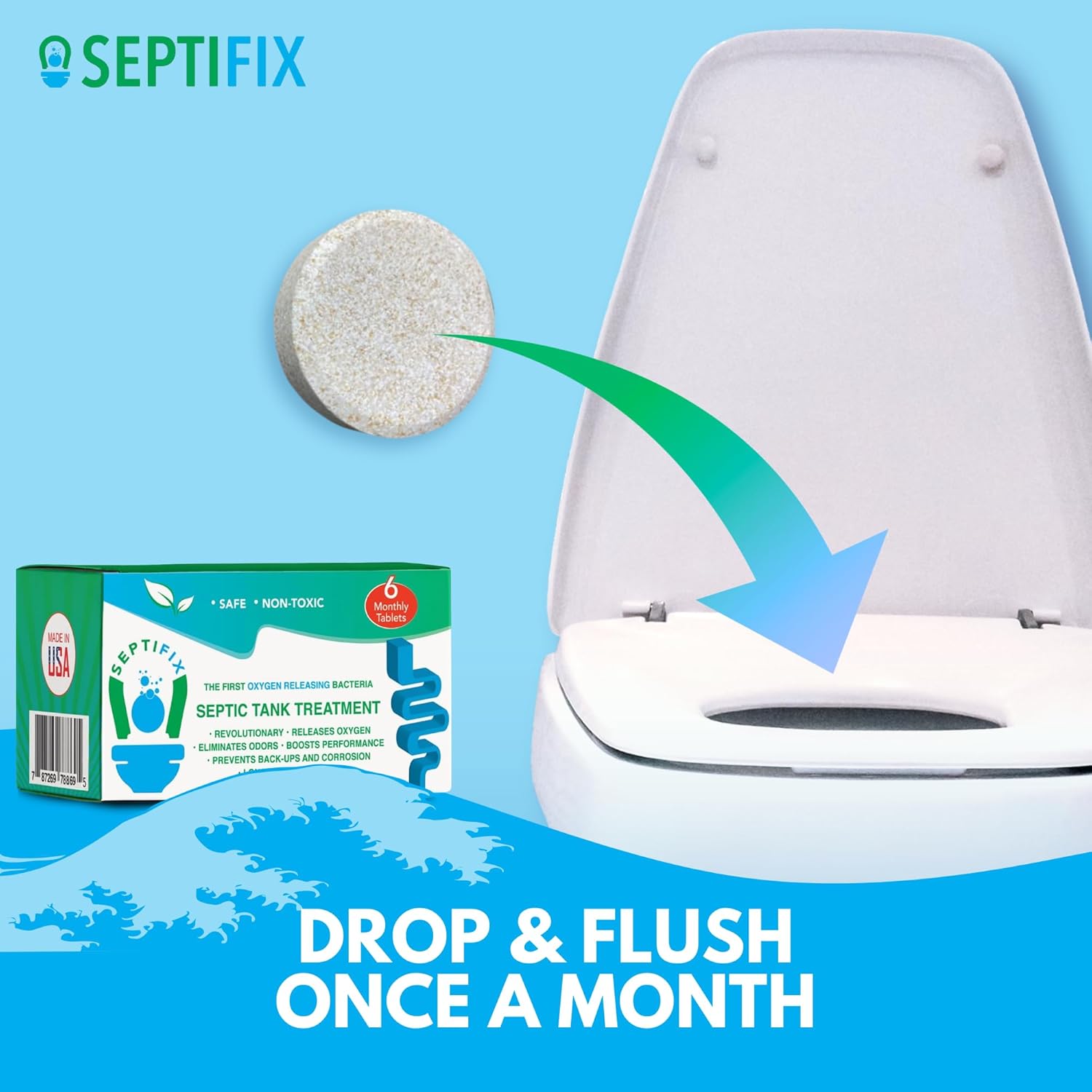
Septifix helps make it easier to maintain your septic system. Simply drop a Septifix Tablet in the toilet you want to treat and then flush. The combination of the aerobic bacteria, oxygen release and pH balancing agents are specifically formulated to help break down organic material that may be causing problems with your septic systems.
Septifix Tablets can be used as a monthly addition to your normal routine of maintaining your septic system. They are very simple to use, do not require any measurements and take only seconds to add each month.
Keep your septic system working smoothly. Try Septifix today.
Check the current Septifix price here.
Affiliate disclosure: This may be an affiliate link. We may earn a commission if you make a purchase, at no extra cost to you.
Related Posts


One thought on “Septic Tank Care and Maintenance Made Simple”