Can Septic System Shock Fix Your Tank? What It Can and Cannot Do
I know that slow drains, foul odors, or a sudden backup can cause concern about the need for emergency service for your tank. A “septic system shock” is a focused biological treatment. This type of treatment usually comes in powdered form. It’s used to support naturally occurring bacteria after high usage, chemical overexposure, or bacterial imbalance. Treatments like “Instant Power” provide a focused septic system shock treatment during times when biological activity drops.
A septic system shock treatment can be used on a regular basis as part of normal maintenance when your system runs smoothly; however, there isn’t much it can do to help with all problems. There is nothing a septic system shock treatment can do to eliminate large amounts of sludge buildup, clean out a failed drain field, unclog a drain line, or replace a damaged baffle, filter, pipe or pump. If you have noticed spongy soil, very strong odors outside, multiple instances of slow moving drains or sewage backing up into your home, limit water usage and schedule a professional assessment.
I would consider using a septic system shock treatment as supplemental support for potential problems and not in lieu of having your tank pumped regularly, inspecting your tank and/or drainfield regularly, or making necessary repairs. Next you will find out what a septic system shock treatment can assist you with and at what point limitations apply.
Key Takeaways
- I consider septic system shock to be preventive maintenance rather than corrective maintenance for sludge buildup in tanks; filter blockage; damage to piping; or failure of a drain field.
- These treatments may help to get beneficial bacteria back on track after overuse or chemical exposure, but can never substitute for scheduled pump-outs and inspections.
- Reduce your water usage when you experience the above symptoms and discontinue using chemical drain cleaners should your drains begin to slow down, there is an odor from them, or sewage begins to backup into your home.
- The EPA’s septic system care and maintenance guidance explains why septic tank pumping protects the drain field and overall system.
- Call a licensed septic professional if you notice these warning signs: soggy ground, outdoor sewage odors, repeated backups, gurgling, or worsening slow drains.
What Is Septic System Shock Treatment, and What Can It Really Do?
I consider the treatment options available for septic tanks (including treatments specifically designed to “shock” your system) as additional biological assistance for the digestion process in a tank. They are not an alternative solution for treating an immediate problem with your septic system. If your sewer line has backed up, if there is water on your lawn where it shouldn’t be, or if your drain field is saturated, you likely have a larger issue that will require a diagnosis and/or repairs/pumping, not simply a bigger dose of powdered biologicals.
How septic bacteria, enzymes, sludge, and scum work together
A septic tank naturally contains beneficial bacteria, which digest some waste without oxygen. Inside the tank, household wastewater separates into three layers:
- Heavy solids settle at the bottom and form sludge.
- Grease, fats, and lighter materials float to the top as scum.
- Partly clarified liquid effluent stays between those layers and flows toward the drain field.
Bacteria reduce part of the organic waste, but they don’t make all solids disappear. Sludge and scum continue to collect, which is why septic tank pumping remains necessary. The EPA’s septic care guidance explains that measured sludge and scum levels help determine when pumping is needed.
Depending on the formula, a bio-enzymatic powder may add bacteria, live enzymes, nutrients, or oxygen-releasing ingredients. Enzymes can help break down some organic material, but they won’t dissolve grease mats, flushable wipes, or accumulated septic tank sludge. They also can’t repair a cracked tank, broken baffle, damaged pipe, or permanently clogged soil absorption area.
When a biological powder may help, and when it will not
I would only consider a treatment as limited support when your system is operating normally. It may help after unusually heavy water use or exposure to a small amount of household cleaner, although product claims deserve careful review.
A treatment cannot fix:
- A full septic tank or blocked effluent filter.
- Broken baffles, cracked tanks, or blocked pipes.
- Sewage backups, standing water, or persistent outdoor odors.
- A saturated or permanently clogged soil absorption area.
Those symptoms point to a flow, structural, or soil problem. I would follow the label, check local rules, and review the product’s safety information before use. A powder may support routine care, but I would still schedule pumping and inspection when warning signs appear.
How to Choose the Best Septic System Shock Treatment for Your Home
Choose a septic tank treatment by reading the label, not trusting the biggest promise on the package. Your tank may not need an additive if you use water wisely and pump on schedule.
What to look for on a septic treatment label
Before buying, check whether the label provides enough information for safe use. Look for:
- Dosing instructions that clearly indicate frequency of application.
- Tank (or household) size(s) that the dosage will treat.
- Ingredients in the product that support its label claims.
- If compatible with residential septic systems and drainfields.
- Warnings regarding exposure through direct contact with the eyes, skin, inhalation, etc., as well as ingestion.
- Specific storage guidelines when purchasing powder, tablet or packet type products.
- Statement on the product labeling stating that it is a maintenance tool only, and does not replace pumping, inspections, and repair work.
Be wary of general statements and “miracle cures.” There is no product on earth that can restore a completely failed drain field, eliminate sludge buildup over many years, replace a leaking pipe, or prevent sewerage backups. Most harsh chemical-based products (such as drain cleaners), as well as most homemade concoctions can kill beneficial bacteria or damage pipes.
Bio products and shock powders compared with other options
Typically “Bio” indicates that there will be helpful bacteria and/or live enzymes in your product. The bio-enzymatic formulas can also help with biological activity or target specific types of organic material. Neither type is going to guarantee that you will get rid of sludge in a clogged tank.
Shocking powders and Dissolvable packets typically have a high concentration of product. The packets make it easier to measure out and handle the product, whereas loose powder gives you an opportunity to adjust the amount used if the product label allows. The retail version of products such as Instant Power will use different ingredients and application methods. Tablets are easy to use and good for regular scheduled applications; however, regular maintenance is always important.
Oxygen based treatment works differently than just adding bacteria. Instead of using only bacteria to break down waste they add oxygen (or another oxidizing agent) into the water. As long as you follow the safe usage instructions for the product you purchase, you will enjoy the possible benefits and avoid potential hazards.
I compare products by ingredients, dosage, tank coverage, treatment schedule, and warnings, rather than package claims. The EPA’s frequently asked questions about septic systems also support checking whether an additive is needed at all. Independent testing is limited, so safe use and maintenance matter more than brand promises. I would choose a labeled product only when it fits your tank and maintenance routine.
How to Use Septic System Shock Powder Without Harming Your Tank
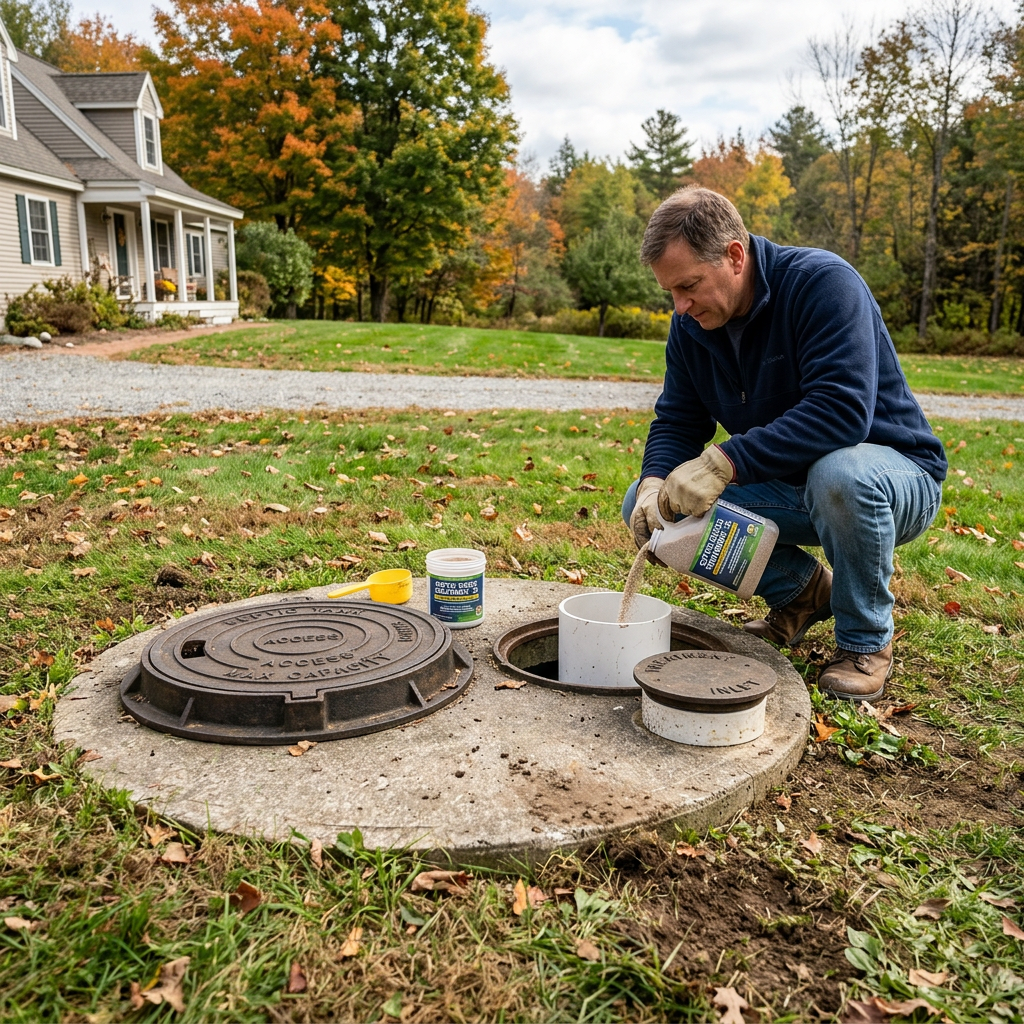
Use septic system shock powder strictly in compliance with manufacturer’s recommendations for a functioning septage treatment tank. I will first verify that the product is designed to fit my tank type and household size. Adding too much product (i.e., a higher than recommended dosage) does NOT produce a quicker fix; rather it wastes your money and adds unwanted chemical byproducts to your treatment tank.
Safe habits that support the treatment
Follow this simple use plan:
- Check the size of your tank and the area to be treated listed on the product packaging.
- Use a measuring device (like a spoon) when adding the product so you can accurately measure the recommended dosage rather than estimate it.
- Follow all instructions given for how to add the product (such as whether or not to flush it after addition). Follow the manufacturer’s specific directions (if available) for most widely used products like Instant Power.
Use septic-safe cleaners at normal strength. Do not pour chemical drain cleaners, bleach, grease, paint, solvents or large amounts of antibacterial products down the drain. Use the EPA’s guidelines for proper septic system care to know that you should only flush human waste and toilet paper.
Using water is just as important as using powder. Fix leaky faucets & toilets, spread out laundry, showers & dishwasher loads when possible. Don’t run several large water loads through the septic system all at once.
Extreme weather conditions can also cause excessive pressure in the tank and the drainfield. Keep roof runoff, downspouts, sump pump discharge and French drains away from your septic treatment area. Freezing temperatures may be affected by buried components (pipe etc.) without appropriate protection, especially if they are underground.
The soil needs space between each pipe to absorb and filter effluent. Heavy rainfall will temporarily overload it with water, especially when the ground feels soft/wet. Reduce water usage for 24-48 hour after any storm though; vehicles will compact the soil and damage buried lines.
What to expect after adding a treatment
I also watch the system over the following days instead of expecting an instant change. A biological treatment may take time, and it can’t correct a full tank, blocked filter, damaged pipe, failed baffle, or saturated soil.
Stop relying on the product if you notice:
- Recurring odors or gurgling drains.
- Slow fixtures throughout the home.
- Sewage backups or a septic alarm.
- Green stripes, standing water, or soft ground over the treatment area.
I would reduce water usage and call a licensed septic professional when these signs appear. They point to a problem that powder can’t repair.
Septic Tank Problems a Shock Treatment Cannot Fix
I treat septic maintenance as support, not emergency repair. Additives can’t prevent sudden failures caused by mechanical or structural breakdown. When symptoms point to a flow, structural, or absorption problem, a powder can’t remove enough sludge, repair damaged parts, or restore saturated soil.
Warning signs that mean you should call a septic professional
Use this checklist to separate a routine maintenance concern from possible system failure:
- When your house’s toilets, tubs, showers or floor drains back-up with sewage.
- If many of your house drains are clogging slowly at the same time this may be an indication that there is a bigger issue in one of your drains.
- If you clean out your drains but they continue to clog it is possible that you have a drain problem.
- If you hear a gurgling noise from your toilet when you flush or if other fixtures in the house are running (such as the washing machine) then it could indicate a potential sewer backup problem.
- When you notice strong smells of sewage coming from inside or outside your home.
- You see standing water or soggy areas near where your waste goes through the drainfield.
- Your grass looks thicker than normal or is a much greener color than usual directly above your septic treatment area.
- Your tank fills faster than normal.
- If you are using a pump system and your alarm starts sounding for no apparent reason.
Severe weather conditions such as excessive rainfall may lead to saturated soils and entrapment of gases within water-logged portions of the drainage field area. In addition, extreme cold, strong winds, a poorly functioning or obstructed roof vent, dried out P-traps, and loose clean-out caps on floor drains all can cause offensive odors which an additive will not resolve.
I would limit my usage of water during this time, particularly with respect to laundry, lengthy showers, and dishwashing cycle activity. If I experience backup into the building or outdoor surging of sewage, I should immediately discontinue usage of water for all purposes and have children and animals stay clear of the sewage until it is resolved. Backups may contain hazardous contaminants and may severely damage flooring materials, walls, landscaping, and other personal property.
The U.S. Environmental Protection Agency (EPA) provides guidance regarding septic systems including benefits associated with timely inspection to avoid costly repairs.
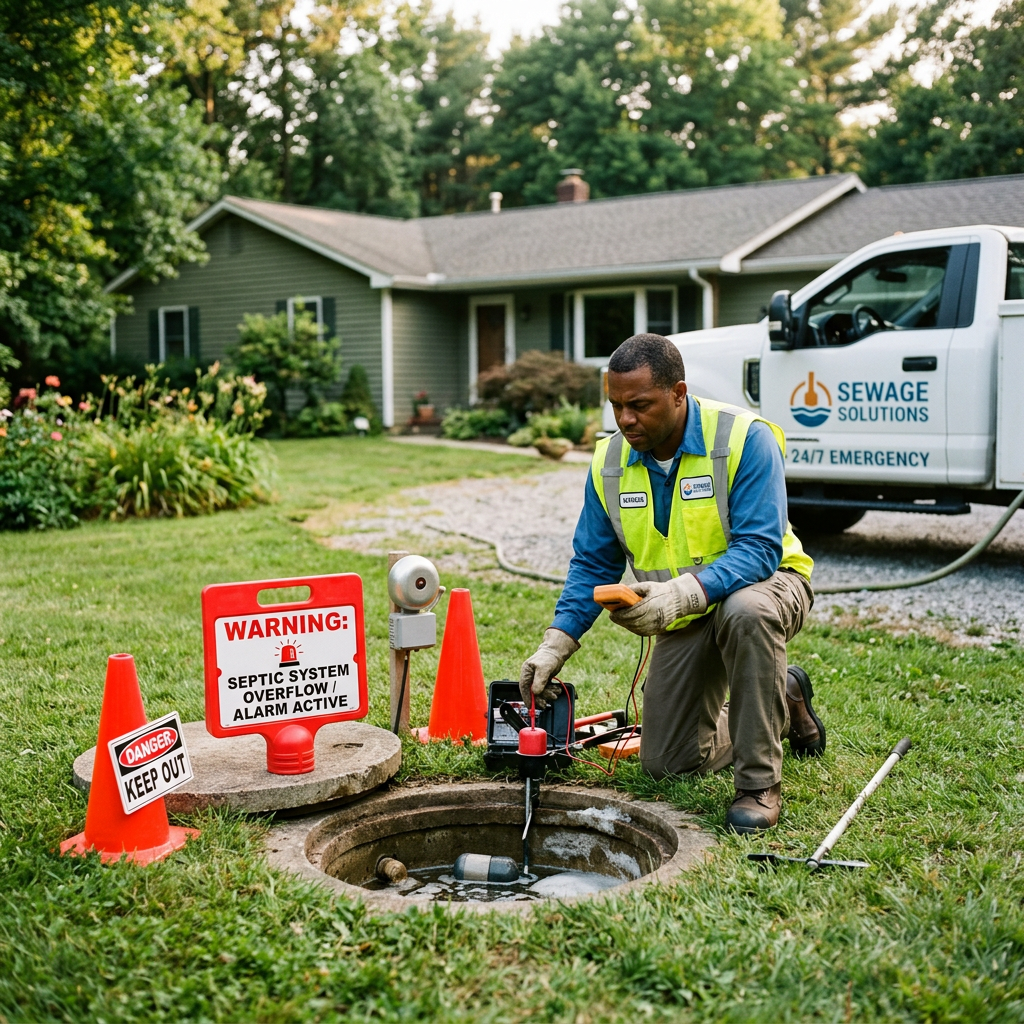
What a professional may inspect or test
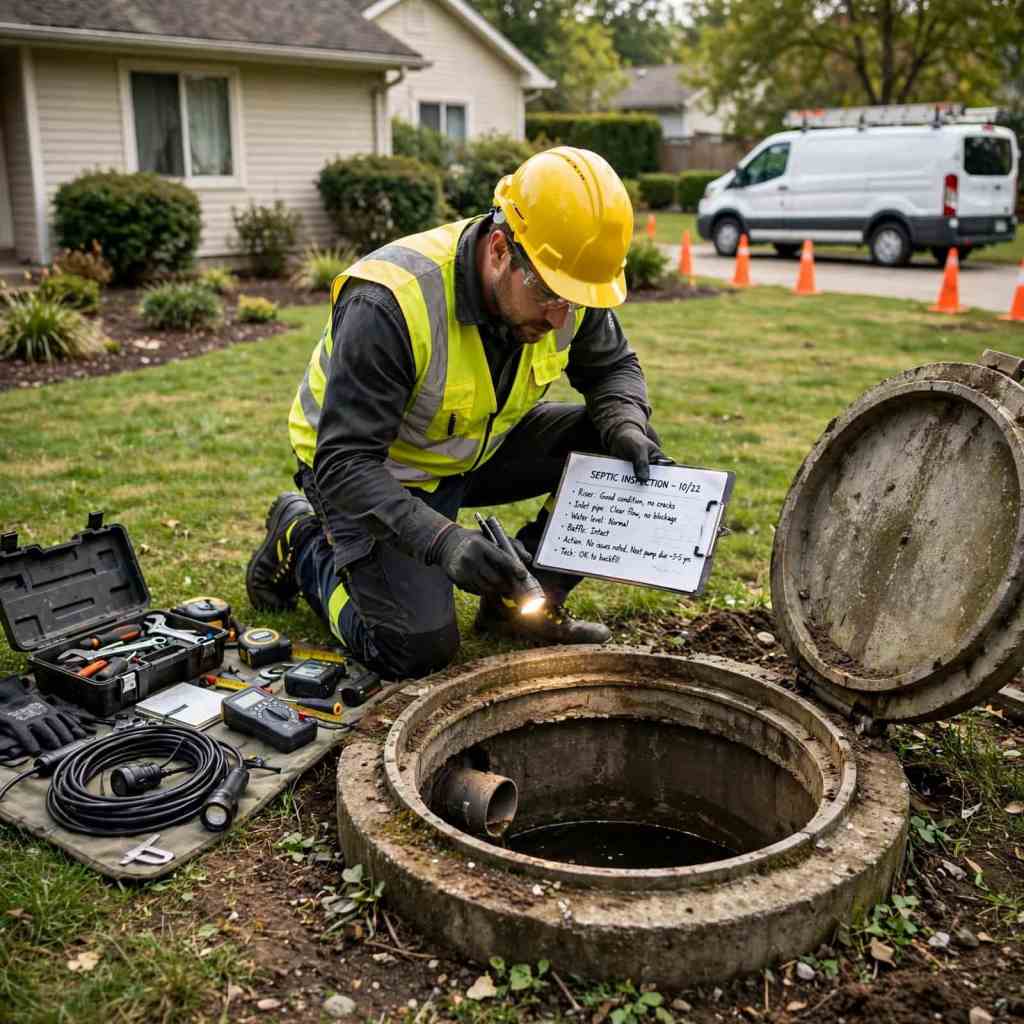
A septic professional may measure the tank’s sludge and scum layers to determine whether pumping is needed. They may also check the effluent filter, inlet and outlet baffles, tank lids, and gaskets for clogs, damage, or leaks.
Depending upon what type of symptoms you are experiencing, the technician may use cameras to inspect your pipes, or they will smoke test your plumbing vents in order to determine if there are any leaks within the system. Additionally, when applicable, they can also “jet” the clogged lateral lines.
Ask them to provide you with photos of the issues that were found as well as measurements and a written description of their findings. Also, ask if the issues extend into the sewage absorption area or if it appears to be limited to the septic tank, filter, sewer line, vent pipe, pump, and/or cover.
Having a clear understanding of what was done and why will help you make an educated decision about which repairs need to be made rather than spending additional money on further treatment and then hoping for a better outcome.
Costs, Maintenance Timing, and a Practical Septic Shock Plan
Preventive care is my priority as you will be unable to protect your septic system from total collapse if it has an ongoing problem of a clogged line or failing. Regular preventive maintenance will cost you much less money in the long run than paying for sewage back-up, damaged floors or a failed drainfield.
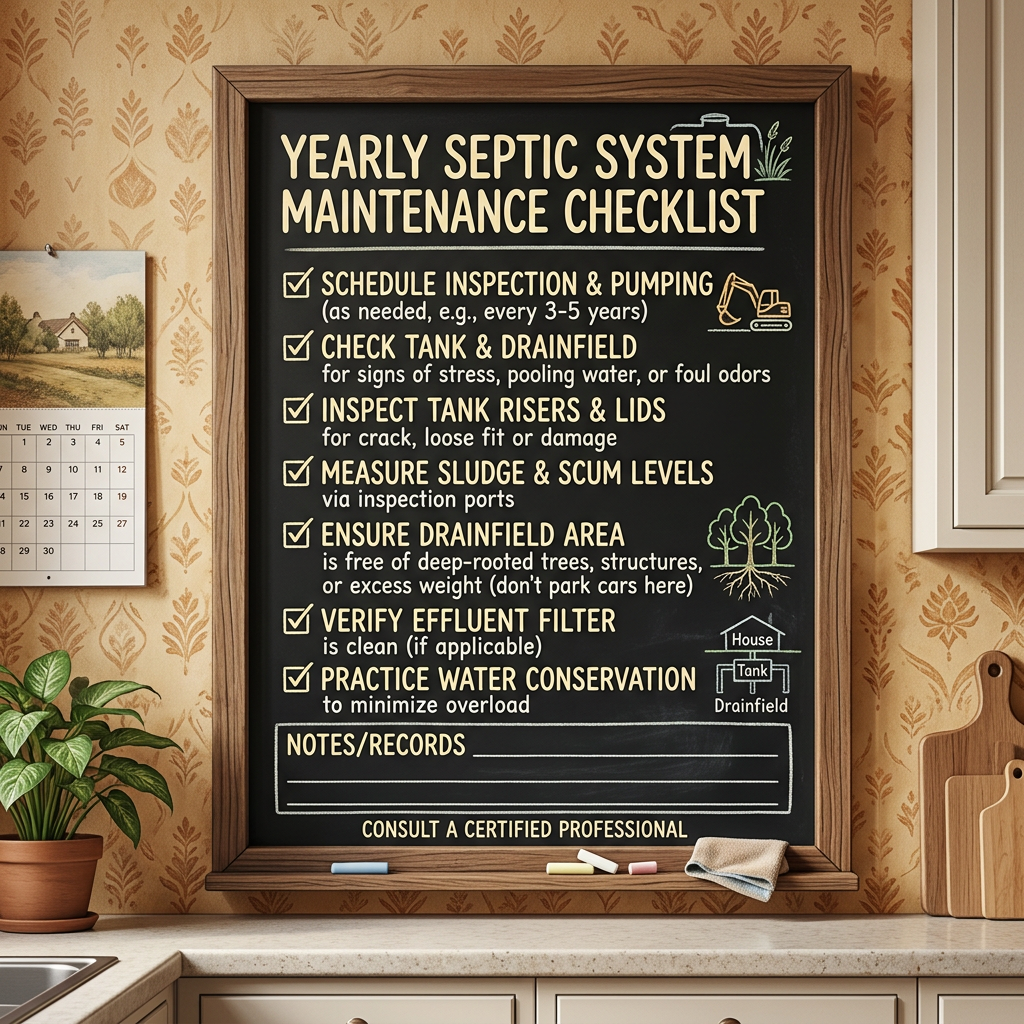
A simple monthly and yearly checklist for your septic system
For a more detailed routine, use this septic tank maintenance checklist.
The first step is to review your system each month by checking the drainpipes, tanks and surrounding soil for signs of leaks around toilets, faucets, and other plumbing fixtures. Check if there are any sudden changes to drainage flow, whether you hear unusual sounds (like gurgling) coming from pipes when draining sinks or tubs, and see how long it takes for sinks and/or tubs to drain.
If you have experienced a lot of rainfall recently, take a look at the tank, especially close to where the absorption field begins. Steer clear of soft spots on the lawn while inspecting. Be aware of possible water pooling, areas with very bright, green growth in an otherwise normal yard area, and sewer-like odors.
Ensure that all roof downspouts (as well as sump pumps and French drains), stay far away from the absorption area. Avoid placing vehicles or large objects directly above the absorption area. Keep the lid(s) of your tank(s) out of reach of foot traffic and ensure that they remain securely fastened.
You will want to document every time you have your septic system serviced (whether it be pumping, inspecting, measuring sludge levels, repairing issues or applying products). Most home owners will find that their septic systems require pumping every three to five years. While most people follow a calendar-based schedule for their pumping needs; ultimately your pumping schedule depends upon the tank size, number of occupants in the house, amount of water being used, along with actual measurements taken of sludge and scum buildup in your tank. The EPA’s “Homeowner Guide To Septic Systems” provides many examples of why record keeping and regular pumping are important.
A treatment powder can serve as an additional option within this preventative maintenance program. However, a treatment powder is no substitute for proper servicing of your septic system by a qualified technician.
Questions to ask before buying powder or booking service
Before buying, ask:
- Are the ingredients listed clearly, and is the product compatible with your tank?
- What dose is required, and what problems can it realistically address?
- Does the label explain what the powder cannot fix?
Before booking service, ask whether the contractor is licensed and insured. Confirm whether the visit includes sludge and scum measurements, an effluent filter check, baffle inspection, camera work, or line jetting. Ask for the total cost, a written report, photos, disposal details for pumped waste, warranty terms, and required permits.
Typical US estimates include $250 to $700 for professional service, $100 to $400 for an inspection, $50 to $250 for minor lid or gasket parts, and $200 to $600 for camera work or line jetting. Commercial shock additives, such as Instant Power, generally cost far less than major repairs. Absorption-area repairs can cost thousands, while replacement may reach $8,000 to $25,000 or more, depending on soil, access, permits, and damage.
I keep these questions and records together so repeated powder applications don’t hide a blocked filter, broken baffle, or failing absorption area.
Frequently Asked Questions
I continue to see homeowners asking if a septic shock treatment will cure the problem that needs to be inspected or repaired. The answers below are intended to provide an easy way for you to differentiate between optional preventive maintenance and symptoms of your system that are serious enough to warrant immediate action.
How often should you use septic system shock powder?
Depending upon the label of the product you are using and depending upon the condition of your system, there is no one correct maintenance (treatment) schedule. There are many products that suggest treatments be made every month; however, most products will suggest that only occasional treatments be made after excessive usage (such as large amounts of laundry being done in one day), or when chemicals such as bleach or harsh cleaners are used.
I would never simply add more additive to my septic system when a drain becomes plugged or odors start to occur again.
Can septic system shock powder unclog a drain field?
No. Shocking a septic system will NOT fix a saturated drainfield. Nor will it fix a clogged or solid-filled drainfield. More of the product will NOT help if your soil is just too wet to accept anything (wastewater).
You should be able to reduce how much water you are using in your home. Space out your laundry and shower times as much as possible. Try to keep as much of your roof run off and/or sump discharge away from the drainfield as possible. Severe weather events can both increase the saturation level and exacerbate drainage issues.
If you still have issues after taking the above steps, there is a good chance that a licensed professional will have to come in and measure flow, look at all of the distribution parts for blockage, assess the condition of the soil to see if they need to correct drainage or replace some parts of the septic system.
Is septic system shock safe for every septic tank?
No product is automatically safe for every system. Formulas differ, and a treatment labeled for a standard residential tank may not suit an aerobic system, pump tank, or advanced treatment unit.
Check the label and ask a septic professional before using powder around wells, dosing pumps, treatment units, or systems with local operating requirements. The EPA’s overview of septic system types explains why different system designs may have different components and care needs. I would never assume that a product safe for one tank is suitable for another.
Can a septic additive stop bad odors immediately?
Unless you have identified an additive that is mimicking the original odor, you will need to physically correct whatever issue exists in your plumbing system such as clogged P-traps, vents or lids, saturated soil in the septic drainfield, full tanks, or backflow of raw sewage into your home.
Persistent sewer gas is typically an indication of a problem with your home’s waste disposal system. If you are experiencing persistent sewer gas in addition to health issues (headaches), gastrointestinal problems (nausea) or strong odors inside your house, or outside of it, there may be cause for concern. In wet weather situations and when the sewer gas smell persists after refilling dry P-traps, try limiting the amount of water used by appliances (i.e., washers, etc.) or seek assistance from a plumber or septic service provider.
Should you use powder after a septic tank is pumped?
Pumping removes accumulated sludge and scum. The tank will naturally receive bacteria through incoming wastewater, so a labeled biological product may be optional rather than necessary.
It should never replace proper pumping, inspection, careful water use, or sensible waste habits. I would record the pumping date and tank measurements before deciding whether any additional treatment fits your maintenance plan.
What should you do if sewage backs up after treatment?
Stop using water immediately, including toilets, faucets, washers, and dishwashers. Keep children and pets away from contaminated areas, and don’t pour chemical drain cleaner into the system.
Call a licensed septic professional promptly. Cleanup may require protective equipment, removal of contaminated materials, and proper sanitation. I would treat a backup as a service issue, not a reason to add more powder.
Conclusion
I view septic system shock as minimal assistance to a functioning tank that has been subject to heavy usage, chemicals, etc. Biological treatments will help assist your natural bacteria in recovering but it does NOT address removing sludge & scum, repairing broken components (i.e. floats) nor is it capable of restoring a failing drain field. Pumping will protect the drainfield due to solid build-up from an over-extended tank which can be very costly.
Read the label, use the recommended application rate and attempt to conserve water. Maintain all roof run-off, vehicle traffic and other heavy structural elements at least 30 feet away from the drain field. Instead of just relying upon a predetermined time interval, track all of your pump-outs (dates), inspect your system regularly (results) and measure your tanks level periodically.
Call a Licensed Septic Professional if you have any of the following occurring:
* Sewage back-ups into home/buildings.
* Wet areas around the drain-field.
* Strong Odor(s).
* Gurgling sounds.
* Repeatedly Slow Drains.
All are warning signs indicating immediate inspection and possible pump-out or repairs – Not Another Treatment!
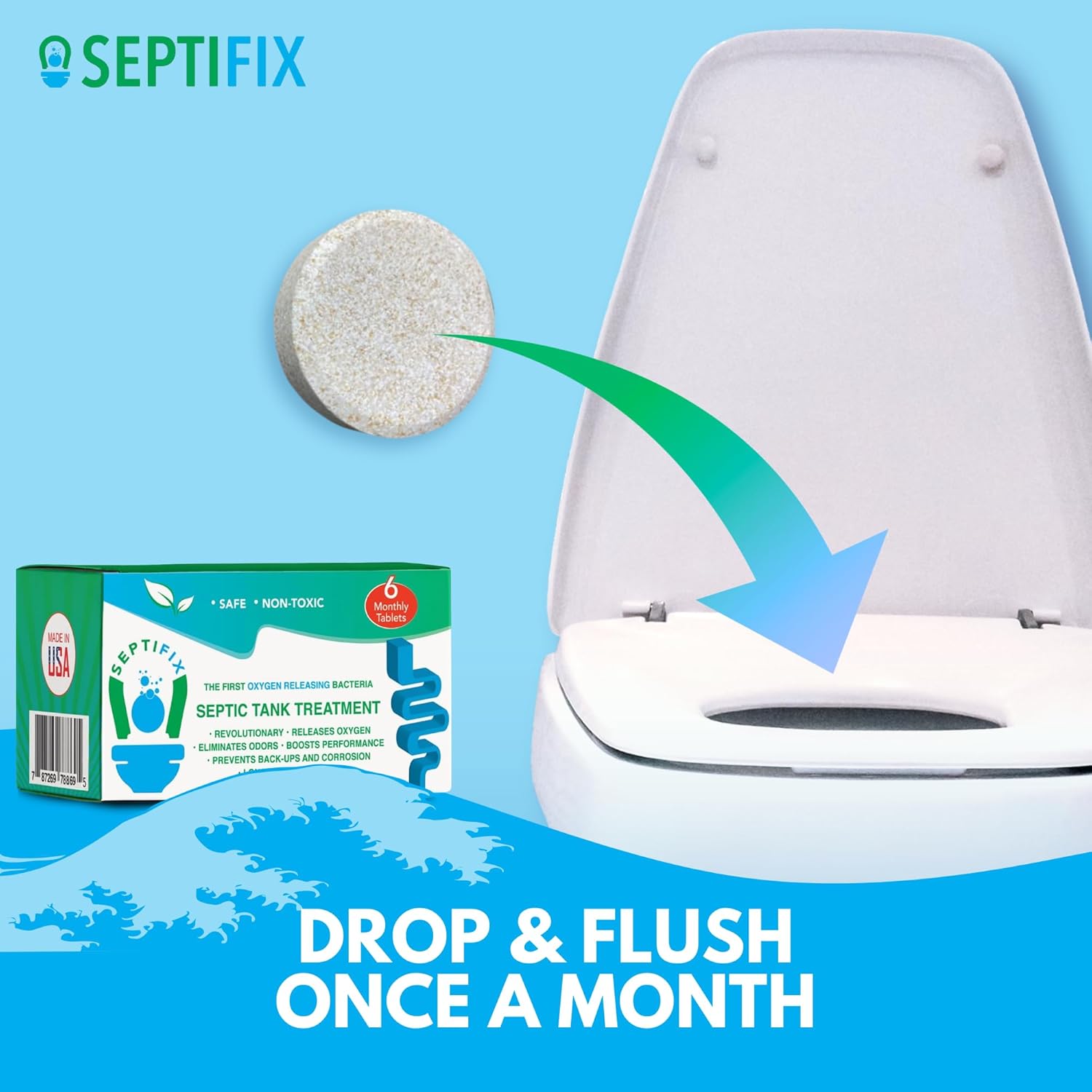
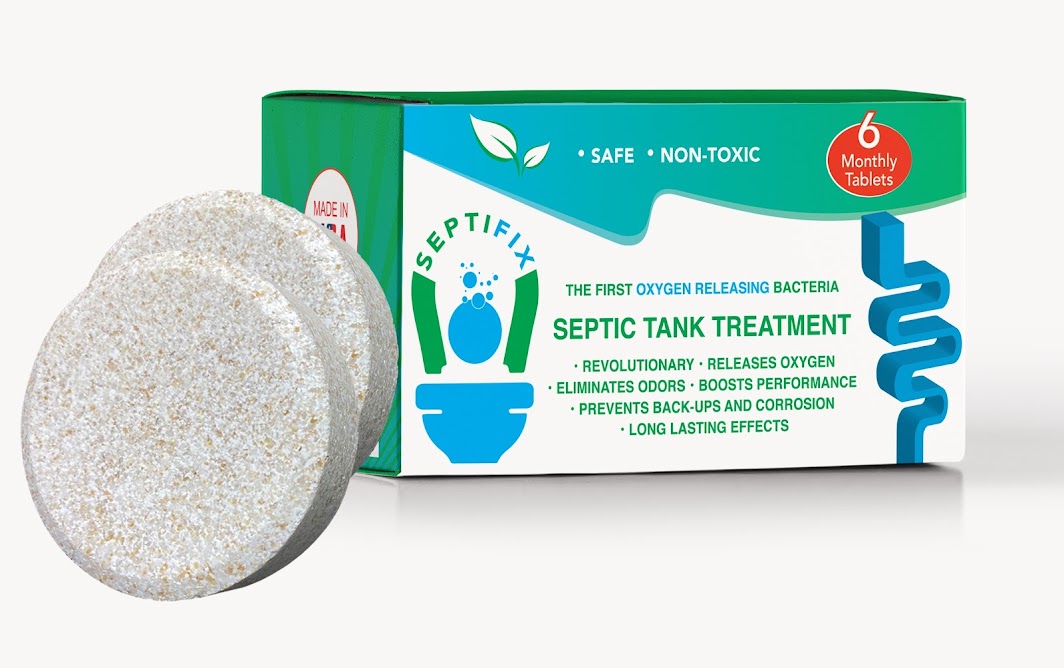
Septifix offers a simple monthly tablet designed to support septic tank maintenance, reduce odors, and help break down organic waste.

Cost Disclaimer
Septic service and repair costs vary widely across the United States. Your final price may depend on your location, tank size, system type, property access, soil conditions, permit requirements, and the extent of the problem. The cost ranges in this article are general estimates only and are not a guaranteed quote. Before approving work, request a written estimate that separates inspection, pumping, parts, camera work, labor, permits, and any drain-field repairs.
Affiliate Disclosure
This article may contain affiliate links. If you purchase a product through one of these links, we may earn a small commission at no extra cost to you.
We only link to products that may be relevant to septic system care and maintenance. However, affiliate relationships do not affect our opinions or recommendations. Always read product labels and consult a licensed septic professional for system failures, backups, or repair needs.
Related Posts