Septic Tank Treatment Pods: Simple Maintenance That Saves You Money
Septic odors, slow drains, large bills for pumping, and the fear of a gross back-up can really grind you down. Septic treatment pods give you a quick boost. These are convenient, pre-measured packs that contain functional bacteria and enzymes which support waste breakdown inside your cesspit.
You can experience a quick result without the messy measuring. The pods help to keep you in daily balance especially after you have guests over or do heavy cleaning. However, they do not cure clogs, roots, broken parts, or a failed drainfield.
Here you will learn what these pods can do, how to choose a good product, how to use them properly and how to detect authentic results. You can save pounds, eliminate odors and protect your drain field with a clear plan.
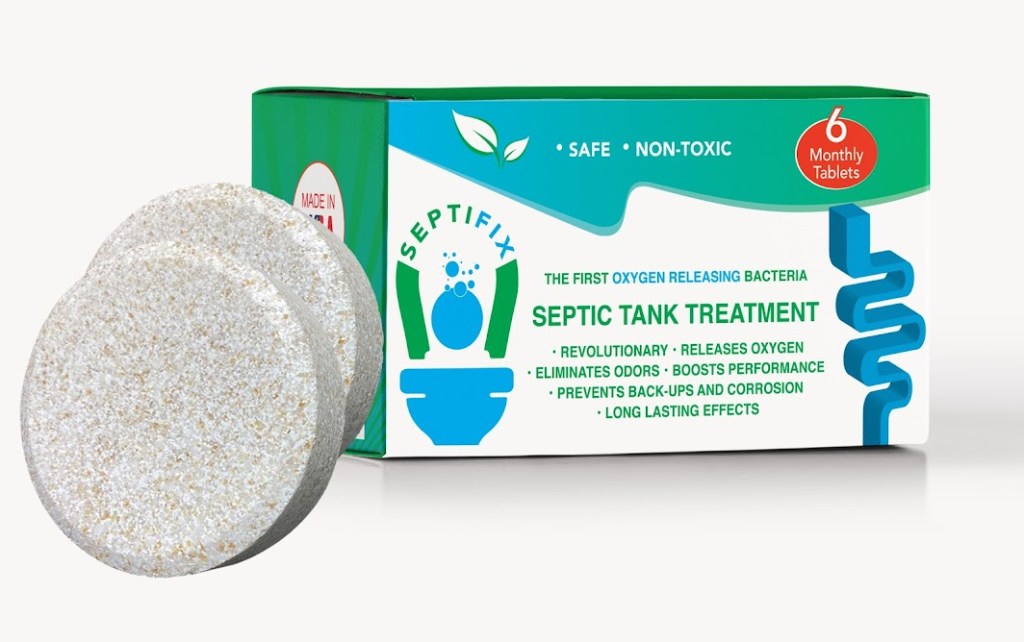
What are septic tank treatment pods and how do they work?
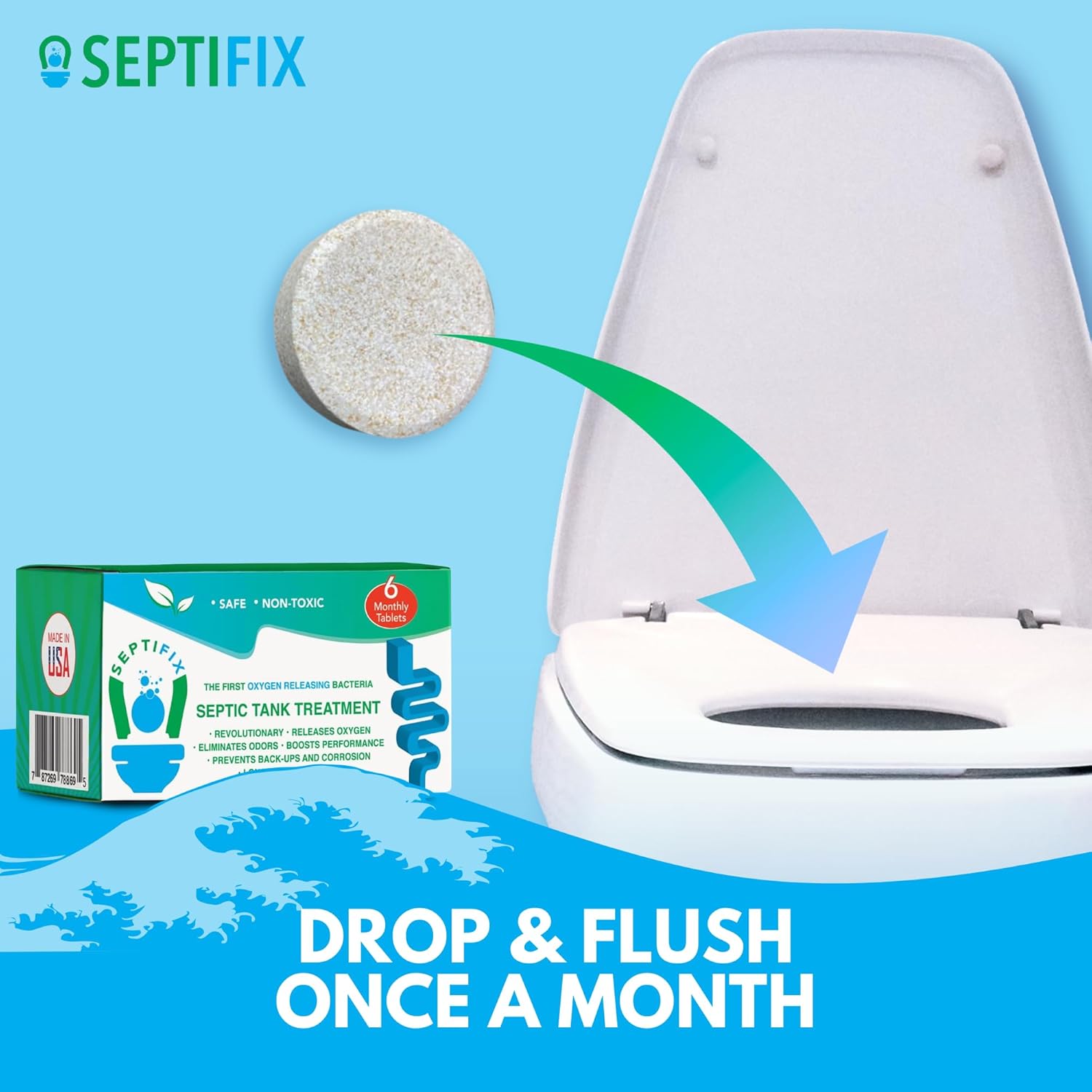
Pods are tiny, biodegradable packets that contain live bacteria and enzymes. When you toss a pod in a toilet and flush, it dissolves. The microbes “wake up” and start digesting common waste in your tank. This consists of fats, oils, grease, proteins, toilet paper, and organic solids.
If you’ve used liquid or powdered treatments, the idea is quite similar. Pods just make the dosing a whole lot easier and safer. It’s the same amount every time, with no spills or dust. Compared to caustic chemicals, pods feed the bacteria in your tank rather than kill them. This will promote better balance and lessen odor problems.
Here’s how septic tank treatment pods work in real life. They restore healthy bacteria after normal use or perhaps a big holiday family visit, or heavy use of bleach products for cleaning. They are not magical, though. They are not a substitute for pumping septic tanks. They do not remove heavy sludge from the bottom of the tank. They do not fix broken baffles, crushed pipes, or a saturated drainfield. Used as directed, however, pods are safe for concrete, plastic, and fiberglass tanks.
Many homeowners notice an improvement in odor control. Pods do so by breaking down wastes before they can decompose and cause odors by reducing the permanently trapped gases that result in odors. That’s the essence of an effective enzymatic septic treatment.
Bacteria and enzymes that break down waste
Bacteria are life’s helpers. They eat the waste. Enzymes are tools that cut the waste into small pieces that allow the bacteria to eat it faster. One example is protease which eats protein. Another enzyme is lipase which eats fat. Amylase eats starch. Sometimes there are references on the label which refer to CFU (colony forming units). When you think of CFU think of live bugs count. A combination of bacteria and enzymes works best because the enzymes begin the work and the bacteria finish it.
What pods can and cannot fix
What pods support:
- Steady breakdown of waste between pump-outs
- Odor control by reducing smelly byproducts
- Better drainfield health over time by easing the load
What pods cannot fix:
- Tree roots or crushed pipes
- A full tank that needs pumping
- Heavy damage to baffles or tank parts
- Harsh soaps or bleach used in excess
- A flooded or saturated drainfield
Keep your pump-out schedule, then use pods to hold a healthy balance between service visits.
Are pods safe for older systems, RVs, and boats?
Yes, in most cases, they can be used as directed. Look for septic safe claims on the label (look for a temperature range.) Not all pods are OK for RV and marine holding tanks, but some house septic products may be used. Use one that is labeled for your particular system. Keep pods in a dry safe place, out of reach of kids and pets.
How to choose the right septic tank treatment pods for your home
Use this simple checklist to find the best septic tank treatment pods for your needs.
- Ingredients first: Look for multiple enzyme types and live bacteria. Fragrance alone does not help your tank.
- Dose next: Match the dose to your tank size and your household use.
- Safety always: Skip harsh chemicals like formaldehyde or strong acids. Look for septic-safe claims.
- Packaging: Water-soluble film and low-waste boxes are a nice plus.
- Trust marks: If available, look for EPA Safer Choice or third-party testing. Not every good product has it, but it helps.
- Compare value: Check price per treatment, not the box price. That is how you judge real cost.
- Search terms to know: septic-safe, eco-friendly septic treatment, and best septic tank treatment pods.
Check ingredients, CFU count, and fillers
Select pods with lists of specific bacterial strains and types of enzymes. Higher CFUs mean better active bacteria, but freshness and quality counts. Heavy perfumes and dyes provide no extra benefits. Use scent-free or come up with something light that is also free from extra chemicals.
Pick the correct dose for tank size and household
- A common rule: one pod per month for a typical 1,000-gallon tank with 2 to 4 people.
- Larger tanks or heavy-use homes may need a bigger or more frequent dose. Think lots of laundry, a home office with constant water use, or frequent guests.
- After pumping, many labels suggest a start-up or recovery dose. Follow the product’s guidance.
Look for safety, testing, and septic-safe claims you can trust
Pick products labeled septic-safe, non-corrosive, and non-toxic. Non-corrosive products should say it’s safe for people and pets, along with pass any tests by some third-party standards when applicable. Good things to look for are child-proof packaging and easy-to-read instructions, along with a lot number or date code for freshness purposes. Purchase from a known source and retailer, so you can avoid some expired products.
Price, value, and eco-friendly packaging
Compare price in per month amounts. It’s much less expensive to have a constant routine than to have repairs done. Minimal use of plastic, compostable containers, and water-soluble films are also good for the environment. Pods are meant to promote maintenance toward the septic system. They are not substitutes for pumping every three to five years or so.
How to use septic tank treatment pods the right way
Here is how to use septic tank treatment pods without guesswork. You will find a simple routine, what to avoid, and seasonal ideas that keep things running smooth.
Step-by-step: where to drop, when to flush, how often
- Drop one pod into a toilet. Let it dissolve.
- Flush once. Do this at night or before a low-use period.
- Use one pod every month unless the label says otherwise.
- After a pump-out, use the start-up dose if the label suggests it.
- In homes with many bathrooms, pick one main toilet for treatments.
What not to flush or pour with pods
Keep your bacteria safe by avoiding common offenders:
- Wipes, even if labeled flushable
- Paper towels, feminine products, and cat litter
- Cooking grease and coffee grounds
- Paint, solvents, and automotive fluids
- Excess bleach or drain cleaners
Space heavy bleach cleaning at least 24 to 48 hours away from a pod treatment. Use septic-safe toilet paper and cleaners.
Seasonal tips for cold weather, vacations, and heavy use
Cold weather may inhibit the enzymes and bacteria from working. Keep the pods inside and dry, and treat at warm parts of the day. Before a long holiday, drop a pod in as you leave. Put another pod in after you come back home, as long as the label allows it. If in a holiday or children are visiting, double treat that month if allowable from information on labels. Make sure leaky faucets and running toilets are repaired to avoid washing out useful bacteria.
How to tell the pods are working (and when they are not)
Signs of progress:
- Less odor inside and outdoors
- Steady draining and fewer gurgles
- No soggy areas or wet spots over the drainfield
Warning signs that call for a pro:
- Sewage backing up or slow drains in the whole house
- Standing water or very lush grass over the drainfield
- Strong sulfur smells outside
Pods maintain balance. They do not cure structural or drainfield failures.
Costs, maintenance habits, and when to call a pro
A healthy septic routine is not a costly thing. You will be able to keep your expenses down with simple habits and a clean calendar of treatments and pump-outs. Keep track of all treatments and service dates on a separate note. That record will pay off.
Monthly cost vs pump-outs and repairs
Pods cost a few dollars per month. Pumping is done every three to five years and costs far more. The drainfield repairs can easily run into thousands. The benefits of prevention are obvious. Set yourself a reminder monthly so you will be sure to treat the septic from month to month and be sure your calendar has the next pump service due.
Simple habits that help pods perform better
- Scrape plates into the trash, not the sink
- Use a sink strainer and empty it into the trash
- Spread out laundry across the week
- Use cold or warm water when you can
- Pick septic-safe detergents and cleaners
- Fix running toilets and dripping faucets
- Keep gutters and downspouts away from the drainfield
- Do not park or build on the drainfield
These septic maintenance tips protect your bacteria and reduce overload. They also help with septic tank odor control.
Red flags that mean you need a septic inspection
Do not wait if you notice:
- Sewage backup or very slow drains across the house
- Toilet bubbles or loud gurgles
- Rotten egg odors outside
- Bright green grass or soggy ground over the drainfield
- Well water tests with high nitrates
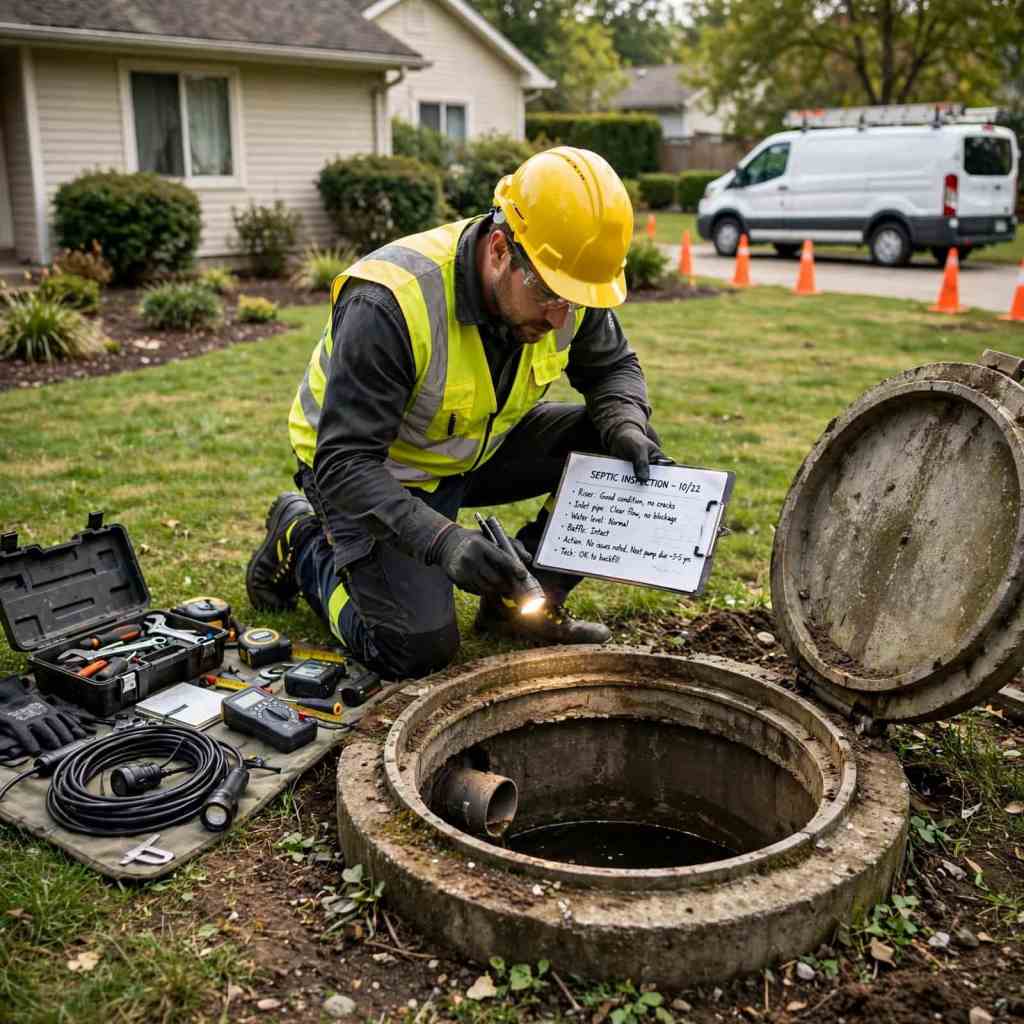
Never open a septic tank lid yourself. Call a licensed expert. Knowing when to call a septic professional keeps small issues from turning into big bills.
Conclusion
The septic tank treatment pods are easy to run, low in cost, and useful between the pump-outs. They foster the breakdown of waste and odor control, but will not eliminate clogs, roots or give relief to a failed drainfield. Your list of action is short. Select the proper pods, set your reminder monthly, do not have harmful flushes, and keep a routine pumping schedule. With regular maintenance, you save your drainfield, your odors, and your money. You will have one less thing to worry about in your septic system.
Related Posts