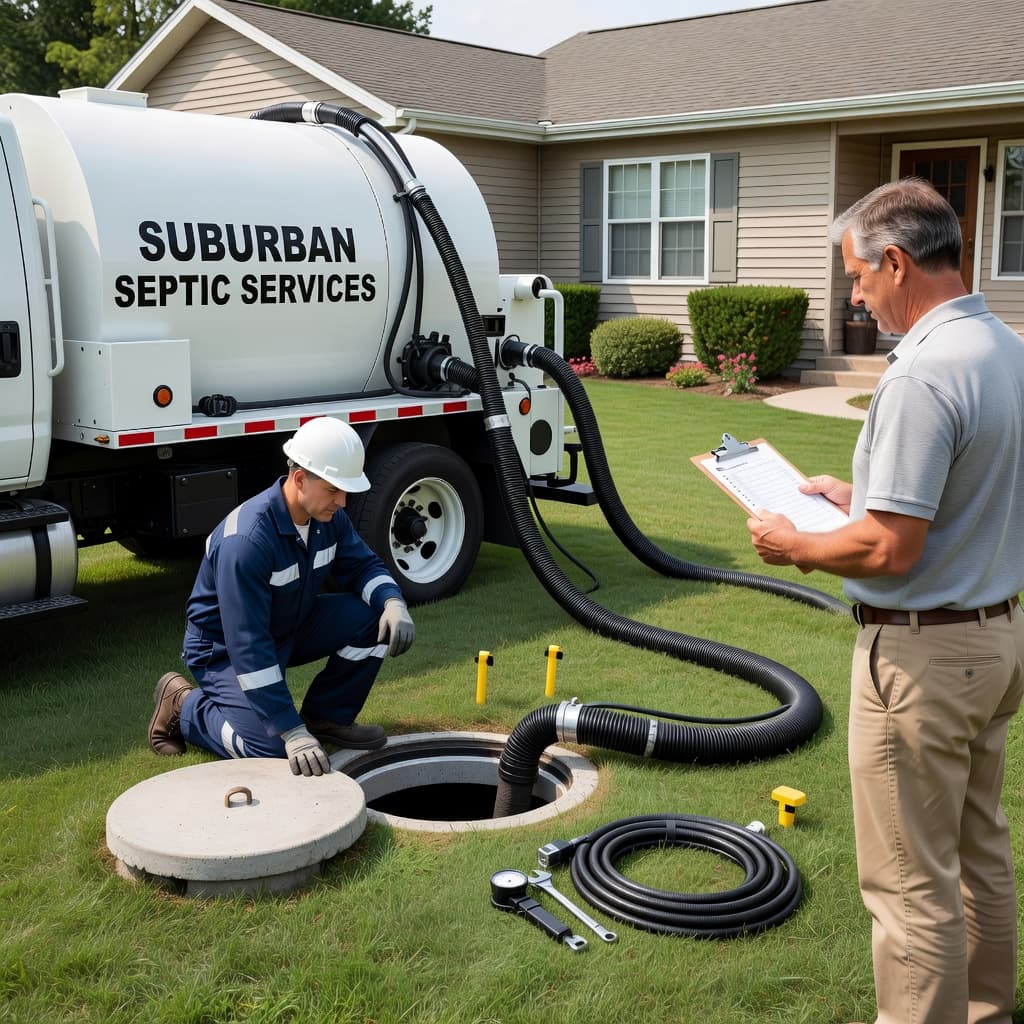
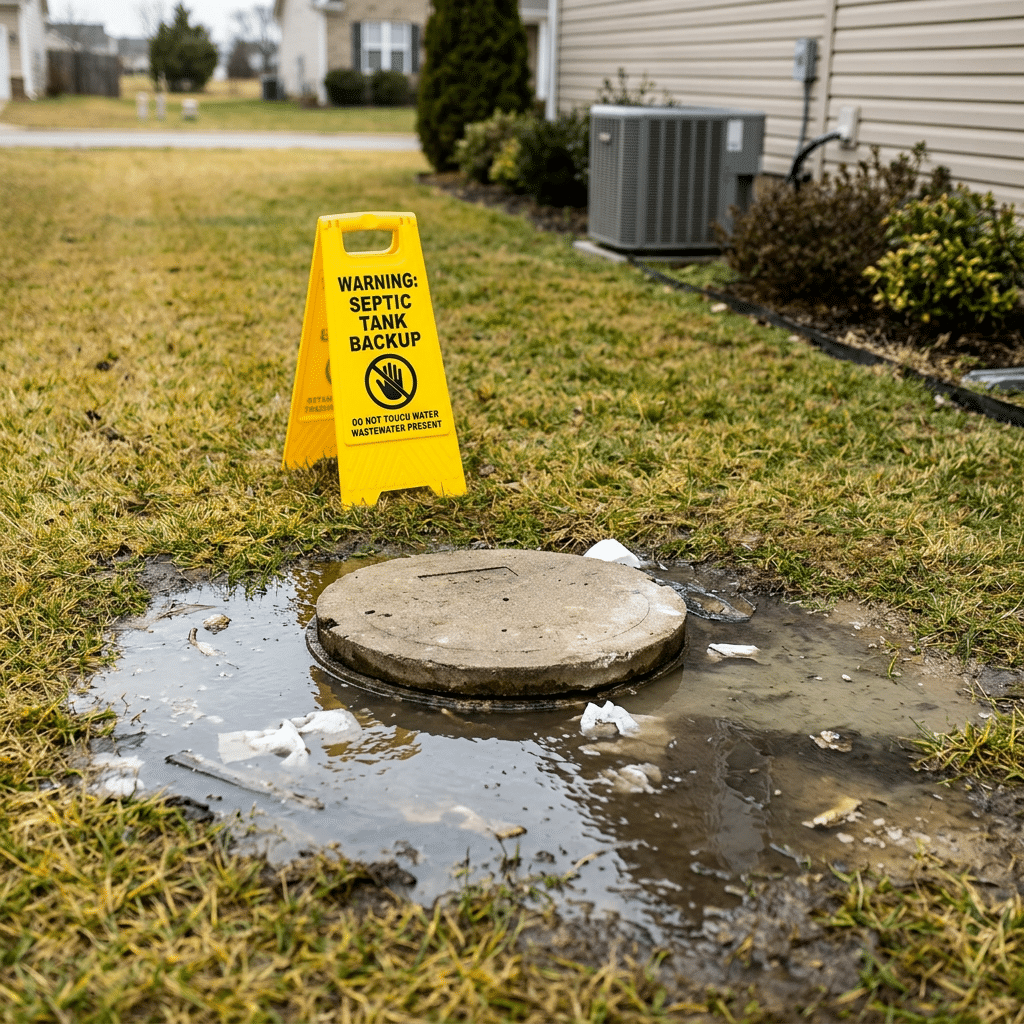
You are likely wondering at what point you will need to replace an aging septic system due to the many signs of wear it is exhibiting. So, how long can a septic tank last? Although a well-constructed septic tank has a typical lifespan ranging between 25 to 40 years, there is no guarantee of this lifespan.
The lifespan of your septic system will depend on several factors including the type of material used in constructing the tank, soil conditions where the septic system was installed, quality of the installation process, amount of water being utilized by occupants of the home, and the maintenance performed to ensure the longevity of the system.
While the structure of the septic tank remains intact, other components such as pipes, baffles, distribution box and drain field may begin to deteriorate. In addition to regular pumping (typically every 2-5 years), responsible use of water within the home, utilizing only septic safe cleaning agents and quickly repairing damaged components, can be effective methods for preventing premature failures in your septic system. If ignored, these issues can result in sewage back ups, unpleasant odors and expensive drain field damage.
Prior to determining how long your septic tank can last, research those elements which shorten the life expectancy of your tank and review the indicators that require professional inspection. We will begin by discussing the average life span of various types of septic tanks.

Key Takeaways
- Most septic systems are in working order from about 20-40 years, depending on the quality of materials used, installation, soil conditions and regular maintenance of the system.
- Routine septic pumping (every 3-5 years) will remove the buildup of sludge and scum that can interfere with proper drainage through the drainfield.
- Factors which affect how fast solids accumulate in your septic tank include household size, tank capacity, number of loads washed per week, whether you have a garbage disposal, and excessive water loss.
- If you notice slow draining, bad smells, gurgling sounds when flushing toilets or sinks, sewage backup into your home, soft spots in your yard where water accumulates, or if the grass in your drain field is very green, contact someone immediately.
- Regular additions of “septic” products may help keep your septic system operating normally; however, these products will NOT take the place of routine pumping, inspections and repairs.
Average Septic Tank Lifespans by System Type
Many residential septic tanks remain usable for 20 to 40 years, while well-built and well-maintained systems may last longer. This range isn’t a guarantee. Soil conditions, groundwater, climate, permits, installation quality, household size, and daily water use can shorten or extend it.
Average lifespan by tank material
Tank material offers a useful starting point, but it doesn’t tell the whole story. Here are common estimates for the tank itself:
| Septic tank type | Typical lifespan | Common concerns |
|---|---|---|
| Concrete | 40 to 50 years or longer | Cracks, corrosion, leaks, and damaged baffles |
| Fiberglass | 30 to 40 years | Shifting, flotation, and structural damage |
| Plastic or polyethylene | 30 to 40 years | Buoyancy, movement, and damage from poor installation |
| Steel | 20 to 30 years | Rust, corrosion, and eventual wall failure |
A concrete septic tank often lasts the longest because it resists movement and outside pressure. Still, poor drainage, acidic soil, groundwater, or a damaged tank lid can cause problems earlier.
The tank is only one part of the system
A septic system doesn’t have one single expiration date. The drain field may need repair or replacement before the tank fails, so drain field lifespan is a separate service-life consideration. This is especially true if solids enter the soil because of overdue pumping.
Pumps, baffles, lids, inlet pipes, outlet pipes, distribution box components, and effluent filters can also wear out sooner.
A 30-year-old tank isn’t automatically defective, and a 10-year-old drain field isn’t automatically healthy.
Age alone doesn’t prove that replacement is necessary. A professional inspection can check the tank walls, seams, baffles, liquid levels, effluent filter, and drain field condition. Your local health department may also require permits or specific inspections before repairs or replacement.
Protect the system by pumping it on a schedule based on tank size and household use. Space out laundry, repair running toilets, keep vehicles and heavy structures off the drain field, and direct roof runoff away from it. These simple steps reduce stress on the soil and help every major component last longer.
What Really Determines Your Septic System’s Lifespan?
A septic systems useful life is determined by several factors beyond its age. As well as materials used in tank construction, how much water you are using each day along with the movement of your soils (settling), presence of ground water, proper installation of your septic system and maintenance of the drain field will all play a major role to ensure that it functions properly for many years or fail at an earlier time.
A septic system works similarly to a chain. It consists of components such as the tank, piping, baffles, filter, distribution box, and drain field which work together to treat wastewater effectively. Each component has potential weakness that could cause other parts to suffer and potentially shorten the overall useful life of the entire system.
Tank material, corrosion, and installation quality
Concrete, plastic, and metal tanks each have different strengths. Concrete tanks are heavy and less likely to move, but they can crack, develop leaking joints, or suffer damage to the baffles and lids. Plastic and fiberglass tanks resist rust, but they are lighter. If they aren’t installed correctly, groundwater can make them shift or float.
Metal tanks often face the greatest long-term concern because steel can rust from both sides. Corrosion may weaken the tank walls, inlet, outlet, or seams until wastewater leaks into the surrounding soil. Acidic soil and high groundwater can speed up this damage.
The installation itself matters just as much as the material. Poorly compacted soil may allow the tank or connecting pipes to settle. Weak joints can leak, and an improperly placed tank may experience pressure it wasn’t designed to handle. A damaged seal around the lid can also allow rainwater into the tank, adding unnecessary flow.
Soil conditions and groundwater levels can also affect how well the system performs. Watch for practical warning signs around the tank:
- Sunken soil may point to settling, a leak, or a collapsed connection.
- Unpleasant smells near the lid can indicate a seal, baffle, or tank problem.
- Wet ground around the tank may come from leakage or excess rainwater.
- Restricted drainage and gurgling can occur when a full tank or damaged outlet limits flow.
A professional inspection will be necessary to verify if there are any structural damages to your tank. The appearance of cracks in a tank cannot be confirmed simply by viewing the lawn around it, nor can it be determined with certainty that a crack exists simply by verifying the water level.
Your county’s or local health department’s local ordinances and codes could potentially limit your repair and/or replacement options for your damaged tank. In many cases, a permit may be required prior to commencing work, as well as an approved tank design, a soil assessment/evaluation, etc.
Water use, household size, and what enters the tank
Every time you take a shower or use your toilet, run the dishwasher or do a full load of laundry, you’re sending water to your septic system. The amount of waste created by each household determines how quickly the larger households fill their tanks with sludge and scum as compared to the smaller households that have the same size tank.
Long-running back-to-back laundry days create a large amount of water at once, pushing water from the tank too fast for the solid wastes to fully settle. Taking long hot showers and running multiple consecutive bathes will also increase water flow into your septic system. In addition to these examples, a leaky toilet will continuously drain water into your septic system all day/night without creating much disturbance.
Protect your tank and drain field by spreading out water-heavy tasks:
- Run laundry across several days instead of completing every load at once.
- Repair running toilets and dripping faucets as soon as you notice them.
- Space out showers, baths, dishwasher cycles, and other large water uses.
- Use the correct load size and avoid unnecessary extra-rinse cycles.
What enters the tank matters, too. A garbage disposal sends food particles, grease, and extra organic waste into the system. Grease can collect in the scum layer or clog pipes, while excess solids may move toward the drain field when the tank becomes overloaded.
Flush only human waste and toilet paper. Flushable wipes, paper towels, feminine hygiene products, diapers, dental floss, and cleaning rags can block pipes or add solids that break down slowly. Harsh chemicals, solvents, and large amounts of bleach can also interfere with the natural biological activity inside the tank.
Septic additives won’t solve an overloaded system. They cannot remove accumulated sludge or scum, and they don’t replace regular pumping. Only pumping removes those layers and restores the working space your tank needs.
If your tank is overdue for pumping, an additive can create a false sense of security. It doesn’t give settled solids a way out.
Your pumping schedule should match your tank size, household size, and water habits. Keep a record of service dates, sludge levels, filter cleaning, and repairs. Those records help you and your septic professional adjust the schedule based on how quickly your tank actually fills.

Drain field conditions and groundwater
The drain field often fails before the tank because it must absorb and filter the liquid leaving the tank. Once the surrounding soil becomes compacted, flooded, or clogged with solids, wastewater has nowhere to go. It may rise to the surface, create unpleasant smells, or return through drains inside your home.
Several outdoor conditions can overload the field:
- Compacted soil can limit the area in which oxygen-rich air is available to allow wastewater to absorb.
- Excessive ground water will provide an ongoing saturated condition to the soil.
- Flooding from a major rain event could fill up the trenches with water and thus preclude proper treatment of the effluent.
- In addition to rainfall, roof run-off and sump pump discharge can increase water flow to the soil beyond its capacity to accept it.
- An irrigation system that provides too much water for the soil to be able to drain, as well as other over-irrigation methods, can cause excessive saturation of the soil.
- Vehicle traffic, trailer movement and/or heavy equipment operations on the soil surface can crush sewer pipe and compact the soil making future repair and maintenance difficult or impossible.
Look for soggy patches, standing water, unpleasant smells, or unusually thick green grass over the drain field. These signs don’t always prove that the field has failed, but they deserve attention, especially when they appear with restricted drainage or sewage backups.
You can reduce the pressure on the field with a few simple changes. Direct downspouts away from the tank and drain field. Route sump pumps, French drains, and other runoff away from the absorption area. Keep vehicles and heavy equipment off the field, particularly when the soil is wet.
Plant carefully, too. Grass and other shallow-rooted vegetation are usually safer choices than trees, shrubs, or plants with aggressive roots. Roots can enter pipes, disturb soil, or interfere with repairs. Avoid building over the field, even if the area looks dry and unused.
After heavy rain, reduce water use for a day or two if the yard is saturated. Don’t drive across wet trenches to check them. If wastewater is surfacing, unpleasant smells continue, or multiple drains are backing up, stop adding water and call a licensed septic professional. Pumping may relieve a full tank, but it won’t repair a drain field that is already damaged or unable to absorb wastewater.
How Long Can a Septic Tank Go Without Pumping?
There is no safe universal answer to how long can a septic tank last without being pumped. Tank size, household occupancy, wastewater volume, and solids buildup vary too much between homes. A lightly used, large tank may go longer, while a small tank serving a busy household can become overloaded much sooner.
Why waiting too long causes problems
A septic tank separates wastewater into three layers. The sludge layer settles on the bottom, scum floats on top, and the liquid middle layer flows toward the drain field. As sludge and scum accumulate, they reduce the tank’s working capacity and limit proper separation.
Eventually, solids can move through the outlet and enter the drain field. They may clog the soil and create a thick biomat that restricts wastewater flow. This can lead to drain field failure, and pumping may not reverse the damage. Drain field repairs or replacement may be necessary instead.
How often should you pump a septic tank?
Many homeowners use a general pump-out range of every three to five years. That schedule is only a starting point. A smaller tank, more occupants, frequent laundry, food waste from a kitchen grinder, or high water use may require more frequent service.
Your pumping frequency should reflect tank size, occupancy, water use, and measured solids. The best schedule comes from checking sludge and scum levels during a professional inspection. Your septic contractor can examine the tank, baffles, outlet, and effluent filter, then recommend a service interval for your system. Follow local health department rules, since some areas require specific inspection or wastewater service records.
Keep your service reports and record the date of every pump-out. These records show how quickly solids accumulate and reduce the need for guesswork.
Signs your tank is overdue for pumping
Watch for symptoms that affect more than one fixture or appear outside:
- Slow drains throughout the home can point to a full tank or blocked outlet.
- Gurgling toilets may occur when wastewater cannot leave the tank normally.
- Sewage odors near the tank, drain field, or inside the house need prompt attention.
- Backups into tubs, showers, or floor drains require immediate professional help.
- Wet soil, standing water, or unusually green grass over the drain field may indicate overload or restricted drainage.
Stop using excess water and call a licensed septic professional if you notice backups or wet ground. A pump-out may temporarily reduce pressure, but it cannot repair permanently clogged soil or broken lines.
How Long Do Plastic, Metal, Concrete, and Aerobic Septic Systems Last?
A system’s service life depends on its tank material, installation, soil, groundwater, and maintenance routine. Fiberglass tanks resist rust but may shift or float when installation conditions are poor. Lifespan ranges are broad estimates, not warranties. A tank may last longer with proper care or fail early because of corrosion, shifting soil, or drain field damage.
Pumping protects the tank and drain field by removing sludge and scum. These materials can reduce the tank’s working space. Your system also needs regular inspections, careful water use, and prompt repairs.
How Long Can Plastic Septic Tanks Last?
Plastic septic tanks may last 30 to 50 years or longer when properly installed and protected. Plastic doesn’t rust, which gives it an advantage over steel tanks. However, its lighter weight creates different risks.
In areas with a high water table, groundwater can push an empty or partially empty tank upward. This is called flotation. Soil pressure can also shift the tank when backfill wasn’t compacted correctly. Movement may damage inlet and outlet pipes or stress their connections.
Plastic tanks can crack, deform, or become damaged when vehicles drive over the tank area. Heavy equipment, poor backfilling, and sharp rocks can cause hidden damage.
Correct anchoring may be required in areas with high groundwater or unstable soil. Professional installation helps confirm that the tank is placed correctly and supported properly. During an inspection, ask the contractor to check the tank, connections, lids, baffles, and surrounding soil.
How Long Can a Steel Septic Tank Last?
A steel septic tank often lasts about 20 to 30 years. Some fail sooner because corrosion weakens the tank walls, lid, inlet, outlet, or seams. Rust may develop on the inside, outside, or both sides of the tank.
A weakened steel tank can leak wastewater into the surrounding soil. It may also allow groundwater to enter, adding unnecessary flow and potentially overloading the drain field. A rusty lid or damaged cover creates another safety concern because it may not support weight or stay securely closed.
Never enter a septic tank, and don’t lean over an open tank. Toxic gases can build up inside, and the walls or lid may collapse without warning. Keep children and pets away from exposed openings.
When corrosion affects large sections of the tank, replacement is often more practical than extensive repair. A contractor should inspect the tank walls, baffles, connections, and lids before recommending the next step.
How Long Can a Concrete Septic Tank Last?
A concrete septic tank commonly lasts 40 years or more. Some remain serviceable for several decades when properly installed and maintained.
Concrete is heavy and usually resists shifting better than plastic. It isn’t maintenance-free, though. Cracks, leaking joints, spalling concrete, tree roots, damaged baffles, and deteriorated lids can all cause trouble. Groundwater may enter through cracks or joints, while wastewater may leak out.
A proper inspection should cover more than the concrete walls. Have the professional check the inlet and outlet baffles, lids, effluent filter, tank seams, pipes, and drain field. A strong tank can still be part of a failing system if solids have entered the field or the soil has become overloaded.
How Long Do Aerobic Septic Systems Last?
An aerobic treatment unit may last about 20 to 40 years as a complete system, but its mechanical and electrical parts usually need attention sooner. Aerobic systems use oxygen, pumps, and controls to provide additional wastewater treatment.
Aerators, air pumps, water pumps, alarms, control panels, filters, wiring, and other electrical components can wear out or fail. The system also needs reliable power. During an outage, treatment slows, so you may need to limit water use until service returns.
Follow the manufacturer’s maintenance schedule and your local health department rules. Regular inspections help confirm that the aerator, pumps, alarms, filters, and controls work correctly.
Aerobic treatment doesn’t eliminate pumping or drain field care. Sludge still builds up, filters still need cleaning, and the drain field can still become saturated or clogged. Better treatment helps, but it doesn’t make the system self-maintaining.

Signs Your Septic Tank or Drain Field May Be Nearing Failure
When asking how long can a septic tank last, don’t rely on age alone. Indoor and outdoor warning signs can reveal a failing septic tank or a broader system problem.
One symptom may have a simple plumbing cause. Several symptoms appearing together, such as restricted drainage, odors, wet ground, and backups, suggest trouble with the tank, effluent filter, baffles, main line, or drain field.
Indoor warning signs you should not ignore
Repeated slow drains throughout the home are an early warning sign. If the kitchen sink drains slowly but every other fixture works normally, you may have a local clog. A problem affecting sinks, showers, toilets, and tubs points more toward the septic system or main line.
You may also hear bubbling or gurgling toilets when wastewater struggles to move through the plumbing. This can happen when the tank is full, the effluent filter is clogged, the main line is restricted, or the drain field cannot accept more liquid. Gurgling after several fixtures run at once deserves more attention than a one-time noise.
Foul odors inside the house are another concern. A dry P-trap in a rarely used shower, utility sink, or floor drain can allow odors into the room. Refill those traps with water and see if the smell clears. If the odor remains, returns quickly, or appears with restricted drainage, you may have a blocked vent, loose cleanout cap, damaged pipe, full tank, or other septic problem.
Watch what happens after you flush or drain a large fixture. Indoor sewage backups are not normal. Wastewater often appears at a low drain first because it has nowhere else to go. Stop using water when this happens, and don’t try to flush the backup away.
Unusually high water levels also need attention. A toilet bowl that rises higher than normal, a tub that holds water after draining, or water standing in a floor drain may indicate restricted flow. On pump or aerobic systems, an alarm is an even clearer warning. It may indicate a high tank level, failed pump, clogged filter, electrical problem, or control issue.
Avoid chemical drain cleaners while you investigate. They may damage plumbing, disrupt the tank’s biological activity, and fail to correct a blockage farther down the line.
Outdoor signs of tank or drain field trouble
Walk your property after heavy rain and check the tank area and drain field from a safe distance. Standing water, dark or murky puddles, sewage-like odors, and surfacing effluent can mean the soil is no longer absorbing wastewater properly.
A failing or overloaded drain field may feel spongy underfoot. The ground can stay soft even after the rain stops, especially above the trench lines. You might also see unusually thick, bright green grass growing in narrow patterns. Extra moisture and nutrients can make those strips grow faster than the rest of the lawn.
Look for erosion, too. Runoff may wash soil away from the tank, pipes, or trenches. Eroded areas can expose components and allow more rainwater into the system. Don’t walk directly through wastewater, and never open the tank to investigate. Septic gases can be dangerous, and tank lids may be unstable.
Heavy rain can temporarily saturate a drain field without proving that it has permanently failed. Reduce water use for the next 24 to 48 hours, space out showers and laundry, and keep roof runoff, sump discharge, and downspouts away from the field.
Odors or pooling that continue after the ground has had time to drain should not be treated as normal wet-weather behavior.
Keep children and pets away from standing wastewater, dark puddles, and soft areas. Avoid driving or parking on wet ground because vehicle weight can compact the soil and crush underground pipes. If the yard remains wet, smells like sewage, or shows surfacing effluent after the rain has passed, arrange an inspection.
When a professional inspection is the safest next step
Stop using water and call a licensed septic contractor when wastewater backs up indoors, persistent odors remain inside, wastewater surfaces outdoors, clogs keep returning, or a pump or aerobic alarm sounds. Limit toilet flushing, laundry, showers, dishwasher use, and other water-heavy activities until you know where the problem is.
Professional inspections should look beyond the tank’s age. Ask what was found and whether the sludge and scum levels were measured. Those measurements help show whether the tank is overdue for pumping and whether solids may have moved toward the drain field.
You should also ask these questions:
- Is the effluent filter clean, damaged, or missing?
- Are the inlet and outlet baffles intact?
- Is the tank receiving groundwater or leaking wastewater?
- Does the main line show a blockage or damaged section?
- Does the drain field appear saturated or unable to absorb effluent?
- Will you receive photos and a written report of the findings?
Pumping may restore flow when a tank is full or a filter is clogged. It will not repair a saturated drain field, broken pipe, damaged baffle, or failed pump. A clear inspection report helps you separate a manageable repair from a larger system failure and gives you useful records for future maintenance.
How to Extend Your Septic Tank’s Lifespan and Delay Replacement
If you’re asking how long can a septic tank last, remember that septic tank maintenance often matters more than age alone. Small, consistent habits protect the tank, pipes, and drain field, while no tablet or treatment product can repair structural damage or replace professional pumping.
Follow a pumping and inspection schedule
Many homes need septic tank pumping every three to five years, but a calendar alone shouldn’t determine your schedule. Tank size, household occupancy, laundry habits, garbage disposal use, and water consumption affect how quickly sludge and scum build up. Local health department requirements may also set the recommended service interval.
Keep one maintenance record for the entire system. A notebook, spreadsheet, or folder can include:
- Pumping dates and the company that performed the work.
- Measured sludge and scum levels.
- Effluent filter cleaning or replacement.
- Repairs to lids, baffles, pipes, pumps, or distribution components.
- Household size and major changes in water use.
- Slow drains, odors, gurgling, wet ground, or other unusual symptoms.
During septic pumping, request a full inspection instead of treating the visit as waste removal only. The technician should check the tank walls, seams, lids, inlet and outlet baffles, effluent filter, connecting pipes, and distribution box when accessible. The drain field also needs attention. Look for saturated soil, surfacing wastewater, damaged lines, erosion, or signs that solids have moved beyond the tank.
Ask for sludge and scum measurements, photos, and a written service report. Those records show how quickly your tank fills and help you create a schedule based on your actual system. Pumping restores the working space needed for solids to settle and liquids to flow toward the drain field, but it won’t fix a cracked tank, broken baffle, clogged filter, or failing soil.
Reduce water overload before it becomes a failure
Your drain field needs time to absorb and treat wastewater. If too much water arrives at once, the soil can become saturated before it has finished processing the previous flow. That stress may cause slow drainage, odors, soggy ground, or wastewater surfacing in the yard.
Start with the leaks that waste water continuously. Repair running toilets, dripping faucets, leaking outdoor fixtures, and faulty water softeners. A silent toilet leak can send a surprising amount of water into the septic system every day.
Spread heavy water use across the week:
- Run laundry on separate days instead of completing many loads at once.
- Space dishwasher cycles and avoid unnecessary extra-rinse settings.
- Keep showers reasonable and avoid several long baths in a short period.
- Don’t run multiple water-heavy appliances at the same time.
- Use low-flow fixtures when they fit your plumbing and household needs.
Heavy rain can temporarily saturate the drain field, especially when groundwater is already high. If the yard feels soft, puddles appear, or odors increase after a storm, reduce water use for 24 to 48 hours. Delay laundry, long showers, baths, and other unnecessary water use until the surface begins to dry.
Spreading wastewater gives the soil more time to absorb and treat effluent. Running water nonstop can turn temporary saturation into a larger drainage problem.
Protect the drain field and use septic-safe products
Treat the drain field as part of your septic system, not as unused lawn. Keep cars, sheds, patios, hot tubs, firewood, heavy equipment, and other weight away from it. Traffic can compact the soil or crush underground pipes. Deep-rooted trees and large shrubs can also interfere with pipes and future repairs, so plant shallow-rooted grass or suitable ground cover instead.
Keep extra water out of the absorption area. Redirect roof runoff, downspouts, sump pump discharge, French drains, and irrigation away from the drain field. The soil cannot absorb household wastewater properly when stormwater is already filling its air spaces.
Your septic system also needs careful product choices. Avoid chemical drain cleaners, solvents, excessive disinfectants, grease, wipes, paper towels, feminine hygiene products, and other non-degradable materials. Grease and solids can collect in the tank or move toward the drain field when the system is overloaded.
Septic additives may support routine care in some systems, but they have clear limits. They can’t remove accumulated sludge, restore damaged soil, repair a cracked tank, clear a failed baffle, or correct a sewage backup. They also can’t replace pumping, inspections, or repairs. Use only products labeled for septic systems, and never let an additive delay necessary service.
A simple maintenance plan built on proper maintenance is more reliable than a miracle claim. Keep service records, conserve water, protect the drain field, and address small problems before they become system failure.

Septic Tank Repair or Replacement: Costs, Timing, and Smart Decisions
A failing septic tank may still have repairable components. Age alone doesn’t justify replacing the entire system. A professional should inspect the tank, baffles, effluent filter, pipes, pumps, and drain field before recommending expensive work.
When repair makes more sense
A repair may be enough when the tank walls remain sound and the problem is limited to one part. A cracked lid, damaged gasket, broken baffle, clogged filter, or short section of pipe may restore normal operation without disturbing the entire yard.
Common US cost estimates include:
- Pumping often costs about $250 to $700.
- An inspection usually costs around $100 to $400.
- Minor lid, gasket, or baffle repairs may range from $50 to $1,000.
- Drain field repairs commonly cost $1,000 to $8,000 or more.
A contractor may recommend partial drain field restoration when only certain laterals or sections are damaged. They may clean lines, repair broken pipes, improve drainage, or address water overload before considering replacement. Ask for photos, measured sludge and scum levels, and a written explanation of why the proposed repair should work.
When replacement is the safer choice
Septic system replacement becomes more likely when a tank has widespread corrosion, structural cracks, leaking seams, or damaged connections. Unsafe lids may also require replacement for safety reasons. Drain field failure is more serious when the soil is permanently clogged, wastewater keeps surfacing, or repairs have already failed.
A full drain field replacement commonly costs $8,000 to $25,000 or more. The replacement cost can change with access, permits, soil conditions, tank size, excavation, emergency timing, and local labor. Check your local requirements before work starts, since replacement may require permits, soil testing, or an approved design.
Don’t assume homeowners insurance will pay for septic failure. Many policies exclude gradual deterioration, poor maintenance, or system failure. Delaying action can add cleanup, health concerns, fines, landscaping damage, and property-value costs.
Before hiring anyone, confirm the contractor is licensed and insured. Get a written estimate, photos, warranty details, the expected timeline, and confirmation that pumped waste will be transported and disposed of legally. A clear diagnosis is often the best way to protect both your septic system and your budget.
Frequently Asked Questions
An older system’s service life depends on its materials, installation quality, soil, groundwater, maintenance, and field performance. These answers can help you decide whether it needs routine service, a closer inspection, or immediate professional attention.
Can a septic tank last 50 years?
Yes, some concrete and plastic tanks can remain structurally sound for 50 years or longer. Concrete usually withstands soil pressure well, while plastic resists rust and corrosion. Both materials can still develop cracks, shifting, damaged connections, or installation problems.
The tank is only one part of the system. Drain fields, baffles, effluent filters, pumps, lids, and connecting pipes may need repair or replacement sooner. Inspection findings matter more than age alone, so ask a septic professional to check the tank walls, seams, baffles, liquid levels, and drain field before assuming replacement is necessary.
Does pumping a septic tank make it last longer?
Routine pumping removes sludge and scum before they reduce the tank’s working space or enter the drain field. This helps solids settle properly and protects the soil from buildup that can cause permanent clogging.
Pumping supports the life of the full system, but it isn’t a solution for every problem. It can’t fix a cracked tank, failed baffle, damaged pipe, or drain field that is permanently clogged or saturated. During service, request sludge and scum measurements, an effluent filter check, and a written inspection report.
What is the oldest type of septic tank?
Older homes may have steel tanks, concrete tanks, or outdated systems that no longer meet current local requirements. Steel tanks are more likely to develop serious corrosion, while older concrete systems may have damaged baffles, leaking joints, unsafe lids, or failing connections.
Arrange an inspection before buying or selling a home with an older system. The same applies before remodeling, adding bedrooms, building an addition, or increasing household use. Local rules may require a permit, soil evaluation, approved design, or updated system before making changes.
Can heavy rain shorten the life of a septic system?
One storm usually won’t damage a healthy system. Repeated saturation, poor surface drainage, and vehicle traffic on wet soil can reduce field performance. These conditions fill soil air spaces and compact the area around the trenches.
Divert downspouts, roof runoff, sump pump discharge, and French drains away from the drain field. When the soil is saturated, reduce laundry, long baths, back-to-back showers, and other heavy water use for 24 to 48 hours. Keep vehicles off wet ground and allow the soil time to drain and recover.
Should you replace a septic tank just because it is old?
No. Age is a reason to schedule an inspection, not automatic proof that replacement is needed. A professional should evaluate the tank’s structure, leaks, corrosion, baffles, lids, groundwater entry, connecting pipes, and drain field performance.
Ask for photos, measurements, and a written explanation of the problem. A damaged lid, failed baffle, clogged effluent filter, or short pipe section may be repairable without replacing the entire system. Replacement becomes more likely when the tank has widespread structural damage or the drain field can’t recover after correcting the cause.
Conclusion
The average length of time you will get out of a septic system depends on many factors such as materials used in construction, and how well the tank was constructed. The average septic system lasts anywhere from 20 to 40 years. Steel tanks are generally shorter lived due to rusting; however, when properly designed and built (concrete, plastic, or fiberglass) a septic system can remain operational for decades.
Maintenance of a septic system includes regular pumping of sludge, regular inspections by professionals, conservation of water usage within the home, preventing erosion/erosion of the septic drainfield area, etc., all contribute to longevity. Additives can be useful in supporting routine treatment, but no additive can take the place of regular pumping and/or repairing a failing/damaged septic system.
Look at your past maintenance records, and look for signs such as slow draining, sewer smells, noises (gurgling), backing up into fixtures, softening ground around the drainfield, or standing water in the drainfield. If any of these issues occur in your septic system contact a state certified/licensed septic professional to inspect the septic system. Age alone does not determine condition and/or performance of a septic system.
Related Posts