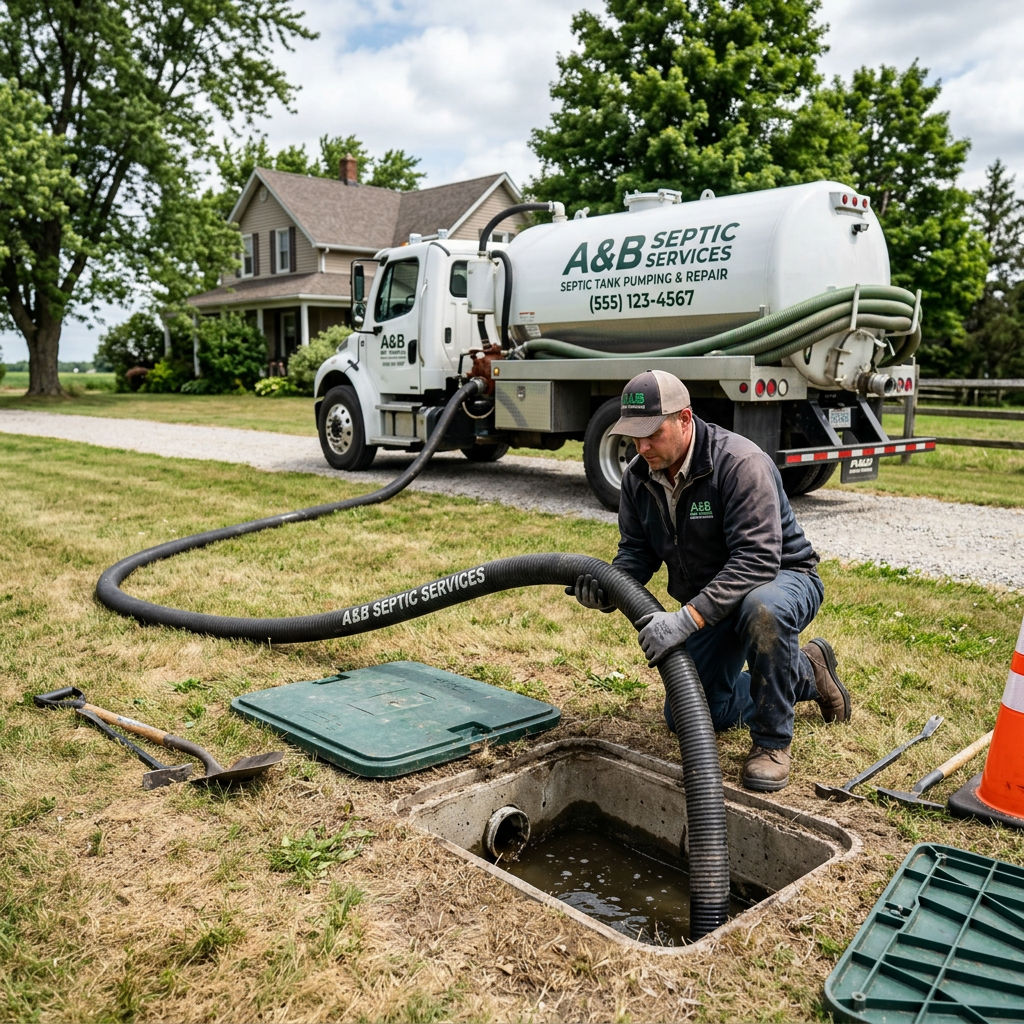
Typically, a failing septic system will give advance warnings of its impending collapse. Initially, your drains may slow. Next, your toilets may begin to gurgle. Then, you might notice an area in your yard becoming soggy or an unusual amount of growth in one area (usually green).
At first, these signs your septic system is failing symptoms are often dismissed as insignificant. However, ignoring them could ultimately result in costly repairs for a failed drain field; or even worse, a sewage back up into your house.
Fortunately, taking corrective measures in time can provide protection to your septic tank and drain field, home, and local ground water. The purpose of this guide is to explain some of the most common indicators of a failing septic system; what those indicators may be telling you; and what steps should be taken once you have determined there is a problem.

Signs Your Septic System Is Failing – Key Takeaways
- Slow draining in multiple locations of the home could be indicative of issues with the septic system, whereas a single slow draining location typically has a localized issue that requires investigation of possible clogs.
- Toilets or drains gurgling may indicate wastewater is unable to move freely within the plumbing system.
- Odors coming from sewage, or water standing on the ground where you have a drain field should also receive immediate attention.
- If you notice green grass above the top of your tank or drainfield it is likely some portion of the waste-water is surfacing.
- Immediate action will be required if raw sewerage enters into your home.
- Children and pets should stay out of contact with all areas where there are active sewers or standing water.
- You should never use chemicals to clean out a clogged drain or add chemicals to the septic system; these alternatives should only be used by professionals who service and inspect septic systems.
1. Several Drains Become Slow
If one fixture drains slowly, then this could indicate a blockage in the drain line for that fixture alone. The slow draining fixture may have hair wrapped around its drain, soap scum buildup on its pipes, food particles stuck inside of the pipes from disposal, or grease which could be preventing the flow of water into the next set of pipes.
However, if all of your kitchen and/or bath fixtures are draining slowly (i.e., slow sinks, slow showers, slow tubs, etc.), as well as your toilet(s) and/or washing machine drain(s), you may need to look elsewhere for the cause of the problem.
This could occur because there is an excessive amount of solids in the septic system, the outlet pipe to the drain field is plugged with roots or other debris, or because the soil in the drain field is unable to absorb the effluent (wastewater).
The U.S. Environmental Protection Agency explains that slow drains can be a sign of septic system malfunction. Still, slow drains can have several causes, so a professional should inspect the system before you assume the tank needs replacement.
Avoid pouring strong chemical drain cleaners into your plumbing. These products may damage pipes and disturb the helpful bacteria inside the tank. If you have noticed several slow drains, reduce water use and schedule an inspection.
2. Toilets or Drains Gurgle
Gurgling toilets are often dismissed as minor issues but can be indicators of potential plumbing concerns. The constant flow of air through the drain line may indicate there is some type of restriction in the wastewater flow through your home’s drainage systems.
The sounds you typically will hear from a toilet include; gurgling immediately after using the toilet, during a shower, when operating the washing machine, or emptying a tub. If you notice bubbles forming on top of the toilet while another appliance (such as the sink) is in use then this is a good indication of a problem.
A gurgling toilet is generally less concerning than one experiencing slow draining, poor odor conditions, or wet areas in the lawn. Any of these additional issues combined could provide an indicator of whether the tank, outlet line, or drain field has become overburdened.
Flushing your toilet multiple times should be avoided when attempting to troubleshoot the condition of your system. Repeated flushing of the toilet increases the load placed upon an already overloaded septic system. Record each occurrence of the gurgling noise and report all instances when you noticed problems with other appliances in your home.

3. Wastewater Backs Up Into the Home
When sewage backs-up into your shower, bathtub, toilet, floor drain or sink it indicates that you are experiencing a serious septic system failure.
Wastewater usually has a color such as gray, brown, or even cloudy. Also, it typically smells very bad. Sometimes wastewater will appear first in a basement floor drain or in a lower level bathroom before it backs up to higher areas of the house.
Backup can be caused by several different factors including but not limited to:
- Your septic tank being too full
- A blockage somewhere between your home and the septic tank (i.e. pipes)
- Damage to an inlet or outlet baffle on the tank
- Clogging of an effluent filter located after the tank
- Failure of a pump which is used for pumping the waste water out of the tank
- A saturated or failing drainfield
Stop using sinks, toilets, showers, dishwashers, and washing machines until the cause is identified. Contact a septic professional or plumber as soon as possible.
Wear waterproof gloves and shoes if you must enter an affected area. Keep children and pets away from sewage. The EPA’s septic system guidance lists sewage backup as a common sign of system failure.
For more information about tank-related problems, read Issues With Septic Tanks: Signs, Causes, and Safe Fixes.
4. You Notice Sewage Odors Indoors or Outdoors
There should never be a consistent sewer odor within your residence or around your property from a properly working septic system.
Inside odors (odor) could result from a dry plumbing trap, damage to piping, improper ventilation of the system, or if raw sewage backs up into the waste line.
Odor (odor) outside the tank or drainfield indicates that some portion of partially treated wastewater is leaking through or at least coming to the surface.
Wind, weather, a dry drain trap and/or a clogged plumbing vent are all possible reasons for short term odors. However, repeated occurrence of odors are a sign of an issue; and the presence of slow draining sinks/toilets/laundry etc., lush green grass on top of your leach field area, water puddling over or near your drainfield area, or sewage visible above ground level is a serious indication of failure.
Never cover a septic odor with air freshener and assume the problem is solved. Find the source. You can learn more about possible causes in Septic Tank Smell Problems: Simple Fixes You Can Try Today.
5. Standing Water Appears Over the Tank or Drainfield
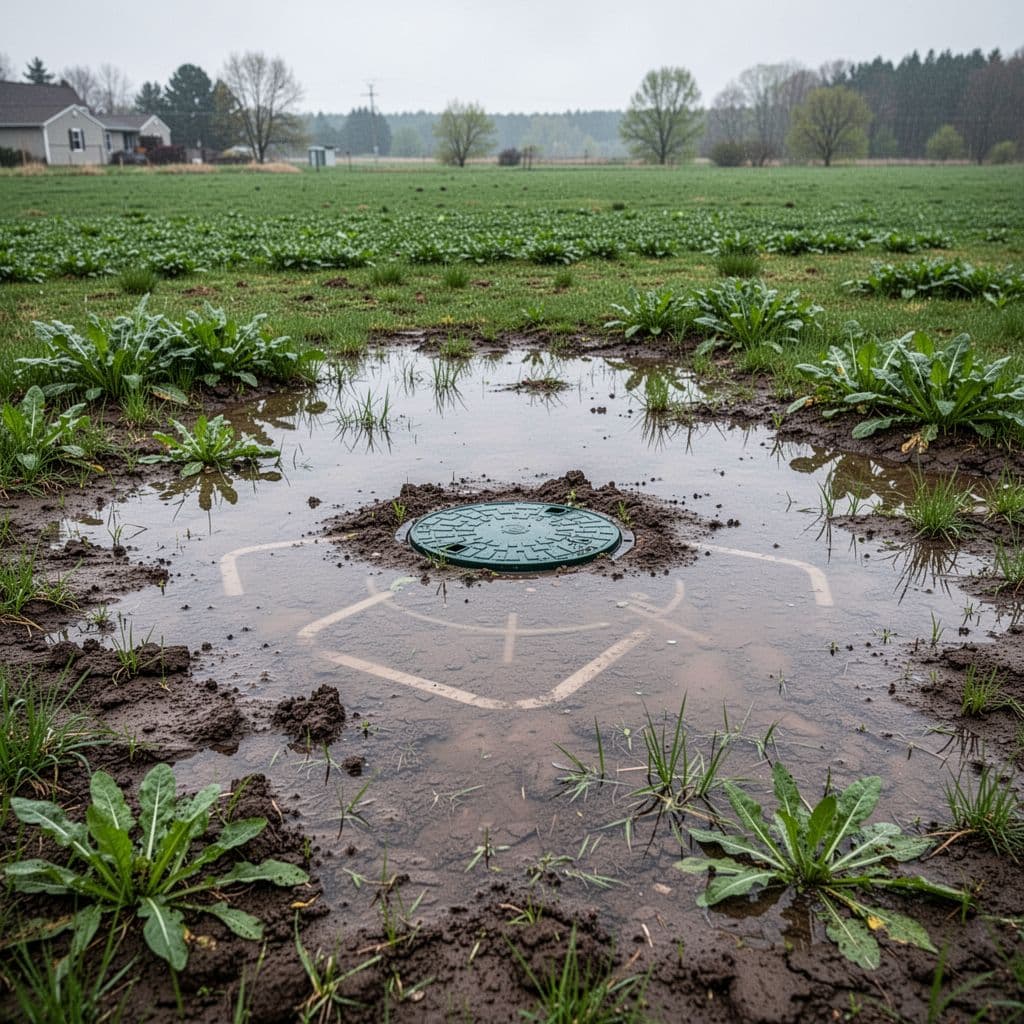
Standing surface water (i.e., standing puddles) on your lawn are usually indicative of an issue with either excessive saturation of the soil or the drainage field is clogged; you can tell when it is raining but still has standing puddles three to four days later.
You might see standing water next to the drainfield or next to the septic system’s components including the septic tank, the distribution box, and where the drainfield lines run.
Please keep all living things, humans and animals alike, off this area. Avoid driving across, planting vegetable gardens, digging, or mowing this area as the surface water is contaminated with potentially hazardous pathogens.
You can learn more about this part of the system in Septic Drainfield: How It Works, Warning Signs, and Care Tips.
6. Grass Over the System Looks Extra Green
You might notice an unusual-looking growth of grass in one spot over your drain field. This could be greenish and thicker than other spots on the rest of your lawn.
Why? Wastewater has many nutrients. If effluent is so high up it’s feeding the grass directly above the septic system then you’ll likely see the nutrients “help” the lawn grow faster.
Just because there are some patches of bright looking (green) grass doesn’t mean the septic system failed. It may just be due to shade, soil type, amount of rain fall, use of fertilizer or natural water flow.
You should take note of all of them before jumping to conclusions. Unusually bright, thick or spongy looking grass along with odors, soggy soil and/or wet areas are indicators of a potential failure.
7. The Yard Smells Bad After Little or No Rain
An unpleasant smell around your septic system may become stronger during warm weather. You may notice it near the tank cover, drainfield, inspection port, or property boundary.
Rain can sometimes push odors toward the surface. However, a strong smell that continues during dry weather may suggest that wastewater is not being treated or dispersed correctly.
Other possible causes include:
- A loose or damaged tank lid
- A blocked plumbing vent
- A dry floor drain trap
- A cracked pipe
- A full tank
- A failing drainfield
Do not remove the lid of your septic tank unless you have been trained in this process and wear all required equipment for safety. There are dangerous gases present in septic tanks. The hole created by removing the lid provides a great potential for falling.
Check to see if there is a seldom used sink or floor drain that has a “dry” trap. Pour water into the dry trap. Monitor the odor from the sink/floor drain and determine if it still exists. If the odor still exists; or if the odor now exists outside of the house as well, schedule an appointment with a licensed inspector.
8. You Need Frequent Pumping
Pumping a tank is normal maintenance. Needing to pump much more often than expected may indicate a larger problem.
A tank can fill quickly if the household uses a lot of water, the tank is too small, or the home has more occupants than the original system was designed to handle. Excess solids, blocked pipes, and drainfield problems can also cause repeated trouble.
If you need emergency pumping every few months, ask the professional to inspect the whole system. Pumping may provide temporary relief, but it will not repair a damaged baffle, broken pipe, failed pump, or saturated drainfield.
9. The Tank or Drainfield Area Is Sunken
A depression in the yard above the septic tank or drainfield may be caused by settling soil. Some settling is normal after installation.
A deepening depression, exposed pipe, cracked cover, or hole near the tank needs prompt attention. It may indicate soil erosion, a damaged tank, a collapsed pipe, or unsafe access to the system.
Never drive a vehicle over the septic tank or drainfield. Heavy equipment can crush pipes, damage the tank, compact the soil, and reduce the drainfield’s ability to absorb wastewater.
Keep the area free of sheds, pools, patios, decks, and other structures unless local rules and a qualified professional approve the plan. If you see a damaged cover, keep children and pets away until it is repaired.
What to Do If Your Septic System Shows Warning Signs
The first thing you can do is reduce your household water usage. Avoid running the washing machine, dishwasher, or taking long showers. Also spread out doing your laundry over multiple days once you have had a chance to assess the issue.
The next step would be to determine if this problem involves only one fixture in your home or all of them. If it’s just one fixture, then you will probably want to call a plumber. However, if the slow draining fixtures are numerous, along with any sewer odors you’ve detected in your yard and/or house, this could indicate issues related to your septic system.
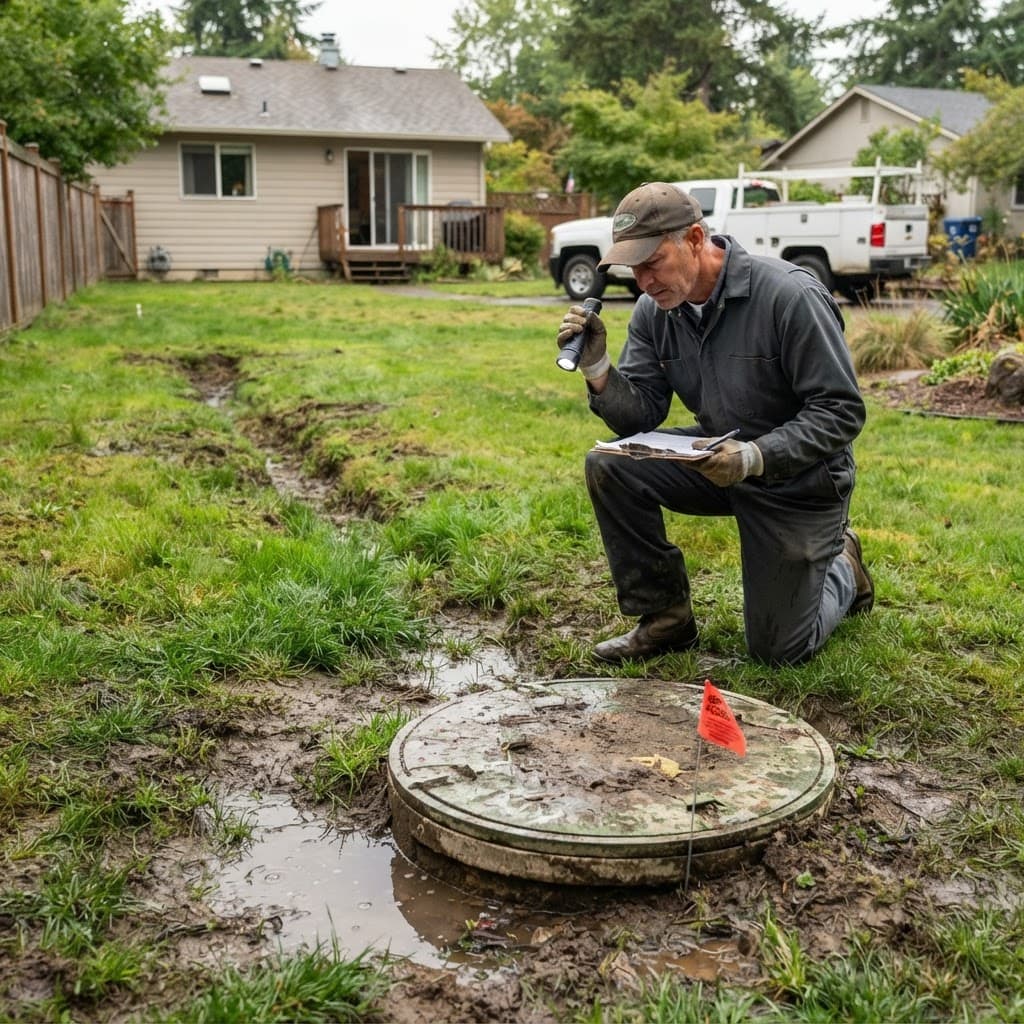
After determining which type of plumbing/Septic related issue you have, you should reach out to a Licensed Septic Professional. They will inspect your septic system, and they should include:
- Tank level
- Sludge and scum levels
- Inlet and outlet pipes
- Baffles
- Effluent filter
- Distribution box
- Pump and electrical components, if present
- Drainfield condition
- Evidence of leakage or sewage surfacing
Do not rely on a septic additive, homemade treatment, or chemical cleaner to fix a physical failure. You can read Natural Septic Tank Additives: What Works and What’s Hype before buying a product that promises a quick solution.
Can a Failing Septic System Be Repaired?
Sometimes, yes.
How much it will cost to fix the problem depends on what caused the problem and how bad the problem is.
For example, a professional may be able to fix a relatively small problem with the septic system by simply draining the tank (pumping), clean a clogged filter, patch a leaky pipe, replace a worn-out baffle, or fix the pump.
However, if the drain field is severely damaged, then one of three things may need to be done: either soil restoration may be required; there could be some problems in the distribution pipes that need to be repaired; or a portion of the drain field may have to be replaced.
In addition, if the tank has become cracked over time, was originally too small, was put in improperly when built, or is now beyond repair, it will likely need to be replaced.
Local Health Departments typically require permits and inspection prior to performing most repairs.
How to Prevent Septic Problems
Good daily habits can reduce stress on the system:
- Fix leaky faucets and toilets;
- Wash clothing throughout the week (to avoid excessive use at one time);
- Replace all old, inefficient fixtures with newer, water conserving ones;
- Do NOT dispose of grease, paints, solvents or other strong/chemical substances in your home’s plumbing lines;
- Only flush the three P’s: Paper, Pee & Poop.
- Remove all large vehicles and equipment from around the septic area.
For a simple routine plan, use the Septic Tank Maintenance Checklist.

Signs Your Septic System is Failing – Frequently Asked Questions
What is the first indication of septic system malfunction?
While there will be many different first indications in each home, these include slow draining sinks throughout the home, gurgling sounds coming from the pipes, sewer smells, and unusual amounts of wetness in the yard.
Slow drains on one sink could simply indicate a clogged drain line in that area, but slow drains at multiple locations throughout your home often point to a larger issue with either your tanks or drain field.
Does an overflowing septic tank cause slow drainage?
Yes. In addition to causing the slowness associated with all clogs, if your septic tank has reached its capacity and cannot store additional liquid waste then the flow of waste into the lines leading out of your home will also slow down. Similar symptoms may be caused by a blocked pipe or failing drain field; thus, just pumping the tank alone may not correct the problems being experienced.
Are large areas of green grass above my septic tank usually a problem?
No. While many times large areas of green grass above your septic tank or drain field can mean excessive moisture, which indicates possible malfunction in your septic system, they can sometimes be attributed to other factors such as: heavy rainfall, high levels of organic matter (such as manure) added to your soil, etc. Therefore, while the appearance of very lush, soft green grass above your septic system does require further investigation, the color of this grass itself should not necessarily prompt immediate alarm until you consider how much moisture normally exists in that specific location under typical weather conditions.
Use as little water as possible until the system is inspected. Avoid laundry, long showers, dishwashers, and unnecessary toilet flushing. If sewage is backing up, stop using the plumbing and call for help.
Are septic additives a good way to fix a failing system?
No additive can repair a broken pipe, damaged tank, blocked outlet, or failed drainfield. Some products may support a system, but they should not replace pumping, inspection, or repair. Read Do Septic Tank Treatments Really Work? Myths vs. Facts for more information.
Is septic wastewater dangerous?
Untreated or partially treated sewage can contain harmful microorganisms. Avoid contact with standing wastewater, keep pets and children away, and wear waterproof gloves and boots if cleanup is unavoidable.
Final Thoughts
A septic system usually gives signs that it will fail before it actually does. Some common signs include slow draining of water in sinks and showers; bubbling sounds coming from toilets, sinks and shower heads (these can also be an indication that there is air trapped in your pipes); foul odor around the inside and outside of your home; standing water; green grass in areas where you would not expect it to grow; and raw sewage backing up into your home.
Not all of these signs are necessarily indicative of a problem with your septic system. Many times they indicate normal problems related to your plumbing systems. In some cases, they could indicate that one of the tanks within your septic system is at capacity, or that the drain field is beginning to fail. The best course of action when you experience one or more of these symptoms is to have a licensed plumber inspect your entire septic system.
If you act quickly enough, many of the potential long-term damages associated with your septic system failing will be avoided. Your personal property will likely be protected as well. Most importantly, if your septic system is allowed to fail completely, it will likely send untreated raw sewage through your home and potentially contaminate ground-water. Don’t delay in seeking assistance until you experience a complete failure of your septic system.
Give your septic system extra support with SeptiFix, an easy-to-use monthly tablet designed to help maintain a cleaner, healthier tank between professional inspections.

Affiliate Disclosure
This article may contain affiliate links. If you purchase a product through one of these links, we may earn a small commission at no extra cost to you.
We only link to products that may be relevant to septic system care and maintenance. However, affiliate relationships do not affect our opinions or recommendations. Always read product labels and consult a licensed septic professional for system failures, backups, or repair needs.
Disclosure
This article is for general informational purposes only. Septic system problems can vary by property, soil type, system design, and local regulations. The information provided does not replace an inspection, diagnosis, repair recommendation, or advice from a licensed septic professional.
If you notice sewage backups, strong odors, standing wastewater, or other warning signs, reduce water use and contact a qualified septic service provider. Septic laws and maintenance requirements vary by location, so check with your local health or environmental department.
This article may contain links to other websites for additional information. These links are provided as helpful resources and do not imply endorsement unless stated otherwise.
Related Posts