If your home uses a septic system, regular pumping is one of the most important maintenance tasks you can schedule.
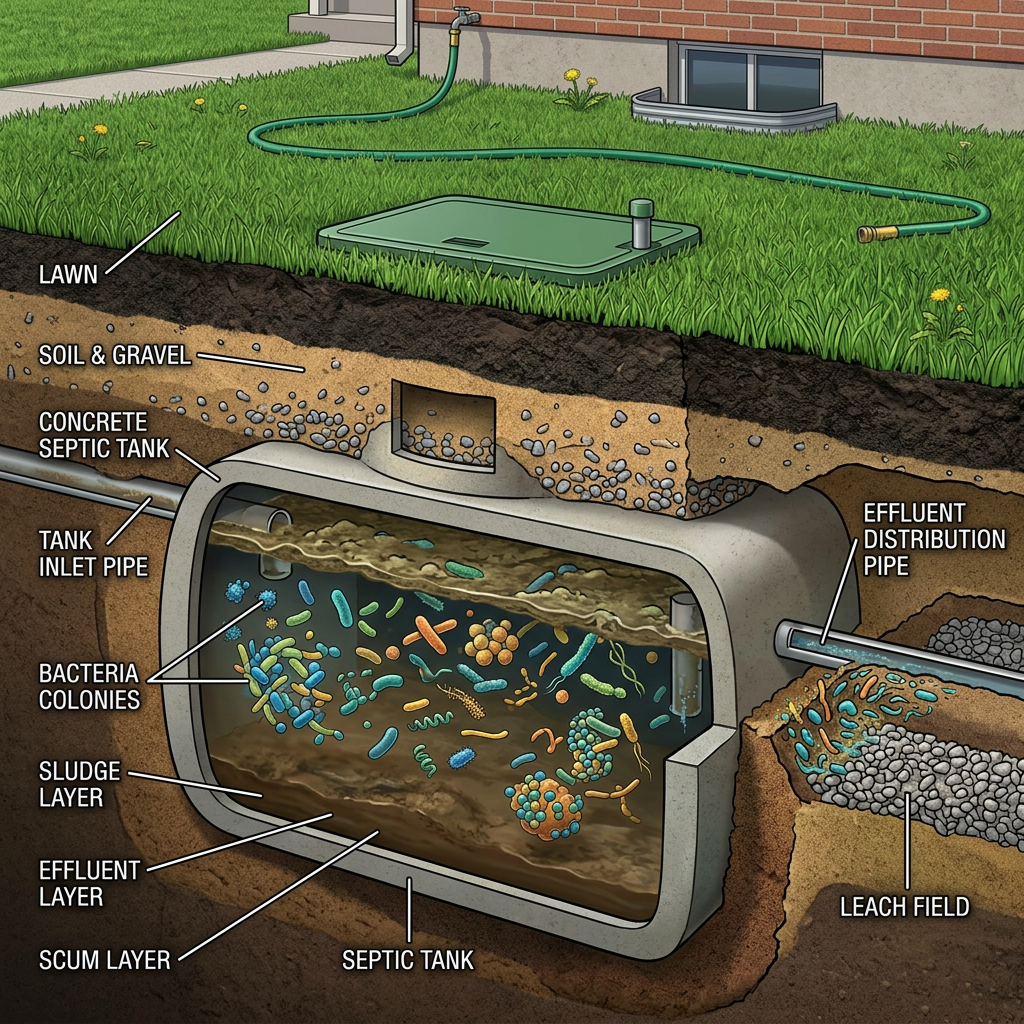
Septic tanks collect wastewater from your home. Heavy solids sink to the bottom and form sludge. Grease and lighter materials float to the top and form scum. Bacteria break down some of the waste, but they cannot remove everything.
Over time, sludge and scum build up. If they are not removed, solids can flow into the drainfield. This may cause backups, odors, standing water, and expensive repairs.
So, how much does it cost to pump a septic tank?
In 2026, homeowners typically pay about $292 to $564 for septic tank pumping. The average cost is about $428, according to Angi’s septic tank pumping cost guide.
Your final price may be lower or higher. Tank size, access, location, waste levels, travel distance, and emergency service can all affect the bill.
How Much Does It Cost to Pump a Septic Tank – Key Takeaways
- Septic tank pumping usually costs between $292 and $564 in 2026.
- The national average is about $428, but local prices vary.
- Larger tanks usually cost more to pump.
- Buried or difficult-to-access tanks may require extra labor.
- Emergency, weekend, and holiday service often costs more.
- Pumping removes waste, but it does not repair a damaged tank or drainfield.
- The EPA recommends septic inspections every one to three years and pumping about every three to five years.
- Septic additives cannot replace professional pumping.
- Regular maintenance costs much less than septic system replacement.
Average Septic Tank Pumping Cost in 2026
The cost of pumping depends partly on the size of your tank. Larger tanks hold more wastewater and solids, so they usually take longer to empty.
Here are estimated costs for common tank sizes:
| Tank size | Estimated pumping cost |
|---|---|
| 750 gallons | $250 to $550 |
| 1,000 gallons | $325 to $700 |
| 1,250 gallons | $375 to $900 |
| 1,500 gallons | $450 to $1,100 |
| 1,750 gallons | $550 to $1,250 |
These are national estimates. They are not guaranteed prices for every area.
A small tank with exposed lids and easy truck access may cost close to the lower end of the range. A larger tank with buried lids, heavy sludge, or difficult access may cost much more.
The price may also increase if the technician needs to locate the tank, dig down to the lids, clean a filter, or inspect the rest of the system.
What Factors Affect Septic Pumping Cost?
Several factors can change the price of a septic tank pumping appointment.
1. Tank size
The larger the tank, the more waste the pumping truck must remove. Large tanks also take more time to empty and transport.
Most residential septic tanks hold between 1,000 and 1,500 gallons. Some smaller homes use tanks with a capacity of 750 gallons. Larger homes, guest houses, or properties with high water use may have larger tanks.
If you do not know your tank size, check your septic permit or property records. Your local health department may also have a copy of the original septic system design.
2. Tank access
A tank with exposed, easy-to-open lids is usually cheaper to service than one buried several feet underground.
You may pay more if:
- The tank location is unknown
- The access lids are buried
- The lids are damaged or difficult to remove
- A fence blocks the service truck
- The truck cannot get close to the tank
- The soil is muddy or unstable
- Landscaping must be removed
- The tank is under a driveway or other structure
Some homeowners install risers over their tank access points. Risers bring the lids closer to ground level and can make future pumping and inspections easier.
Ask a septic professional whether risers are suitable for your system. Local rules may control how they are installed.
3. Amount of sludge and scum
A tank that has not been pumped for many years may contain a large amount of sludge and scum.
Heavy buildup can make the job take longer. It may also reveal other problems, such as:
- A blocked outlet filter
- Damaged baffles
- A clogged pipe
- Cracks in the tank
- Solids moving toward the drainfield
Ask the technician to explain the condition of the tank after pumping. A written report can help you plan future maintenance.
4. Travel distance
Septic service companies often charge based on their travel distance from your property.
Travel fees may be higher if you live in a rural area or far from the nearest pumping company. Fuel prices and local disposal fees can also affect the quote.
Before scheduling service, ask whether the price includes:
- Travel
- Waste disposal
- Pump truck setup
- Minimum service fees
- Additional mileage
5. Emergency service
Routine appointments are usually less expensive than emergency calls.
You may pay more for service during:
- Evenings
- Weekends
- Holidays
- Severe weather
- Short-notice appointments
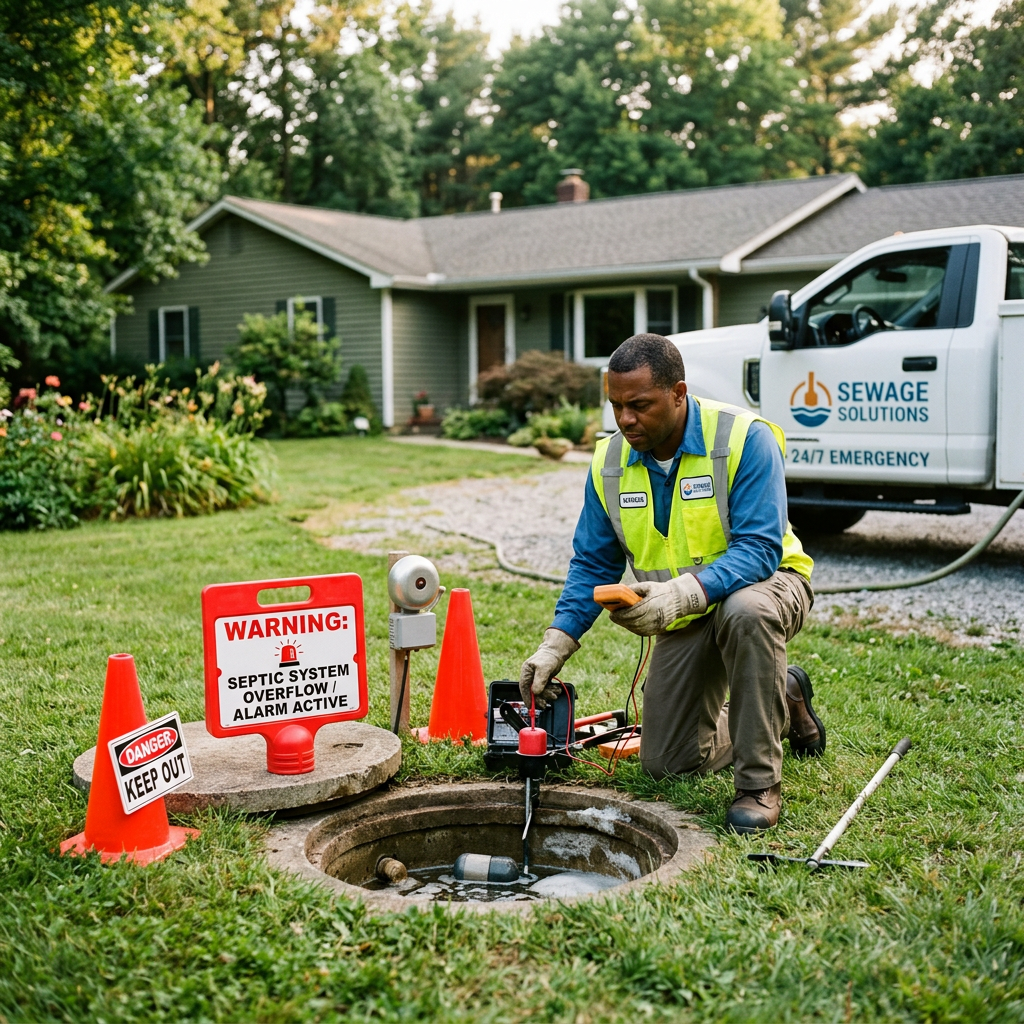
Emergency pumping may be necessary if sewage is backing up into your home. However, a backup can also be caused by a blocked pipe, failed pump, damaged baffle, or drainfield problem.
Reduce water use while you wait for help. Keep people and pets away from sewage, and avoid touching contaminated surfaces without proper protection.
6. Local regulations
Some areas require septic companies to have specific licenses or permits. They may also have rules for transporting and disposing of septage.
These requirements can affect the cost of service. A company that follows local regulations may charge more than an unlicensed operator, but proper disposal protects your health and the environment.
Check your local health or environmental department if you are unsure which companies are approved in your area.
What Does Septic Tank Pumping Include?
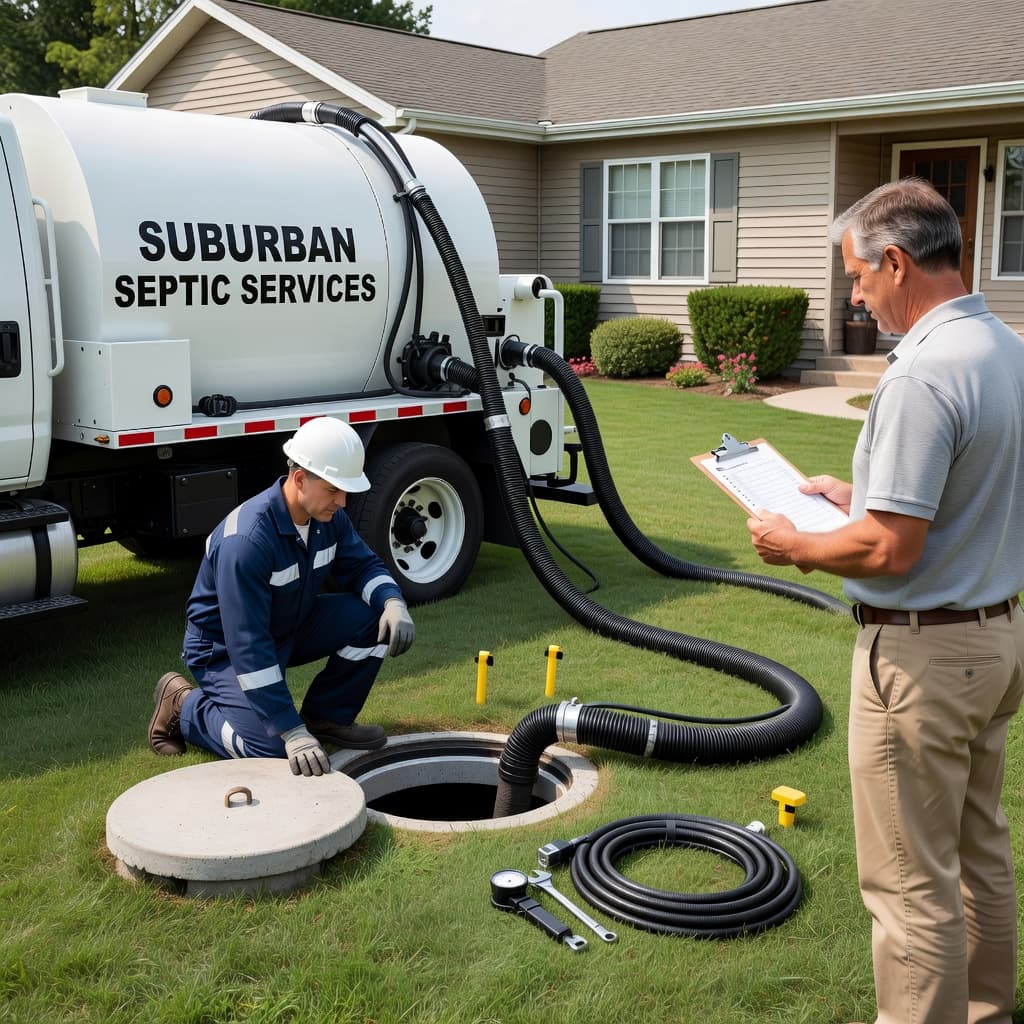
A standard pumping service removes the liquid, sludge, and scum from your tank. The technician connects a hose from the tank to a vacuum truck. The truck then transports the wastewater and solids for approved disposal.
A reputable company may also include a basic visual check. Ask whether the service includes:
- Locating the septic tank
- Exposing buried access lids
- Opening and closing the tank
- Removing the tank contents
- Checking the inlet and outlet baffles
- Cleaning or checking the effluent filter
- Looking for visible cracks or leaks
- Measuring sludge and scum levels
- Replacing damaged access covers
- Providing a written service report
Not every company includes these tasks in its basic price.
Get an itemized quote before work begins. This helps you understand whether the company is charging for pumping only or for additional inspection and maintenance services.
You can also read our Septic Tank Pumping Guide to learn more about what happens during a routine pump-out.
Pumping Is Different From Inspection and Repair
Septic pumping removes accumulated waste from the tank. It does not fix every septic problem.
An inspection checks the condition of the tank and its components. A more detailed inspection may examine:
- The tank structure
- Inlet and outlet pipes
- Baffles
- Effluent filters
- Pumps and floats
- Distribution boxes
- The drainfield
- Signs of leaks or sewage movement
Repairs are a separate service. Common repairs may include replacing a baffle, repairing a pipe, fixing a pump, sealing a crack, or restoring part of a drainfield.
Some companies include a basic inspection with pumping. Others charge an additional fee. Ask what is included before you compare quotes.
How Often Should You Pump a Septic Tank?
The U.S. Environmental Protection Agency recommends having a typical septic system inspected every one to three years and pumped about every three to five years.
This is a general guideline. Your household may need more frequent pumping if:
- Many people live in the home
- The tank is small
- You use a garbage disposal
- The home has high water use
- The system receives heavy seasonal use
- The tank has a history of fast sludge buildup
- The system includes pumps or electrical components
The EPA also recommends pumping based on the amount of sludge and scum in the tank, not just on the calendar.
A professional may recommend pumping when:
- The bottom of the scum layer is within six inches of the outlet
- The top of the sludge layer is within 12 inches of the outlet
- Sludge and scum make up more than 25 percent of the liquid depth
Read our detailed guide on How Often Should You Pump a Septic Tank? for more information.
Signs You May Need Septic Tank Pumping
Do not wait for a complete backup before calling a professional. Early warning signs may include:
- Slow drains throughout the house
- Gurgling toilets
- Sewage odors
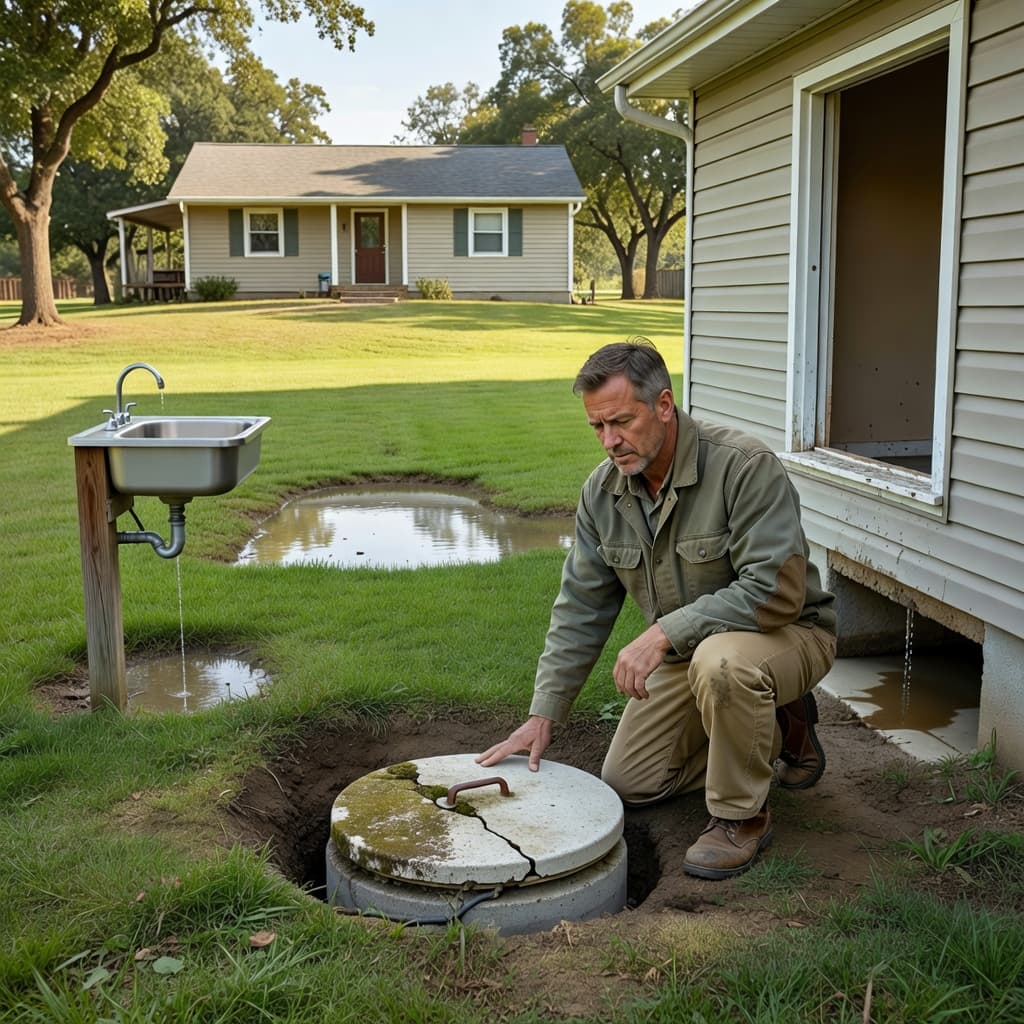
- Water pooling near the tank
- Wet ground over the drainfield
- Unusually green grass near the system
- Sewage backing up into a sink, bathtub, or toilet
These symptoms do not always mean the tank is full. A blocked house sewer line, failed pump, damaged baffle, or failing drainfield can cause similar problems.
Our guide to 7 Signs Your Septic Tank Is Full explains what to check and when to call for help.
Can Septic Additives Replace Pumping?
No. Septic additives cannot replace regular pumping.
There are many products which claim to digest sludge, eliminate odor, or reduce the need for professionals. However, a well-maintained septic system has bacteria already present to breakdown wastewater. These bacteria will not cause all solid matter to simply evaporate; solids still continue to build-up and require periodic removal.
According to the EPA’s septic system care guidance, septic additives are not necessary for a properly maintained domestic septic system. Some products may even affect drainfield performance.
When considering to use additives instead of:
- Routine inspections
- Measuring the sludge
- Professional pumping
- Repairs
- Appropriate water usage
A treatment product cannot repair a broken pipe, cracked tank, damaged baffle, blocked outlet filter, or failed drainfield.
How to Get an Accurate Septic Pumping Quote
Contact two or three local septic companies before booking service. Give each company the same information so you can compare the quotes fairly.
Tell them:
- Your tank size, if known
- The last pumping date
- The location of the tank
- Whether the lids are exposed
- Any current symptoms
- Whether you need routine or emergency service
Ask these questions:
- – is the price for a full pump-out?
- – are travel and disposal fees included?
- – is tank locating included?
- – is digging included if the lids are buried?
- – will the technician inspect the outlet filter?
- – is a basic inspection included?
- – will you get a written report?
- – are there additional fees for hard to reach areas?
- – does the company meet all local licensing requirements?
- – what would happen if the technician found damage?
Be wary of extremely low quotes. Low prices may not include digging, disposal, travel, or total removal of all contents from your tank.
An itemized quote in writing helps you to better compare different companies and avoid unexpected charges.
Ways to Lower Septic Maintenance Costs
While you cannot delay pumping indefinitely, proper maintenance will likely save you money by preventing larger repair bills.
Keep tank access clear
Try to maintain space around your tank and drainfield. Avoid building structures like sheds, decks, driveways, etc. Directly on top of your tank or drainfield. Try to ensure access covers remain unobstructed and easily accessible
Fix plumbing leaks
Leaky toilets can send massive amounts of water into your septic system. Repair any leaky faucets, leaky toilets, and clogged drains immediately.

Spread out laundry
Doing multiple loads of laundry in one day sends excessive water into your septic system. Space out your laundry days across the week.
Use water carefully
Water conserving fixtures should be installed wherever feasible. Excessive wastewater can overwhelm your tank and drainfield.
Dispose of waste correctly
Only flush human waste and toilet paper down the toilet. Remove wipes, paper towels, grease, oils used in cooking, sanitary items for women, and chemicals from your septic system.
Protect the drainfield
Never park cars or operate heavy equipment on top of your drain field. Also avoid directing roof run-off, sump pumps discharges, or surface water onto your drain field.
Keep service records
Write down each pumping date, sludge level, results of inspections, repairs completed, and names of service companies. Keeping good records allows you to create a maintenance schedule for your septic system and also provide documentation should you decide to sell your home.
Is Septic Tank Pumping Worth the Cost?
es. While pumping your septic tank is generally a routine maintenance expense, it ensures the integrity of the remainder of your septic system.
Generally speaking, it is less costly to pump your septic tank periodically than it is to repair or replace a failed septic system. As stated in the EPA’s septic system maintenance guidelines, regular maintenance reduces the risk of back-ups, groundwater contamination and extensive failure of your septic system.
The actual cost to pump a septic tank varies depending upon such things as tank size, location, accessibility, local pricing and type of service needed. Obtain an itemized quote from a reputable local company; keep all access points clear; obtain professional measurements to develop a scheduled maintenance program.
How Much Does It Cost to Pump a Septic Tank – FAQ’s
How much does it cost to pump a 1,000-gallon septic tank?
Pumping a 1,000-gallon tank can range anywhere from $325-$700. Prices may fluctuate based on factors such as travel distance, ease of access to the tank, waste volume within the tank and whether or not the service was routine or an emergency.
How much does it cost to pump a 1,500-gallon septic tank?
Pumping a 1,500-gallon tank can range anywhere from $450-$1100. Burying lids under dirt, having poor accessibility to the lid(s), high volumes of sludge buildup, local disposal costs and difficulty accessing the tank are examples of how prices can escalate.
Can I pump my septic tank myself?
Self-pumping on your own is strongly discouraged. Septic waste requires unique and certified equipment and a legal way to dispose of it. Hire a trained expert who will properly and lawfully remove the waste from your tank.
Does septic pumping remove all septic problems?
No. Pumping removes all sludge, scum and wastewater from the tank. It does not resolve issues with:
-Broken tanks
-Blocked pipes
-Damaged baffles
-Failed pumps
-Failing drain fields
Does pumping include an inspection?
Depends on the provider. Some offer basic visual inspections as part of their service while others may charge extra for a detailed evaluation of your entire septic system. Before booking service ask what services are included in the quoted price.
Can septic additives prevent pumping?
No. There is no additive available today that can remove all of the sludge from your tank nor act as a substitute for professional pumping. A functioning properly maintained septic system will rarely require additive products.
How long can a septic tank last?
Your tanks longevity is dependent on several factors including materials used for construction of your tank; quality of installation; soil conditions surrounding your tank; frequency of maintenance performed; proximity to groundwater.. Read our guide on How Long Can a Septic Tank Last? for more details.
Septifix offers a simple monthly tablet designed to support septic tank maintenance, reduce odors, and help break down organic waste.

Disclaimer
This article is for general informational purposes only. Septic tank pumping costs, maintenance requirements, and local regulations vary by location, tank size, system design, and property conditions. Price ranges in this guide are estimates and are not guaranteed quotes.
This information is not a substitute for advice from a licensed septic professional, local health department, or qualified contractor. Contact a local professional for an inspection, pumping schedule, repair recommendation, or cost estimate. If sewage is backing up into your home or pooling near the septic system, reduce water use and seek professional help promptly.
Affiliate Disclosure
This article may contain affiliate links. If you purchase a product through one of these links, we may earn a small commission at no extra cost to you.
We only link to products that may be relevant to septic system care and maintenance. However, affiliate relationships do not affect our opinions or recommendations. Always read product labels and consult a licensed septic professional for system failures, backups, or repair needs.
Related Posts