Cold Weather Septic Care Checklist for Homeowners (Freeze-Proof Your System)
In the winter, yards are silent; the earth is solid and the air bites your nose and your footstep sounds different on a cold, frosty walk. But even though everything else has gone quiet, your septic system continues to work until it no longer does.
Cold weather septic care keeps problems from developing as long as the soil will hold its shape.
Cold weather septic care helps you stay away from a winter backup when snowplows can’t get to your house quickly.
Cold weather septic care gives you a sense of satisfaction for completing small jobs when the forecast says it’s going to be cold.
I have seen little winter habits prevent big messes for people who have septic tanks in their homes. In cold weather, you’re battling slow bacteria, a frozen earth, and water that wants to freeze in the worst possible locations. If you’ve noticed a strong cold weather septic smell, winter air can move that odor directly to your front door.
You don’t need to develop some sort of complicated plan. All you need to do is create a simple, easy-to-follow checklist you can use today, and then develop some good, simple habits you can continue until spring.
Winter risks to your septic system, and what they look like
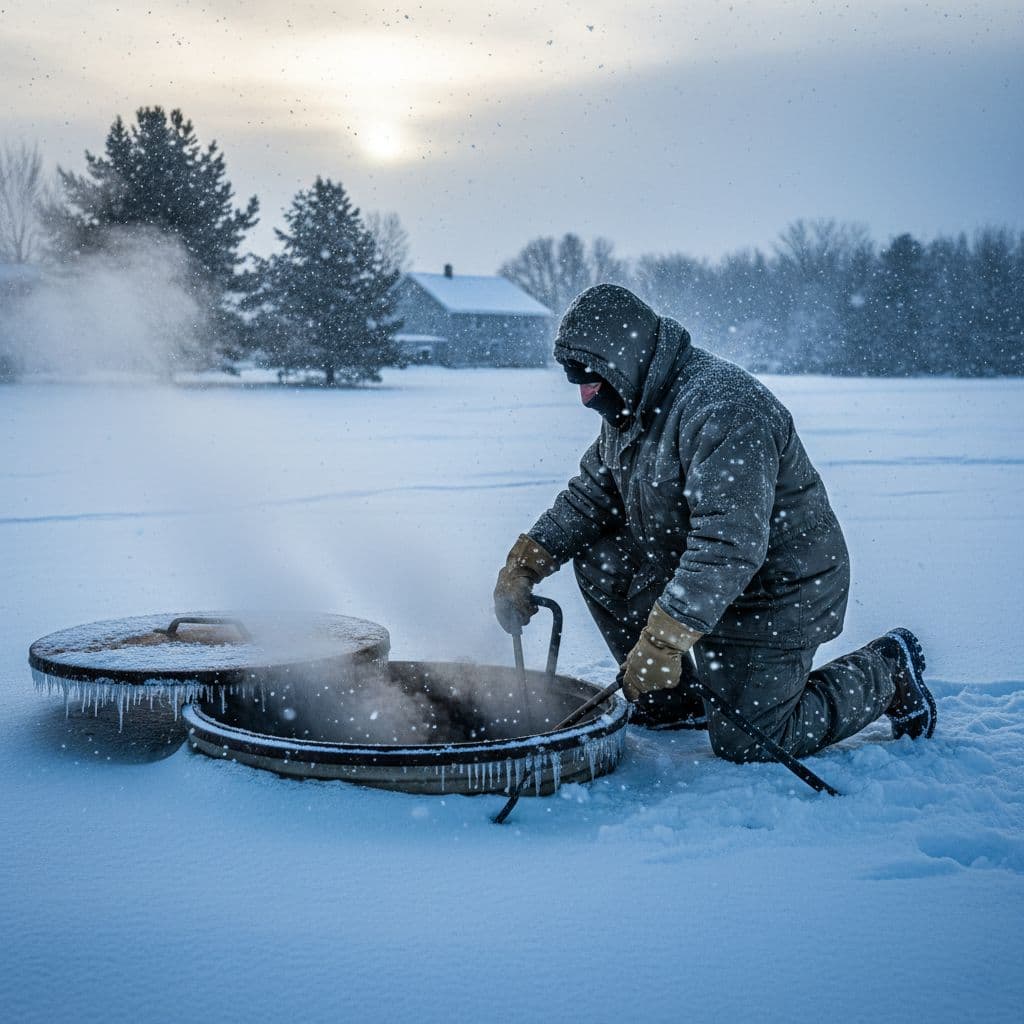
Winter does not “break” a septic system with one major event; instead, it slowly compresses the system. pipes get cooler, the ground gets tighter, and the natural process of the septic tank works at an even slower pace than usual. The goal of winter septic maintenance is to keep the system working steadily and uneventfully — as well as to notice any slight changes that could potentially lead to a Saturday night emergency.
You should think of your septic system similar to a campfire that has been placed under a large pot. During warmer months, the flame on the fire continues to burn steadily, and all components continue to move smoothly. However, during the winter months, the wind removes heat from the fire, the firewood burns very slowly, and the pot will begin to simmer in a direction other than what is desired.
The two main areas of winter-related stress for a septic system are relatively easy to understand:
- Freezing temperatures can chill shallow pipes, especially if they run close to the surface.
- Frozen or compacted soil can stop wastewater from soaking into the ground the way it should.
- Slower bacteria in the tank can leave more solids behind.
- Snow and ice loads can hide problems and make access harder when you need it.
I keep an eye on these signs first. They tell you what’s happening without guessing.
Why a septic tank in cold weather can act up
A septic system works by flow (water moving through the pipes), warmth (bacteria in the tank), and air space in the soil to facilitate the movement of water into the soil for filtration. All three factors are disrupted during cold weather.
Lines may become frozen either as an inlet or outlet due to the pipes being shallow, improperly insulated, or exposed to the elements. Initially, lines may partially “freeze” rather than completely freezing. When this occurs, partial freezing (or slushing) can lead to random low flow drains that appear to be normal until they disappear.
Another common problem caused by heavy, compacted snow falling onto the drain field, is the ability of the snow to act as insulation (a light covering may provide some insulation). However, a thick layer of heavy compacted snow will have a similar effect to pressing against the drain field, pushing the frost further downward into the soil and freezing the upper layers of the soil where the drain field is supposed to allow water to enter the soil.
In addition to affecting the soil, less evaporation and less active soil conditions will also affect the operation of the system. During the winter season, very little evaporation takes place from the surface of the soil, vegetation is dormant and does not require moisture, and the soil itself cannot absorb water quickly enough to process additional quantities of water entering the soil. This results in the system having limited flexibility should large amounts of water be dumped into the system in a short period of time.
Inside the tank, the rate of biological breakdown is slowed by cold temperatures. Although bacteria will continue to operate, their activity rates are reduced. As a result of the reduced bacterial activity, there is a greater likelihood that solids present in the waste will not break down properly and therefore will remain suspended in the tank, increasing the risk of these solids migrating towards the drain field when the system is stressed.
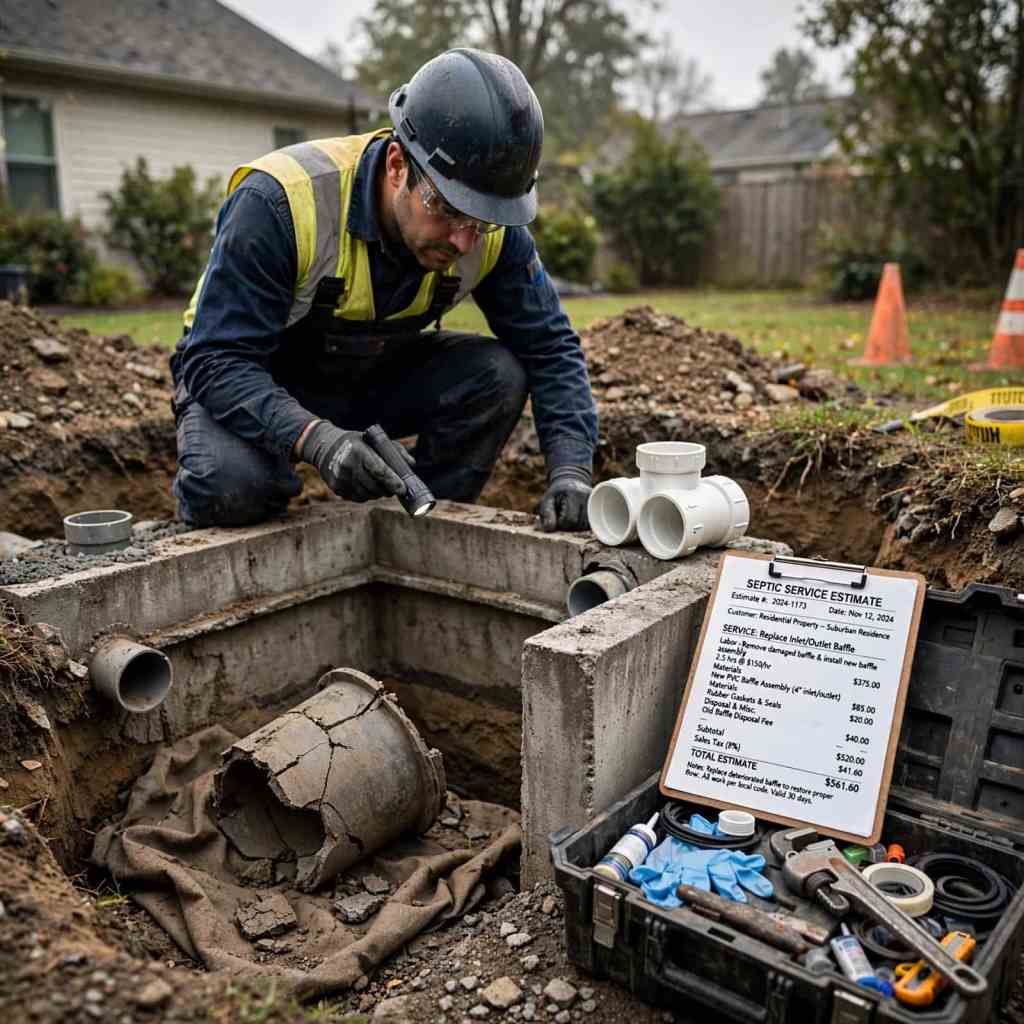
Repeated freeze-thaw cycles can cause soil to shift or move. This shifting of the soil can exert additional pressure on tank lids, risers, and joint connections between pipes, particularly if water accumulates above the tank lid and then freezes.

Early warning signs you can spot before it becomes an emergency
Winter problems rarely start with a full backup. They usually whisper first. Watch for these signals:
- Slow drains in sinks, showers, or tubs that keep returning
- Gurgling sounds after you flush or drain a sink
- Sewage odors indoors, especially near bathrooms or the laundry area
- Wet spots or spongy ground over the drainfield during cold weather
- Toilets backing up, even once
- Unusually green grass in winter over part of the drainfield (when everything else looks dull)
- A strong cold weather septic smell outside near the tank area, drainfield, or plumbing vent
Don’t brush off a pattern. One slow drain can be a clog. Multiple slow drains, gurgling, and odor together are your system asking for help.
Cold Weather Septic Care Checklist, do these steps before and during a freeze
You should take this as your winter grocery list. What you’re trying to do is maintain stability in the system, and during extreme cold snaps, that’s where you’re going to be able to make progress with your tank.
Keep heat in, protect pipes, lids, and the drainfield
Before winter
- Add 8 to 12 inches of straw or mulch over shallow septic lines where allowed, this is cold weather septic care that helps hold ground warmth (skip plastic because it traps water and can create ice).
- Check that riser lids and cleanout caps are snug, this cold weather septic care step blocks wind and stops meltwater from sneaking in and freezing.
- Mark tank and riser locations with tall stakes before snow covers everything, quick access is cold weather septic care that saves time if you need service.
- Fill low spots over the tank or drainfield so water doesn’t pool and freeze into a hard bowl.
- Keep vehicles, trailers, and heavy equipment off the tank and drainfield. Weight can crack parts and compact soil when it’s already stressed.
During deep cold
- Keep a steady indoor temperature, a warmer home helps keep pipes from chilling near exterior walls.
- Let snow stay light and fluffy over the drainfield when possible. Don’t plow, drive, or stomp it down. Light snow insulates, heavy packed snow drives frost deeper.
After heavy snow
- If you must clear, shovel gently and avoid scraping down to bare ground over the drainfield.
- Re-check your markers. A buried access cover turns a simple visit into a messy dig.

Use water in a winter-smart way so you don’t overload the system
Water is the one thing you control every day. In winter, a large, sudden dump can push solids toward the drainfield, especially when the soil is cold and slow to absorb.
Before winter
- Repair running toilets and dripping faucets, this cold weather septic care habit prevents constant flow that chills lines and overfills the tank.
- Check your sump pump and roof drains, and make sure they don’t discharge toward the drainfield.
During deep cold
- Space out laundry loads, one load per day is often easier on the system than three in a row (this cold weather septic care habit keeps the tank from surging).
- Keep showers reasonable and avoid back-to-back long hot showers when the house is full.
- Go easy on the garbage disposal, less ground food means fewer solids building up in the tank.
- Don’t dump fats, grease, or oily soups down the drain. Grease can congeal in cold pipes and cling inside the tank.
- If you host guests, stagger water use. The system doesn’t care that it’s a holiday.
I like to do this on the first cold weekend. You’ll feel the difference in how smoothly everything runs when the temperature drops hard.
After heavy snow
- Watch for slow drains right after a big snow and deep cold combo. That timing can hint at frost pressure on the system.
- If you’ve been melting snow indoors (wet boots, extra mopping), be mindful that the extra water still ends up in the tank.
Protect the bacteria that do the work inside the tank
Your tank is an active workplace, your bacteria (the “staff”) are already working at a reduced rate due to the cold weather, so don’t make their job even more difficult.
Before winter
- Put “septic-safe” cleaners on your shopping list, small changes here are cold weather septic care that protects the tank’s balance.
- If you’re due for pumping, schedule it before the ground freezes. A full tank has less room for winter surges.
During deep cold
- Avoid dumping bleach, solvents, paint, and harsh drain cleaners. Those can knock bacteria back when they’re already slow.
- Use smaller doses of cleaning products and follow label directions, more soap doesn’t mean a cleaner home.
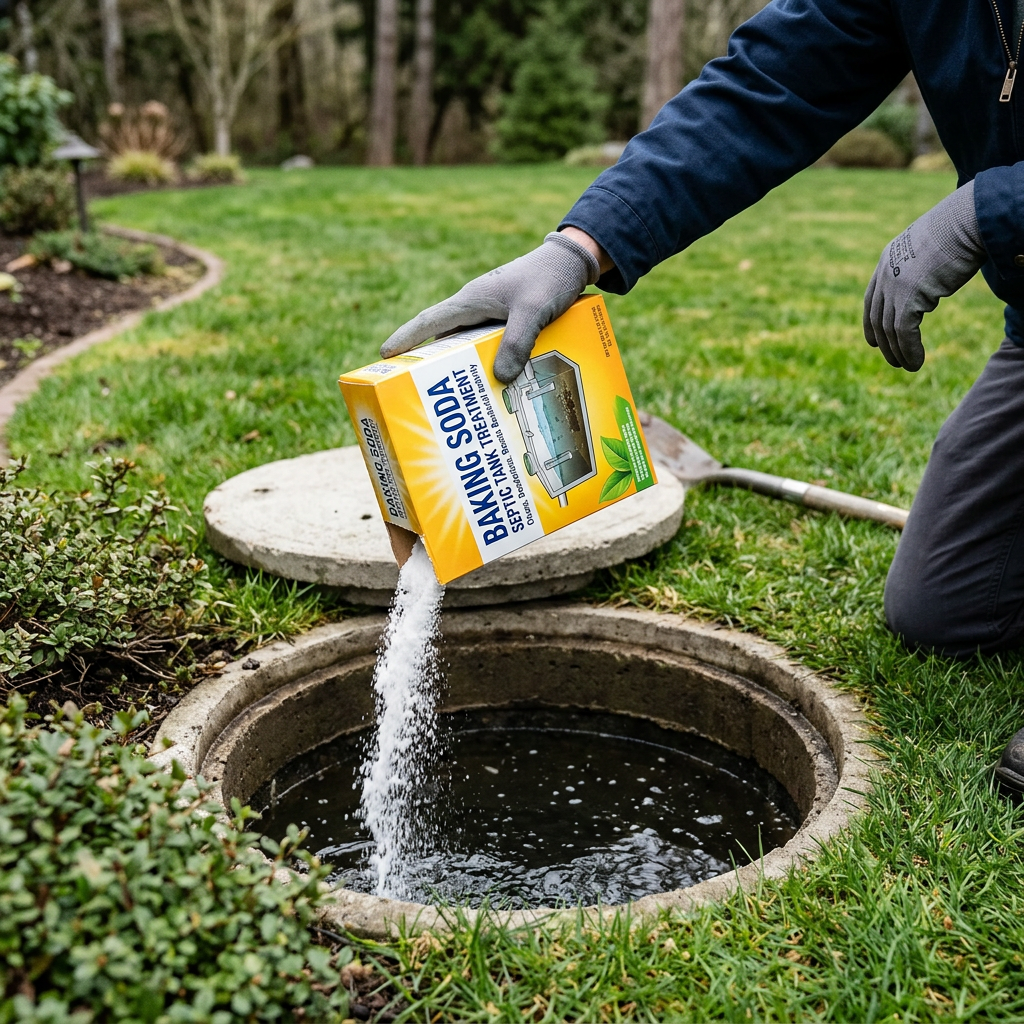
- Skip “miracle” additives in most cases. If you pump on schedule and use normal household products, the tank usually has what it needs.
I write the date on a note so I don’t forget. Track your last pump, your last inspection, and any odd symptoms. That short record can save hours later.
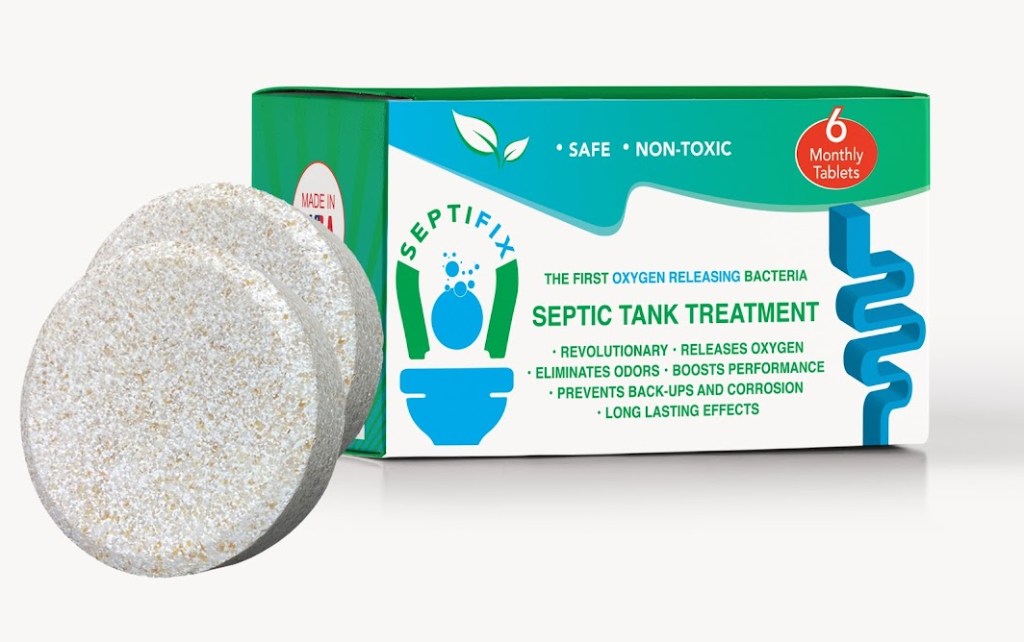
Does septic tank treatment work in cold weather? Cold temperatures slow the bacteria in a septic tank, so biological treatments may work more slowly. Additives won’t thaw frozen pipes or fix a failing drainfield, and a properly maintained system usually doesn’t need them. Follow the product label, and call a septic professional if you notice backups or signs of a frozen line.
After heavy snow
- Don’t open the tank “just to check.” Let the system stay sealed and warm.
- If you’re worried about pumping access, call ahead and ask what the company needs from you (like uncovering a lid without damaging it).
Cold weather septic smell, quick fixes and when to call a pro
Winter smells affect me in ways that other seasons do not. The clean air of cold temperatures makes even a slight smell from sewage stand out like a smoky cloud in an otherwise clear room. Winter septic maintenance here involves both the comfort of knowing your system is functioning properly, as well as the thrill of “detective work” in attempting to locate issues with your septic system.
In addition, winter septic maintenance requires knowledge of what areas of your system it is safe for you to inspect, and what areas are not safe. This includes being aware of situations where you could potentially put yourself at risk if you were to attempt to perform maintenance on your septic system.
Anytime that you access a septic tank there is the possibility of being exposed to hazardous gases. A septic tank is a confined space and should never be opened simply to allow you to look inside the tank (whether in winter or during any season). I would never open a septic tank in the winter (or any season). If you believe that you have an issue with your septic tank, you should contact a service technician to address the problem.
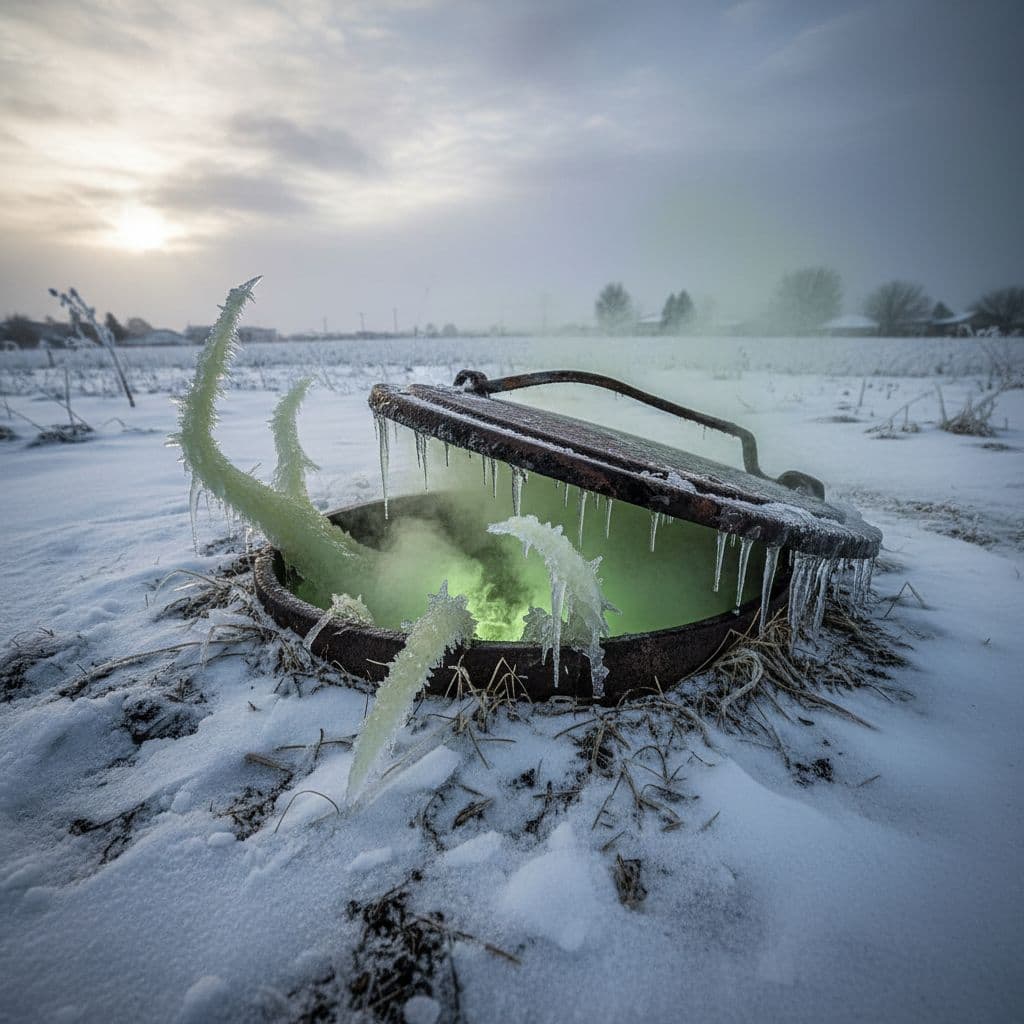
Common winter odor causes, and safe checks you can do in minutes
Many of your winter smells have nothing to do with the tank, but instead are coming from your plumbing system. The good news is these are quick, low-risk and inexpensive to check:
Drains Not Used Have Dry Traps: Unused guest baths, basement sinks, etc., will have no water in the traps. The water in the traps prevents sewer gases from entering into your home.
What to Do: Run the water for 20-30 seconds through any unused sinks, tubs & floor drains.
Fans Pulling Air Out Of Your Plumbing System: With a strong fan running, especially when there is no air exchange between the inside of your home and the outside, air can be pulled from the plumbing system.
What to Do: Try cracking a window open for just a few minutes while the fan is running, then try to determine if the smell has changed.
The Vent Stack Is Frozen Or Blocked: Animals could build a nest or wind, snow or ice could clog the roof vent. Cold air pressure changes may cause odors to appear quickly.
What to Do: Look for heavy snow around vent exit points from the ground level. Climbing an icy roof is not worth the risk. If you think there is a blockage, call a professional.
Toilet Wobbles & Failed Wax Ring Leak Odor & Water: A toilet that wobbles can crack the seal and allow odors and possibly water to escape.
What to Do: Look for wobble and water at the base of the toilet. Do not continue to flush until you can verify there are no leaks.
Temperature Shifts On Extremely Cold Days Cause Brief Odors Near Bathrooms: In some cases, you may experience a short-lived odor near a bathroom immediately after a large temperature drop.
What to Do: Run the water, ensure all traps are filled with water, and ventilate the area. If this persists, consider this a legitimate issue.
Call for service if you see these signs
Some problems are beyond quick checks, and waiting can turn a minor issue into indoor cleanup. Call for service if you notice:
- Sewage backup in any fixture
- Repeated gurgling in several drains
- Wet or spongy areas above the drainfield (even in cold weather)
- Strong odor outdoors that won’t fade
- Water pooling near the tank area
- A suspected frozen line (sudden full-house slow drains after a cold snap)
- Alarms on pump systems or mound systems
- Drains that stop working across the whole house
When you call, tell the technician: recent weather (how cold and for how long), any heavy snow or plowing over the yard, your recent water use (guests, laundry), and your last pump date. That short story helps them diagnose faster.
Conclusion
Septic problems in winter are personal because, unlike street problems, they appear right outside your back door. Fortunately, many of those problems will be prevented by keeping your water usage steady; protecting your drain field from cold weather damage; and keeping an eye on early warning signs of trouble.
Save this checklist and create two reminders for yourself: one for the date of the first freeze and one for a mid-winter check of your system. Treat any unusual odors or changes in the flow of your drains as you would a fire alarm – a call to action rather than a cause for panic. Begin now and keep things simple so you have a worry free winter under the snow’s peaceful blanket.
Affiliate Disclosure
Some links on Septic Tank & Treatment are affiliate links. If you click one of these links and make a purchase, we may earn a small commission at no additional cost to you.
We only recommend products and services that we believe may be helpful to our readers. Our opinions are our own, and affiliate relationships do not influence our recommendations or reviews. Always follow product instructions and consult a licensed septic professional when needed.
Related Posts