Roebic Septic Tank Treatment: A Friendly Guide to Cleaner, Safer Septic Care
A “septic system” that simply does what it is supposed to do (i.e., no backups, no unpleasant odors, no nasty surprises) is exactly what most people want. Roebic septic tank treatments provide that by giving your septic system the beneficial bacteria it needs to properly break down waste in both the tank and drain field.
This article will show you a step-by-step process to use Roebic septic tank treatment to get the desired results with realistic timelines and practical tips to avoid common pitfalls.
You’ll find information here on:
Which Roebic product to choose based on your issue;
How to apply it to your septic system;
Signs that the treatment is working;
Knowing when to contact a professional; and,
Practical, real world advice.
If you’ve had issues with gurgling, slow draining, or that faint sewer odor, you’re in the right place!

How Roebic septic tank treatment works and when you should use it
Septic systems rely on beneficial bacteria to digest what is sent through the plumbing system. When the proper balance exists between the bacteria and the waste, the tank separates solid waste from liquids, the bacteria break down the organic components of the waste, and the drain field sends clean water back into the soil.
Roebics septic tank treatment supports the natural digestive processes within both your tank and the soil surrounding your drain field. Roebic’s treatment provides beneficial bacteria and enzymes that assist in breaking down grease and solids. Once the beneficial bacteria are established, Roebic’s treatment maintains the balance to ensure your septic system continues to function naturally.
In essence, the goal is to restore and maintain a healthy balance of natural digestion in your tank and in the soil surrounding the drain field. If your system has slowed down due to organic buildup, grease, paper, or excessive soap residue, a biological treatment can likely help restore it to optimal performance. Biological treatments are not magic fixes – rather, they are maintenance tools.
Consider using a bacterial treatment as a starter to jump-start a cold compost pile or as a maintenance tool for your existing system.
As for expectations, you may begin noticing fewer odors in a few days, smoother flushing in a week or two, and improved percolation throughout the drain field in several weeks. However, if your system is severely damaged, saturated, or blocked by roots or broken pipes, there is no amount of bacteria that can repair the issue. In such cases, a licensed inspector should be called in first to assess the extent of the damage.
Helpful bacteria that digest waste, paper, oils, and sludge
Roebic’s products utilize non-pathogenic bacteria and enzymes that break down organic waste. Enzymes initiate the breakdown process by cutting larger molecules into smaller molecules. Bacteria then consume these smaller molecules and turn them into liquids and gases that are safely released from the tank.
Over time, the benefits of using beneficial bacteria and enzymes include:
Benefits stack up over time:
- Reduced odors: Gases produced during the digestive process are allowed to escape from the tank and do not remain trapped in your home.
- Reduced sludge buildup: Solids are broken down, rather than piling up, which reduces the likelihood of the tank needing to be pumped too frequently.
- Improved drainage: Liquids produced during the digestive process are more readily absorbed by the soil in the drain field.
It is unlikely you will experience dramatic changes. The effects of bacterial treatment are typically subtle. Beneficial bacteria require time to multiply and establish stable colonies. To enable them to do their job effectively, provide them with a calm environment.
Roebic product lineup and what each bottle is for
By matching the correct Roebic product to the problem you are experiencing, you can save yourself the hassle, expense and frustration of improper treatment.
Product Primary Use Typical Situation
- K-37 Septic Tank Treatment Routine Maintenance To keep beneficial bacteria in balance and prevent odors and buildup
- K-57 Septic System Cleaner Sluggish Systems / Minor Backups To quickly address problems with organic buildup slowing flow
- K-570 Leach & Drain Field Opener Slow or Clogged Drain Fields To address biomats and other forms of organic clogging in the leach field.
- K-87 Soap, Grease & Paper Digester Heavy Grease or Soap Scum To address kitchens with high levels of grease, garbageman use, etc. with a thick layer of scum
Caution regarding root killers: Products labeled as root killers (such as K-77 or FRK) are designed to kill roots in sewer lines. These should not be used in a septic tank or drainfield except where specifically stated as safe to do so on the label. Always read and follow the instructions on the label.
Good fit vs bad fit: will a treatment help your problem?
Use a biological treatment when:
- Your drains are slow due to organic buildup, but you don’t have a solid object obstructing the pipe.
- You smell faint odors near drains or outdoors by the tank.
- You’ve recently pumped the tank and want to replenish a healthy colony of beneficial bacteria.
- You’ve recently used heavy-duty disinfectants or bleach and want to re-establish beneficial bacteria.
Don’t bother with a treatment and call a professional when:
- Pipes are collapsed or crushed, or you suspect a break.
- You have standing water above the drain field, even in dry weather.
- You’ve identified tree roots invading your septic system or you see roots growing in the cleanouts.
- The site is flooded or saturated due to recent heavy rains.
- The tank is undersized for the number of people using it.
If you think you have damage to your septic system, contact a professional to inspect it before attempting to use a treatment. Treatments will only work in a functional septic system, not a damaged one.
How to use Roebic septic tank treatment the right way
Applying Roebic septic tank treatment is straightforward when you follow some general guidelines. Read the label for the product you are using and use the recommended dosage for your tank size. Apply the treatment at a quiet time of the day so the beneficial bacteria can establish themselves in a calm environment. Allow the household to use water sparingly for a short period of time (6 to 8 hours).

Prep first: reduce water use and check for simple clogs
Important safety and compatibility considerations exist. Never mix treatment with bleach, drain openers, or other harsh chemicals on the same day. Store products tightly sealed, upright, and in a location inaccessible to children and pets.
Prepare First: Reduce Water Use and Check for Simple Blockages
Slight preparation prior to treatment will make a significant difference in the effectiveness of the treatment. Select a time of low water usage, such as later in the evening. Limit water usage for 6 to 8 hours after application of treatment. Try to limit long showers, laundry and dishwasher use.
Remove simple blockages prior to treatment. Remove hair from shower drains. Clear P-traps under sinks. Remove food debris from kitchen strainers. This will allow the beneficial bacteria to reach the tank and field unimpeded by blockages in the home.
If the toilets do not flush or sewage backs up into the home, stop and call a professional immediately. Do not apply any products until further assistance is obtained.
Dose by tank size and household use, always follow the label
Follow the label chart to determine the appropriate dosing for your tank size and household use. Never guess the dosage. Routine maintenance products have a set schedule of application, while emergency or drainfield products have different application requirements and timing.
Some products may require shaking. If the label indicates shaking, do so. Avoid applying bleach or other disinfectant wipes/chemicals on the same day as treatment. Provide the beneficial bacteria a clean slate.
Where to pour and timing tips for better results
The majority of treatments are poured into a toilet located nearest to the tank. This route directs the beneficial bacteria directly to the system. If you are dealing with grease in the kitchen line and the label permits it, pour the treatment into the kitchen sink instead.
Use the product at night, or when the house is most quiet. Avoid using your washing machine, dishwasher, and long showers (several hours). Use your toilet as you normally would; do not try to limit flow. Use this product to allow a consistent flow of low volume water to facilitate the traveling and settling of bacteria.
Storage, safety, and what not to mix with Roebic
Store the product bottle tightly closed, in an upright position, at room temperature. Do not store near heat, or freezing conditions. Store the product in a location that is inaccessible to children, and pets.
Harsh products can harm helpful bacteria:
- Bleach, chlorine tabs, and strong disinfectants
- Chemical drain openers
- Antibacterial soaps and cleaners in large amounts
Switch to septic safe cleaners when possible. If you must use a disinfectant, space it several days away from treatment.
Does Roebic septic tank treatment work? Results, timelines, and troubleshooting
The real deal. The product has its uses. In a particular environment, it’s beneficial for a good working septic system and if the problem is due to an excessive amount of “stuff” (buildup) then it may also aid a slow system as well. But, it won’t fix your broken pieces or a flooded drainfield. Balance is key here.
Examples of what changes might look like: Less odor, less “gurgle”, less “slow drain”, and less puddling on the lawn by the drainfield. Many people have reported that after using this product they see improvement over several weeks and that their drainfields seem to be improving faster when the slowing down was due to organic buildup. Products such as K-570 take longer to improve the soil since it needs to “breathe”.
If you have standing water or alarm sounds, do NOT wait; Call a professional. Safety comes first.
What to expect week by week
- Days 1 to 3: Emergency cleaners can ease sluggish flow if organic buildup is the cause. Odors may start to fade.
- Week 1 to 2: Maintenance bacteria work quietly, digesting solids and balancing the tank. Flushes feel smoother, gurgles lessen.
- Week 3 to 6: Drain field products may improve percolation. You notice fewer wet spots and better consistency across fixtures.
Every system is unique. Tank size, use patterns, past chemical use, and soil conditions all affect results.
Clear signs of progress vs red flags
Progress looks like:
- Fewer odors near drains and outside
- Better flushes with no gurgling
- No surface wet spots over the field
- A clean baffle visible at pump-out
Red flags mean call a pro:
- Sewage backing up into tubs or drains
- Strong sewer smells indoors
- Standing water or squishy ground over the field in dry weather
- Frequent alarms on pumps or control panels
- Recurring clogs that return soon after clearing
Mistakes that slow or stop results
Avoid these common blockers:
- Using bleach or heavy disinfectants right after treatment. Tip: give bacteria a few days to settle before cleaning with strong products.
- Pouring chemical drain openers. Tip: use a mechanical snake or enzyme-safe methods first.
- Sending lots of fats and food scraps from a garbage disposal. Tip: scrape plates into the trash and limit disposal use.
- Doing many laundry loads in one day. Tip: spread out loads across the week.
- Skipping pump-outs when overdue. Tip: schedule a pump-out before treatment if needed.
- Trying to fix broken pipes or a crushed field with additives. Tip: get a professional inspection and repair plan.

When to pump, inspect, or repair instead of treating
Your pumping frequency will be based upon the number of people in your home, how large your septic system tank is, and the way you use your water. The larger the tank and the fewer people that live in your home, the longer it will take to fill. In addition, if you have a disposal or if you entertain frequently, this will increase your demand on your septic system and shorten your pumping interval.
If you are overdue for your scheduled pumping, you should pump out your septic system before you begin treating it with cleaners.
Schedule an inspection as follows:
- When you notice repeated slowing down of your system after you clean your septic system.
- When you see wet areas over your drainfield.
- When your septic system is past its regular pumping cycle.
- When you buy a house and do not know when the previous homeowner had their septic system pumped.
Additives cannot correct broken or crushed pipes, roots growing into your septic system, or a saturated drainfield. A qualified, licensed professional can quickly detect these problems and recommend the proper repairs.
Cost, comparisons, and picking the right Roebic product for your system
Think about cost over time. Doing nothing often means higher risk. Maintenance plus routine pump-outs can save you from the big bill of a failed field or emergency dig-up. Roebic adds a layer of protection for the biology in your tank and field. If you are weighing another bacteria-and-enzyme brand, our Acti-Zyme septic tank treatment review covers what a similar product can and cannot do.
How it compares:
- Biological treatments add living bacteria and enzymes to digest waste.
- Enzyme-only products break big molecules into smaller ones, but they do not add new bacteria to keep digestion going.
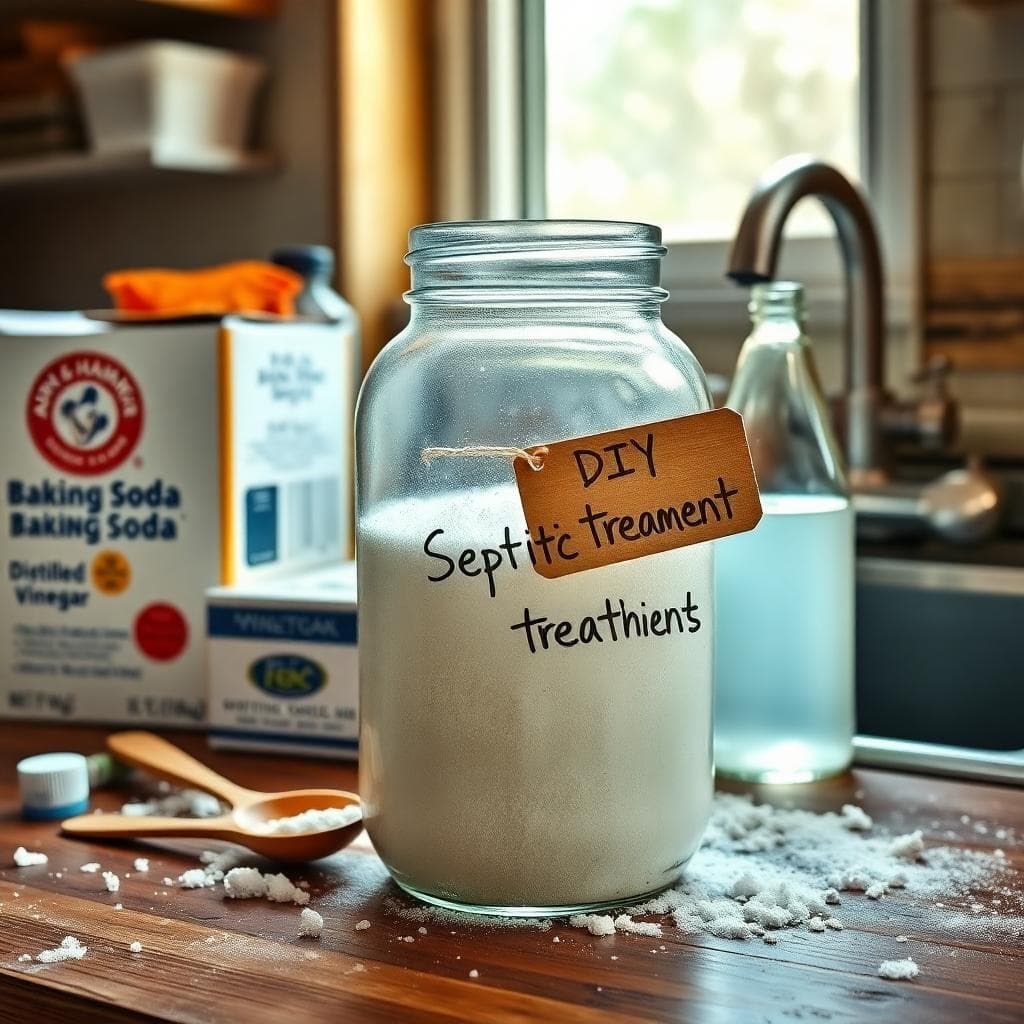
- DIY hacks like yeast or sugar are unpredictable. They can boost activity in the wrong way and do not target grease or paper well.
Your best savings come from habits. Spread out water use, use septic safe cleaners, limit grease and wipes, and pump on time.
Roebic vs enzyme-only products and DIY hacks
The bacterial population and enzyme(s) work together as one unit to accomplish the task of decomposition. The enzymes initiate the process of decomposition while the bacteria complete it. Products containing only enzymes may assist with the digestive process however, they will not restore the balance of the living matrix that maintains a healthy digestive process.
Home brew recipes for DIY solutions cannot provide a balanced combination of ingredients. The use of yeast, sugars, or other random additive can create temporary spikes in the activity level of the microorganisms in the septic tank, which can be followed by a decline in activity levels or feed the “wrong” types of microorganisms within the septic tank. Proper maintenance of the system and consistent pumping practices will ultimately result in long-term savings for the consumer.
K-37 vs K-57 vs K-570: which one to buy and when
To make an educated decision about which product to use, consult the following quick reference chart:
- If you are looking to maintain your septic system on a regular basis, then you should choose K-37 Septic Tank Treatment as it will aid in controlling odors and assist with continuous digestion of waste.
- K-57 Septic System Cleaner is the best option when you need to clean a septic system that has slowed down due to organic build-up and you would like to see some immediate action.
- You should select K-570 Leach & Drain Field Opener if you believe there is a problem with your leach field draining slowly and it is caused by bio-mat and other types of organic blockage.
If your septic system receives large amounts of grease, soap, paper products and the scum line is thick, K-87 Soap, Grease & Paper Digester may be able to help. Make sure to read the label to ensure compatibility with your septic system and always follow the instructions provided.
Budgeting for treatment, pumping, and long life
A simple plan reduces risk:
- Use a maintenance treatment if your household needs it.
- Keep septic safe habits in the kitchen and bath.
- Pump on a regular schedule based on use.
Keep a log with dates for treatments, pump-outs, and any issues you notice. That history helps you spot patterns early. Compare the cost of a bottle today with the cost of a field repair later. The small habits win.
Conclusion
Taking good care of your septic system can be easy. Support your system’s natural bacteria. Find the best Roebic solution to your problem. Follow the instructions to get consistent and safe results. Smaller actions such as spreading out when doing your laundry and avoiding using heavy-duty cleaning products the same day you apply your treatment will help to achieve success.
Below is a quick action plan to address an issue with your septic system. Determine which Roebic product best addresses your problem. Use the product during a “Low Water Window” (if you do laundry or take long showers). Do not use bleach or other strong chemicals for at least three days after applying a treatment. Arrange for a routine maintenance inspection and pumping of your tank if it has been over two years since last done. If you see any signs of distress, don’t wait and protect your system from getting worse before it does. You’re in charge.
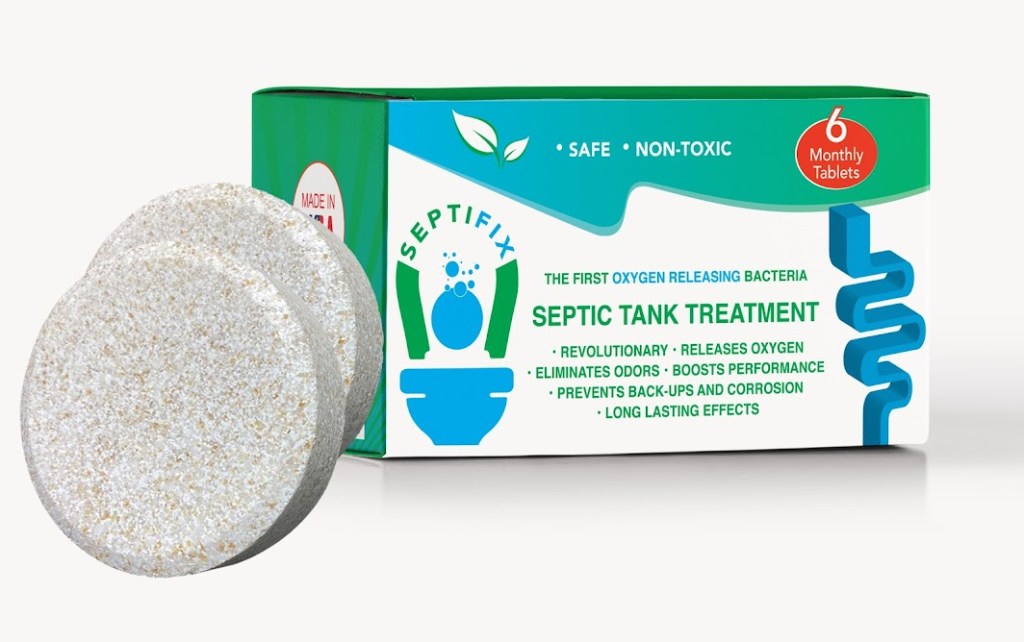
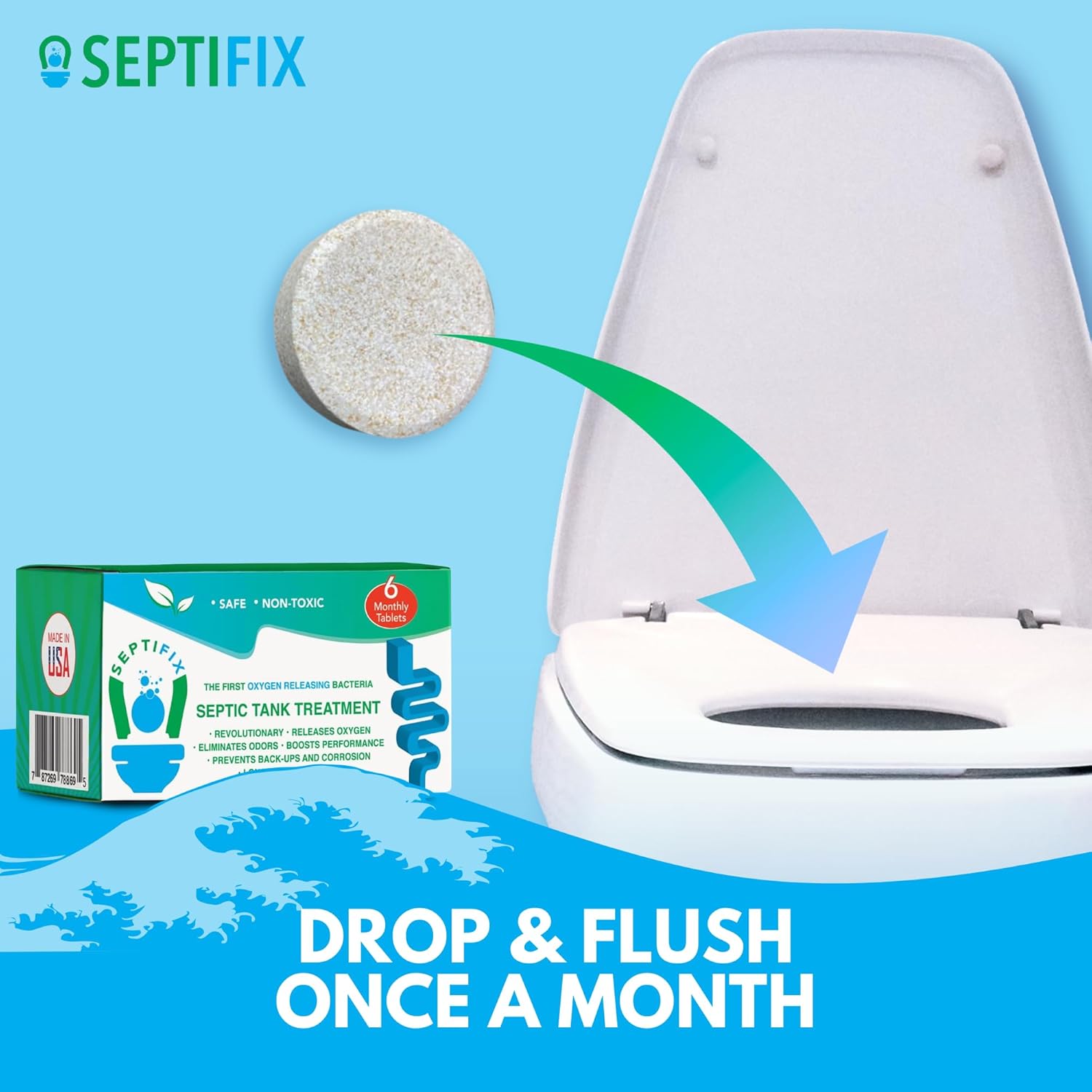
Give your septic system extra support with SeptiFix, an easy-to-use monthly tablet designed to help maintain a cleaner, healthier tank between professional inspections.

Affiliate Disclosure
This article may contain affiliate links. If you purchase a product through one of these links, we may earn a small commission at no extra cost to you.
We only link to products that may be relevant to septic system care and maintenance. However, affiliate relationships do not affect our opinions or recommendations. Always read product labels and consult a licensed septic professional for system failures, backups, or repair needs.
Additional Resources
- Roebic K-37 Septic Tank Treatment
Check the manufacturer’s product information for routine septic tank treatment. - Roebic K-57 Septic System Cleaner
Review the official details for systems affected by organic buildup and slow drainage. - Roebic K-570 Leach and Drain Field Treatment
Learn more about Roebic’s product for leach and drain field maintenance. - Roebic Septic System FAQ
Find manufacturer answers about K-37, K-570, K-87, product use, and septic maintenance. - Roebic Product Instructions
Always check the product instructions for the correct dosage, application method, and safety information. - EPA: Septic System Care and Maintenance
The U.S. Environmental Protection Agency explains routine inspections, pumping, water use, and drain field care. - EPA: How to Care for Your Septic System
Use this guide for practical advice about flushing, cleaning products, grease, water use, and system maintenance. - EPA: Why Maintain Your Septic System?
This resource explains why regular inspections and pumping matter. It also provides a balanced view of septic additives, which are not a substitute for proper maintenance or repairs.
Related Posts