Septic Tank Maintenance: A Clear Guide for Homeowners
Septic tank maintenance involves the routine care and preventative maintenance that allows your home’s sewage disposal system to function properly. It includes things like knowing where your tank and drainfield are located, keeping records of service, conserving water, disposing of wastes properly, and having your tank pumped out by a professional when necessary. Septic tank systems are usually designed so that solids stay in the tank and liquid is discharged to the drainfield, where additional treatment takes place in the soil. Because most of the system is hidden from view below ground, detecting problems early can be difficult.
Cleaning Recommendations
Maintenance needs can vary from home to home. The optimal time between maintenances depends on system design and age, how many people are living in the home and how much water is used, and local regulations that may apply. General maintenance recommendations are provided in the U.S. EPA’s guide to septic system care. However, you should consult your local health department or a professional septic service provider for advice specific to your home.
This publication provides homeowners with information on what they can do to maintain their septic systems and what should be done by a professional. It also lists some warning signs that should be addressed immediately. Please use this as a guideline when maintaining your system and not as a substitute for local regulations or professional evaluations.
If you’re new to septic system ownership, it’s okay if all the parts and maintenance terms feel unfamiliar. Start by finding your system records and noting when it was last inspected. You can take the next steps from there, one at a time.

Key Takeaways
- Septic tank: Have inspected by a septic professional at least every three years, and more frequently if your system has a pump or other mechanical components.
- Tank pumped: Many tanks are pumped every 3-5 years. The frequency of pumping will depend on your system and the amount of solids in your tank.
- Records: Keep a log of inspections, pumping, and repairs, and include a system map.
- Toilet water use: Only human waste and toilet paper should go into the toilet. Dispose of fats, oils, grease, wipes, and household chemicals elsewhere.
- Trouble signs: Contact a septic professional if you experience wastewater backups, persistent sewage odors, or notice wet or standing water appearing near the drainfield when it has not rained recently.
How a Septic System Works
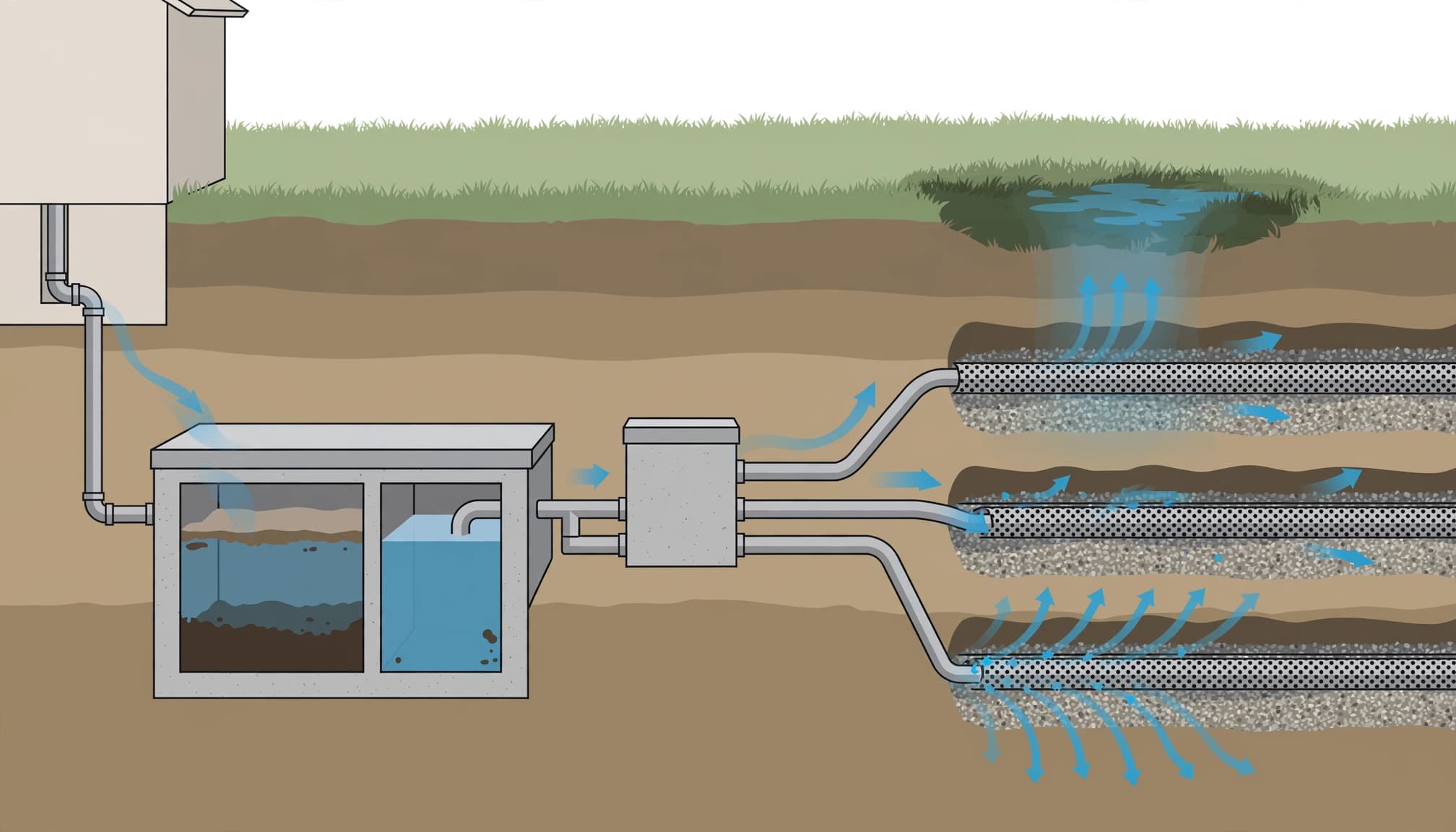
Picture how a standard system works: Wastewater moves from your home to an underground tank. Heavy solids sink to the bottom, and lighter contents float to the top. Liquid effluent leaves the tank and moves to a drainfield for additional treatment by the soil. (Some systems utilize a pump or other device to move wastewater.)
This is an illustration of a typical system, not a diagram of your yard. Every system is different, and a generic drawing will not indicate what components you have or where they are located. See our septic tank diagram guide for a visual overview.
Who Does What?
| Maintenance task | Homeowner | Septic professional |
|---|---|---|
| Keep service and system records | Keep copies of permits, plans, inspection reports, and receipts | Record inspection findings and work performed |
| Watch for changes | Notice alarms, backups, odors, or wet areas | Assess whether the problem comes from the tank, plumbing, pump, or drainfield |
| Care for the drainfield | Keep vehicles and excess water away | Check the field if signs point to a system problem |
| Inspect the tank | Arrange service and share known system details | Inspect the tank and system components |
| Decide when to pump | Follow the service provider’s advice and local rules | Check solids and recommend pumping when needed |
| Clean or repair components | Don’t attempt tank or component work | Handle work that requires opening or servicing the system |
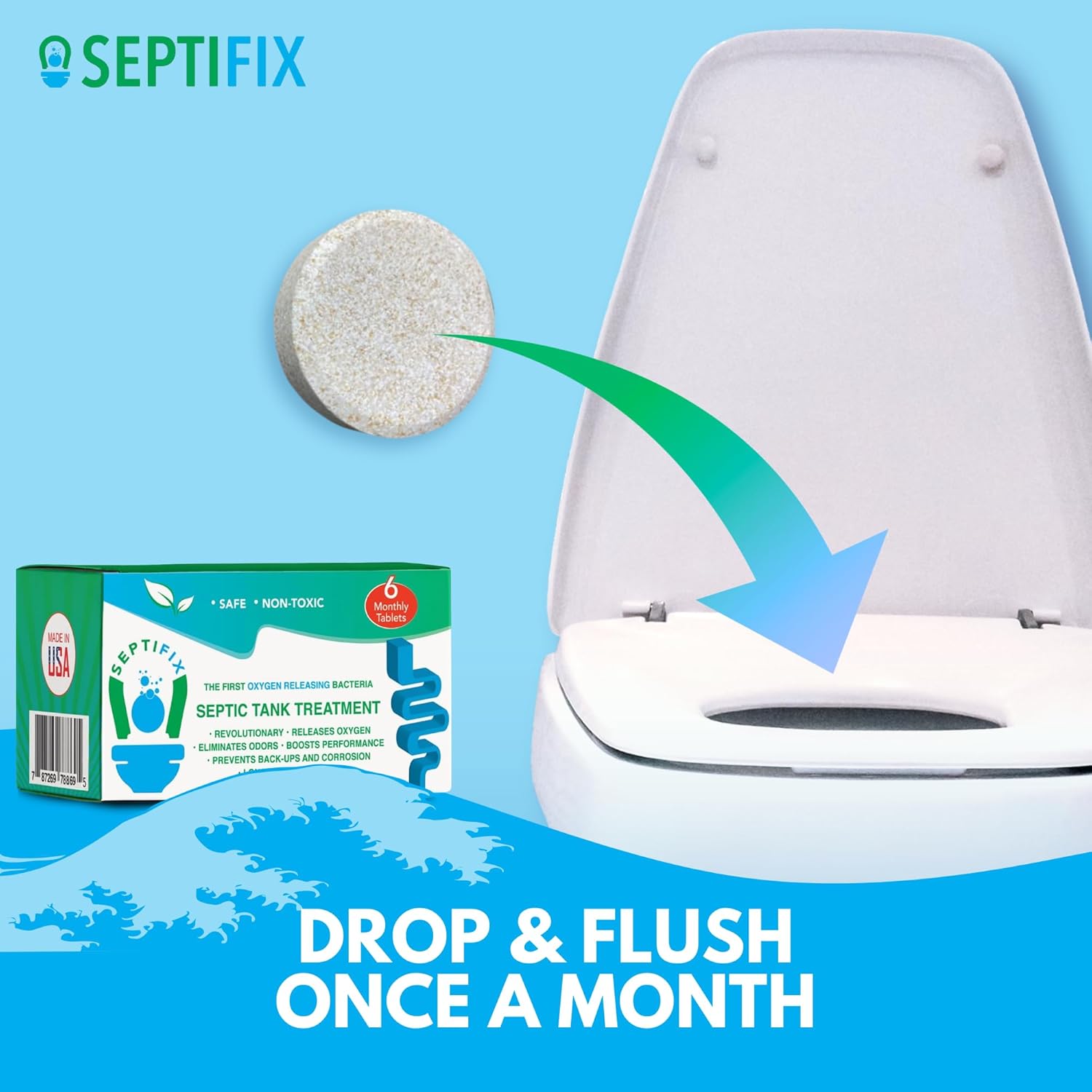
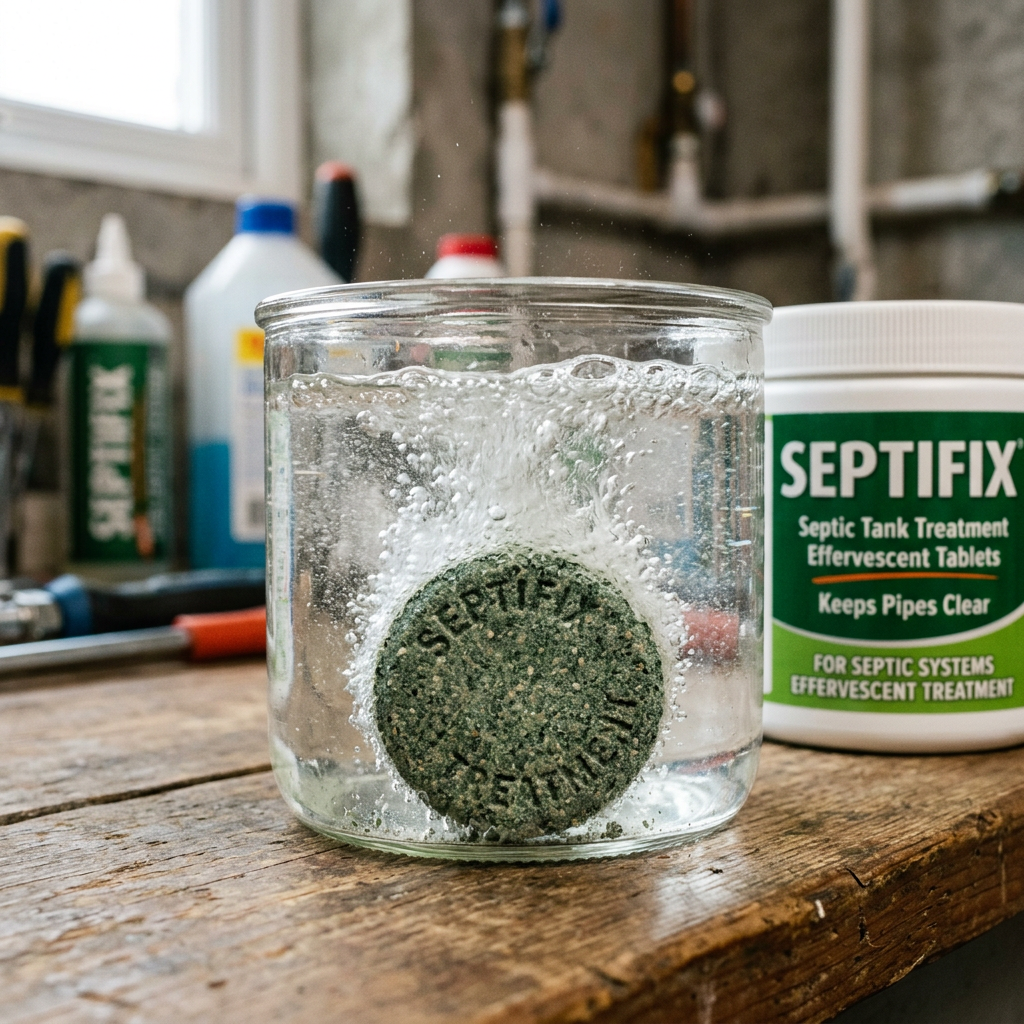
If you’re researching an optional septic product, you can review Septifix product information here. This link is an affiliate link which means if you click and purchase, I will make a commission. Routine maintenance does not require a product and does not substitute for inspection, pumping, or professional services.
A Practical Septic Tank Maintenance Schedule
The frequency of inspection and maintenance will depend on the specific system. The U.S. EPA recommends having a professional inspect a typical household system every three years. Systems with electrical or mechanical components (i.e., pumps, controls) should be serviced more often—annually, per EPA recommendations. Household systems are commonly pumped every 3-5 years, but this is simply a rule of thumb. See the EPA’s septic system care guidance and follow local requirements.
| When | What to do |
|---|---|
| Regularly | Use water efficiently, keep unsuitable items out of drains, and notice changes in plumbing or yard conditions. |
| At least every three years for a typical system | Arrange a professional inspection. Ask whether your system needs more frequent inspections. |
| About every three to five years, as a general guide | Have the tank pumped when inspection findings show it is needed. Your system may need pumping sooner or later. |
| About once a year for systems with pumps or mechanical parts | Ask your service provider what inspection and maintenance those components require. |
| After service, repairs, or a change in household use | Save the report and ask whether the change affects your next inspection or pumping date. |
The pumping interval can change with tank size, household size, water use, and how quickly solids build up. A professional can check the tank’s solids and recommend timing. Don’t treat a calendar interval as a substitute for an inspection.

Septic Systems 101: Your Owner’s Manual
Locate and preserve your system’s information.
Retain copies of your system’s design, permits, and servicing records if possible. Note the location of the tank and drainfield according to records or as explained by a professional. Inquire with your community health department if it requires a duplicate.
Operate water routinely.
Flush and drain large quantities of water into the system gradually rather than all at once. The EPA recommends cautiously controlling where water goes and retaining water use as low as possible.
Mind your drains.
A sewer system is not a household trashcan. Only flush human waste and toilet paper. Place grease from cooking, oil, wipes, diapers, paper towels, dental floss, and other products in the trashcan. Steer clear of oils, paints, pesticides, and gas in drains. If your home uses cleansers, use them judiciously. Think of medicines and chemicals as you would anything else in your community: follow municipal guidance for disposal.
Preserve the drainfield.
Don’t park or operate vehicles or heavy equipment over the drainfield. Route runoff from roofs, sump-pumps, and other water away from it. Don’t build structures or heavy weight areas over the system. Keep trees at a distance from tanks and frameworks to limit root growth. Question a professional before removing anything within your tank or changing the ground around it.
Track service histories.
Record inspection dates, pumping dates, repairs, and any recommendations made. Retain receipts and documents with all of the other paperwork that comes with your system. Records help you track what has been done in the past and help present companies have practical history on your system when you call them for support.
Let a professional repair service your septic system.
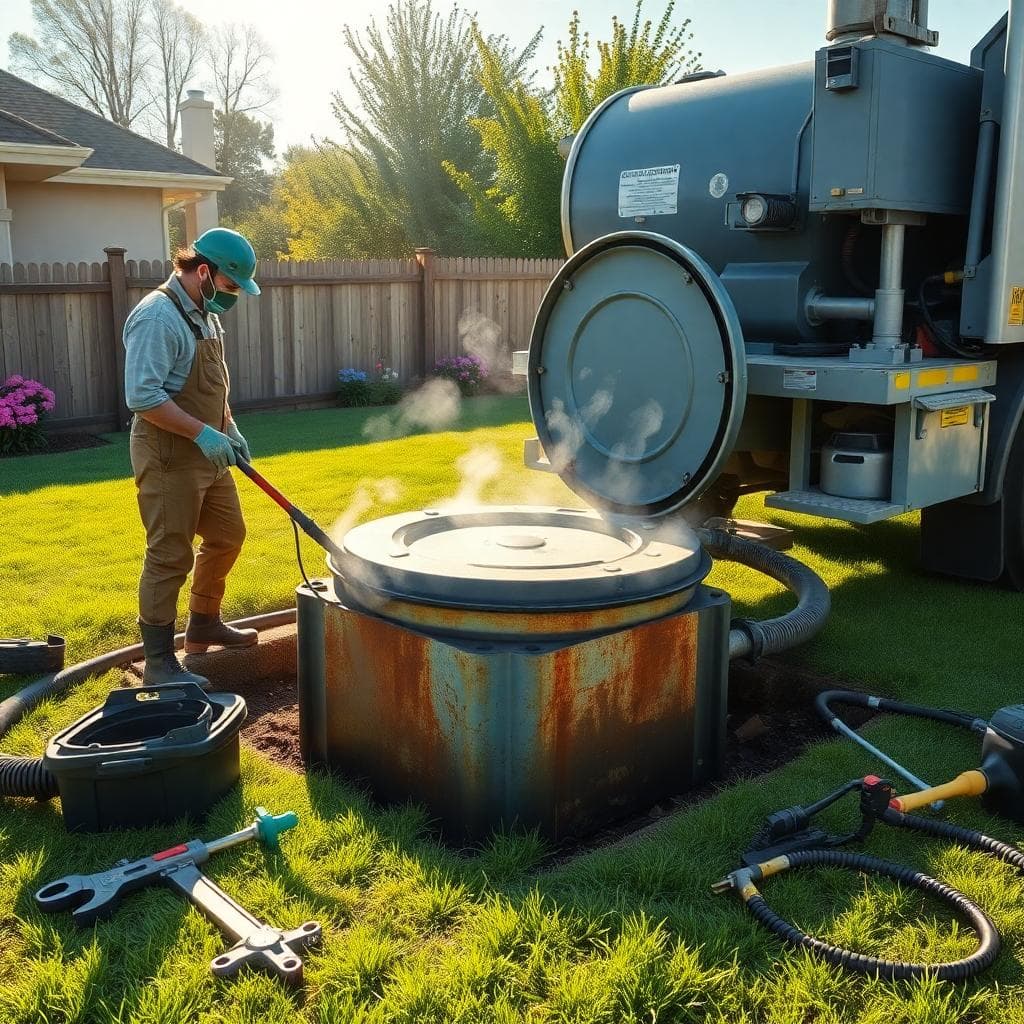
Set up services for inspections, pumping, repairs, and examination of tank elements such as pumps, filters, alarms, or the drainfield. Based on your system, this will vary from company to company. Ask before you agree to service what comes with an inspection or pumping service and ask for a written report of inspection discoveries with any recommendations for repairs or changes. Do not try to see if your tank needs pumping by peeking within. Allow the service to gauge your system. When the service arrives to pump your tank, ask them to walk you through their results. Ask about why they recommend repairs or pumping. Also, ask how often they feel you will need your tank inspected or pumped.
Check with your local health department before employing a service contractor to know if there are specified requirements for people who take care of septic tanks. Demand a detailed estimate which includes what work is covered and if locating the tank, opening access covers, or further repairs will cost additional.. For more on quote factors, see our septic tank pumping cost guide.
Septic Tank Maintenance Cost: What Can Affect the Bill?
There’s no universal cost that can be applied to every household. Your overall price will depend on the work required as well as your area’s prices. Inspection, pumping, locating a buried tank, and repairing one of the parts are all separate services. Ask exactly what your quote includes before allowing work to commence.
Things like tank size, access to the tank, how much service is required, travel distance, and if this is an emergency visit can all affect your overall cost. Repairs or additional inspection services may be separate from pumping services. Ask for an itemized written estimate and check with your local health department for approved providers in your area if you’re unsure.
Warning Signs That Need Professional Attention
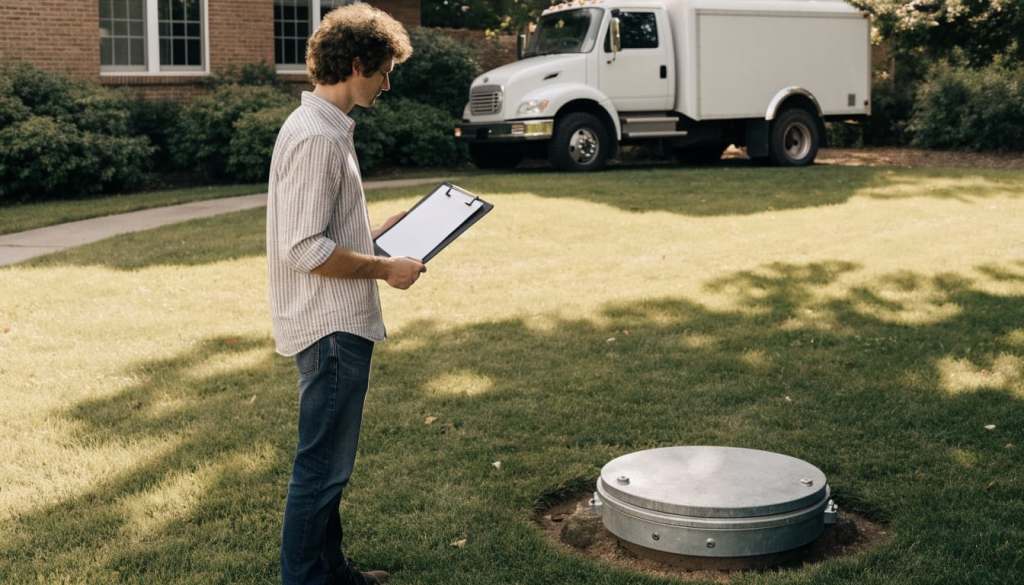
Call a septic professional if you experience:
- Water backing up into household drains or plumbing.
- A sewage smell around the tank or drainfield.
- Water pooling, muddy, damp, or sponge-like soil around the drainfield when it hasn’t rained recently.
- An alarm or other signal from a system with a pump or controls.
You cannot determine the cause of a problem just by these signs. You may have a plumbing issue, a pump problem, a tank issue, or a drainfield problem, all of which will require different solutions. The EPA’s guide to resolving septic system malfunctions advises contacting a septic service provider when you suspect a malfunction.
If you experience wastewater backup or detect a sewage odor, conserve water until you can get professional help. Do not attempt to open the tank or diagnose the problem yourself. If sewage has entered your home, keep people and pets away from the area and ask your professional what needs to be done.
Septic Tank Maintenance FAQ
How often should I inspect my septic tank?
The Environmental Protection Agency (EPA) recommends that the typical household septic system be inspected every three years by a professional. Septic systems with pumps or other mechanical components should be inspected more often, typically yearly. Your system and local regulations may require a different schedule.
How often should I pump my septic tank?
Inspecting your tank every three years will help determine how often your tank needs pumping. Every three to five years is a good rule of thumb but is not a prescribed schedule for every home. The size of the tank, household size, water usage, and solids accumulation are just some of the factors affecting how quickly pumping is required. Contact a septic professional to inspect your tank and recommend how often pumping should occur. Learn more from EPA’s septic system FAQs.
What factors influence the cost of maintaining a septic system?
As with most home services, prices vary depending on the company. The size of the tank, ease of access to the tank, location, and whether additional or emergency service is needed can also affect the price. Request an itemized receipt so you’ll know what is included with your septic inspection or pumping and what you would pay extra for.
How do I know if my septic tank needs attention?
If wastewater backs up in the drains, or you notice persistent sewage odors or standing water and soggy ground around the drainfield and there has not been a significant rain event, your system may need attention. Contact a septic professional to diagnose the cause of the problem instead of assuming you simply need to have the tank pumped.
What shouldn’t homeowners drain into their septic system?
Only flush human waste and toilet paper. Never dispose of wipes, diapers, paper towels, fats/grease, oils, hazardous chemicals, or medicine through your drains. Check with your local landfill or wastewater facility about how to properly dispose of medicine and household chemicals.
Do additives really make a septic system work better?
According to the EPA, additives are not necessary for routine septic tank maintenance. Household waste should easily break down in the septic tank due to naturally occurring microorganisms. While additives may benefit certain problematic systems, they are not recommended for all systems and are not an alternative to regular inspection and pumping. Consult your local expert, like a septic professional or regulator, when determining if an additive is right for your system or if you have questions about a specific product. Read more about the EPA’s stance on additives in this fact sheet.
Can I drive or park over my septic tank or drainfield?
Driving over the drainfield compacts the soil and can harm components of your system. Never drive or park near the drainfield, but contact a professional before placing a trailer, shed, or vehicle near other parts of your system to ask about clearance recommendations. Septic system layouts can vary.
I have sewage backup in my house or a sewage odor. What should I do?
Reduce water use and contact a septic professional. A backup or odor could be caused by a number of problems, so pumping may not remediate the issue. Keep children and pets away from sewage and consult with the professional about how to address affected areas.
One last thought: you don’t have to become a septic system expert to care for your home. Keep your service records handy, pay attention to changes, and ask a professional when you’re unsure. A simple, steady approach is a good place to start.
A Sensible Next Step
Find your system records and most recent service report. If you do not know when the system was last inspected, contact your local health department or a qualified septic professional to ask what inspection schedule and service requirements apply to your home. This guide offers general information. It does not replace local regulations or professional advice.
Want to check out something else? Here is an advertisement for Septifix, which you can read about below. Make sure to read through everything to see if it’s right for you.
Related Posts