
Septic Tank Smells After Rain: What It Means and How to Fix It
The storm rolled through and cleaned the air; however, after a few hours it hit you – the strong stench of the “rotten egg” odor from the yard, or from within your home.If you notice septic tank smells after rain, you are not alone, and you are not stuck with it.
While rain itself does not harm your septic system (it actually helps recharge it) it may cause flooding to your drain field, force gases up into your roof vents, and expose any small plumbing problems which previously did not cause problems. The good news is simple; you can complete some quick checks today, attempt some simple repairs which will not break the bank, and identify when it is time to contact a professional to assist with your home, your nose, and your septic system.

Why septic tank smells after rain happen and what that odor means
The storm rolled through and cleaned the air; however, after a few hours it hit you – the strong stench of the “rotten egg” odor from the yard, or from within your home.
While rain itself does not harm your septic system (it actually helps recharge it) it may cause flooding to your drain field, force gases up into your roof vents, and expose any small plumbing problems which previously did not cause problems. The good news is simple; you can complete some quick checks today, attempt some simple repairs which will not break the bank, and identify when it is time to contact a professional to assist with your home, your nose, and your septic system.
When heavy rains occur they raise the groundwater levels and can become saturated in the area of your drain field. When the soil surrounding the trenches becomes waterlogged, it will not be able to properly absorb and filter as it would under normal conditions. The gases that would normally drift through the soil can be trapped and forced upwards, creating the smell that you notice while walking across the lawn or near the top of your septic tank cover.
Your roof vent stack is designed to send your sewer gases up and away from your home. However, wind blowing against your vent, your vent being low, or having a clogged vent cap can cause those sewer gases to go back down the roof, then toward your windows or soffits. During wet weather, there are often changes to the air pressure, which allows odors that were once floating away to linger at your nose level. It seems like an injustice; however, it is also easily repairable.
Inside your home, small things can produce large odors. A dry or siphoning P-trap will not prevent odors from entering your home. A loose clean out cap or a small crack in one of your vent lines can allow sewer gases to enter your home. Following a storm, you may hear your drains gurgle or see slow draining toilets. Outside, look for areas where the soil appears to be soggy, puddles are located above the trenches, or there are green stripes along the leach lines. These are signs that the drain field is experiencing stress.
The foul smelling gas that you experience is hydrogen sulfide. Hydrogen sulfide is created by bacteria that decompose waste without oxygen. Following a storm, the combination of increased water in your soil, decreased airflow, and changes in air pressure can increase the strength of hydrogen sulfide. If you are unsure if you use a septic system, check your utility bills and inspect your yard.
A septic lid or riser, and marked drain field means you are using a septic system. A city sewer bill and lack of a tank lid typically indicates you are connected to the city’s sewer system. Either way, septic tank smells after rain point to airflow and drainage problems you can address.
Heavy rain saturates your drain field, causing septic tank smells after rain
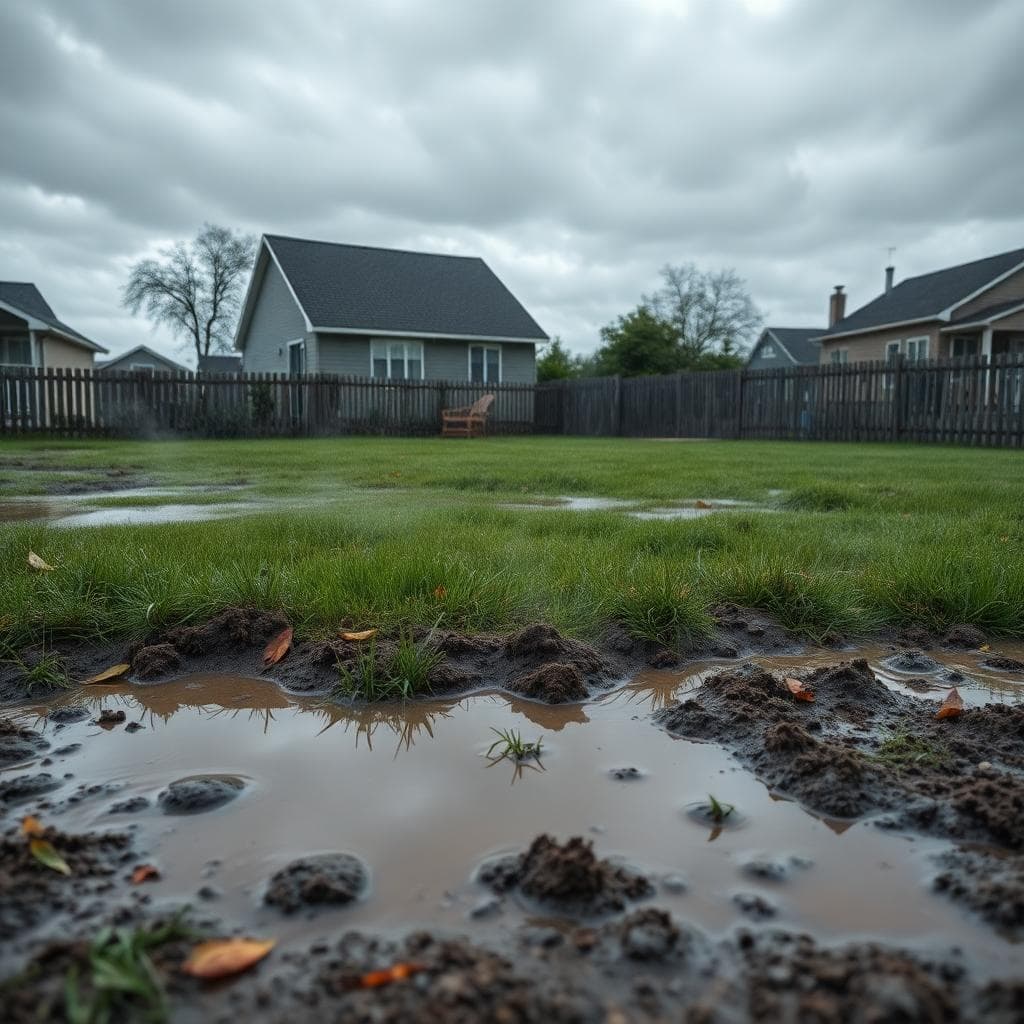
The top of a saturated drain field has a soft feel like a sponge. The ground will be soft enough that you can sink into the area slightly when you walk through it and there will be standing water above the trench lines. The grass may also appear to be growing thicker and greener than the rest of the lawn in stripes that follow the direction of the trench lines.
You should inspect your property after a rain has slowed, but before it stops raining. Take a sniff near the drainfield (not directly on) the drainfield to check for odors; do not drive over or park your vehicle on soggy ground as this can compress the soil making it harder for the soil to recover.
In the short term, reduce the amount of water used by 24 to 48 hours, avoid using large amounts of water such as doing laundry, taking long baths, and try to limit the number of showers taken. Also direct down spouts away from the drain field and point roof runoff, sump pumps, and french drains away from the drain field. Allow the soil time to breathe.
Wind and wet weather push gases down vents, causing indoor odors
The vent stack for your roof should release gases from your plumbing system in an area where wind may be able to distribute the gas away from your home. If your vent is short in length, clogged with debris (such as leaves), or located too low on the roof for air to flow through the top, the wind will force odors to travel back along the roof surface, potentially entering soffit vents, windows or other openings around your house.
You can find your vent stack typically as a small PVC pipe approximately 6 to 12 inches off the ground near the peak of your roof. Make sure this vent is free and is positioned high enough on your roof to allow for continuous airflow. If not, you can purchase a short piece of PVC tubing to elevate it. A charcoal vent cap can also eliminate odor at its origin. Use caution when using ladders and consider hiring someone to assist you if your roof is very steep or slippery.
Dry or siphoned P-traps let septic tank smells after rain into the house
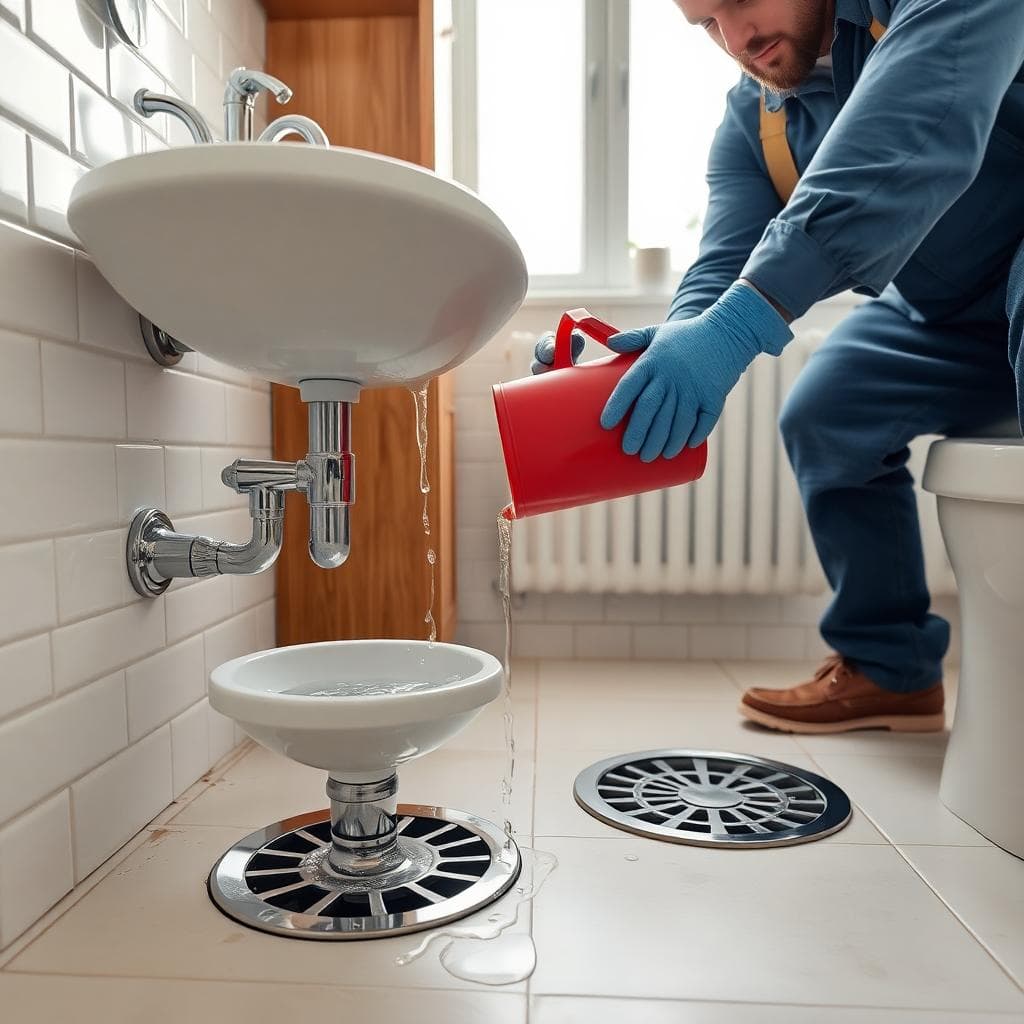
A P-trap retains water in order to prevent sewer gases from entering your home. However, if a drain is only occasionally used, this water will eventually evaporate, leaving a pathway for odors to enter your home. When there is heavy use of a drain (such as during a flood), it can siphon off the water from an adjacent p-trap through poorly designed or clogged vents, again creating a pathway for sewer odors to enter the home.
Add one quart of water to each of your infrequently used plumbing fixtures. This would include your basement floor drains, shower areas that aren’t frequently used, utility sinks, and your air conditioner/heat pump condensate drain. If you’re using a floor drain, add about one tablespoon of mineral oil to slow down evaporation of the water.
If you find that a trap is continuously losing its water content, then call a plumber to come and inspect the problem. An over-sized washing machine drain can pull water out of an adjacent trap if the vents leading to the outside are too small or clogged.
Septic vs city sewer issues after storms: how to tell the difference
Not sure which system you have? Look for a septic lid or riser near the house and a defined drain field area in the yard. Check your mail for a city sewer bill. Ask a neighbor if you are new to the area.
If many neighbors smell the same odor at the same time, call the city. It might be a municipal line or lift station problem. If it is only your yard or house, it is likely your system. In that case, call a licensed septic pro if simple fixes do not clear it within a day or two.
Quick fixes to stop septic tank smells after rain right now
These steps will allow you to take immediate action within one hour, these methods are all safe and simple, they will assist in determining if you will require a professional.
- Replace water in every P-trap: Use one quart of water in each unused drain and add one tablespoon of mineral oil to each floor drain.
- Check your roof vent: Make sure that the vent is not obstructed by leaves, nests, or ice. Consider adding a small PVC extension (approximate).
- Use a charcoal vent cap: The activated carbon in this type of cap will absorb odors and give you some extra time to dry the soil before the field becomes wet again.
- Increase length of downspouts: Extend the downspouts at least 10 feet so that the roof water is directed far enough away from the septic tank and the absorption field.
- Tighten clean-out caps: Check both the indoor and outdoor clean-outs and make certain that any loose caps are tightened..
- Lessen amount of water being used: Stop using the washer, space out your showering, do not run dishwasher during this time frame (for 24-48 hours).
- Clean the effluent filter: If you have a riser on your septic tank and there is an easily accessible area where you can safely remove the cover of the riser, remove the cover slowly and carefully; then rinse the filter back into the tank with a garden hose. Do not enter the tank yourself.
Bleach bombs and other strong chemical cleaners harm the beneficial bacteria that live in the septic system and should never be used. Call a licensed septic contractor as soon as possible if your septic tank smells after rain and the smell lingers for more than 24 to 48 hours. You may need the services of a licensed septic professional immediately if there is standing water, frequent clogging or gurgling sounds coming from your toilet.
Check the roof vent and add a charcoal cap to knock down septic tank smells after rain
Checklist: Quickly Troubleshoot Vent Odor Problems:
- Verify that the vent opening is free of leaves, debris, nests, or ice.
- Ensure the exhaust vent extends far enough above your home’s roofline to provide clean air intake, and help prevent downdraft odors.
- Add an activated carbon vent cap to absorb odor.
Install a Carbon Vent Cap (typically less than $10) to remove odor from the vent area. The replaceable carbon filter cartridges usually last six to twelve months. Adding a simple PVC extension to raise the vent further out into the clean air stream may be all you need to eliminate the smell.
Refill every P-trap and floor drain to block odors fast
Quickly do an initial sweep of the house from room-to-room, and pour a quart of water down each of your extra/unused showers, floor drains, utility sinks, and any traps which go for weeks with no flow (dry). In addition, add one teaspoon of Mineral Oil to your floor drains. For each of your sinks and tubs, run them until they stop dripping (about 30 seconds) and flush all your toilets.
If you hear gurgling sounds as you listen, this indicates that there is likely some sort of problem with the vents. If a particular trap continues to lose its water, take note of the area where this occurs and have a plumber inspect the vent line and trap arm.
Redirect roof runoff and fix grading so the drain field can breathe
Odor control begins with the control of water. Secure loose gutters; Clean them. Extend 10 feet down each gutter to create a long downspout. Ensure sump pumps and french drains are pointing away from your drain field. Design a gentle grade that will take the rainwater away from both your septic tank and trenches. Avoid using swales and/or berming that forces water over the drainfield. Allow time for the soil to “heal.”
Clean the effluent filter, check baffles, and schedule pumping if overdue
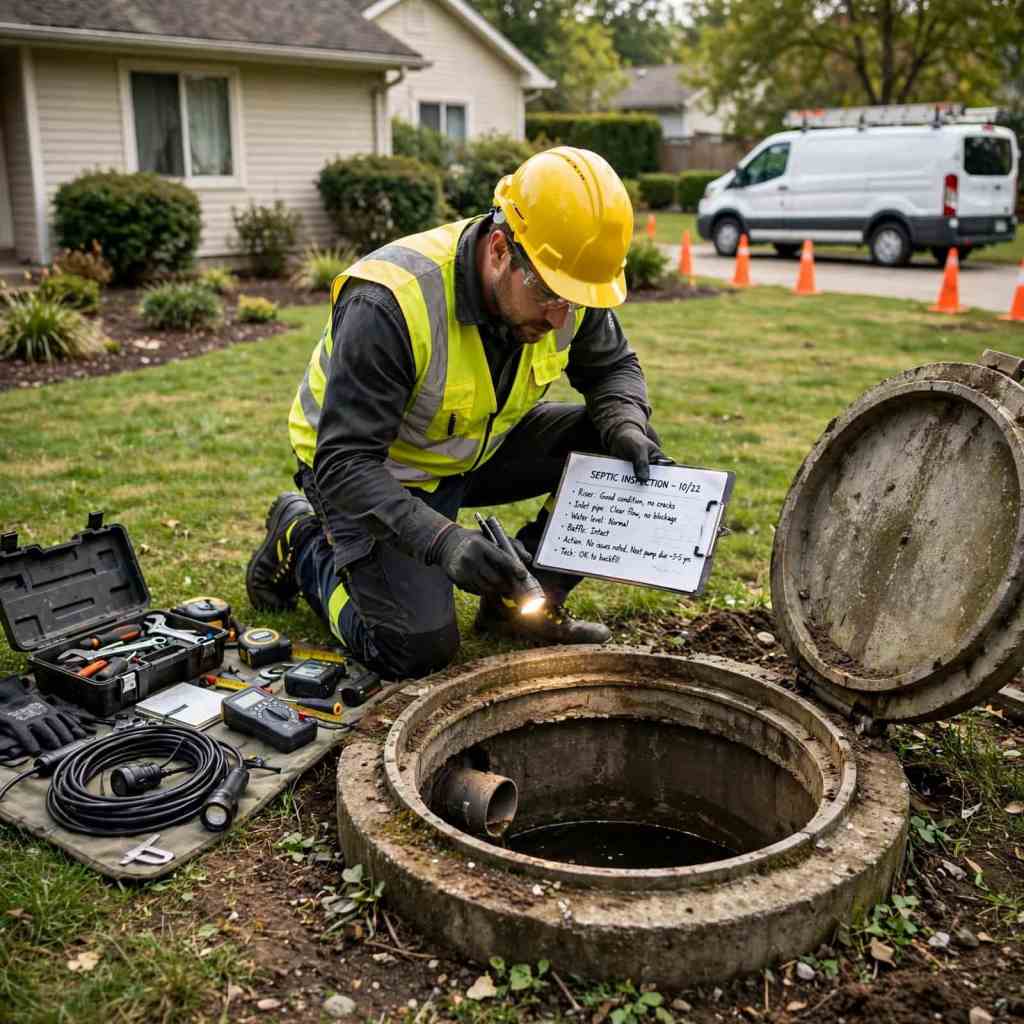
To gain access to the filter without having to dig, simply lift the top of the tank (if there is a riser), stand away from the tank and breathe carefully when lifting the cover so as to prevent drawing in gases that may be present in the tank. Remove the filter by pulling it out of the tank, then flush the filter using a garden hose to rinse it back into the tank; put the filter back in place. Do NOT go into the tank because the gases within the tank are hazardous to your health.
Check to see that the inlet and outlet baffles are still intact. If the filter tends to become clogged frequently, or it has been 3 to 5 years since you last pumped the tank, you should schedule some maintenance. If you notice odors returning quickly or if water begins to pool above the drainfield, contact a certified professional to inspect the entire system.
Prevent septic tank smells after rain for good
Repair is often expensive, but prevention can be cheap, and prevents damage to both your lawn and groundwater. With some easy and affordable changes in habits and in equipment, you can greatly reduce these potential problems.
Service your sump pump on a scheduled basis and have it inspected regularly. Follow water saving habits such as spacing out your laundry throughout the week and fix that leaky toilet. Install or upgrade pipes and vents when possible. Take good care of your drain field, and it will take good care of you.
Between storms, these routine habits for reducing septic odors can help you manage water use and protect the drainfield.
There are many additional products which can provide significant help and relief. For example, a riser makes it easier to safely access the lid of your sump pit; a carbon vent filter removes stinky odors from the roof; a back flow valve installed on the main sewer line keeps storm surge gases away from your home. Make sure to hire a licensed professional to install your system because local codes may apply.
Know the signs of drain field stress after storms and act early
Identify Red Flags: When You Notice These Warning Signs, Call A Professional Right Away:
- You notice an odor lasting longer than 24 to 48 hours.
- There is standing water covering your trench.
- Your toilet is bubbling.
- After a rain, you have frequent clogs in your drain system.
- Backed-up water in your tub or floor drain.
Ask For A Tank Level Check, Camera Inspection, Or Dye Test To Save The Field.
Set a pumping and inspection plan by household size and tank age
The average home will pump approximately every 3 to 5 years. The larger family size, smaller holding tank size, and presence of a garbage disposal in your home could cause the need for shorter pumping intervals. Create a log to track when your septic system is pumped, filters cleaned, and when any repairs are done. Each time your septic system is pumped request that a full inspection be completed. Reduce the number of loads of laundry you do per week, and repair all running toilets so that there is less water flowing into your septic system during the wet months.
Upgrade with risers, odor filters, and a backwater valve for peace of mind
Risers provide a safe and easy way to provide service. Digging in heavy soils during or after storms is avoided. Carbon vent filters help reduce roof odor caused by wind. Backwater valves installed on the mainline will help prevent damage to your home due to pressure spikes and storm surges. Hire a licensed plumber and follow all applicable regulations.
Protect the drain field with smart landscaping, no traffic, and good aeration
Keep all items including vehicles (cars), structures (sheds) and other outdoor features (hot tubs & patios) off of the lawn/field area. Only plant grass or other shallow-rooted plants on this lawn/field area. Trees should be at least 20-30 feet from the lawn/field to prevent water loss through transpiration, especially if your tree is a thirsty species. Maintain a thin layer of topsoil (not too much mulch). When irrigation systems are in operation during periods of heavy rain, direct sprinkler heads away from the lawn/field area. Identify the lawn/field as an “out of bounds” parking area for your guest(s).
Conclusion
Most septic tank smells after rain will disappear as soon as the area dries out, the field traps are filled, and the vent is breathing in clean air. However, if you notice your septic odors lasting for longer than 24 to 48 hours; if you hear your drains gurgling or backing-up, or if you see pooling on top of your septic field you should contact a licensed septic professional. With proper maintenance, the septic system will properly maintain itself.
Give your septic system extra support with SeptiFix, an easy-to-use monthly tablet designed to help maintain a cleaner, healthier tank between professional inspections.

Affiliate Disclaimer
Some links in this article may be affiliate links. If you click a link and make a purchase, we may earn a small commission at no additional cost to you.
We only recommend products and services that may be useful for septic system maintenance and care. Affiliate relationships do not affect the information or recommendations in this article.
Additional Resources from U.S. Government Sources
These official U.S. Environmental Protection Agency resources provide more information about septic tank odors, rain-related problems, system maintenance, and possible failures:
- EPA Septic System FAQs
Learn about common septic odors, blocked vent pipes, drainfield problems, wet soil, and other warning signs. - Resolving Septic System Malfunctions
Find guidance for dealing with sewage backups, foul odors, wet areas, and other signs that a septic system may not be working properly. - Septic System Care and Maintenance
Get practical tips for reducing water use, disposing of waste safely, protecting the drainfield, and maintaining your system. - Why Maintain Your Septic System?
Learn why regular inspections and pumping can help prevent backups, odors, expensive repairs, and water pollution. - Septic Systems and Drinking Water
Understand how a failing septic system can affect groundwater and nearby drinking water sources. - EPA SepticSmart Homeowner Guide
Download this guide for information about septic tank warning signs, drainfield care, inspections, and pumping.
If a septic tank smell continues after rain, or if you notice sewage, standing water, soggy soil, or unusually green grass near the drainfield, contact a licensed septic professional. Do not open or enter the tank yourself.
Related Posts




One thought on “Septic Tank Smells After Rain: What It Means and How to Fix It”