Pink Sludge in Septic Tank (What It Means, What to Do Next)
You may be surprised to see pink sludge in septic tank; it is something most people do not want to find. When you have this experience, it can be difficult to stop thinking about the worst possible scenario.
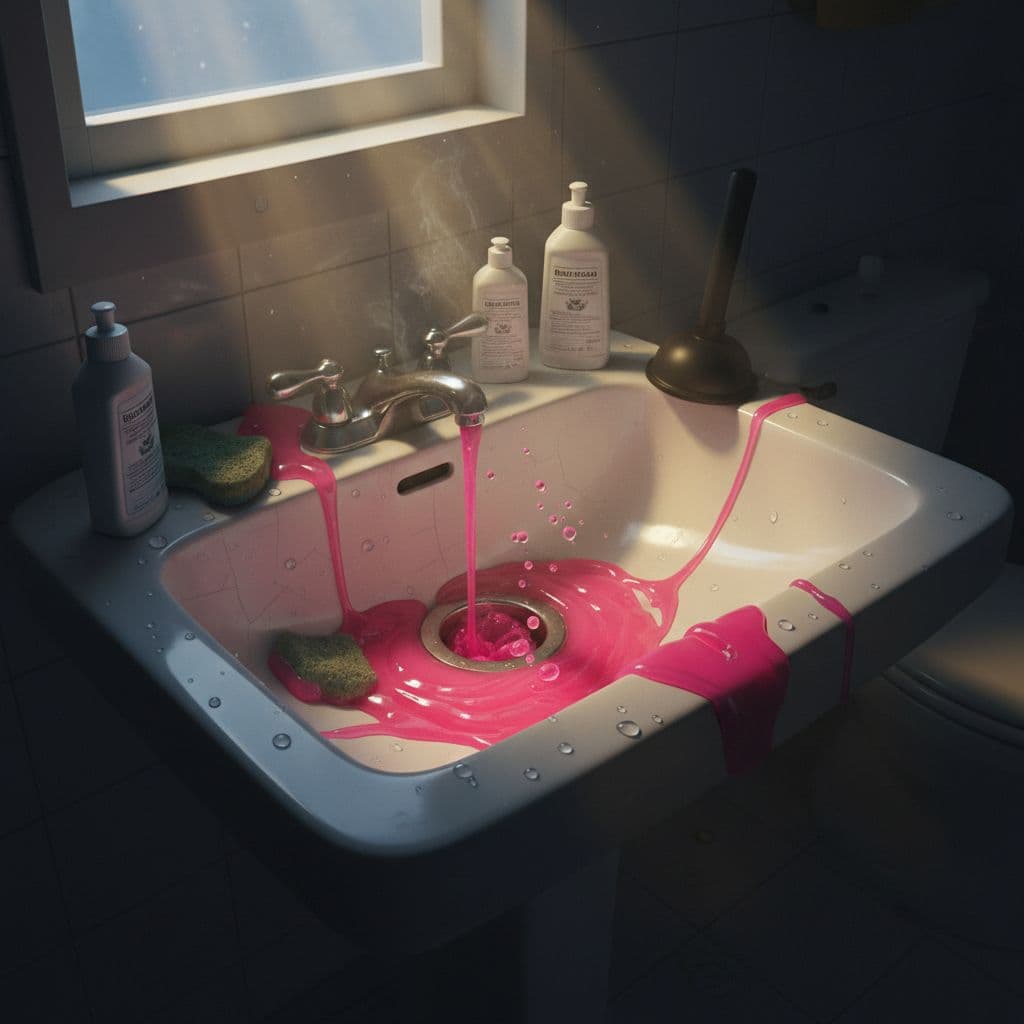
If you are seeing pink sludge in septic tank systems (or pink streaks on your bathroom floor, shower wall, or sink) you are probably looking at a biofilm, which is a slime that has been produced by microorganisms that thrive in moist environments and feed off of soap and oil residue. It is disgusting to find, especially if you are working hard to maintain a clean environment in your home.
The good news is that biofilms are often harmless and very common. The bad news is they can also appear with other problems associated with septic systems such as odors, slow draining, backup into the house, or water puddling around the drain field. You will now be able to determine whether the pink coloration is a biofilm or indicative of another problem. You will learn the probable cause of biofilms, how to clean them and prevent them from returning, and when it is best to contact a professional.

What pink sludge in a septic tank usually is, and what it is not
More often than not, the “pink sludge” you’re viewing is due to pink biofilm formed in septic tanks, caused by a biofilm. Biofilm is similar to a “living skin” that adheres to wet surfaces, which can contain a variety of bacteria and yeast that consume soap residue, body oils, and other cleaning products.
It often looks:
- Pink, salmon, or orange-tinted
- Slimy or slippery to the touch
- Like streaks at the waterline in a toilet bowl
- Like floating bits or wisps in standing water
- Like a film that comes back soon after you wipe it away
What it usually is not:
- Blood (blood tends to look red or brown, and it doesn’t make a slick film)
- Rust (rust is more gritty and orange-brown, often tied to old pipes or a water heater issue)
- A parasite (as unsettling as that idea is, pink slime is not how parasites show up)
If you’re trying to observe safely, start with what you can see from normal use:
- Toilet bowl waterline and under the rim
- Shower corners and grout lines
- Sink drain edges and the overflow hole
- Any slow-draining fixtures that “feel” slimy
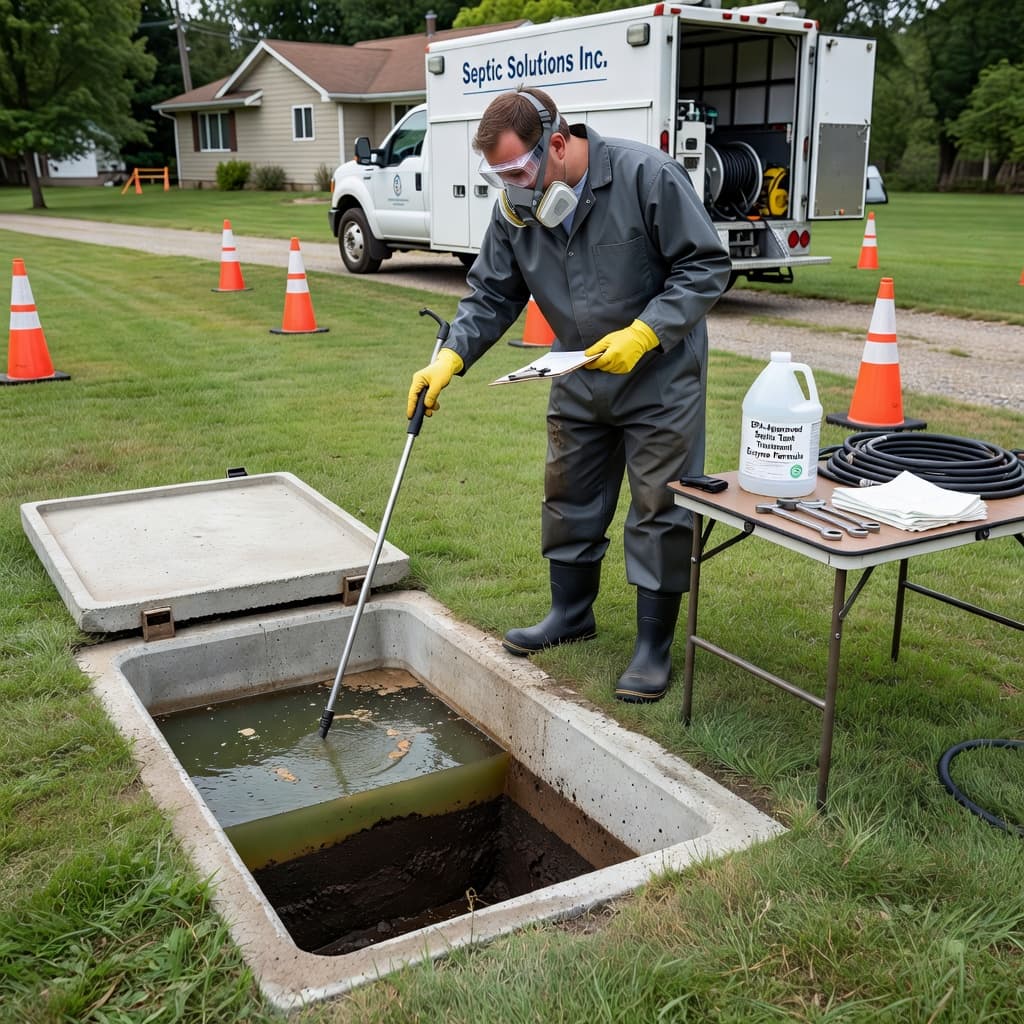
If you have knowledge of your septic system and can safely access the septic tank through the access lid, you may want to inspect the septic tank as well; however, always avoid hovering above or entering an open septic tank since septic gases can be hazardous, and you should never enter a septic tank for any reason.
If you find yourself repeatedly returning to the same question, “why does there appear to be pink sludge in septic tank water?” the primary reason is that both your plumbing and septic tank systems are interconnected. This means whatever grows within one portion of the system can contribute to growth in another.
Fast signs it is simple biofilm vs a bigger septic problem
Pink film can be annoying without being an emergency. But you don’t want to ignore warning signs that point to a real system issue.
More like simple biofilm
- A thin film near the waterline or on damp surfaces
- It returns after cleaning (sometimes within days)
- It shows up mostly in wet areas like showers and toilet bowls
- Drains still run normally, and you don’t smell sewage outside
More like a septic problem
- Gurgling drains or toilets after flushing
- Sewage smell in the yard or near the tank area
- Slow flushing that’s getting worse
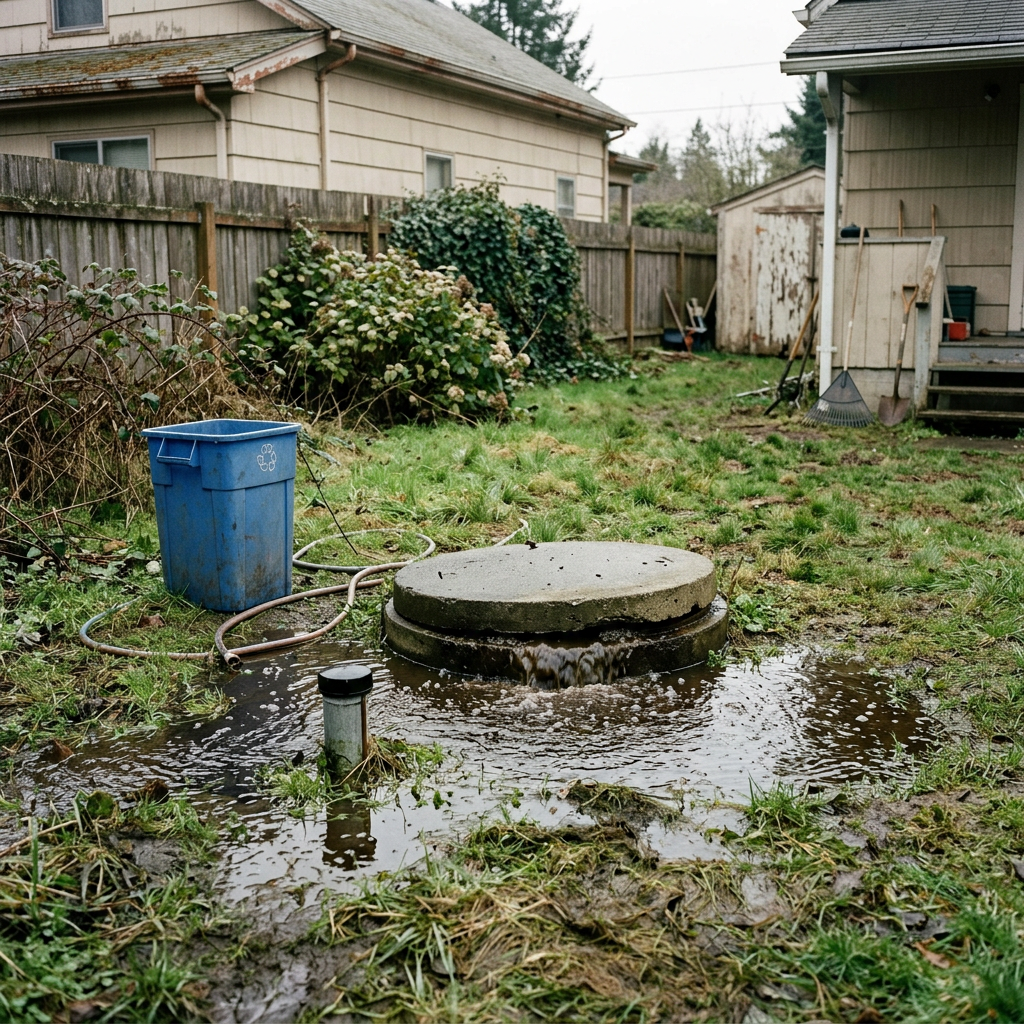
- Soggy soil or standing water over the drain field
- Backups in tubs or lowest drains
I would take it more seriously if pink sludge in septic tank sightings come with any backup, outdoor odor, or wet ground, because those signs usually mean the system is struggling to move or treat wastewater.
Common causes: why pink sludge keeps coming back
Pink Sludge in Septic Tanks Is Often Caused By Two Things: Food For The Bacteria And A Surface To Grow On.
The following are the most common causes of Pink Sludge In Septic Tanks, simply stated as cause-and-effect:
Wet Surfaces Where Microbes Thrive: When the moisture level in your home’s bathrooms remain high, or when your plumbing remains damp, this allows time for slime to develop and continue to develop.
Too Little Chlorine Or Inconsistent Levels Of Chlorine: If you rely on chlorine for water treatment (as many people who use wells, and some municipal water systems) and your levels of chlorine are too low, microorganisms will be able to create biofilm more quickly.
Using Rich Body Washes Or Moisturizing Products: Using heavy-duty soaps, and rich body washes and moisturizers creates more residue that is left behind, which can provide an opportunity for more pink slime.
Using Antibacterial Cleaners Too Frequently: Using strong antibacterial cleaners to clean surfaces will typically destroy the beneficial bacteria present in your septic system, creating conditions favorable for more growth of biofilm.
Lack Of Flowing Water Over Long Periods Of Time: Guest bathrooms, seldom-used sinks and long periods without using the shower allow water to sit in the trap and in the pipe, providing a long-term environment for slime to develop.
Increased Organic Load: The more users of the water in your home, the more laundry, the more showers, etc., the more “stuff” in the water, and therefore, the greater the potential for slime development and subsequent pink slime in septic tanks.
In addition to these factors, many individuals overlook the fact that “power” cleaners do not only eliminate dirt and grime, but also damage or kill the beneficial bacteria that are essential to maintaining a healthy functioning septic system. Although, this does not necessarily result in a failure of the septic system, it can certainly alter the type and location of the organisms growing.
If you think that no matter how much cleaning you do, the pink sludge continues to appear, you’re not alone, many times pink sludge problems associated with septic tanks are caused by the routine and not by a single incident.
Your products can feed it: soaps, softeners, and disinfectants
Some products leave more residue behind, and residue is food.
Common product types that can make slime worse:
- Moisturizing body wash and creamy liquid soaps
- Oily hair products and heavy conditioners
- Fabric softener and scented laundry boosters
- Strong, scented bathroom sprays used daily
- Heavy bleach routines (a little once in a while is not the same as daily “nuking”)
To keep pink sludge in septic tank growth from getting comfortable, focus on simple, septic-friendly product habits:
- Use less soap than you think you need, then rinse well.
- Don’t dump leftover mop water full of disinfectant into a drain.
- Avoid pouring strong chemicals down drains “just because.”
- If you use bleach, keep it small and targeted, like a diluted surface wipe.
I have found that using less soap often helps more than buying a new “stronger” cleaner, because you’re removing the food source instead of just scrubbing the symptom.
Water habits that help slime grow in pipes and tanks
Biofilm likes steady moisture. That’s why unused spaces can be a hidden trigger.
If you have a guest bath that sits quiet for weeks, the P-traps hold water, the air stays damp, and a film can form right at the waterline. Slow leaks do the same thing. A tiny toilet leak or a dripping faucet keeps surfaces wet and feeds slime over time.
Simple habits can make a real difference:
- Run water in little-used sinks and showers once a week.
- Flush guest toilets weekly to refresh the bowl and trap.
- Fix leaks fast, even “small” ones.
- Spread laundry through the week instead of doing it all in one day.
- If a drain is slow, address it early, before buildup thickens.
These steps don’t just help your bathroom look cleaner. They also reduce the odds that pink sludge in septic tank growth keeps getting re-seeded from the plumbing lines.
Pink sludge in shower, pipes, and drains: what it means for your septic system
Seeing pink sludge in septic tank systems often starts with seeing it inside your home. Think of your plumbing like a river system. What grows upstream can travel downstream.
Here are common “early sight” spots:
- Shower corners, grout, and around the drain
- The underside of a shower head
- Sink drain edges and the overflow hole
- Toilet bowl waterline and under the rim
- P-traps under sinks (you usually notice it as odor or slow flow)
You might think of your shower corner as a potential first place to identify pink sludge biofilm if you find pink sludge in your septic tank or even pink streaks in your drain after it has been removed.
You will likely have seen a slippery surface when removing the stopper, or perhaps you’ve noticed pink streaks on pipes where the water would sit if you have been seeing pink sludge coming from your pipes.
You are probably experiencing too much moisture and residue at the drain ring or slime at the drain edge if you find pink sludge at the bottom of your drain.
That is why I use my shower as a sign, as it provides the ideal conditions for biofilm to grow — it’s warm, wet, and filled with soap residue.
How to clean it safely without harming your septic tank
Start with the simplest approach. Biofilm hates friction.
- Scrub first, before you disinfect. Use a brush or sponge and put some effort into corners, grout lines, and under toilet rims.
- Rinse with hot water to help lift residue.
- Wash with mild dish soap (it cuts oils well) and rinse again.
- If you want disinfecting, do it small and targeted. A diluted bleach wipe on surfaces is different from pouring bleach down drains.
Important safety note: Do not combine bleach with ammonia or acid as this can result in hazardous fumes.
For your drain cleaner, you are looking for products containing enzymes (biofilms) labeled as “septic safe”. Don’t fall prey to miracle claims. Your objective is to achieve gradual, consistent removal of residue, rather than attempting to burn it all away at once.
If you have a visual slime problem and are still concerned about pink sludge in septic tank buildup, continue to focus on eliminating residue and maintaining a flow of water through the system. This is what will change the long-term pattern.

How to fix pink sludge in septic tank, and when to call for help
You fix most slime problems by starving it and disrupting its comfort zone, not by trying to “sterilize” your house.
A practical action plan:
- Reduce the fuel: cut back on heavy soaps, softeners, and daily disinfectants.
- Improve flow: run water in unused bathrooms, fix leaks, and avoid long periods of standing water.
- Keep up with maintenance: pump the tank on a schedule that fits your household size and tank capacity.
- Inspect key parts: a septic pro can check baffles and an effluent filter (if you have one). A clogged filter can cause slow drains and backups.
Pumping helps because it removes solids and scum, but pumping alone doesn’t always solve biofilm in household pipes. Pair pumping with habit changes so pink sludge in septic tank conditions don’t bounce right back.
Call a septic pro fast if you notice:
- Any sewage backup, even a small one
- Sewage odor outdoors near the tank or drain field
- Soggy ground or standing water over the drain field
- A septic alarm going off
- The tank seems to fill very fast
- Repeated clogs that keep returning after basic cleaning
I would call a pro right away if you see backups or wet ground outside, because that moves from “gross” to “health and property” risk quickly.
Key takeaways
Biofilms are generally what appear as “pink sludge.” Pink sludge is not typically formed from rust, blood, or parasites. Pink Sludge is a biofilm produced from microorganisms that thrive in moist environments where remnants of soap and oils remain.
The color of this film can vary in appearance; pink, salmon, orange, peach colors have all been observed. The pink sludge appears to follow lines or forms streaks along the water line of a toilet bowl, biofilm films found in showers, and biofilm slime located near drains.
Cleaning is usually only temporary relief, and many times cleaning will produce pink sludge again. Pink Sludge does not necessarily indicate that your septic system has failed. Microorganisms that create biofilm tend to develop rapidly under optimal conditions.
You can influence the creation of pink sludge using your personal care products. For example, thick body washes, shampoo with oil based ingredients, fabric softeners, and heavy fragrances from various cleaners can cause residual build-up that promotes the formation of biofilm.
Using excessive amounts of disinfectants can disrupt the normal functioning of a septic system. Disinfectants should be applied to the specific area in need of cleaning and rinsed thoroughly.
Stagnation creates an environment conducive for the proliferation of pink sludge. Inactive bathrooms, infrequently used sink areas, and slow leaks provide standing water allowing biofilm to adhere.
Friction-based cleaning methods are most effective for removing biofilm. Friction can be achieved using a brush or sponge prior to rinsing with hot water. A mild dish soap can aid in breaking down oils.
Bleach can be hazardous if used improperly. Bleach should never be mixed with ammonia or acid. When using bleach, apply the bleach solution in a dilute form and ensure that only the surface area is affected and avoid dumping the bleach down the drain.
If a homeowner notices any of the following symptoms of a potential septic problem, contact a professional immediately: gurgling sounds while draining, increasing slow drainage, sewage odors emanating from the drainfield, and/or soggy ground in the area of the drainfield.
While pumping the septic tank is beneficial for reducing solids buildup within the tank, this method does not address issues of pipe slime. In some cases, both pumping and modifying habits may be necessary for eliminating pink sludge.
Habit changes can help prevent future occurrences of pink sludge in bathroom plumbing. Leaks should be addressed promptly, and unused plumbing fixtures should be flushed regularly. Furthermore, laundry can be distributed throughout the week to minimize the amount of time spent with washing machines and other appliances.
In cases of backup or wet ground, it is essential that homeowners contact a professional immediately. Backups and wet ground can lead to serious health hazards and property damage. Additionally, these types of issues cannot be resolved by DIY methods.
Conclusion
Mostly, Pink Slime is just a biofilm that will do what all biofilms do and grow wherever there is residual water. Biofilms are very much influenced by your everyday habits of using water and products which may be feeding this biofilm or starving it.
However, when you notice odors, slow draining toilets or excessive moisture on the ground the situation has become urgent, at which point you need to seek assistance as soon as possible.
Clean visible areas, modify product use that enters your drainage systems, observe signs of stress in your systems and schedule inspections if you are not sure whether or not you have a problem with “pink slime” in your septic system. This is the best way to avoid having pink sludge in septic tank ruin your weeks due to unexpected issues with your septic system.
Affiliate Disclosure
Some links on Septic Tank & Treatment are affiliate links. If you click one of these links and make a purchase, we may earn a small commission at no additional cost to you.
We only recommend products and services that we believe may be helpful to our readers. Our opinions are our own, and affiliate relationships do not influence our recommendations or reviews. Always follow product instructions and consult a licensed septic professional when needed.
Related Posts