Septic System When on Vacation: What to Do Before You Leave
A septic tank usually will not have to be drained or turned off when your home is vacant. There are some things you should know about your septic system when on vacation. Know your services, check for any red flags, and see if your system has a pump, alarm, or something that will require electricity.
If you plan to be away from your home for an extended period, perhaps due to freezing temperatures or potential flooding, you may want to contact someone who knows septic systems in your area. Keeping these tips in mind can help you avoid trouble and know what to look for when you return.

Key Takeaways
- Most normal systems should not need to be shut down when on vacation.
- You shouldn’t pump your tank or turn off any septic system equipment just because you’re leaving.
- Make sure you know how your system operates if it has pumps and/or alarms, and consult with your service provider if you’ll be gone for an extended amount of time.
- There are certain circumstances where you may want to take different precautions with your system during the winter months or if there’s flooding. Consult your service provider on what to do based on your system and area.
- Have someone know who to call and any information they may need.
- When you return home, inspect your system for any problems before operating multiple water-using appliances.
Septic System When on Vacation: What to Check Before You Leave
There isn’t much stress placed on your septic system when no one is using it. However, it’s likely that something could happen while you are away that causes issues, or you might turn something off that shouldn’t be. Use these tips to help you create a game plan for your home and don’t just assume you need to shut everything down.
1. Find out what kind of system you have
You should be able to find this information in your home records or paperwork. If not, call your health department or septic company. Some systems require less maintenance than others. If you have a pump, alarm, or aerator, you’ll want to know more about your system.
Know what components require electricity. If your panel has an alarm, understand what that alarm means. Do not open any of your tanks to see what is happening.
2. Check service records, not just the calendar
Review your last service. Did they tell you anything you need to take care of? Perhaps you’ve had the same issue pop up each time, or they told you to follow up. Take care of it before you leave, or have someone come out to check it while you are on vacation.
Do not get your tank pumped out just because you are going on vacation. Every system and usage is different. Rely on your past services and what your septic company tells you. The EPA also suggests keeping a record of all your services. For routine-care context, see the site’s septic system maintenance checklist.
3. Fix signs of trouble before the house is empty
If you have noticed something draining slowly or smell sewage, make sure to take care of that before you leave for a long period of time. It could be many things, and you may not be able to fix it yourself. Call your septic company if it is a new issue or continues to happen in multiple fixtures.
If you have an alarm, make sure you know what it could be telling you and who to call. The site’s guide to a septic tank alarm going off covers what an alarm may signal and why a persistent warning needs attention.
4. Make a plan for powered equipment
Do not turn off your septic pump or equipment unless instructed to do so by your manufacturer. Your system may run on a timer, and if you turn it off, you may be doing more harm than good. If you think you may lose power, contact your septic company to see what to do.
If you see an alarm on your panel when you leave, try to get service instead of assuming it will go away while you are on vacation.
5. Prepare for cold weather if freezing is possible
If you are leaving during cold weather, there are some other things to keep in mind. Not using as much water in the winter can also affect your septic system. There are some recommendations for your area that you should look into.
When leaving your home for an extended period of time in the winter, you should make sure that someone is using hot water in your home, or have your septic pumped before you leave. Do NOT leave a faucet running. See the agency’s winter guidance.

6. Check the forecast and the property
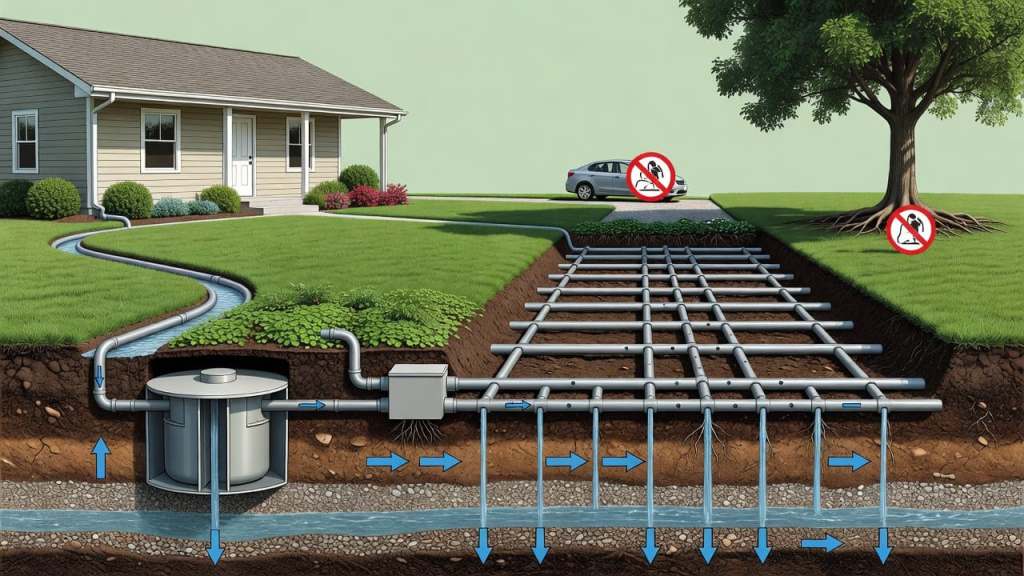
If you know that your home gets flooded or has excess water collect around your septic, make sure whoever is watching your home knows not to go near your treatment unit. Make sure nothing is parked or stored on top of it.
Always check around your home when you leave to see if there are any new puddles. You won’t know if your system is working properly, but you can catch issues early.
7. Leave useful instructions
If you have someone watching your home, let them know what to look for.
- Have them know where the alarm or panel is located. And who to call if it ever goes off.
- Give them the phone number for the company that services your septic system and instructions.
- Let them know if they smell sewage or see any wet spots or have back ups or water in there home.
- Do not allow them to open any tanks or remove lids or attempt to fix anything.
- If they will be staying at the house let them know what not to do to cause a rush of water.
What Changes the Plan?
| Situation | What to do before leaving | What to avoid |
|---|---|---|
| Standard system, mild weather, no known problems | Leave it operating normally. Keep service records and contact details available. | Unneeded pumping or shutting down equipment. |
| Pump, alarm, or other powered components | Check the manual and ask your service provider about a long absence. | Unplugging equipment or ignoring an active warning. |
| Extended winter absence | Ask a local professional about freeze protection for your system and property. | Assuming winter advice from another region applies to your home. |
| Flooding or saturated ground is possible | Know how to contact local health officials and a septic professional if flooding occurs. | Pumping a tank while the treatment area is flooded or saturated. |
Affiliate disclosure: If you buy through the link below, the site may earn a commission at no extra cost to you. The link is not a recommendation to use an additive, and additives are not a substitute for professional advice or needed repairs.
CTA: If you want to review the product information, see Septifix here. Check the product details and ask your septic professional before adding anything to your system.
What to Avoid While the Home Is Empty
Do not shut down equipment without instructions
When you leave your home, it’s not always necessary to turn off your septic system. Your system may require a pump or have an alarm that needs to stay on. Consult your manufacturer’s guide or service company if you have questions about what should stay on.
Do not use a pump-out as a vacation precaution
Just because you aren’t at home doesn’t mean your septic tank will fill with waste. Your system should be serviced based on its needs and when it was last serviced.
The only time you should not pump your septic tank is if it’s flooded. According to the EPA, you should not pump your septic tank if the drain field is flooded, as it can cause your tank to float. Always consult your local health department and septic company when dealing with flooding.
Do not leave water running to protect the system
Having your water drip is not always a solution to prevent your septic system from freezing. The state of Minnesota advises against having your water constantly running, as it can overwork your system. If you’re leaving your home during cold temperatures, contact your local professional to help develop a plan for your system.
Do not ask a house sitter to inspect inside the tank
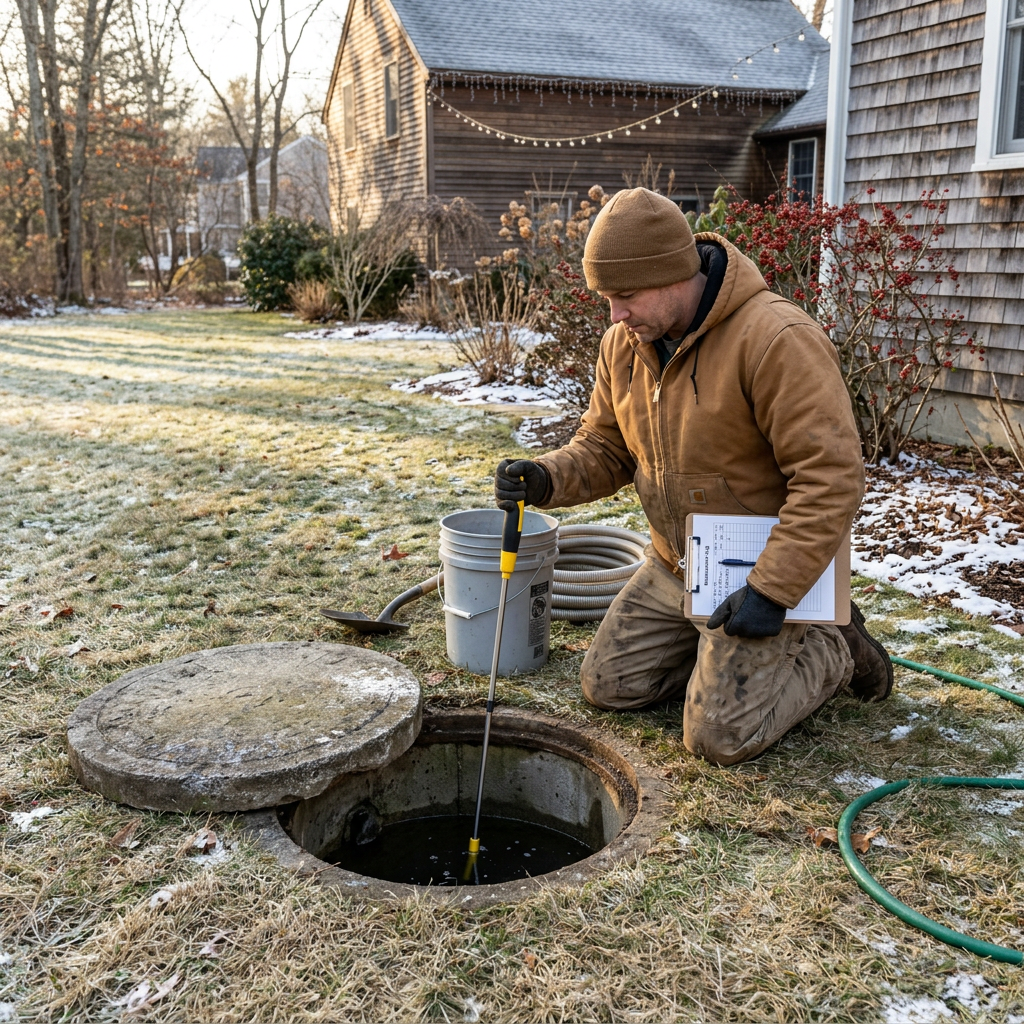
Never allow someone to look inside your septic tank. There are many dangers involved with septic tanks. Have them be aware of what they should look for when checking and contact you if anything seems off. Always have a professional check and service your tank.
What to Do When You Return
1. Look and listen before using lots of water
Walk around your home and check for any visible plumbing and septic equipment. If you see water leaking, smell an odor, or your alarm panel is going off, check outside for standing water or soggy ground around your septic tank or drain field. Do not step on or dig around that area. If you drove on that area, you should also avoid driving there again.
If your home became flooded while you were gone, you should not use your septic system until told by local authorities. The EPA’s flood recovery guidance advises against using a system while water in the soil absorption area remains above the surrounding water level.
2. Treat alarms and backups as problems to resolve
When there is an alarm going off and/or sewage backing up into your home or multiple drains are clogged. Stop using excess water and call a licensed service provider. Do not open the tank/pump chamber. If you have sewage in your home keep children and animals away from the contaminated area and call a professional for guidance.
There are some alarms that will go off and clear themselves. If this continues to happen or your system has a history of problems please write down what happened and when. This will be helpful for the service company.
3. Resume water use normally
If everything looks good and nothing went off while you were gone, just use your water as normal. You don’t have to dump gallons of water down the drain or use all your appliances to get your septic system running again. Just space things out if multiple people are coming back from vacation.
If your system runs by a pump or something similar, make sure you know how to start your system back up. Consult your manufacturer’s guide or service company if you’re unsure.
4. Check for evidence of weather damage
After storms or flooding, be aware of your system’s surroundings. Check for sunken areas or if your equipment got damaged. Don’t plug your equipment back in if you see any damage. The EPA states to have your system inspected if you think it may have been damaged by a flood. Also, don’t drive on top of your saturated drain field.
If you notice anything wrong with your system, limit water usage and consult with local authorities. Never pump your septic tank if it is flooded or try to clear a line by opening your tank.
5. Record anything unusual
If you see any alarms go off, lose power to your system, smell odors, or have any backups, take note of what you saw and when. Let your service company know what you noticed when you call. Keep this record with your other home documents to remember next time you are away.
Conclusion
Most residences just keep their systems running. Pumping it out or turning it off is probably not going to be beneficial to you. Plan out your equipment and have an emergency plan in place. If you have any questions about your pumps and alarms, or you have concerns about snow and ice or floods, consult a local expert. Just checking a couple things before you leave will ensure you can catch a major problem when you return from your Septic System When on Vacation.
FAQ
Should I have my septic pumped before going on vacation?
No, just because you’re away. Know when your last service was and know if your septic needs to be serviced. If it’s flooded or oversaturated, don’t pump. The EPA states that you should not pump under these conditions.
Do I need to shut off my septic pump when I’m away?
No, not unless told to by the manufacturer or a service professional. Your pump could be needed to operate properly. Ask about your system’s needs before turning it off.
Should I keep water running when I’m gone for the winter?
As a rule of thumb, no. This will cause your system to overload. There may be things you can do depending on where you live and what type of system you have. Consult a local professional.
Can my house sitter use my septic system?
Yes, if your system is working fine and they use your system as you would at home. Remind them to let you know if they see any alarms, backups, or smell/wet spots. Also, do not open the tank or lid.
What do I do if my alarm goes off when I return?
If the alarm is still on or comes back on, follow the instructions provided by the alarm and call your service professional if you are experiencing any other symptoms, such as slow draining. Do not open your tank or pump to check.
Did my home flood while I was away?
Do not use your septic system until it has been cleared by your health department or service professional. Do not have your tank pumped if the drain field is flooded or oversaturated.
Is there anything I need to do when I return from vacation?
If you did not experience any alarms, leaks, or backing up, or your system was not flooded, just resume normal activities. No need to dump extra water into your system or run machines.
Final Thoughts
Preparing yourself will help when leaving your home. Know what services have been done and if there are any issues. Know what to do if you have a pump or alarm. If it’s likely that your area will experience freezing or high water, contact your local septic company. When returning to your home, check for any red flags before using too much water. If you’re on vacation, most likely nothing needs to be done to your septic system. Just have a plan that will work for your home.
Want to check out something else? Here is an advertisement for Septifix, which you can read about below. Make sure to read through everything to see if it’s right for you.

Affiliate Disclosure: This article contains an affiliate link. If you make a purchase through it, we may earn a commission at no extra cost to you.
Related Posts