Water Softeners and Septic Tanks: Are They Safe?
Water Softeners and Septic Tanks: How Do They Work Together? It will vary by your softener and type of septic system. When your softener regenerates, it will send wastewater down your drain. The water could have salt (sodium chloride or potassium chloride) and other mineral content from the water softening process.
As stated before, there is no definite answer. There have been no studies to show that it will affect your septic system or that it won’t in all cases. It will depend on what type of softener you have and how it’s set up, the volume of water being sent down the drain and when it’s sent down, and also the type of septic system you have and if there are any regulations in your area.
Please reference your water softener instructions and contact your dealer, a licensed septic professional, or your local health department for more information on your specific situation.
I feel that this question should be answered by looking at each situation. Water softeners don’t always harm your septic system, but each situation can vary. I would look at what type of water softener they have and give them more information on their specific situation.
The short answer
Yes, but it depends. If you have a septic system, there may be some situations where a water softener will work. When the softener regenerates, it releases water into your system. How much depends on your softener and its settings. If it releases too much, it may increase your water volume.
Studies have been conducted on whether softener brine affects your septic tank and drain field soil. They have found varying results and do not definitively state whether it will or will not harm your system.
Here are some things to keep in mind when using or changing your softener:
- Consult the instructions from your softener manufacturer.
- Find out how much water is released when your softener regenerates.
- Talk to a septic system expert to determine if your system can handle the extra water being released.
- Find out if there are any codes that require your softener discharge to go somewhere else.
- Do not alter your discharge line without consulting a system expert.
How does a water softener work?
Hard water is made up of minerals such as Calcium and Magnesium. Many water softeners work by removing these minerals from the water and replacing them with Sodium or Potassium.
After the water softener removes the hard minerals from your water, the softener will need to clean itself. The softener will push salt through the resin bed to remove the minerals it absorbed from your water. Once the process is complete, your softener will discharge the excess minerals and salt out of the system.
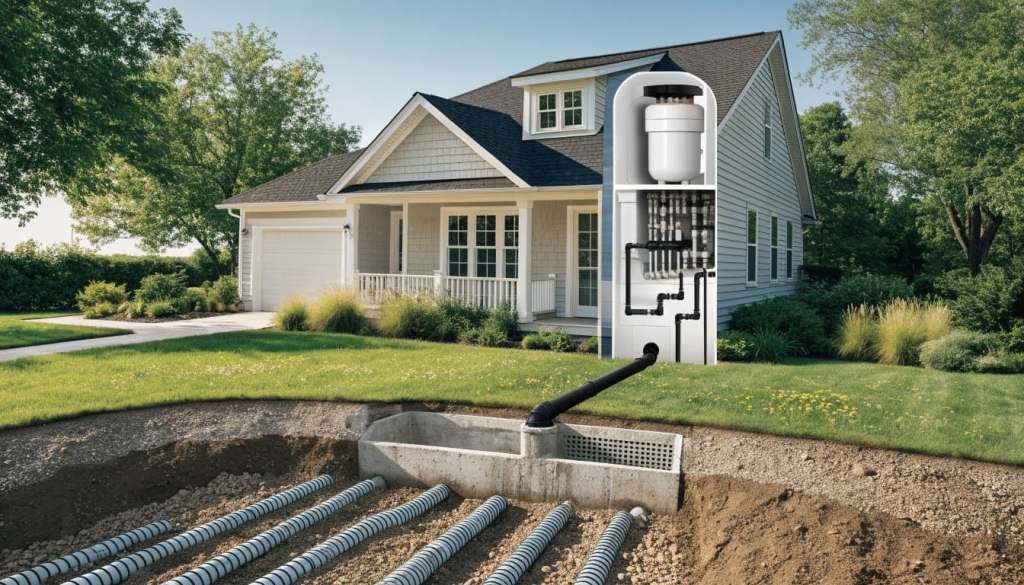
This discharge will usually be directed to your house drainage and will end up going into your septic tank. How much water is discharged from your softener will depend on your model of water softener, how much water your house uses, how hard your water is, and how your softener is set. Make sure to research how your specific softener works and ask your installer.
When considering water softeners and septic tanks, it’s important to know how much water is released when your softener regenerates.
Key Takeaways
- Water softeners can work with septic systems.
- It will release water when it regenerates; find out how much and ask if your septic system can handle it.
- There is no research that shows that a water softener will kill bacteria or harm your drain field.
- Know if there are any codes in your area that would prohibit you from discharging your water softener into your yard/dry well/storm drain.
- Consult a septic system expert.
What happens when wastewater enters a septic system?
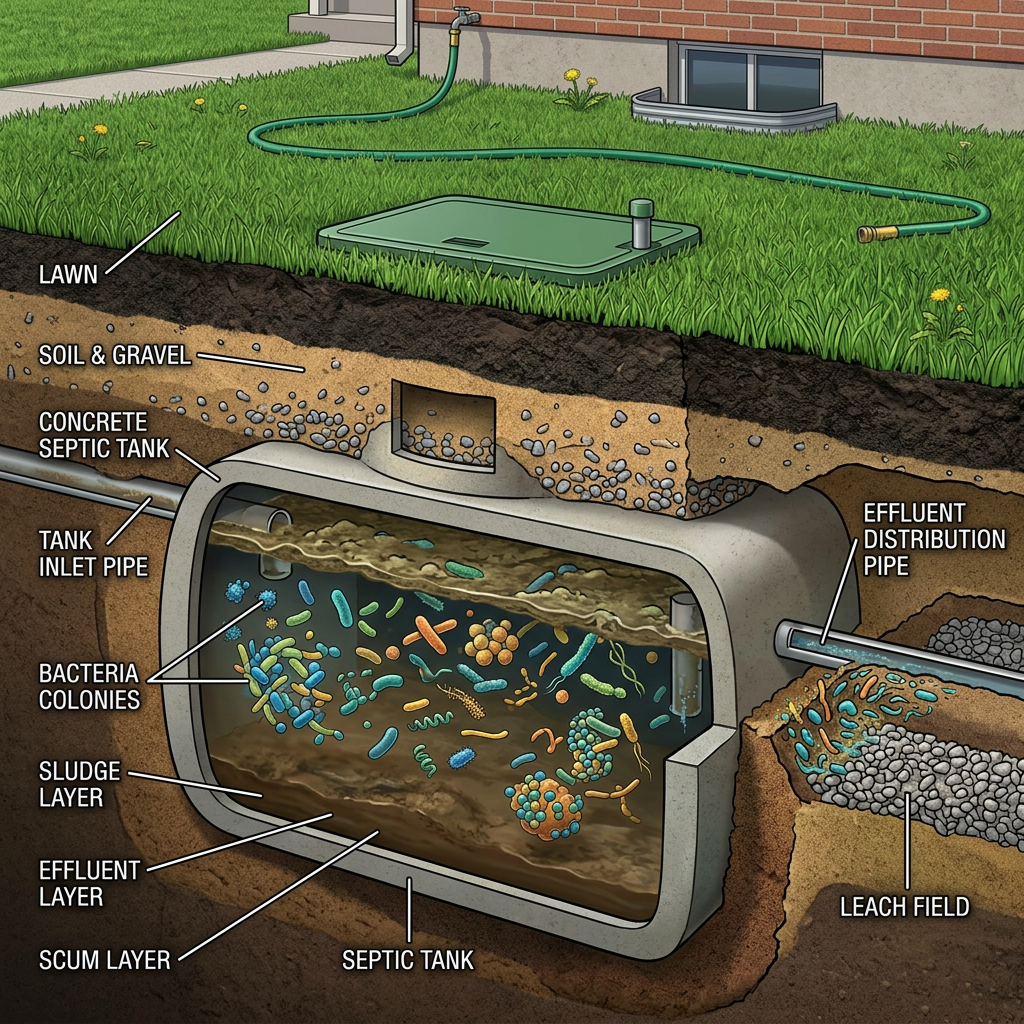
Your house will discharge water into your septic tank. The solids will drop to the bottom of your tank. Lighter waste will float to the top of the tank. The water will leave the tank and travel to your drain field where your soil will further treat the water.
Your water softener will be adding to the waste that goes into your septic tank. So we need to look at two things: How much water will it add to the system, and will the waste from the water softener affect your septic system or soil?
According to EPA.gov, when disposing of water softener waste into your septic tank, some water treatment units may discharge large quantities of water into your septic system. If it sends large amounts of water into your septic system, it could stir up the solids and increase the amount of water traveling to your drain field. This does not mean that all water treatment units will do this; it just may happen if you have one.
If you want to learn more about what happens in a septic system, see our septic tank maintenance guide.
Water Softeners and Septic Tanks: What the Research Says
As you can see, there is no definitive answer.
The Water Quality Association reviews the research that has been done on water softener brine and your septic system. They state that the studies showed no harmful effects and that efficiency can vary depending on the water softener.
Another source that looked at the research was from the University of Missouri Extension Service. They also did not show any harmful effects on the septic systems they examined.
This does not mean that it will not affect your septic system and soil. There is an article on Water World that argues against the research and shows examples of what can happen.
Each of these sources looks at the research differently and does not give us enough information to tell if it will affect your system. Talk to someone who knows about your specific system and softener.
| Concern | What the evidence suggests | Practical step |
|---|---|---|
| Extra wastewater | Regeneration adds water, but the amount varies by softener and settings. A high-volume discharge may strain some systems. | Check your model’s discharge details and ask a septic professional about your system’s capacity. |
| Septic tank bacteria | Research summaries do not support a blanket claim that normal softener discharge kills septic bacteria. Findings may not apply to every system. | Keep the softener correctly adjusted. Get advice if your septic system has problems. |
| Drainfield soil | Some studies found no reduced percolation under the conditions tested. That does not prove every soil and system will respond the same way. | Don’t assume salt will damage, or improve, your drainfield. Ask a professional about your property. |
| Discharge location | Rules differ by location. A yard, dry well, or storm drain is not automatically an approved option. | Check local requirements before changing where the discharge goes. |
Considering a septic additive?
If you’re considering septic tank additives for domestic wastewater treatment, review the product information here: View Septifix product information.
Disclosure: This is an affiliate link. The site may earn a commission if you buy through it, at no extra cost to you. This link does not mean the EPA endorses the product or that it can repair a septic system.
Could salt harm the helpful bacteria in the tank?
Yes, a septic tank has bacteria that help digest some of the waste. It’s logical to wonder if the salt from the water softener will affect this process.
No, we cannot definitively say that it will kill off all the beneficial bacteria in your septic tank. There are some studies that back this claim up and some that do not. Depending on how much salt is discharged, the amount of water being discharged, how often, etc., it may or may not affect your septic system.
Try not to add any more salt or other products to your septic system. Consult your water softener company and septic company on this issue.

Could the discharge affect the drainfield?
There are homes that have water softeners and septic tanks that operate just fine. It’s difficult to give a definite answer as to whether it will or will not. If you have high amounts of water flowing through your home, it can lead to your system being overwhelmed by the additional water. This has nothing to do with the salt potentially changing the composition of your soils.
Some of the studies that were summarized above showed no decrease in the soil’s ability to percolate water. These results may or may not be able to be generalized to all situations. The WQA and University of Missouri Extension give these answers after looking at certain studies. However, the WaterWorld article states that these studies may not be generalized to all drainfields.
Do not use these articles to troubleshoot your drainfield. see our guide to protecting a septic drainfield.
How to reduce avoidable strain on your system
There may be no need to stop using your water softener. Just ensure it’s properly installed and configured to work with your septic system.
Check the softener manual
Know how your water softener works, how much water it discharges, and what instructions are listed for draining. If you are unable to find this information, reach out to your manufacturer.
Do not alter your water softener’s settings based on someone else’s recommendation. Work with your water softener technician to determine the best setting for your situation. They can tell you if it can be set to only discharge when needed.
Ask a septic professional about added flow
Let them know you have a water softener and if it could cause your system to fail. Provide them with as much information about your water softener as possible.
If you have an older system or a small septic tank, this would be beneficial to ask. Also, if you have added more people to your household or you have more water flowing through your home than normal.
Don’t overload your system with water
Your water softener can add additional water to your system at a given time. Try not to add additional loads of water if you are told to spread out your water usage by your septic professional.
We have a great article that outlines how to do laundry that is safe for your septic system. It’s not a requirement to wash your clothes on a certain day; it’s simply spreading out your water usage.
Check local rules before rerouting discharge
Make sure you know if you are allowed to discharge your water softener somewhere else. It may or may not be legal in your area. Dumping it into your yard or a drywell can also cause additional issues.
Always consult with your local authorities to see what is allowed in your area. If you live in Australia, look up the rules in your state/territory and council area. Do not base your decision on what is allowed in another country.
Keep up with routine septic maintenance
Having a water softener is not going to maintain your septic system. Make sure to have your septic system inspected and pumped as recommended by the EPA. Your pumping schedule will depend on your situation and local codes.
It’s always a good idea to know when your septic system was last pumped and inspected. Our septic tank maintenance guide goes into detail on what you should be aware of.

Warning signs to take seriously
If you experience any of these, call your septic company.
- Your toilets, sinks, or tub are backing up.
- You smell sewer around your house or yard.
- Saturated soil around your drain field that is not from rain.
- Sewer or standing water around your yard.
- You hear an alarm going off on one of your pumps or components.
Just because you have these symptoms does not mean that your water softener is the cause. There could be many factors that could lead to your problem. Limit your usage if you have wastewater backing up. Make sure children and animals stay away from any sewage. Call your septic company for assistance. Never open your septic tank.
There are many tips that can be found on the EPA website to help maintain your septic system. Follow these guidelines as well as those given by your septic company.
Frequently asked questions
Do I need to turn off my water softener if I have a septic system?
No, there is no research that shows all water softeners will damage your septic system. Consult with your manufacturer’s manual and your septic company.
Will my water softener kill the bacteria in my septic tank?
Again, there is no research that states this will happen to all septic systems. It could depend on your water softener’s discharge and your septic system. Don’t assume that your septic tank will suffer just because research states that it can happen.
Can I run my water softener discharge outside?
You should not do this unless your local authorities and your water softener company say that it is okay.
What to ask your installer:
How much water does my water softener put out when it cleans itself? How often does my water softener clean itself? What does the manufacturer recommend for homes that have septic tanks? Take this information and ask your septic company what they think.
Overall, I feel that you should not try and assume that your water softener will not harm your septic system or that it will be fine running your discharge in your yard. Always consult your water softener and ask your septic company what they recommend. And lastly, know your local laws.
Bottom line
As we learned earlier, water softeners can coexist with your septic system and can cause your septic system to fail. There are no answers that will tell you if your water softener will cause your septic system to fail. Only your water softener’s discharge amount, your septic system, and local laws will determine this.
Know your water softener’s discharge amount and ask your septic company what they have to say. Maybe even ask your local authorities. By doing this, you can make a more informed decision on if you should run your discharge into your septic system.
Keep your septic system clean and healthy with our SeptiFix product. Use one tablet a month to help your septic tank stay cleaner and healthier

Sources
- U.S. EPA, Water Softener Guide
- U.S. EPA, How to Care for Your Septic System
- University of Missouri Extension, Do Water Softeners Hurt Septic Tanks?
- Water Quality Association, Softener Brine Disposal and Septic Systems
- WaterWorld, Water Softener Discharges and Septic Systems
Related Posts