Cesspool vs. Septic Tank: What’s the Difference?
Cesspool vs. Septic Tank: Cesspools collect wastewater from a house and allow it to percolate through the underlying ground. In a standard septic system, wastewater enters a sealed (tight) tank, and the solids sink to the bottom or rise to the top, with the liquid effluent discharged to a leaching field for percolation. What’s important for the owner or homebuyer is what they have on site, whether it’s permitted for that parcel, and the general state of repair.
Tight tanks hold wastewater until removed via pump-out, with no discharge to a leaching field. Sewered homes discharge their wastewater to the public sewer system, which treats the effluent. Onsite sewage disposal systems treat the wastewater on the homeowner’s lot.
Terminology and practice differ from area to area, and “septic” is sometimes used as a generic term for any onsite system, despite the fact that “septic” refers to the tight tank itself. Home listings will often state “cesspool” or “septic,” so always verify with the deed/town permit office and/or a competent inspector.
Personal reflection: What stands out to me is that a system’s name alone doesn’t tell the whole story. For a homebuyer, confirming what’s installed, whether it’s approved, and what condition it’s in is more useful than relying on a listing or a visible cover.

Key Takeaways
- A cesspool percolates effluent directly into the surrounding soil. In contrast, a standard septic tank passes effluent through a sealed chamber to an adjacent leaching field.
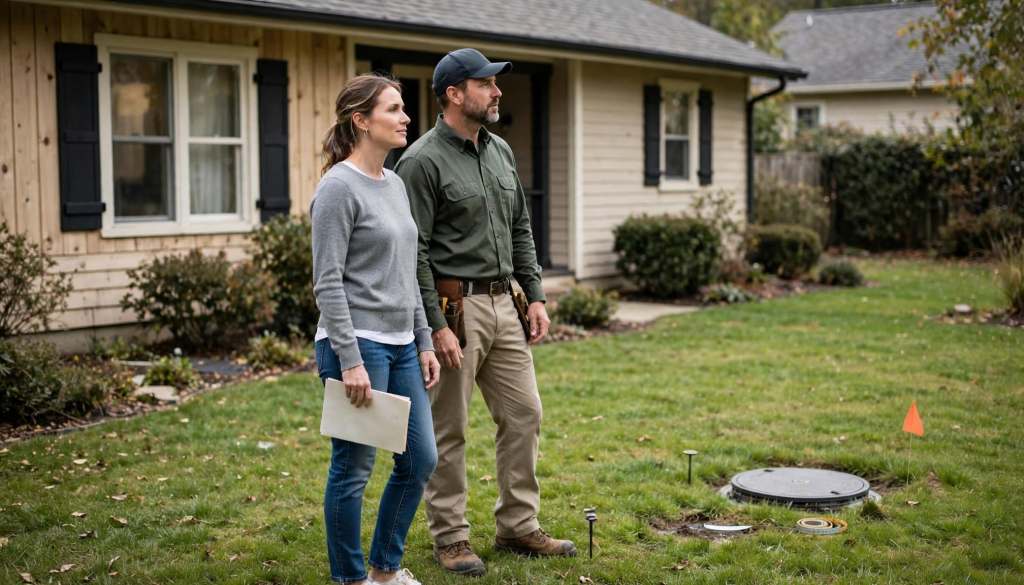
- The presence of a manhole cover, listing, or grass over the system will not tell you if it is a cesspool, its operating status, or whether it is permitted. Research and/or contact your municipality and have it inspected.
- Work that may need to be carried out (inspection/pumping/repair/replacement) will vary depending on the type of system, local conditions, and regulations. You should not assume that a cesspool is allowed to remain or can be converted to an equivalent system.
- The smell of sewage, slow drains/back-ups, soggy areas, or excessive greenery over/around the system may all indicate a failed system. None of these are conclusive, but consult with a specialist in your area.
- Obtain any available documentation regarding permit(s), design drawings, past inspections, and servicing, and clarify any issues with the system’s operation and/or permitted status prior to purchase.
How a Cesspool Works
A cesspool collects wastewater from a residence and deposits it into a below-grade chamber. It will commonly have a “leaking” base and/or walls and, therefore, allow leaching into adjacent soils. There are many different configurations of cesspools, particularly historically, such that the word itself provides no description of its physical characteristics.
Wastewater is discharged into the cesspool and percolates to surrounding soil, rather than being contained within a sealed vessel prior to discharge to a leaching bed (i.e., a typical septic system). Some attenuation may occur in the soil, but it will not provide the full level of treatment afforded by a sealed vessel + drainfield configuration.
No definitive surface indicators exist that would reliably indicate whether a given installation is a cesspool. Indicators such as manhole/access covers (or tank access risers, cleanouts, effluent pump/alarm, drainfield, etc.) may be observed but could also correspond to any part of a septic system, which may also be obscured. Use these only as indicators.
One or more cesspools may be installed on-site, including potentially at various points during the history of the property. Available records may not fully account for this. Do not presume the system configuration based on any individual surface feature.
The EPA defines cesspools for purposes of their rulemaking, distinguishing between cesspools that exceed a certain volume versus those that don’t. This definition may differ from the colloquial application of the term, e.g., by the seller/property listing. Consult the local health/permitting agency if in doubt.
How a Conventional Septic System Works
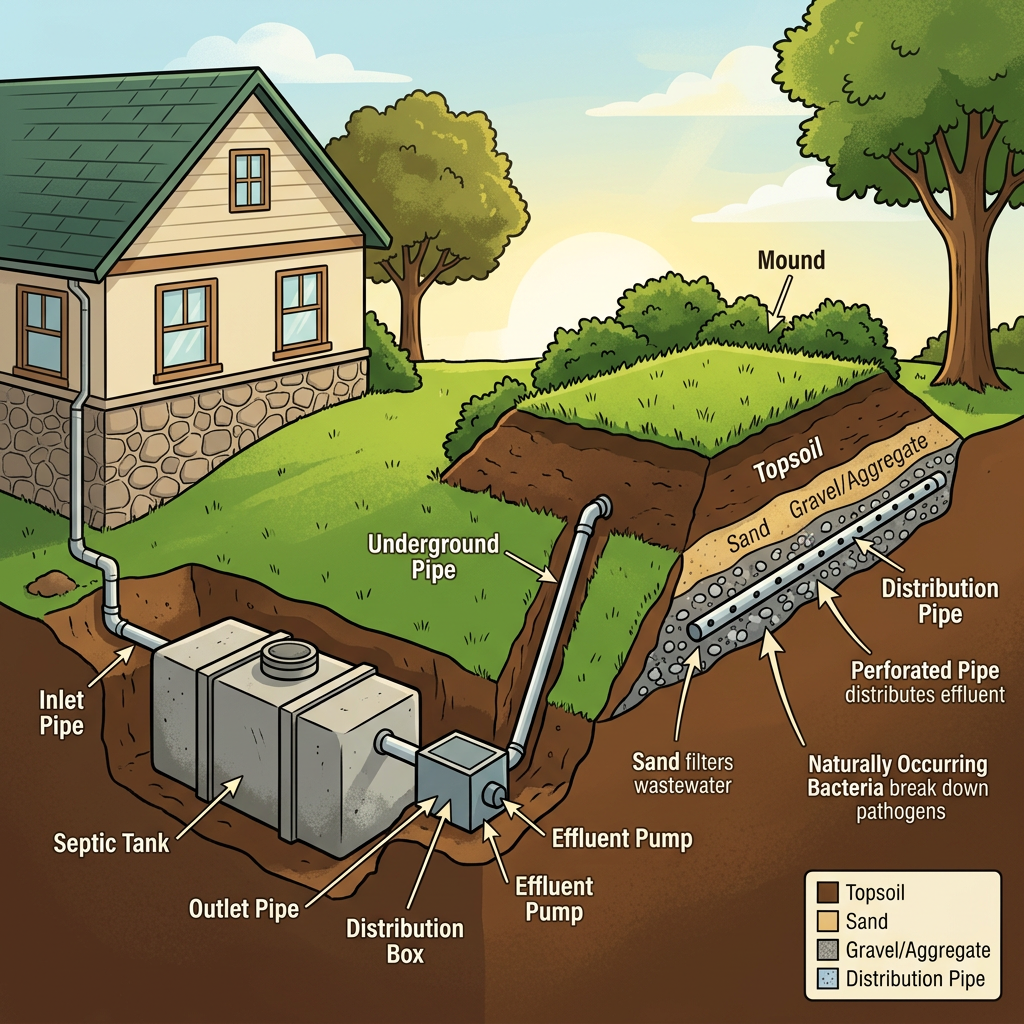
A conventional system uses a tank and a drainfield. Wastewater flows from the home through a pipe into a buried, watertight septic tank. In the tank:
- Heavy solids settle to the bottom as sludge.
- Grease, oils, and lighter material float to the top as scum.
- Bacteria break down some organic matter.
- An outlet, often with a screen or baffle, helps keep solids out of the drainfield.
Liquid, called effluent, leaves the tank and flows through pipes to the drainfield. In some regions, a drainfield is called a drainage field or leach field. A distribution box may divide the flow among several trenches. The soil then filters and treats the effluent. Depending on the site, the system may use a pump or other components to move or treat the liquid.
The soil’s ability to absorb and treat effluent depends on factors such as soil type, available space, groundwater conditions, and system design. This is one reason an assessment needs to cover more than the tank. EPA describes the home’s pipe, tank, drainfield, and soil as parts of the overall process. EPA: How Septic Systems Work
Some properties have alternative systems with additional treatment units, pumps, or different drainfield designs. These aren’t necessarily cesspools. Ask for the approved plans and have a local professional identify the components.
Cesspool vs. Septic Tank: Key Differences
| Feature | Cesspool | Conventional septic system | What a buyer should confirm |
|---|---|---|---|
| Main parts | An underground disposal structure | Watertight tank, pipes, drainfield, and soil | System type, layout, and approved plans |
| Wastewater path | Liquid seeps into nearby ground | Liquid flows from the tank to a separate drainfield | Where wastewater goes after leaving the home |
| Treatment | No tank-and-drainfield treatment sequence | Solids settle in the tank; soil provides further treatment | Whether the system is approved and functioning |
| Care | Depends on local rules and the structure’s condition | Inspection, pumping, and care depend on design and local rules | Service records and authority requirements |
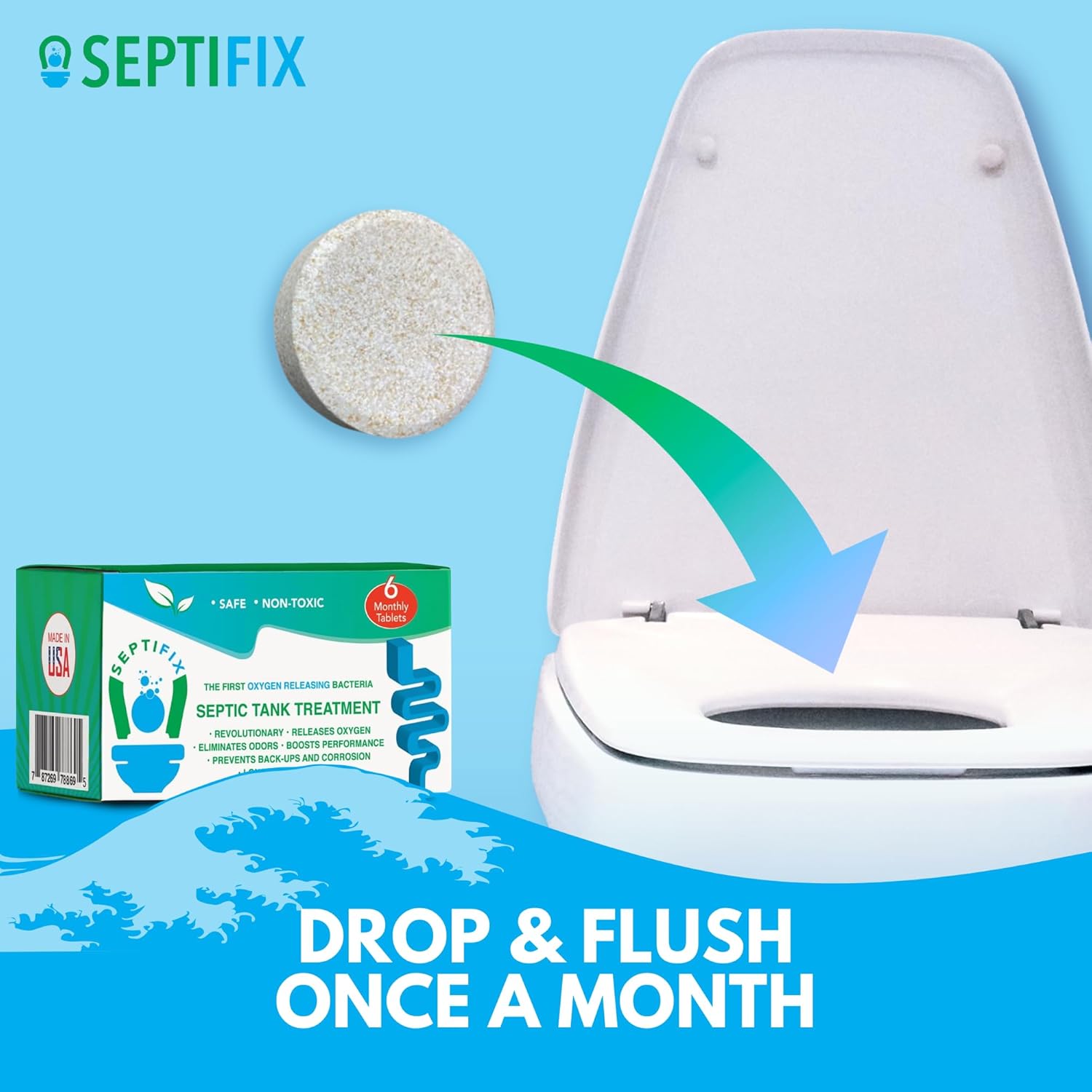
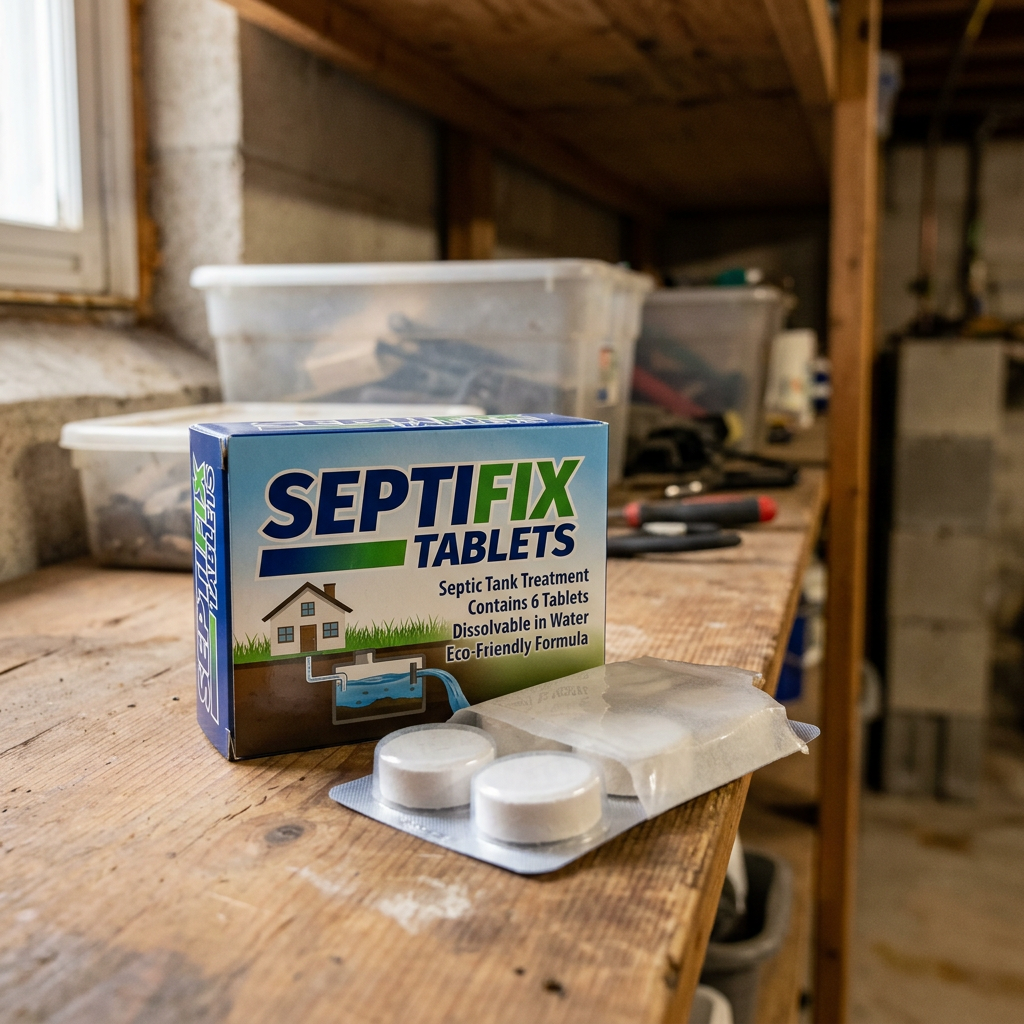
Affiliate Disclosure: As an affiliate of some of the products mentioned below, I may receive compensation from qualifying purchases. The following is an affiliate link and does not imply any recommendation or need for the product (EPA).
You can also consult the Septifix page here and review the product’s contents and directions in relation to your septic system and any applicable regulations.
How to Confirm What a Property Has
A seller’s description is a starting point, not proof. For a purchase, repair, or renovation, identify the system before making plans.
1. Request the Seller’s Records
Ask to see any records of the following:
- Permits and approved plans for the system
- As-built drawings indicating placement of components
- Inspection reports
- Pumping and service receipts
- Repair or replacement approvals
- Documentation of backups, overflows, or other reported issues
Match records to the existing property. A plan may indicate what was approved for the system but may not reflect subsequent modifications. If records are unavailable, inquire if the local jurisdiction has a copy.
2. Contact the Local Authority
The health department, environmental department, or building and permitting office may hold system records. Ask what type of system is recorded, whether permits or as-built plans are available, and what requirements apply to an inspection, repair, or replacement.
There is no single nationwide process for evaluating an onsite system during a property sale. EPA says many states require transfer inspections, but requirements vary. The local authority can tell you whether an inspection or approval is required, who may perform it, and what the report must cover. The inspection may be done by an authorized evaluator or qualified professional, not necessarily by department staff.
EPA’s general inspection guidance includes reviewing system and maintenance records, inspecting accessible tanks and components, checking sludge and scum levels, and deciding whether pumping is needed. It doesn’t mean every property-transfer inspection requires pumping. EPA: Property Transfer Inspections for Septic Systems EPA: Frequent Questions on Septic Systems
3. Arrange a System-Specific Inspection
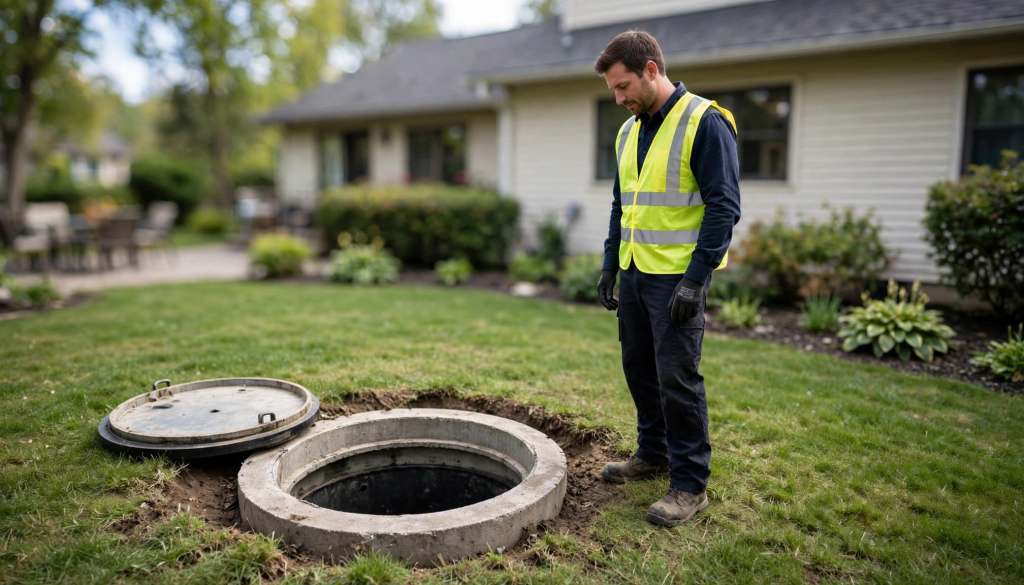
Ask a qualified local septic professional to identify and inspect the system. Tell them if records call it a cesspool, if the layout is uncertain, or if the property has more than one dwelling.
A general home inspection may not include a detailed inspection of the onsite system. Confirm in advance what the professional will inspect and what the written report will cover. A useful report should identify the system and visible components, describe their condition, note signs of a problem, and explain any limits to the inspection.
4. Check the Whole Property Layout
Ask the professional to locate the relevant components and compare them with the plans. Confirm the position of the system relative to the house, property lines, wells, and nearby surface water. Local rules set required distances and site conditions, so don’t rely on a general rule from another state.
If there is a private well, ask the local health department about appropriate water testing. An onsite system or cesspool doesn’t prove a well is contaminated, but the system’s location and condition matter when evaluating the property.
Inspection and Maintenance Differences
The right care schedule depends on system design and household use. EPA recommends inspecting a typical septic system every one to three years. A household tank is typically pumped every three to five years, but the actual schedule depends on tank size, household size, water use, and local guidance. Systems with pumps, electrical controls, or other mechanical parts may need more frequent inspection. EPA: How to Care for Your Septic System
During an inspection, a professional may review system records, assess tank condition, check sludge and scum levels, and examine accessible pipes, filters, pumps, controls, and drainfield components. The inspection depends on the system design and what can be safely accessed. Ask whether the report covers the distribution box and drainfield, not just the tank.
For a cesspool, don’t assume the septic-system schedule applies. Requirements for inspection, pumping, repair, or continued use depend on local rules and the structure’s condition. Ask the local authority what applies, then have a qualified professional assess the system.
Never enter a septic tank or cesspool. These structures can contain dangerous gases and other hazards. Leave covers and inspection work to trained professionals.
Keep records of inspections, pumping, and repairs. They help with future maintenance and give a buyer more information about the system’s history. If the property changes hands, provide the records to the new owner.
Health and Groundwater Risks
A poorly located, damaged, overloaded, or malfunctioning system can pose a risk. A cesspool sends liquid into surrounding soil without the tank-and-drainfield treatment process of a conventional system. This can create a contamination concern, especially where groundwater is shallow or drinking-water wells are nearby.
A conventional system is designed to treat sewage, but it doesn’t make every contaminant harmless. Treatment depends on the tank, drainfield, and soil. A failing or poorly maintained system can cause sewage to back up into a home or reach the ground surface. It may also affect nearby wells or surface water. The risk at a property depends on the system’s condition, site conditions, and distance to wells or water bodies. EPA: Septic Systems and Drinking Water
Possible warning signs around a cesspool or septic system include sewage odors, wastewater at the surface, wet or spongy ground, standing water, or unusually lush grass near the system. These signs don’t confirm the cause, and groundwater contamination may not be visible. If the property has a private well, ask the local health department about testing. Contact a professional if you notice a problem rather than trying to diagnose or repair the system yourself.
Local Rules, Permits, and Replacement
Cesspool and septic-system requirements depend on state and local rules. Regulations may address if a system can remain in use, what types of repair are acceptable, when the system must be replaced, and what permits or inspections are required. Some districts want you to take action if you sell your property or when you, as the owner, intend to make an addition. Others have different triggers.
Federal requirements ban large-capacity cesspools through EPA’s Underground Injection Control program. EPA’s federal definition typically classifies cesspools serving more than one residential unit, and some non-residential systems, as large-capacity cesspools. However, a cesspool that serves only a single-family residence and that receives only residential sanitary waste is not considered a large-capacity cesspool under EPA federal requirements. Just because it isn’t regulated at the federal level doesn’t mean your system is approved, safe, or legal where you live. EPA: Large-Capacity Cesspools
Do not assume an old system is grandfathered in or can be replaced like-for-like. Ask the local permitting authority:
- Does this system need a permit?
- Does this system need to be recorded?
- Can I keep using this system?
- What job needs a permit?
- Do I need an inspection or disclosure when selling?
- What rules apply if this system fails or the home is remodeled?
- Is my site compliant for a new system?
A replacement may need a different design if current rules or site conditions don’t allow the original system to be rebuilt. The local authority and a qualified professional can explain the options.
Long-Term Cost Considerations
Maintaining a cesspool may only defer a replacement cost if permitted by local regulations and deemed serviceable by a professional. Maintenance may still require pumping and repairs. A malfunction, sale of your property, remodel, local ordinance, or other factor could initiate the need for replacement.
Replacement can come with a substantial immediate cost, and a septic system will still need maintenance and future repairs. However, proper maintenance can help avoid problems in the future that may lead to more expensive repairs, like drainfield replacement. Costs will vary based on your property and system configuration, site conditions, permits required, and construction requirements. Obtain a site-specific evaluation along with a written estimate instead of relying on an average cost across the nation.
If replacement is being considered, our guide to septic system installation costs explains common expenses, including the tank, drainfield, permits, and site work.
Homebuyer Checklist
Before closing on a property with an onsite system:
- Identify the system. Confirm whether it is a cesspool, conventional system, or another design.
- Get the records. Request permits, plans, inspection reports, and service history. Ask the local authority about missing documents.
- Arrange an inspection. Use a professional who knows local systems and requirements. Confirm what the inspection includes.
- Ask about the system’s history. Find out whether there have been backups, overflows, repairs, or replacement proposals.
- Check how many buildings it serves. Ask whether the system serves another home, accessory dwelling, or other structure. This can affect its classification and legal requirements.
- Verify local approval. Ask the permitting authority whether the system may remain in use and whether a sale, repair, or planned renovation triggers requirements.
- Review site constraints. Confirm where the system, drainfield, and any private well are located. Ask whether the property has room and suitable conditions for a replacement if needed.
- Resolve repair questions before closing. If an inspection identifies a concern, ask the professional and local authority what further evaluation or work is required. Don’t treat a general inspection note as a complete repair plan.
A written inspection report is most useful when it states what was inspected, what couldn’t be inspected, and what further evaluation is recommended. If the system type or legal status is uncertain, resolve that question before relying on a seller’s description.
Before buying a property with an older wastewater system, arrange an inspection with a qualified local professional. See our septic tank inspection checklist and guide for what an inspection may cover.
When to Contact a Licensed Local Professional
Contact a licensed or locally authorized septic professional if you are buying a property with an onsite system, can’t identify what is installed, need an inspection, or are considering repairs or replacement. Call promptly if sewage backs up, sewage odors persist, or wet areas appear near the system.
For questions about permits, system approval, sale requirements, or replacement rules, contact the local health or permitting authority. A contractor can assess the physical system, but the authority determines which local rules apply.
My takeaway: I’d want the records, local rules, and inspection findings to line up before assuming an older system is safe to keep or simple to replace. Checking first may help avoid a costly surprise.
FAQ
What is the difference between a septic tank and a cesspool?
A septic tank is only one piece of a system that encompasses a drainfield as well as soil. Conversely, a cesspool discharges liquids into the ground at the same time it does so in the tank.
Does seeing a septic tank cover prove the property has a septic system?
No. The cover could be from the tank, pump chamber, or somewhere else, and it can’t show the entire system. Look it up and have a local professional figure out the system.
Can a cesspool be replaced with a septic system?
Maybe. The land needs to comply with the local authority on an approved scheme and the site has to be acceptable. Space, ground conditions, groundwater, setbacks and permissions could all make a difference to the feasibility. Always discuss with the local authority and an appropriate expert before starting works.
How much does replacement cost?
*Most popular price. There is no such assured price for all properties; it varies due to site location, approved drawing, permits and required construction. Please ask for a written quote on the base of any site assessment.
Related Posts