
How to Deal With a Septic System: Simple Steps That Prevent Mess and Save Money
You don’t have to be a licensed plumber to help ensure your septic systems continue to operate at their best. Knowing some basic principles of maintenance allows you to prevent backups in your home, maintain an acceptable condition on your yard, and keep your well-water free from contamination. Learning how to deal with a septic system saves money, spares you stress, and gives you control.
Below are the simple to follow steps for maintaining your septic systems. This guide has been broken down into three basic categories: 1) knowing your system; 2) building good habits each day; and 3) taking immediate action when problems arise. The steps provided below include simple-to-follow instructions that anyone new to septic maintenance can utilize today.
Are you ready to develop confidence in understanding the conditions of your underground septic systems, and how to properly maintain them? Below are the basic steps to begin your journey.

Key Takeaways
- You should provide regular maintenance for your septic system in order to keep it functioning correctly and to help you avoid having to pay thousands of dollars for costly repairs.
- Know exactly where your septic tank is located as well as the location of your drainfield, access lids, and main sewer line.
- Your septic tank separates household wastewater into three parts: sludge (at the bottom), liquid effluent (the middle layer), and scum (on top).
- Do Not go inside your septic tank, nor lean over an open septic tank because toxic fumes could result in serious harm or death.
- How often you need to have your tank serviced depends on several factors including your household size, tank size, amount of water usage, and whether you dispose of garbage by grinding it with a garbage disposal.
- To protect the integrity of your septic system and to minimize the potential for damage caused by excessive water flow through the system, try spreading your laundry and dishwasher usage throughout each week rather than doing all of your washing and dishwashing at one time.
- Only flush human waste and toilet paper down your toilet. Do NOT put wipes, grease, chemicals, paper towels, trash or anything else down the drain.
- The area above the drainfield of your septic system should be free of vehicles, buildings, heavy equipment and extra water.
- If you experience slow draining toilets, gurgling sounds coming from your drains, unpleasant odor smells emanating from your sewage drains, wet areas near your drainfield or if you notice that sewage is backing up into your house, then there likely is a problem with your septic system.
- If you experience any of these issues and/or if you see sewage backing up into your home while using water, stop using water immediately and call a licensed septic professional.
- It is highly recommended that you maintain records of all inspections of your septic system, pumping of the septic system, repairs made to the system, and measurements of the sludge in the tank.
- The inspection frequency and pumping schedule will depend upon many factors including but not limited to local regulations and recommendations from your septic professional.
Know your septic system so you can care for it the right way
How a septic system works in plain English
Wastewater leaves all of your sinks, showers, and toilets, and then is sent to the septic tank. Inside the tank, solids will drop to the bottom and create a “sludge” at the bottom of the tank. On top, grease and oils float and create a “scum” on top of the tank. And in the middle of the tank is the liquid (called “effluent”).
Inside the tank, bacteria eat up some of the solids. There are baffles and an outlet filter that prevent the scum and sludge from flowing out of the tank. The filtered effluent is sent to the drain field, a network of pipes with many small holes, where it slowly makes its way through the surrounding soil, acting as a natural filter for removing germs and nutrients from the wastewater. A healthy septic tank and a dry, well-oxygenated area of soil is what allows this whole process to work.
You should never open a septic tank, nor should you ever enter one. The gases inside can kill you. Always leave opening the lid of a septic tank and doing internal inspections to a licensed professional.
Find your tank and drainfield without digging up the yard
First, if you don’t know where your septic system is located begin by using paper. Research property records, permits issued on your property or review an inspection of your property done at the time of your purchase. Next, walk around your yard looking for low lids or circular caps on top of tanks called risers. Finally, you may be able to find the main line into your house’s sewage system (main sewer pipe) in your basement or crawlspace and follow that line directly outside.
You will need to use a long thin rod like a “thin” probe to lightly search for the tank’s shape or dimensions when you are searching for the tank location on a lawn filled with loose soil. You should not have to force the rod.
Contact 811 or your local utility locating service prior to digging so as not to hit any underground lines. Create a simple sketch of your septic tank and drain field location and save this document along with all other documents related to your home. Keep vehicles, buildings/sheds and large equipment off of the drain field and above the tank so that you do not cause damage to these items.
Tank size, household size, and how often to pump
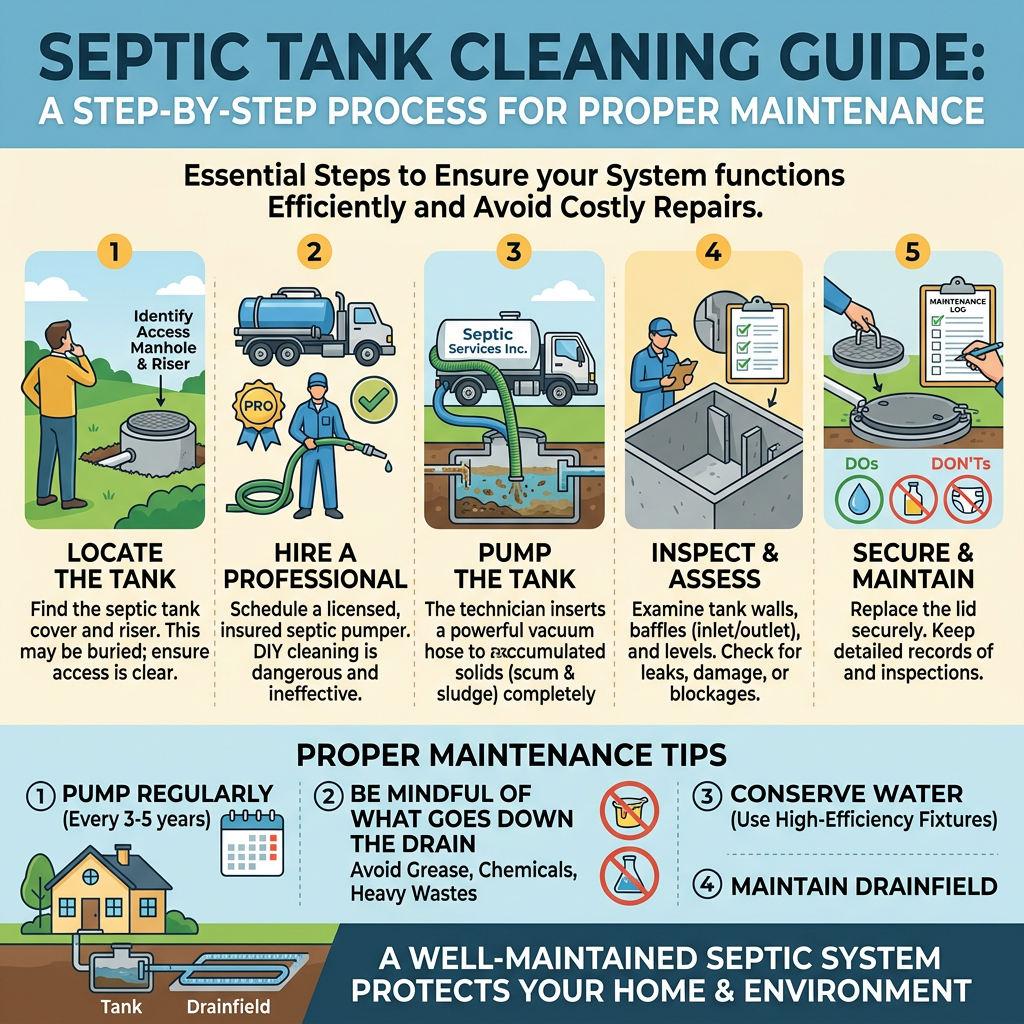
The larger your household size and the smaller your septic tank, the quicker that solid material will accumulate. The typical homeowner should have an annual inspection performed on their system and have their tanks pumped at least once every three (3) to five (5) years. Garbage disposals, excessive showering, and heavy washing of clothes may necessitate more frequent pumping.
Pro’s can monitor sludge and scum accumulation within your tank(s). It is usually necessary to perform maintenance if there are signs that either the scum has reached the outlet of the tank or the sludge is excessively high. In addition to keeping track of these items, maintaining a simple record of inspection dates, sludge/scum level measurements and any other information your service provider provides will be helpful for future reference. Maintaining copies of your invoice will allow you to keep a record of what work was performed and when.
For a deeper walkthrough of the tank service process, see this practical septic tank cleaning guide.
Protect the helpful bacteria and system parts
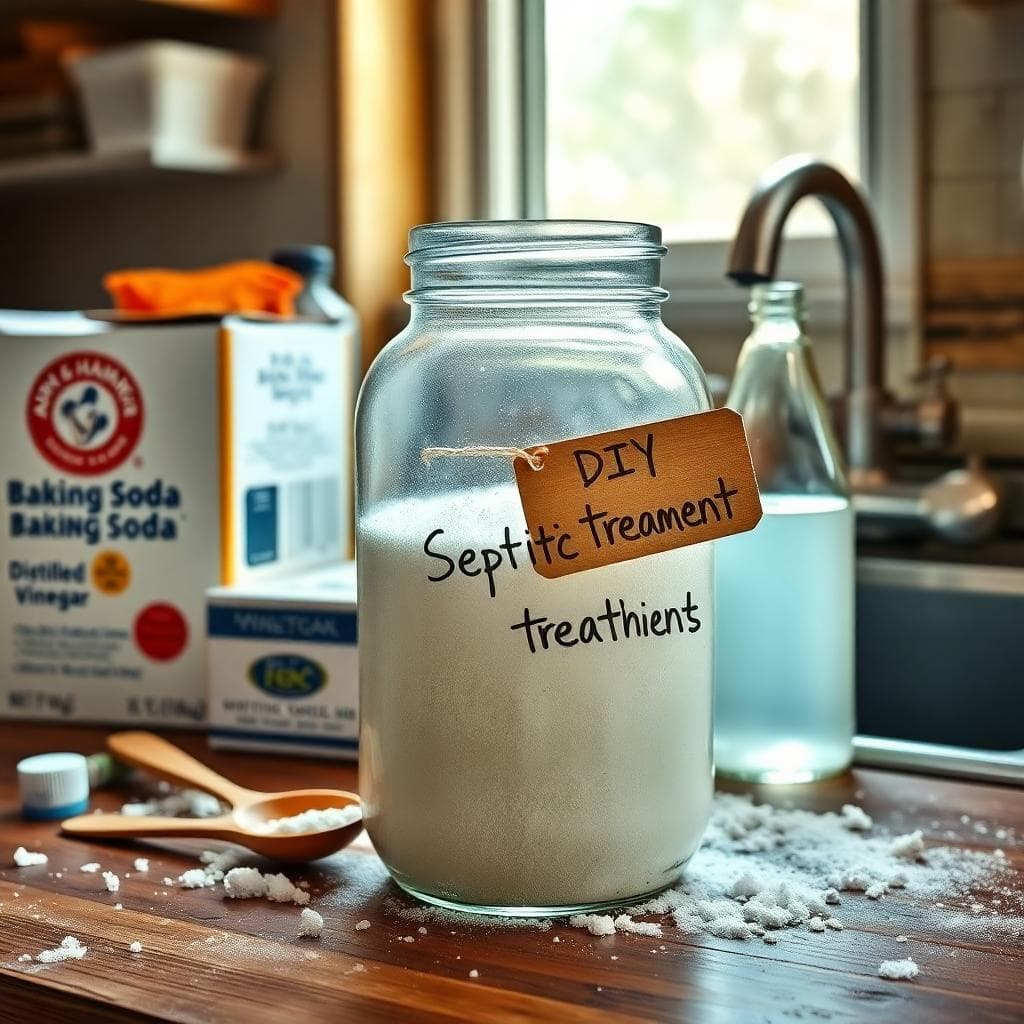
Your septic system is home to bacteria. Treat your septic system with care. Use septic-safe cleaners and use them sparingly. Do not paint, use solvents or oils in the septic system. Chemical drain openers should never be used in a septic system. Be careful with how much bleach you use because using too much bleach could disrupt the bacterial environment in your septic system.
Typically additives are not needed as long as you have your septic system pumped regularly and manage what you put down the drains. When learning how to deal with a septic system, keep water use steady, and avoid sending large volumes at one time.
How to deal with a septic system day to day
Use water wisely so you do not overload the system
If too much water flows into a septic system it may cause flooding in the tank or drainfield. Fixing leaks from toilets and sinks immediately will help to lower the amount of water flowing into a septic system. Installing low-flow toilets and shower heads also reduces the amount of water flowing into a septic system.
Spreading out your laundry through the week instead of running several loads in one day will reduce the load on the septic system as well as running full loads when using your washer and/or dishwasher.
Directing your roof gutters, sump pumps, and French drains away from your drain field will help to keep excessive amounts of water from entering the drainfield area. A slow trickle of water will allow for the best absorption by the soil. Keeping the soil around your drainfield dry helps, a key part of how to deal with a septic system.
What not to flush or pour, and smart bathroom habits
Keep all of your trash out of your septic system. Only put pee and poo in the toilet and toilet paper. Do not dispose of; wipes, sanitary napkins, dental floss, condoms, Q-tips (cotton swabs), paper towels, kitty litter etc. Never dispose of; cooking oils/fats, paint, chemicals, coffee grinds, etc. into a sink or tub. If you follow these simple rules, you will have fewer clogs and backups.
Kitchen and laundry tips that keep your tank healthy
Do not scrape off leftovers onto plates prior to washing. Install sink filters to capture all of your food particles as you wash dishes. To minimize the solids in the septic system use the garbage disposal less frequently. Instead of pouring down grease from your cooking in the drain collect the liquid in an empty tin can and dispose of the can once it is full of grease.
When doing the laundry choose liquid (as opposed to powder) low phosphorous detergent. Only run your dishwasher when it is completely loaded with dirty dishes. When doing laundry, spread out loads and use the high efficiency setting on your washer. If you are considering alternatives to standard setups, you can learn about aerobic septic treatment benefits and when they make sense.

Pump and inspect on a schedule and keep records
Schedule annual maintenance (inspections) on your calendar. Replace the outlet filter annually or as your professional suggests. Plan to pump your tank every 3-5 years, based on your household size and water usage. Set aside funds for service, so you do not have a “surprise” expense.
The cost of service varies greatly by location, access, and tank size; however, this guide will help you plan for potential costs.
Service type, typical frequency, ballpark cost (USD):
- Inspection: Yearly, 100 to 250
- Filter cleaning: Yearly, 75 to 150
- Pump-out: Every 3 to 5 years, 300 to 700
- Minor line clearing: As needed, 150 to 400
Install risers if you do not have them. They bring the lids to grade, which makes future service faster and cheaper.
Troubleshooting and emergencies: stop small septic problems before they grow
Early warning signs you should not ignore
Identify problems with your septic system as soon as possible to prevent serious damage. Be aware of low-flowing drains, gurgling in your plumbing lines, bad smells from sewage either inside or outside your house, green grass or water near the area where your waste is being treated, and backup in the lowest fixture or in the basement. If you are on a well and believe there is a problem, test for nitrate levels. Respond quickly and you could end up with a small fix instead of a pricey repair when learning how to deal with a septic system.
Quick checks and safe first steps you can take
If you notice early signs of failure, stop watering for 24-48 hours to allow the system a rest period. Check the outlet filter and rinse with a garden hose back into the tank if you are able to do so from a riser. Use dye tablets or food coloring to check for silent leaks in toilet tanks. If you locate any leaks repair them.
Remove all vehicles, firewood, and heavy planters on the drain field. Direct down spouts away from this area. Do not go into the septic tank, do not lean over the septic tank, and do not put your face in the septic tank. Never use chemical drain cleaners as they will damage both the system and the soil.
When to call a professional and what it may cost
A licensed septic professional should be called in when there is back-up of sewage in the dwelling; a pool of water in the area above the drain field; or when repeated clogs occur and continue to occur. Many of the common services offered include an inspection; pumping out the tank; cleaning lines; repairing baffle(s); lid(s); or distribution box(es).
The cost for these services will greatly vary depending on location and accessibility. A rough estimate would place the cost of a service call (or diagnostic) at $100-$250. The cost for a pump-out is typically $300-$700. A minor repair may range from $200-$800. If additional permits are required, or if access to your septic system is difficult, expect to pay even more.
What to do during a backup or after heavy rain
Turn off ALL water use while you are backing up your septic system. Keep people and animals away from your sewage, open some windows and turn on some fans for ventilation, call in a professional ASAP.
Wait for the ground to drain after a large rainfall before using water again heavily. The Drainfield is both air and space dependent to function properly. Do NOT use a shop vacuum to remove sewage from either your tank or lines. Cleanse and disinfect all interior spaces that have been affected by the sewage once a professional has fixed the problem; wear proper protective gear. Wash your hands, and clean any clothes or tools used in this process, a core step in how to deal with a septic system.
Conclusion
Now that you know how to deal with a septic system. It is about understanding all the parts, creating good habits in your daily life, and acting quickly when red flags show up, create an easy plan for yourself today with a maintenance schedule, a place to record any service notes, and a phone number of a trusted professional. Take it one step at a time, be consistent and your system will thank you by running smoothly for many years to come. Are you ready to mark it on the calendar and protect your home for the long haul?
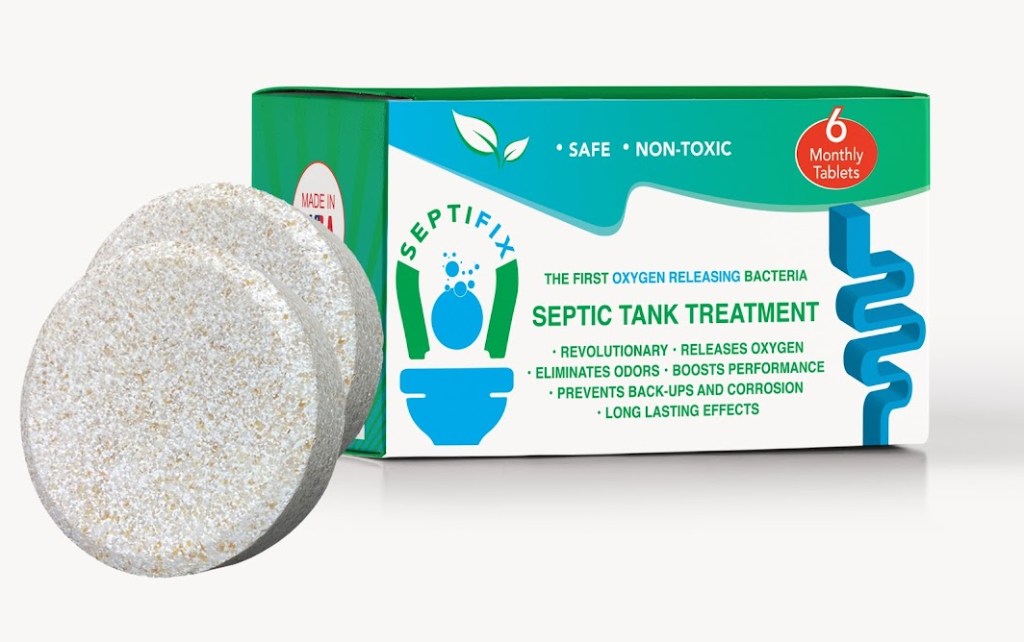
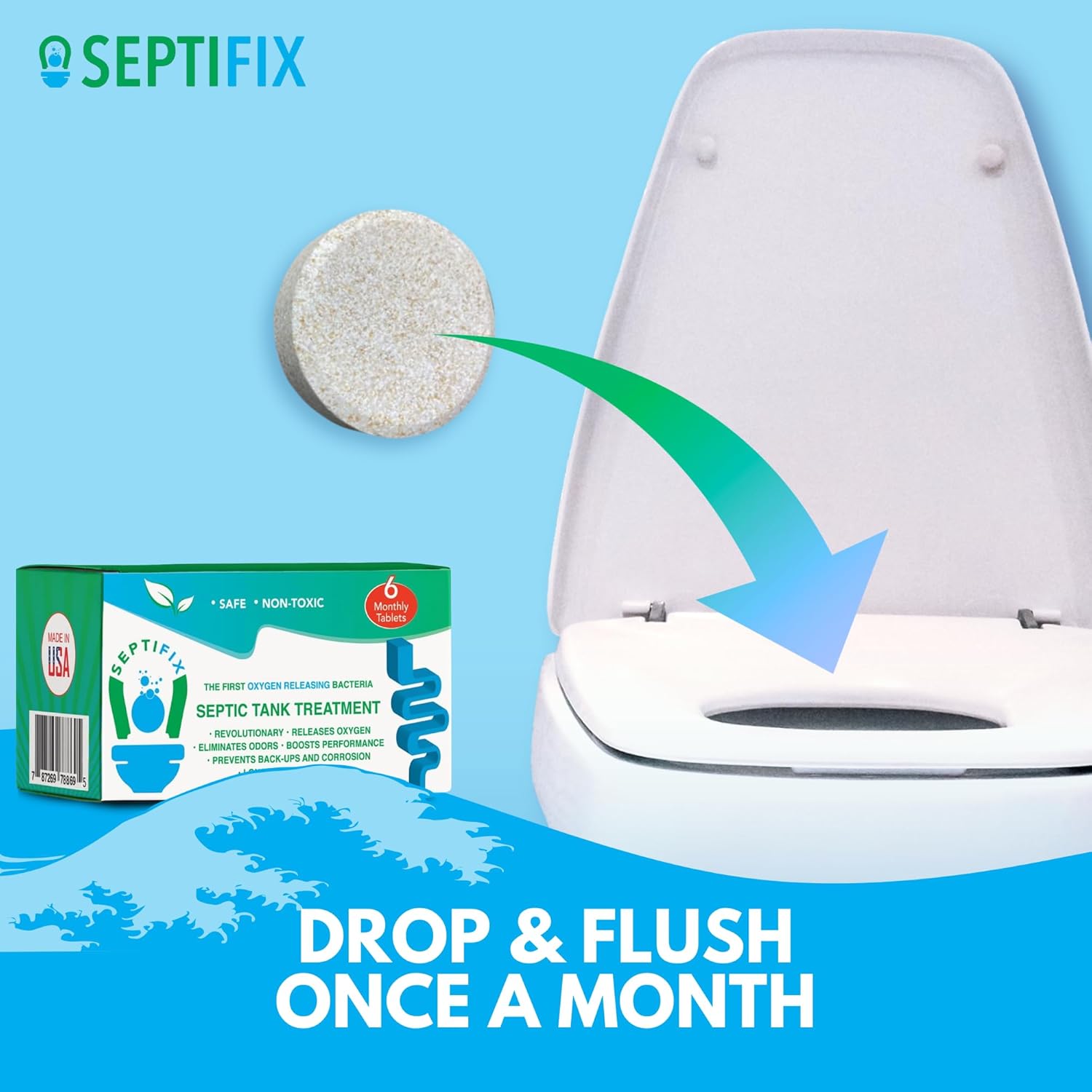
Give your septic system extra support with SeptiFix, an easy-to-use monthly tablet designed to help maintain a cleaner, healthier tank between professional inspections.
Affiliate Disclaimer
Some links in this article may be affiliate links. If you click a link and make a purchase, we may earn a small commission at no additional cost to you.
We only recommend products and services that may be useful for septic system maintenance and care. Affiliate relationships do not affect the information or recommendations in this article.
Additional Reading on This Blog
Learn more about septic system care with these related guides:
- How Often Should You Pump a Septic Tank?
Learn what affects your pumping schedule and how to recognize when service may be needed. - Septic Tank Care and Maintenance Made Simple
Find simple habits that can help protect your tank and drainfield. - Issues With Septic Tanks: Signs and Safe Fixes
Review common warning signs and learn when to call a professional. - Septic Drainfield: How It Works, Signs, and Care Tips
Understand the role of the drainfield and how to protect it from damage. - Septic Tank Additives: What Works and What to Skip
Learn whether septic additives are necessary and which products may not be useful.
Official U.S. Government Resources
The following resources come from the U.S. Environmental Protection Agency:
- How to Care for Your Septic System
Get practical advice about water use, drainfield protection, inspections, and maintenance. - Why Maintain Your Septic System?
Learn how regular maintenance can help prevent backups, repairs, and water pollution. - Frequent Questions About Septic Systems
Find answers about pumping, inspections, additives, garbage disposals, and septic system care. - Resolving Septic System Malfunctions
Learn how to respond to sewage backups, unpleasant odors, wet areas, and other signs of system failure. - EPA SepticSmart
Explore homeowner tips and educational information about septic system maintenance.
Septic regulations vary by state, county, and local authority. Always check your local requirements and contact a licensed septic professional for inspections, pumping, repairs, or suspected contamination.
Related Posts


One thought on “How to Deal With a Septic System: Simple Steps That Prevent Mess and Save Money”