Septic Tank Additives: What Works, What to Skip
Slow drains. Foul odors. The fear that you may be facing a big repair bill. When you live with a septic system, you know that feeling. You have probably seen the big promises on the bottles of septic tank additives, promising to cure that fast. It’s tempting. I’ve done it. I once poured a “miracle” powder into my septic tank and hoped for the best. (Spoiler: it didn’t work.)
In short, septic system additives are products you pour into your system. They tell you that you will have added bacteria, that you will digest the waste, that you will keep the system clear. Some of these are good for certain situations. Most of them are bad. Some may do a bit of harm.
You will learn if septic tank additives are effective, what additives are safe, when to use them, when to avoid them, and how to keep your septic system without wasting your money. Here’s the plan. First you will receive a direct answer as to their effectiveness. Then you will learn of the various classes of additives and their actions. Then you will be given a simple formula as to whether you should use them, what to buy, and how to keep your system in shape without spending any money on some foolishness.
Do septic tank additives really work or are they a waste of money?
Short answer. Most homes don’t need them. A healthy septic tank has the bacteria it needs. Your normal waste supplies a regular amount of microbes. They eat and digest waste naturally.
Public agencies and University extension services say that most homes don’t need them for routine use. Many studies show little or no gain to be had from regular doses. Some products can even stir up solids and put them in the drainfield. This can shorten the life of your system, costing you thousands of dollars.
Additives cannot cure a full tank, clogged lines, tree roots, or a failed drainfield. If sewage backs up, no magic bottle will cure the problem. That will require a licensed professional and probably a pump out, repair or both.
You might be interested in how your system works, anyway, and when an additive is useful. Let’s take it step by step.
How your septic tank works (simple breakdown)
The wastewater is carried from the house to the tank. The solids sink and form sludge on the bottom. The fats and oils float and form scum on top. The liquid layer, known as effluent, flows out to the leach field.
The beneficial bacteria in the tank digest the waste, working day in and day out, whether additional products have been added or not. The leach field distributes the effluent into the soil that does the cleaning. Pumping removes the sludge or scum that bacteria are unable to digest entirely.
What studies and pros say about septic tank additives
Many tests show little benefit to routine use. Daily life already supplies bacteria. Professionals warn against products that claim you can skip pumping. Some additives thin or stir solids. Those solids can move to the drainfield and clog the soil. That is slow damage and hard to fix.
Make peace with this idea. Additives are not a shortcut. Good care and timely pumping do more than any bottle.
When an additive may help and when it can hurt
Times an additive may help for short use:
- After heavy bleach or disinfectant use. You may have reduced bacteria.
- After a course of antibiotics for the household. The tank may be out of balance.
- Right after pumping. A bacteria product may help kickstart activity.
- When reopening a seasonal cabin. The tank has been sitting quiet.
Times an additive can hurt:
- Chemical additives can kill good bacteria. The tank slows or stalls.
- Enzymes can over-liquefy sludge. Small particles may flood the drainfield.
- Yeast can foam and upset the balance. It also is not a full bacteria mix.
Call a licensed septic pro if you see backups, gurgling, or wet, smelly spots over the drainfield. Those are warning signs that need real fixes.
Types of septic tank additives: bacteria, enzymes, yeast, and chemicals
You will find four main categories. Each claims to support your system in a different way. Some have limited use. Others are best avoided.
Here is a plain overview so you can choose with confidence.
Septic tank bacteria additive: when to use and what to expect
A septic tank bacteria additive adds live or spore-forming bacteria. The idea is to boost the natural digesters in your tank.
Realistic benefits:
- May help after pumping, harsh chemical use, or a long shutdown.
- May speed recovery if the tank’s microbes were stressed.
Limits and cautions:
- It will not fix clogs, roots, or a failed drainfield.
- It will not replace pumping.
- Overuse does not help. More is not better.
What to look for:
- Clear labels with bacteria strains and CFU counts.
- Storage directions, like keep cool or avoid heat.
- Honest claims. Avoid products that say you will never need pumping.
Tips:
- If you choose one, use it for a clear reason, not out of habit.
- Follow the label and give it time, usually a few weeks.
Enzyme additives: what they do and their limits
Enzymes are tools that help break down fats, proteins, and starches. They act like scissors that cut big molecules into smaller ones.
Realistic benefits:
- May help with grease and food waste in the tank.
- May support bacteria after a chemical shock.
Limits and cautions:
- Enzymes do not remove wipes, plastic, sand, or grit.
- They do not replace pumping. Sludge still builds up.
- Overuse can create many tiny particles. Those can reach the drainfield.
Balanced view:
- If you use an enzyme, pick one with clear directions and avoid constant dosing.
- Use it only when you have a specific reason, like after a bleach-heavy clean.
Septic tank additives yeast: myth vs reality
You may hear that tossing yeast into the tank keeps it healthy. This is a popular home remedy, but it is not a solid fix.
Reality check:
- Yeast is not a balanced bacteria mix.
- It can cause foaming and upset the tank’s layers.
- It does not fix odors, slow drains, or backups.
- It is not a replacement for pumping or repairs.
Friendly advice:
- Save yeast for baking bread. For your tank, stick with good habits and, if needed, a vetted bacteria product.
Chemical additives to avoid and safer choices
Some chemical additives promise to melt sludge or clear the field. They may do more harm than good.
Chemicals to avoid:
- Solvents, like those used to dissolve grease.
- Acids that can corrode concrete and metal parts.
- Quats, strong disinfectants that kill good bacteria.
- Formaldehyde-based treatments, harsh on microbes and the environment.
Risks:
- Kill the bacteria you need.
- Damage tanks and baffles.
- Pollute groundwater and wells.
Safer choices:
- If you use anything, choose biological products, like bacteria-based options.
- Use only when needed and as directed.
- Check local rules before you buy.

How to choose, use, or skip septic tank additives the right way
You have three smart steps. Decide if you even need one. If yes, pick a safe product. Then use it correctly. Most of the time, the best move is to skip the bottle and build better habits. The EPA guide to septic system care and maintenance provides more advice about household waste, water use, inspections, and drainfield protection.
Decide first: signs, quick checks, and when to call a pro
Watch for warning signs:
- Slow drains in several fixtures, not just one sink.
- Gurgling in toilets or tubs.
- Sewage odors in the yard or near drains.
- Wet, spongy soil over the drainfield.
Quick checks you can do today:
- Review your last pump date. Has it been 3 to 5 years?
- Check for running toilets or dripping faucets.
- Cut water use for 48 hours and see if symptoms ease.
Call a licensed septic pro when:
- You have sewage backing up.
- You see surfacing sewage or standing water over the field.
- You notice strong odors that do not go away.
Read labels like a pro: ingredients, CFU counts, and red flags
Smart shopping starts with the label. Scan it like a detective.
Prefer:
- Biological products with named bacteria strains or enzyme types.
- Clear CFU counts, storage needs, and shelf life.
- Directions that match tank size and frequency.
Red flags:
- Phrases like “eliminates pumping.”
- Harsh chemicals listed or vague “proprietary blend” with no details.
- Big promises without data or clear instructions.
Extra help:
- Check your local health department website for guidance.
- Ask a local septic pro what works in your soil and climate.
How to apply septic tank additives safely
If you decide to try one, use it right.
- Follow the label dose based on your tank size.
- Add it to a toilet that drains into the tank. Flush twice.
- Dose at night to reduce dilution from showers and laundry.
- Do not mix with bleach or antibacterial cleaners the same day.
- Do not overuse. More can upset the tank.
- Never pour any product into the drainfield.
Example: You had a deep clean with lots of bleach. That night, add the bacteria product to the main toilet, flush twice, then avoid heavy water use until morning.
Better alternatives to additives that protect your septic system
Daily habits matter more than any additive. Think of them as a shield for your system.
- Pump every 3 to 5 years, or as a pro advises for your tank size and family.
- Spread out laundry over the week. Avoid marathon wash days.
- Fix leaks in toilets and faucets right away.
- Scrape plates and keep grease out of the sink.
- Never flush wipes, hygiene products, or dental floss.
- Go easy on the garbage disposal. Better yet, compost.
- Limit antibacterial soaps and harsh cleaners.
- Keep vehicles, heavy gear, and deep roots off the drainfield.
- Direct roof and yard runoff away from the drainfield.
These habits reduce stress on the tank and field. They save money and extend system life.
Costs, local rules, and safety for septic tank additives
Money and safety both matter here. A little planning can spare you big bills and protect your home and water.
Real costs: additives vs pumping and repairs
Here is a quick look at common costs.
Additives run $10 to $30 a month if you dose them monthly or quarterly. That adds up to $120 to $360 each year. Pumping costs $300 to $600 every three to five years. Spread that out, and it comes to just $60 to $200 a year. Drainfield repairs or replacements hit $4,000 to $20,000 or more. You face that big bill only after a failure, but it wipes out years of savings fast. Stick with pumping to keep costs low and avoid the worst hits.
Smart takeaway: routine pumping often costs less than a year or two of additives. Avoiding a drainfield failure saves the most money. You can also review our guide to septic tank pumping costs.
Know the rules before you pour
Rules vary by city, county, and state. Some places ban certain chemicals. Others may limit what you can add.
- Check your local health department or environmental agency website.
- Review HOA rules if you have them.
- Keep receipts and a log of what you add and when.
- Ask a licensed local pro for advice based on your soil and system type.
Staying within the rules protects your family, your neighbors, and your wallet.
Safety tips for your home and the environment
Treat all additives with care, even the natural ones.
- Keep products away from kids and pets.
- Store in a cool, dry place as directed.
- Do not mix with other cleaners.
- Wear gloves if the label suggests it.
- If you are on a well, think twice before adding chemicals. What goes into your tank can reach your soil and water.
- Use safer products only when needed. Skip them if your system is healthy.
Small choices add up. Your soil, well, and nearby streams will thank you. See 9 signs your septic system is failing for a more detailed warning-sign checklist.
Frequently Asked Questions
Are additives to septic tanks really needed?
Generally not. A well-maintained residential septic system has enough beneficial bacteria in it to break down household sewage. The U.S. Environmental Protection Agency (EPA) states that there is no benefit to adding either biological or chemical additives routinely to a residential septic system.
Will bacterial additives reduce how often I have to pump my septic tank?
No. While many types of bacteria can help digest some portion of organic materials found in septic tanks, they will not eliminate all sludge and scum from the bottom and sides of the tank. Therefore, it is essential to regularly inspect and pump your septic tank regardless of whether you use bacterial additives or not; this includes depending upon both how much water is used within your home as well as how large your septic tank is.
Is there any valid reason for me to add yeast to my septic tank?
There are no legitimate reasons for adding household yeast to your septic tank. Adding yeast will not take care of the need for periodic pumping, resolve a clog in pipes, nor restore a failing drain field.
Can additives to septic tanks solve a septic back-up?
No. There are several potential causes of a septic backup, including: your septic tank being completely filled with solid waste, clogs in lines under your house or yard, plugged filters, malfunctioning pumps, or excessive water saturating the drain field. In each case, the solution involves diagnosing the cause of the backup and possibly performing a pumping of the septic tank or making repairs to the affected components.
If I took antibiotics am I required to add an additive to my septic system?
You would be surprised at just how few people realize that taking antibiotics means that their septic system may need an additive. Keep up with your regular scheduled maintenance and consult a licensed contractor if you see something out-of-the-ordinary happening with your system.
Can chemical additives harm a septic system?
Yes, many chemical-based additives can destroy beneficial organisms present in your septic system while also damaging the pipes within your plumbing system and/or allowing toxic substances to flow through the ground beneath your home and eventually contaminate nearby groundwater. Do not purchase or apply any type of chemical additive without first consulting a licensed contractor who knows what type of additive is safe for your particular system.
How often should I have my septic tank pumped?
The time period when a homeowner needs to have his/her septic tank pumped depends greatly upon factors such as: family size, capacity of the septic tank itself, volume of water used throughout the home daily, and the amount of solids generated by household members. Typically most homeowners find it advisable to have their tanks inspected/pumped every 2-5 years although there are certain situations where it might be necessary to perform this task more frequently.
What is better than using septic additives?
Regular inspections, timely pumping, careful water use, proper waste disposal, and drainfield protection are more important than routine additives.
Conclusion
Most homes do not need additives for septic tanks. A healthy septic tank has the bacteria it needs already. Good habits and routine pumping do the rest. If you try additives for septic tank bacteria, do it for a specific reason, e.g., after pumping or heavy bleach use, and follow the label directions.
Quick next steps:
- Check your last pump date and set a reminder.
- Walk your yard and look for wet spots or odors.
- Tighten up habits, like scraping plates and spacing out laundry.
- If you see backups or gurgling, call a licensed septic pro.
You can protect your system with simple steps, not magic bottles. Care for it now, and it will take care of you for many years. If you are worried today, start with one action, and then build from there. You’ve got this.
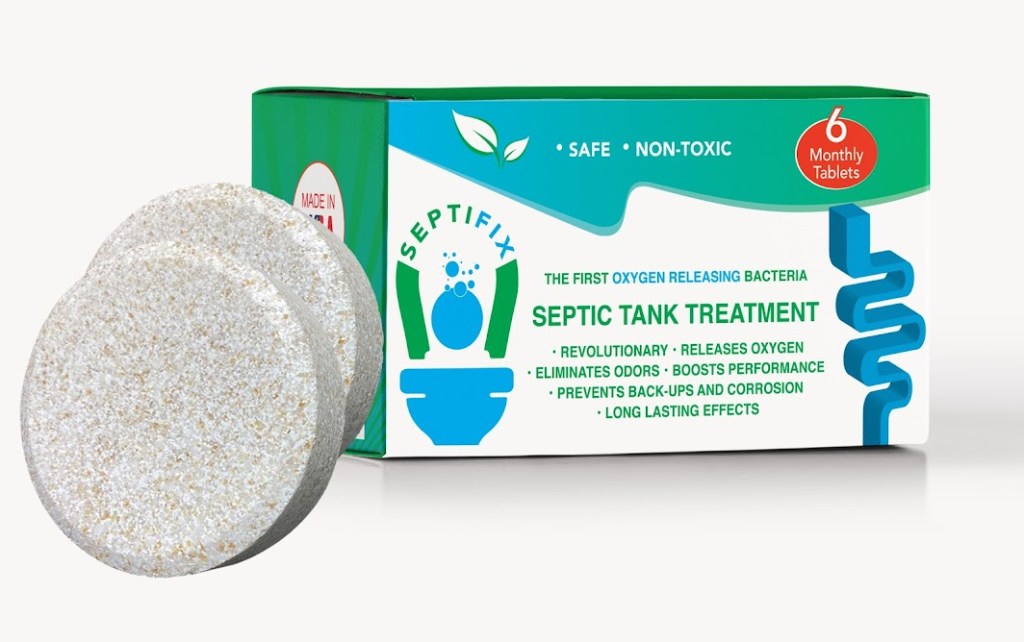
Give your septic system extra support with SeptiFix, an easy-to-use monthly tablet designed to help maintain a cleaner, healthier tank between professional inspections.
Affiliate Disclaimer
Some links in this article may be affiliate links. If you click a link and make a purchase, we may earn a small commission at no additional cost to you.
We only recommend products and services that may be useful for septic system maintenance and care. Affiliate relationships do not affect the information or recommendations in this article.
Related Posts