Clean Septic Tank: Safe Steps, Smart Schedules, and Daily Habits That Work
Everyone hates slow drains, odors, wet spots on the lawn, and the fear of a backup. However, a clean septic tank is a friend to the home, the budget, and the groundwater. This guide teaches you the safest way to clean a septic tank, how often to clean it, and what to do and not do when it doesn’t need pumping. You will find easy instructions, constructive safety tips, and simple routines for keeping your septic system healthy.

Key Takeaways
- A licensed septic professional should be called to pump and inspect your tank. Do not attempt to enter the tank yourself.
- Pumping is the only method for removing built-up sludge and scum from a septic tank.
- While many household septic tanks require pumping approximately every 3-5 years, the actual frequency depends on the tank’s size, the number of occupants, household water usage, and whether garbage disposals are installed.
- Reduce high water usage at home. If you notice slow drains, gurgling toilets, sewage odors, wet areas in your yard, or backups, contact a professional immediately.
- Wipes, paper towels, greases, oils, chemicals, and all other substances harmful to a septic system should never be put down the drain.
- Spreading out laundry and other high water usage throughout the week will help reduce strain on the system.
- Clean and inspect the effluent filter as needed, following the recommendations of a septic professional.
- To protect the drainfield, keep vehicles, buildings, heavy machinery, and excessive water away from it.
- Maintain a record of all septic maintenance, including pumping dates, inspection reports, repairs, and service recommendations from a septic professional.
- Septic additives are not a substitute for proper pumping practices, responsible water use habits, and routine inspections.
How to clean septic tank safely, step by step
There is no need to be a contractor to run a septic system well. You simply need a safe plan, some tools, and a certified pumper. Safety first! Never go inside a tank. Deadly gases can build up inside a tank, even if it looks as empty as a pop can. Here is a handy workflow for you to follow.
Safety first when you clean a septic tank
- Never climb into a tank, even for a moment. Hydrogen sulfide and methane can kill in seconds.
- Keep kids and pets away from the work area.
- Wear heavy gloves, eye protection, and boots.
- Do not smoke near the tank.
- Vent the area by removing lids carefully. Stand upwind if you can.
- Use proper lids and screws when you finish. Loose lids are dangerous.
- If you smell strong sewer gas or feel dizzy, move to fresh air and call for help.
I know this by experience I was doing a job and wanted to look into the tank after mixing the scum layer. A smell hit me like a brick. That is a lesson you do not forget. Have the professional make a note of the gallons pumped, baffle condition, filter condition, and any repairs if needed. Don’t run water in the house while they are pumping. Running water can be disturbing in the tank and the inspection difficult.
Prep and tools you need before the pump truck arrives
A little prep makes the visit quick and clean.
- Tools: shovel, pry bar, garden hose, bucket, heavy gloves, safety glasses, rags.
- Paperwork: a map of your system if you have one, past receipts, tank size.
- Call 811 to mark utilities before you dig.
- Clear access for the truck. Move cars, unlock gates, keep dogs inside.
- Expose both the inlet and outlet lids if possible. This lets the pro inspect the baffles and effluent filter.
- Note the tank size if known. Many homes use 1,000 to 1,500 gallon tanks.
Tip: mark lid locations with small pavers or a landscape rock. Future you will be grateful.
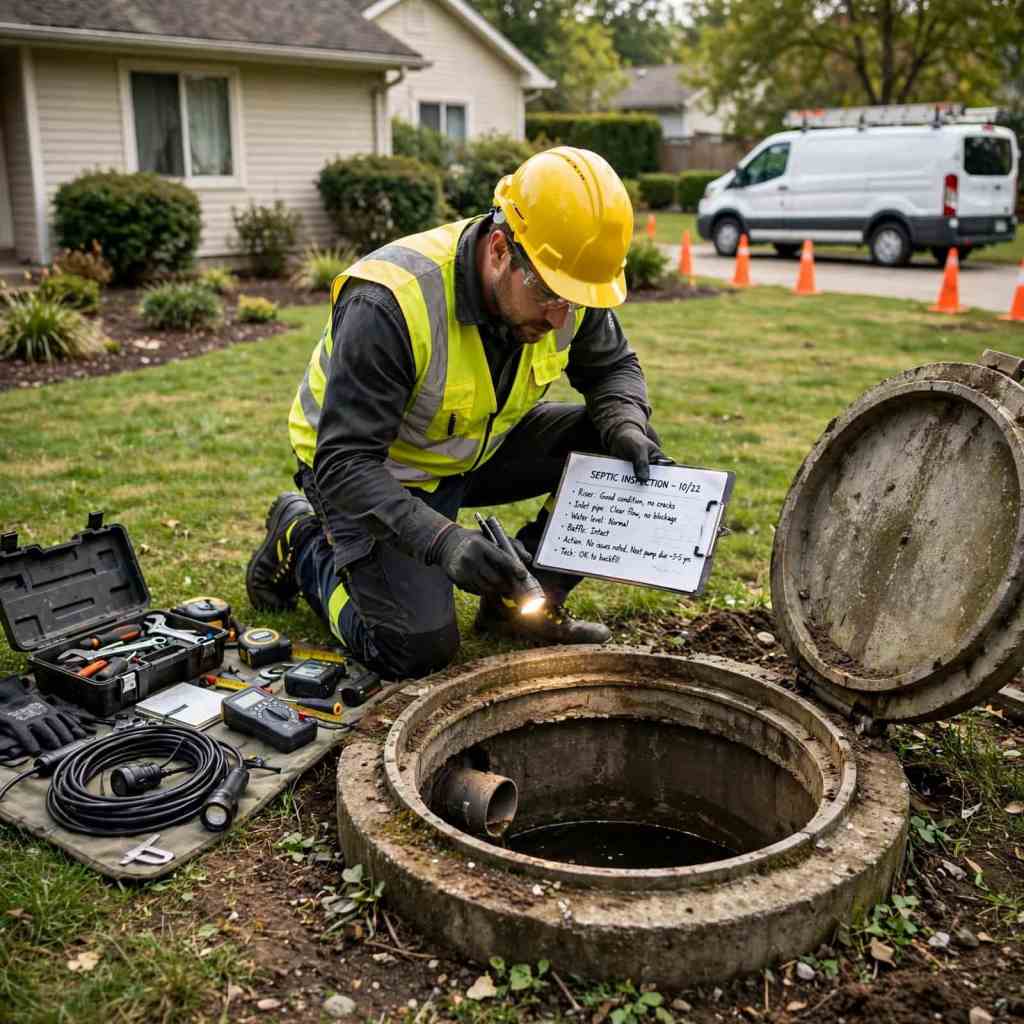
Step-by-step cleaning with a licensed pro
Here is what a typical visit looks like, from start to finish.
- Locate and expose lids. The pro will confirm the inlet and outlet.
- Measure sludge and scum. A clear tube or long pole helps estimate layers.
- Vacuum out liquids and solids. The truck removes contents through a large hose.
- Backflush to break crusted solids. This stirs dense material so it gets removed.
- Rinse walls lightly if needed. Do not pressure wash into the drain field.
- Remove and rinse the effluent filter. This protects the drain field from solids.
- Inspect inlet and outlet baffles, and the tank for cracks or roots.
- Replace lids securely with proper hardware.
If the pumper will inform you of the baffle being broken or the lid cracked, have some pictures for you as the simple repair will prevent a big problem later.
A professional septic company can pump the tank and check its condition during the same visit. Read this complete septic tank pumping guide to learn what the process involves.
Costs, time, and what to expect on cleaning day
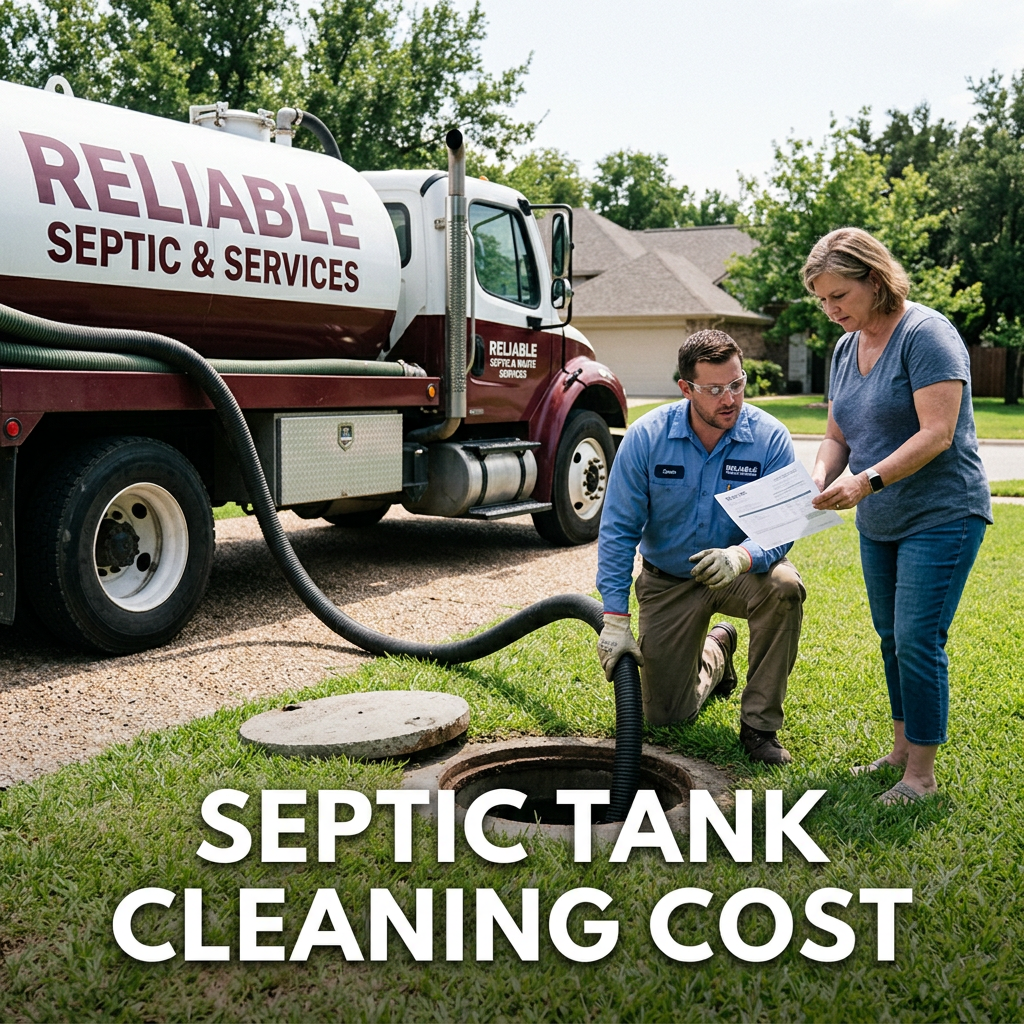
In America in 2025, you will often spend $300 to $800 for a typical 1,000- to 1,500-gallon tank. High capacity tanks, deep digs, or bad access can run higher. The time on the site is generally 30 to 90 minutes. You may have to pay extra for location, digging, cleaning filter, or disposal charges.
Find out prices in advance so there will be no surprises. Get a receipt and keep it in a home septic log. This record helps you establish a better schedule next time.
How often to clean septic tank and how to set your schedule
The rule of thumb is simple. Most homes turn to pumping in three to five years. This is changed by the manner of tank size, number of people, water turned, and whether or not a garbage disposal is used.
The ideal plan is to pump before the solids have overflowed into the drain field. Think of the tank as a settling basin. Solids sink, scum settles to the top, and clear effluent runs away. When the solids rise too high there is trouble ahead.
Watch out for warning signals, and build better habits so that the interval will be lengthened between cleaning periods. Log dates and set reminders so you won’t be looked over.
Simple schedule by tank size and household size
- 1,000 gallon tank, 2 people: about 5 to 7 years.
- 1,000 gallon tank, 3 to 4 people: about 3 to 4 years.
- 1,000 gallon tank, 5 or more people: about 2 to 3 years.
If you use a garbage disposal often, shorten the time by a year. If the home is a vacation place with light use, you may go longer, but inspect first. Local rules sometimes set maximum intervals, so check your county or state guidance.
A quick example: a family of four with a 1,250 gallon tank, no garbage disposal, low flow fixtures, and good habits might aim for 4 years. If the pumper reports high sludge next time, adjust to 3 years.
Clear signs you should clean your septic tank now
- Slow drains across the whole house.
- Gurgling toilets.
- Sewer smells indoors or outside.
- Wet or bright green patches over the drain field.
- High tank level or an alarm sounding.
- Sewage backing up into tubs or floor drains.
If you see these, stop heavy water use. Avoid laundry and long showers. Call a licensed pro right away.
Habits that let you wait longer between cleanings
Small choices every day make a big difference.
- Scrape plates into the trash. Food solids fill the tank faster.
- Limit or avoid garbage disposal use.
- Never flush wipes, even “flushable” ones. Also skip hygiene products, cotton swabs, and floss.
- Do laundry in small loads spread through the week.
- Fix leaking toilets and faucets.
- Install low flow showerheads and toilets.
- Keep paint, solvents, and oils out of drains.
One dinner party with a sink full of grease can set your system back. Wipe pans with a paper towel, then wash.
How to track service and set reminders
Create a simple septic folder, paper or digital.
- Keep dates, gallons pumped, tank size, and photos of lid locations.
- Add notes on baffles, cracks, and effluent filter condition.
- Sketch your yard and mark lids and the drain field.
- Set a phone or calendar reminder for 3 years out. Adjust based on use and sludge levels.
This tiny habit saves money and stress. When you sell the home, it helps buyers too.
How to clean septic tank without pumping, what actually works
To be honest, you cannot remove accumulated solids without pumping. No tablet, packet, or miracle liquid will substitute for a pump truck. However, you can keep the system cleaner and avoid problems between services. Concentrate on what you can do. Clean the effluent filter, protect the drain field, and use safe cleaners.
Do not waste your money on miracle additives or risky do-it-yourself tricks that can further damage your system or pollute the groundwater.
What you can and cannot do without pumping
What you can do:
- Clean or replace the effluent filter.
- Check and clear the inlet tee if it is clogged.
- Add risers for easier access at the next service.
- Fix leaks and manage water use.
What you cannot do:
- You cannot remove sludge and scum without pumping.
- Do not pressure wash a tank and flush waste into the drain field.
- Do not use acids or harsh chemicals.
- Do not route gray water around the tank unless your code allows it.
If you are unsure about a step, call a licensed pro. A short visit now can prevent a costly repair later.
Daily habits that keep your septic tank cleaner
- Throw fats, oils, and grease in the trash.
- Wipe pans before washing.
- Use sink strainers to catch food bits and hair.
- Compost food scraps if you can.
- Spread out showers and laundry.
- Teach family what not to flush.
- Keep vehicles and heavy loads off the field.
Think of your tank as a stomach. It can handle water and small amounts of waste. It does not handle plastic, cotton, string, or grease.

Septic safe cleaners and additives
Use only mild, biodegradable soaps and cleaners. Use bleach and disinfectants in small amounts. Avoid using strong drain openers.
Most additives are unnecessary, and some are harmful to the system or push solids into the field. If you want to experiment with an enzyme or bacteria product, ask your local professional and make sure it is legal to sell in your area.
A slowly draining fixture calls for investigation, not for chemicals. If a plunger and a small hand auger don’t help, it is time to call a service person.
Protect your drain field so your tank stays healthy
The drain field does quiet work. Keep it safe so the tank can do its job.
- Keep cars, sheds, and heavy equipment off the field.
- Plant only grass. Skip trees and shrubs with deep roots.
- Route roof and sump water away from the field.
- Fix downspouts and grading so water does not pool.
- Never build over the field.
Healthy fields require consistent, clean effluent. When the field works, the tank cycles through better, and you have much more time between pumpings. Slow drains, sewage odors, wet spots, and backups can be signs your septic system is failing.
Frequently Asked Questions
What steps are involved when cleaning a septic tank?
Septic tanks must be pumped by a licensed professional who will remove the sludge (the bottom layer) and scum (the top layer). They may also inspect the baffles, inlet, outlet, and effluent filter. Homeowners should not enter their septic tanks to clean them.
When is it recommended to clean my septic tank?
Most household septic systems need to be pumped every three to five years. The frequency of service depends on several factors, including the size of your tank, the number of people using water at your residence, the amount of garbage disposal usage, and the amount of solids in the tank.
Can I clean my septic system myself?
No. Cleaning a septic system requires specialized equipment and creates serious health hazards. Septic tanks can have deadly amounts of gas, and the conditions inside usually lack oxygen. Never enter your own septic tank unless a qualified septic technician has instructed you otherwise.
What happens if my septic tank is not regularly maintained?
If solids accumulate within the tank and continue to back up into the drain field, you may experience many different types of issues, including clogged drains, sewer smells, soggy spots in your lawn, sewer back-ups, and drain field failure. Drain field failure often results in very high repair costs.
What happens if a septic tank is not cleaned?
Solids can build up and flow into the drainfield. This may cause slow drains, sewage odors, wet areas in the yard, sewage backups, or drainfield damage. Repairs can be expensive if the problem is ignored.
Can septic additives clean a septic tank?
No. Septic additives cannot remove sludge and scum from the tank. They should not replace professional pumping and inspection. Most septic systems receive enough natural bacteria through household wastewater.
What should never go into a septic tank?
Do not flush wipes, paper towels, diapers, feminine hygiene products, grease, cooking oil, chemicals, paint, pesticides, medications, or cat litter. Flush only human waste and toilet paper.
How do I know if my septic tank needs cleaning?
Warning signs include slow drains throughout the home, gurgling toilets, sewage odors, wet areas near the drainfield, unusually green grass, and sewage backups. However, a tank may need pumping before symptoms appear. A professional can measure the sludge and scum levels.
Does cleaning a septic tank fix a backup?
Pumping may fix a backup caused by a full tank, but it may not solve problems caused by blocked pipes, damaged baffles, a failed pump, or a saturated drainfield. A professional should inspect the full system before deciding on repairs.
Should I use less water before septic tank cleaning?
Yes. Reduce water use if the tank is showing signs of trouble or you are waiting for service. Avoid laundry, long showers, dishwashers, and other heavy water use until a professional checks the system.
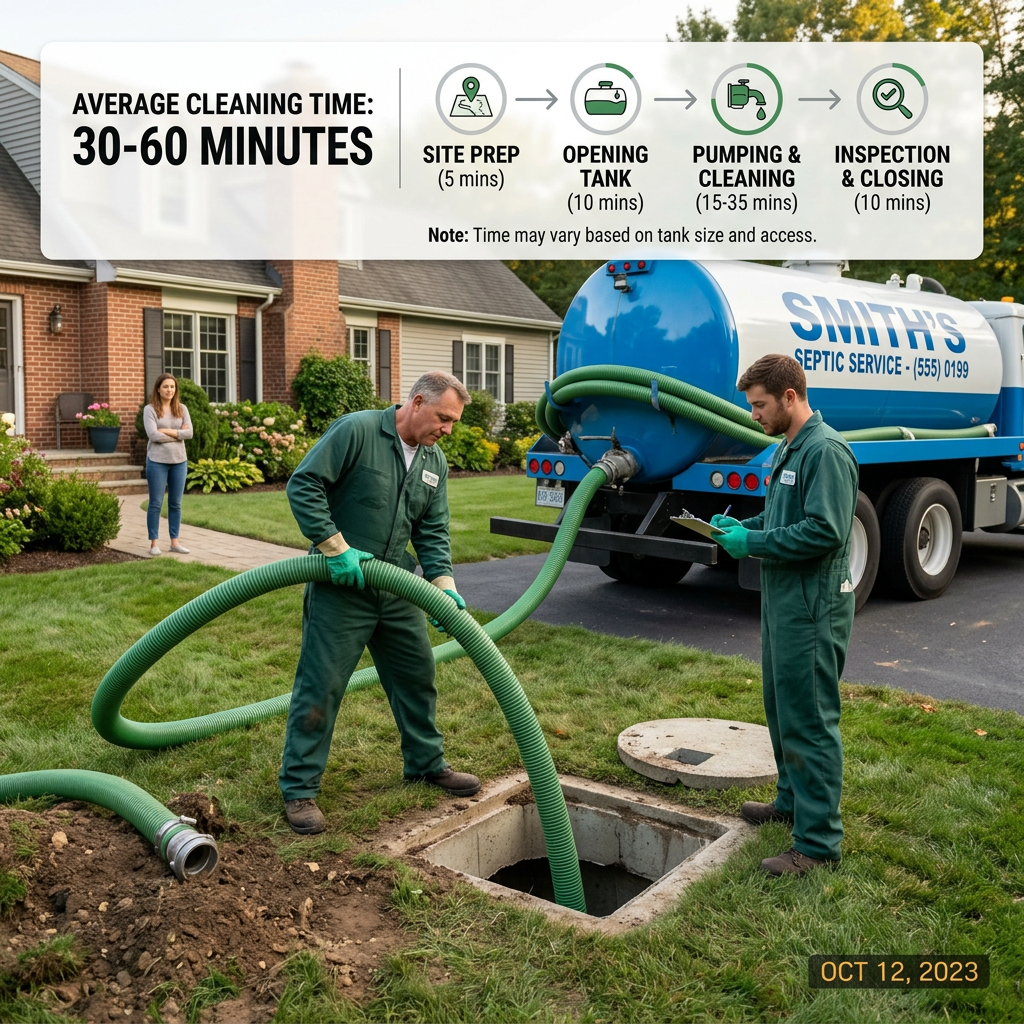
How long does cleaning my septic tank take?
Typically, pumping your septic tank itself takes anywhere from 30 minutes to several hours, depending upon how difficult it is to access your tank (location/access), its size, and its condition. Any additional time spent assessing the rest of the system or making needed repairs will depend on the specifics of each job.
What actions should I follow after my septic tank has been professionally serviced?
It is essential that you document the servicing date of your tank, its condition at the time of service, the name of the company used, and the estimated date for your next service visit. In addition to continuing to conserve water, always remember to keep contaminants out of your plumbing system and protect the drain field area from vehicles and heavy equipment.
Conclusion
A few easy steps will protect your home and your finances. Clean your septic tank the safe way: hire a licensed pro, follow a clear schedule, and develop good habits. Start a septic log, add risers for easy access, and set a reminder today. If you notice any of the symptoms or are unsure of a step, contact a trusted pro in your area. Healthy septic systems last decades, and that alone pays for itself. Keep your system clean, and it will take care of you.
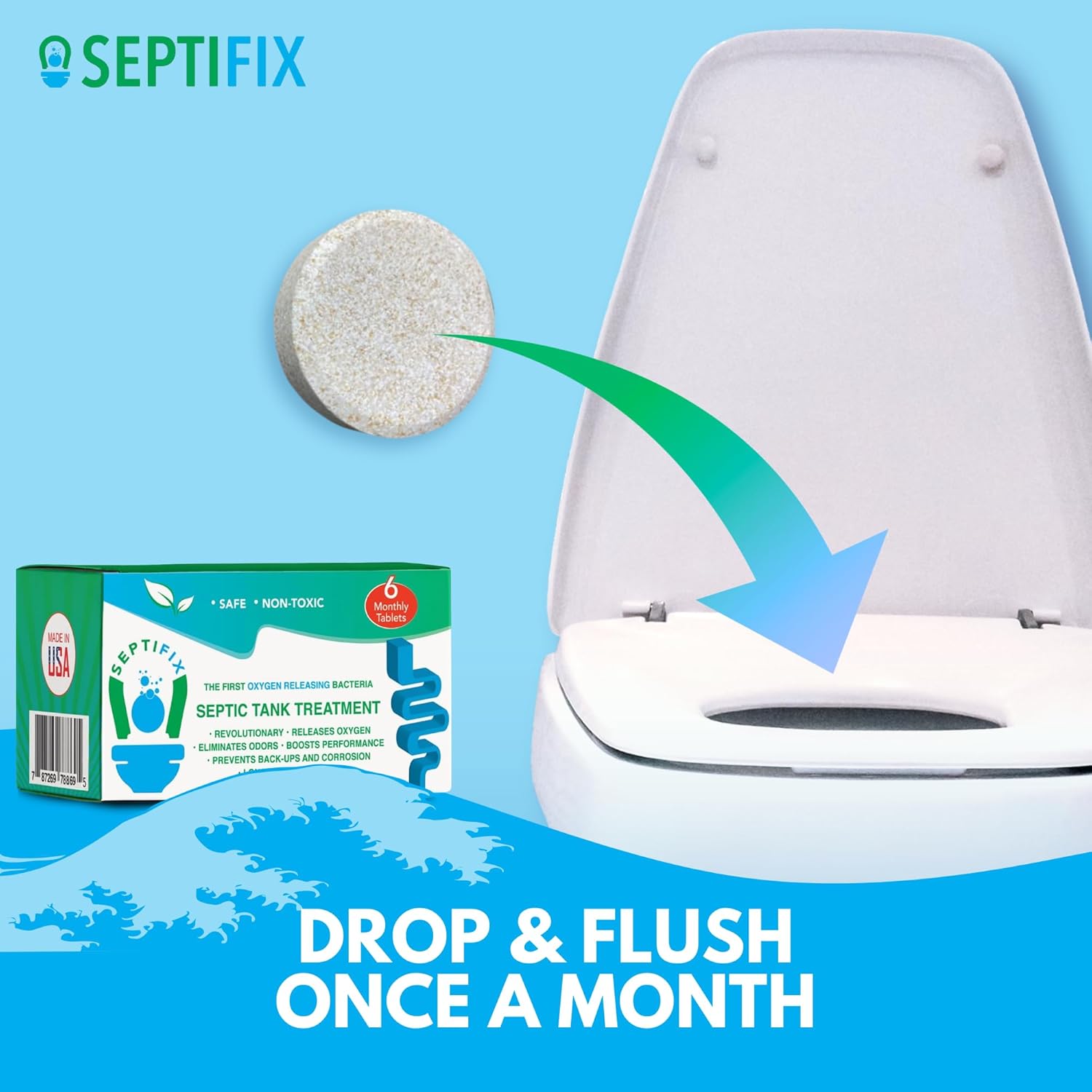
Give your septic system extra support with SeptiFix, an easy-to-use monthly tablet designed to help maintain a cleaner, healthier tank between professional inspections.
Additional Septic Tank Resources
More Resources From Our Blog
Learn more about septic tank cleaning, pumping, inspections, and long-term system care:
- Septic Tank Maintenance
- Septic Tank Cleaning Guide
- How Often Should You Pump a Septic Tank?
- Septic Tank Inspection
- Signs Your Septic System Is Failing
- How to Protect Your Septic Drainfield
- Septic Tank Backup: What to Do
- Septic Tank Effluent Filter Cleaning
U.S. Government Resources
The following resources provide additional guidance from U.S. government agencies:
- How to Care for Your Septic System, U.S. Environmental Protection Agency
- Why Maintain Your Septic System?, U.S. Environmental Protection Agency
- Resolving Septic System Malfunctions, U.S. Environmental Protection Agency
- Septic Systems, U.S. Environmental Protection Agency
- Homebuyer’s Guide to Septic Systems, U.S. Environmental Protection Agency
- Septic and Onsite Wastewater Systems, Centers for Disease Control and Prevention
The EPA recommends regular inspections, efficient water use, proper waste disposal, and drainfield protection. It also notes that while many household septic tanks are pumped every three to five years, the correct schedule depends on the specific system and household.
Homeowners should also consult their county or state health department, as local regulations may require different inspection or pumping schedules.
Affiliate Disclaimer
Some links in this article may be affiliate links. If you click a link and make a purchase, we may earn a small commission at no additional cost to you.
We only recommend products and services that may be useful for septic system maintenance and care. Affiliate relationships do not affect the information or recommendations in this article.
Related Posts