How to Protect Your Septic Drainfield: A Homeowner’s Guide
Your drainfield is probably the most critical component of your entire septic system. The liquid that comes out of the septic tank goes into your drainfield where the groundwater filters and disperses it. When you overload your drainfield, whether due to compaction, flooding, root damage, etc., then your wastewater does not move as well as it should through the soil.
When this occurs in your drainfield you will be able to tell. Drains will back up slowly, there will be an odor coming from your drainfield, there could be standing water on top of your drainfield and/or near the surface of your yard; which indicates you have an issue with your drainfield. In addition, if you do not fix the problem sooner rather than later, you will need to pay for expensive repairs.
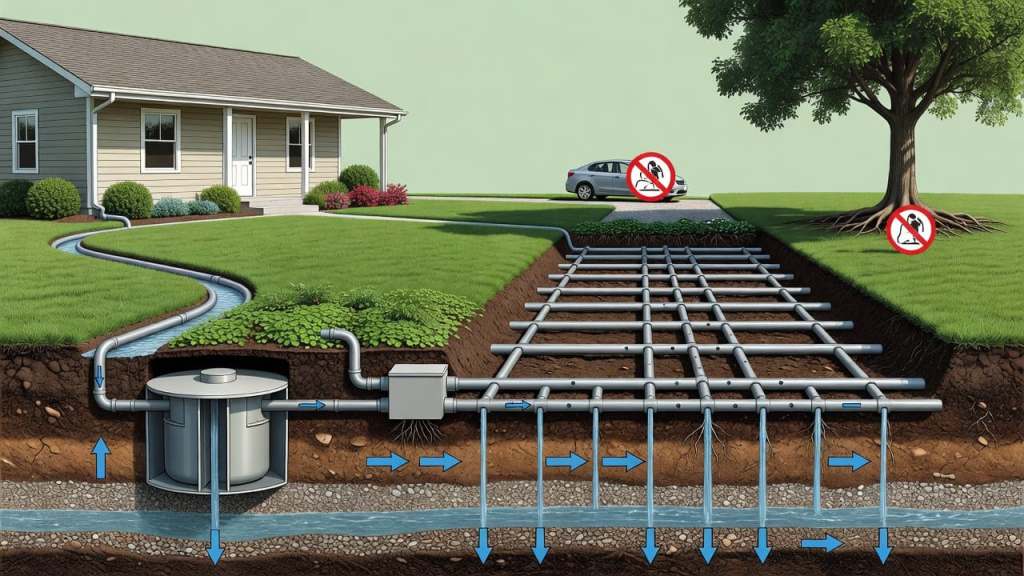
How to protect your septic drainfield is relatively easy when you know what needs to be done. Control the amount of water going into your drainfield, (do not wash cars or concrete in your yard), keep heavy items away from the drainfield area, (i.e. sheds, garages, etc.), do not grow plants too close to the drainfield area; make sure that rainwater does not flow into your drainfield, and establish a routine maintenance plan.
How to Protect Your Septic Drainfield – Key Takeaways
- Do not put your vehicle, shed, patio, pool, etc. on top of the drain field.
- Redirect rain water run-off from roofs, gutters and sump pumps to prevent them from entering into the system.
- Allow only a thin layer of sod or shallow rooted ground cover in this area.
- Avoid planting shrubs, vegetables or large root systems (trees) within the area that is being drained by the septic tank.
- Try to spread out laundry, washing dishes, etc., so you are not using all of your water at once during a single day/week.
- Only use for flushing the toilet and the human waste it contains.
- Pump your septic system regularly, when told to do so by a licensed professional.
- If you see a lot of water standing above your drain field or if there is an odor coming from your sewage or if the lawn is growing faster than normal or if one of your drains has slowed down then you have problems with your septic system and should call a professional immediately.
How a Septic Drainfield Works
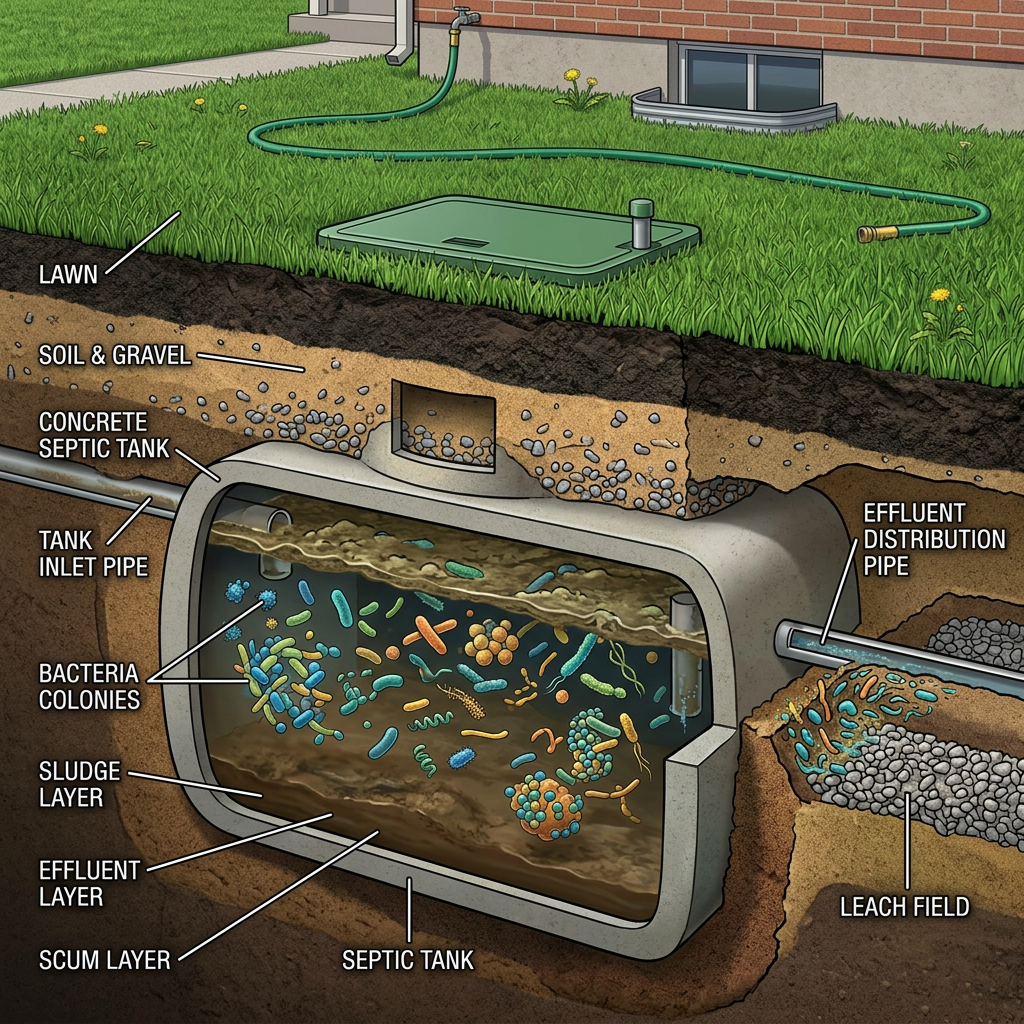
A traditional home sewage system is made up of two major components: the septic tank and the leach field.
All water that comes from your household (toilet flushing; washing hands in sink; showering; doing laundry or dishes) goes into the septic tank. Once inside, the waste-water will sit long enough so that heavy solid wastes can fall to the bottom of the septic tank forming what we call “sludge.” At the same time lighter materials such as grease will rise to the surface and become known as “scum.”
Water flowing out of the area where the sludge and scum are located then leaves the septic tank by way of an outlet pipe which carries this liquid into the leach field. In a typical leach field there are perforations in pipes with these holes being part of a shallow trench network.
The U.S. Environmental Protection Agency explains how septic systems work in more detail.
The drainfield needs enough open, unsaturated soil to accept wastewater. If too much water enters at once, the soil may become saturated. If vehicles compact the soil or roots block the pipes, the system may not be able to accept and treat wastewater properly.
Septic Drainfield Diagram
text                         ROOF AND GUTTERS
                                |
                     Divert water away from field
                                |
          HOUSE WASTEWATER ---> [ SEPTIC TANK ]
                                  |        |
                         Sludge   |        |  Scum
                         settles  |        |  floats
                                  |
                            Liquid effluent
                                  |
                         Distribution box
                         or pump chamber
                                  |
             -----------------------------------------
             |             DRAINFIELD                |
             |  Perforated pipes in shallow trenches |
             |                                       |
             |  Grass or shallow-rooted ground cover |
             -----------------------------------------
                                  |
                         Unsaturated soil
                      filters and treats effluent
                                  |
                         Groundwater below
Diagram note: This illustration is not to scale. System designs vary by property, soil, climate, and local regulations.

1. Know Where Your Drainfield Is Located
:
You will never be able to protect what you are unable to determine exists in your yard.
Many home owners know where their septic tank is located; however most have no idea as to the locations of either the drain field or the repair area. The best source to obtain this information would be from your local Health Department, septic installers, your property seller or service providers who provide maintenance to your system.
They should be able to supply you with a copy of your septic permit and/or a copy of the site plan. Mark the general area on which it was located on a map of your property. You may want to consider placing a few permanent landscape markers around the drain field. Do not dig up to find them until you are working with someone that has experience with such things.
Keep records of:
- The septic tank location
- The drainfield location
- The reserve or repair area
- The last inspection date
- The last pumping date
- The name of your septic service provider
- Any repairs, alarms, or upgrades
Knowing the system layout makes it easier to plan landscaping, fencing, driveways, additions, and drainage improvements.
2. Keep Vehicles and Structures Off the Drainfield
Do not drive or park cars, trucks, trailers, tractors, boats, or heavy lawn equipment over the drainfield. Repeated traffic can compact the soil and reduce its ability to absorb wastewater.
Compaction is especially harmful when the soil is wet. Even a single heavy vehicle can damage shallow pipes or create ruts that collect rainwater.
Keep the following away from the drainfield:
- Driveways
- Parking areas
- Sheds
- Garages
- Decks
- Patios
- Swimming pools
- Play structures
- Concrete slabs
- Large storage containers
- Firewood piles
- Livestock pens
The EPA advises homeowners not to park or drive on a drainfield. It also recommends checking with a local permitting authority before placing any structure on or near the system.
A lightweight push mower is usually less harmful than a vehicle, but avoid mowing when the soil is saturated. Do not use heavy riding equipment unless your local septic professional confirms that it is safe.
3. Manage Water Use Inside the Home
A septic drainfield can fail when it receives more water than the soil can absorb. This is called hydraulic overload.
Hydraulic overload can happen when a household:
- Runs several loads of laundry in one day
- Takes long showers
- Has leaking toilets or faucets
- Uses an older washing machine
- Operates a dishwasher and washing machine at the same time
- Hosts many guests
- Has a plumbing leak underground
You may continue to operate your home’s standard household equipment (e.g., vacuum cleaners, dryers) but will be spreading out your usage of water during the course of the week.
Instead of performing multiple “small” washes throughout the week, run full-size laundry loads in your washer. If you have an electric clothes dryer, try to avoid operating it daily. Try to stagger your usage of the washing machine, dishwasher and other high-water usage appliances.
If practical, install water-saving devices. Fix leaky faucets and malfunctioning toilets quickly. A faulty toilet can waste hundreds of gallons of water into the septic tank over time.
For laundry-specific advice, read Septic Safe Laundry: Detergent, Wash Cycles & Tips.
4. Divert Rainwater and Surface Water
Rainwater does not belong in the septic drainfield.
When roof runoff, gutter water, groundwater, or surface drainage flows over the field, it can saturate the soil. Saturated soil has less space available for wastewater. During heavy storms, this extra water may cause backups or wastewater to surface in the yard.
Keep these water sources away from the septic area:
- Roof drains
- Downspouts
- Basement sump pumps
- Foundation drains
- French drains
- Irrigation systems
- Pool backwash
- Driveway runoff
- Water from sloped lawns
The EPA recommends keeping roof drains, sump pumps, and other drainage systems away from the drainfield.
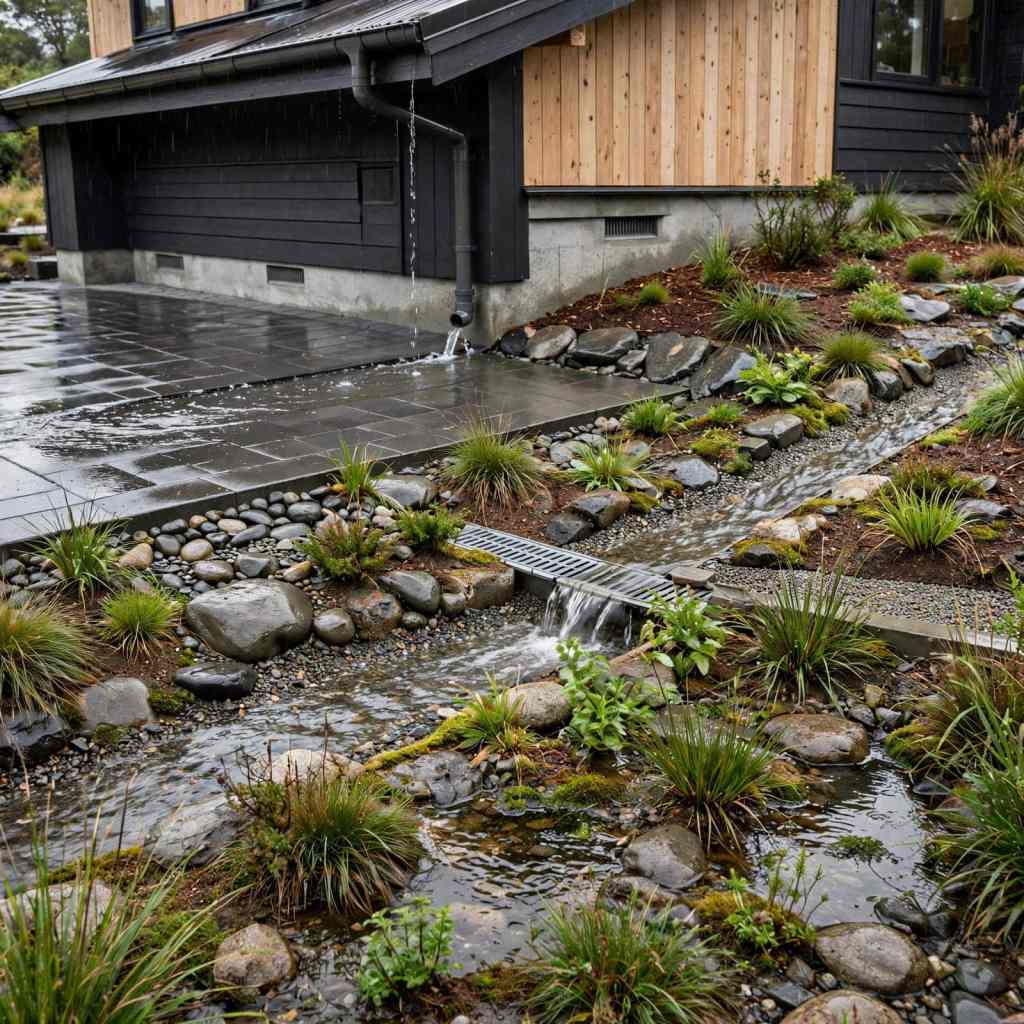
Your yard should guide rainwater away from the tank and drainfield. Small swales, gentle grading, and properly directed downspouts can help. Do not excavate or reshape the drainfield without professional advice. Changing the soil depth or slope may damage pipes and affect treatment.
If your drainfield stays wet after ordinary rainfall, ask a septic professional to inspect the area. The cause may be poor surface drainage, a high water table, a damaged pipe, or a failing system.
5. Choose the Right Plants
The best way to protect your drain field will be by covering it with either a grass lawn or low rooted native type of ground cover. Grass helps prevent soil erosion while using a small amount of water in the upper portion of the soil.
Trees and large shrubbery should not be planted on top of the drain field nor immediately adjacent to it. Tree root systems often extend far enough to penetrate into pipes, pipe connections (joints), or distribution lines. This can create problems when tree roots enter into these areas as they can clog the flow of sewage water and complicate repair operations.
Never put the following on top of your drain field.
- Trees
- Large shrubs
- Bamboo
- Plants with aggressive roots
- Vegetable gardens
- Fruit trees
- Crops that require frequent watering
- Plants that require deep digging
The EPA says native grasses and ground covers are generally appropriate over a drainfield. It also advises against planting trees, shrubs, or vegetable gardens in the area. Read the EPA’s guidance on landscaping around a septic system.
Don’t complicate your landscaping. Don’t put down large amounts of soil, plastic, gravel, cement, or landscape fabric without getting permission from a professional. It will cut off airflow in your yard. It will also make it difficult for water to run through your yard. The added material could also weigh too much on the drainfield.
You should never dig into the drain field. Allowing dirt to be tilled near drainfield piping is a common mistake. Shallow pipe systems are easily damaged by digging.
Your local county or city may have rules regarding the type of plants that can be used, and how close to homes you can install them. If there are local regulations that contradict the above information follow those.
6. Keep Harmful Materials Out of the Septic System
Your septic system is designed to treat wastewater, not household trash or hazardous waste.
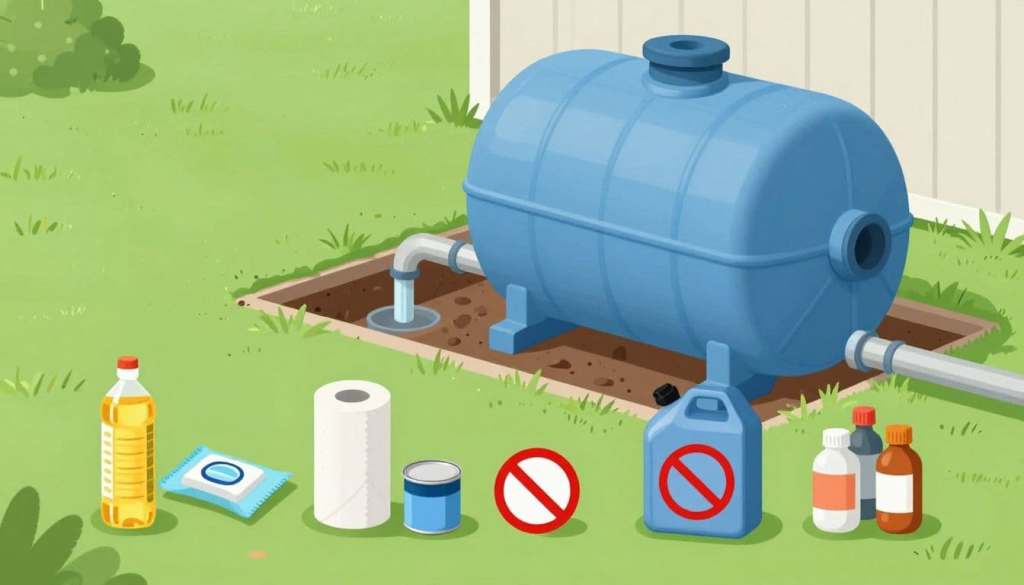
Flush only human waste and toilet paper. Do not flush wipes, even when the package says they are flushable. Wipes can remain intact and contribute to clogs.
Never flush or pour these materials into the system:
- Cooking grease and oil
- Paper towels
- Diapers
- Dental floss
- Cat litter
- Cigarette butts
- Coffee grounds
- Feminine hygiene products
- Condoms
- Medicines
- Paint
- Gasoline
- Pesticides
- Antifreeze
- Solvents
- Drain cleaners
Use household cleaners in normal amounts and follow the product label. Avoid dumping large amounts of bleach, disinfectant, drain cleaner, or other chemicals into the plumbing.
For more detail, see Septic Tank Chemicals: Safe Choices, Smart Habits That Work.
Normal use of a household cleaner does not usually destroy a healthy septic system. The greater concern is repeated misuse, large quantities, toxic chemicals, grease, and materials that do not break down.
7. Inspect and Pump the Septic Tank
Protecting the drainfield starts with maintaining the septic tank.
As sludge builds up, it takes up space inside the tank. If the sludge layer becomes too high, solids may move through the outlet and into the drainfield. Once solids enter the field, they can clog soil pores and reduce absorption.
The EPA generally recommends:
- Inspecting an average septic system at least every three years
- Pumping the tank about every three to five years
- Inspecting systems with pumps, electrical parts, or mechanical components more often
The correct schedule depends on tank size, household size, water use, garbage disposal use, sludge levels, and local rules. Do not rely on a calendar alone. Ask a qualified professional to check the sludge and scum layers.
Read How Often Should You Pump a Septic Tank? for more information about inspection and pumping schedules.
Keep the tank lid accessible for service. Do not bury the lid under a deck, shed, concrete, or thick landscaping. A difficult-to-access tank may delay maintenance and increase service costs.
8. Learn the Warning Signs of Drainfield Failure
Early warning signs should never be ignored. A drainfield problem may begin as a minor drainage issue and become a serious health or environmental hazard.
Contact a septic professional if you notice:
- Slow drains from toilets or sinks.
- Sounds of gurgling after you flush.
- A sewage odor inside your home or outside your home.
- You have wet or mushy soil around where the tank is located and/or the drain field.
- There is standing water in the yard.
- The surface water has an excessive amount of sewage on it.
- Your lawn appears to be lush and bright green (especially in one area) while the rest of the yard is parched with little rain.
- Sewage backs up through a toilet, tub, or sink.
- Your soil appears dark or excessively stained.
- An alarm from a pump or treatment unit
These signs can also result from a blocked plumbing line, a full tank, a damaged baffle, or another problem. A professional inspection can identify the actual cause, and if the drainfield is already failing, this septic drainfield repair guide walks through the inspection, repair options, and costs.
The EPA’s guide to resolving septic system malfunctions lists backups, slow drains, gurgling plumbing, standing water, odors, and unusually lush grass as possible failure signs.
9. Respond Quickly to Standing Water or Sewage
If surface sewage appears on your lawn, keep all humans and animals out of that area. DO NOT TOUCH OR GET IN THE WATER; Surface sewage can have deadly organisms present in it.
Set up some type of fencing (temporary) or place cautionary markers around this area. Turn off the water usage until a professional has assessed your entire septic system. Do not run the washer, dishwasher, etc., as these items consume large amounts of water.
DO NOT attempt to cover the affected area by adding topsoil, gravel, mulch, or any type of landscaping material. DO NOT add drain cleaners or other septic products to the system to mask/cover-up the problem. All of these actions could potentially cause further complications/delays for assessment of the system failure AND WILL NOT FIX A FAILED DRAINFIELD!
Call a licensed septic contractor or your local public health agency.
10. Follow Local Rules Before Making Changes
Septic systems differ by location. Soil, climate, groundwater, property size, and local construction rules all affect how a drainfield works.
Before installing a fence, pool, shed, driveway, irrigation system, or landscape feature near the drainfield, check with your local permitting authority. Some changes may require approval.
Do not:
- Add fill soil without permission
- Change the grade over the field
- Install a driveway above the field
- Plant a large tree nearby
- Dig trenches or install drainage
- Expand a home over the system
- Move or alter septic components yourself
A local septic designer or service provider can identify safe building and planting areas. Rules may also specify setbacks from wells, property lines, buildings, streams, and groundwater.
A Simple Septic Drainfield Protection Checklist
Use this checklist throughout the year:
Monthly
- Check for wet spots or unusual odors.
- Look for slow drains or gurgling toilets.
- Check for leaking faucets and toilets.
- Keep vehicles and heavy equipment away.
- Confirm that downspouts direct water away from the drainfield.
During the week
- Spread laundry loads across several days.
- Avoid running multiple water-heavy appliances at once.
- Use normal amounts of detergent and cleaning products.
- Keep grease, wipes, and hazardous materials out of the plumbing.
Every few years
- Arrange a professional inspection.
- Pump the tank when sludge levels or professional advice indicate it is needed.
- Update your maintenance records.
- Check that the tank lid remains accessible.
Frequently Asked Questions
Can i plant over my septic drain field?
Yes. Grass is typically one of the better options as it has relatively small roots, which will help keep the soil in place. Select a Grass or other low-growing ground cover recommended for your region. Do not use trees, shrubs, vegetable gardens or any plants with aggressive root systems.
Can i drive over my septic drain field?
No. Compacting the soil by driving vehicles across the drain field may cause pipe damage, or even impede its function to dispose of wastewater properly. Stay away from your driveway area for cars, trucks, trailers, tractors and heavy lawn equipment.
Trees near the septic system
While there is no one “set-back” that applies to every property (local rules may vary) , the safe distance between the tree & the root system of the drain field will depend on several factors such as the type of tree / its root system / the design of your drain field / soil conditions. General rule: do not plant large shrubs or trees directly over or in close proximity to the drain field. Consult local septic professionals for specific guidance based on your site.
Septic tank pumping
According to the EPA, many homeowners typically have their tanks pumped about every 3 – 5 years. Depending on household size, water consumption patterns, tank capacity, garbage disposal usage, sludge levels etc., some houses may need service more often than this.
Does Laundry damage my drain field?
Yes. Excessive loads of Laundry run through the washer/drain at one time may cause hydraulic overload. Try spreading out Laundry throughout the week. Fix leaks immediately and use energy-efficient wash settings. Follow product labels when using Laundry products.
First signs of failing drain field?
Typical warning signs include slow moving water in drains, gurgling sounds coming from plumbing, sewage odors inside the home, unusually green Grass growing above the drain field, wet areas above the drain field, standing water above the drain field and wastewater backing up into your home. Contact a professional before problems get worse!
Using septic additives to repair a failed drain field?
No product will replace accurate diagnosis by a professional septic service technician or correcting drainage issues with the system. Additives should never be used to delay the need for proper professional service. A failed drainfield must have an accurate diagonostic inspection performed prior to any additive use.
Building patios over septics?
Do not build a patio, shed, pool, driveway, or other structure over the drainfield without checking local requirements and getting professional advice. Structures can compact the soil and make future inspection or repair difficult.
Final Thoughts
The most important action How to Protect Your Septic Drainfield from damage is to minimize the amount of unnecessary stress on it. Limit foot traffic (such as large amounts of people walking over the area), limit how much water is used in your home, make sure any rainwater does not go directly to the drainfield, select plants with shallow roots (to help prevent plant root growth through the drain field) and do not put anything that could harm the drainfield into the piping system.
It is just as important to have regular checks for maintenance. If the sludge builds up enough in the septic tank to allow solids to flow into the drainfield, the possibility exists for the solids to clog the soil and cause the system to fail.
A maintenance schedule will be established based upon your specific soils, septic system design, local regulations, etc. Call a licensed septic service provider if you see standing water around your drainfield, sewage odors coming from your drain field or septic tank, slow draining sinks and toilets, or wastewater backing-up into your house.
Keep your septic system working smoothly. Try Septifix today.
Check the current Septifix price here.
Affiliate disclosure: This may be an affiliate link. We may earn a commission if you make a purchase, at no extra cost to you.

Additional Resources
- How Septic Systems Work, EPA
- How to Care for Your Septic System, EPA
- Frequent Questions on Septic Systems, EPA
- Resolving Septic System Malfunctions, EPA
- Septic System Owner’s Guide, NC State Extension
- Septic Safe Laundry: Detergent, Wash Cycles & Tips
- Septic Tank Care and Maintenance Made Simple
- How Often Should You Pump a Septic Tank?
- Septic Tank Failures: Warning Signs and Lessons
Related Posts