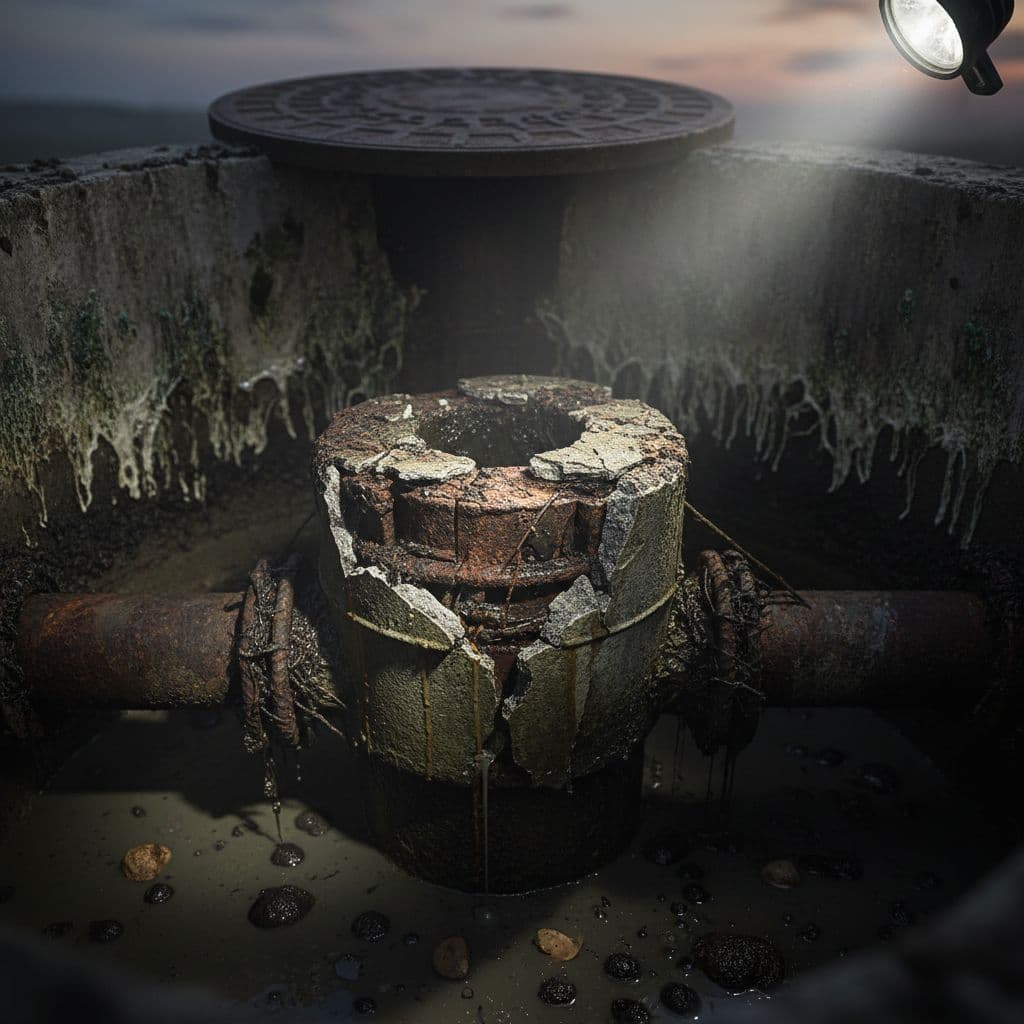
Septic Tank Cleaning Made Simple (Practical Guide for Homeowners)
Have you ever wondered what that sour smell in your yard is and wished it would go away? Me too; I did once, and I learned early! Ignoring a septic system costs more than just sleeping well. Back-ups, offensive odors, soggy spots, and repair bills which reach into the four-figure category can all be brought about by missing cleanings.
If your home is not on the city sewer, your necessary septic system will be buried and will take care of all your showers and flushing and laundry. Cleaning your septic tank removes the accumulated solids so that your septic will no longer be clogged. It takes care of the clogs, protects the drain field, and protects your well and your ground water.
Here is a clear plan. You will receive a simple schedule, some product recommendations which will be sensible, a few do-it-yourself tips, and some knowledge of when to call in the pro. The idea is to build up a calm confidence rather than guess.
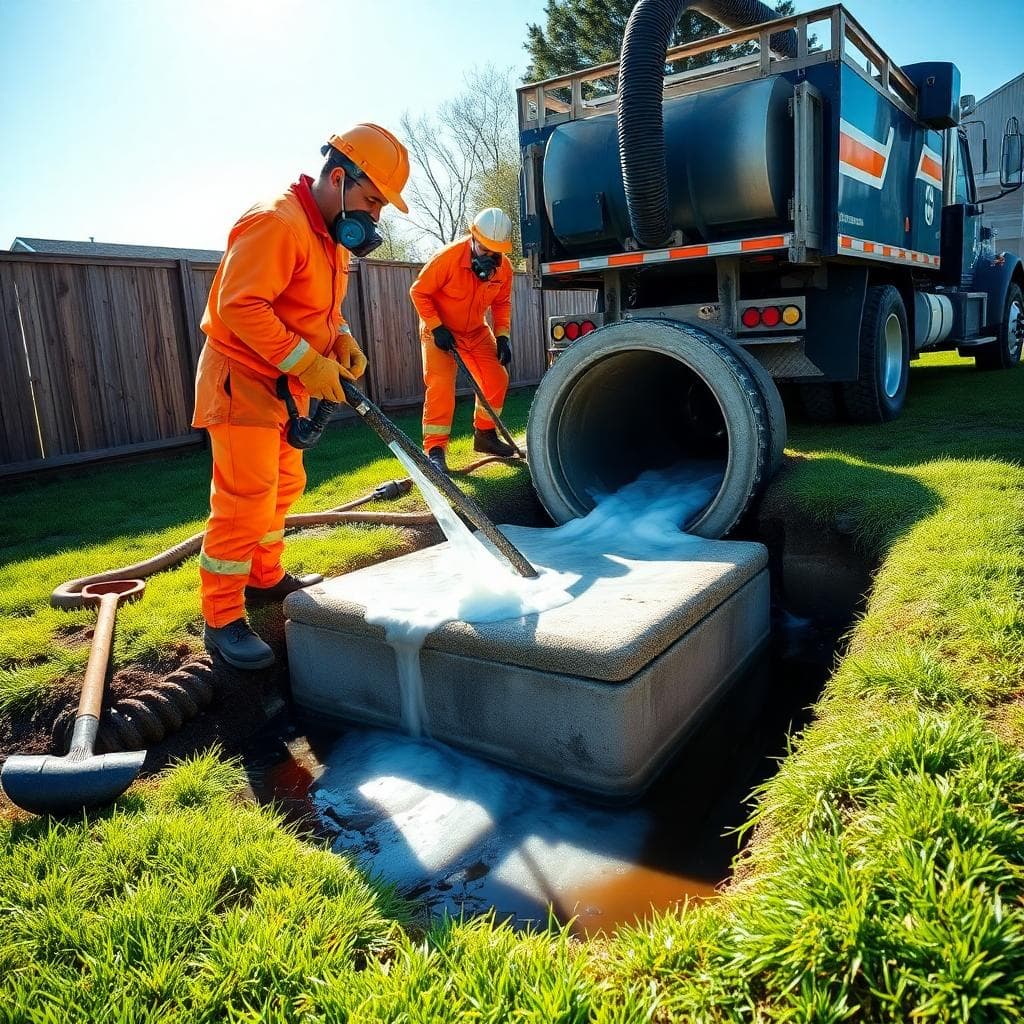
Septic tank cleaning basics: how it works and why it matters
Everything originates at the faucet, which then ends in the drain field. Water flows from your house into the tank, where the solids settle out, the liquids leave, and the soil does the rest. When the tank fills with sludge, liquid cannot flow freely. That is when trouble sets in.
A clean and balanced septic system maintenance protects your lawn, your water, and your money. It also keeps your home smelling like a home instead of a sewer.
How a septic system works in plain language
Picture a clear jar with three layers. That is your tank.
- Scum floats on top. It is oils and grease.
- Liquid effluent sits in the middle. That is the treated water.
- Sludge settles on the bottom. That is heavy solids.
Wastewater enters through the inlet. The baffles slow the flow so layers can form. An effluent filter near the outlet catches stray solids before water leaves for the drain field, a network of perforated pipes in gravel. The soil filters and treats the water before it returns underground.
Cleaning vs pumping vs inspection: what is the difference?
- Pumping removes solids and liquids with a vacuum truck. This keeps sludge from reaching the drain field.
- Cleaning often means a full pump-out plus rinsing tank walls and cleaning the effluent filter. Some pros backwash to break up heavy buildup.
- Inspection checks sludge and scum levels, baffles, the filter, and signs of damage.
Additives do not replace pumping. They cannot remove settled sludge.
What happens if you skip septic tank cleaning?
- Slow drains and gurgling pipes
- Sewage backing up into tubs or basements
- Strong odors inside or in the yard
- Soggy or bright green patches over the field
- Polluted groundwater and well contamination
- Fines in some areas for failed systems
Repairs can cost several thousand dollars. A new drain field can cost much more. Routine cleaning is cheap compared to that.
Safety first around septic systems
Don’t ever go in a tank, even for one minute. Gases can be present which are dangerous such as hydrogen sulfide and methane which can knock one out or even kill. Also the oxygen may be low without warning! The lids are heavy and the edges are slippery, so be careful in opening the tanks. ROPE OFF THE AREA. Keep children, animals and neighbors who are inquisitive away from the area.
Rules often require a licensed hauler for pump-outs, and some towns require a permit before any work can be started. It may look perfectly quiet or smell perfectly right, but this in no way means it is safe. If you are not trained to work in confined spaces, have it done by a professional. Also, should anyone collapse, DO NOT GO IN AFTER THEM! Call 911.
Septic tank cleaning schedule: how often and warning signs you need it now
Most homes run on a simple routine you can live with. Get on a regular pump-out or maintenance schedule, and watch for little warning signs in between. Adjust for soil, weather and daily loading. Big summer vacations or heavy waste disposal are signals for shorter intervals. If everything seems to work well, keep that schedule, too. Additives and guessing don’t eliminate sludge, anyhow. With a little planning, the drain lines can be quiet, the fields dry and the repair bills low.
How often should you clean or pump a septic tank?
A general rule of thumb for many homes is a pumping every three to five years. Pump sooner if there is a garbage disposal, if many guests are entertained, or if there are a number of people living in the home. Typical tanks are 1,000 to 1,500 gallons which will access the needs of a three- to five-person household.
Use this quick guide:
- 750 to 1,000 gallons with 1 to 2 people: every 5 to 6 years
- 1,000 gallons with 3 to 4 people: every 3 to 4 years
- 1,250 to 1,500 gallons with 4 to 6 people: every 2 to 3 years
- Any tank with heavy garbage disposal use: subtract 1 year
Log the date and company after each service. Tape the report inside a kitchen cabinet or save it in your phone.
Red flags that mean your tank is overdue
- Gurgling drains or bubbling toilets
- Slow sinks, showers, or tubs
- Sewage smell indoors or outside
- Water pooling near the tank or drain field
- Alarms on aerobic or pump systems
If you see more than one sign, call a pro now.
Seasonal and regional factors that change your schedule
Weather and soil have a large impact. Heavy rains or flooding can overwhelm the systems. Clay soil is slow to drain and needs proper attention. In a cold climate, pump out the tank before the ground freezes; otherwise, the lids of the tank will become buried in ice. Short-term rental activities and holiday parties add to the load. Check local codes; some areas specify the pumping interval required.
Simple home checks before you call a pro
- Find the tank location and lids. Look for round or square lids or risers at grade.
- Walk the area. Note wet spots, lush stripes, or odors.
- Listen for drain gurgles after a toilet flush.
- Review water use. Fix leaks, space laundry, and shorten long showers.
- Do not open the tank if you are unsure. Call a licensed service.
Septic tank cleaning products and powders: what works, what to skip
Many products make big promises and for good reason. A few can help if there has been strong bleach use, or antibiotics, others can kill beneficial microbes, and none can take the place of a pump out. It is important to concentrate on feeding the beneficial bacteria, keeping the drain lines clear, and the drain field safe, avoiding any that promise to eat sludge or fix back-ups in one night, or that will make dissolved sludge disappear, as accumulated solids must be pumped out. Look for safe for septic use low toxicity, and use a regular pumping schedule.
Types of septic tank cleaning products and when to use them
- Bacterial or enzyme additives: Help maintain a healthy microbe balance, especially after heavy bleach use or antibiotics in the home.
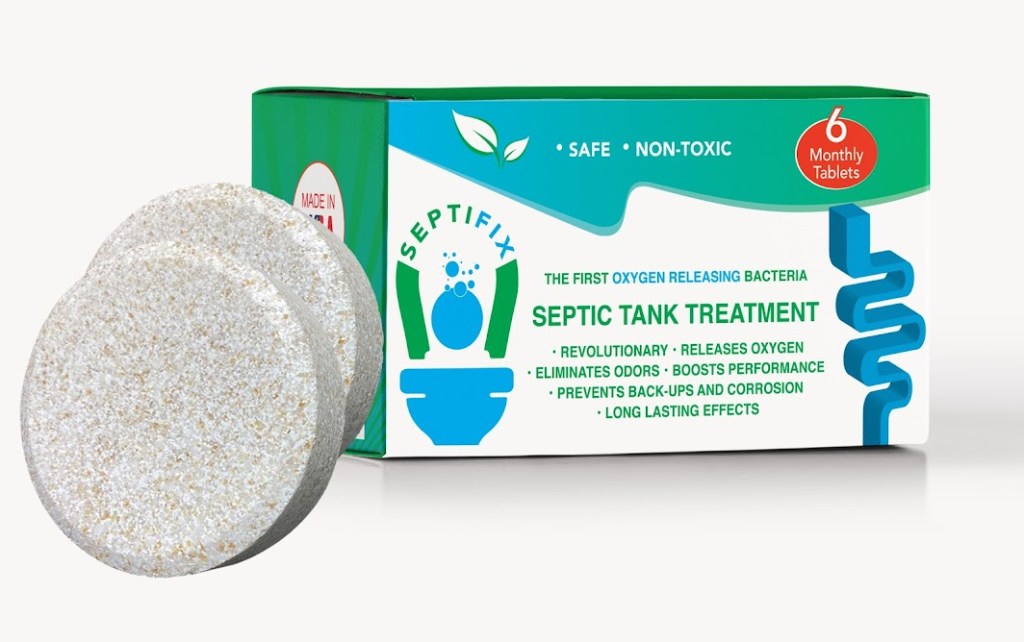
- Oxygen-based powders: Add oxygen and help with odor in drains. Can freshen lines but do not clear heavy clogs.
- Drain care products: Gentle, septic safe formulas can reduce mild buildup in sinks and showers.
- Degreasers for kitchen lines: Use a septic safe, non solvent option for grease-prone pipes.
These can support a healthy system, but they do not remove settled sludge. Pumping does that.
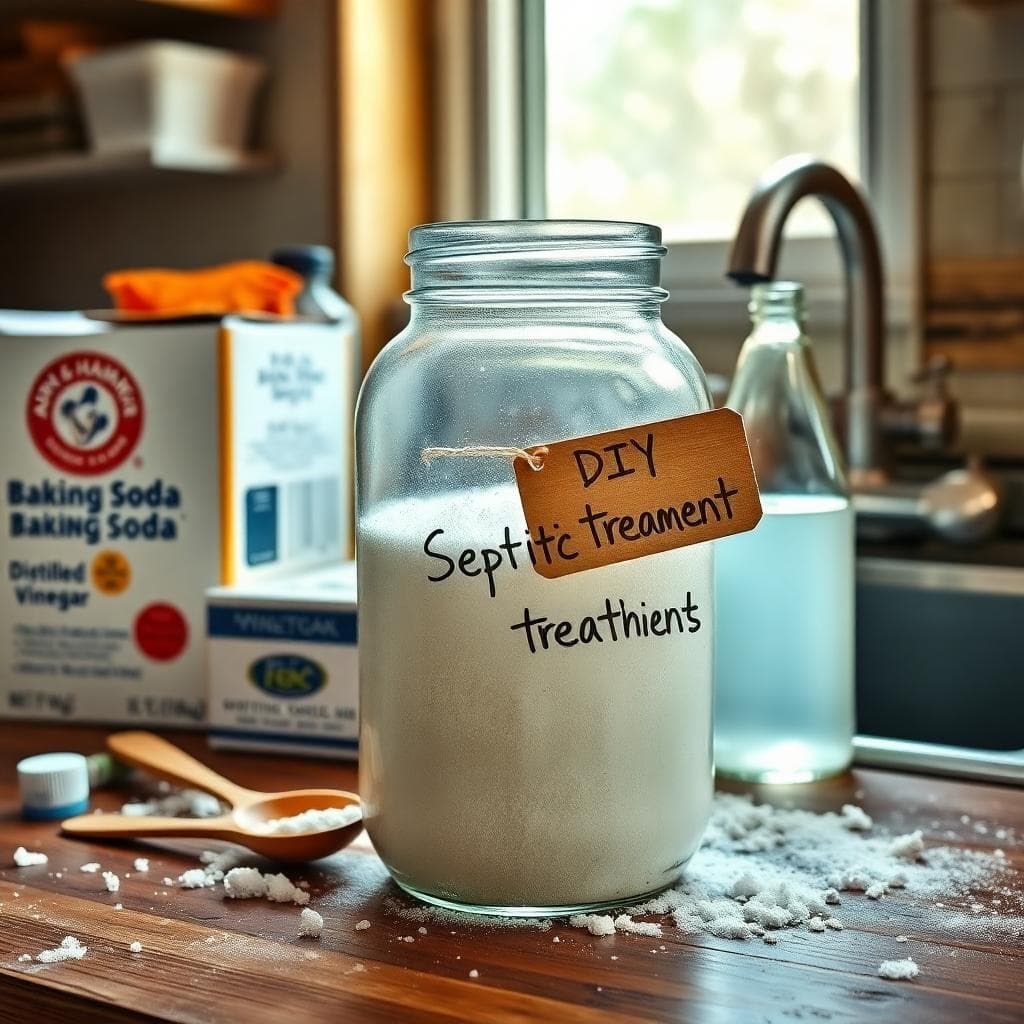
Do septic tank cleaning powders work?
Powders can help break down organic waste in drains, and they may support bacteria in the tank. Results vary, and habits matter. If you flush wipes, pour grease, or overload the system, no powder will save you. Powders cannot remove settled sludge; only a pump truck can.
How to pick the best septic tank cleaning powder
Look for:
- Septic safe on the label
- Non toxic and non corrosive
- No bleach, acids, or harsh solvents
- Enzyme or bacteria based; oxygen-based for drain freshness
- Clear ingredient list and dosing instructions
- Third-party safety marks when available
Use tip: dose monthly after a low water use period, like before bed, so it can sit in the pipes. Follow the label closely.
Products to avoid that can harm your system
Skip routine use of:
- Bleach-heavy cleaners
- Drain openers with lye or acid
- Large amounts of antibacterial soaps
- Paint, solvents, or chemicals
- Non septic safe wipes and hygiene products
These kill helpful bacteria or damage pipes and fields. The cost lands on you later.
DIY vs professional septic tank cleaning: what you can do, what it costs, and how to hire
There is much you can do at home: space laundry, fix leaks, scrape grease, and track service. Pump-outs, baffle repairs, and anything involving tank opening belongs to licensed crews with the right vehicles and gear. Some handy owners can rent a pump or mix chemicals. Disposal rules and exposure to hazardous gases turn a small job into a risky, costly mess. Draw the line clearly and you will be safe, protect the drain field and spend less in the long run.
Safe DIY care that prevents clogs and costly repairs
- Spread laundry across the week to avoid heavy surges.
- Fix running toilets and dripping faucets fast.
- Scrape plates into the trash, not the sink.
- Do not flush wipes, paper towels, or hygiene items.
- Clean the effluent filter only if you are trained and have the right safety gear.
- Keep vehicles, sheds, and pools off the drain field.
- Install risers so lids sit at grade for easy access.
Small habits add up. Your system will thank you.
What a professional cleaning and pump-out includes
Pros handle the messy and risky parts. A full service usually includes:
- Locate and expose lids
- Measure scum and sludge levels
- Full pump-out of liquids and solids
- Backwash to break up heavy buildup if needed
- Clean or replace the effluent filter
- Inspect inlet and outlet baffles
- Check for cracks, roots, or corrosion
- Provide a service report with levels, findings, and photos
Ask for measurements of scum and sludge so you can plan the next service.
Typical costs and timing for septic tank cleaning
Budget for:
- Standard pump-out: 300 to 800 dollars
- Heavy solids or large tanks: 800 to 1,200 dollars
- Effluent filter cleaning or replacement: 50 to 150 dollars
- Riser install: 200 to 600 dollars
- Camera inspection of lines: 150 to 300 dollars
Most visits take 1 to 2 hours. Complex digs can take longer.
How to choose a licensed septic service near you
Hiring checklist:
- Verify license and insurance
- Ask how waste is disposed, request dump receipts
- Get a written estimate before work
- Confirm a full pump-out, not a partial skim
- Ask for photos and measurements in the report
- Read local reviews and ask neighbors for referrals
- Ask about a workmanship warranty
Get 2 to 3 quotes. Price matters, but quality and reporting matter more.
Conclusion
Get it cleaned every 3 to 5 years, watch for signs of trouble, use septic safe products and use professionals for pump-outs and inspections. This is the simple plan. It protects your home, your yard and your wallet.
Action plan:
- Find your last service date.
- Put your next septic tank cleaning on the calendar.
- Pick one septic safe habit to start this week, like spacing laundry.
If you smell sewage, hear gurgles or see wet areas schedule a quote today. Your system will work better and you will sleep peacefully.
Related Posts