
How to Dissolve Septic Tank Sludge Safely
A septic tank can look fine from the surface while a dense layer of waste builds at the bottom. This accumulated septic tank sludge doesn’t simply disappear on its own.
If you’re searching for How to Dissolve Septic Tank Sludge Safely, the honest answer may feel disappointing, but it can protect you from a much bigger problem. Using harsh chemicals to force sludge removal can disrupt the tank’s natural ecosystem and harm helpful bacteria, the drainfield, or nearby groundwater, without removing established sludge.
The reliable solution is usually inspection and professional pumping, followed by habits that keep solids from building up too quickly.
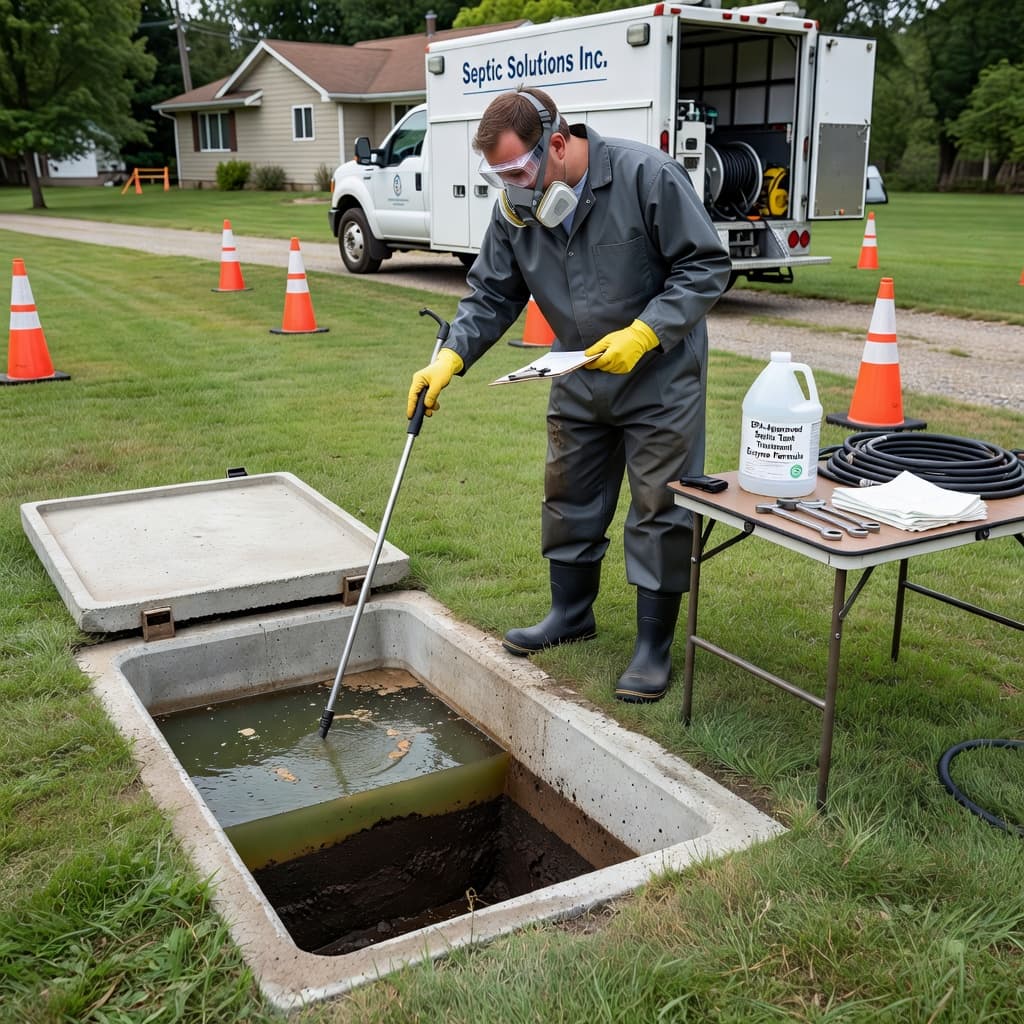
How to Dissolve Septic Tank Sludge Safely – Key Takeaways
- The sludge in your septic tank is the solids which have accumulated at the base of the tank.
- It is necessary to have some sludge; however, an excessive build-up will prevent the flow of liquids from the tank into the drain field, and could also create damage to the drain field.
- Using household chemicals to break down heavy accumulations of sludge is not safe. Avoid using: acid, drain cleaners, caustic soda, solvents or any strong chemical cleaning product. The chemical cleaners you are thinking about using may cause harm to your septic system as well as causing contamination to the soil or groundwater.
- Do not let septic additive/chemicals, or enzymes replace your regularly scheduled inspections for your septic system nor your required maintenance (pumping).
- If you see slow draining toilets/sinks/drains, unpleasant sewage smells, “gurgling” sounds coming from your pipes, soggy areas around your septic system, greener than usual lawn in areas above the drain field or back-ups through your plumbing, these are indicators of either excessive sludge buildup within your septic tank or failure of your septic system.
- Prevent excessive sludge accumulation by only flushing waste water and toilet paper through the drains, do not dispose of wipes/grease through your drains and limit your use of garbage disposals.
- Attempt to spread the frequency of washing clothes and running your dishwasher throughout the day/week so as to prevent overloading of your septic system.Never enter a septic tank or lean over an open tank. Toxic gases and unsafe conditions can cause serious injury or death.
How to dissolve sludge in septic tank safely, and when not to try
You can’t safely dissolve a large amount of settled septic tank sludge with a bottle of treatment or a homemade mixture. A septic tank functions as a primary biological digester, where anaerobic bacteria break down some organic waste, but they can’t eliminate a dense sludge layer. Think of it like sediment at the bottom of a pond. Some material changes over time, but the heavier layer still collects.
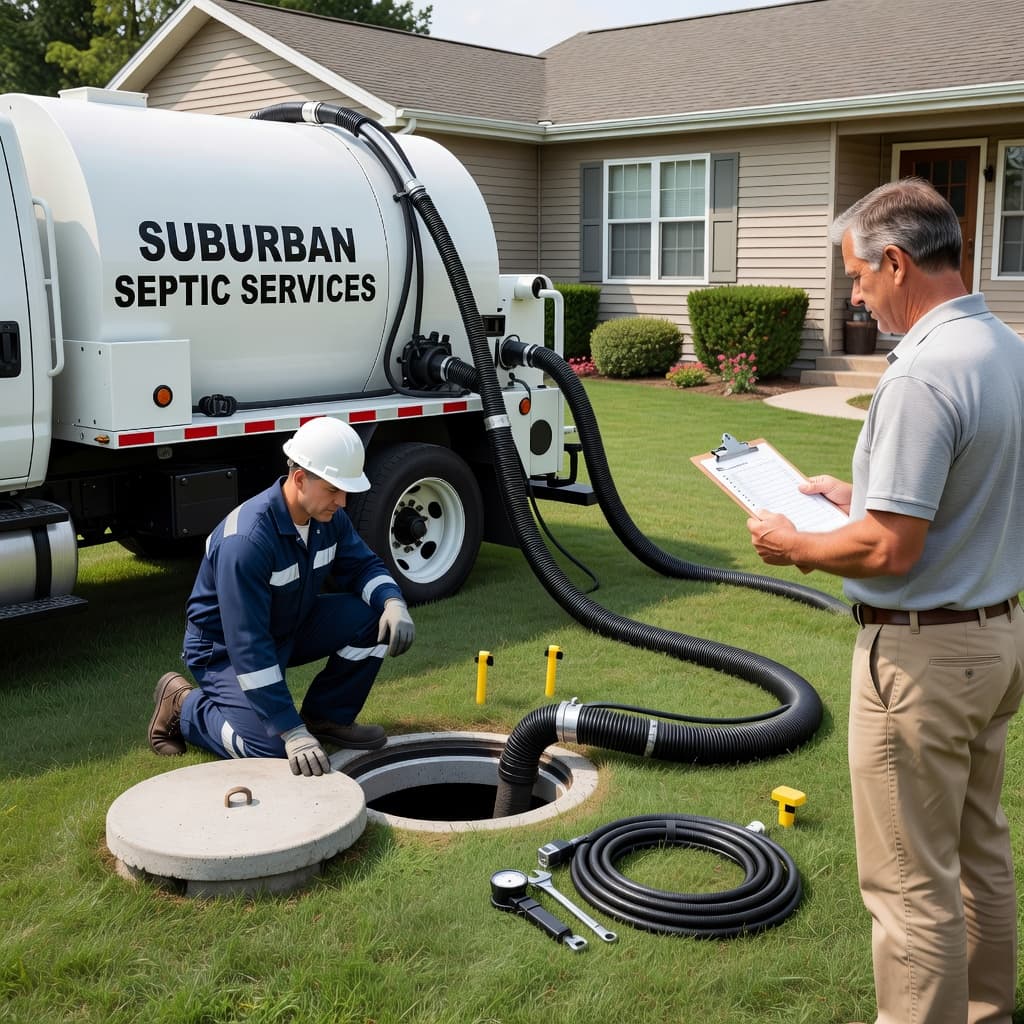
The dependable way to remove it is to have the tank pumped by a qualified septic professional. The EPA’s septic system care guidance also recommends regular inspections and pumping based on the tank’s measured conditions, not guesswork. A septic tank inspection can determine how much of the sludge layer has accumulated and whether solids are nearing the outlet.
Avoid pouring boiling water, bleach, drain cleaner, solvents, acids, or other harsh chemicals into the system. These materials can damage the bacterial balance that supports anaerobic bacteria and may move harmful chemicals into the drain field or soakaway.
If your tank is overflowing, sewage is backing up, or the tank is cracked or difficult to pump, don’t try to solve it yourself. Those signs call for an inspection.
What septic tank sludge is made of
A working septic tank separates wastewater into three zones. The floating scum layer often contains grease oils and fats, the middle zone is clarified liquid effluent, and the bottom sludge layer contains settled solids.
Septic tank sludge can include dense waste, grit, mineral particles, settled grease, and materials that bacteria cannot fully digest. New Mexico State University’s septic maintenance guide explains that the tank’s job is to hold wastewater long enough for solids to settle out.
This is different from a temporary clog in one drainpipe. A sink that drains slowly may have a local plumbing blockage, while a thick sludge layer affects the tank’s available capacity and can eventually send solids toward the drain field.
Why septic tank additives rarely solve a sludge problem
Most healthy septic tanks already receive anaerobic bacteria through normal household wastewater. Commercial septic tank treatment products, including septic tank additives and a biological digester, may support organic waste breakdown in limited circumstances, but they can’t remove a full layer of settled solids or repair a damaged drainfield.
Chemical treatments can create a false sense of relief. They may loosen material for a short time, while the underlying buildup remains and contributes to outlet pipe blockages. Learn more about what to know about septic additives before relying on any product.
If a tank needs pumping, septic tank additives cannot replace it. They may delay the service you already need.
The proper way to remove heavy sludge from your septic system
Start by locating the tank and contacting a professional septic service in your area. A technician can perform thorough sludge removal, complete a septic tank inspection, and measure the sludge and scum levels before septic tank pumping begins.
A complete visit should include a look at the inlet and outlet baffles, tank walls, liquid level, and effluent filter. During the pump-out, the technician should also check for effluent movement toward the drain field and watch for solids moving past the outlet, which can indicate drain field trouble.
How often you should pump a septic tank
Many homes will require septic tank pumping in intervals of approximately three to five years. The previous statement of three to five years provides a useful starting reference; it is not intended as a rigid guideline for all homes that have a septic system.
A number of factors may cause the frequency of septic tank pumping to increase. These include (but are not limited to) having a smaller tank, a large family or many guests, high volumes of water usage, excessive use of garbage disposals, and/or high levels of demand upon your drainfield. What ultimately determines how frequently you should pump your septic tank is your record of inspections. Prior to purchasing a property with a septic system, if you do not have knowledge of prior maintenance, contact us to set up an inspection.
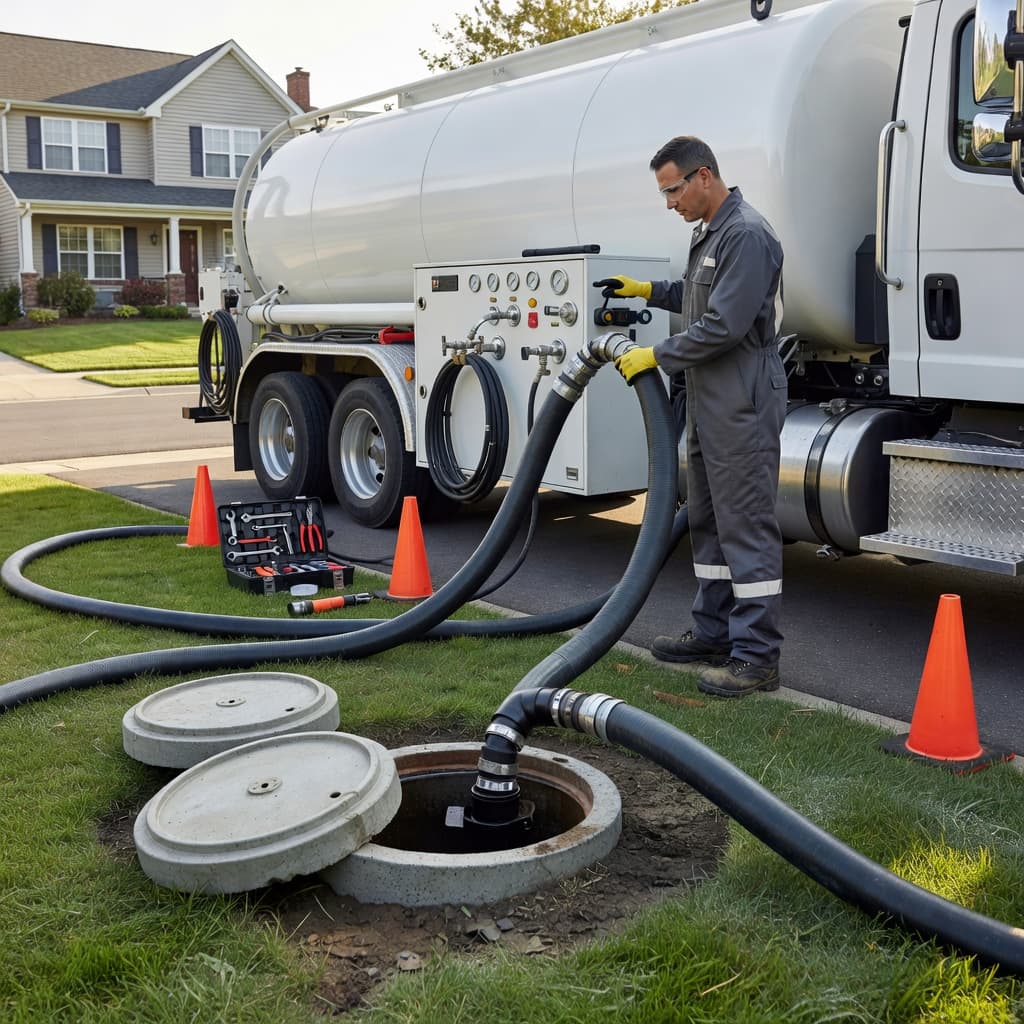
What professional septic pumping usually costs
There isn’t one universal price for septic tank pumping. Local labor rates, tank size, distance from the road, access to lids, emergency calls, and digging all affect the bill.
Ask for a written estimate that separates pumping, inspection, filter cleaning, excavation, and repairs. A low quote may only cover basic septic tank pumping, while a more complete visit can identify a blocked filter or failing baffle before it becomes an emergency.
Signs sludge is already causing septic tank problems
Slow drains in several rooms, gurgling pipes, foul odors, and toilets that struggle to flush can point to septic tank clogs or outlet pipe blockages, especially when an overflowing sludge layer is restricting flow. Wet or unusually green grass around the tank and drain field may also indicate that unmanaged waste is saturating the soil instead of moving through the system properly. Similar problems can occur around a local soakaway.
Still, don’t assume sludge is the only cause. A clogged effluent filter, blocked household plumbing, failed pump, or drain field damage can create similar symptoms. A professional inspection can determine whether a second sludge layer, a blockage, or another system failure is responsible.
When septic trouble becomes an urgent health risk
Treat sewage backing into the home, standing wastewater, or suspected well contamination as urgent problems. When wastewater treatment is disrupted, harmful organisms can reach surrounding ground areas, creating health risks. Keep children and pets away, avoid direct contact, and reduce water use until help arrives.
If you have significant contact with sewage, seek medical guidance, especially if you develop symptoms. Septic waste can carry harmful organisms, and foul odors or visible wastewater should never be ignored. Cleanup requires proper protection.
Why flushing less water cannot dissolve existing sludge
Using less water won’t dissolve sludge that has already settled in the tank. It can, however, reduce hydraulic stress after pumping or repairs.
Space out laundry loads, repair leaking toilets, and choose water-efficient fixtures. These simple habits give the tank more time to separate solids from liquid waste and help prevent new sludge buildup.
How to prevent sludge buildup after your tank is pumped
Pumping gives your system a clean start, but it doesn’t remove the need for ongoing septic system maintenance. Keep grease oils and fats, wipes, paper towels, diapers, coffee grounds, paint, pesticides, and harsh chemicals out of drains. These materials can contribute to solid waste accumulation and speed up septic tank sludge buildup.
Use septic-safe toilet paper, and protect the area above the soakaway from vehicles, sheds, patios, and deep-rooted trees. Heavy weight can compact the soil, while roots can damage pipes. Limiting grease oils and fats from kitchen drains is another important part of septic system maintenance.
A practical septic tank maintenance checklist can help you keep service records, track septic tank sludge levels, and notice early warning signs without feeling overwhelmed. Routine care is more reliable than depending on a probiotic formula to correct buildup after it occurs.

A simple septic maintenance checklist
- Arrange a septic tank inspection on a schedule based on measured sludge levels and your household’s usage.
- Ask for the effluent filter to be cleaned or checked during routine service.
- Spread water use across the week and repair plumbing leaks quickly as part of regular septic system maintenance.
- Keep harmful solids and chemicals out of sinks and toilets.
- Arrange an inspection before adding a bedroom, bathroom, or high-water-use appliance.
Frequently Asked Questions
Can bacteria break down septic tank sludge completely?
The anaerobic bacteria naturally found within your tank will serve to break-down certain organic compounds. Although they may be able to decompose an amount of the sludge that is created in the tank (especially if it is mostly water) they will typically not remove all of the sludge layer. This means you will need to have this sludge removed by a professional.
Will baking soda, vinegar, or septic additives dissolve sludge?
No. Household products, store-bought septic tank additives, and homemade septic tank treatment options aren’t dependable ways to dissolve built-up solids. They may disrupt the tank’s bacterial balance, and no single probiotic formula eliminates the need for regular pumping. If the tank is full or the drainfield is damaged, additives can also delay necessary service.
Can you pump a septic tank yourself?
DIY pumping is unsafe and usually impractical. Septic waste contains pathogens, requires specialized equipment, and must be handled through proper wastewater treatment and disposal procedures that follow local rules.
How do you know whether a tank needs pumping or a drain is clogged?
One slow fixture often points to a local plumbing clog. Several slow drains may indicate septic tank clogs affecting the whole system, while sewage odors, wet soil around the soakaway, and a long gap since pumping point more strongly toward a septic concern.
What happens if you leave septic sludge in the tank too long?
Excess sludge reduces the tank’s usable space and compromises effective wastewater treatment. It can also carry solids into the drainfield, causing septic tank clogs, odors, backups, and expensive soil treatment repairs. As the sludge layer grows, the risk of system failure increases.
Is it safe to use the septic system while sludge is being removed?
Follow the technician’s instructions. You may need to limit water use during service, especially if sewage has backed up or the tank requires a deeper inspection. Avoid running appliances or using large amounts of water until the technician confirms that service is complete.
A Safer Answer Than Trying to Dissolve Sludge
To remove sludge from your septic tank, use consistent and proactive maintenance of your septic system rather than using harmful chemicals that are “guaranteed” in bottles. In order to measure, remove and dispose of accumulated materials safely, it is essential to establish a baseline for what constitutes a “problem” with your septic system, which can include but is not limited to; odors, backups, standing water or wet conditions around the drainfield.
Regularly removing sludge from your septic tanks (through timely septic tank pumping) performed by a professional septic service will help ensure reliability and safety of your plumbing infrastructure. If you experience any problems such as; strong odor(s), backups, standing water, or wet conditions in the area surrounding the drainfield do not wait until a routine service call turns into an emergency repair.
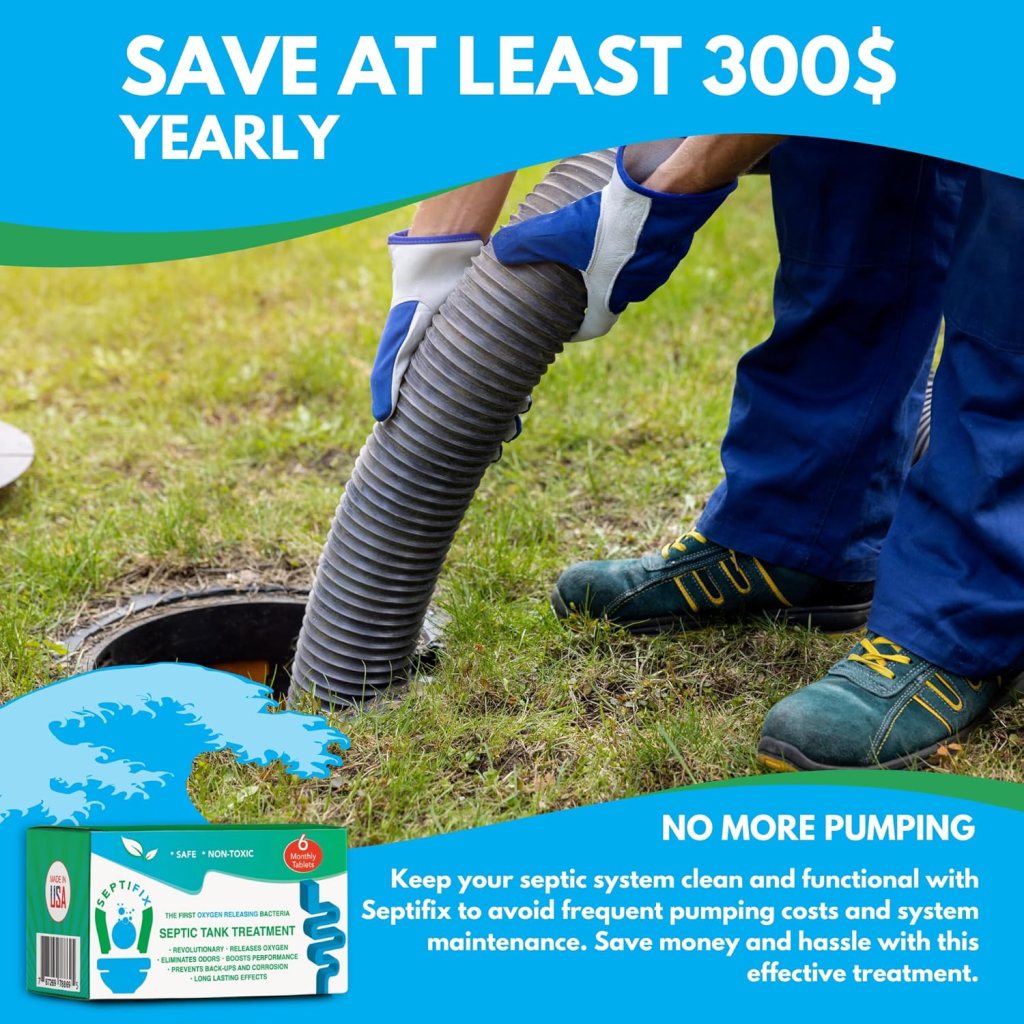
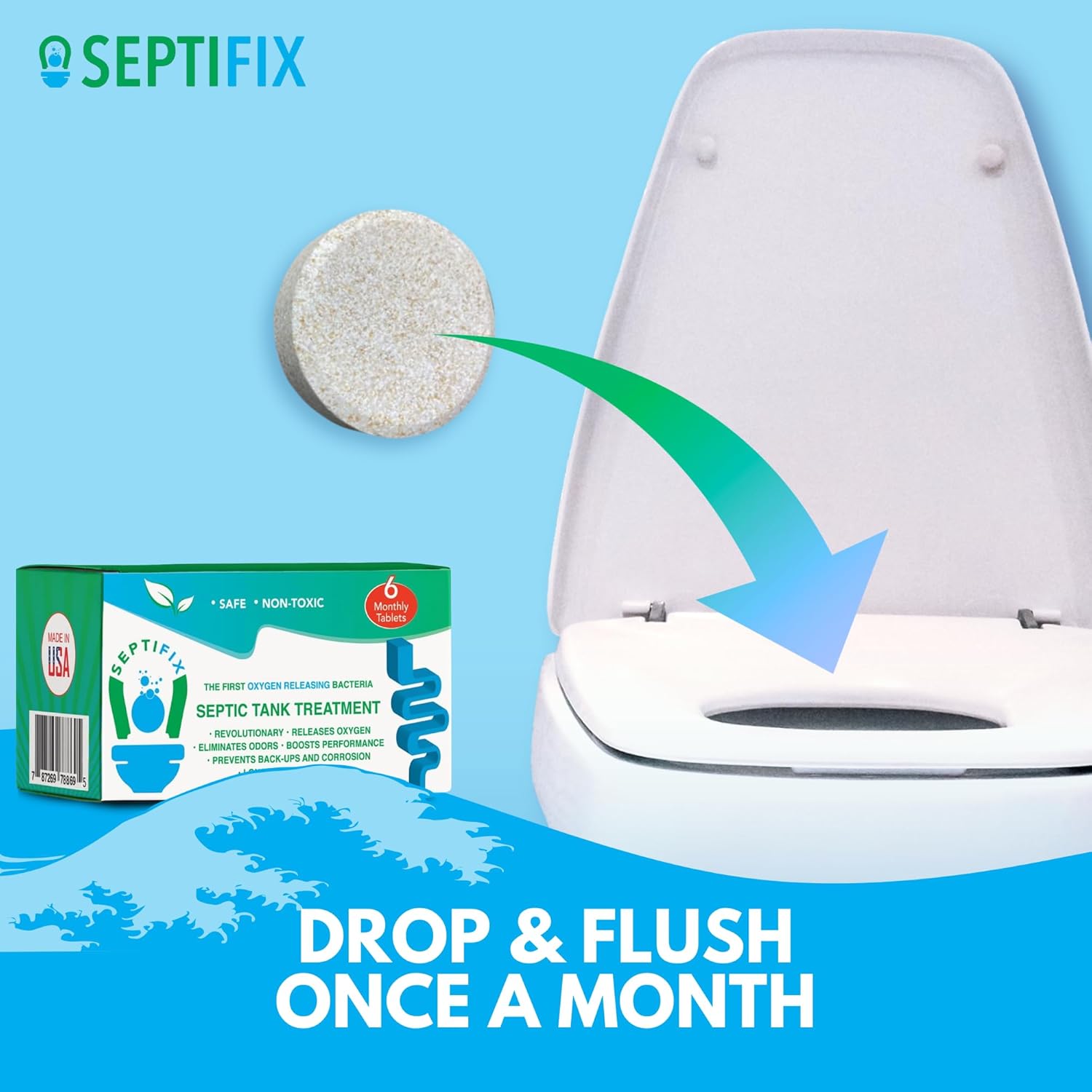
Give your septic system extra support with SeptiFix, an easy-to-use monthly tablet designed to help maintain a cleaner, healthier tank between professional inspections.
Affiliate Disclaimer
Some links in this article may be affiliate links. If you click a link and make a purchase, we may earn a small commission at no additional cost to you.
We only recommend products and services that may be useful for septic system maintenance and care. Affiliate relationships do not affect the information or recommendations in this article.
Additional Resources
Septic tank sludge should be removed through proper inspection and pumping. Chemical products and additives should not replace professional septic system maintenance.
More from Our Blog
- Sludge in a Septic Tank: What It Is, Why It Grows, and How to Fix It
Learn how sludge forms, why it causes problems, and when professional pumping may be needed. - Septic Tank Cleaning Made Simple
Review the basics of septic tank cleaning, inspections, pumping, and safe maintenance. - Do Septic Tank Treatments Really Work? Myths vs. Facts
Find out what septic additives can and cannot do. - Septic Tank Pumping: Schedules, Signs, and Smarter Care
Learn what affects your pumping schedule and which warning signs require attention. - Natural Septic Tank Enzymes: Safer Care That Works
Explore common enzyme products and safer habits for supporting septic system care.
Official U.S. Government Resources
- How to Care for Your Septic System
Get EPA guidance on inspections, pumping, water use, drainfield care, and household waste. - EPA Septic Tank Additives Fact Sheet
Learn why septic additives are usually unnecessary and why they should not replace regular pumping. - Frequent Questions About Septic Systems
Find answers about sludge, scum, pumping, additives, inspections, and septic system problems. - Why Maintain Your Septic System?
Understand how routine maintenance can help prevent backups, drainfield damage, and water pollution. - Resolving Septic System Malfunctions
Learn what to do if you notice sewage backups, foul odors, slow drains, wet soil, or standing water.
EPA guidance recommends inspecting septic tanks regularly and pumping them when sludge and scum reach unsafe levels. Contact a licensed septic professional for sludge removal, inspections, or system repairs. Never enter a septic tank or use harsh chemicals to dissolve sludge.
Related Posts


One thought on “How to Dissolve Septic Tank Sludge Safely”