Sludge in Septic Tank: What It Is, Why It Grows, and How to Fix It
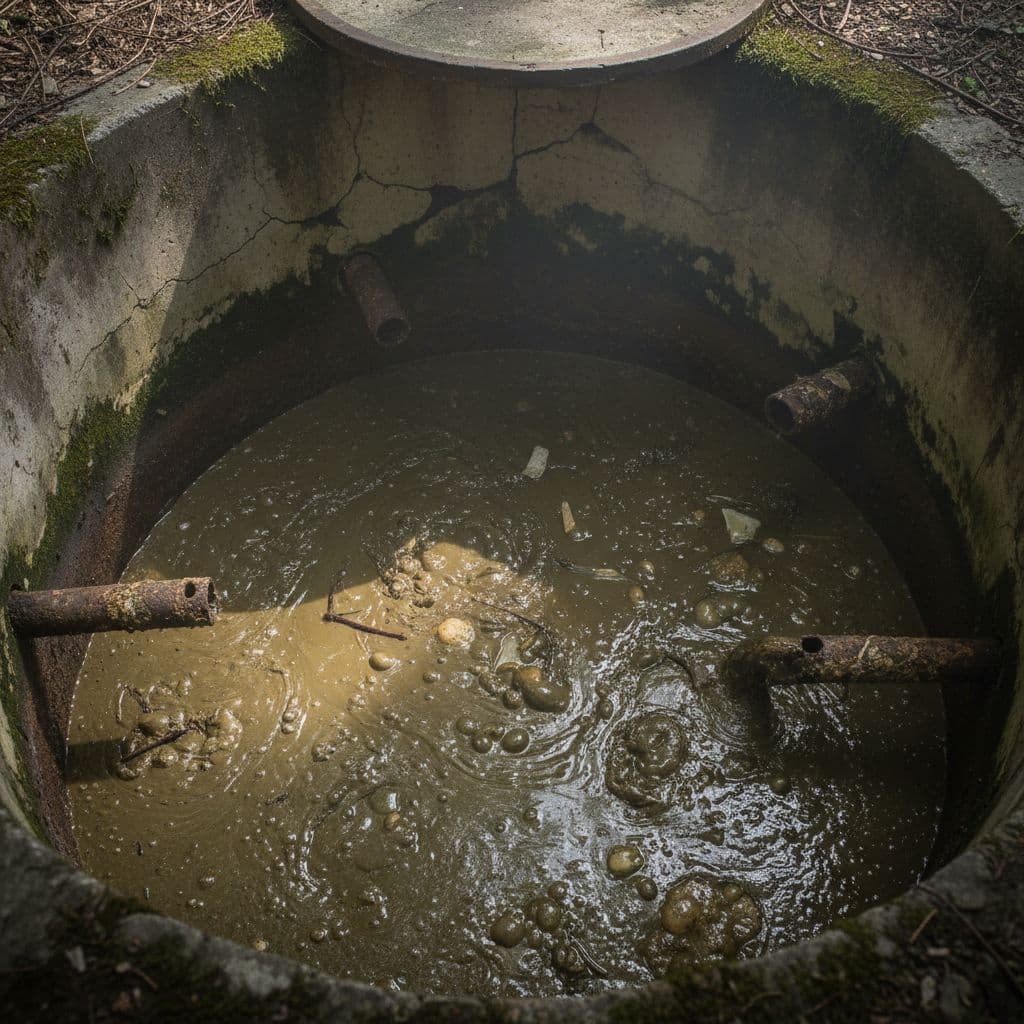
Your septic system sits quietly in the background working for you by managing what comes out of your plumbing drains and keeping your house flowing smoothly. But over time, sludge in septic tank builds up. Sludge refers to the bottom layer of solids that settle to the bottom once waste water separates. If the sludge gets too thick you could be looking at clogged pipes, sewage backup, foul odors coming from your septic, or damage to your drain field.
In this tutorial, you will find out how to tell if you have a problem with sludge, how to take a reading on sludge levels yourself at home, how to safely pump sludge out of your septic tank, and how to slow the rate at which sludge builds back up again. These are all simple steps to keep your septic working properly and save money.
Key Takeaways
- A Septic Tank’s Sludge is formed when solid waste sinks to the bottom of a Septic Tank.
- The Sludge is different than Scum (which forms an oily film on top), and Effluent (the liquid that flows in between).
- Bacteria within the Septic System will only be able to break down so many types of solids; therefore, Sludge is created as the result.
- When you put wet wipes, paper towels, grease, food waste, chemical products that are too harsh for a septic system, or excessive amounts of garbage through your garbage disposal, it increases the amount of Sludge that has built-up.
- Also, larger households with higher amounts of water usage increase the rate of Sludge accumulation.
- As Sludge accumulates, it creates Slow Drains, Sewage Back-ups, Bad Odors, Clogged Pipes, and Damage to the Drain Field.
- To reduce the accumulation of Sludge, dispose of Grease and Wet Wipes in their proper containers; limit the use of your Garbage Disposal; and do not use Harsh Chemicals unless absolutely necessary.
- Before the Sludge becomes an obstruction in your Outlet Pipe, or causes other problems with your system have your Septic Tank Inspected/Pumped by a Licensed Professional.
- Do Not Enter Your Septic Tank; nor should you perform Un-safe Repairs
What Is Sludge in a Septic Tank and Why It Builds Up
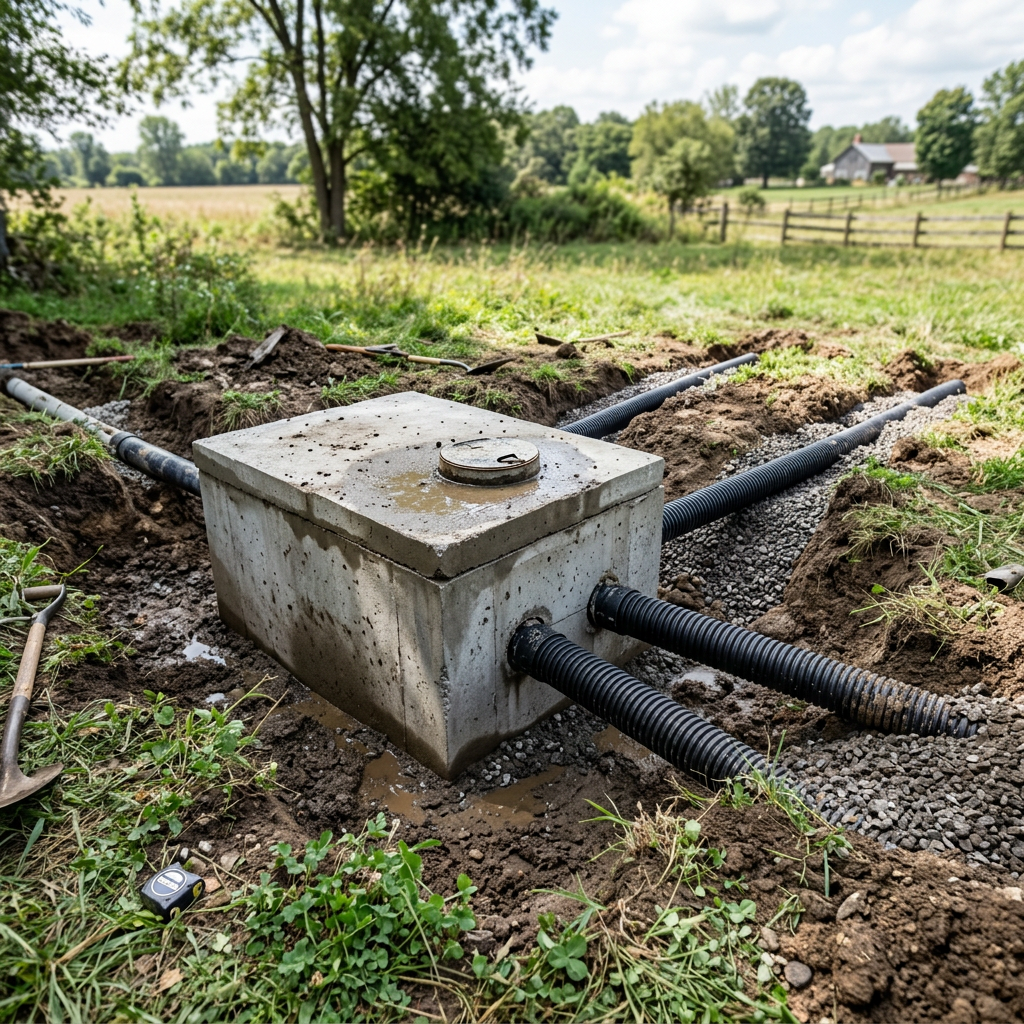
Your household’s wastewater is stored in a buried container known as a “septic tank.” Wastewater flows into the tank and settles for a brief period of time. During this time, the solid matter breaks down and separates by density. Beneficial bacteria decompose a portion of the solids; the remaining clarified wastewater (effluent) leaves the tank and is treated by the soil in the drain field.
There are three distinct layers inside the septic tank. The heavier solid particles fall to the bottom of the tank and develop a sludge layer. The lighter oil/fat/grease floats and forms a scum layer on the surface of the tank. The liquid between these two layers is referred to as effluent. An outlet filter and baffles within the tank prevent any solids from exiting the tank through the effluent.
The formation of sludge occurs when all items flushed do not fully degrade. Softened toilet paper, and other organic materials, continue to degrade over time, however, they leave behind a residue. The addition of oils/fats, food scraps, and mineral sediment from household water adds to the formation of the sludge layer.
Some common household practices can promote the formation of the sludge layer. For example, frequent washing of clothing adds additional water to the system reducing the amount of time that solids have to settle and be broken down by beneficial bacteria. Bleach is another substance that may slow or eliminate the action of beneficial bacteria.
When sludge has formed to the point where it reaches the drain field, the solids can become lodged in the soil causing premature failure of the system.
Families with larger households (e.g., families of four) who cook nightly and utilize a garbage disposal may experience more rapid sludge formation than smaller households (e.g., couples). The size of the tank also plays a role in how often it should be pumped. For example, a 1000-gallon tank servicing three individuals generally requires less frequent pumping than the same tank servicing five individuals.
Sludge vs. Scum vs. Effluent: Simple Breakdown
- Solids: Sludge settles at the bottom of a septic system and forms a solid layer (heavy).
- Oil/Fats/Grease: Scum floats on the surface of the water (oils, fats, greases). and scum layers and will flow into the drainfield.
- Water: Effluent is the liquid waste which is located between the sludge and scum layers and will flow into the drainfield.
While bacteria can break down many of the components found within these three layers they are unable to digest all of them. As such, the sludge continues to build up over time and needs to be removed based upon a routine schedule.
Why Sludge Builds Up: Habits and System Factors
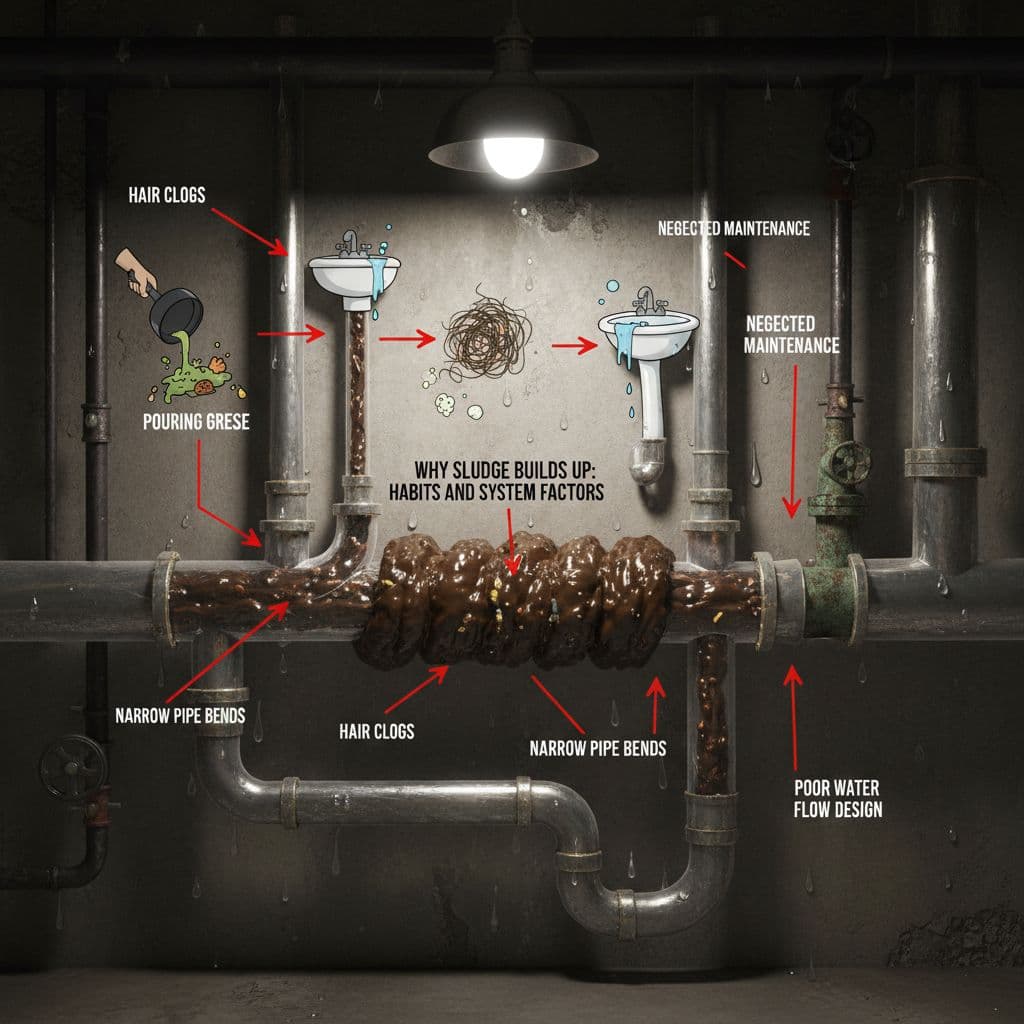
- Paper towels, flushable wet wipes and other hygiene items.
- Cooking oil or grease poured into your drain.
- High amounts of bleach or aggressive chemicals used to clean with.
- Heavy garbage disposal usage.
- Low retention times resulting from a very heavy daily water usage rate.
- Cold temperatures slow the bacteria involved in breaking down organic matter.
Just keep these “triggers” in mind and you’ll be able to prevent most problems with your plumbing system.
How Fast Sludge Grows and What Changes It
In general, a 3-4 person household with a 1,000 to 1,250-gallon tank will need to have the tank pumped about every 3-5 years. However, if you cook a lot of heavy fats or do laundry daily (marathons), and use lots of chemicals to clean, you will likely be able to shorten this time frame. On the other hand, a small family that cooks lightly, and does things safely for their septic system could extend this time frame.
The only way to determine how long it has been since your last pumping is to measure the sludge in your tank.
Here is an easy reference guide for a quick look at a glance:
- to 2 people: 750 to 1,000 gallons; pump every 4-6 years.
- to 4 people: 1,000 to 1,250 gallons; pump every 3-5 years.
- to 6 people: 1,250 to 1,500 gallons; pump every 2-4 years.
Keep in mind these are just rough estimates. Always make your decision based upon actual measurements.
For a clear overview of baffles, filters, and how they limit solids, see this guide on septic system filters for sludge management.
How to Tell If You Have Too Much Sludge in Septic Tank
You do not need to guess. Your system will send signals when sludge in septic tank, and you can check the tank safely. Start by watching for signs in the house and yard. Then confirm with a simple sludge measurement. From there, use easy thresholds to decide when to pump.
Common Warning Signs You Should Not Ignore
- Slow drains across the whole house.
- Gurgling pipes when toilets flush or sinks drain.
- Sewage smells near indoor drains or outside by the tank.
- Wet, spongy ground or standing water over the drain field.
- Frequent toilet backups, even after snaking the line.
- Very fast, dark green grass growth over the drain field lines.
These signs do not always mean a full tank, but they warrant a check.
DIY Sludge Check With a Stick or a Sludge Judge
- Put on hand and eye protection before the tank is opened.
- Use a clear tube designed for checking sludge or a long white pole with a clean white rag attached by tape at one end.
- Be extremely cautious when opening the access cover, be mindful of your footing and stand steady.
- Slowly lower the tube down into the bottom of the liquid area (but do not submerge it in the scum layer).
- Allow the tool to sit in the liquid for a couple of minutes to allow the sludge to mark the rag or tube.
- Measure the depth of the dark layers against the total height of the liquid in the container.
- Do not lean over the open top of the tank and avoid inhaling any fumes. Also, keep children and animals away. If you are still uncertain about how to check your tank, contact a licensed professional for a safe inspection.
When to Pump: Simple Rules You Can Trust
Pump the septic tank once the sludge is approximately at 1/3 of the liquid height. Alternatively, pump the septic tank once the sludge and scum together are equal to approximately 1/3 of the tank’s active capacity. Plan for service if there is backup, odors in the house or a wet yard, regardless of how recently it has been pumped.
If you want an example of what happens when sludge is ignored, review this breakdown of the costs of neglecting sludge buildup.
How to Dissolve Sludge in Septic Tank Safely and Prevent It Coming Back
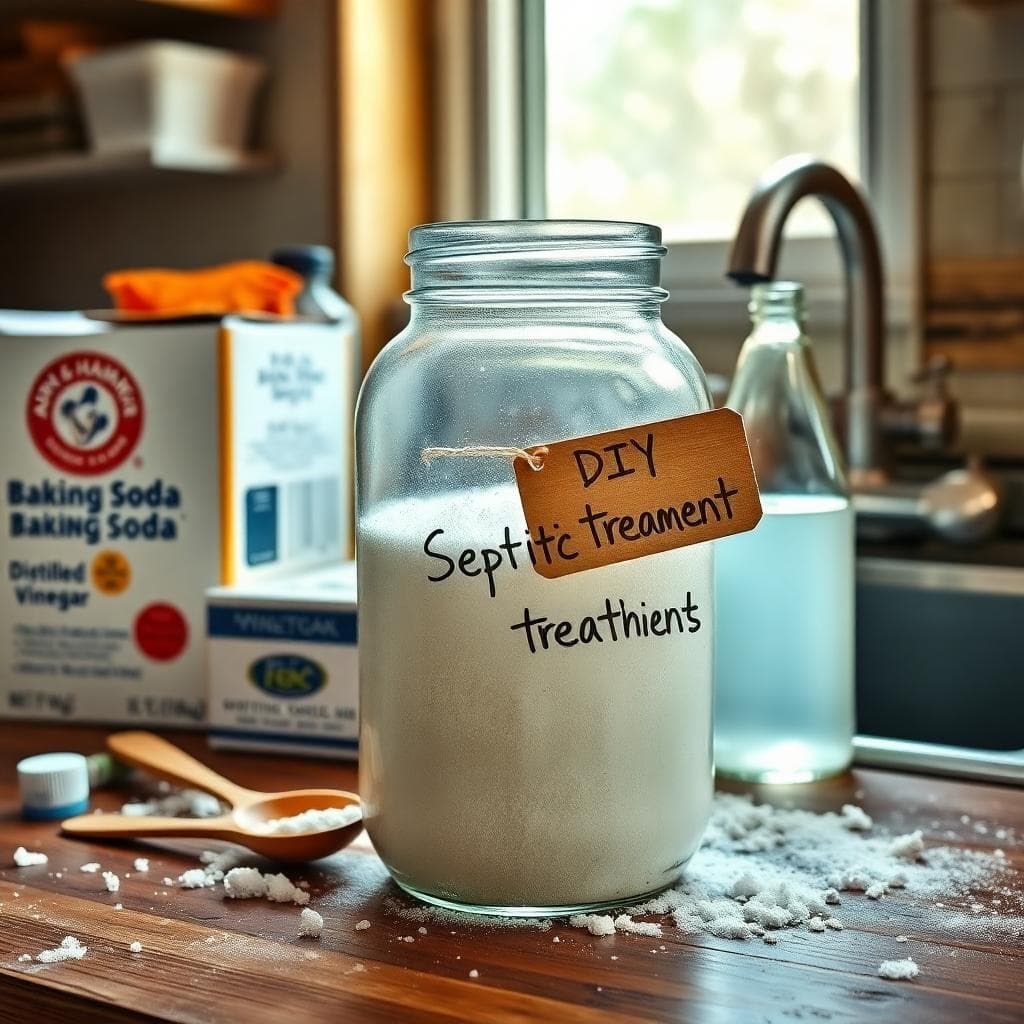
It’s easy to look for an instant solution, but if you’re hunting for how to dissolve septic tank sludge safely, the honest answer is that there are no chemicals on the market today that safely break down (dissolve) heavy sludges. The majority of fast-acting “melt” products that dissolve solids quickly either kill beneficial bacteria, disrupt the layered nature of your tank(s), or push solids further into the drainfield.
Pumping, along with regular maintenance, is what really works at controlling sludge levels in your tanks.
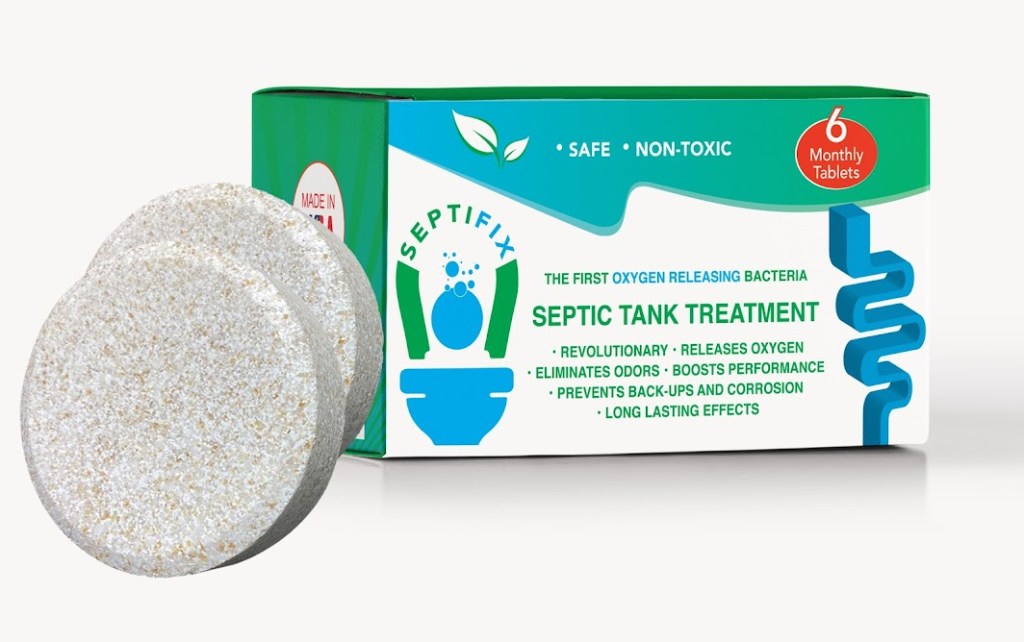
Biological products that are labeled as septic-safe can also aid in digestion by helping to maintain a balance within the system. These types of products may be particularly helpful in restoring balance after extended periods of using harsh cleaners or after extended vacations away from your home.
Biological products are NOT meant to replace the need for periodic pumping, but rather serve as a type of routine “tune-up,” not a full “rebuild.”
What Not to Pour Into Your Tank
- Use chemicals to open your drains such as acid, lye, etc.
- Dispose of paints, paint thinners, and other solvents.
- Don’t dispose of motor oils, antifreeze or other fuels.
- Unless a professional suggests otherwise, do not put copper sulfate or root killer powder into your system.
- Bleach and other disinfectants in large quantities. Yeast, raw meat, and sugar (the so-called “magic” concoctions) as they will destroy good bacteria, cause corrosion, and possibly clog your sewer line. If you are unsure, please dispose of it properly or take it to the appropriate disposal location.
Biological Additives and Enzymes: What Really Helps
Stress from an extended holiday weekend with a house full of visitors may trigger additional digestive activity in your septic system by bacteria or enzymes. Only use additives which are specifically labeled as safe for septic systems and follow the recommended dosage on the packaging. Establish your customer’s expectations.
Septic additives like septifix can also be beneficial to maintaining the balance of your septic system and reducing offensive odors. However, no additive is able to remove built up sludge in a clogged septic tank. Therefore, you will still require regular measurements and timely maintenance through pumping.
Pumping, Jetting, and Pro Help: The Fastest Way to Remove Sludge
You cannot safely remove heavy sludge in septic tank without hiring a professional (a Licensed Septic Pro) to come in and pump your tank. This person will then use a vacuum to remove all of the sludge and scum, inspect the baffling for proper functioning, and clean/replace the effluent filter.
The licensed septic pro will also be able to identify if there is clogging in either the inlet or outlet lines, which he/she may need to hydro-jet to clear. Installing both a riser on top of your tank and an effluent filter on your discharge line can help make the maintenance and repairs in the years ahead easier and less expensive.
For a step-by-step walkthrough, see this practical guide on septic tank cleaning to remove sludge.
Step-by-Step Plan to Reduce Sludge and Keep Your System Healthy
Use a tube or stick to safely measure the amount of sludge in septic tank.
- When the sludge reaches about 1/3 of the total water depth in your tank, it’s time to have the tank pumped.
- Once you’ve had the tank pumped, check the effluent filter (or replace it) and put a reminder in your calendar to have the filters checked again in a year.
- Divide up your laundry and dishes throughout the week to keep the flow going at a steady rate instead of causing spikes.
- Do not allow grease, wipes, coffee grinds, or other harsh chemicals into the system.
- You may want to look into using a septic safe bacterial maintenance product, depending on what your professional says.
- Check the sludge annually, so that you can have it pumped before it becomes too late and causes problems with the drain field. A few small habits, combined with regular measurement, responsible use, and scheduled pumping will help you to maintain a healthy septic system.
Conclusion
The heavy layer (sludge) at the bottom of your tank is what you need to keep an eye on. Slow draining, gurgling, and water spots on the lawn are some obvious signs to look for. Use a measuring tool to measure the sludge layer, then drain the tank when the sludge or sludge/scum combination measures to approximately 1/3 of the liquid level in the tank. The only guaranteed method of removing heavy amounts of sludge from your septic tank is by pumping it.
Keeping the amount of sludge in septic tank to a minimum can be achieved through regular safe practices, routine inspections, and use of helpful tools such as effluent filters. Write down a reminder to inspect the sludge layer in your septic tank annually and schedule pumping before issues arise. Your system will operate cleaner, quieter and longer than without this maintenance.
Affiliate Disclaimer
Some links in this article may be affiliate links. If you click a link and make a purchase, we may earn a small commission at no additional cost to you.
We only recommend products and services that may be useful for septic system maintenance and care. Affiliate relationships do not affect the information or recommendations in this article.
Additional Resources from U.S. Government Sources
The following resources from the U.S. Environmental Protection Agency can help homeowners understand sludge buildup, septic tank pumping, inspections, and routine care:
- How to Care for Your Septic System
Learn how to protect your septic system, reduce solid waste buildup, and know when professional pumping may be needed. - Why Maintain Your Septic System?
This guide explains how regular inspections and pumping can help prevent backups, costly repairs, and water pollution. - Frequent Questions About Septic Systems
Find answers about sludge levels, pumping schedules, inspections, septic additives, and household maintenance. - Resolving Septic System Malfunctions
Learn how to respond to slow drains, sewage backups, foul odors, wet spots, and other signs of septic system failure. - EPA Homeowner’s Guide to Septic Systems
Download this homeowner guide for information about sludge, scum, inspections, pumping, and septic system care.
The EPA recommends regular inspections and pumping based on factors such as tank size, household size, water use, and the amount of sludge and scum in the tank. Always follow local requirements and contact a licensed septic professional for an inspection or pumping service.
Related Posts