Septic Tank Pumping: Simple Schedules, Clear Signs, and Smarter Care
You have a private septic system and you would like some assurance that everything is running smoothly. That begins with knowing about septic tank pumping.
The purpose of pumping your septic tank is to remove the solids that your tank has accumulated and cannot break down. When your septic tank is pumped, it stops backups from occurring and prevents your drainfield from clogging which saves you money and protects your home and lawn. Backups are messy and expensive. On the other hand, a well-maintained septic tank allows for free-flowing systems.
Septic tank pumping is a completely separate process than inspecting or treating your septic tank. You should receive regular inspections, treatments, and pumping depending on your needs.
In this article we will provide you with information and guidance regarding the frequency of pumping, red flags indicating the need to be inspected, details of what occurs on pump day, estimated costs for pumping your septic tank, and smart practices to implement on a daily basis. Upon completion of reading this article, you should feel prepared and confident rather than stressed.

Septic tank pumping 101: what it is, when you need it, and why it protects your home
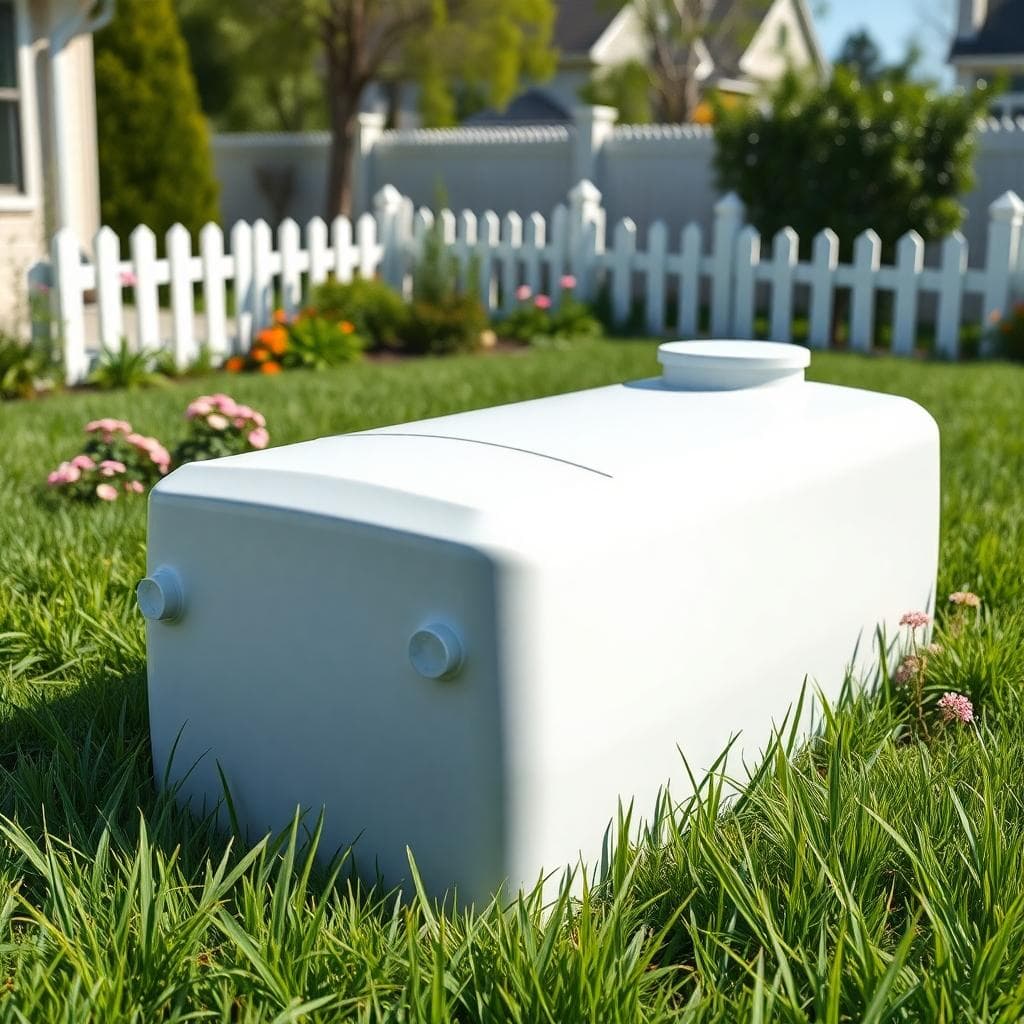
Septic tank pumping is simply removing sludge and scum from your septic tank using a licensed professional and a vacuum truck. It is simply routine maintenance for your home; similar to changing your oil.
If you don’t regularly pump your septic tank, solids will continue to accumulate and eventually they will rise to the level where the outlet pipe reaches the surface and flow into the drainfield.
The frequency in which you pump your septic tank is dependent upon people living in the house, the amount of water used, and the size of the tank. Most homes require service every 2-4 years. Homes with larger tanks and less usage can sometimes extend their pumping intervals to 5 years. Busy households with multiple people typically need to have their tanks serviced every 1-2 years. Garbage disposals can also increase the frequency of pumping. Having extra guests or doing excessive laundry also indicates a need for more frequent pumping.
Some general guidelines exist. For example, a 1,000 gallon tank occupied by two people may require service every 4-5 years. Three-four people in the same size tank will generally require service every 2-3 years. Six people will likely need service every 1-2 years. Please note that these are just estimates, and the only accurate method of determining the correct frequency is through measuring the sludge and scum levels in the tank during a scheduled inspection.
As mentioned previously, the primary reason for septic tank pumping is to protect the drainfield. The drainfield is essentially the core of your entire septic system. Once the drainfield becomes clogged, the cost to repair it will be substantial. Backups can cause damage to floors, walls, etc. Pumping your septic tank every 2-4 years will cost a couple hundred dollars, while repairing a damaged drainfield can easily exceed $10,000.
Quick Tip: Write down every service date and tank levels in a notebook. This creates a paper trail that will assist you in scheduling the next service.
How your septic tank works in plain language
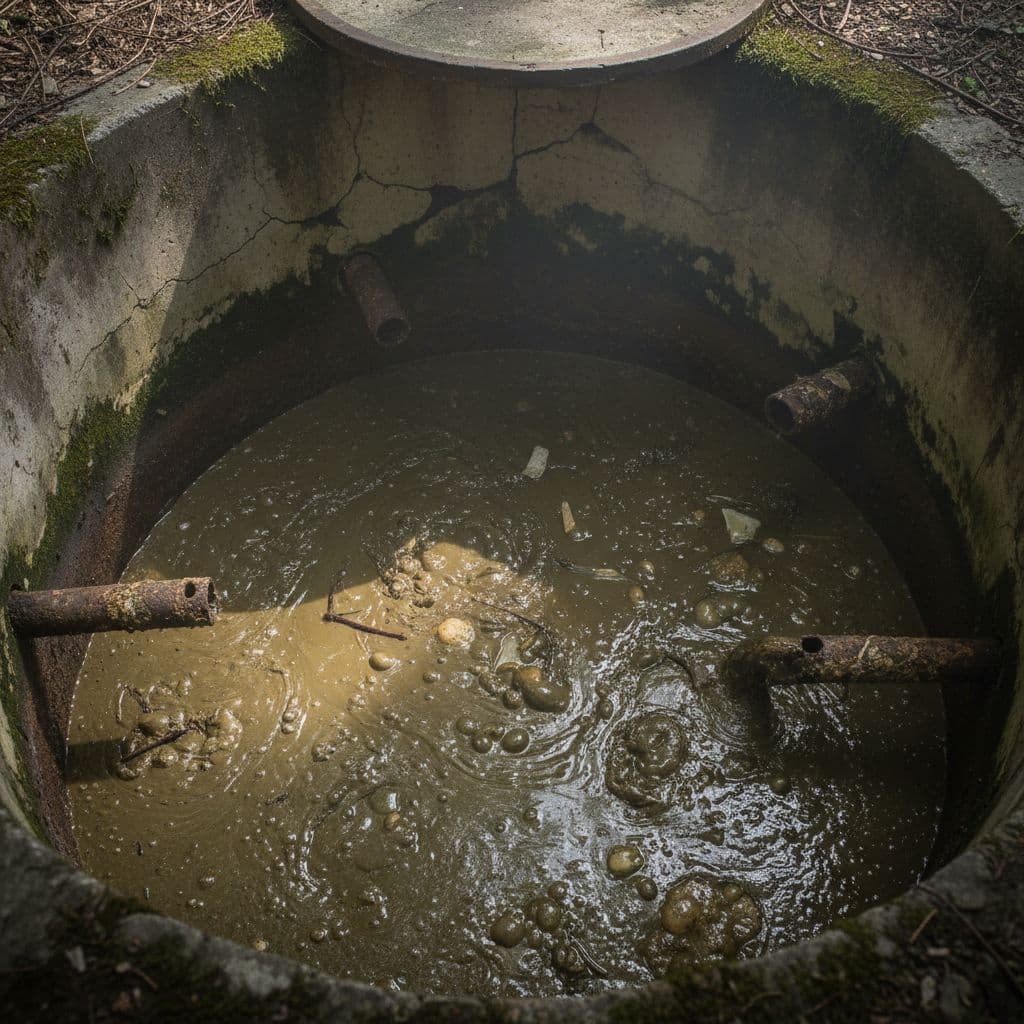
Think of a large underground container, which houses solid waste. Solid waste settles to the bottom of the tank forming a “sludge” layer. Grease and fats (and oils) collect in a scum layer on top of the tank. The remaining clear fluid in the tank is referred to as “effluent,” which then travels to the drainfield. Bacteria help break down organic waste, however, there is still much left over. As such, the sludge and scum layers grow over time. Therefore, regular septic tank pumping is required to prevent solids from overflowing into the drainfield.
Clear signs you need pumping now
- A lot of slow draining in various parts of the home.
- You hear gurgling sounds from the pipes when you flush the toilet or run the water from the sinks.
- There is a sewage odor near the tank or where the drainfield is located.
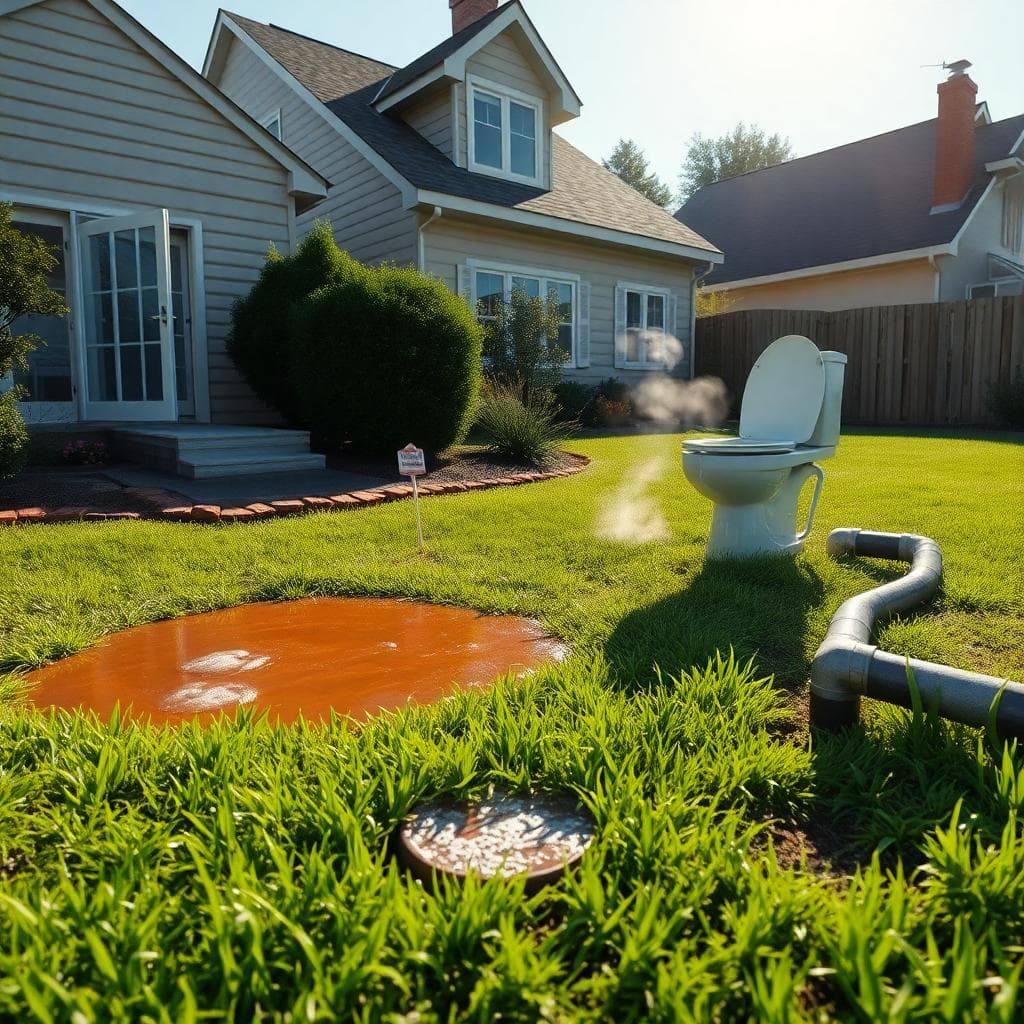
- The grass on top of the system has become soggy or appears greener than usual.
- Water (sewage) backs up into the tubs, showers, or toilets.
- It has been over three to five years since the last servicing of the system.
- Upon inspection, it is found that there is a complete scum or sludge layer.
One slow sink often means a local clog, not the tank. Many slow fixtures at once usually points to the septic system.
For wider maintenance context, see this guide on handling septic system maintenance steps.
How often to schedule septic tank pumping
The above is some very basic schedules.
You may be able to decrease these by 25-50% if you have a lot of guests, a large family (more than 5), do lots of laundry or use a garbage disposal.
If you have larger tanks, this will also give you a little extra time. For example, a 1250 or 1500 gallon tank is going to buy you some extra time over a 1000 gallon tank.
You should check your schedules using a sludge measuring device and during a regular inspection.
If you are overdue by three years or more, read about protecting your septic with timely pumping.
What happens if you skip a pump
The solids are washed into the drainfield, where they plug the pores in the soil. The effluent has nowhere to go; as a result it will either rise above ground or back flow through your house. As this happens damage to floors and walls can occur. In addition to the property damage, health risk may also be present.
Pumping a routine maintenance pump could cost you a couple of hundred dollars. Installing a new drain field could cost you tens of thousands of dollars. This would be a financial burden that is easily avoided by simply keeping track of when your maintenance pump needs to be done.
Septic tank pumping day: cost, prep, and what to expect
You may wish to be prepared for the arrival of the truck. Below are the usual steps involved in the visit; estimated cost; and ways to save money without sacrificing quality.
A typical visit usually takes anywhere from 30 minutes to 1 hour and 30 minutes. Once the crew has located the tank, they will expose the lids, measure each layer, and begin the process of pumping. The crew will remove the sludge and scum and inspect the baffles to see if there are any cracks or root growth.
Most companies provide some type of basic inspection. If you would like to have an additional service, such as a full inspection, this will be a separate fee, so you should inquire about this separately.
Typically, you can expect to pay around $250-$600 to have the septic system pumped at your home. Larger size tanks, deeper lids, longer hose runs, weekend or emergency calls, etc., may cause higher prices. To keep costs down, consider installing risers (for easier access), make sure that all lids are clean and free of debris, and use a regular scheduled maintenance program.
Maintaining your systems solids level through on-time pumping, reduces the time required to complete the visit and provides greater protection for your drain field.
Following the completion of the pumping operation, try to reduce your water usage for one day after the visit. Consider doing your laundry over several days throughout the week. Save your service report; date it; and store it with your other septic system maintenance records.

How to prepare your yard and records
- Locate tank lids (or have a professional locate them for you) if needed.
- Create a passageway for the hose of the tanker.
- Lock all outside pet doors and leave gates open so that the technician may enter your property.
- Write down when you last had your septic system serviced along with the size of your tank.
- Be sure to tell the technician of any problems you’ve experienced such as odors or slow draining that you feel are related to your septic system. If you cannot locate your tank lid, professionals will use specialized equipment to locate it. Consider investing in riser systems for future accessibility. The cost of these systems will be offset by the money you save on time and labor.
Step-by-step pumping process
The first thing the technician does is measure the level of scum and sludge in the tank. This will give them an idea of how full the tank is. Next, the technician stirs the tank to make sure that everything is well mixed so they can remove everything evenly.
After stirring the tank, the vacuum pump is used to remove all the sludge, scum and liquids from the tank. The technician might also wash the tank very slightly, inspect the inlet and outlet baffles and for cracks or roots entering into the tank. Finally, the technician will secure the lid(s) and clean the surrounding area.
Prior to leaving your home, you should receive a service report from the technician detailing the measured levels (scum/sludge) and his recommendations. While pumping waste from the tank removes waste from the tank, it does not constitute a full inspection of the system unless you specifically request this type of inspection and schedule it.
Cost breakdown and smart ways to save
The cost will typically vary between $250 to $600 for a typical septic tank. A large or difficult to reach tank may cost even more.
Factors that will contribute to higher costs:
- Tank size (total capacity)
- Distance to road (length of hose)
- Depth of lid (time to dig lid)
- Disposal fees (set by each local facility)
- Emergency/after hour service call
- Time it takes to locate the tank
Ways to cut costs:
- Install riser(s) to raise lid(s) to grade level
- Maintain year round access to lid(s)
- Schedule work at non-emergency hours
- Pump your tank on a regular basis to prevent overflow problems
Aftercare tips for a healthy system
Limit large amounts of laundry and shower usage for one week. For the first day, limit your usage of large quantities of water. File your service report and include the dates and the measurements of the levels. Save water by fixing leaky faucets, keeping vehicles, sheds and tree roots away from your drainfield and properly dispose of all waste in a licensed waste disposal facility.
You may contact the hauler for verification of waste disposal. Septic Tank Treatment: Support Good Bacteria Between Pumping Events
Septic tank treatment: support good bacteria between pumpings
Septic tank treatment products are available, however they will never replace regular septic tank pumping events. They are meant to be used as a form of support between pumping events to aid in maintaining good bacterial activity within the septic tank. The bacteria in the tank is responsible for breaking down organic waste, therefore if you take care of them, you will be reducing odors associated with poor operation and protecting the integrity of your drainfield.
There is no magic formula for using septic tank treatment. However there is a very basic approach to create an effective maintenance program for your septic system. Additives which are considered safe to use for treating your septic system should be added at times deemed necessary and always follow the manufacturer’s instructions for the additive being used.
Additionally, avoid adding any harmful chemicals to your septic tank and its drainfield. Your daily habits will greatly contribute to the long-term effectiveness of your septic system. Reduce the amount of water entering into your septic tank so the waste has adequate time to settle and do not add grease, disposable wipes or other chemicals into your septic tank.
Lastly, have your septic tank pumped at the recommended frequency. This combination of factors will result in less solid buildup in the septic tank and a healthier drainfield.
What treatment does and what it does not do
A small amount of enzyme or bacteria-based additives may help break down organic matter naturally (slightly less odor) and assist in maintaining the balance of your system after a large use, or a long weekend. Additives will not remove sludge from the bottom of the tank, or scum from the top of the tank; only a scheduled pump-out will accomplish this. Allowing harsh chemical additives into your system could be harmful to beneficial bacteria which are needed for proper operation.
Best practices for safe, effective use
When using additives, follow the manufacturer’s instructions, do not over-dose and keep a consistent maintenance schedule. Use additives to aid in preventing problems, not to correct them. If you have an emergency clog, call a professional immediately. The best additive program is one that is used in conjunction with responsible usage practices such as: conserving water, scheduling regular pumping, and inspecting your system regularly. Other methods to “fix” backups may cause more damage than good; do not attempt these.
What to flush and what to avoid to protect bacteria
Yes: Human Waste And Septic-Safe Toilet Paper.
No: Wipes, Tampons, Condoms, Paper Towels, Grease, Coffee Grounds, Paint, Solvents, Bleach-Heavy Cleaners & Drain Openers.
Try To Switch To Mild Cleaning Products When Possible; Reduce Shock Loading By Spacing Out Showers/Laundry.
Simple monthly checklist to extend time between pumps
- Do you notice any smells around the septic system, such as by the tank or in the drainfield?
- Take a look at the ground for any sogginess (soft areas) or “bright green” (excessive vegetation growth).
- Track your water bills and address any leaks promptly.
- Test several drains to determine which ones are draining slowly.
- Look over your treatment schedule.
- Record any changes you have made to your service log.
- Keep the lids on your risers and lids clear and safe. Set a five minute reminder each month. Doing small checks will help.
Conclusion
Regularly pumping septic tank will help protect against back-ups in the septic system, as well as protect the drainfield area of the septic system, ultimately saving you money. Follow the scheduled time frame that is best suited for the needs of your household, maintain a simple service record of when you have your septic tank pumped, and help extend the life of your septic system by adopting good daily habits, and using a high quality septic tank treatment.
If it has been three to five years since your last routine pumping of your septic tank, or if you are seeing warning signs (i.e., slow drains, odors coming from the drain field, etc.), call today to schedule an inspection and/or a routine pumping septic tank. Taking one small action now will prevent a large problem down the road. Your home, and your yard, both deserve it.
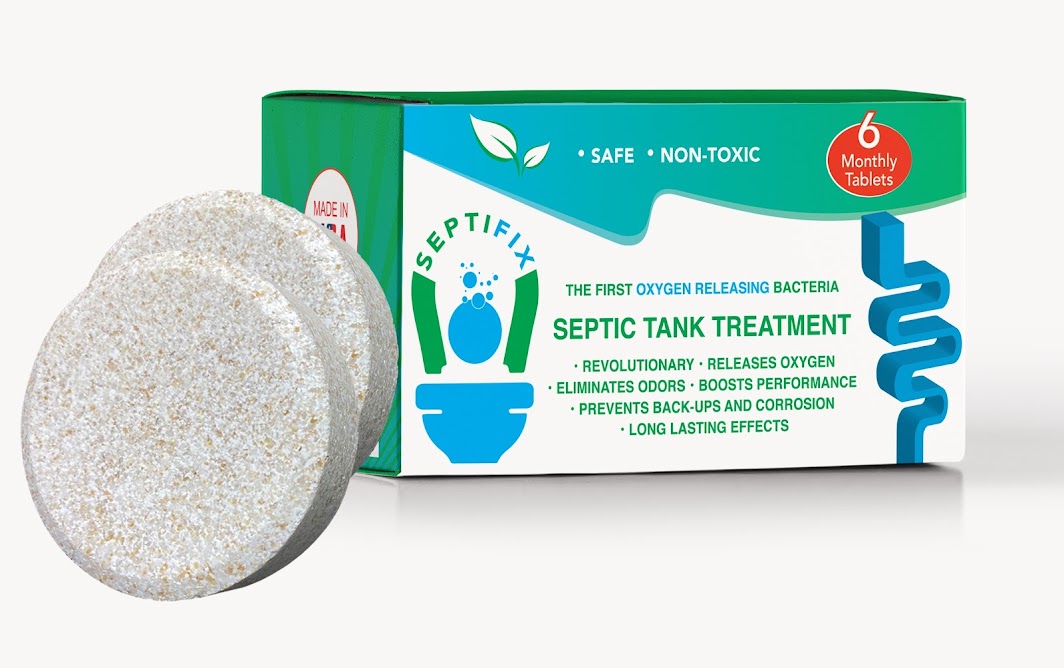
Give your septic system extra support with SeptiFix, an easy-to-use monthly tablet designed to help maintain a cleaner, healthier tank between professional inspections.

Helpful Articles From Our Blog
- How Often Should You Pump a Septic Tank?
- Septic Tank Maintenance Checklist
- Issues With Septic Tanks: Signs, Causes, and Safe Fixes
- Septic Drainfield: How It Works, Warning Signs, and Care Tips
- Septic Tank Smell Problems: Simple Fixes You Can Try Today
- Do Septic Tank Treatments Really Work? Myths vs. Facts
- Natural Septic Tank Additives: What Works and What’s Hype
Trusted U.S. Septic System Resources
- EPA Septic Systems
The U.S. Environmental Protection Agency provides general information about septic system care, maintenance, inspections, and repairs. - EPA SepticSmart
EPA’s SepticSmart program offers practical advice for homeowners, including pumping guidance and drainfield protection. - EPA Septic System Care and Maintenance
Learn how household water use, waste disposal, inspections, and pumping affect septic system performance. - EPA Frequently Asked Questions About Septic Systems
Find answers to common questions about septic tank maintenance, pumping schedules, drainfields, and system failures. - EPA: Resolving Septic System Malfunctions
Review common warning signs, including sewage backups, slow drains, odors, wet areas, and unusually green grass. - North Carolina State University Extension: Why Do Septic Systems Fail?
This U.S.-based educational resource explains common causes of septic system failure and ways homeowners can reduce risks. - National Onsite Wastewater Recycling Association
NOWRA provides education and industry resources related to onsite wastewater and septic systems.
Important Maintenance Note
Pumping schedules vary by tank size, household size, water use and amount of solids entering the tank. According to the EPA, septic tanks are generally pumped every three to five years; however, some systems may need service more often. A septic professional will evaluate the sludge and scum in your tank and provide you with a pumping schedule based on the needs of your home.
Related Posts