Natural Septic Tank Enzymes: Safer Care That Works
A well-functioning septic system protects both your home and your wallet as well as your nose. And when it fails, you notice it quickly. Slow draining toilets, unexpected odor and that dreadful feeling of an expensive repair coming soon are all signs of a failing septic system. Fortunately, with some simple practices and the right assistance, you can maintain a healthy and functioning septic system.
This guide will specifically address using natural septic tank enzymes to assist in breaking down waste within the septic tank. This allows the beneficial bacteria in the tank to digest more efficiently. Unlike chemicals, natural enzymes are derived from plants or microbes, they cannot replace the need for regular maintenance (pumping) however, they may aid in digestion and reduce mild odors.
This information is intended for; New Homeowners, Rural Homes, Cabins, Landlords & Short-Term Rental Hosts. If you have ever asked yourself if I should add enzymes to my septic tank? Do septic tank enzymes really work? Or How do I find a Natural Septic Tank Cleaner? Then this article is where you want to be. Expect to find straightforward instructions, small wins, along with honest limitations. I have been through the clogs and the guest-filled holidays. You are not alone.

What are natural septic tank enzymes and how they keep your system healthy
Enzymes are small biological “tools” which break-down the waste produced by the bacteria into very small pieces. Bacteria then consume these pieces, converting them into liquid and gaseous forms (that can be expelled from the tank). Enzymes act similarly to a pair of scissors, while the bacteria work like a cleaning team.
The term “natural” simply indicates that the enzymes were derived from either plant material or microorganisms; thus they do not contain any harsh chemicals such as bleach, acid, or petroleum-based solvents. The natural enzymes also allow for the growth of beneficial bacteria present in your septic system to continue to thrive, rather than killing them.
Inside a septic tank, you’ll find a mix of waste:
- Food scraps and starch from the kitchen
- Fats, oils, and grease from cooking
- Proteins from food and waste
- Paper and plant fibers from toilet paper and wipes labeled “flushable”
- Soaps and detergents
Every waste type fits a corresponding enzyme type. A blend is more effective than a single enzyme, because your tank is a mix of materials.
Chemical drain cleaners try to burn up clogs. They are strong, but they can kill off beneficial bacteria, or damage the system in places. The quick fix can cause long-term damage. Natural septic tank enzymes do not strip your system, they support it.
Set fair constraints. Enzymes aid digestion, and odor control, among mild odors. They do not replace pumping, fix a broken baffle or open crushed pipes. They can’t bring back a failing drain field. If you smell strong sewer outdoors, or see wet spots over the field, call a pro.
Common home products can slow or stop the system:
- Bleach and chlorine cleaners
- Antibacterial soaps used in large amounts
- Quaternary ammonium compounds, also called quats
- Solvent-heavy cleaners and degreasers
- Strong acids or alkaline drain openers
You don’t need to throw out every cleaner. Just choose septic safe versions and use them in moderation.
The simple science: enzymes and bacteria break down waste together
Natural Septic Tank Enzymes work by cutting down large amounts of waste into small “pieces” that can be eaten by bacteria. The enzymes themselves do not have life in them; therefore they will immediately begin breaking down the waste once they come into contact with it. On the other hand, the bacteria are living organisms, so they will grow at their own rate given enough nutrients and proper environment conditions.
Match enzyme types to the mess:
- Protease for proteins
- Lipase for fats and oils
- Amylase for starches
- Cellulase for paper and plant fibers
When using a single type of enzyme on tank waste, it may not be enough to break down all the waste types present, due to the mixture of the tank waste. As previously stated, the enzymes will begin acting almost instantly, but they require bacteria to continue to feed off of what they broke down. Therefore, in order for both to be effective, they should be blended together.
Natural vs chemical septic tank cleaner: what is safer for your tank
Your drain field’s bacteria will love natural septic tank enzyme products, and bio-based cleaners just like they do. Chemical drain cleaners (openers) along with heavy duty disinfectants and strong solvents will hate your drain field.
Why to be careful:
- Chlorine bleach can kill helpful bacteria.
- Ammonia, acids, and strong alkalis can damage components.
- Quats linger and keep killing bacteria after cleaning.
- Heavy fragrances can signal solvent carriers that don’t belong in a tank.
Opt for products that have been designated as septic-safe and are also biodegradable. They should be clearly marked as to what is in them, contain no harsh chemicals or solvents and no synthetic fragrances. The best way to protect your drainfield and your ground water is through prevention and by using gentle cleaning methods. Both your nose and your well will appreciate it.
Signs your septic system may benefit from enzyme support
Natural Septic Tank Enzymes can help when the system is strained, but not broken. Look for:
- Slow drains in more than one fixture
- Mild sulfur smells near drains or the tank
- Extra scum or grease in sinks
- Gurgling sounds after flushing
- Frequent minor clogs that clear but return
- A history of heavy bleach or antibacterial product use
- Big guest loads, holiday cooking, or lots of laundry days
- Seasonal restart after the cabin or rental sits vacant
Call a pro first if you see any of these:
- Sewage backing up into tubs, showers, or toilets
- High water at the tank lids
- Standing wet spots or lush green stripes over the drain field
- Strong sewage odor outside
- Alarms on advanced systems
- Known broken pipes or root intrusions
Should I put enzymes in my septic tank? When to use them and when to skip
The answer to the query is multifaceted. Natural septic tank enzymes are helpful in digesting nutrients and abrogating light odor in the case of an otherwise stable, though upset condition. They are proper to use when bacteria are recovering from an interruption. They will not cure a catastrophic breakdown.
Use enzymes when:
- You just finished a round of antibiotics in the home
- You hosted a crowd and cooked heavy meals
- You manage a short-term rental with high turnover
- Your place sits empty for long stretches
- You notice mild odors or slower drains without backups
Skip additives and call a licensed septic pro when:
- There’s sewage backing up
- You see standing water over the field
- The tank is overdue for pumping and clearly full
- You suspect a broken pipe, crushed line, or roots
- You hear alarms on advanced or aerobic systems
If on a previously established schedule of pumping and inspection, chemicals can be used as a mild adjunct once a month between pumpings. Help is a better word than cure. Expectation management is key.
Good use cases: after antibiotics, heavy guests, or seasonal homes
Functions of bacteria, naturally, can be impaired by antibiotics, poisons and caustics and prolonged unoccupancy. Enzymes can at least ameliorate these defects and can aid start up and partially function in the digesting of greases, soaps and paper after parties, holidays or busy A. B. B. weekends.
Good fits include:
- Cabins and lake homes that sit empty, then fill up at once
- Homes with RV hookups during family visits
- Houses with big cooking days and lots of dishes
- Rentals that see spikes in laundry and showers
Benefits you can expect:
- Less odor around drains
- Fewer light clogs in sinks and showers
- Smoother flow between pump-outs
Times to avoid enzymes and call a pro first
Red flags that need expert help:
- Sewage backing into fixtures
- Water level high at tank lids
- Soggy soil or puddles over the drain field
- Strong sewage odor outdoors
- Alarm beeping on advanced units
- Known broken parts, root invasions, or crushed pipes
Enzymes cannot cure structural defects or blowing fields or full tanks. Get an inspection. Pump if it is necessary. Remedy the defects before any thing is put in.
Set fair expectations and budget
There is a good solution here. The addition of enzymes to your septic system can help aid in better digestion, decrease mildly offensive odors, etc., over time (weeks) rather than immediately (minutes). This is NOT a substitute for having your system pumped out every 2-5 years depending on your tank size, number of individuals using the system, and amount of water used by each individual.
Costs vary by brand and size, but here are ballpark numbers:
- Monthly enzyme treatment: 5 to 20 dollars per month
- One-time shock dose after a heavy load: 10 to 30 dollars
- Pump-out: 250 to 600 dollars, sometimes higher in remote areas
It is also important to realize that prevention is key; the addition of enzymes along with proper maintenance practices will reduce the need for emergency service calls; however, enzymes will not repair an undersized or damaged system.
Do septic tank enzymes work? What to expect from evidence and real use
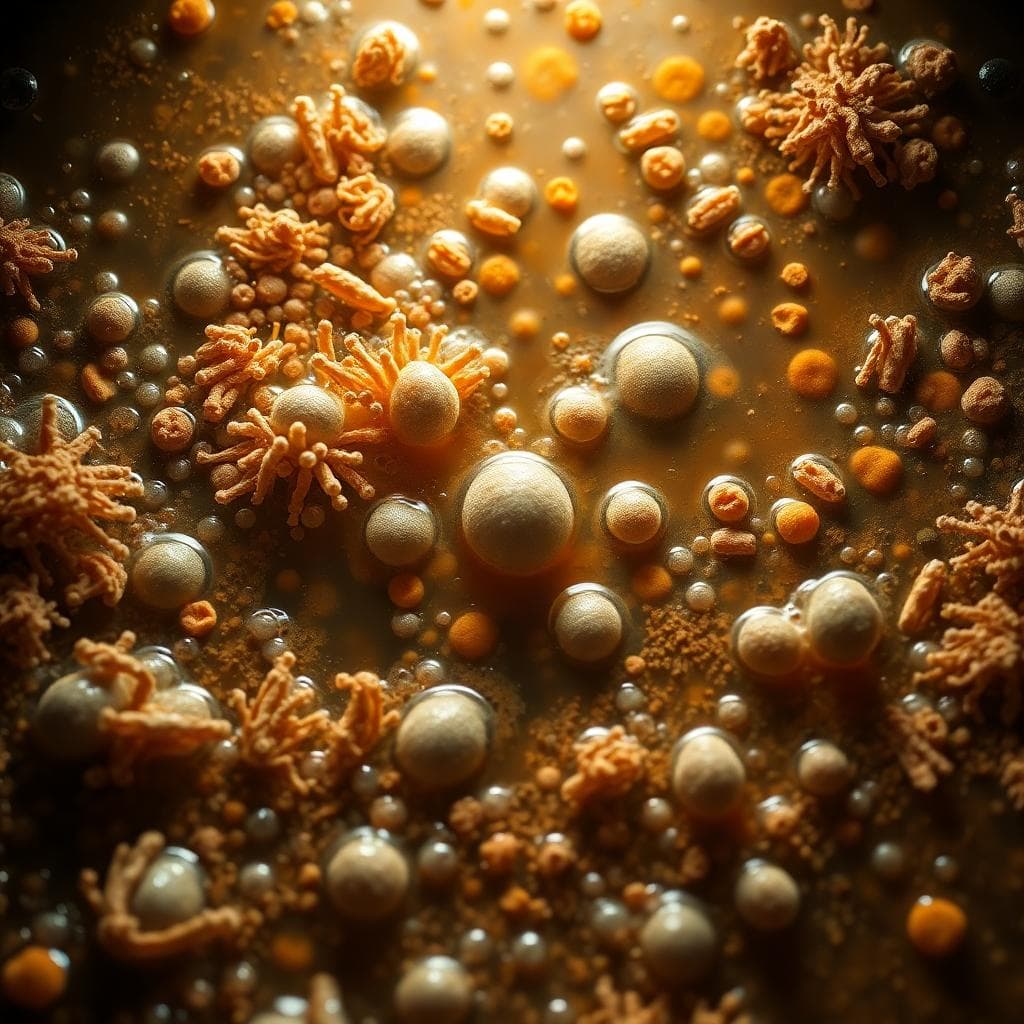
Utilities and regulatory agencies tend to state the same things regarding regular maintenance (pumping the tank, etc.) and conserving water usage. However, there are numerous accounts from the field and testing of enzyme-based systems have demonstrated that they can assist in breaking down fats, starches and paper which aid in supporting the biological processes occurring in your septic system during periods of high loading/strains.
What they can do:
- Speed digestion of organic waste
- Help reduce scum and sludge formation rate
- Cut mild odors when waste sits and gets sour
What they cannot do:
- Replace pumping
- Fix cracked pipes or failed parts
- Restore a clogged or failed drain field
To assess whether your enzyme-based system is producing results consider tracking your progress with a simple log of odors, drain speed, and sludge accumulation between routine pump-out cycles. Identify any trends (positive or negative) to determine if your chosen product is aiding in maintaining a well-functioning septic system.
What enzymes can do vs what pumping and repairs do
It helps to separate roles.
- Enzymes: Speed up the breakdown of waste. Help keep fats and paper from piling up too fast. May reduce mild odors.
- Pumping: Removes solids and scum from the tank. This is the reset button for your system.
- Repairs: Fix broken baffles, cracked lids, clogged lines, and damaged fields.
You must understand that enzymes will not open a clogged field, penetrate roots, nor soften large amounts of solidified grease accumulated in long pipes. There are various solutions for different situations.
How long do results take and how do you measure success
Anticipate some minor improvements initially. Many users report noticeable reductions in odors within a couple of days of beginning enzyme treatment. Improved drain flows are generally observed 2 to 4 weeks after initial treatment as the digestion process begins to function at a normal rate.
Measure success with a simple system:
- Keep a log of dose dates and product names
- Add notes on odors and any gurgling
- Time a sink drain once a week for a month
- Mark heavy water use days and guest visits
- Save pump-out reports with sludge and scum depth
Check in each season, especially before winter and after spring thaws. Cold slows bacteria, so timing matters.
Common myths and marketing claims to avoid
Skip the hype.
- Never pump again: False. Pumping is still required.
- Fixes all clogs: False. Enzymes don’t clear hard blockages or roots.
- Heavy perfumes mean better cleaning: Often they just mask odors.
- EPA registration means superior performance: That label usually applies to disinfectants, not enzymes. Septic safe labels mean compatibility, not magic.
Choose products with clear ingredient lists and realistic claims.
How to choose and use a natural septic tank cleaner with enzymes
When selecting an enzyme-based product for your septic system, look for a blend that contains enzymes specifically designed to break down the types of wastes produced by your household, as well as a source of beneficial microorganisms if you choose to supplement your system with live cultures. Use the product in a manner that fits your needs.
A simple plan:
- Read labels for enzyme types and plain ingredients
- Avoid harsh chemicals that fight your tank biology
- Dose when water use is low, so enzymes can stay put and work
- Pair with daily habits that cut grease and big surges
What to look for on the label
Look for:
- A multi-enzyme blend: protease, lipase, amylase, cellulase
- Optional bacterial cultures listed with CFU counts
- Septic safe and biodegradable on the label
- Clear ingredient list without vague terms
Avoid:
- Bleach or chlorine compounds
- Quats
- Strong acids or alkalis
- Petroleum solvents
- Heavy synthetic fragrances
Formats and storage:
- Powders store well and are easy to ship
- Liquids are easy to dose and act fast
- Keep sealed, dry, and at room temperature
- Don’t leave in a hot garage or freezing shed
Step-by-step dosing guide and best timing
Here’s a simple dosing plan you can follow.
- Start with an initial dose at night when water use is low.
- Pour into the toilet that is furthest from the tank, if possible.
- Flush once to move it through the line.
- Avoid large water dumps for 6 to 8 hours after dosing.
- Follow with weekly or monthly maintenance as the label directs.
Seasonal routine:
- Early fall: Start before holiday cooking and guests.
- Early spring: Dose after thaw if you live in a cold region.
- After heavy use: Add a maintenance dose the next evening.
Daily habits that make enzymes work better:
- Wipe grease into the trash, not the sink
- Spread out laundry over the week
- Use septic safe paper and skip “flushable” wipes
- Fix running toilets and dripping faucets
Conclusion
Natural septic tank enzymes provide a low-risk and environmentally safe method of helping your septic system operate efficiently. These enzymes break down organic material faster, eliminate mild odors, and allow the beneficial microorganisms present in the system to continue to perform their intended functions without harm.
Consider them to be a “booster” that helps your system recover from the day-to-day stresses such as excessive guest visits or increased food preparation.
Stick to the basics: Pump your system regularly, use septic-safe products, and use enzymes in moderation. You will spend less money on repairs, experience fewer unpleasant surprises, and protect your property and the surrounding soil.
Are you ready to give it a try? Select an enzyme blend containing protease, lipase, amylase, and cellulase and begin by adding a small amount. A properly functioning septic system can be achieved with basic care such as this.
Related Posts