Bacteria for Septic Tank Treatment: Do You Need It?
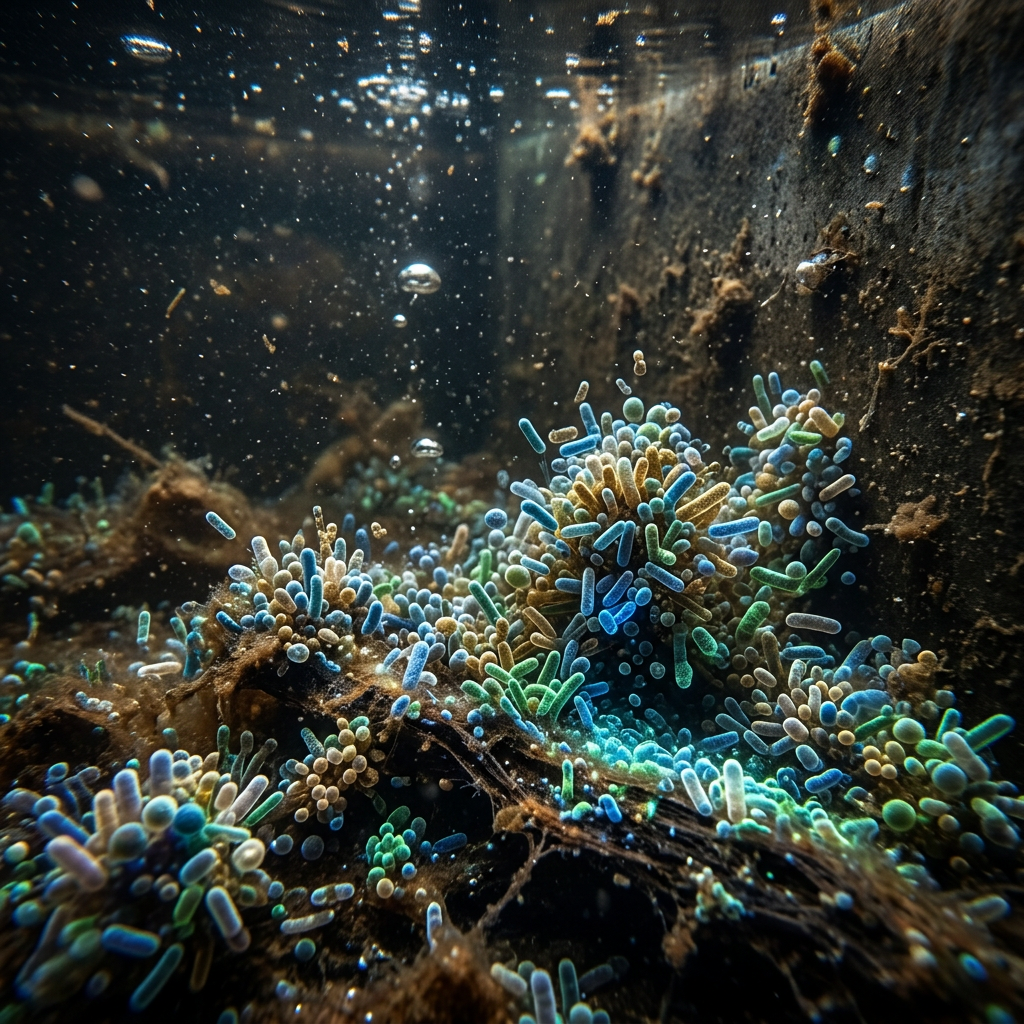
Bacteria for Septic Tank Treatment: Many people will tell you that you do not need bacteria in your septic tank. While adding bacteria to your septic tank may seem like an easy solution to keeping your system healthy, there are bacteria in your septic tank that help break down certain waste if it’s running correctly. The EPA has stated that they don’t recommend the use of bacteria or chemicals to help treat household waste.
Bacteria won’t break down all solids and keep your septic system free from issues. There will be sludge and scum that need to be pumped out. Bacteria will not fix any broken lines, tank, or drain field issues.
Below, we will explain what bacteria do for your septic tank and what the EPA states about them, as well as ways you can take better care of your septic system. If you are experiencing issues with your septic system, it’s best to get it inspected..
Key Takeaways
- There are bacteria in your septic tank to begin with. Septic tanks already contain microorganisms that help break down waste.
- The EPA has stated that you should not need to add any bacteria or chemicals to your home septic system.
- They will not take the place of inspection and pumping or repairs.
- How often you should have your septic pumped varies by tank and household, as well as your system’s needs. Check with local regulations and a septic professional.
- If you are experiencing backing up or smells that will not go away, it’s time to get an inspection, not more of this product.
How a Septic System Treats Wastewater
There is more to a septic system than just a tank. Once wastewater enters the tank, some of it will sink to the bottom while other parts float to the top. Once the liquid waste leaves the tank, it travels to the drain field, which allows the soil to treat the wastewater even further.
As previously stated, bacteria will help treat your septic tank. However, your septic system will not always stay clear. Scum and sludge will build up and need to be checked and pumped if necessary. Here is what the EPA has to say about septic tanks.
There are many different types of septic systems. You may have pumps, filters, alarms, and more. The diagram above is only meant to give you a general idea of how a septic system works. Your septic system may require different equipment.
How do bacteria help my septic tank?
When wastewater leaves your home, it carries microorganisms with it. Bacteria will help treat your septic tank by breaking down some of these organisms. However, your septic tank will still need to be treated properly.
Just because there are microorganisms in your septic tank does not mean your tank will never clog. It does not mean sludge will not build up or that a broken baffle or pipe will repair itself. Nor will it make certain products safe to go down your drain.
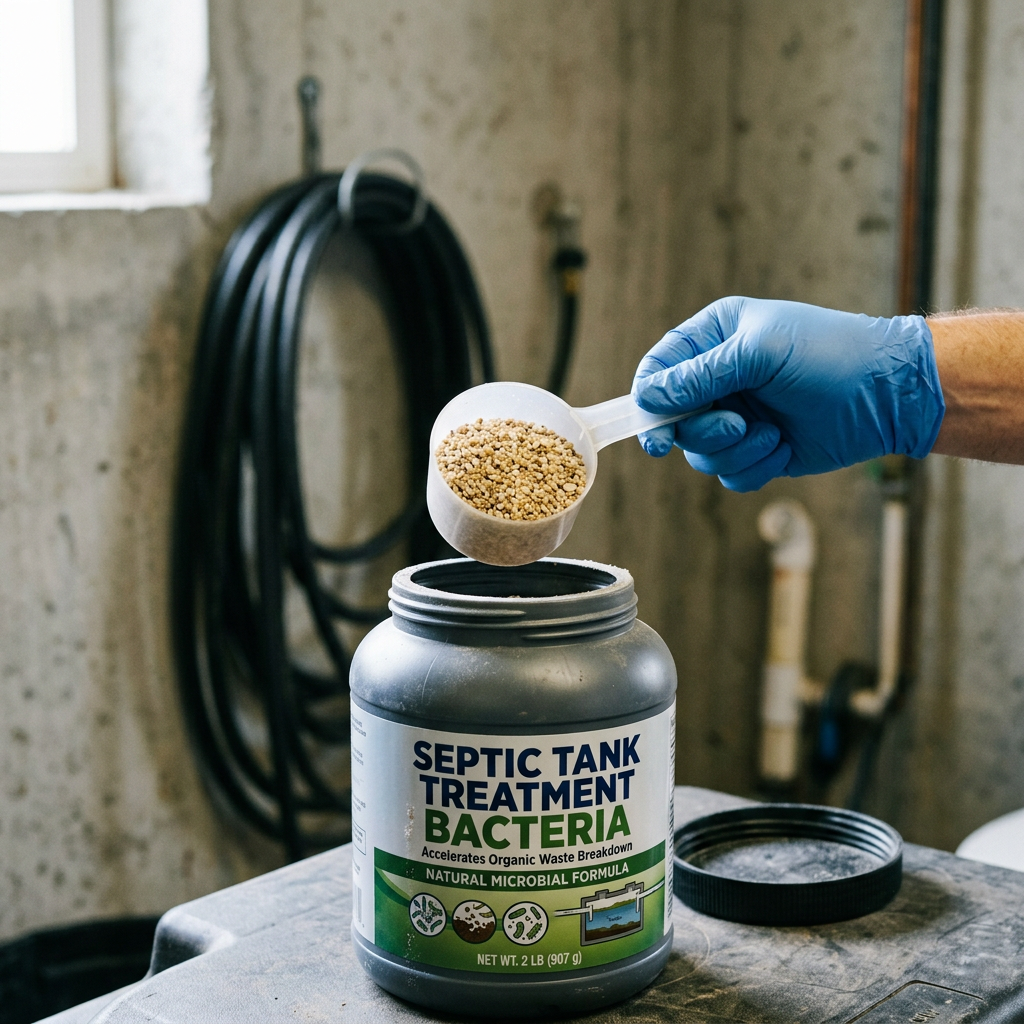
Some products advertise bacteria, enzymes, or biological treatment. All of these are not created equal. Bacteria are living things. Enzymes are a type of protein that may help with certain materials. Just because a product states it has bacteria in it does not mean it will benefit your system.
Bacteria for Septic Tank Treatment: Are Additives Necessary?
Most likely, no. The EPA states that they do not believe additives should be used to treat household wastewater. Your septic tank already receives bacteria from the water that goes into your system. Some of these products can be ineffective and harmful to your system. Check out what the EPA has to say about septic tank additives.
Not all of these products are the same and contain different ingredients. Just know that you may not need them to keep your septic system running properly. Make sure you check with your septic system manual and if your state requires anything else for your septic system.
| Option | What it is meant to do | Practical takeaway |
|---|---|---|
| Bacterial additive | Adds microorganisms to the tank | Routine use is generally unnecessary for domestic systems, according to EPA guidance. |
| Enzyme product | Supplies enzymes intended to break down certain materials | An enzyme is not a living organism. Do not treat the product as a repair or a replacement for pumping. |
| Chemical additive | Uses chemicals to alter or break down waste | Ingredients vary. Some products may interfere with treatment or harm system components, soil, or water. |
| Inspection and pumping | Checks system condition and removes accumulated solids when needed | These are core maintenance tasks. Follow professional advice and local rules. |
Affiliate disclosure: I may earn a commission if you buy through the link below. This is a commercial link, not evidence that the product is necessary or endorsed by the EPA.
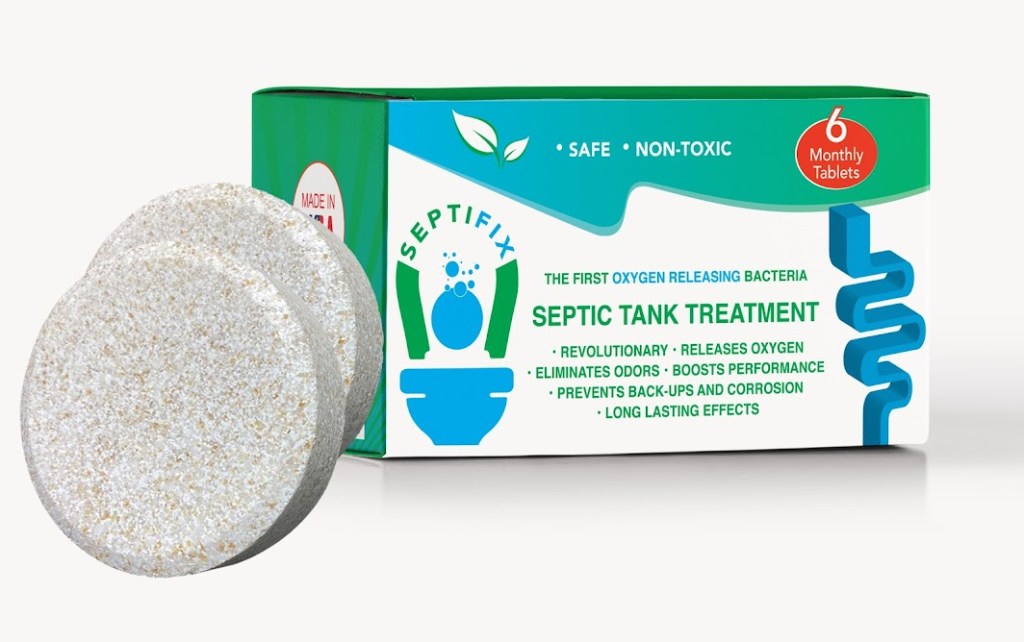
If you still want to compare a product’s own claims, view Septifix product details, then check its ingredients and instructions against your system manual and local rules.
Why Product Claims Can Sound Convincing
Many product claims about septic-system function are somewhat true. There are bacteria that aid in the decomposition of waste. A bad smell or slow drainage could indicate a problem. However, this does not mean a product will solve your problem.
A bad smell could be caused by a full tank. Or there could be a dry P-trap, plugged vent line, leaking pipes, or a defective septic system. A product will not know what your problem is. Just like a product will not repair broken lines, damaged drain fields, or empty your tank when it is due to be pumped.
If someone tells you that their product will eliminate all clogs, that your system will never need to be pumped, or that it will keep your drain field healthy, you should ask what backs up this claim. Does it apply to your system, and does your county health department allow its use?
What Matters More Than Adding Microbes
Get the system inspected
There are many things that an inspection can reveal. Your system professional can inspect the tank, baffles, filter, pump, and alarm for any leaks or signs of backing up. The EPA recommends having most residential systems inspected every 3 years. If your system has mechanical devices, you may need to have it inspected more frequently. Check with your local regulations and your system manual.
Having your system inspected is not the same as pumping. Inspections check if anything is wrong with your system. When it’s time to pump your tank, your professional will let you know.
Pump when the tank needs it
The EPA recommends having your residential septic tank pumped every 3-5 years. However, many factors play into how often you should have your tank pumped, such as the size of your tank, how many people are using it, and how much waste you’re putting into your system. Talk to your service company; they can tell you when to start pumping.
When your tank is pumped, you’re removing what bacteria can’t break down. Having your tank pumped doesn’t mean you need to add a product to your system. For more detail, see the site’s guide to how often to pump a septic tank.
What to Record After a Septic Inspection
Maintain some type of record every time your system is inspected, pumped, or repaired. This will allow you to keep up with what your system may need.
Note the date serviced and amount of sludge/scum that was found by the professional. Were there any signs of leaks or defects? What was done? List any recommendations for repairs or when your system should be inspected or pumped next. File receipts and reports with your system’s location or map.
This will allow you to monitor your system as time passes. It can also be used by your service provider to know more about your system. Base your inspections/pumping off the professional’s advice and what your area requires, not from a bottle of additive or by calendar.
Conserve water
Too much water going into your system will overload it and not allow it to treat and disperse wastewater. Limit the amount of laundry you do and fix any dripping faucets. Install water-saving devices. All of these will reduce the amount of water that goes into your septic system. They will not take the place of inspections or pumping.
If you have several drains slowing down, call your system professional; they can determine if there is a clog in your plumbing or if your septic system needs to be serviced.
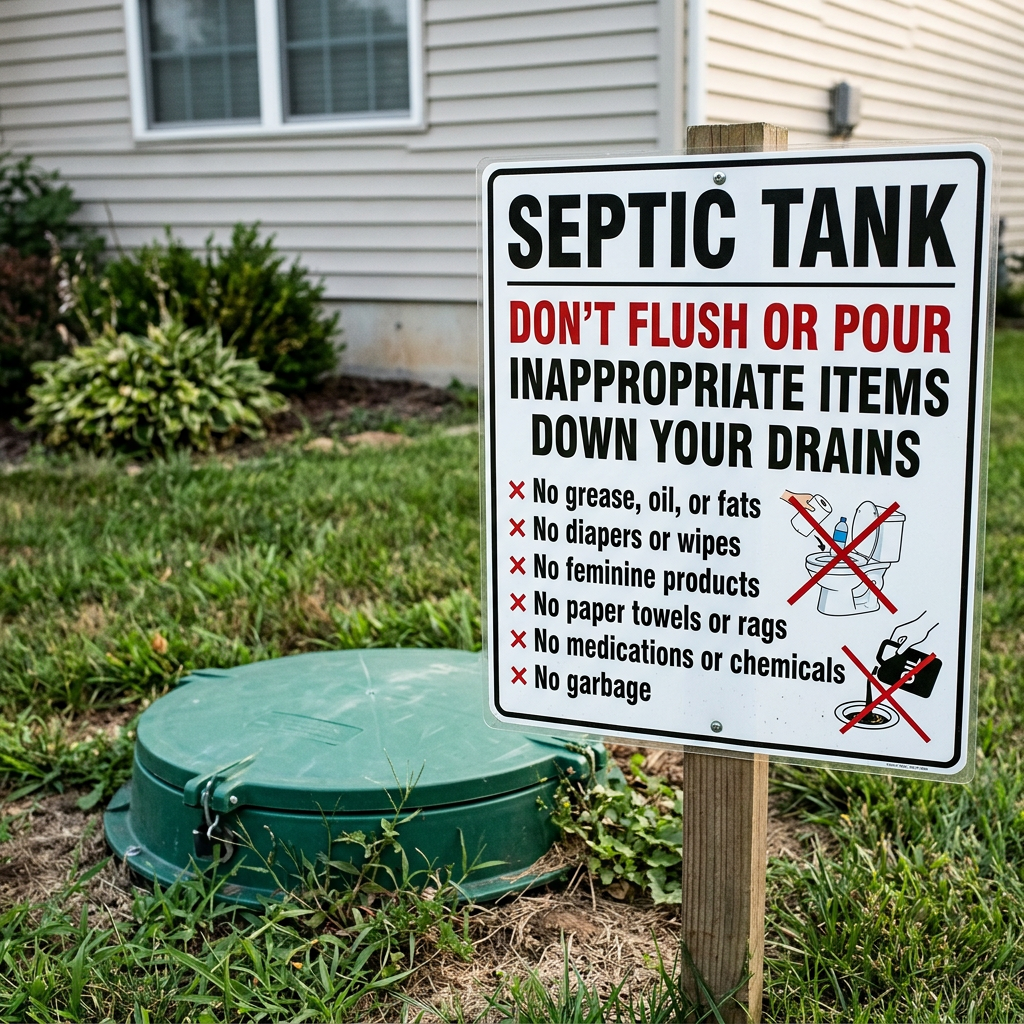
Don’t flush or pour inappropriate items down your drains
Your septic system is not your garbage disposal. Dispose of medicine, household chemicals, and other hazardous waste according to local regulations. Don’t flush non-degradables (e.g., wipes, feminine products) and don’t pour excessive amounts of fat/grease down your drains.
There is no need to worry about your typical household cleaner killing all the good bacteria in your tank. Just make sure you aren’t putting too many harsh chemicals, drain openers, etc., down your drain.
Protect the drainfield
Do not drive over your drain field or build anything on top of it, unless told otherwise by your system professional. Make sure no roof drains or other water is draining onto your drain field. Too much water can affect your system’s ability to disperse wastewater.
Watch for wet spots in your yard or smells that will indicate something is wrong with your septic system. The site’s guide to protecting a septic drainfield covers additional care steps.
What to Do If You Suspect a Problem
Start with the symptoms, not a product dose.
- You should know where it’s happening. If only one drain is going slow, it’s probably a clog somewhere. If many drains are going slow, or if there is a backup, you may need to look further.
- Try not to put any more water into the system than you need to. Don’t continue to flush and hope it will go away.
- Hire someone who knows about septic systems. Tell them what you’ve been experiencing and when. Have them figure out what is causing your problem before trying to sell you a product.
- You can also call your local health department. They can let you know what laws you may be subject to and who to call if you think you have a failing system.
An odor by itself does not prove that bacteria are missing. Nor does a lack of odor prove that the tank and drainfield are working properly. A product can mask a symptom without addressing its source, so rely on an inspection when signs persist.
Stay Away From Tank
Do not go inside a septic tank or stick anything in the tank. There is low oxygen and harmful gases inside of septic tanks. It is best to let professionals handle opening the tank, inspecting the tank, pumping and any repairs. Also make sure that children and animals stay away from any open tank openings.
When there is a sewage issue inside of your home or on your lawn do not touch or allow others to touch the area. Call your septic professional or local authority. EPA advises to call a professional if you suspect your septic system is not functioning correctly.
Bottom Line
You probably don’t need to add bacteria to your septic tank. Make sure to have your septic system inspected and pumped when necessary. Conserve water and protect your drainfield. If you think something is wrong with your system call a professional to help you troubleshoot.
Frequently Asked Questions
Do I need to add bacteria after my septic tank has been pumped?
Only if told by your manufacturers or septic professional. EPA states that your septic system should have the bacteria it needs for proper functioning. When a septic tank is pumped it should not need bacteria added to it.
Will bacteria added to my septic tank decrease my sludge?
Do not count on that. Sludge will build up and you need to have it tested and pumped out when it reaches a certain level. You should not rely on an additive to take care of your sludge problem.
Can I use household cleaners if I have a septic system?
Use cleaners that you would normally use and follow the directions. Do not pour huge amounts of chemicals and solvents down your drains. Its not guaranteed that using all household cleaners will prevent your septic system from failing. Consult with your local authority or septic professional if you have questions.
Will bacteria get rid of odors?
Maybe not. Odors could be coming from many areas in your home. If your odors continue call a professional to check your system.
How often should I have my septic tank inspected/pumped?
Most residential systems will want you to have them inspected every 3 years. Your septic tank will probably need to be pumped every 3-5 years. These are general guidelines from the EPA. Consult with your local authority to see what they recommend for your area and situation.
Are enzymes the same thing as bacteria?
No bacteria are a microorganism. Enzymes are used to help digest certain things. Using a product that contains enzymes is not the same as adding bacteria to your septic system.
What if I have sewage backing up or on my lawn?
Do not come into contact with sewage. Have children and animals stay away from the area. Limit your usage of water if possible and call a professional. Adding bacteria will not solve your problem if you think you have a failed septic system.
Want to check out something else? Here is an advertisement for Septifix, which you can read about below. Make sure to read through everything to see if it’s right for you.
Related Posts