Septic Tank Chemicals: Safe Choices, Smart Habits That Work
Are you concerned with cleaning agents being safe for your septic system? You’re not alone. Septic tank chemicals can both aid or harm your septic system and depend entirely on living bacteria to do their jobs.
In this guide, we will cover how your tank operates, what cleaning agents do in your tank, which products to avoid when using them, and what safer alternatives are available. We’ll also provide you with some simple DIY cleaning agent recipes (septic-safe), and alternative methods for cleaning drains and toilets as well as establishing some easy-to-follow daily/weekly routine to keep odors away and allow water to flow properly.
You will have a plan by the time you finish reading this guide that you can begin to implement right now.

Key Takeaways
- Septic systems use naturally occurring bacteria to break down waste and protect the drain field.
- Chemicals can disrupt the biological process inside a tank when used frequent or excessive.
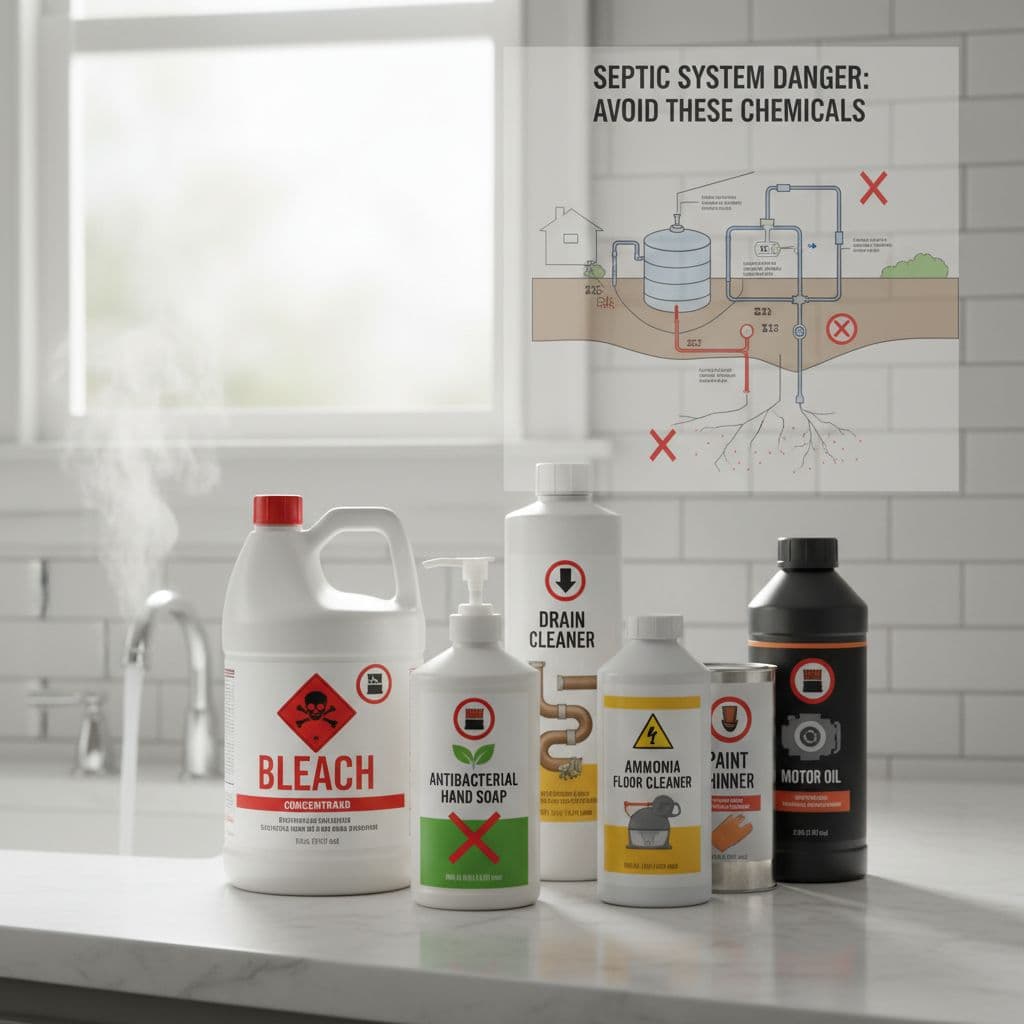
- Avoid using bleach, antibacterial cleaners, ammonia, solvent based products (degreaser), caustic chemicals (drain openers).
- Never pour paint thinner, mineral spirits, pesticides, pool chemicals, hazardous materials on household drains.
- Bleach + ammonia and combining different drain cleaners will produce toxic fumes & potentially harmful reactions.
- When cleaning your home use small amounts of mild cleaners and plenty of water.
- Household chemicals should never replace regular pumping, inspections and professional repairs for your system.
- Contact qualified septic professionals if you experience slow draining, gurgling toilets, standing water in your yard, backups, odors etc.
- Always check local regulations for paint, solvents, pesticide and other hazardous waste before discarding.
Septic tank chemicals explained: what helps your system and what hurts it
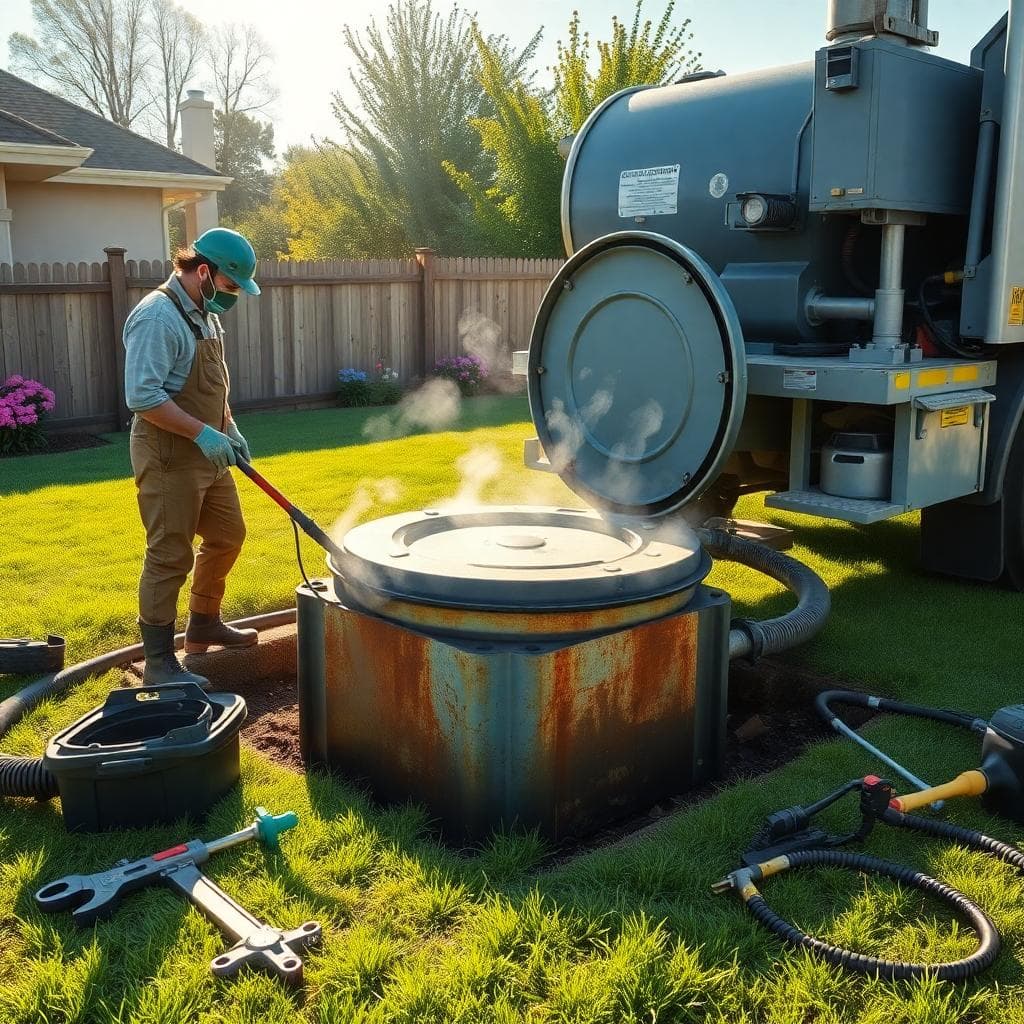
A well-maintained septic tank is quiet and unobtrusive. The solids fall into a sludge layer while the grease forms a scum layer; the wastewater then drains to a drain field where it filters through the soil. Since there are good bacteria present, they help break down all of the waste which will slow up any build-up in the tank.
When you disrupt this process by using harsh septic tank chemicals, you are upsetting the natural balance of the tank. Disinfectants with strong antibacterial properties are toxic to the beneficial microorganisms in the tank.
Solvent-based and heavy-duty degreaser-based cleaning agents also dissolve the grease (scum) layer and send the dissolved grease, as well as particulate matter from the grease (fines), to the drain field, where they clog the soil pores causing unpleasant odors and gurgling sounds, requiring expensive repairs.
When shopping for cleaners to be used on your shelf, please limit your use of bleach, antibacterial sprays, and solvents. Avoid paint thinner altogether. Instead opt for gentle, biodegradable products that will adequately clean surfaces while being gentler on the bacteria in the tank.
Never combine septic tank chemicals when using them for cleaning. When you combine bleach with ammonia, you create toxic gases. When you combine different drain openers, you create excessive heat and fumes that may damage the pipes. Always use one cleaner at a time and in very small quantities with an abundance of water. Maintain your tank like you would a living organism and maintain a gentle and consistent care routine.
How septic tank chemicals affect helpful bacteria and your drainfield
The primary function of bacteria is to break down waste. Disinfectants and solvents that are strong will kill those bacteria. When bacteria die, solid matter will not degrade and sludge buildup is much faster. The grease will also loosen and be washed away from the drainfield.
Those smaller fat globules and particulates can now travel to the drainfield, plug soil pores with solids and prevent water from entering into the soil; thus creating soggy areas and backup problems. It is very costly to repair or replace a drainfield. If you keep the bacteria alive, then you have protected the drainfield.
Chemicals to avoid or limit in a septic home (bleach, ammonia, quats, drain openers)
While some products are generally safe for occasional small use, using them too much can create far more problems than solutions:
- Chlorine Bleach (overuse/overuse)
- Ammonia-based cleaning supplies
- Antibacterial soap and spray with quats
- Solvent-based cleaners and degreaser
- Paints, thinners, and mineral spirits
- Pesticides and pool chemicals
- Caustic drain openers
A single small diluted application of these products will likely be acceptable; however, daily use or applying large quantities to the environment will pose serious risks to the entire drainage system.
For a deeper look at additives and what actually works, see this helpful guide on the pros and cons of septic additives.
Safer options you can use sparingly (oxygen bleach, vinegar, baking soda, plant-based cleaners)
Cleaner counter tops, sinks and laundry still need to be cleaned. Select milder cleaning tools:
- Oxygen bleach is less likely to cause problems for septic systems than chlorine bleach, so always use as directed by the label.
- White vinegar diluted will remove minerals from your plumbing fixtures and soap scum (film).
- A mild dish soap cleans grease but leaves no harsh residue.
- Light scrubbing can be achieved using baking soda, which also does not emit harmful fumes.
- Use plant-based cleaners labeled “septic safe” since they have been specifically developed to break down.
Always follow the label instructions. Use the least amount of septic tank chemicals required to do the job. Clean all surfaces you clean with clean water. Avoid pushing large amounts of dirty water through the septic system at one time.
Homemade septic tank chemicals and septic-safe cleaning you can trust
When I experienced my first toilet backup, I was shocked by an unassumingly truthful statement about how to fix the situation. You can’t improve a failing system with a homemade concoction dumped in the tank. The tank requires time, consistent usage and the appropriate levels of bacteria to function properly. Allow the interior of the tank to naturally process and, as necessary, allow it to be professionally treated.
However, you can regulate what goes into the system. This is why simple, at-home cleaners excel. They assist you in cleaning surfaces without putting pressure on the tank. These types of cleaners are also economical. They require common household items to create. When you read the term “septic tank chemicals for cleaning,” consider surface cleaners, not tank cleansers.
Create small quantities of the at-home cleaners. Apply these cleaners to specific areas. Afterward, rinse the cleaned area with clear (plain) water. Avoid flooding the system with gray water at one time. It’s the little things you do which will have an impact. The tank will notice.
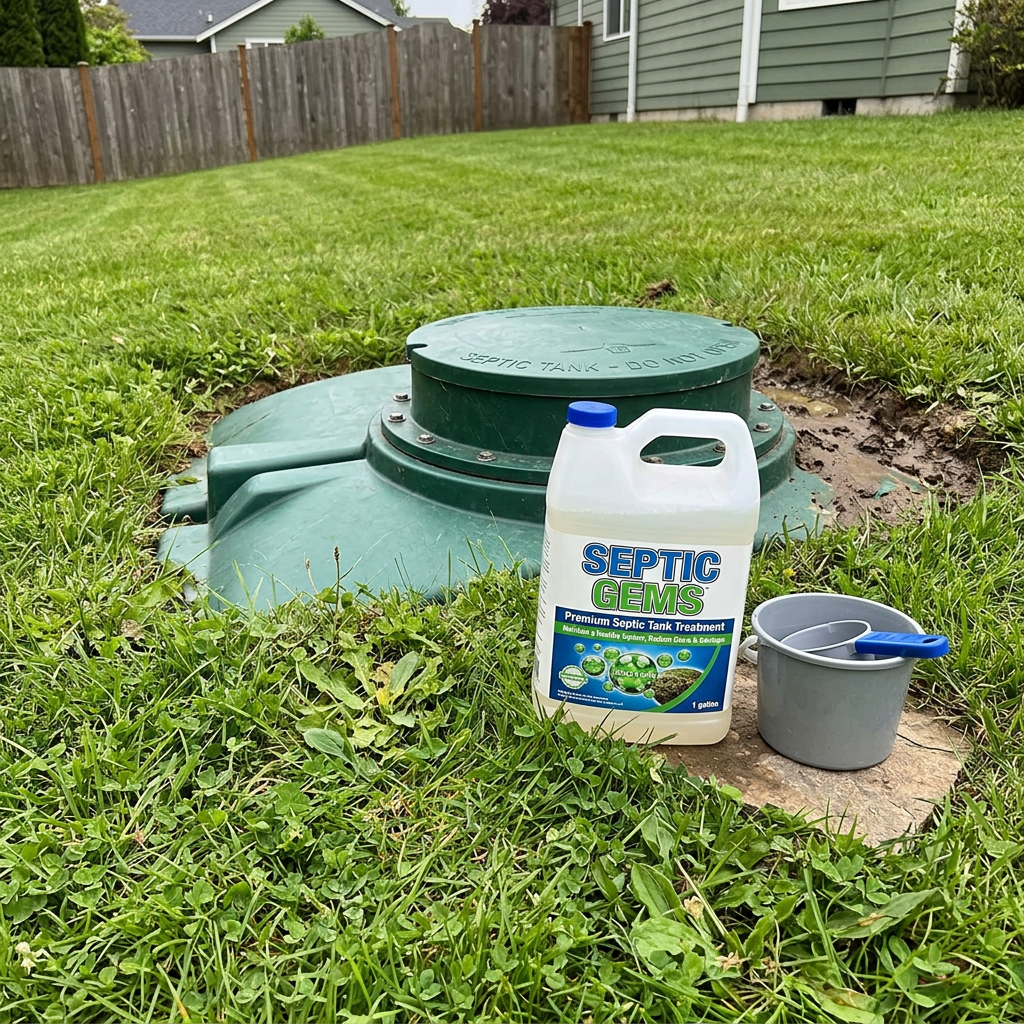
If you want a broader overview of treatments that are actually helpful, this guide to good septic tank chemicals breaks down what makes a product reliable.
Simple DIY cleaners that are gentle on septic systems
You can try these simple recipes to make cleaning products:
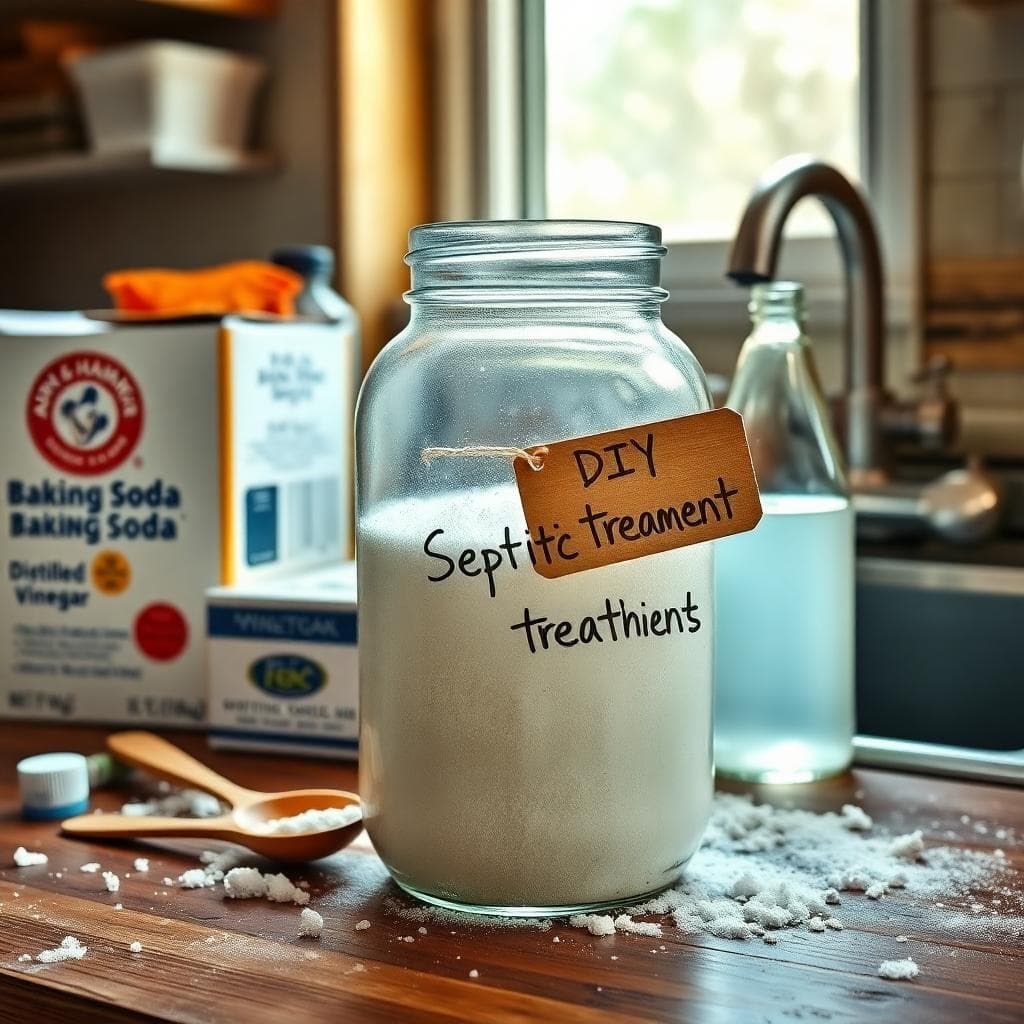
- Spray cleaner: 1 cup of water + 1 cup of white vinegar + 1 Tbsp mild dish soap = clean everything from your countertops & sink to your appliances. Wipe it off and use a damp cloth to wipe it away!
- Baking soda paste: Add a bit of water to baking soda until you have a paste. Put this paste in your bathtub or sink and let it sit 5-10 min. Scrub it, rinse it and you are done!
- Oxygen bleach for washing clothes: Just follow the directions on the label and oxygen bleach will brighten up your whites without the “burning” effect that chlorine bleach has on clothes!
Just be sure to rinse any surface you clean with a lot of cleaning product. And don’t pour a ton of leftover cleaning mixture down the drain all at once. Pour it out a little at a time as this will help keep the drainage system healthy.
Do not pour these into your tank: common myths and bad advice
Don’t be fooled by the myths; adding yeast, meat scraps, or sugar will NOT enhance bacterial populations; it will actually disrupt the delicate balance of your septic system.
- Adding yeast, meat scraps, or sugar will NOT enhance bacterial populations; it will actually disrupt the delicate balance of your septic system.
- “Miracle” additives may cause an excessive breakdown of solids to pass through the drain field as liquid, thus moving small amounts of solids through the drain field.
- There is no homemade solution that will address underlying issues such as a full tank or a broken baffle on a septic system.
If you are experiencing odors from raw sewage, slow draining throughout the home, or water puddles in the yard, immediately contact a professional to diagnose the issue and prevent further damage to the system. Adding additional chemicals will not solve the problem but rather continue to cover up symptoms.
Septic tank chemicals for cleaning drains and toilets without damage
Routines are gentle on things:
- When you have grease in the sink from doing dishes, add some hot water to your drain to wash it out of your drain.
- When you have a clog in your pipe, take out the plunger (if it is stuck) or a drain snake. Reserve the caustic drain cleaner for when you can’t fix it otherwise (or avoid using altogether).
- The enzyme based cleaners work best when used as instructed; they will help clean the organic build up in your drain.
- If you have mineral deposits in your drain, place it in diluted vinegar (as recommended by the manufacturer), let it sit for the time stated by the manufacturer, and then scrub the area.
- For your toilet use a product that does not contain chlorine and is labeled as “septic-safe”. Also remember to always use a toilet brush to clean your toilet and never use those daily disinfectant tablet type products that contain chlorine.
This will protect your pipes, your bacteria and your drain field.
Easy weekly routines that prevent smells and clogs
Save money on plumbing by making minor adjustments to your daily routine:
- When scraping off food from dishes make sure there are no fat or oil drips going down the drain.
- Place hair catchers in your shower and bathtub to prevent clogs.
- To help minimize water consumption run full loads when washing clothes or running the dishwasher.
- Try to space your laundry throughout the week to avoid overloading your washer.
- Instead of using cleaner wipes that you will rinse down the sink, use a wet cloth to clean.
- Stock a “septic safe” cleaning station in a place near your sink so you can get what you need each time you have to clean.

Keep your septic healthy without harsh chemicals
Plan ahead to prevent problems. Simple ways of doing things with good product choices will help keep bacteria healthy and the drainfield functioning properly. If you’re unsure about a product, go for a mild, “safe” product. Use the least amount of the product needed and always rinse thoroughly after cleaning. Also try to spread out your use of water throughout the day.
To help you shop for septic-safe products, I have put together this checklist of what to look for on labels, along with some guidelines for purchasing products safely and when you should call in a professional to take a closer look at your system. A little maintenance can be better than trying to fix a problem as it arises.
Product label checklist for septic-safe cleaners
Look for these words:
- “Septic safe”
- “Biodegradable”
- “Non-chlorine”
- “No quats”
Treat these as caution words for frequent use:
- Disinfectant
- Antimicrobial
- Sanitizer
- Solvent
- Drain opener
An EPA Safer Choice label is a useful sign of a gentler formula.
Habits that reduce the need for chemicals and repairs
- Pump the tank every 2 to 5 years, based on household size.
- Fix leaks so you do not flood the system.
- Space laundry loads to give the tank time to work.
- Use a trash can for wipes and hygiene items. Never flush them.
- Keep roof and yard runoff away from the drainfield.
Good habits cost less than repairs. They also bring peace of mind.
When to call a pro instead of adding chemicals
Call for assistance if you see:
- Drains in multiple fixtures slowly draining
- Sounds from pipes like gurgling
- Smells of sewage inside your home or near the drain field
- The back up of water in the yard or soggy areas
Chemicals may hide symptoms of an underlying problem, or introduce new problems, while pumping, jetting or repairing fix the root of the issue.
Quick buying guide for cleaners and laundry products
Choose:
- Bathroom cleaners that are chlorine free
- Dish soap that is mild
- Multipurpose sprays based on plants
- Oxygen bleach to do laundry
- Detergents with no fragrances
Use products that have a concentration of product as they will require less product per job. Follow the label direction.
Conclusion
You can help your septic thrive by keeping its bacteria in good health and protecting your drain field. Instead of using septic tank chemicals that are bad for your septic system, choose gentler cleaners or use an eco-friendly cleaning product.
Also, create a simple routine to follow each week as part of your maintenance. If there is something wrong with your septic system, do not wait; find the root cause of the issue and hire a professional to fix it now. Fixing issues quickly, you will save yourself a great deal of money and stress as well as time.
Replace just one product with a safer option this week. The benefits of maintaining your septic system will be obvious in your bank account.
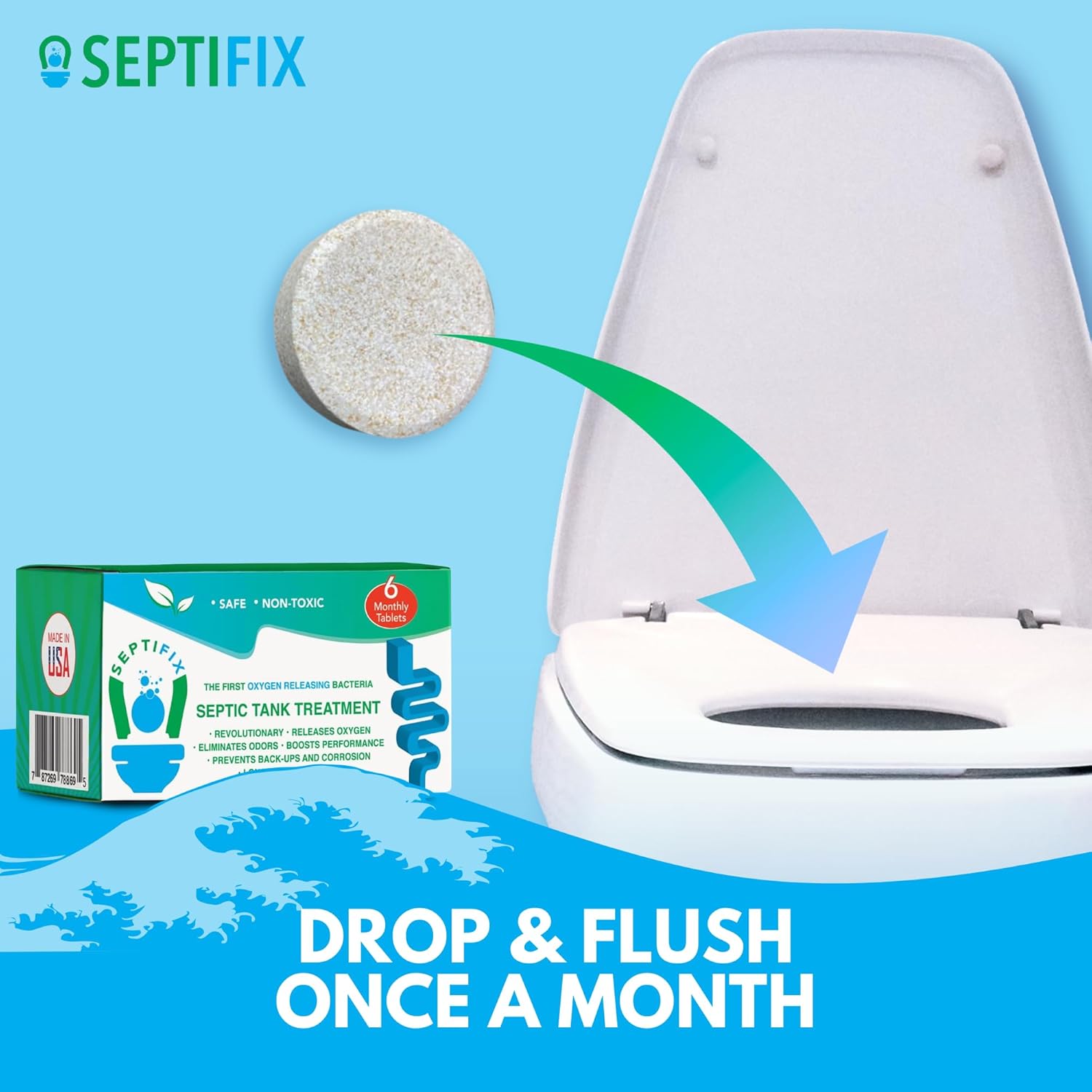
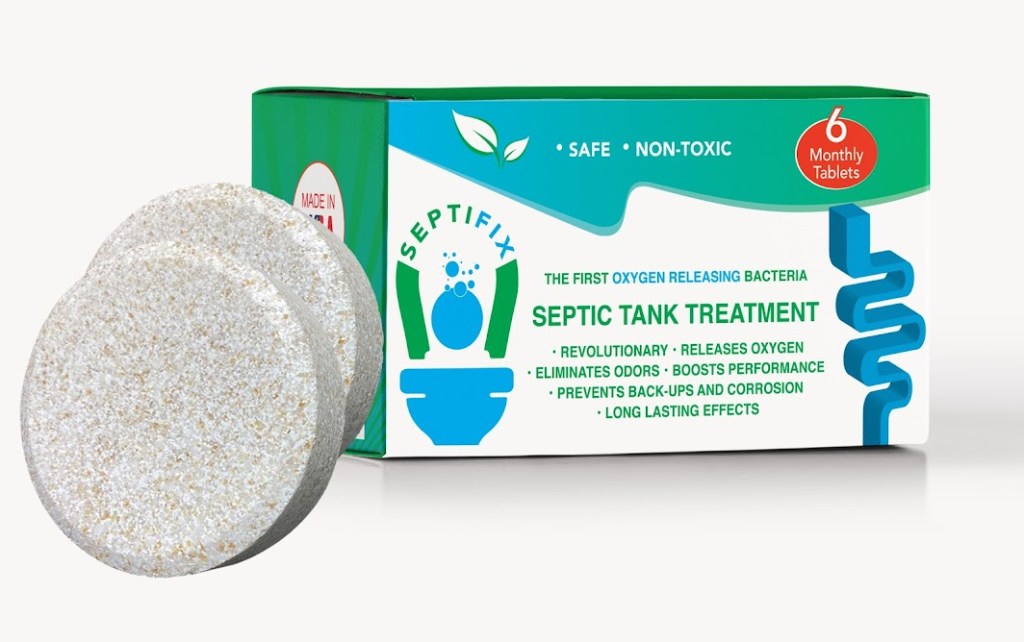
Give your septic system extra support with SeptiFix, an easy-to-use monthly tablet designed to help maintain a cleaner, healthier tank between professional inspections.
Affiliate Disclaimer
Some links in this article may be affiliate links. If you click a link and make a purchase, we may earn a small commission at no additional cost to you.
We only recommend products and services that may be useful for septic system maintenance and care. Affiliate relationships do not affect the information or recommendations in this article.
Additional Septic Tank Resources
Helpful Articles From Our Blog
- Natural Septic Tank Additives: What Works and What’s Hype
- Do Septic Tank Treatments Really Work? Myths vs. Facts
- Septic Tank Maintenance Checklist
- How Often Should You Pump a Septic Tank?
- Issues With Septic Tanks: Signs, Causes, and Safe Fixes
- Septic Tank Smell Problems: Simple Fixes You Can Try Today
Trusted U.S. Septic System Resources
- EPA Septic Tank Additives Fact Sheet
Learn why routine septic additives are usually unnecessary and how they may affect system performance. - EPA Septic System Care and Maintenance
Find practical guidance on water use, waste disposal, inspections, and septic system maintenance. - EPA Frequently Asked Questions About Septic Systems
Review answers to common questions about septic tanks, drainfields, pumping, and household products. - EPA: Resolving Septic System Malfunctions
Learn how to identify and respond to slow drains, odors, sewage backups, and drainfield problems. - EPA Household Hazardous Waste Resources
Find safe disposal information for paint, solvents, pesticides, batteries, and other products that should not enter a septic system. - North Carolina State Extension: Why Do Septic Systems Fail?
This U.S.-based educational resource explains how chemicals, excess water, poor maintenance, and drainfield problems can contribute to septic failure.
Related Posts