Septic Tank Failures: Real Before and After Stories You Can Learn From
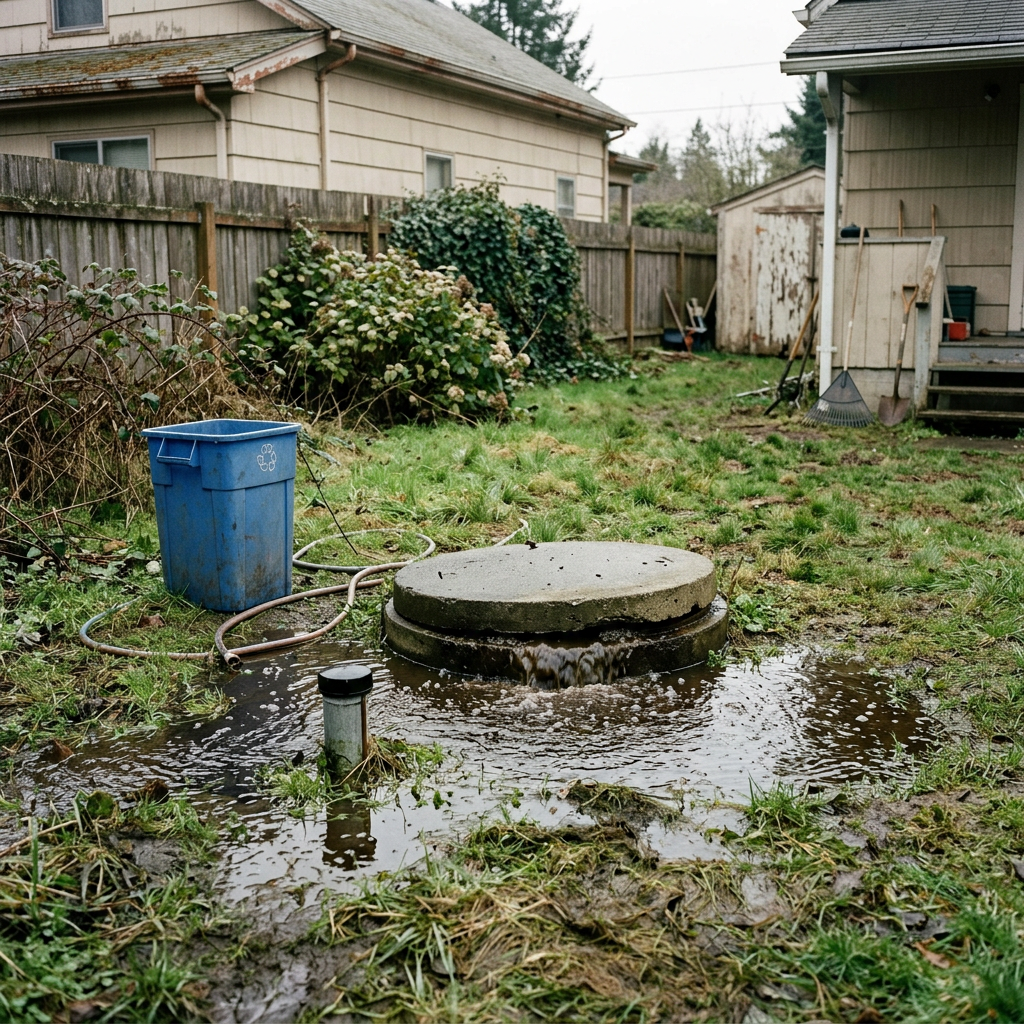
You step out into your yard, take a whiff, and feel the soggy grass beneath your feet. You haven’t received any recent rainfall. Then comes that nagging thought in your head: “This better not be the septic system.”
Homeowners experience this situation all the time. Septic Tank Failures happen way more often than you realize, and almost always at the worst possible moment. A failure simply indicates that your system can no longer safely treat and transport wastewater.
Below, you’ll view actual before-and-after scenarios; learn what occurred, how the problems were resolved, the costs (in both time and money), and learn from these situations to avoid similar problems.

How Often Do Septic Tank Failures Happen and Why They Go Wrong
A properly cared for septic system can last anywhere from 20 to 30 years, and sometimes even longer. However, many systems never reach that milestone. Not because the systems were built poorly, but because, as a result of normal living and neglect, routine maintenance was overlooked.
When someone asks how often do septic tanks fail, there isn’t an easy answer. Many systems begin to experience major issues somewhere between 15 to 25 years. Many early failures are caused by a lack of maintenance (pumping the tank) and/or a lack of proper design/size of the system, along with poor drainage in the soil. The good news is that nearly all early failures are preventable.
Consider what your septic system processes on a daily basis. Each time you shower, flush the toilet, wash clothes, etc., everything goes into it. A couple of bad habits, repeated every day, slowly push the system beyond its capacity to function.
Common causes of septic tank failures include:
* Not pumping and inspecting regularly
* Flushing wipes, sanitary products, and other non-acceptable materials
* Pouring grease, food scraps, chemicals, etc. into drains
* Excessive water usage, such as washing multiple loads of laundry consecutively
* Tree root invasion of pipes
* Heavy vehicle usage over the drainfield
* Older, smaller, or improperly-designed systems
We’re not trying to frighten you. We want to illustrate that your everyday decisions affect your septic system. One or two bad habits, repeated over time, can result in the type of failures you’ll read about below.
Top Septic Tank Failure Causes You Need to Watch For
You don’t have to be a professional to avoid most failures. You just need to know what can hurt your system.
When you skip regular pumping, solid waste accumulates in the bottom of the tank until it reaches a point where the solids layer pushes sludge into the drainfield, clogging the soil.
Grease and wipes create large, sticky blockages in pipes. Grease cools and forms a hardened plug in the pipes while wipes don’t dissolve, regardless of whether the package states “flushable,” thus creating a large amount of solid waste in the tank and lines.
Chemical-based cleaners destroy beneficial bacteria in your tank. Beneficial bacteria is responsible for breaking down organic material. When the beneficial bacteria is destroyed, solid waste builds faster.
Flooding the system with constant high water usage, including extended showers, or continuous laundry operations, forces the system to operate continuously without rest. The tank and drainfield receive no respite, resulting in water and waste backup.
Clogged or broken pipes and compacted soil impede the free movement of water into the drainfield. Heavy truck traffic over the yard or improper excavation in the yard can cause this condition. A cracked or tilted septic tank distribution box can also send uneven flow into one trench, which is why a single wet patch in the yard often points to a deeper problem.
Cracked, leaking or breached tanks reduce the ability of the system to process normal amounts of wastewater.
Each of the above reasons are represented in the real “before” portions of the case studies presented below.

Warning Signs Your Septic System Is About to Fail
Typically, your septic system provides warning signals prior to total failure. For a complete list of common septic system issues and the warning signs that precede them, see our guide. Early warning signs may include:
* Slow draining in sinks, bathtubs, and showers
* Gurgling noises coming from the pipes when flushing the toilet
* Pungent odors emanating from drains or in the vicinity of the septic tank or drainfield
* Soggy or slimy patches in the lawn
* Areas of the lawn growing thicker or greener than others (over the drainfield)
* Backups of sewage into bathtubs, showers, or floor drains
Responding to early warning signals allows you to often correct a minor issue using basic pumping and/or a simple repair, rather than having to deal with a complete failure.
Real Septic Tank Failure Stories and How Homeowners Fixed Them
Let’s now examine what a real-life septic tank failure looks like. You may find yourself in one of these stories, and that is good. It means you can alter the outcome.Let’s now examine what a real-life septic tank failure looks like. You may find yourself in one of these stories, and that is good. It means you can alter the outcome.
Case 1: The Family Who Skipped Pumping and Faced a Yard Full of Sewage
Envision a busy family of five. Work, school, sports, and life consume their days. Routine maintenance of their septic system never made the cut. They hadn’t pumped their tank in over 10 years.
They had noticed “before” signs. Slow draining in the home. Toilets required an occasional second flush. There was a slight odor in the yard, which they attributed to their neighbor’s trash cans.
Following a weekend family gathering and a lot of extra laundry, things finally reached a boiling point. During a heavy rain storm, gray, foul-smelling water began to accumulate in the yard over the drainfield. The children couldn’t play outside. The whole household felt humiliated and frustrated.
During the emergency inspection of the septic system, the technician discovered the tank was full of solids. Waste had flowed into the drainfield, clogging the soil. Repair efforts included:
* Emergency pumping to remove the waste in the tank
* Cleaning the lines using a jetting procedure
* Repairing the damaged portion of the drainfield with partial replacement of the damaged lines
Emergency pumping alone cost several hundred dollars, while repairing the drainfield cost thousands. While it was an expensive bill, it likely would have been more expensive if they had to replace the entire system.
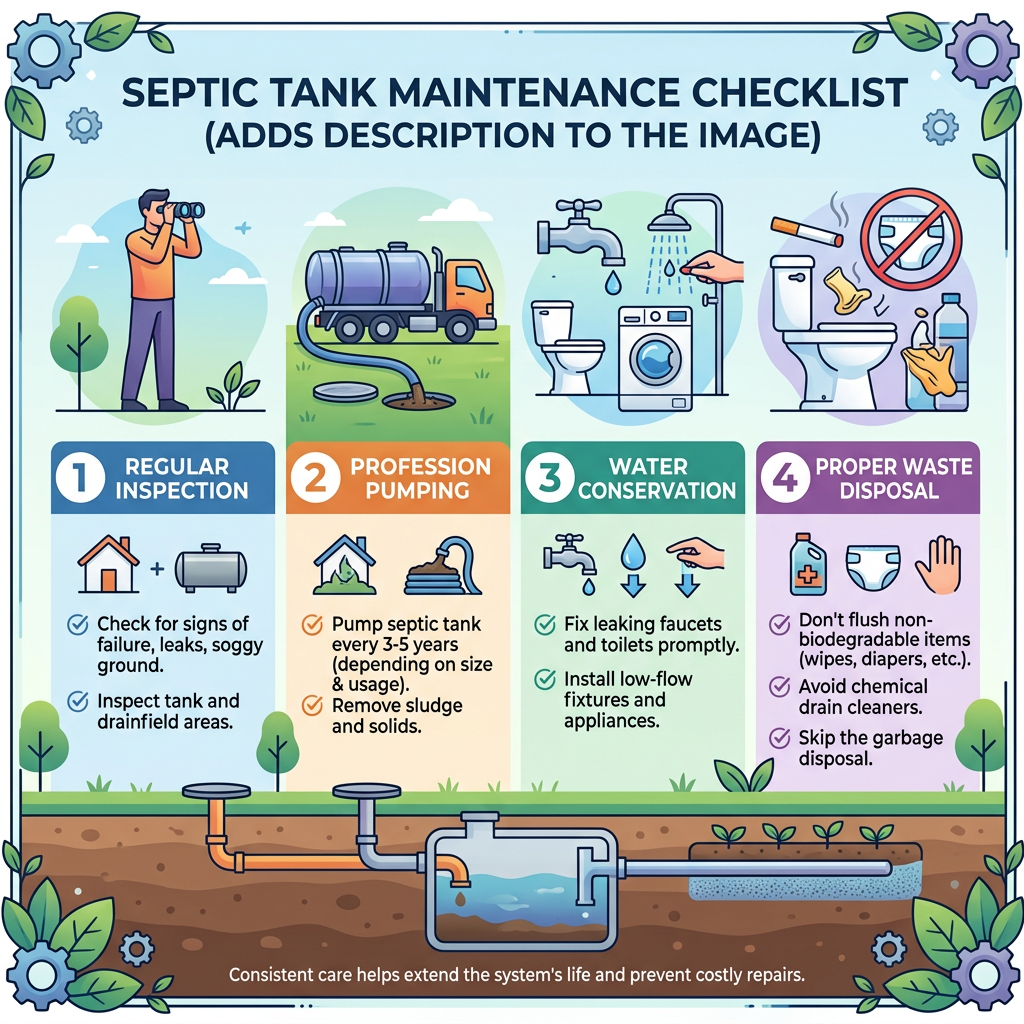
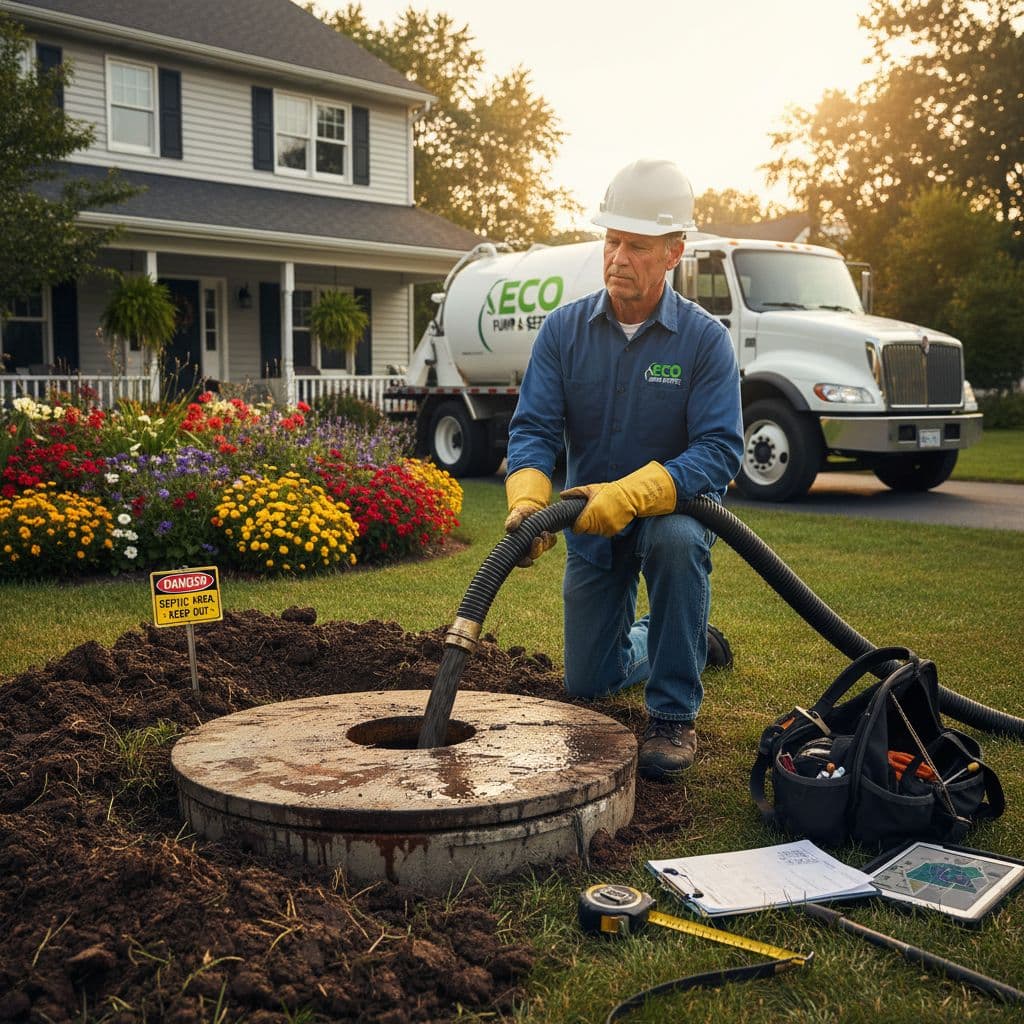
Their “after” story was vastly different. They established a regular pumping schedule every 3-5 years, dependent upon their tank size and the fact they had a large family. They wrote the next pump date in a calendar and set a phone reminder. Years later, their system continues to run smoothly.
The message here is simple: regular pumping is cheaper than a failed yard. If you think your tank may already be full, this guide to the 7 signs your septic tank is full covers what to look for and what to do first.
Case 2: Grease, Wipes, and a Kitchen Sink Disaster
The primary source of the second story’s troubles came from the kitchen and bathroom. The homeowner enjoyed cooking. Grease from cooking bacon, burgers, and frying pans were poured directly down the kitchen sink. In the bathroom, the homeowner preferred to use “flushable” wipes to clean themselves, as they were cleaner and easier to use than toilet paper alone.
As described in the “before” scenario, the homeowner began noticing slow draining in the kitchen sink. When the dishwasher was operated, the kitchen sink would emit gurgling sounds. Store-bought drain cleaners were occasionally purchased to temporarily solve the problem, but eventually the issue returned worse than before.
One evening, brown water backed up into the kitchen sink and bubbled over onto the floor. It stunk. The plumber and septic technician discovered a large mass of grease in the inlet pipe, as well as a large amount of wipes in the tank obstructing flow.
Repair efforts included:
* Clearing the grease from the inlet pipe by snaking/jetting the line
* Removing the wipes and sludge from the tank by pumping it
* Repairing the damaged pipe segment that had weakened from the excessive weight of the clog
After this eye-opening incident, the homeowner altered his habits. He stopped scraping plates into the trash and into the garbage he disposed of cooled grease. He removed wipes and hygiene products from the toilet and threw them into a small bathroom trash can.
The lesson learned is straightforward: what you dispose of down the drain determines the longevity of your septic system.
Case 3: Heavy Trucks on the Drainfield and a Crushed System
The final story begins in a rural home with a lengthy driveway and minimal parking space. Delivery trucks and guests frequently parked on the yard, as no one really knew where the drainfield lines were located, therefore parking occurred wherever the yard appeared to be dry.
At first, it did not appear that anything was wrong. As time passed, however, the soil in one area of the yard became hard and packed. Following a heavy rainstorm, areas of the yard became wet and produced a sour odor.
The septic inspection revealed cracked drainfield pipes and compacted soil. The heavy trucks had crushed sections of the lines. Water was unable to enter the soil and rise to the surface.
The repair effort required planning and patience:
* Identify the locations of the tank and drainfield
* Replace damaged drainfield lines
* Rest the original drainfield area and partially rebuild it
* Place markers and large rocks/posts in the yard to keep vehicles from damaging the drainfield
By the end of the “after” story, the homeowner knew where their system was located underneath their yard. No more parking over the system, no more yard traffic. His new habit saved him from another round of damage.
The lesson is to always locate your tank and drainfield, so you can protect them before something heavy damages them.
How to Prevent Septic Tank Failures and Protect Your Home
These stories are unsettling, but they also demonstrate what works. You don’t require special tools or extensive expertise. You just need a basic plan and a few consistent habits.
Remember the cases above: pumping would have prevented the first family from losing thousands of dollars, better drain habits would have kept the second from experiencing a kitchen sink disaster, and knowing the drainfield location would have prevented the third from crushing lines.
Create a Simple Septic Care Schedule
First, identify the size and age of your tank. If you’re unsure, a local septic technician should be able to access this information or verify it during a visit to your property.
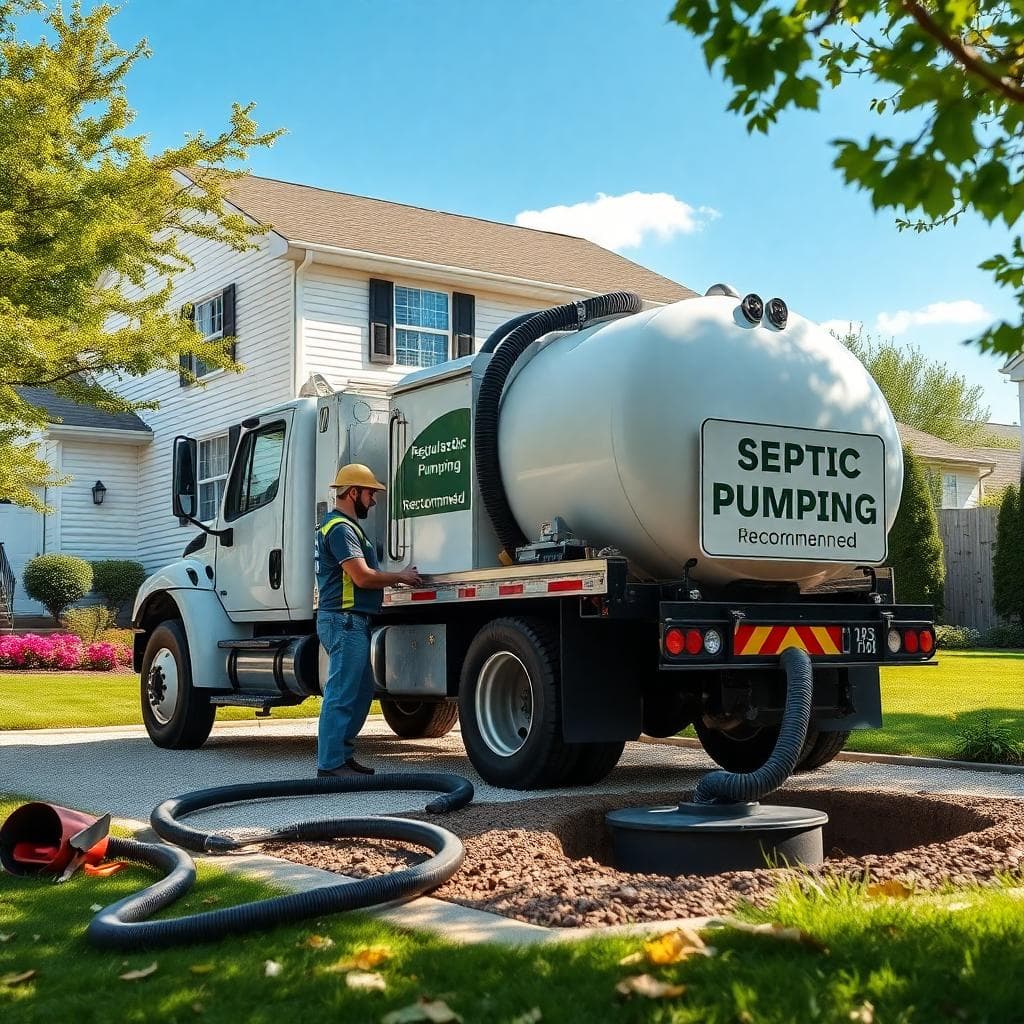
Typically, residential homes can be maintained with pumping every 3-5 years. Larger families, smaller tanks, or heavy water usage may require pumping more frequently.
Enter the last pump date and the next scheduled pump date in your calendar and set a reminder a few months prior to your expected pump date.
Maintain a file of all your septic-related documentation. Include pumping receipts, inspection reports, repair bills, and a simple diagram showing the approximate location of the tank and drainfield. This helps any subsequent technicians identify changes in your system and save you from having to guess.
Everyday Habits That Keep Your Septic System Healthy
More than anything else, small daily habits protect your septic system. Below are a few tips that correlate to the previous stories:
* Limit prolonged shower times and stagger your laundry, so you don’t overwhelm the system (similar to the busy family before their yard flooded).
* Quickly address dripping faucets and running toilets, so you’re not flooding the system.
* Never pour grease, oil, paint, or harsh chemicals down the drain, as this creates the thick clogs and dead bacteria associated with the kitchen sink disaster.
* Always only flush toilet paper and human waste. All other products, including wipes, sanitary products, and cotton products, should be thrown in the trash.
* Learn where your tank and drainfield are and keep cars, trucks, and heavy equipment off those areas, so you don’t replicate the crushed drainfield disaster.
When you adopt these strategies, you minimize your risk of septic tank failures more effectively than any product or gadget can.
Conclusion
You’ve seen what a real septic tank failure appears like from the beginning and end. You’ve also identified typical septic tank failure causes, the early warning signs, and the true effort involved in correcting a damaged system.
The primary concept is straightforward. Your ongoing actions determine whether your system will fail prematurely or continue to serve your home quietly for years to come.
Take a brief walk around your home and yard. Listen for gurgling noises, observe for slow draining, and search for wet spots. If you have avoided scheduling maintenance or inspections for your system, please schedule them immediately.
Using a simple strategy, a few reminders, and consistent habits, you can safeguard your home, yard, and sanity. Your septic system doesn’t have to remain a mystery. It can be a reliable, well-maintained component of your home.
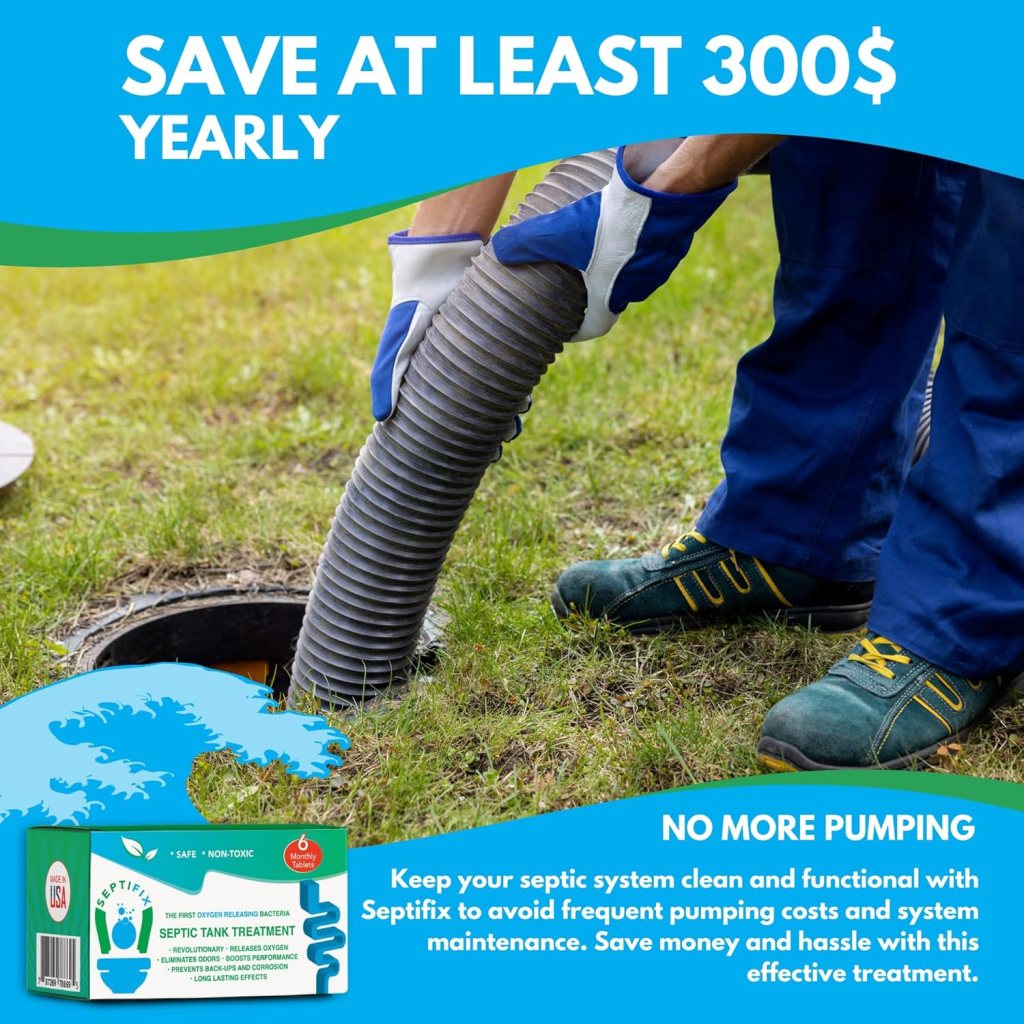
Keep your septic system on track with Septifix, a simple treatment option that supports regular maintenance and helps you care for your system between professional services.
Affiliate Disclosure
This article may contain affiliate links. If you click a link and make a purchase, we may earn a small commission at no extra cost to you.
We only recommend septic tank pumping products and services that we believe may be useful to our readers. Our opinions are our own, and affiliate relationships do not influence our recommendations. For major septic issues, contact a licensed septic professional.
Related Posts