
Septic Safe Laundry: Detergents, Wash Cycles, and Habits That Protect Your Tank
The way you do laundry has an effect on your septic system because of the factors it uses to function (helpful bacteria, consistent water flow, low levels of sludge). Overly harsh cleaning agents or stacking too many washes one after another can disrupt these factors. But there are easy steps you can take to help prevent clogs in your drain field, extend the life of your drain field, improve cleanliness of your clothing, and reduce your power/water bills through Septic Safe Laundry.
This guide will teach you how to select appropriate laundry products for septic safe laundry, how to operate your washing machine for optimal performance, and the small, everyday actions that will help keep your tank working well and save you money.
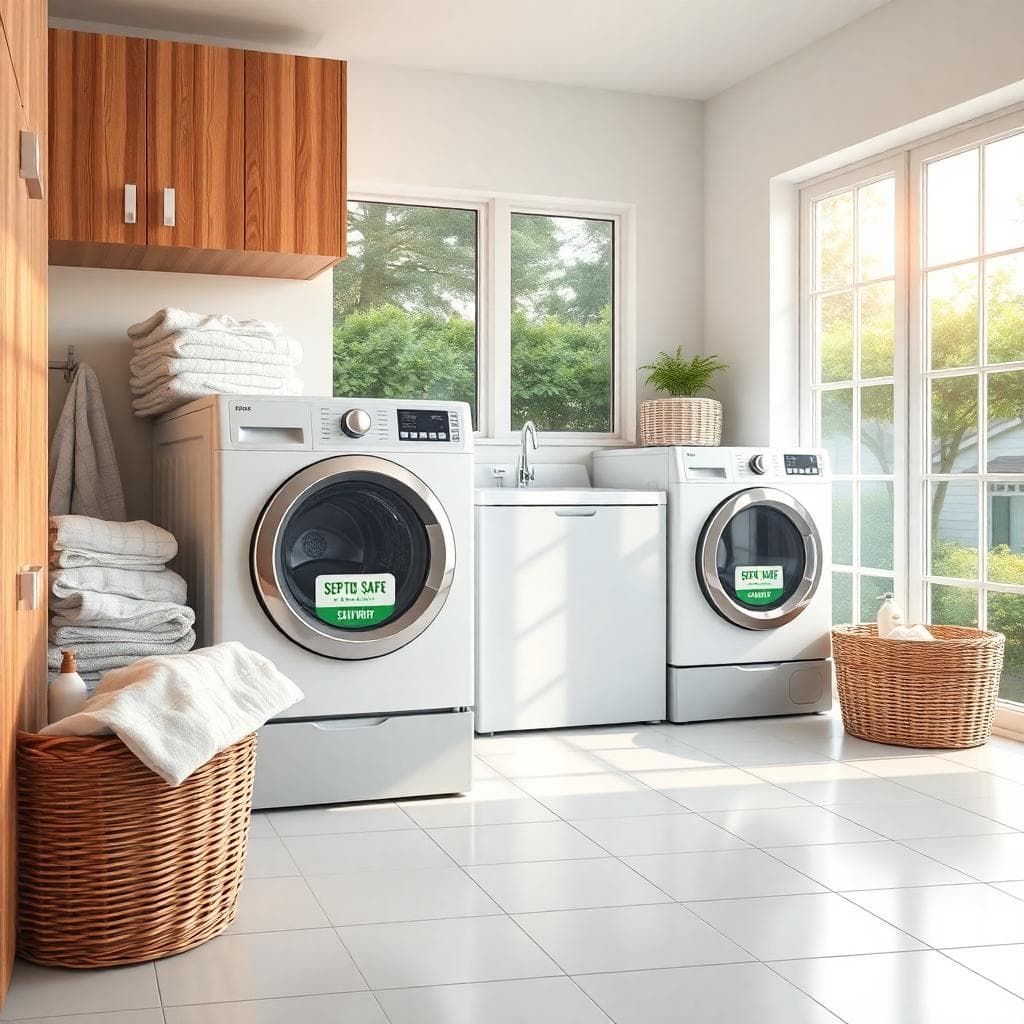
Key Takeaways
- Use an environmentally friendly, phosphate-free, biodegradable, and low-foam detergent designed specifically for High Efficiency (HE) washers.
- Don’t just look at “septic-safe” when buying. Read the ingredient labels and packaging information to see what’s inside.
- Concentrated detergents will allow you to accurately measure how much detergent you need. Overdosing can result in too much sudsing and build-up in your drainfield.
- Optical Brighteners, high-phosphorus products, antibacterial additives (quaternary ammonium compounds), strong fragrances and dyes, and heavy clay fillers should all be avoided.
- When using laundry detergent pods use them cautiously. Only choose pods that are labeled as low-suds or fragrance free, and always use only one pod per load.
- Oxygen Bleach is a better option than Chlorine Bleach for daily whitening and bleaching needs.
- Antibacterial fabric softener contains quaternary ammonium compounds which harm bacteria but also harm your septic system. A possible replacement could be dryer balls.
- Vinegar can be used sparingly and according to the recommendations by the manufacturer of your washer. Do not mix Vinegar with Bleach.
- Spreading out your laundry throughout the week versus doing multiple consecutive loads can help ease pressure off of your septic system and prevent damage to your drainfield while lowering both water and energy consumption.
- Smart laundry habits can reduce strain on your septic system, protect the drain field, and lower water and energy use.
Pick Septic Safe Laundry Detergents That Are Gentle on Your Tank
Using the Right Detergent Preserves Bacteria & Prevents Build-up
Quick Label Scan Checklist:
• Is it biodegradable?
• Does it say phosphate-free?
• Low-suds (HE) for a gentler wash.
• No dyes?
• If your skin is sensitive, does it state fragrance-free?
What the “septic safe” label really means
“Septic-safe” is frequently seen on packaging; however, in the United States, “septic-safe” does not constitute a regulatory compliance requirement to produce products with this claim. Review the terms of your product label. Check for biodegradable claims, and whether or not your product is labeled as phosphorus-free. Concentrated formulas are also recommended since they will allow you to use fewer amounts while maintaining an adequate cleaning process. Avoid using fragrances, dyes, and antibacterial additives as they may affect beneficial bacteria present in septic tanks.
Liquid vs powder vs pods: which is better for a septic tank
Powder HE detergents are a septic safe laundry option because of their quick dissolving characteristics. The powder detergents also tend to be less likely to create clumps compared to liquid detergents. Powder HE detergents contain clay or filler materials which can become lodged at the bottom of your washer’s tub and contribute to sludge buildup. Pods (or single-load packets) are very convenient; however, they may take longer to break down in colder temperatures. Also, if you choose to use pods, be sure to limit yourself to only one pod per load and select a “low suds” or “dye-free” product.
Ingredients to avoid and safer swaps
Steer clear of these for septic safe laundry : Optical Brighteners, Nonylphenol Ethoxylates, High Phosphorus Levels, Quats in Antibacterial Softeners, Heavy Clay Fillers & Strong Solvent Fragrances. Plant-based alternatives for safer washing are coco glucoside as a surfactant, sodium percarbonate for whitening & enzyme-boosters that can be used in both hot/cold water. Measure accurately to keep from creating too much foam and causing the foams to wash down into your septic system drain field.
Bleach, softeners, and boosters you can use with care
Only use Chlorine Bleach when you need to, but never on a regular basis. The oxygen bleach will be much gentler and can be used every week for whitening. If you are wondering whether a specific oxygen-based stain remover like OxiClean fits that routine, our guide to OxiClean and septic safety explains what is safe and what to avoid. Avoid antibacterial fabric softener that has quats. Consider using Dryer Balls, or add a little Vinegar to your Rinse water if your Washer’s Manual allows this option. Don’t put large amounts of Vinegar, or any other cleaner into the Drain. Never Mix Bleach and Vinegar together.
For more on products that play nice with tanks, see these tips on septic-friendly cleaning products.
Set Smart Wash Cycles to Protect Your Drainfield and Save Water
With your system, it works well when there is steady flow in the water. It also performs better if you spread the loads out throughout the week (and not just in the afternoons). HE washers are very beneficial since they use much less water than traditional washing machines, per cycle. By pre-treating any stains prior to running the wash cycle, you will be able to run the shortest cycles and avoid multiple cycles for the same load.
Right load size and soil level for less water and suds
Try filling the washer drum approximately three quarters of the way. The clothes should have enough room to move around in the drum and not stick to the sides. Choose the lowest soil setting that accomplishes what you want to accomplish. Do not stack heavy loads such as towels and bedding on top of each other for one wash day. Pre-treat any stains before washing so you do not have to select the heavy duty setting which will require more water and longer wash times.
Best water temperature for septic health and clean clothes
Cold and/or Warm water will take care of most laundry needs and gently handle the bacteria inside your tank. Only reserve hot washing for such things as bedding (sheets), athletic wear (socks), and the sick, and consider cutting back on the number of loads you do that day. the dryer also has a sanitizing effect from the heat it uses. Using an enzyme-based detergent will allow you to clean clothes using cold water without having to add more products to get the job done.
How often should you run laundry with a septic system
Run laundry throughout the week. a good rule of thumb is to run one to two loads per day, and not five to six on a single afternoon. Allow at least three hours between each load so that the tank can settle down and the drain field can absorb the water being used. if you are running behind, try to run fewer loads, and select the shortest cycle time to reduce the amount of water and stress on your system.
Extra rinse and high spin: when to use them
Extra rinsing can be a good idea if you have a sensitive skin issue and/or live in an area with “hard” water; however, this will add gallons of additional water to your wash cycle. To balance this out, choose the shortest possible cycle for washing items that do not require a longer cycle (such as towels, bedding, etc.) or consider limiting the number of loads washed on any given day.
A higher speed spin setting will remove more water from clothes than a lower speed setting. This results in less drying time and less money spent on energy used in the drier. This method does not stress your septic system like other methods may.
For habits that also prevent clogs in the bathroom, check out these safe habits for septic maintenance.
Daily Habits That Keep Your Septic and Laundry Running Smoothly
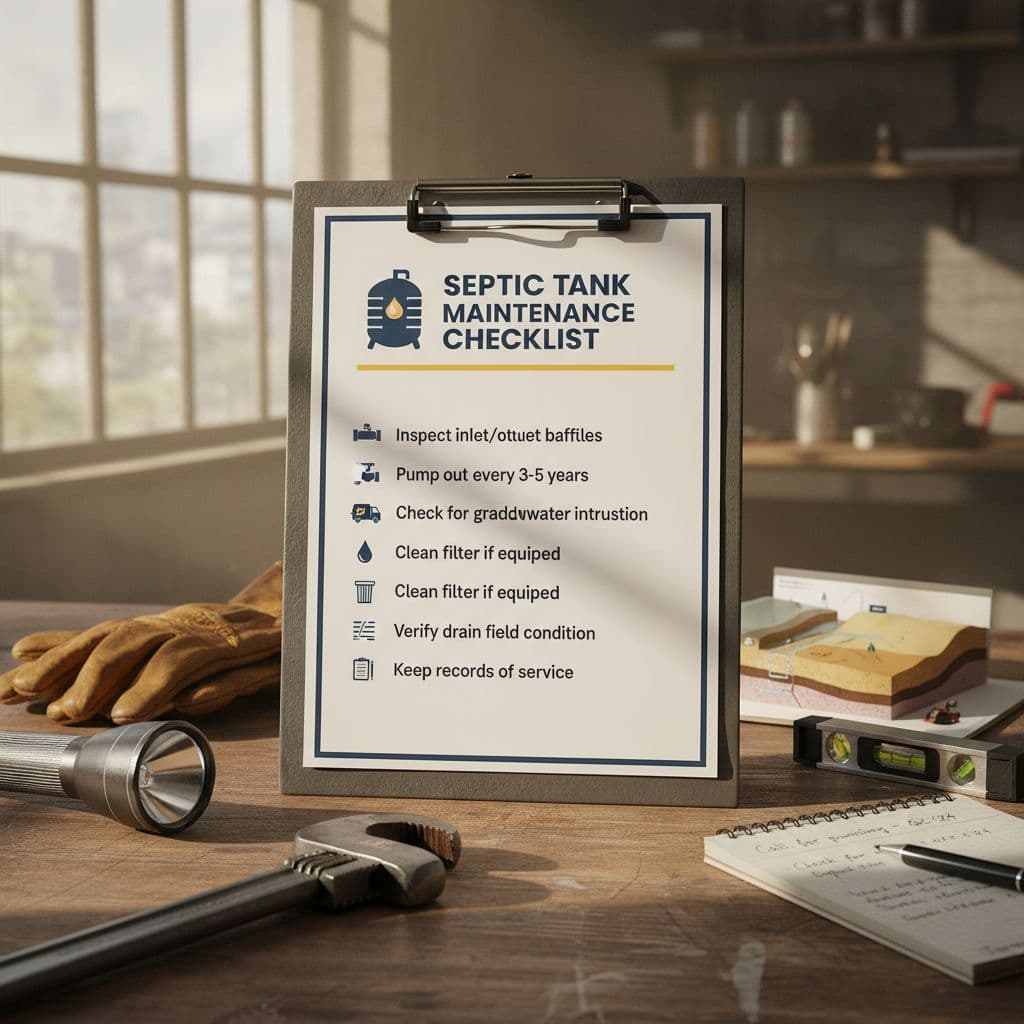
Little things will ultimately help create a healthy drainage system. Check your pump every 3-5 years; take care of leaks as they occur; and be aware of what might cause your drains to slow or smell. In many cases, local ordinances dictate which water (laundry) can go where, therefore, please refer to your local government’s regulations if you are uncertain about this information.
What not to wash or send down the washer drain
Never wash anything that has been saturated in paints, solvents, motor oils, or other harsh disinfectants. Don’t rinse your mops in cleaning products that are not designed to go down your sink or drain. Avoid soaking diapers in solutions with high concentrations of bleach. Don’t send wet wipes, cat litter or paper towels down your plumbing. All of these materials are harmful to the bacteria, make sludges thicker and/or clog pipes and filters.

Control lint and microfibers before they reach your tank
Use a softener if you have hard water. In addition to using the least amount of detergent necessary to get clothes clean (this will also lower the suds), add a water conditioner product to soften the water, particularly for towels and work uniforms.
Hard water tips: adjust dose and protect your system
In general, wash large items in separate cycles from smaller ones like socks. The larger items will release more fiber when they are being washed. This is most important for towels, fleece and athletic wear because these types of clothing tend to release the most fiber during their wash cycle. If you have to wash smaller items with towels, use a microfiber capture bag that you can remove from the machine after the wash cycle and dispose of the captured lint in the trash.
Seasonal and guest plans to prevent overloads
When it comes to doing septic safe laundry during holiday visits or when guests are visiting, simply do not do as many loads on a single day. As you wash, leave a simple card near the washing machine that lists HE dosing suggestions, and a note stating “run smaller loads.” For rentals or guest suites, be sure to include low-suds laundry soap and also program the washer for shorter cycles. Give the septic system a day off after a busy week to allow the holding tank and drain field to catch-up.
Conclusion
Your septic system’s health begins with three simple choices: using gentle detergents, running your washer with smart cycles and making smart habit changes.
Store this list and keep it nearby; use liquid HE (the recommended type), measure each load, space out your laundry throughout the week, choose either cold or warm water, avoid harsh chemicals, clean lint traps regularly, and pump the system every 2-5 years. Begin by changing one item in your daily routine such as switching from a high suds powder to a low suds liquid HE, and then begin spreading out your laundry.
Your clothes will still appear wonderful, your energy bills will continue to remain lower, and your septic system will be healthier because of the positive impacts of Septic Safe Laundry in everyday routines.
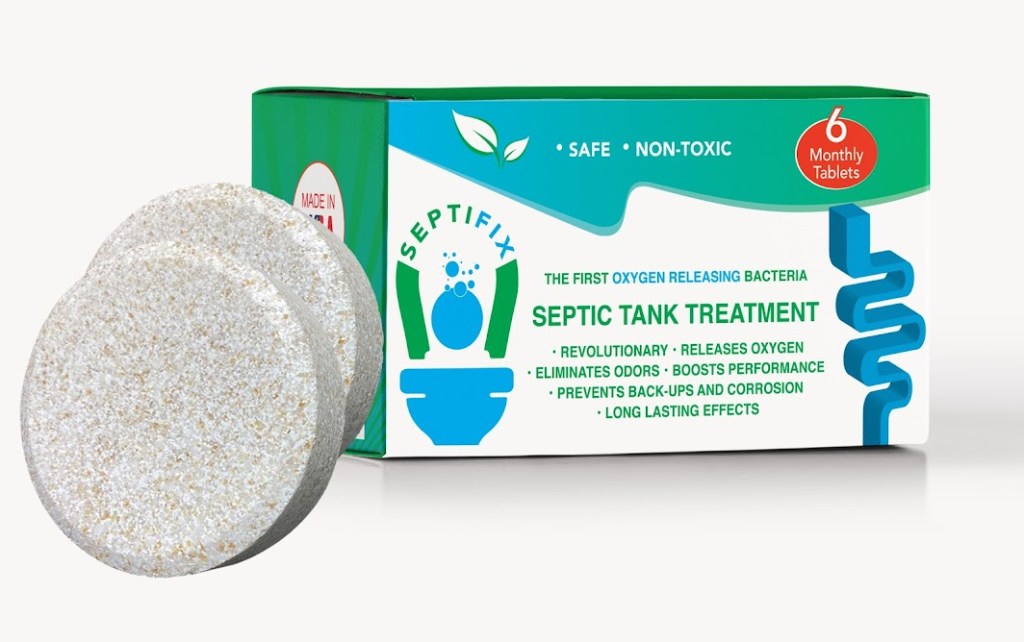
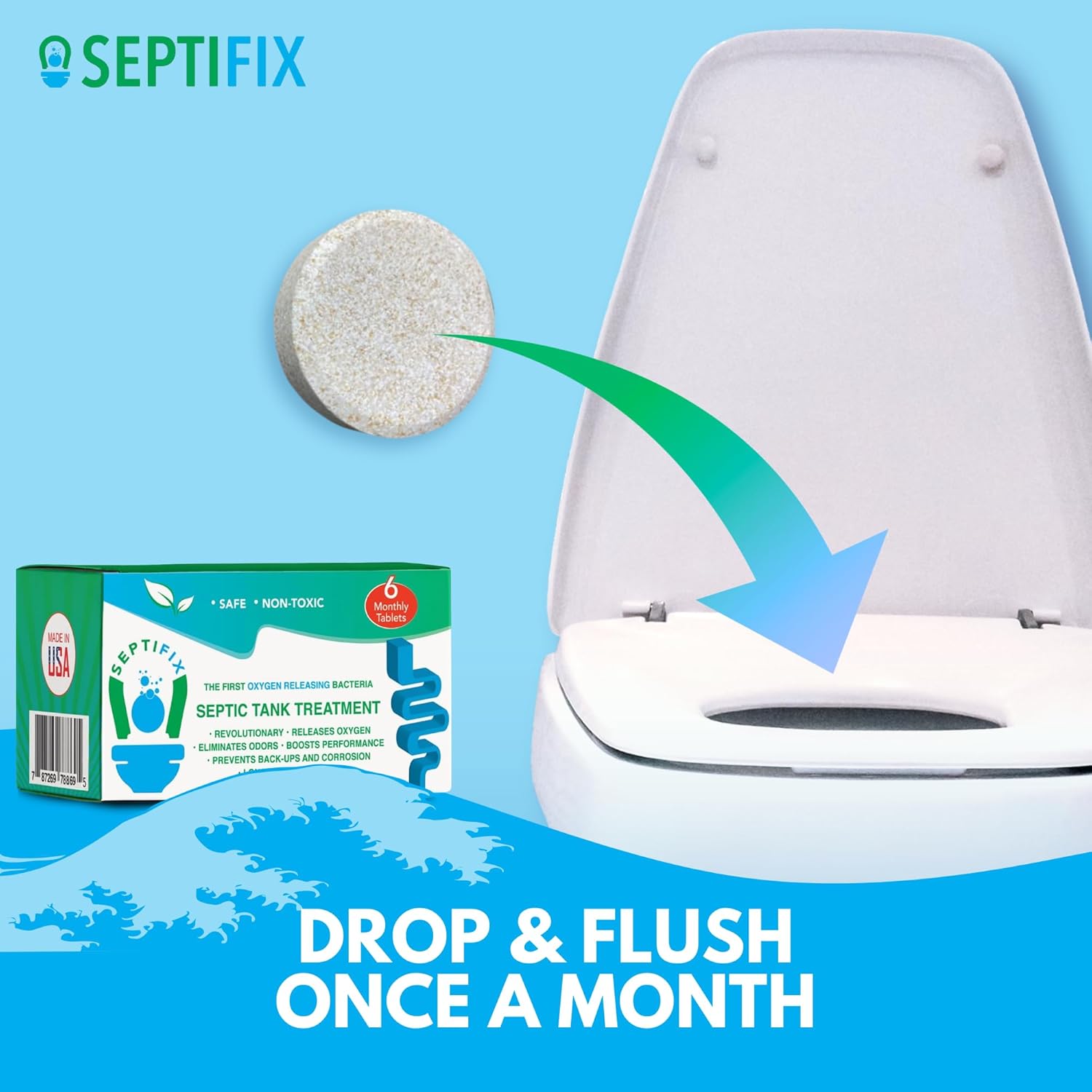
Give your septic system extra support with SeptiFix, an easy-to-use monthly tablet designed to help maintain a cleaner, healthier tank between professional inspections.
Affiliate Disclaimer
Some links in this article may be affiliate links. If you click a link and make a purchase, we may earn a small commission at no additional cost to you.
We only recommend products and services that may be useful for septic system maintenance and care. Affiliate relationships do not affect the information or recommendations in this article.
Additional Resources
For more information about septic-safe laundry and household products, see these helpful resources:
- OxiClean and Septic Safety, learn how to use oxygen-based stain removers with care.
- Septic-Friendly Cleaning Products, review common household products and their possible effects on septic systems.
- How to Care for Your Septic System, read the EPA’s advice on septic maintenance, water use, and drain field protection.
Always follow your septic system manufacturer’s instructions. If you have concerns about a specific product, contact a licensed septic professional or your local health department.
Related Posts

One thought on “Septic Safe Laundry: Detergents, Wash Cycles, and Habits That Protect Your Tank”