Essential Septic Tank Treatment for Toilet Paper Maintenance
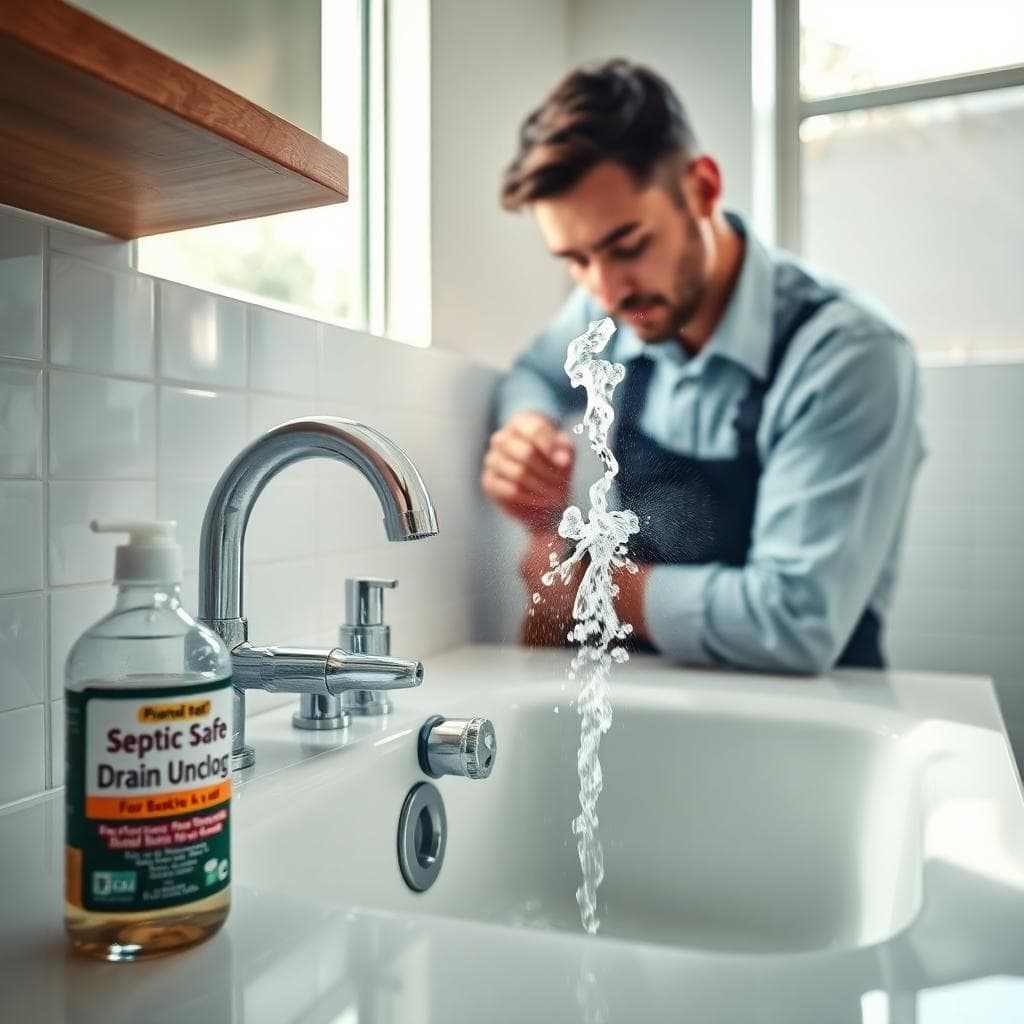
You may think toilet paper is too small of a thing to create large issues, however, it can create many. Issues such as slow draining toilets. Bad smells in bathrooms. Clogs and backups. And costly drain pump outs. However, you don’t have to live with these problems. With some smart practices and the right products, you can prevent most of them from happening.
When you combine the right type of toilet paper with a gentle, yet effective treatment for septic tanks that is used specifically for toilet paper, you will be able to keep your plumbing, septic tank, and budget safe from issues.
Here’s what you’ll receive today. What happens to toilet paper when it goes into your drain. Which types of septic tank treatment for toilet paper . What to avoid using on your toilet paper. And how to follow a simple, realistic, and helpful routine so you can take action tonight and be done with the problem. There will be no guessing or doomsday thinking.
Key Takeaways
- Typically Toilet paper will disintegrate in a functioning septic system; however, thick or excessive amounts being flushed all at once can result in an increase in solid buildup (sludge) and potential clogging of the septic tank as well as backup issues.
- To minimize these risks select Toilet paper that has been designed to break down rapidly and specifically is labeled “septic safe.”
- Do not flush wipes or paper towels; cotton swabs; feminine hygiene products; other non-Toilet materials; etc. As these items do not break down like regular Toilet paper and can cause major problems with your septic system.
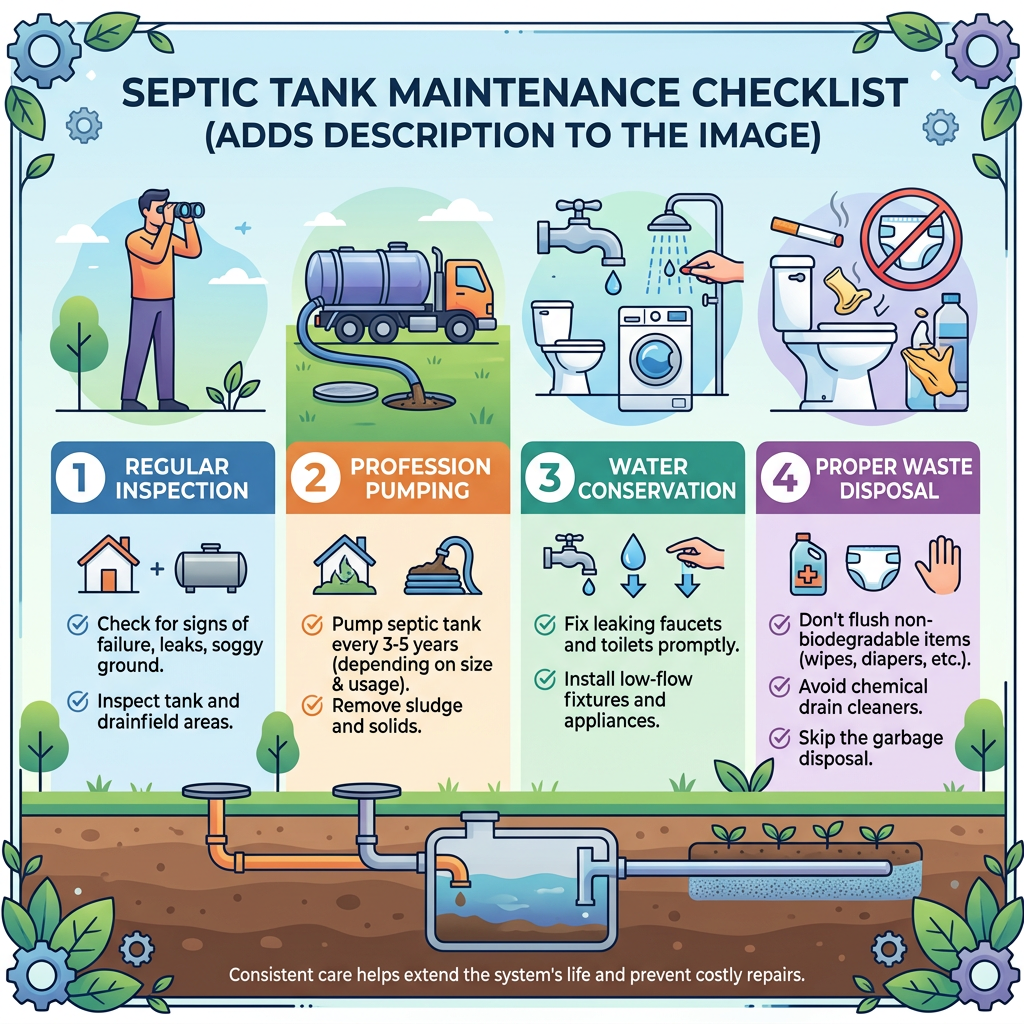
- Avoid using drain cleaners and solvents in your septic system. Also avoid using large quantities of antibacterial products in your septic system.
- Routine maintenance enzyme or bacteria additives are available to help with the day-to-day operation of your septic system, but they do not replace inspections, pumping and professional maintenance of your system.
- Using excessive amounts of water within your home will also move solids toward the drainfield too early when they have not had time to completely break down.
- Try to spread out water-heavy activities throughout the week, and fix leaking toilets or sinks.
- Any Slow draining, gurgling sounds, smells, sewage backing up or standing water requires a professional inspection by a licensed septic professional.
- Septic treatments must be used as directed by the manufacturer’s label and by the local septic guidelines.
How septic tank treatment for toilet paper actually works
Septic tanks function similarly to a silent compost pile, where microorganisms consume waste (paper) and transform them into less complicated materials that soils can absorb.
Microorganism colonies that have strength in numbers digest paper quickly; those that are weaker allow sludge to develop.
Cellulose makes up toilet paper. Toilet paper may soften while submerged in water however complete decomposition requires some time.
Heavily, and/or too quickly flushing toilets may push paper through the system prematurely. Paper of a larger diameter, or larger quantities of paper will “sink” and add to sludge.
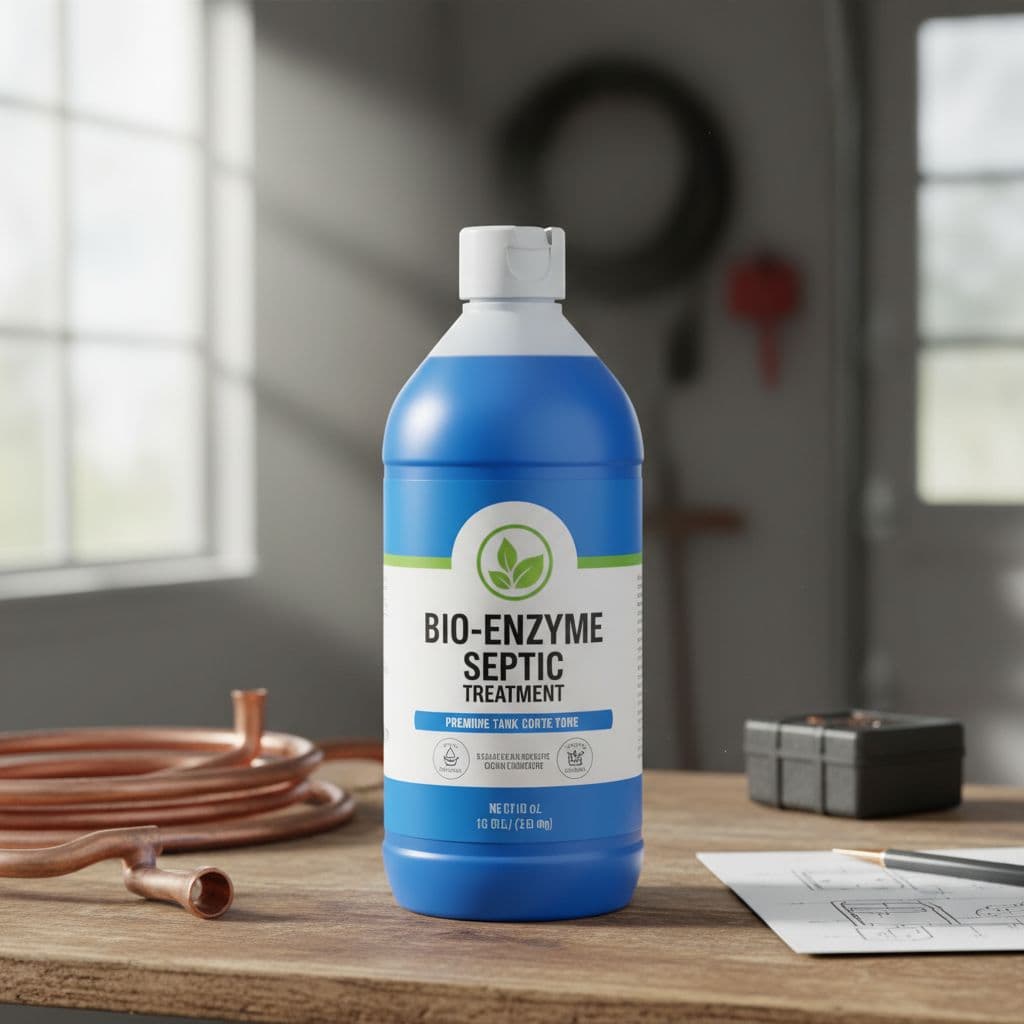
The use of treatments can be beneficial. Products containing enzymes and bacteria, specifically targeting cellulose, fat, and protein, will assist with breaking down paper.
Regularly administering the correct amount of treatment product will keep the microorganism population healthy and functioning properly. This may result in quicker decomposition of paper, reduced blockages and an increased health of the drainfield.
Chemicals may also be detrimental to a working septic system.
Antibacterial drain cleaners (and many antibacterial cleaning products) will kill off the bacteria that are doing the decomposing of waste for you; therefore they will stop the decomposing process. Gurgling or bubbly noises coming from your drains may be a sign of this process being halted.
What to use and what to avoid:
Safe helpers
- Enzyme treatments and/or bacteria treatments for your septic system.
- Septic safe toilet paper.
- Septic-safe water softeners.
- In moderation, normal dish soap.
Trouble makers
- Bleach and all antibacterial sprays.
- Any drain cleaner/solvent.
- Fabric softener in the gray water.
- “Flushable” wipes; paper towels; cotton swabs.
What happens to toilet paper after you flush
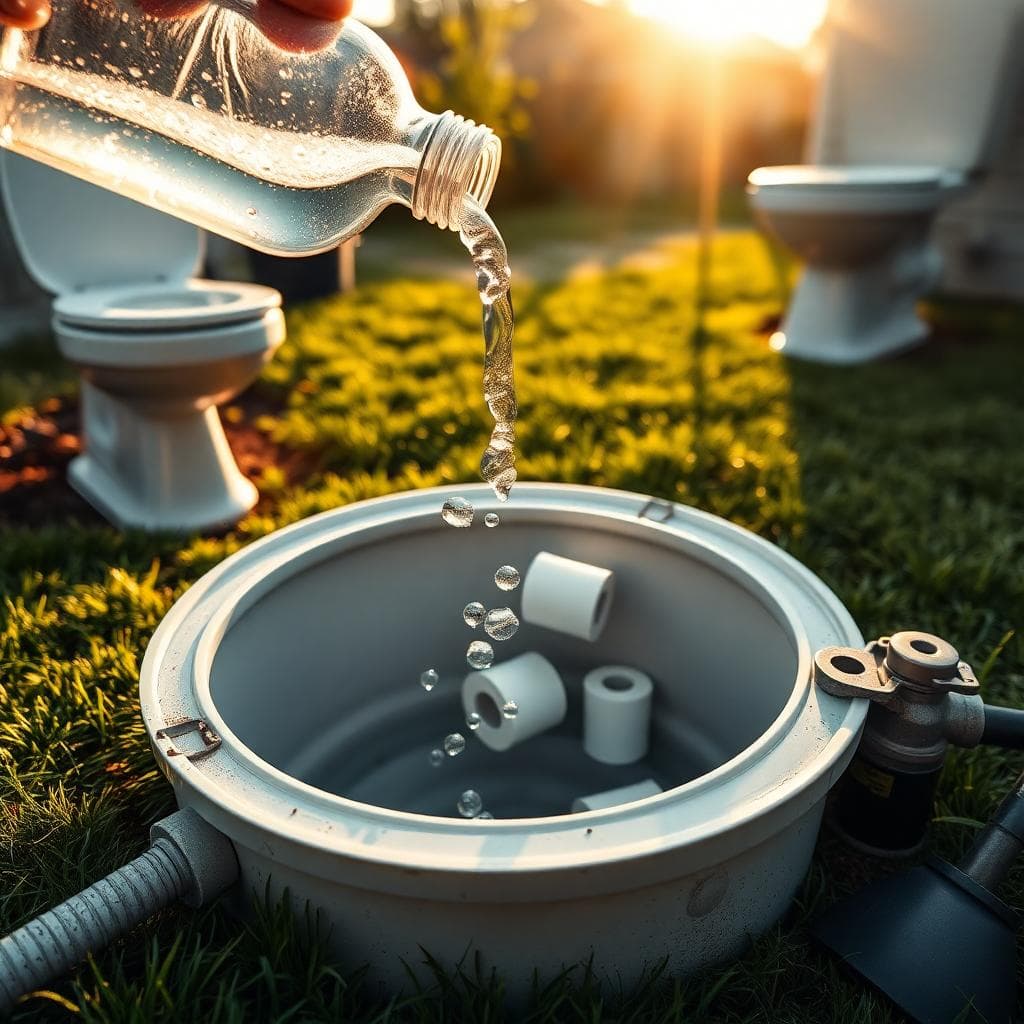
After being flushed, the paper goes into the sewer system (drain) and then into the septic tank. In the tank, solid objects (like the paper) are able to fall to the bottom of the tank. The lighter materials (like the pulp) will float on top.
As the paper absorbs water, it becomes soft, then disintegrates into individual fibers. Those fiber strands are consumed by healthy bacteria that break them down gradually.
However, when paper is excessively thick or too many papers are flushed at one time (thus creating a mass), they will quickly drop to the bottom of the tank and contribute to sludge unless they are broken down prior to dropping to the bottom.
Time is required for this process, as well as an adequate supply of bacteria to perform the breakdown. Excessive flow of water through the drainfield may cause paper to be forced out of the tank prior to it being fully broken down, which could put additional stress upon the drainfield.
Treatments that help paper break down
The enzyme treatment provides machinery to break down larger molecules (big things) into smaller molecules (smaller things). The bacterial treatment provides laborers to do the same job over and over again until all the cellulose in paper, oil in food, etc. is broken down.
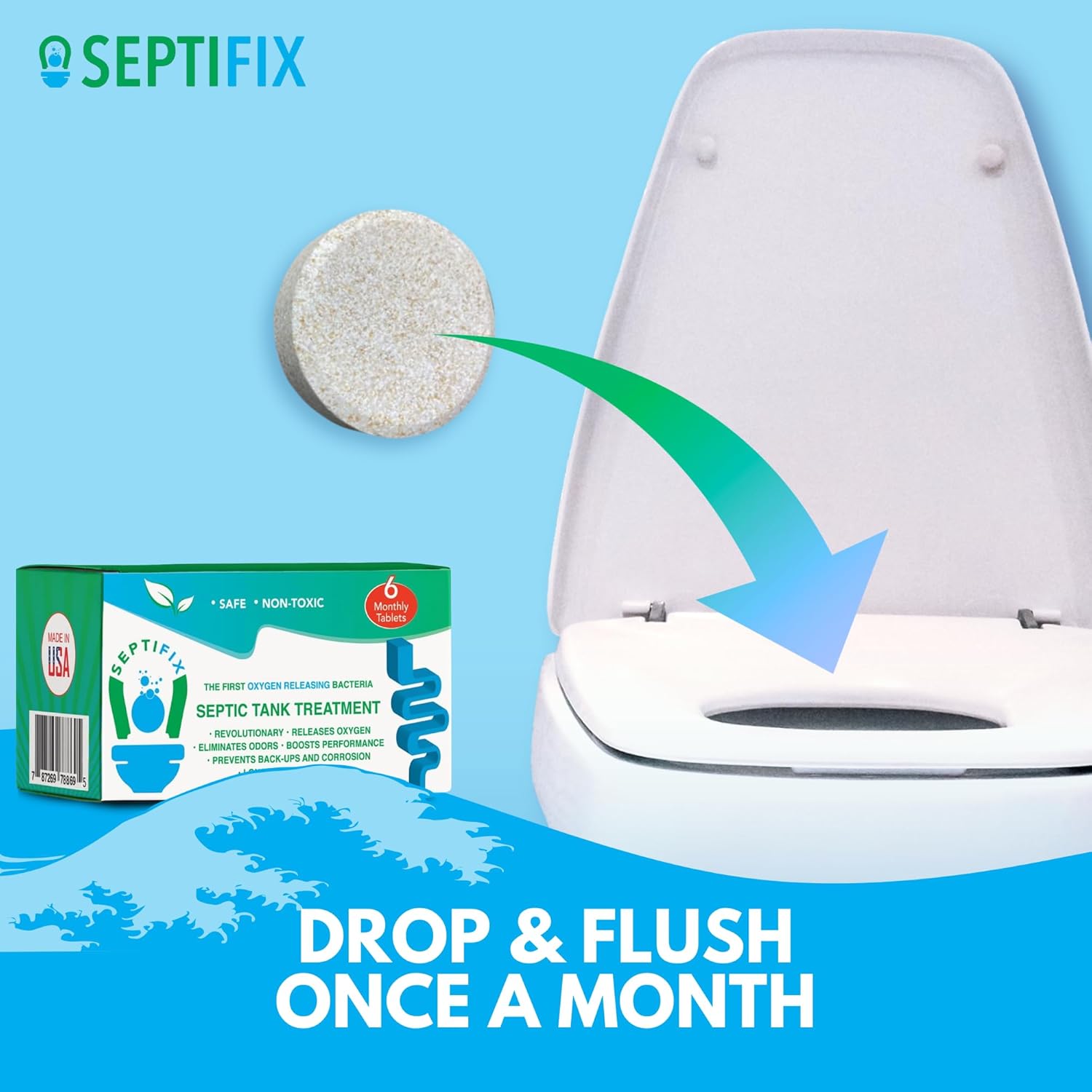
For “shocking” your system after an extreme cleaning or when you have a small backup, you can use a high concentration product to give your system a good push for a short amount of time. Most households will find using a monthly maintenance pod or packet best. The pods/packets provide a simple way to maintain a consistent bacterial population and prevent surges in bacterial populations.
As a general rule, if you have a lot of people living at home, or you prefer to use a lot of paper products (plush paper), a bi-weekly application may be beneficial to stay on top of buildup. When shopping for bacterial-based treatments, remain brand-agnostic and read labels carefully. Look for products which include cellulose digestion as one of their capabilities and are specifically designed for use with septic systems.
For extra guidance on products and routines, see choosing the best septic additives.
Additives and habits that slow breakdown
Some common items can cause problems with how septic systems function. The following are a couple of examples of products commonly used in daily life:
- Antibacterial Bleach and Cleaners – Antibacterial bleach and cleaners contain chemicals that kill bacteria needed to digest waste in septic tanks.
- Drain Openers – Drain openers contain harsh chemicals that can burn up and destroy the microorganisms in septic systems.
- Gray Water Fabric Softener Agents – Fabric softening agents in gray water from washing machines coat the fibers making it difficult for the microorganisms in septic systems to digest them.
- Wipes and Paper Towels – Unlike toilet paper, wipes and paper towels do not break down quickly.
Use Septic-Safe Cleaning Products; Use Trash Cans For Items That Are Not Toilet Paper Or Human Waste.Some common items can cause problems with how septic systems function. The following are a couple of examples of products commonly used in daily life:
Do septic tanks need special toilet paper?
You don’t need an expensive brand name to be good for your septic system. You will need a septic paper that will dissolve and break apart in water quickly (fast) and also has a label that says “septic safe”. The label is just a guideline; some brand names use the term “septic-safe” but their products may take a very long time to break apart. This is why doing a simple test at home is a big help.
A good product for your septic system should break apart quickly, not stay as clumps. Many types of recycled paper will disintegrate quickly due to the fact that the fibers are shorter than regular paper. Also, many bamboo products disintegrate quickly. Ultra-soft may work if it breaks apart quickly. You want comfort when using bathroom paper, but you want speed here.
Independent tests will measure how quickly the paper breaks apart and how long it takes for the paper to completely disintegrate. A good product will disintegrate and shred with a little bit of shaking and will not sit intact one full minute. If you have slow-flowing toilets or a longer run of pipes from your house to the drain field, having a product that breaks apart quickly will be even more important. Prioritize breakdown speed over thickness, and consider septic tank treatment for toilet paper.
How to test your toilet paper at home
Do a simple Jar Test:
1. Fill a clear glass jar (or plastic jar) with warm water.
2. Take 5-6 sheets of the same brand of toilet paper.
3. Put the toilet paper into the jar.
4. Close the jar tightly and shake vigorously for 10-15 seconds.
5. Place the jar on the counter and wait for 1-minute.
The good paper will dissolve or break apart in about 1-minute.
If the toilet paper clumps together after a 1-minute time frame, it is probably too hard and you may want to try another brand. Try another brand by repeating the above steps and then compare the results of both brands.
Septic-safe, recycled, or bamboo: which works best
- “Soft Paper” (Quilted) – May pass as long as it disperses quickly in the water. “Ultra Soft” does not necessarily mean slow-dispersing. Don’t trust the labels. Trust the jar.
- “Bamboo Paper” – Most good bamboo papers will break apart fast. Research your brand on-line and perform the jar test to verify performance.
- “Recycled Paper” – Most recycled paper has short fibers that break apart fast and therefore, many of these will work in the tank. These may be slightly less thick than standard products but are an excellent option.
For bigger system tips that go beyond paper choice, see managing septic systems to avoid clogs.
Ply count and texture: does ultra soft cause clogs
Ply count has an effect on how quickly a roll of toilet paper will disintegrate however, it is only one factor among many. Generally speaking, rolls that are 1-2 ply disintegrate faster than those that are 3 ply; quilted or lotioned toilet paper generally takes longer for fibers to break down than unquilted or untreated tissue; texture helps keep fibers intact and in place longer.
Simple rules help:
- Don’t use too many squares of tissue at once.
- Try not to make a huge ball of tissue (wad).
- Prioritize the rate of breakdown over the total number of plies.
If you like soft toilet paper, use a strong bowl cleaner, a septic tank treatment for toilet paper, and smart flushing habits.

A simple plan to prevent clogs: daily habits and treatment schedule
You don’t need an elaborate plan or scheme to treat your septic system. What you need is a simple daily routine that you can maintain. Below are some simple steps you can follow right now to ensure you have a healthy septic system.
Choose paper products that break down quickly (e.g., toilet tissue), create a routine for treating your septic system, be nice to your good bacteria, add a couple of additional water use practices to your daily routines and most likely all issues associated with your septic system will go away.
If you have not treated your system in a while, you might need a jump start. Learn when to boost care in avoiding septic failures with routine care.
Weekly and monthly treatment routine
- Add a bacterial/enzyme product to your septic system on a monthly basis for most residential users.
- For large households or frequent toilet paper usage, apply the bacterial/enzyme product every 2 weeks.
- At night when water usage is lower, drop-treatment will allow time for bacteria to become established.
- Always follow the instructions provided by the manufacturer of the product being added and do not over-apply multiple products on the same day.
- Harsh chemicals were used within the last week? Add a maintenance dose immediately.
Consistent dosing will help maintain a healthy balance in the biological processes within the tank, which will lead to quieter drainpipes.
Smart flushing and water use rules
- Flush only waste and toilet paper.
- Use fewer squares. Avoid large wads.
- Fix running toilets right away.
- Spread laundry across the week.
- Avoid long back-to-back showers.
Steady flow helps the tank work better. It also protects the drainfield from hydraulic overload.
When to pump and when to call a pro
The goal is to have your system pumped at least every three to five years. For smaller systems (less than 1,000 gallons) or larger households with more people, pumping should be done more frequently. Be aware of some common warning signs that something could be wrong:
- Drains are slow to empty.
- Gurgling noises can be heard in the system.
- Bad smells are noticed around the tank and/or drain field.
- You experience frequent backups.
- There are greener areas or wet patches on top of the drainfield.
Call a professional who is licensed to work on septic systems if you still have issues after changing to the correct type of toilet paper and starting the treatment process. Fixing issues early saves money later, especially with septic tank treatment for toilet paper.
Quick troubleshooting if paper builds up
Utilize this checklist when you see paper lingering:
- Change to a quicker dispersing paper.
- Reduce the number of squares flushed per cycle.
- Add to or initiate monthly treatment.
- Reduce usage of strong cleaning products.
- Verify there are no leaks adding water to your system.
Schedule an inspection after three (3) weeks if none of these improve. There could be a problem with your baffles, you may have a partial clog, or your septic tank may need to be pumped.
Conclusion
You can take control of the small things in your daily life to help prevent problems with your system. For example, use toilet paper that dissolves quickly; be consistent in adding bacteria or enzymes to your tank as needed; and maintain some basic rules about how much water is flowing into your tank. These three habits will keep your tank free from clogging, your drainfield free from damage, and the cost of repairs down.
When you are ready to begin, do the jar test and schedule regular maintenance every 30 days. This will provide you with peace of mind knowing that your tank is functioning quietly and healthily; it will also allow you to get the most out of the septic treatment for toilet paper. Start testing your paper tonight, and begin your septic tank treatment for toilet paper routine next month.
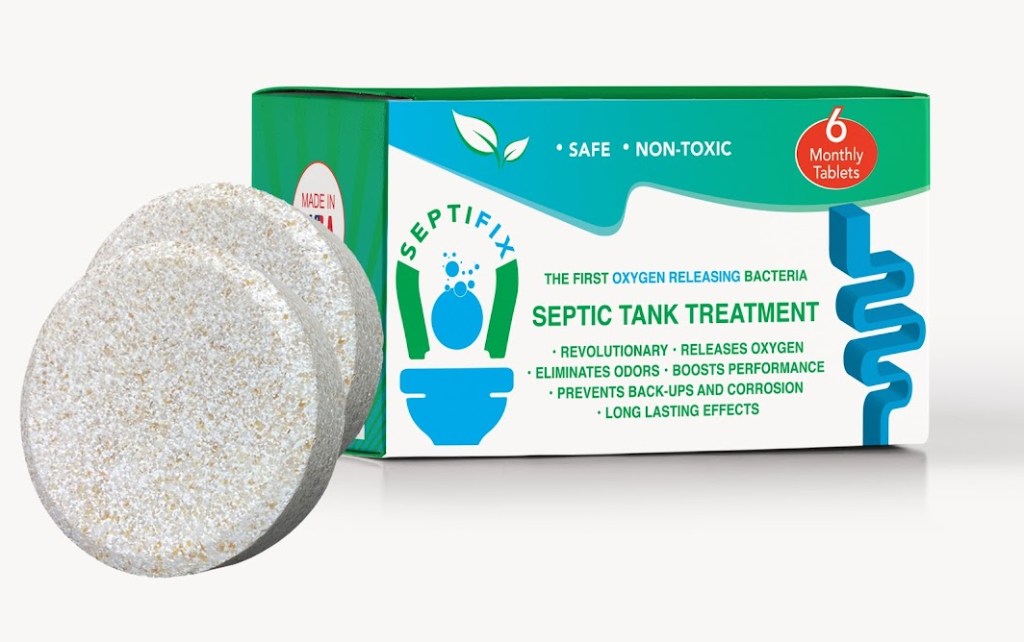
Give your septic system extra support with SeptiFix, an easy-to-use monthly tablet designed to help maintain a cleaner, healthier tank between professional inspections.
Affiliate Disclaimer
Some links in this article may be affiliate links. If you click a link and make a purchase, we may earn a small commission at no additional cost to you.
We only recommend products and services that may be useful for septic system maintenance and care. Affiliate relationships do not affect the information or recommendations in this article.
Additional Septic Tank Treatment and Toilet Paper Resources
From Septic Tank and Treatment
- Septic Safe Laundry, learn how detergent, water use, and laundry habits affect a septic system.
- Septic Tank Pumping, understand why regular pumping helps prevent sludge buildup and backups.
- Issues With Septic Tanks, review common warning signs and causes of septic problems.
- Septic Tank Riser, learn how easier tank access can simplify inspections and maintenance.
Trusted U.S. Resources
- How Septic Systems Work, from the U.S. Environmental Protection Agency.
- How to Care for Your Septic System, with advice about pumping, water use, flushing habits, and drainfield care.
- Frequently Asked Questions About Septic Systems, answers to common questions about septic maintenance and system performance.
- Septic System Owner’s Guide, a detailed homeowner guide from North Carolina State University Extension.
Septic treatments should not replace regular inspections, pumping, or professional repairs. Always follow the product label and your local septic authority’s guidance.
Related Posts