Septic Safe Drain Unclog: Clear Drains Without Harming Your System
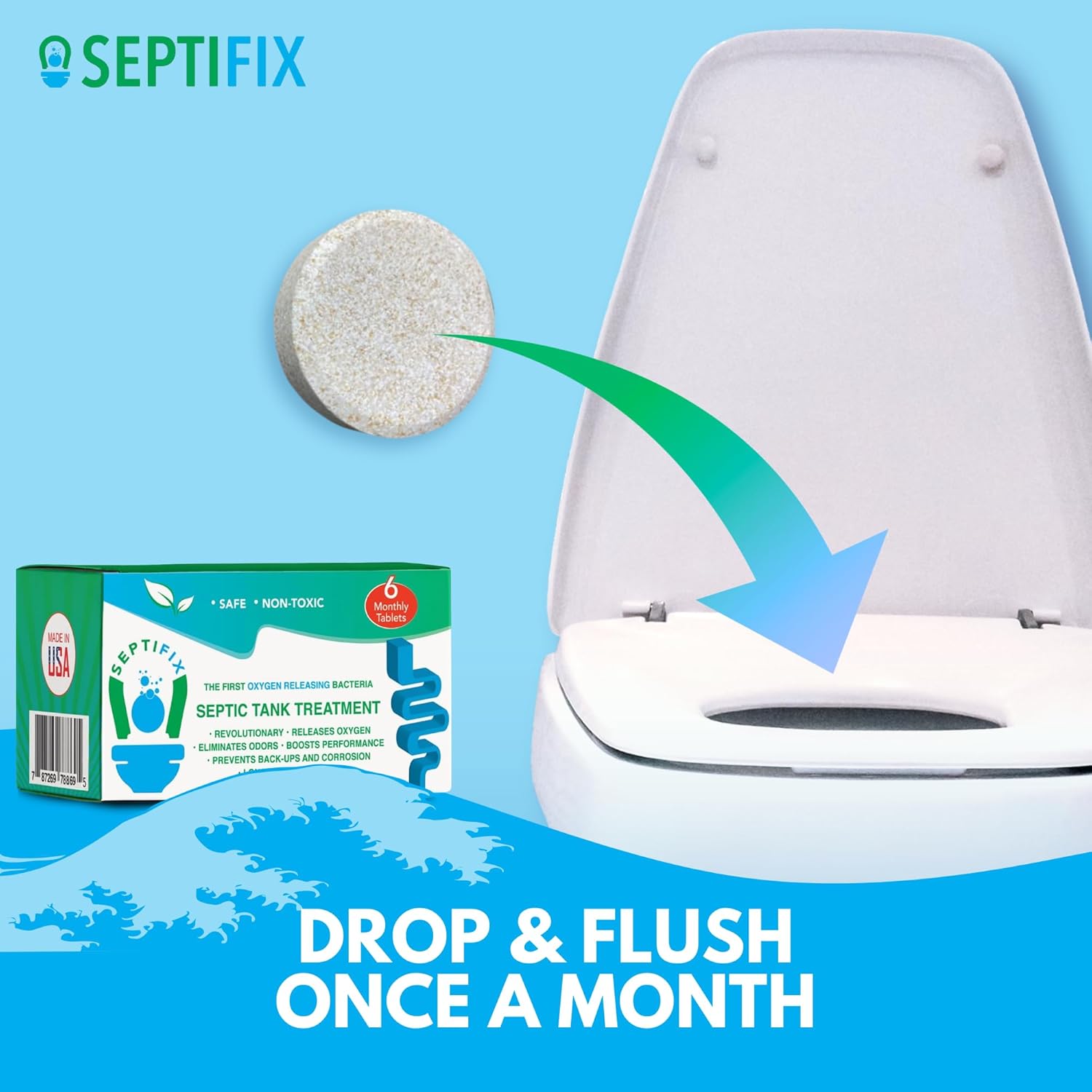
The problem of hair and grease in drains or a slow toilet that forces you to breathe into a bowl. The solution is often obvious – unblock the pipe quickly. However, for those who own a home with a septic tank, it is equally important to be careful as you want to preserve the good bacteria within the tank that keeps your septic system running properly. This is why learning how to safely unplug a drain while using only “septic-safe” products is important for septic safe drain unclog.
Using only basic tools (plungers, etc.), applying gentle heat (hot water), using mild cleaners (baking soda/vinegar) and being patient will help you remove most of the blockages that occur in household drains. Using chemicals to unplug a drain may harm the beneficial bacteria within your septic tank and damage the pipes in your home. You will be able to identify when to use the methods above and when to stop and call a professional plumber.
The following are step-by-step directions on how to use safer products to septic safe drain unclog from your household drains and tips/pointers to help you avoid stress.
How Your Septic System Works and Why It Changes How You Unclog Drains
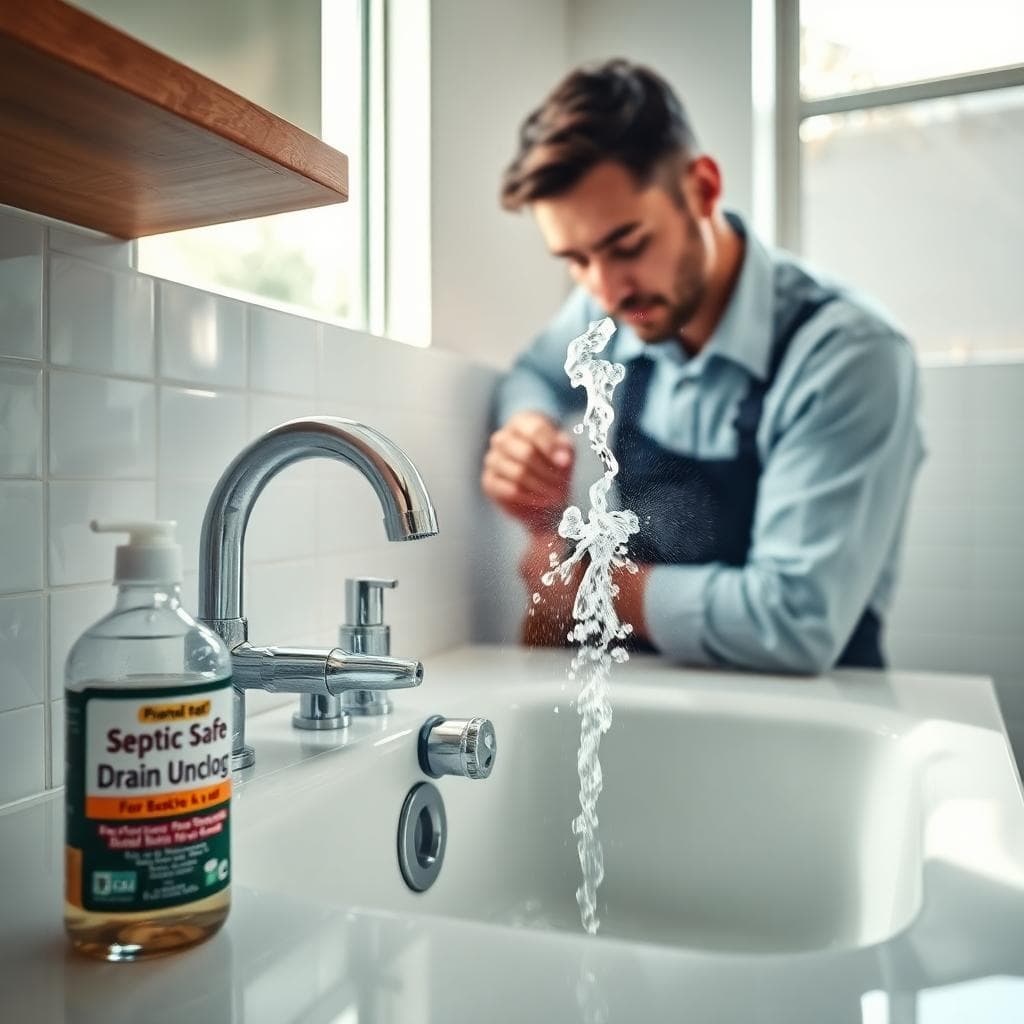
Understand the basic principles of your septic system to create wiser decisions. The design of the septic system may be simple, however, it needs to work in harmony. This harmony begins at the tank and ends with the drain field. Even how you clear a clogged sink impacts your septic system.
Let’s define a few pieces you’ll hear about:
- Tank: The buried container where waste settles and breaks down.
- Baffles: Plates or tees at the inlet and outlet that guide flow and keep scum from leaving the tank.
- Bacteria: Helpful microbes that break down organic waste inside the tank.
- Drain field: The network of pipes and soil that filters and absorbs the liquid leaving the tank.
Chemicals from drains can destroy those good bacteria that help to digest the waste (and possibly push the clog further) and both actions will generate additional problems, and more money spent.
A quick look at how your septic tank breaks down waste
The septic tank is an example of a “slow, gentle” sorting mechanism. The solids drop to the bottom. The fats/oils rise to the top. The bacteria in the middle breaks down the organic waste into a liquid solution known as effluent. Once this effluent leaves the septic tank, it goes to the drain field where the soil provides its last cleaning process. Good bacteria are the stars of the operation.
Why harsh drain cleaners hurt good bacteria
Strong chemical drain cleaners do three things you do not want:
- Kill the bacteria that digest waste in your tank.
- Corrode metal pipes and weaken plastic over time.
- Upset the natural balance, which can cause odors, clogs, and backups later.
Common culprits include lye or sodium hydroxide, sulfuric acid, and hydrochloric acid. They might seem to open a clog once, but the damage they leave behind can snowball.
Simple checks before you try any septic safe drain unclog fix
A quick check can save hours. Look and listen:
- Check the water level in the sink or tub. Is it standing, slow, or completely blocked?
- Listen for gurgling in nearby fixtures when you run water.
- Notice any foul smells from drains or outside near the drain field.
If more than one drain is slow, or you smell sewage, you may have a system issue, not a single clog. Put on rubber gloves and safety glasses, remove standing water with a cup or wet/dry vac if needed, and work carefully.
Clog or septic failure? How to tell the difference
Identify whether your problem is only a local clog or a larger septic problem by identifying the signs below. These are what tell you that you need a professional plumber or septic repairman.
Firstly, how many drains are slow? If it’s only one drain, then it’s likely only a local clog. The more drains that are affected (i.e., the whole house), then there’s probably a problem with the septic system.
Secondly, where do you smell it? Smells from a local clog should be mild and close to the drain that’s clogged. Hair, Grease, etc… build-up can create a smell. Stronger smells spreading throughout the house or yard are typical of septic system problems.
Thirdly, listen. If you hear gurgling noises coming from only one area of the home, that’s probably because of a local clog. Gurgling noises from multiple areas of the home indicate that there’s a pressure issue somewhere within the septic system.

Lastly, check for backups. Local clogs may cause backup in sinks, toilets, etc… However, if you have backups in tubs or showers, that’s typically caused by waste pushing backwards through the pipes due to septic system problems.
Lastly, check the yard. If you notice any wet spots, or overly lush grass above the drainfield, that could indicate effluent is leaking into the ground.
Timing is also important. Clogs usually start immediately after you put something down the drain like hair, grease, etc… However, septic problems will worsen during/after heavy usage (like laundry days) when the tank is overwhelmed.
When you see some of these signs of septic failure, STOP! You cannot fix septic problems with a plunger.
Septic Safe Drain Unclog: Step-by-Step Fixes You Can Do Now
You can clear most clogs with gentle tools and heat. These septic safe drain unclog steps work for sinks, tubs, showers, and toilets without hurting your system. Work in order, give each method time, and move on if it stalls.
Gather tools and a septic safe drain unclogger
Set yourself up first. You do not need fancy gear.
- Tools: cup plunger, flange plunger for toilets, drain snake or hair hook, wet/dry vac (optional), bucket, rags, screwdriver, rubber gloves, safety glasses.
- Supplies: hot water, mild dish soap, baking soda, white vinegar, and an enzyme or bacterial septic safe drain unclogger.
Enzyme cleaners break down organic clogs like hair, grease, and soap scum. They should be labeled septic safe. Read labels and avoid anything with lye or acid.
Sinks and tubs: clear grease and soap buildup without chemicals
Grease and soap form a sticky film inside pipes. Heat and movement break it up.
- Boil water and mix in a small squeeze of dish soap. Pour slowly into the drain in stages. Give it a minute between pours so heat can work.
- Seal the overflow hole with a wet rag. Use a cup plunger and plunge 10 to 15 times with steady strokes. Lift the plunger to test flow. Repeat up to three cycles.
- Still slow? Pour 1/2 cup baking soda into the drain, then add 1 cup warm vinegar. It will fizz. Wait 15 to 30 minutes. Flush with hot water.
- If you can access the P-trap, place a bucket under it. Loosen the nuts by hand or with pliers, remove the trap, and clean out buildup. Reassemble, hand-tight first, then a small snug turn. Do not overtighten.
- If needed, use a small drain snake. Feed it in gently, twist lightly, and pull out debris. Rinse with hot water.
After you have restored flow, run hot water through the lines for one minute. This helps to rinse loose sludge and allows the pipes to breathe again.
How to unclog shower drain septic safe
Showers collect hair. Hair acts like a net for soap and lint. You want to remove the tangle, not push it deeper.
- Remove the drain cover with a screwdriver. Set the screws aside.
- Use a hair hook, zip tool, or needle-nose pliers to pull out hair. Take your time. It is not glamorous, but it works.
- Fill the base with enough water to cover the plunger cup. Plunge 10 to 15 times. Lift and test flow.
- Flush with hot water and a small squirt of dish soap. This loosens the film that traps hair.
- If it is still slow, dose an enzyme cleaner at night. Follow the label for the amount. Do not run water for 6 to 8 hours. Rinse in the morning with hot water.
When you are finished, install a hair catcher. This may be the cheapest thing you buy all year.
Toilet safe unclog: use a flange plunger or a closet auger
Toilets need a bit of strategy. Chemical drain cleaners can damage the bowl and kill bacteria in the tank. Skip them.
- Fill the toilet bowl so that it’s about halfway full with water. This allows the water to help “seal” the plunger as well as push the clog.
- Using an actual flange plunger (plunger with a sleeve) press down to make sure the plunger is sealed against the toilet drain, and then use even motions to plunge (for 15-20 strokes). After plunging, pull on the handle to test. You can repeat this process up to 3 times.
- If the above method doesn’t remove the clog, use a closet auger (also known as a snake). Insert the tip of the closet auger into the toilet outlet, turn slowly (crank), and feel for resistance. Once you’ve located the clog, hook the clog and either pull it back or continue to feed it through. Don’t force the auger if it seems like it is stuck.
- Don’t pour hot water (or boiling water) into the toilet bowl. If you want to use heat to help loosen the clog, try using warm water instead of hot or boiling water.
What Not to Do: Protect Pipes and Septic Health
When you’re angry, you’ll be more tempted to take a shortcut than you will at any other time. However, some of these methods may only work once before they create a larger problem.
Skip caustic and acidic chemical cleaners
Avoid drain products that list lye or sodium hydroxide, sulfuric acid, or hydrochloric acid. They can:
- Kill the bacteria your tank needs to digest waste.
- Weaken metal and plastic pipes.
- Trap you in a cycle of clogs and odors.
Some foaming cleaners may also be harmful to the bacteria. Choose septic safe enzyme products instead.
Do not pour bleach or strong disinfectants down drains
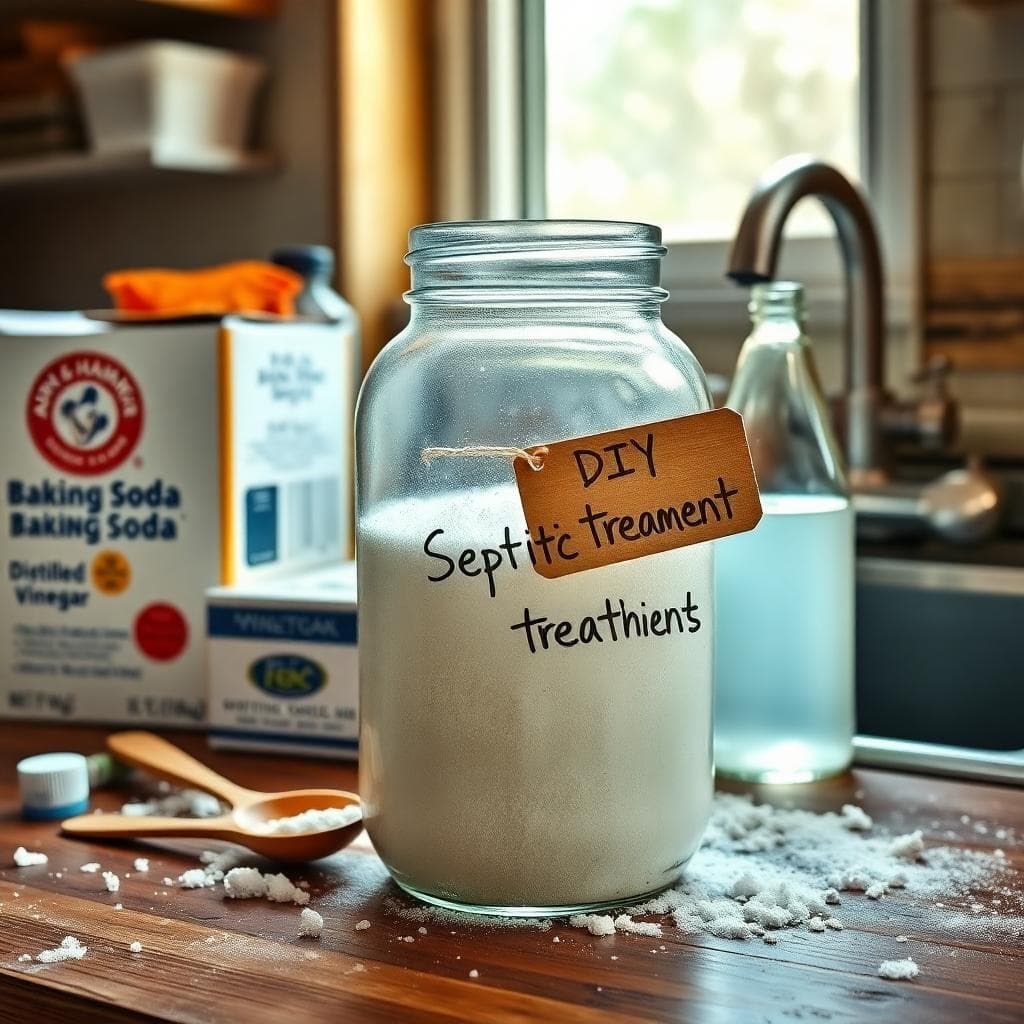
Bleach is helpful for laundry stains but is hard on your tank, where it kills good bacteria. A small amount will help clean your sink but not a clogged drain. Never mix bleach with vinegar or ammonia as the vapors can be dangerous. Rinse soaps well and, when possible, keep them out of the septic system.
Avoid aggressive methods that can damage pipes
Gentle wins with drains.
- Skip wire hangers. They scratch pipes and leave sharp edges that catch more debris.
- Do not use oversized power augers in small traps. They can crack fittings and spin seals loose.
- Be careful with homemade high-pressure tricks. Sudden force can blow apart PVC joints.
- When reassembling a P-trap, do not overtighten nuts. Hand-tight, then a small snug turn is enough.
Patience beats brute force.
When home fixes will not work and you should call a pro
Some problems point to the system, not the sink.
- More than one drain is slow.
- Sinks or toilets gurgle when you run water elsewhere.
- You smell sewage indoors or outside.
- Water backs up into tubs or showers.
- You see wet spots or lush green patches over the drain field.
- Clogs return within days.
Call a professional (licensed plumber/septic technician). Use a camera inspection service to check for any major issues such as; cracks in the pipe, roots growing into the pipe, or large clogs in the sewer line. Using a professional snake service for your home’s plumbing system is not only safe for your plumbing but also safe for your septic system.
Keep Drains Clear and Your Septic Healthy: Simple Prevention
The most common drain clog problems can be avoided by making some minor adjustments to how you take care of your plumbing system. The objective is to develop good habits that will continue to help you.
Daily habits that stop clogs before they start
- Wipe greasy pans with a paper towel and toss it in the trash.
- Catch food scraps and put them in the compost or trash.
- Keep coffee grounds and eggshells out of the sink.
- Do not flush wipes, cotton swabs, or feminine products. Even if the package says flushable, they do not break down the way you need.
- After soapy loads, run hot water for a minute to rinse film.
- Space out laundry loads so the tank is not flooded with heavy flows.
These small moves protect both pipes and bacteria.
Simple upgrades: hair catchers, drain screens, and a lint filter
A few cheap tools save you hours of work later.
- Shower hair catcher: Traps hair before it hits the drain. Clean it weekly.
- Fine-mesh sink strainers: Stop rice, peels, and crumbs that swell or stick.
- Lint filter for the washing machine drain hose: Catches lint, hair, and threads. Replace it often.
Each barrier keeps solids out of your pipes and out of the tank.
Monthly and seasonal septic safe care
Think of this like steady upkeep, not a rescue plan.
- If it is labeled as “septic-safe” by the manufacturer, consider using a monthly maintenance dose of an enzyme in your system. Enzymes can aid in maintaining the breakdown of organic waste in your septic system. However, enzymes are not a substitute for pumping your septic tank.
- For seldom used drains, run hot water through them to ensure that they do not become dry (which could cause odors) and create suction (known as a “dry trap”).
- Plan to pump your tank every 3 to 5 years. The right schedule depends on household size, water use, and tank size. If you have a big family or a small tank, you may need to pump sooner.
Keep records. A simple note in your phone works.
Quick checklist you can follow
- Empty and clean strainers weekly.
- Pull hair from shower covers weekly.
- Hot water flush monthly for each sink and tub.
- Enzyme maintenance monthly if needed and labeled septic safe.
- Inspect P-traps each season for signs of seepage or buildup.
- Mark your next pump date and keep a folder or note with service records.
Stick this list on the fridge. Make it easy to win.
Conclusion
You can remove clogs and preserve your septic at the same time. When you use gentile tools and warm solutions or heat and septic-safe products to remove clogs, you will allow the good bacteria in your septic to remain intact as well as repair the immediate problem.
Hot water and a plunger are the best tools to start with. If you are still having problems after that, try using baking soda and vinegar together (a natural cleaner), or use an enzyme-based product (a biological cleaner) to dissolve grease, food particles etc.
Pay attention to the signs of a more serious system issue (i.e. slow draining toilets; gurgling sounds coming from drains; etc.) and if you find any of these warning signs, it is best to have a professional inspect and service your septic system.
Stock a drain cleaner that is specifically designed to be septic safe. Install hair catchers on all drains. Follow the checklist and you will prevent clogs in your drains, maintain a balance within your tank, and maintain peace in your home.
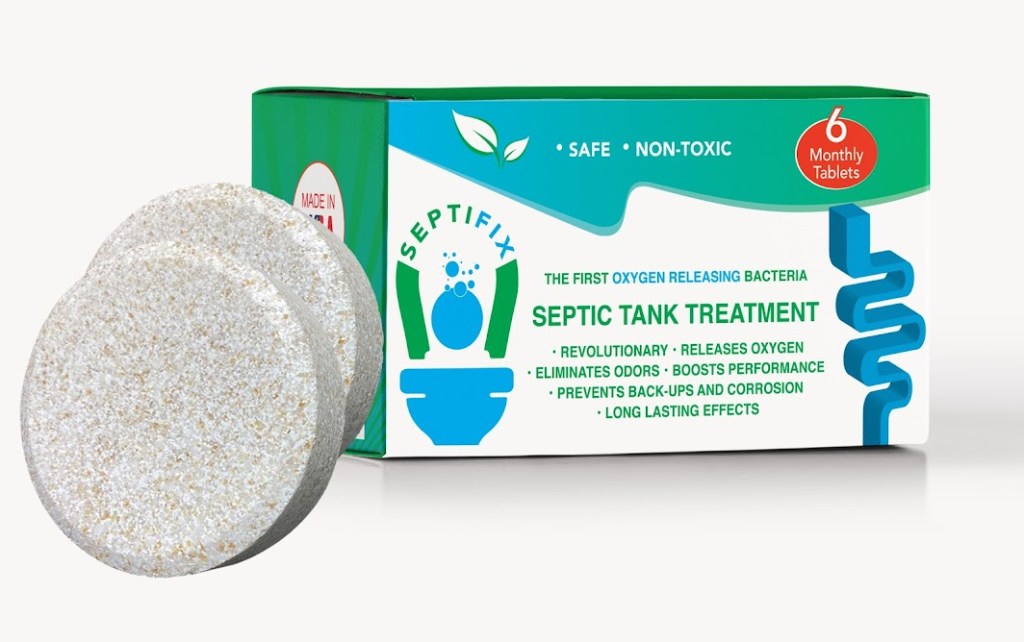
Give your septic system extra support with SeptiFix, an easy-to-use monthly tablet designed to help maintain a cleaner, healthier tank between professional inspections.
Affiliate Disclaimer
Some links in this article may be affiliate links. If you click a link and make a purchase, we may earn a small commission at no additional cost to you.
We only recommend products and services that may be useful for septic system maintenance and care. Affiliate relationships do not affect the information or recommendations in this article.
Related Posts