It’s Been 3 Years? Your Septic Tank Needs Treatment ASAP
Now if it’s been over 3 years since your septic tank was serviced, Your Septic Tank Needs Treatment Now. Don’t wait until next month, don’t wait until you have time – Service needs to be done now. When I say service now, I mean treatment. This includes pumping out your tank completely, inspecting it carefully for any issues, and making any necessary repairs to prevent major problems down the road.
I had a good example of why you should treat your septic system seriously from last fall. My neighbor decided to “wait one more holiday” and 2 weeks later he had a tub filled with water and his guest bedroom smelled like rotten eggs. A small pump-out and repair job would have cost him $300. His total bill ended up being over $4,000.
This guide will give you some simple ways to check for trouble, what you can do this week, and help you avoid costly surprises. By the end of this guide you will have a solid plan in place to schedule service, keep your yard safe, and create a maintenance schedule for your home. This is written as a regular person in real life situations. Please go ahead and schedule service this week.

3 Years Already? Signs Your Septic Tank Needs Treatment Now
Many homes find that their septic system needs attention in the third year. While tanks may be filling at different rates, there are many systems which reach a critical point of operation by the end of the third year. At this time, solids have accumulated and scum has formed so as to begin to cause problems within the drain field.
The length of time it will take you to determine when it is time for maintenance on your tank could be just a matter of minutes. Look around your property and see how well your drains are functioning. If your septic system is emitting an odor, then maintenance is needed. One indication of a problem in your septic system should prompt action once your home reaches its third year of operation, particularly if you have high volume use of your plumbing system (laundry, showers, cooking).
Your ultimate objective is simply to identify small problems before they become large ones.
Spot the red flags: slow drains, gurgling pipes, and sewage smells
Start by looking at your tanks from the inside. Run a sink and watch the drain flow.
Slow draining sinks and tubs: you’ll see that water will hang in the basin for a while before it slowly flows down. usually this is an indication of the tank being nearly full therefore the wastewater has no place to go quickly.
- gurgle after you flush: you’ll hear a gurgle followed by a hollow sound. air is trapped in the pipe which may indicate stress on the piping system.
- rotten egg or sewer odor: if you notice a strong “rotten egg” or “sewer” type of smell around your drain or outside where the tank is located, that is a major red flag. gas is escaping when there are excessive amounts of bacteria working overtime or when the venting system cannot handle the volume.
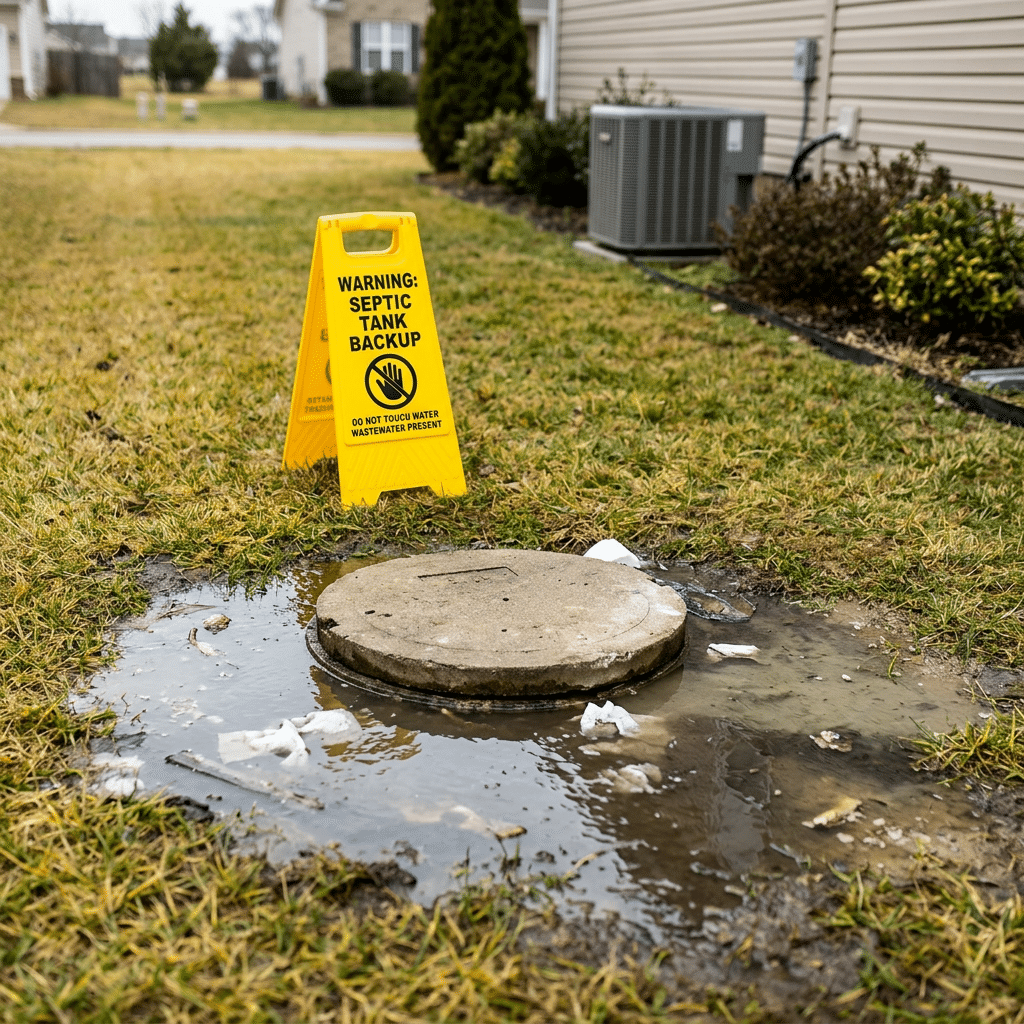
- back-up of wastewater: regardless of how little water you used, if you have some form of back-up into a tub or basement drain, stop using water and call a professional immediately.
- wet or spongy areas in the yard near the drainfield: patches in the yard that remain wet or spongy, even during dry spells, indicates that the drainfield is overwhelmed.
- bright green grass along the drainfield: while lush green grass along the drainfield area is attractive, it typically indicates that effluent is rising through the soil and nourishing the grass.
There are many things that can be done right now to make a positive impact. limit the amount of water you use, space out your laundry, avoid long baths and do not use harsh chemicals on your drains. Even one sign after three years is enough to say your Septic Tank Needs Treatment right away.
Why the 3-year rule fits most homes
Each tank will have its own characteristics that affect how long it will take to clean, however; there are a few basic things that will allow you to estimate when you should call a pro. These include the amount of space in the tank, the number of individuals using the tank and their individual patterns of use.
- For example, a tank that holds 1000 gallons and has between three to four users typically will need cleaning approximately every 3-4 years.
- If you have a garbage disposal it will add both solid and grease into your septic system which may result in needing to be cleaned prior to the estimated 3-4 year timeframe.
- Additionally, having guest(s), renting your home and/or doing laundry frequently will speed-up the accumulation of substances in your septic system.
Depending upon where you live, local codes may require an inspection at certain intervals (i.e., annual). Additionally, some counties monitor the pumping of tanks and will request documentation from homeowners of previous pumping services performed. If you are unsure as to whether you need to have your tank serviced, review any available service records for the tank.
A professional can utilize equipment that allows them to measure the amount of sludge and scum present within the tank, then inform you if cleaning is required.
If you wait, you pay: backups, ruined yards, and big repair bills
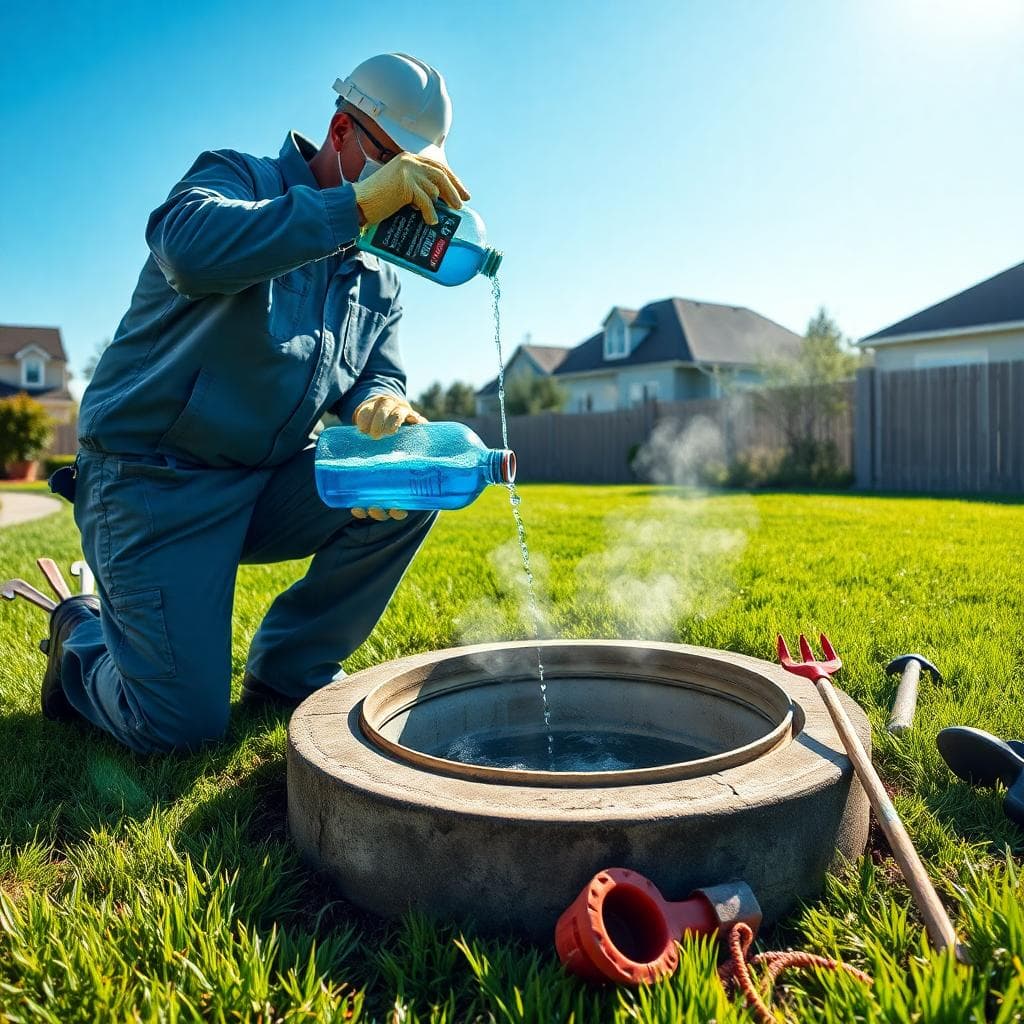
“Waiting allows stress to become costly.” Waiting also causes back-ups to damage flooring. “Waiting” also creates odors that remain inside of homes. Additionally, waiting will allow bacteria to infect family members who have contact with wastewater.
Here is what the money side often looks like, based on common ranges:
Costs for service and/or repairs are typically as follows:
- Pumping and inspection (typical cost): $300-$700.
- Broken baffle or lid repair: a few hundred dollars
- Drainfield repairs: $2,000 to $8,000
- Full drainfield replacement: $8,000 to $20,000+
The fastest pump-out and inspection will help protect your health, yard, and home value. The faster you act, the lower your costs will be.
What Treatment Really Is: Pumping, Inspection, and Safe Additives
Septic tank treatment is not a mystery. The core is simple. Pump the tank, inspect every critical part, and make small fixes. Additives can support bacteria in some cases, but they do not replace pumping.
Think of this as a checklist you can use when you call.
Book a complete pump-out and inspection
What does an effective site visit look like, from start to finish?
- Find the lids. If the lids are under dirt, they can either do some digging or use your riser system.
- Take measurements of sludge and scum. It will tell you how much room is left in the tank and help you determine your next service date.
- Empty each compartment. The majority of tanks are multi-chambered, so both chambers must be pumped out.
- Do a light rinsing if instructed. Most crews do a little water to make the solids move. However, they should not pump residue back into the ground.
- Verify the integrity of your baffles, tees, etc., and that all are functioning properly. The above components are designed to keep solid waste from entering the drain field. All damaged portions should be immediately repaired.
- Examine the tank walls and joints (seams) for signs of cracking or root penetration.
- Check the outlet pipe to the drain field for obstructions which could prevent proper drainage and lead to backup issues.
- If you continue to experience back-ups, an optional camera inspection may be performed to determine if there is a clog or break in the piping.
Time spent at the property will typically take approximately 60 to 120 minutes. Pricing will depend upon size of tank, tank depth, distance to the location, accessibility, and/or whether you have to dig to get to the lids. Please request photo documentation and/or a written report of services performed and save it so you will know when to schedule the next servicing appointment and what parts were replaced.
Additives you may use, chemicals to avoid
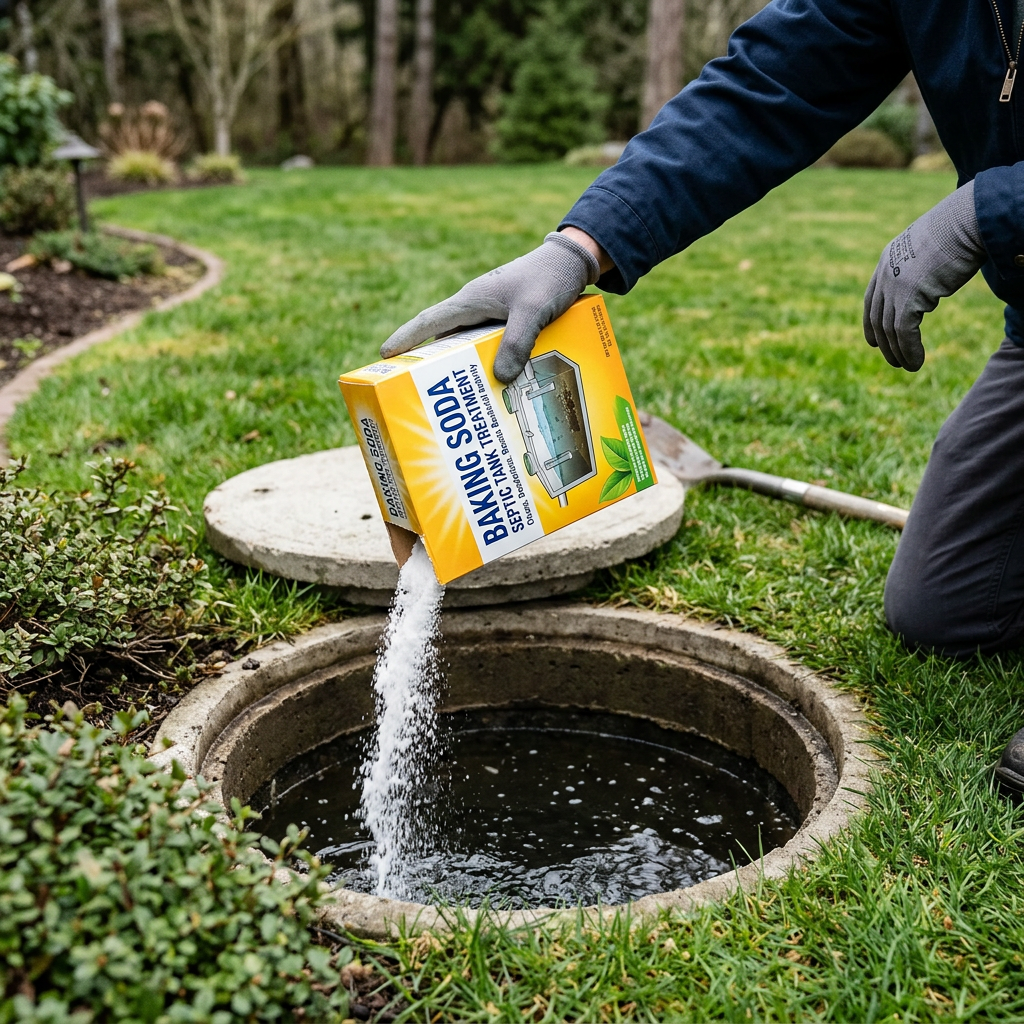
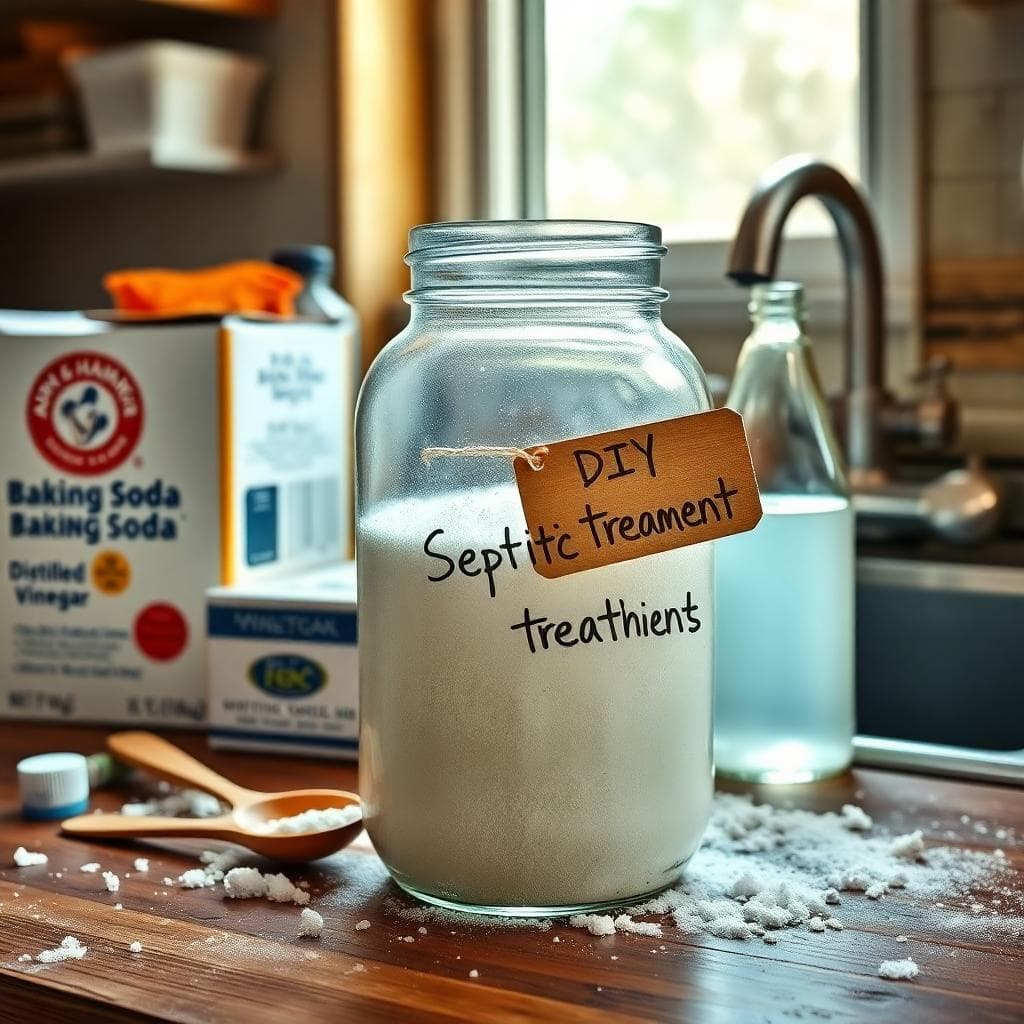
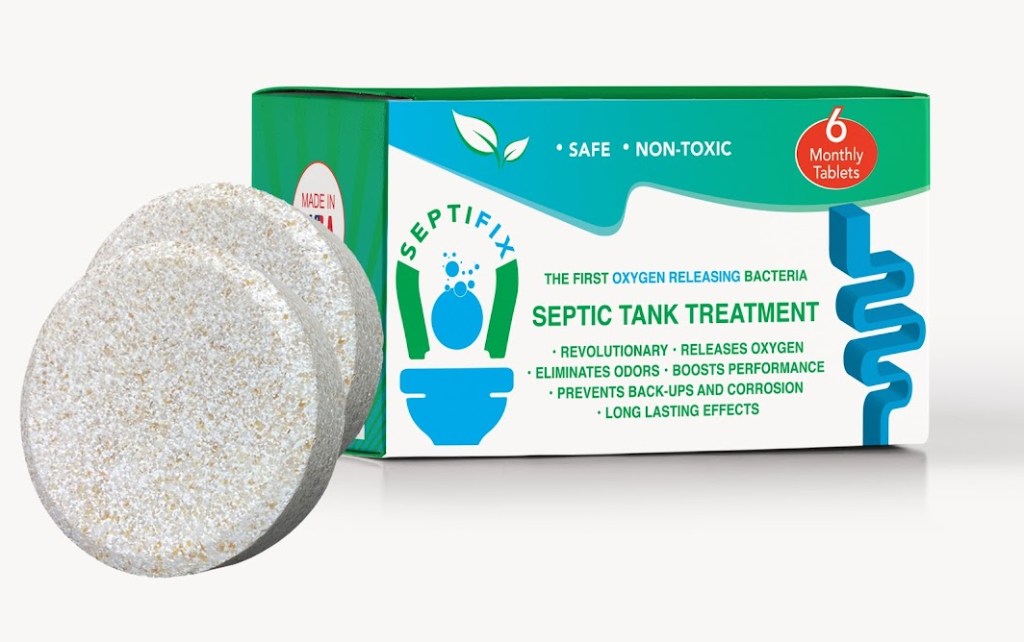
You cannot replace pumping with an additive — that is the law. If you decide to use additives then you have to select a “septically safe” biological product and follow all the labeling.
Do not use strong chemicals. A high amount of bleach, and/or the use of a caustic drain opener, and/or a cleaner made from solvents will destroy beneficial bacteria or cause solids to be pushed further into your field. Do not believe the myth that by adding yeast or meat scraps to your tank you can help it. They may actually hurt your system.
Before using any product check your local regulations. In many jurisdictions, they are far more concerned about what gets into the water table. The best way to correct issues with your septic system is through regular pumping, and proper practices.
Quick DIY steps to protect your system today
Small moves lower stress on your system while you wait for the truck.
- Space laundry loads over the week.
- Fix running toilets and drips.
- Take shorter showers and avoid marathon baths.
- Scrape plates into the trash, then rinse. Cut disposal use.
- Use septic-safe toilet paper.
- Never flush wipes, feminine products, or grease.
- Keep vehicles and heavy items off the drainfield.
- Divert roof and gutter water away from the area.
- Mark lids for faster future service.
These steps buy you time, reduce risk, and build strong habits you can keep.
Act This Week: How to Book Service and Prevent Future Problems
You don’t need a flawless plan; you simply need to have an idea as to what your next move will be. Identify several professionals to contact, take some time to get your property ready for sale, create a basic sales calendar, and consider that by the month of November, you are competing with the holiday season and impending cold weather.
Your ultimate objective is to acquire a sense of comfort prior to visitors arriving and the onset of winter.
Call 3 local pros and ask smart questions
Use a short script and compare answers. You can say:
You: “Hi, my tank is due for service. I need a pump-out and full inspection. Can I ask a few questions before booking?”
You: “Are you licensed and insured? What is your price to pump a 1,000-gallon tank (including disposal)? Is there an additional cost for locating and digging up lids? Do you take pictures of sludge and scum measurements, and will you provide a written report with those photos? Will you inspect baffles and the effluent filter? Are you able to do a camera inspection if that’s needed? When is the earliest time you could come by, and how much would it be to have you come out in an emergency? Do you take care of any permit requirements as part of your services?”
If you get clear, timely, and competitive answers from one company compared to others — trust your instincts. Don’t waste your time asking a company questions they don’t want to answer.
Get your property ready for the truck
Prevent delays by making your visit run smoothly. When there is an easier way to get into your home, it will likely cost you less and take crews less time to complete the job.
- Get your vehicles out of the access route to the cleanout.
- Lock up all exterior doors and make sure to keep pets safely inside.
- Clear any branches or other items that may be obstructing the cleanout lid or access point.
- Identify where the cleanout tank and cleanout lid are located (if you have previously been through the cleanout process).
- Verify that the company’s trucks can fit in your driveway.
- Ask what type of parking restrictions may apply at your location (e.g., heavy truck restrictions).
- Schedule your appointment early if possible, especially during the colder months so that lids do not freeze into place.
- Be prepared to provide a garden hose if asked for one by the technician.
A little prep can save 30 minutes and a lot of frustration.
Lock in a 2 to 4 year maintenance plan
Write a schedule for your family. Keep it as simple as possible. Write it down.
- Generally 1-2 people will need their septic system inspected every 4-5 years.
- Generally 2-4 people will need their septic system inspected every 3-4 years.
- If you have multiple people in the house or if you dispose of waste heavily, or if you have a large number of people in the house, generally you should be inspected every 2-3 years.
Write down when your inspection is due and how many gallons were pumped out at each pumping. Write down any repairs made to the pump or tank. Save the service report from your inspector somewhere you can easily access it. Ask your inspector to check the condition of your effluent filter on an annual basis and to clean it annually.
When you plan ahead, you will always know when your Septic Tank Needs Treatment again.
Holiday and cold weather tips for November
If you are expecting holiday visitors, schedule service to be performed prior to their visit; your septic system will appreciate it. Take advantage of staggered showering and washing. Do not put food waste on your plate and do not pour grease or gravy down the drain.
If you live in an area where it is very cold, wrap your tank lid in insulation using a thin layer of mulch. In addition, do not let hoses drip onto the tank. If you are unsure how to perform winter maintenance on your system or if there is potential for snow or ice to impact access by a professional, ask them what needs to be done. The cost of a few minutes of planning can save you from a Saturday morning emergency in January.
There is satisfaction in closing out the year with a clean and inspected system as well as a savings of money in January.
Conclusion
You are aware of the risk involved. Look at the signs, schedule a pump out and inspection, do the easy DIY repair, and plan an easy maintenance routine of 2-4 years. If three years have passed, Your Septic Tank Needs Treatment Now.
Don’t wait until clogs in the drains become backups in the floor. Book or call this week for your report and make note of your next scheduled service date. You will be protecting yourself, your lawn, and your money.
Affiliate Disclosure
This article may contain affiliate links. If you purchase a product through one of these links, we may earn a small commission at no extra cost to you.
We only link to products that may be relevant to septic system care and maintenance. However, affiliate relationships do not affect our opinions or recommendations. Always read product labels and consult a licensed septic professional for system failures, backups, or repair needs.
Additional Septic System Resources
The following resources provide reliable information about septic system care and maintenance:
- Why Maintain Your Septic System?
Learn how regular maintenance helps prevent costly repairs and protects your property and local water sources. - How to Care for Your Septic System
Find practical tips for managing water use, protecting the drainfield, and caring for your system. - EPA Septic System FAQs
Get answers about pumping, inspections, septic tank additives, garbage disposals, and common maintenance questions. - Resolving Septic System Malfunctions
Learn what to do if you notice sewage backups, unpleasant odors, slow drains, wet spots, or other signs of a failing system.
Septic system rules and maintenance requirements vary by location. Contact your local health department or a licensed septic professional for advice specific to your property.
Related Posts