How Long Should a Septic Tank Last? Real-World Lifespans Explained
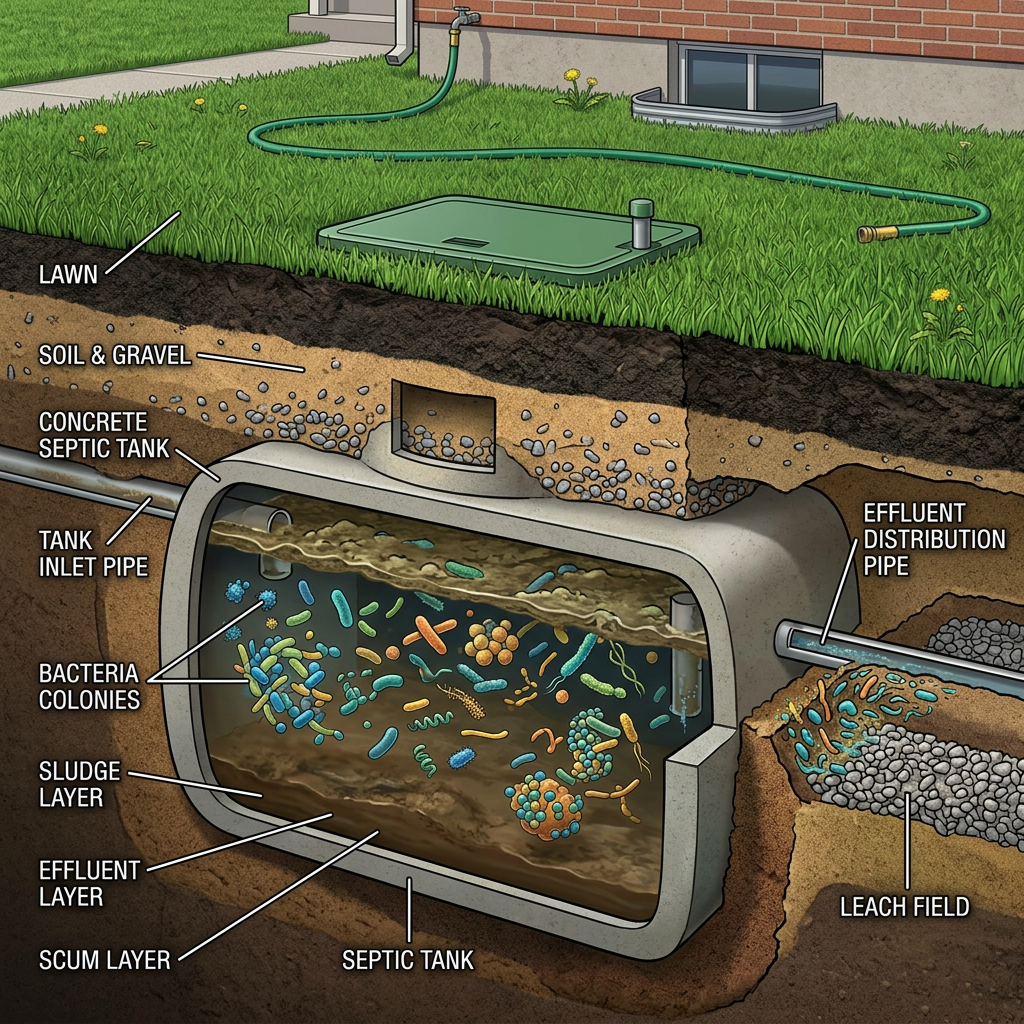
Your septic system has an unseen worker, in your yard, which processes all your household’s waste. A septic tank is a buried vessel (tank) that stores and separates waste prior to its flow into a drain field within the soil. The goal of this article is to provide information to homeowners with a septic system, potential rural homebuyers, and to landlords who want to extend the life expectancy of their systems.
How Long Should a Septic Tank Last?
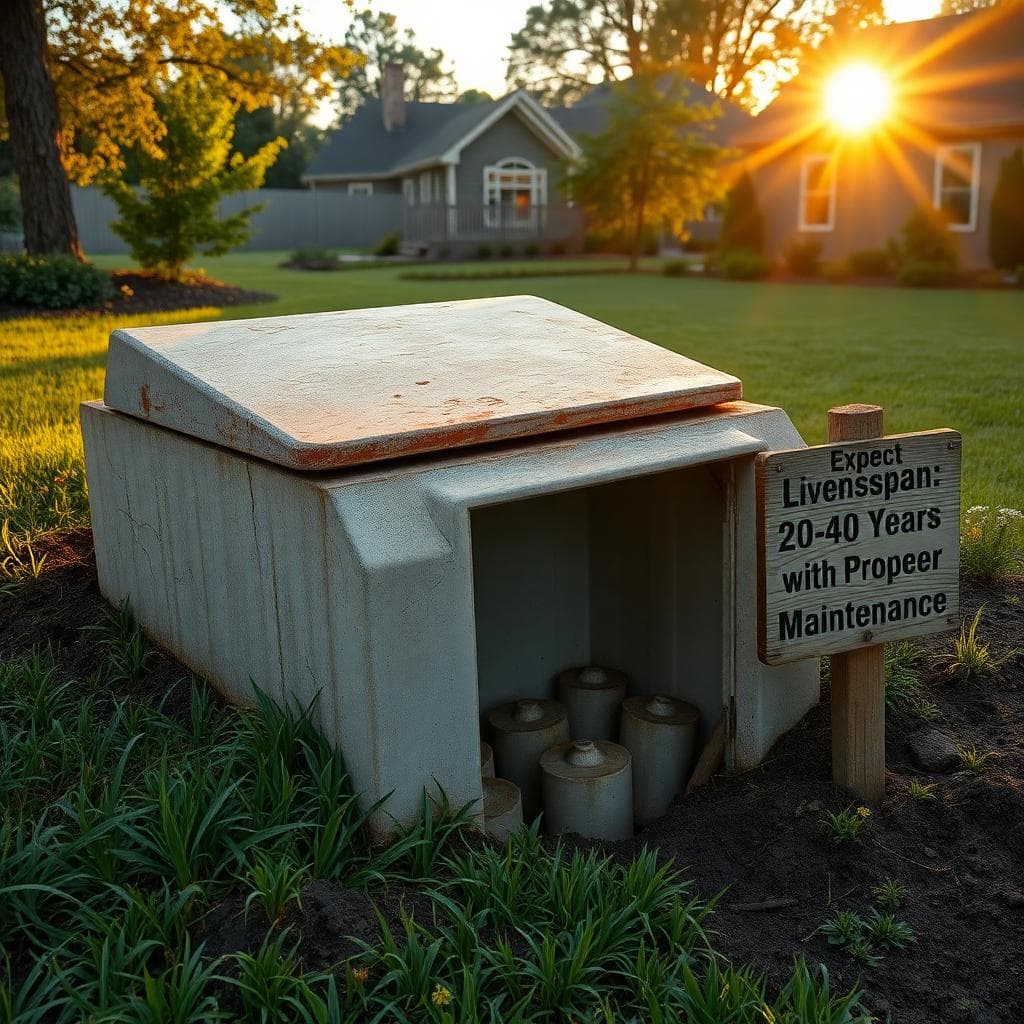
In simple terms, most septic tanks will last between 25 to 40 years. With good care some tanks may last longer than 50 years, however, if a system is improperly installed or abused, it will typically fail far earlier.
This article outlines factors affecting septic tank longevity, symptoms of failing systems, and ways in which good habits and septic tank treatments can be used to maintain the health of your system, thereby extending its working life expectancy.
How Long Should a Septic Tank Last in Real Life?
For most homeowners, there isn’t one specific “average” septic tank age, and some will work just fine for 25-40 years while others may have an extremely short or long life.
Factors such as the type of tank, quality of installation, local soil conditions, climate and how a home is used for water, all play into the longevity of a septic tank.
While individual experiences vary greatly, here’s a comparison of typical lifespan for each type of tank:
- Concrete tanks typically offer the longest lifespan. Concrete tanks can live between 30 to 40+ years as long as they were installed correctly and receive regular pumping.
- Poly (plastic) tanks are made of durable materials that prevent rust and corrosion. Poly tanks should last anywhere from 25 to 40 years as long as their not under extreme pressure or crushed by shifting soil.
- Fiberglass tanks are lightweight and strong. Fiberglass tanks should provide a similar lifespan to poly tanks as long as they’re installed correctly and don’t experience excessive pressure.
- Steel tanks tend to be much older. Steel tanks can rust and fail within 15 to 25 years, and often times they will fail faster if the surrounding soil remains consistently saturated.
Consider a family who purchases a house with a 20 year-old concrete tank. In this scenario, the previous owner likely had the tank pumped every few years, and treated the tank with care. It’s possible that the new family could obtain an additional 10-20 years of service from the tank. However, if the previous owner(s) did not pump the tank regularly and/or the tank experienced numerous issues, the tank may be nearing the end of its life.
Your septic system is much larger than just the tank. Once the wastewater leaves the septic tank, it is sent to the drainfield (or leach field) for final treatment through the soil. Just because the tank has lived up to expectations does not mean that the entire system is functioning properly. If the drainfield fails, you will begin to experience back-ups and unpleasant odors. This article primarily discusses the septic tank and also discusses how the entire system works together.
Soil and weather at home are important too. For example wet clay soils with lots of ground water or very cold winters will shorten how long your septic tank lasts if it wasnt designed right for those conditions. Soils and weather at home are important too. For example wet clay soils with lots of ground water or very cold winters will shorten how long your septic tank lasts if it wasn’t designed right for those conditions.
Average septic tank lifespan by material and conditions
The table below lists approximate lifespan ranges for various tank types under normal operating conditions:
The approximate life expectancy for various types of septic tanks are as follows. The life expectancy for concrete tanks are from 30 to 40 years plus. The average life expectancy for plastic or poly tanks are 25 to 40 years. The average life expectancy for fiberglass tanks are 25 to 40 years. On average, older steel tanks will last 15 to 25 years.
As noted above, these values represent only averages; poor maintenance may reduce the tank’s life span by as much as half, while good maintenance could extend the tank’s life by tens of years.
Parked vehicles or heavy equipment on top of the tank, can cause cracking of the lid or walls. Tree roots will grow through cracks in pipes or the tank itself. Water accumulation or flooding around the tank will erode soil, move the tank, or allow groundwater to enter the tank.
Use the following items to estimate the age of your tank:
- Local health department documents (permits etc.)
- Previous pump out receipt information
- Your home inspector report at time of purchase
Although you may be unsure when your tank was installed, by using the above clues you may be able to estimate whether your tank is in a youthful stage of life, somewhere in the middle age stage of life or close to the end of its average lifespan.

How long should a septic system can last compared to the tank
Septic systems consist of 2 primary components; the tank and the drainfield where liquid waste seeps into the soil. The 2 primary components don’t always deteriorate at the same rate.
Some times the drainfield fails prior to the tank failing. Sometimes, a steel tank completely rusts out while the drainfield continues to function properly.
A lot of people claim “I’ve got a bad septic tank” when in fact their drainfield is clogged/flooded with wastewater. This contributes to the confusion over the length of time that a septic tank should last.
In a majority of places:
- A tank will usually last between 25-40+ years.
- A total system (tank & drainfield) will typically last 20-35+ years.
There are 2 typical patterns:
- A 30-year-old concrete tank may still be functional, yet the drainfield is no longer capable of absorbing water as it once did. Thus, sewage flows back into the house after rain.
- A 20-year-old steel tank may have rust holes, however the drainfield soil is still in good shape. Therefore, the tank alone may need to be replaced, rather than the entire system.
Maintaining your septic system through responsible practices (i.e., regular pumping, smart water usage), will prevent solids from flowing into the drainfield and extend the life of both components of the system.
Main Factors That Change How Long a Septic Tank Will Last
You cannot change the age of your tank or the soil you live on, but you can control daily habits. These key factors have a big impact on how long should a septic tank last.
Installation quality and tank location
Starting off right means starting off well.
The size of the septic tank matches the number of bedrooms in the house and how much water is used by the residents of the house. A septic tank that is too small will fill up quickly and send an increased amount of solids through the drain field.
All three of these elements (slope of pipes, proper depth, and solid backfill) help to create less stress on the septic tank and its components. The most stressful thing a septic tank can experience is when someone parks their car above it, causing constant pressure, which can eventually cause a crack in the lid or shift the lid.
Do not place your septic tank next to:
- A large tree with deep tap root systems that want to grow towards moist soil,
- Flooding areas or areas where water collects after a storm,
- Heavy vehicle traffic routes (i.e., where trucks regularly travel).
When you buy a house or are installing a new septic system, ask:
- Where is the location of the tank and drainfield?
- Is there a driveway or a lot of traffic above the tank?
- drainfield designed and installed by a licensed installer?
Asking smart questions now can help to avoid premature failure down the road.
Septic tank pumping schedule and basic maintenance
The simplest way to extend the life of a septic tank is regular pumping. There are several ways to determine how often a home needs to be pumped – the most common being every 3 to 5 years. However, there are exceptions. For example, if a home has a small septic tank and has a larger than average family, it may have to be pumped more frequently; whereas, if a home has a large septic tank and is occupied by just two people, it may be able to go longer between pumpings.
If you allow the solids within the tank to remain in the tank for too long without having it pumped, the solids will eventually build up until the thick sludge reaches the outlet baffle and begins flowing into the drain field. At this point, the tank and drain field will experience added stress, which could result in clogging that would either be difficult or impossible to correct.
Pumping is similar to changing the oil in your vehicle. Pumping will help to prevent excessive wear and tear on your septic system.
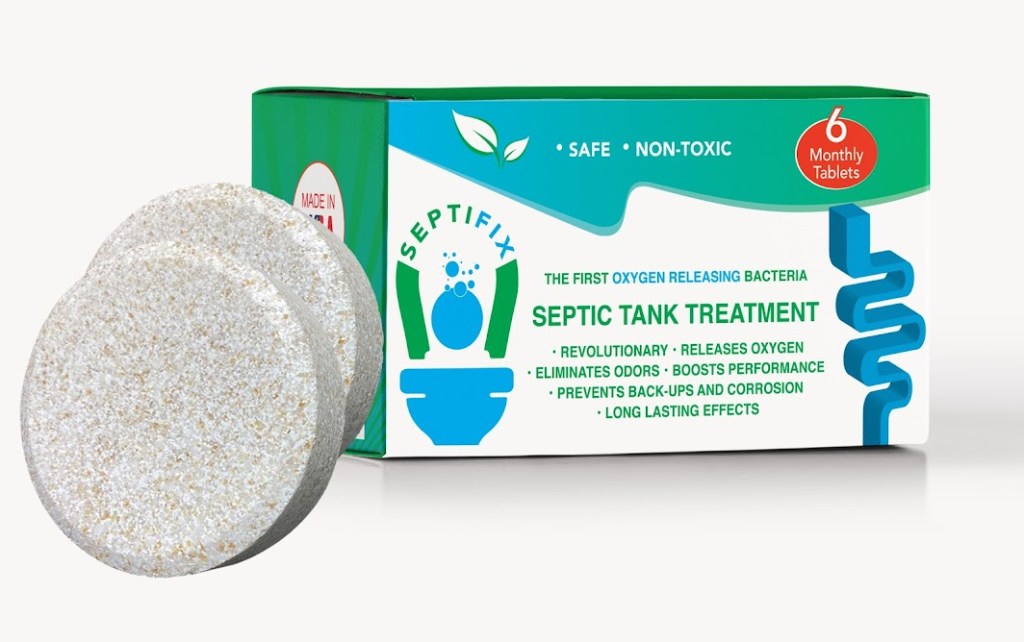
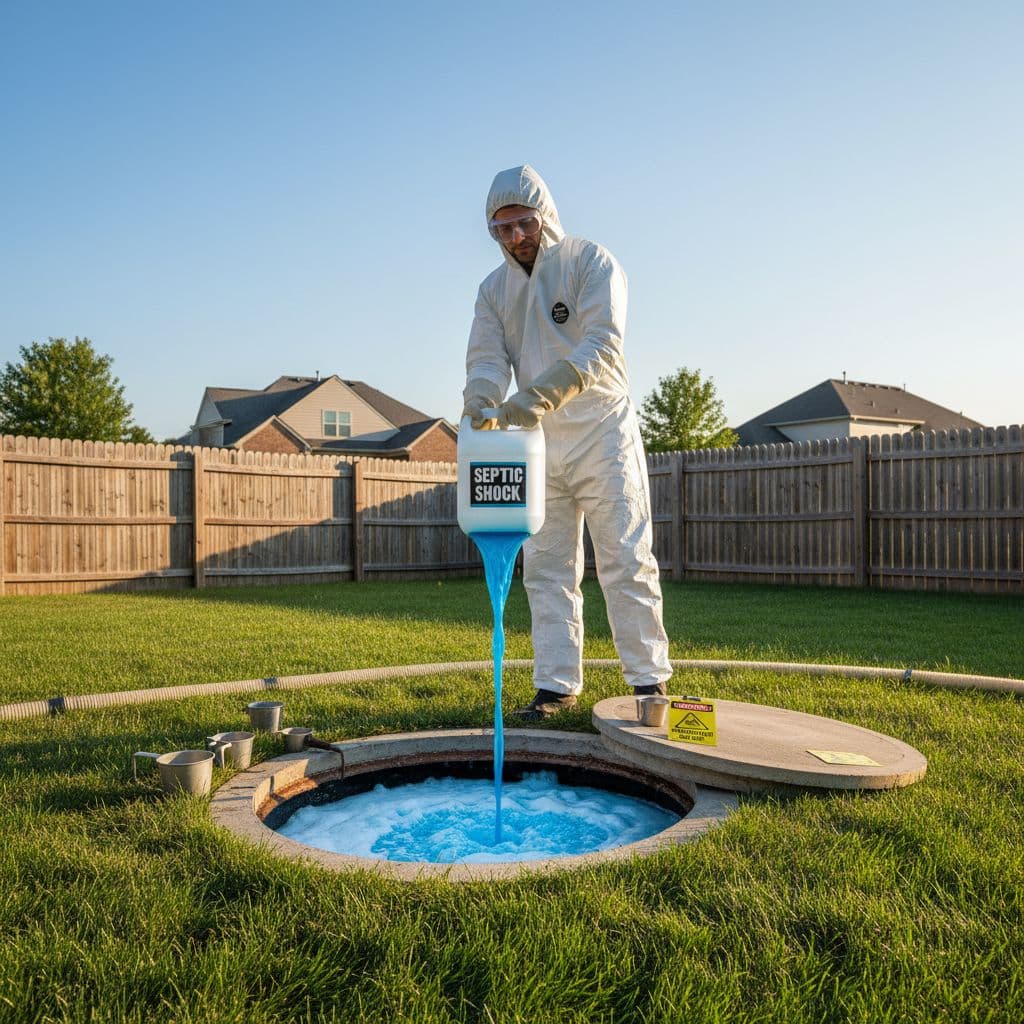
Although the use of septic tank treatments can help promote a healthy bacterial environment, they will never take the place of pumping. If used properly, septic tank treatment products may also help the septic system digest waste more efficiently. Please visit our website to review your septic tank treatment guide to learn about the safe use of treatment products.
You should keep all of your pumping receipts and inspection records together in one file. These documents will assist professionals in determining the condition and life expectancy of your septic tank.
What you flush and pour down the drain
The length of time your tank will last is directly impacted by what you are putting into the tank.
Bad for your Septic System:
• Flushable wipes (including those with “wet wipe” labels) and feminine products, as well as paper towels
• Cooking grease and fats
• Paint, solvents and strong drain cleaners
• These can cause problems including blocking pipes, creating thick scums and killing beneficial bacteria.
• Gentle practices promote longevity in your system. Only flush human waste and toilet paper down your toilets. Instead of rinsing off cooking grease and fat place them in the garbage. Use only mild, septic-safe cleaners, and when using bleach use a small amount.
• Treat your septic system like a living filter that requires care and maintenance. Treat it like a garbage disposal rather than a filter. Families and renters that practice gentle habits allow their tanks a better opportunity to reach the maximum number of years they were designed for.
Soil, groundwater, and climate around your septic tank
Your soil may either assist or detract from extending the life of your tank.
Heavy clay soils retain a lot of moisture and will drain very slowly. Additionally, high levels of groundwater may exert additional pressure upon the tank itself or leak into small openings throughout the tank’s walls.
Additionally, very cold winters may freeze shallowly buried pipes if they have been installed too close to the surface or have insufficient insulation.
While you don’t necessarily need to be a licensed professional engineer (PE) to identify potential issues:
- A soggy, or spongy, yard above the location of your tank or drainfield
- A strong sewage odor immediately following heavy rainfall
- Slow draining during the winter months that improves in warmer months.
Some of the problems listed above may be reduced by good design at the time of installation; however, owners will still need to keep an eye out for warning signs of potential problems.
If you reside in a region with poor drainage or harsh winters, please consider conserving water usage. Space-out laundry loads. Fix leaks immediately. Maintain regular pumping. By taking these small actions you may be able to extend the life of both your tank and system in difficult environmental conditions.

Signs Your Septic Tank Is Near the End of Its Life and What To Do
No matter how well you maintain it, even a well-maintained septic system will eventually fail. The idea here is to catch potential problems as soon as possible and have time to develop a plan of action to fix them, rather than facing an emergency situation where your sewage backs up into your home.
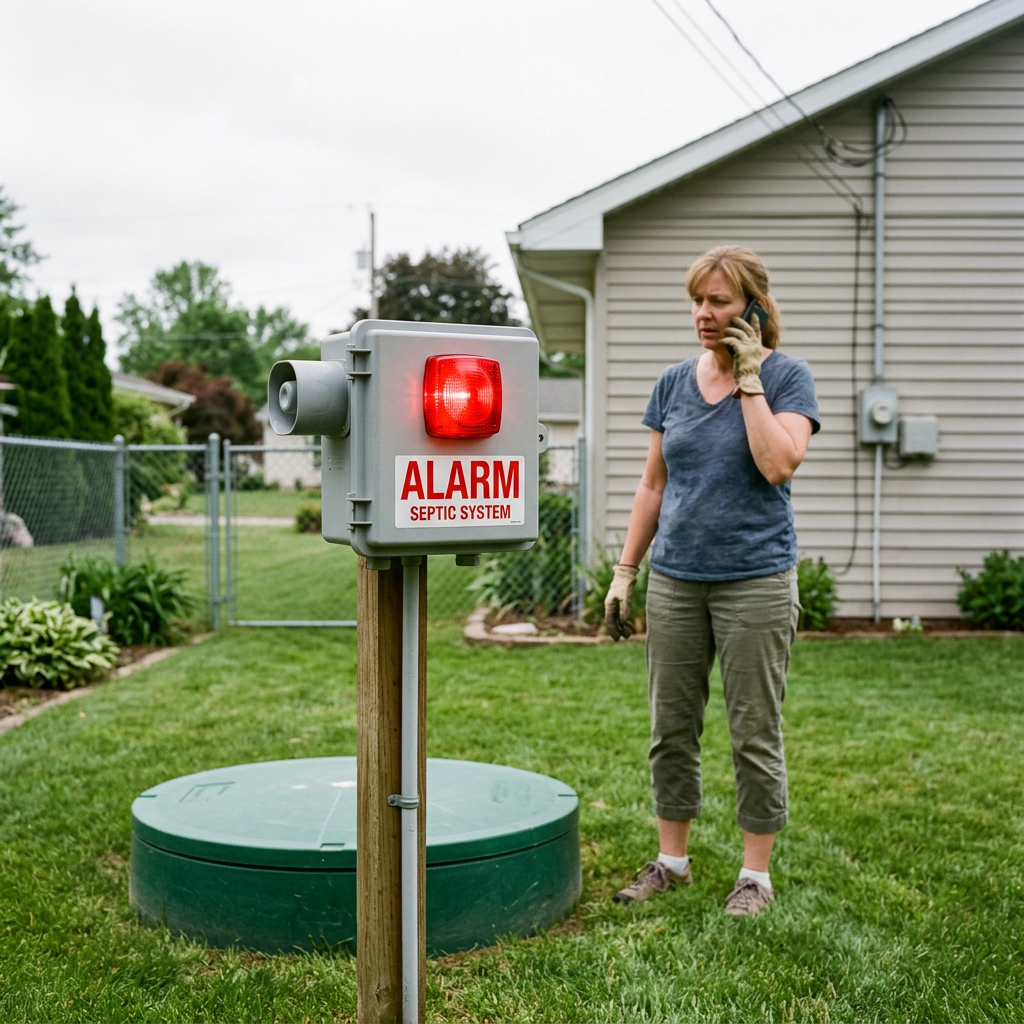
The type of problem that causes the issues with a septic system (tank vs. drainfield) are somewhat indicated by the types of symptoms you see and sometimes indicate that there could be problems with both the tank and the drainfield. If you are unsure about what to do, contact a Licensed Septic Professional. Never attempt to open or enter a tank, as it can be dangerous to you.
If you feel your tank is old, but has not yet failed, implementing tighter habits and using safe septic tank treatments along with frequent pumping may provide you a few additional years of reliable use. Keeping good records will assist both you and your contractor in determining when an upgrade to a new system may be approaching.
Common warning signs of septic tank trouble
In a simple way, here are some things you will want to watch out for.
When your sewage backs up into your bathtub, shower, or floor drain on the bottom level of your home; it could be a big clog, a failed drain field, or the tank is simply too full.
If all of your sinks are draining slowly and not just one particular sink; then you have a problem with your main sewer line, your septic tank, or your drainfield.
If you smell something bad around your septic tank or drainfield area; this indicates that sewage is not going underground where it belongs. If there are wet or soggy areas in your lawn or if your grass is growing faster than normal and greener than usual in your yard where the drain lines are; these are signs that your drainfield has failed and is leaking or is overwhelmed with water.
If you find yourself having to pump your septic system more frequently than normal (e.g., every 1 year instead of every 4 years); this may indicate that groundwater is entering into your septic tank or that your drainfield is not accepting water like it is supposed to.
If you hear “gurgling” noises from your toilets or your drains while running other fixtures; this may be an indication that your system is failing.
Repair, pump, or replace: how to decide what your septic system needs
The right fix depends on what is wrong and how old the system is.
- Normal pumping removes built up solids every few years and is routine.
- Small repairs might include fixing or replacing baffles, riser lids, or short pipe sections.
- Full replacement might mean a new tank, a new drainfield, or both.
The Age of Your System Matters; The History of Your System Matters. A 35 Year Old Concrete Tank That Has Had Multiple Backups and Strong Odors Likely Is Near Its End. Replacing the tank and potentially the drainfield could be your best option for the long run.
A 10 Year Old Plastic Tank That Has Never Been Pumped, Now Shows Scum Build Up At The Outlet, May Only Need a Good Pump Out and Some Habit Changes.
Request At Least One to Two Quotes from Potential Companies and Request a Written Inspection Report. A good septic professional should explain what you are looking at, what is failing, and what can be repaired or maintained.
Conclusion
How long a septic tank should last will depend upon several factors such as; The type of material in which your tank is made of, installation, soil conditions surrounding your tank, and usage on a daily basis. It is difficult to say what a realistic lifespan would be for a typical home but most tanks have an average lifespan of 25-40 years, while some may outlast their expectancy and others may fail prematurely.
You will also benefit from your investment by maintaining your tank through the use of periodic maintenance (pumping), wise water use, and using septic safe products or practices when using treatment products. By being aware of early warning signs and acting before your tank completely fails, you are protecting yourself from the potential financial burden of replacement costs.
As you ask “how long should a septic tank last,” keep in mind that the decisions you make now will influence the answer. A few simple adjustments now could result in additional years of service life to your entire septic system.
Regular care can help extend the life of your system. Follow this septic tank maintenance checklist and use our septic tank pumping guide to plan routine service. If you notice odors, backups, or slow drains, review these septic tank failure warning signs and contact a qualified septic professional.

Keep your septic system on track with Septifix, a simple treatment option that supports regular maintenance and helps you care for your system between professional services.
Affiliate Disclaimer
Some links in this article may be affiliate links. If you click a link and make a purchase, we may earn a small commission at no additional cost to you.
We only recommend products and services that may be useful for septic system maintenance and care. Affiliate relationships do not affect the information or recommendations in this article.
Related Posts