What Happens If You Skip Septic Treatment? Signs and Costs
Your septic system may seem like an invisible worry, but when it starts showing symptoms, they are often too late. A slow draining toilet today could be a muddy backyard tomorrow, or an expensive repair job a month from now.
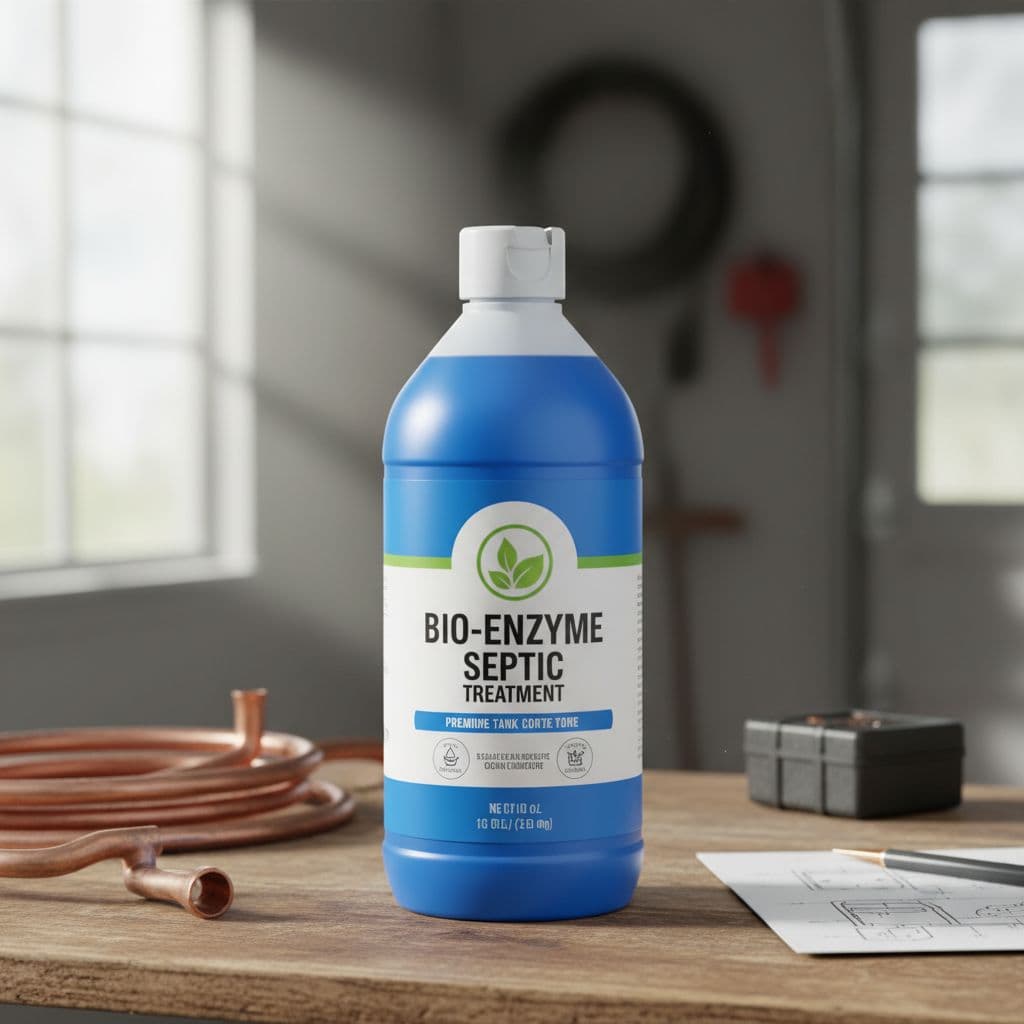
The simple way to think about it is, septic treatment is good for your tanks beneficial bacteria and enzymes, which in turn help keep the bad bacteria and odor producing bacteria at bay. In other words, regular use of septic treatment provides your system with a steady supply of nutrients, however, no septic treatment will replace regular pumping and inspections.
This article will explain the effects of skipping septic treatment if you skip septic treatment, the early warning signs of potential problems, and also compare the costs of maintenance versus repairs for your septic system. This is important because some of the most costly issues such as backups, drainfield damage, etc., can all be prevented through the right maintenance practices.

What happens if you never use septic treatment? How your system breaks down over time
Waste water is fed into the tank. The heavier materials fall to the bottom and develop into sludge while oils and greases rise to the surface as scum; the middle section develops into liquid that goes into the drain field to be cleaned by microbes and soil. Day after day the bacteria in the tank perform the majority of the cleaning job.
The septic treatment adds additional microbes and enzymes to support those bacteria to break down solids and reduce odors and prevent pipe buildup. While a beneficial addition to a living system, septic treatment does not replace pumping and/or inspections and will not correct issues with an overloaded or neglected tank.
Neglecting septic treatment results in the acceleration of potential problems. Mild odors are noticed immediately after taking a shower or doing laundry, drains begin to operate slowly after extended usage, effluent filters clog more frequently and build-up of sludge occurs at an accelerated rate with greater formation of scum. This results in reduced space within the tank for waste liquids which creates turbulent flow conditions causing fine particles to move towards the drain field.
As these solids continue to travel through the drain field they create a thicker biomass or biomat, (the slick, slimy substance lining the trench) than would occur if the solids had been broken down properly before entering the drain field.
A biomat of proper thickness is normal but excessive growth of a biomat prevents water from penetrating the soil, which causes various symptoms such as an abnormal amount of lush growth on the drain field, soggy areas regardless of the moisture level outside, or in extreme cases, sewerage backs up into homes. In addition, if a home has a well, the bacteria and nitrates generated during the breakdown process could migrate into the well’s water supply.
It should also be noted that harsh chemicals can kill the beneficial bacteria. Large quantities of chemical drain cleaners, pouring bleach into the septic tank, and using antibacterial soap daily can all cause problems to your septic system. Wipes, grease and paint also contribute to creating problems with the septic system.
Below are further descriptions of what to expect if you skip septic treatment, how to know when to take action, and what type of assistance is available to resolve your problem(s).
First, what septic treatment does (and what it cannot do)
Regular use of septic treatment introduces beneficial bacteria and enzymes that aid in the breakdown of solid material. It can assist in reducing odors as well as provide clear lines by slowing down sludge build-up when used consistently. The addition of regular septic treatment practices is best achieved through the practice of smart habits such as scraping your dishes, and space washing.
However, there is limitations for the use of septic treatment. Treatment will not break up solid material that is too large for the treatment to break down, it will not remove all of the solid material from the septic tank if it is full, nor can it take the place of the regular (every 2 to 5 years) pumping of the septic tank. Additionally, treatment will not correct any damage to a failed drain field that has already occurred. Always ensure that any cleaning products used are labeled “septic-safe”, and avoid flushing grease, wipes, or paint. All small decisions you make, on an ongoing basis, will contribute to protecting the biological system you depend upon.
Skip septic treatment: what happens in the first year
Unless treated with septic systems, sludge will accumulate faster, and the scum layer will thicken; you might also be able to detect a faint stench of sewers after showering. After a busy water day sinks run slowly for a while before clearing up again the next day; and you’ll find yourself needing to clean out the outlet filter more frequently. These minor annoyances after major usage are your early warning system telling you your system has more work than it was designed for.
After years without septic treatment: clogs, backups, and drain field damage
After years of operation, the fine particulates from the sludge will exit the tank and make their way to the drain field where they will form a large biomat, causing soil pore spaces to become clogged so that wastewater cannot soak into the ground at its typical rate. In addition, the surface of the yard may begin to experience sewage surfacing.
Signs of this stage are obvious. Bands of bright green grass on the drain field area. Puddles of wet or spongy areas that remain during dry weather. Gurgling sounds coming from toilets followed by sewage backing up into bathtubs or floor drains. Bacteria and nitrates can also appear in your well water test. At this point the cost to correct will be expensive and no additives will repair a severely damaged drain field.
When additives will not help and you need pumping or repair
If your redline sign states that you need a Service (not Septic Treatment), please seek professional help. You will know when it’s time to contact a professional with wastewater backup, standing water over the drainfield, sewer odors in the house or your tank is full or has passed full. Always pump your tank according to the number of people living in the home and the size of the tank (typically every two to five years).
If you experience slow draining again shortly after cleaning out the previous clog(s) then it is recommended that you have an inspection done. Do not use chemical drain cleaners as they will kill the beneficial bacteria and also hide other problems.
Septic failure signs you should never ignore
There are three locations where you may find signs of an impending septic failure; within your residence, outside of your home examining the entire system and at your water quality. Every area has indicators as to what action to take. A functioning septic treatment facility is designed to support bacterial growth while preventing accumulation however, there will always be times when you will require a licensed professional to assist with emergency situations. Generally speaking the faster you address a potential problem the less expensive it is going to cost.
In your residence, pay attention to whole-house drain slowdowns, gurgling sounds immediately following a flush, and back-up of sewerage. This indicates a problem with your septic system, not just a clogged single trap. Outside of your home, watch for odors from near the septic tank or the drainage field, soggy spots that do not dry (even though they appear to have adequate sunlight) and excessive growth of the grass in stripes. At your water source, consider testing your well annually. If you ever smell sewage or notice cloudiness in the water, test it right away.
Taking quick actions such as reducing water usage, stopping laundry, spreading out showers and avoiding pumping into the yard or opening up manhole covers by yourself will greatly benefit you. After contacting a septic company, document the date(s) of their visits along with the results. Consider your septic system to be a silent partner which requires consistent maintenance, not emergency rescue services.
Inside your home: slow drains, gurgling toilets, and backups
A single slow draining sink may indicate a clogged drain pipe (a “local” issue) while multiple sinks in a home draining slowly indicates a problem with the entire house septic system. The first warning sign of a potential septic issue is typically when gurgling sounds occur immediately after a toilet is flushed. To determine if there are additional issues at hand try plunging one fixture to see if other fixtures have slowed down as well.
If you find that other fixtures are also slow draining, limit your water usage and seek professional assistance. Any sewage backup into tubs or shower drains or onto floors is considered an emergency situation. Immediately stop all water usage, ensure that children and pets stay out of the affected area and contact someone immediately for assistance.
A septic treatment system is designed to maintain a balance and prevent build up over time and is not capable of cleaning up an active sewage back-up.
Outside: bad smells, soggy spots, or bright green grass over the drain field
Outside warning signs of potential problems with your septic system include wet spots that don’t dry up, bright green algae growing in the ditches, or strong smells coming from around the tank or drainfield. If you see these signs it likely means that the waste is surfacing through the drainfield (or “leach field”) and needs immediate attention.
Do not walk or drive on top of the leach field. Make sure to clearly mark the area so as not to have guests parking in the leach field. Avoid having large, heavy objects, trees or large root systems placed over the drainfield for they can cause damage to your drainfield. Immediately call a professional to check the water levels in the tank and to assess the drainfield’s condition.
Water tests and health clues: cloudy well water, high nitrates, or E. coli
If you are using a well, you should have your water tested at least once per year. However, you should immediately test your water if you smell sewage, notice that the water is cloudy, or experience a backup. Some of the most common types of testing include testing for bacteria (such as E. coli), testing for nitrates, and testing for total coliform. If your test indicates that there is coliform or E. coli in your water, you should cease to drink from it.
To learn what actions you should take after receiving your results, contact your local health department or consult with a licensed professional. In many cases, your county will provide guidance on how to obtain your water tested at an affordable price.

Behavior triggers: big weekend guests, laundry marathons, or heavy rain
A weak system often stumbles during heavy use. Guests, long showers, and back to back laundry loads can push it over the edge. Spread laundry across days, take shorter showers, and fix leaking toilets. Add septic treatment on a steady schedule to support bacteria during high use. Heavy rain can saturate the drain field. If drains slow during storms, cut water use until the soil dries.
What it costs if you never use septic treatment vs a simple prevention plan
Regular maintenance of the septic system seems dull and uninteresting (and possibly unnecessary) until the day you receive the emergency repair bill for a clogged drain field. It will cost much less money to perform regular pumping of the tank, inspections of the drain field, and maintain a small budget for septic treatment then having to pay to replace a failed drain field.
The price for maintaining a septic system varies depending on several factors including where you live, the size of the septic tank, and how easily the technician has access to the system. For example, if there is a buried lid with no riser on the system, it may take the technician longer to locate and service the system, which will add to the overall cost of the job due to increased labor costs.
Consider two paths that are available to you when it comes to maintaining your septic system. On the first path, you would schedule routine maintenance such as regular inspections, and treat the septic system using a monthly or quarterly application of septic treatment, and have the tank pumped on time. In addition, you would address any minor problems as soon as possible.
On the second path, you do not follow this routine maintenance and instead wait until you smell something unusual coming from the septic system, or water begins backing up into the home. The cost associated with maintaining your septic system on the first path is likely to be a few hundred dollars each year.
The cost associated with maintaining your septic system on the second path could be thousands of dollars over the course of a single weekend. By creating a simple plan for regular maintenance, you can help keep your septic system operating at its best, while minimizing the amount of stress that you experience when dealing with your septic system.
Typical maintenance costs: pumping, inspections, and septic treatment
Here are common U.S. price ranges.
- Pumping, 1,000 to 1,500 gallons: $250 to $600
- Effluent filter cleaning: $75 to $200
- Inspection: $150 to $400
- Septic treatment: $5 to $20 per month, or $20 to $60 per quarter
- Basic well water test: $30 to $100
Adding risers and secure lids makes future service faster and cheaper. Techs can find and access your tank in minutes, not hours.
Emergency and repair costs you can avoid
Septic emergencies are expensive quickly. The emergency pump-out of a clogged system may range from $400 to $1,000, depending on the location and how far the technician needs to travel. Line jetting (the use of high-pressured water jets to clean lines) will typically run between $300 and $800.
Repairing baffle or tee sections of the septic system is usually in the $200 to $600 price range. If it is possible to restore your existing drain field, this will likely be in the $1,000 to $5,000 price range. Replacing the entire drain field could cost anywhere from $8,000 to $25,000 or more.
Cleanup after an indoor backup (such as when sewage flows into your home), including carpet cleaning and/or removal of damaged flooring and repair of walls with drywall, will usually cost at least $500 to $2,500. Other costs for landscaping and cleanup also exist.
Most homeowner’s insurance policies do not cover damage caused by septic failure. Keeping your septic system pumped regularly and using a consistent routine for treating your septic system can greatly decrease the likelihood that you will have to pay for any of the above costs.
Hidden costs: health risks, fines, and property value hits
Counties may assess fines against homeowners if their systems fail. Fines can be as low as $100 to as high as $1,000 or more. If you are renting out a house, losing booking days while making repairs can be costly. A failed system in a home may cause an appraiser to reduce its value. Medical bills due to contaminated water from a failed well will add up, as will the cost of bottled water. Protecting yourself, your neighbors, and local waterways by preventing contamination will protect your family.
Your 12 month septic care plan that saves money
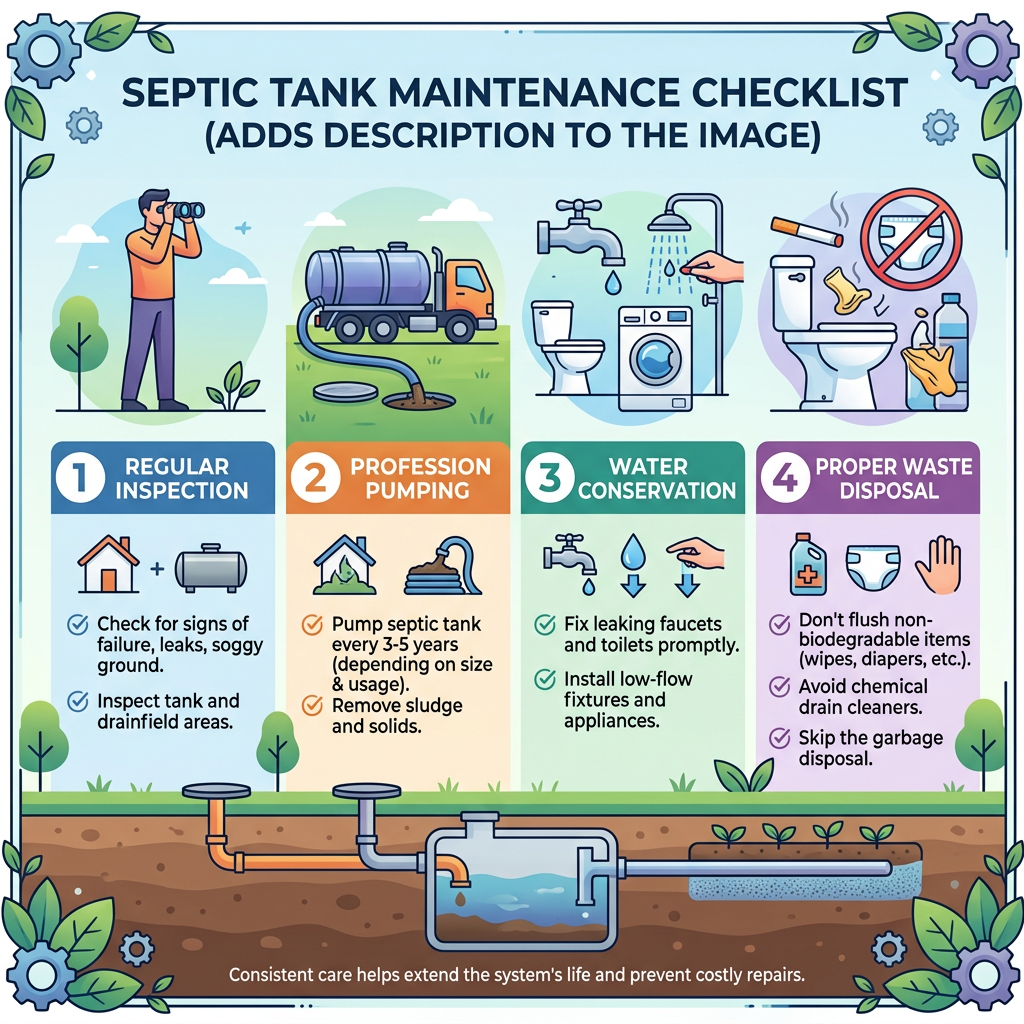
Use this simple checklist.
- Flush only toilet paper. Keep wipes, floss, and hygiene products out.
- Scrape plates into the trash. Keep grease out of sinks.
- Fix leaks fast. Space out laundry and showers.
- Use a quality septic treatment on a set schedule.
- Check and clean the effluent filter twice a year.
- Keep records of pumping, inspections, and products used.
- Plan pumping every 2 to 5 years based on household and tank size.
- Know where your tank and drain field are. Keep vehicles, sheds, and deep roots away.
- Test well water yearly, or right after any backup.
A few steady habits make your system last longer and work better.
Conclusion
If you skip septic treatment system promotes rapid sludge build-up, puts stress on your septic tank, and increases the potential for drainfield clogs or backups. The warning signs are often small in the beginning, such as slow drains throughout your home, gurgling toilets, soggy patches in your yard, and unusual odors. Taking these small measures today can prevent large repair bills in the future.
Schedule a pump service, initiate a basic routine to maintain your septic system, and take a look at your yard this week. Take a walk around your yard to see, hear and respond to any potential problems early. Your future self will thank you.
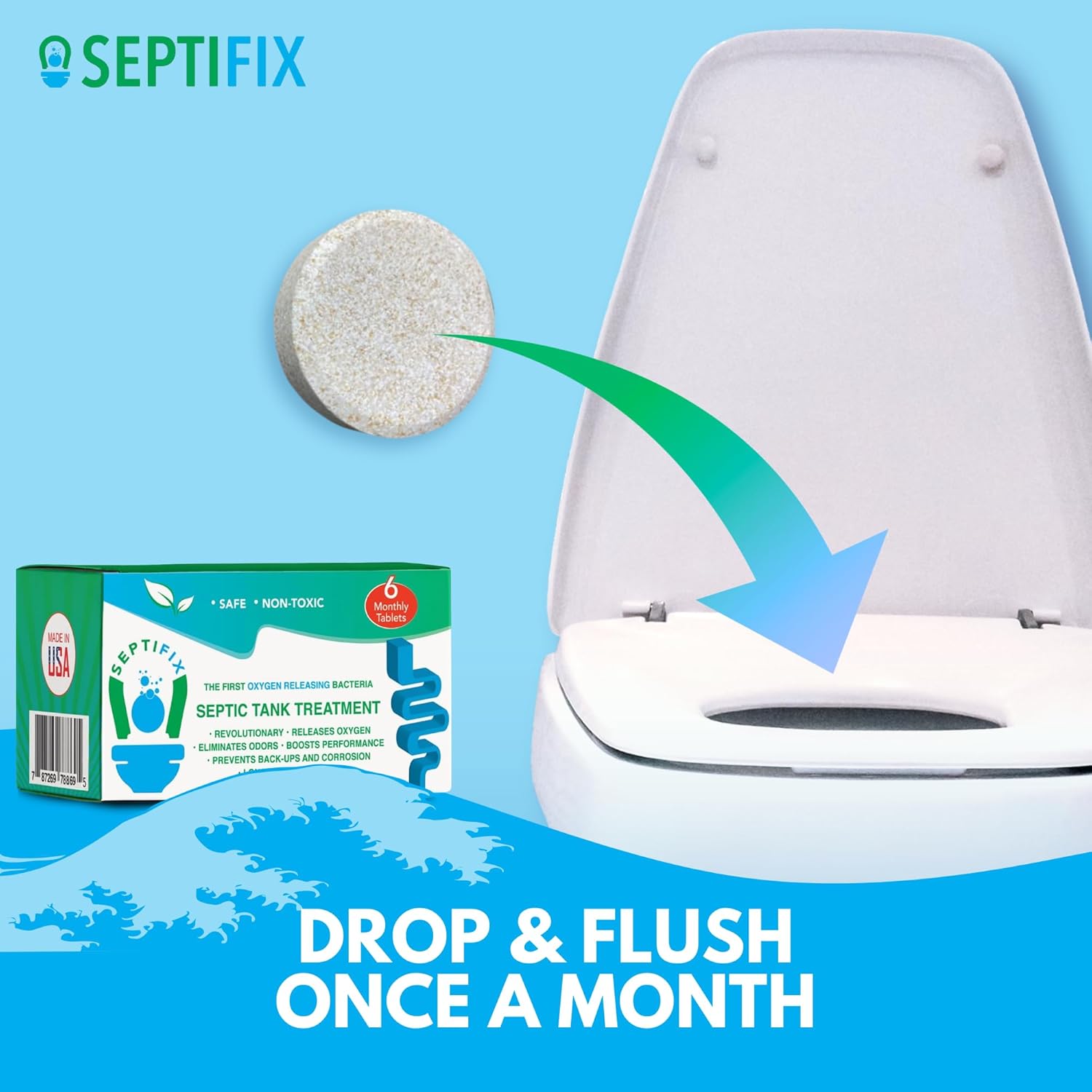
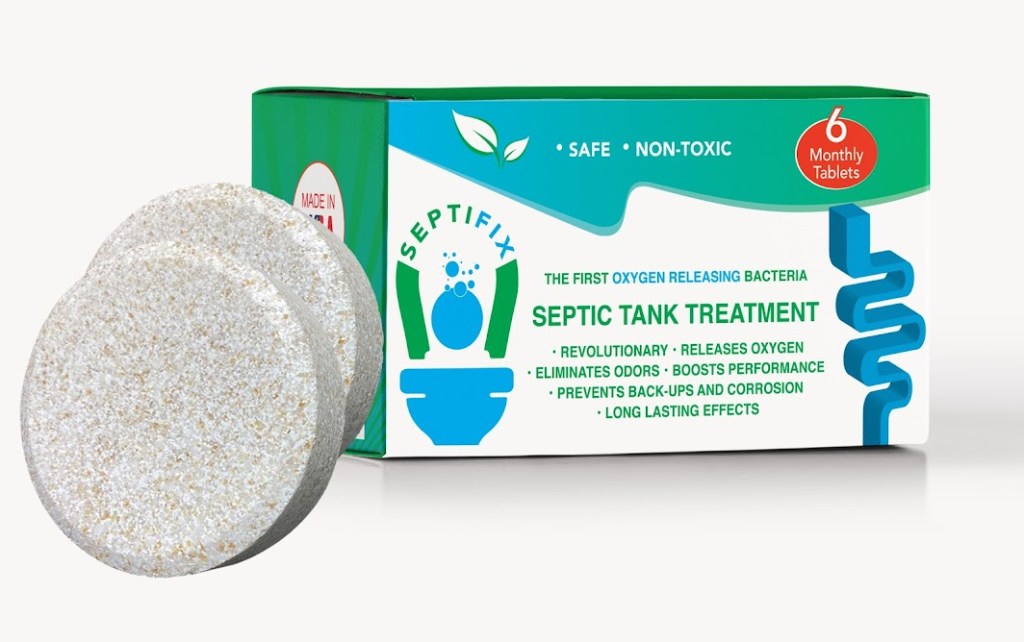
Give your septic system extra support with SeptiFix, an easy-to-use monthly tablet designed to help maintain a cleaner, healthier tank between professional inspections.
Affiliate Disclosure
This article may contain affiliate links. If you purchase a product through one of these links, we may earn a small commission at no extra cost to you.
We only link to products that may be relevant to septic system care and maintenance. However, affiliate relationships do not affect our opinions or recommendations. Always read product labels and consult a licensed septic professional for system failures, backups, or repair needs.
Additional Septic System Resources
- Septic Tank Pumping Guide explains when to schedule pumping and what homeowners should expect.
- How a Septic Drainfield Works covers drainfield care and common failure signs.
- 7 Signs Your Septic Tank Is Full lists warning signs that may require professional service.
- EPA SepticSmart provides practical guidance on water use, flushing, pumping, inspections, and drainfield protection.
- EPA Septic Tank Additives Fact Sheet explains what research says about septic additives and why they should not replace regular pumping or inspections.
- EPA Homeowner’s Guide to Septic Systems covers system care, maintenance schedules, drainfield protection, and troubleshooting.
- CDC Guidelines for Testing Well Water explains what private well owners should test for and how often testing should be done.
Related Posts