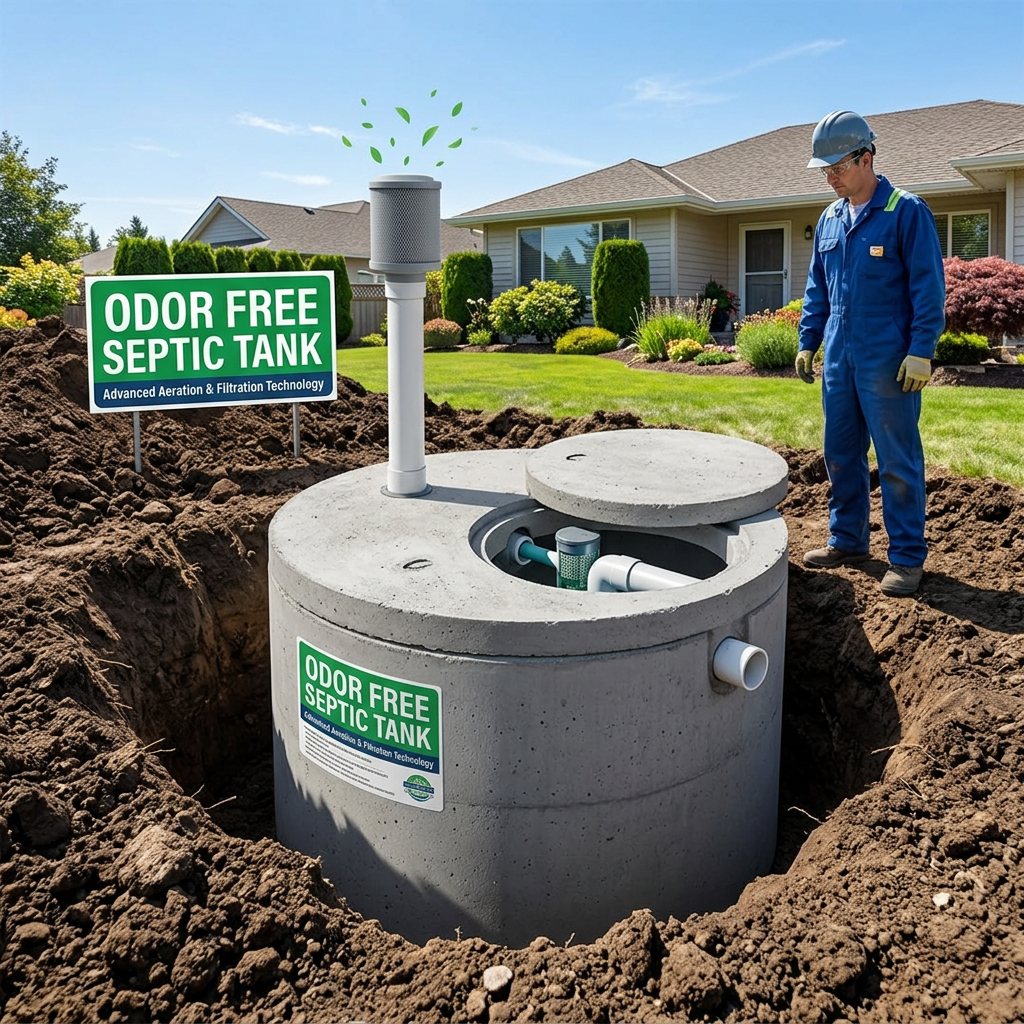
What to Do With an Old Septic Tank
What to do with an old septic tank? If your home has connected to public sewer, first ask your local health department and sewer utility how to close the unused septic system. They will tell you whether the tank must be removed or may be abandoned in place, what permits or inspections apply, and how to handle other components. Then hire a qualified septic professional to do the approved work. Don’t simply leave the tank empty or cover it.

Key Takeaways
- Local and state rules determine how an unused septic system must be closed.
- The approved method may be removal or closure in place.
- Ask the health department and sewer utility for instructions before work begins.
- Pumping the tank is often part of closure, but pumping alone does not close it.
- A septic professional may need to handle the tank, pump chamber, pipes, and drainfield.
- Keep permits, receipts, inspection records, and a map of the system.
Start with local requirements
There is no single closure method that applies to every U.S. home. The U.S. Environmental Protection Agency says local or state rules may require removal, while some areas allow a system to remain in place when the risk is low. The EPA advises homeowners to contact their local permitting authority for instructions.
Rules can differ even between nearby areas. For example, Ventura County, California, requires a plumbing permit and inspection when a tank is abandoned as part of a connection to public sewer. Its local instructions include pumping the tank, altering its top and bottom, and filling it with material approved by the county. Those steps are specific to Ventura County. Do not apply them to your property unless your local authority approves them.
Removal or closure in place?
Your local authority will determine which options are allowed. These are common approaches, not a do-it-yourself guide.
| Option | What it generally involves | Considerations |
|---|---|---|
| Remove the tank | Pump and disconnect it, excavate it, then remove it | Requires excavation, equipment access, and proper disposal |
| Close it in place | Pump and disconnect it, then alter or fill it as local rules require | The tank stays underground, and the approved method and fill material vary |
Your next step: Contact the health or environmental department and sewer utility before hiring a contractor. Ask them to confirm the approved method and required order of work in writing.
What to do with an old septic tank after sewer connection
1. Confirm the sewer connection is active
Contact your sewer company to make sure your tap on is active. Find out if there are any plumbing that need to be done or inspections before you can shut your septic off.
Do not shut your current system off while you are using it. Have someone verify that your waste is going into the sewer line and not your septic if you are having someone do the work for you.
2. Ask which permits and inspections you need
Contact the local office that regulates septic systems. Depending on your location, this may be a county health department, environmental health office, or state agency. Contact the sewer utility too, since it may have a separate connection or inspection process.
Ask:
- Do I need a permit, application, or inspection?
- Must the sewer connection pass inspection first?
- Can the tank remain underground, or must it be removed?
- What steps and fill materials are approved?
- Do other tanks, pump chambers, pipes, or the drainfield need separate work?
- What records must I submit to complete the closure?
Don’t rely on instructions from another county or state. Even when two places use similar methods, their permit steps and fill requirements may differ.
3. Find the system and gather records
Before work begins, look for the septic permit, site plan, as-built drawing, installation records, pumping receipts, and sewer-conversion documents. The local health department may have a copy of the system plan. The EPA’s septic-system FAQ also recommends contacting the local permitting authority for permit and as-built records.
If the system’s location is unclear, follow the steps in this guide to find your septic tank without digging up the yard. Tell the contractor if the records seem incomplete. A property may have more than one tank or a separate pump chamber.
4. Hire a qualified septic professional
Choose a contractor who holds the license or certification required in your area and has experience with system closures. Ask for a written estimate that lists the work included, such as locating the system, pumping, disconnecting pipes, removal or in-place closure, inspections, disposal, and site restoration.
An ordinary inspection is not the same as decommissioning. If you want to understand what a routine evaluation covers, see this septic tank inspection guide. Confirm that the contractor’s plan meets your local closure requirements.
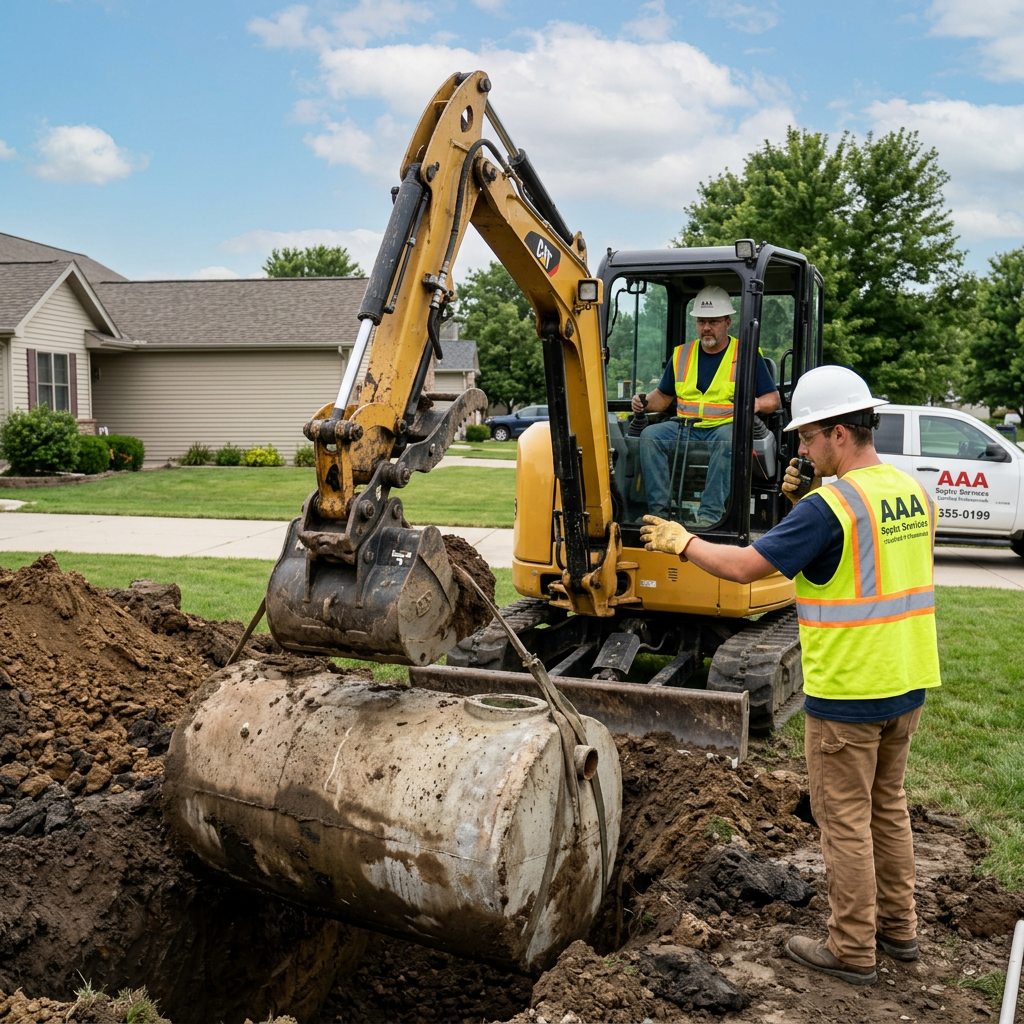
5. Have the tank pumped and disconnected as directed
Your local authority may require a licensed pumper to remove the tank’s contents before closure. A contractor may also need to disconnect or alter pipes so wastewater no longer enters the old system.
Ask for a dated receipt or service record. A routine pumping price is not the same as a closure estimate. This septic pumping cost guide covers routine pump-out costs, not the full cost of closing a system.
6. Follow the approved closure method
Once you get approval for removal, you would have them dig up and remove the tank and repair the area, if applicable. Ask what they will do with the tank and if any inspectors need to see the excavation prior to being backfilled.
Once you get approval for closure in place, make sure you follow what your local health department requires. Some will require that the top of the tank be removed or modified to ensure no more water can enter the tank. It will also need to be filled with some sort of material that is allowed. This can vary by the order it is done in as well. For example, Ventura County requires their local inspectors to sign off on it before it’s backfilled to grade. That is just that area’s requirement and can vary.
Make sure you ask about the drainfield, pump chamber, etc. Just because they allow you to close one thing in place does not mean you can close all of it in place.
7. Complete the inspection and keep proof
If the authority requires an inspection, arrange it before the work is covered. Submit any requested application, pumping receipt, photographs, or contractor report. Keep the final approval with the property records.
Make a simple map showing where the tank and other components were located. Even if the tank is removed, the map and closure records can help future owners avoid confusion before landscaping or construction.
What can affect the cost?
There is no reliable nationwide price for closing an unused septic system. The cost depends on the required method and the property. Request an itemized quote so you can compare contractors.
Possible cost factors include:
- Tank properties (size, material, depth, condition)
- If the fill volume is changed, I think it should be some way below. However, a decision will have to be made as to whether the tank needs removing or can stay.
- Charges for pumping and disposal
- Hard to find or access the tank
- Availability of excavation equipment
- Permit, inspection, or site plan fees
- Work on a pump chamber, pipes, or drainfield
- Landscaping, pavement, or other site restoration
Ask whether the estimate includes required permits and inspections. A quote for pumping alone may not include disconnection, tank removal or filling, disposal, or restoration.
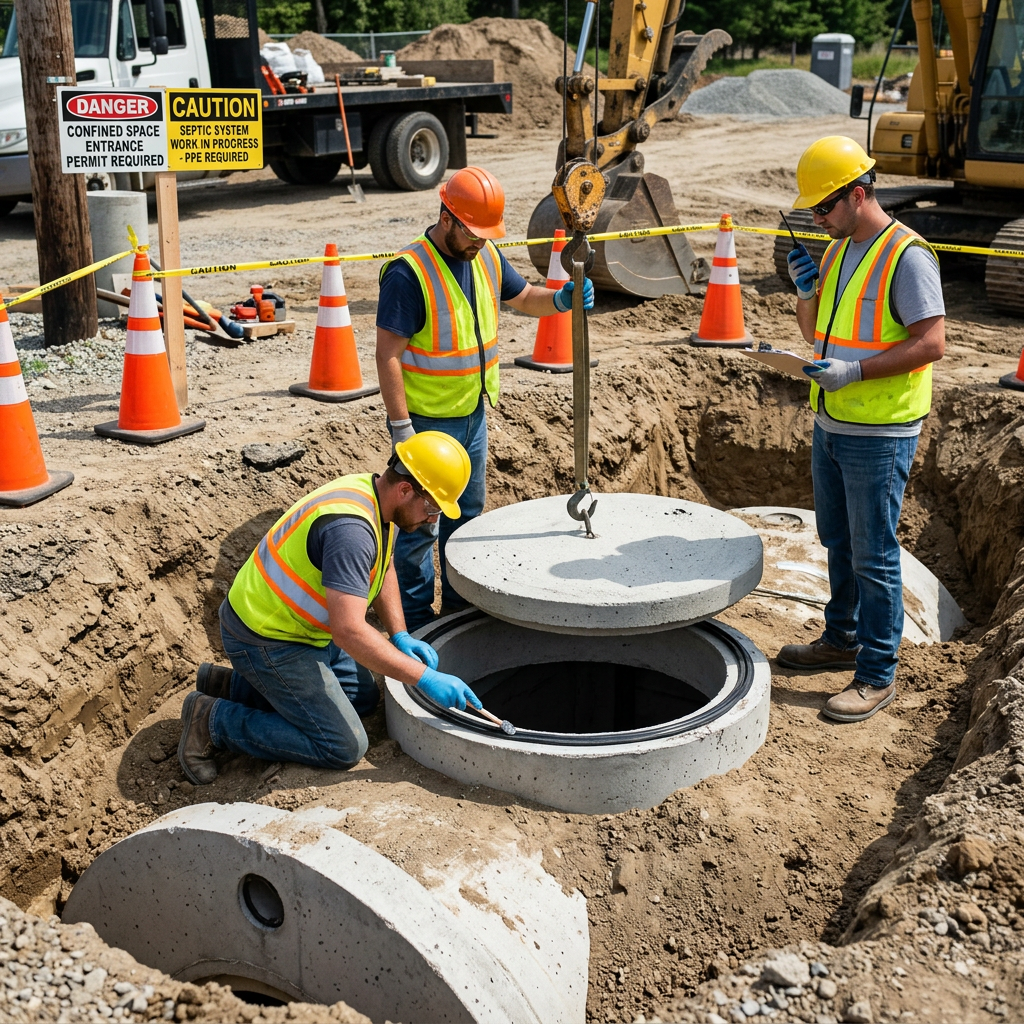
Safety during septic closure
Never enter a septic tank. Don’t lean over an open tank or leave it unattended. Keep children and pets away from the work area.
Septic tanks can contain dangerous gases and other confined-space hazards. NC State Extension’s Septic System Owner’s Guide warns that no one should enter a septic tank. OSHA explains that confined spaces may have hazardous atmospheres and other serious risks. If someone falls into a tank, call emergency services. Don’t enter the tank to attempt a rescue.
Before excavation, contact your local utility-locating service. In the U.S., you can start at 811’s state information page. Ask whether private septic pipes or electrical lines require a separate locator, since public utility markings may not cover every line on your property.
What to Do With an Old Septic Tank – Common mistakes to avoid
- Assuming the sewer connection closes the tank automatically. Ask the utility and health department what work and paperwork remain.
- Closing the tank before getting approval. An inspector may need to see the work before it is covered.
- Using the wrong fill or method. Follow the rules for your specific property.
- Forgetting other components. Ask about the pump chamber, pipes, and drainfield, not only the main tank.
- Treating pumping as complete closure. Pumping removes contents, but the tank still needs approved closure work.
- Discarding the records. Keep receipts, permits, inspection results, and a site map.
Conclusion
What to do with old septic tank is verify that you have been connected to the sewer line. Check with your local authorities on how to go about closing the old system. Once that is approved, you will want to have a contractor come out and do the work for you. Depending on where you live, they may have you remove the tank or just close it off. Make sure you keep these records with the rest of your home documents.
Frequently Asked Questions
Do I have to remove an old septic tank after connecting to sewer?
Not necessarily. Over time, this rule has been relaxed in some local authorities, allowing a tank to stay in place once it is properly closed. However, many others insist the tank be removed or that particular procedures be followed. Contact your local health department and sewer utility.
Does an unused septic tank need to be pumped?
Local rules specify what must be done. Pumping is usually a requirement of closure, but it does not close the tank as a standalone activity. Employ a competent contractor and keep the invoice.
Can I leave an old septic tank empty underground?
Never simply leave the tank empty. Check with your local authority to determine if it has to be drained, or drained and filled, using approved equipment.
Do I need a permit to close a septic tank?
It depends on where you live. In some cities, you may need a permit or require an inspection. Other cities have different requirements. Before you schedule work, get in touch with your local permitting office.
Can I close the tank myself?
Do not go into or work inside the tank. Swales predicts closure may involve permits, pumping, excavation, and inspection. Employ a competent contractor and follow local guidance.
What happens to the old drainfield?
Requirements vary. The drainfield might also be required to be separated or isolated from the tank. Clarify requirements for your whole system with the local authority and contractor.
Can I build over a tank that was closed in place?
Don’t presume a closed tank will be able to support the weight of a building, driveway, or other structure. Consult local authorities and professional advice before designing any construction.
Looking for another option to explore? The banner below features Septifix, a septic tank treatment product you can review alongside the practical maintenance tips in this guide. Read the product information carefully, follow the directions, and decide whether it is appropriate for your septic system.

Related Posts