Septic Tank Odour Treatment: Fast Fixes and Lasting Relief
You may be feeling embarrassed, anxious and “stuck” due to an unpleasant smell from a nearby area. Don’t worry, you’re not alone; many people experience septic smells in their homes, and they are usually easy to resolve with some basic knowledge of where to start looking for solutions. Once you’ve identified what is causing your issue, it won’t take long to fix, so you’ll be able to regain control of your home’s freshness.
The following is a step-by-step guide on septic tank odour treatment. We will show you how to locate the source of your problems, how to safely eliminate the odors using odor-neutralizing products, how to protect your system, and when to contact a professional for assistance. Important safety note: The gases produced by your septic system can be toxic and/or flammable. Therefore, please do not allow flames or sparks around your septic tank, and get into the open air immediately if you become dizzy or ill.
During the course of the next few minutes, we will explain how to identify the location of your smell (inside and outside), how to quickly address the problem as well as establish a regular septic tank maintenance routine, and provide information regarding potential costs involved with obtaining professional assistance if needed.

Key Takeaways
- Septic Odor Sources Septic odors can also arise when the drain trap dries out (i.e., a sink with no running water), the toilet seal is loose, there are blockages in either the roof vent pipe or the main tank lid, or the septic drainfield is failing.
- Flush the water through all of the unused sinks, showrs, tubs and floor drains as soon as possible to fill the “P” traps that have dried out.
- Inspect the toilets, tank lids, risers and vent pipes for leaks, cracks, etc.
- Never put Bleach, Harsh Chemicals, Grease, etc. down the drain because these things kill off beneficial bacteria which help break down waste.
- Always keep an open flame and spark away from the top of your septic tanks because sewage gas may contain toxic compounds which may cause burns or fires.
- If you see signs of a back-up (water backing up into your home), slow draining fixtures, standing water on the surface around the drainfield area, or strong odors coming from this same general location it could be a sign of a serious failure.
- Call a Licensed Septic Professional as soon as possible if the odor persists and/or you observe pooling water on top of the ground, wet soil in areas where it should not be wet, or sewage.
Find the Source Fast: Diagnose Septic Smells Inside and Outside
Start by identifying the possible source(s) of the odor based on its location and the time of day (or night) it occurs; also note whether the smell is stronger at certain times of day (i.e., immediately after a shower). The pattern will most likely indicate which component(s) of the system are causing the odor, e.g., dry trap, loose wax ring, etc., so you can focus on repairing that particular item first.
Also note how wind or fan circulation may cause an odor to “travel” through a home, before you decide that the odor must be coming from the tank.
Is the smell inside or outside? What that tells you
- Inside odor typically indicates a dry p-trap; a loose toilet wax ring; a cracked vent pipe; or clog in the vent.
- Outside odors that are close to the tank or drain field may indicate the tank lid is off; bad gaskets; excessive water in the tank; wind blows vent gas down; or stress on the drain field.
- Timing of the smell (e.g. after showers, laundry, rain, at night) provides some indication.
Common causes of septic odors and how they start
- A dry (open) floor drain or an unused sink loses its water seal and lets gas into your home.
- Gas that is trapped by a blocked or short vent stack will be pushed into the room(s) or yard where you live.
- When the tank is full, the baffle is broken, or the drainfield is saturated, gas will escape to the surface.
- The dead bacteria that result from using bleach or other harsh chemicals to clean your septic system will slow down the natural decomposition of organic waste materials and create odors.
10-minute checks you can do safely
- Run water in every sink, tub, shower, and floor drain to refill traps.
- Wiggle toilets. If they move, the wax ring may be leaking sewer gas.
- Look at the roof vent. Check for leaves, nests, or snow. Do not climb if unsafe.
- Check tank lid and riser gaskets for cracks or gaps. Listen for gurgling drains.
- Keep flames and sparks away. Vent gases can be flammable.
Warning signs of a serious problem
- Sewage backing up, slow drains in the whole house, or wet, smelly soil near the drainfield.
- Strong rotten egg odor with headaches or nausea. Get fresh air and call a pro.
- Standing water over the tank or drainfield, or bright green strips of grass above the lines.
Fast Septic Tank Odour Treatment You Can Do Today
You want quick relief that is safe for your system. These steps help indoors and outside. Some work right away, and some need a day or two.
How to get your septic tank to stop smelling inside the house
- Refill all P-traps: run each fixture for 30 to 60 seconds.
- Seal air leaks: tighten toilet bolts, replace a suspect wax ring, and caulk the base if needed.
- Boost airflow: open a window or run the bath fan to vent gases out.
- Clear the roof vent: remove debris with a hose from the ground if possible, or hire help.
- Use an enzyme drain treatment on the sink or shower that smells. Follow the label and use at night for best contact time.
Set expectations: trap refills are instant, sealing a toilet stops odor within hours, vent clearing helps within a day, and enzyme drain treatments may take 1 to 3 nights. EPA: Resolving Septic System Malfunctions
Septic tank odor neutralizer options that work
- Activated carbon vent filters reduce outdoor smells at the roof or yard vent. Choose a size that matches your vent pipe.
- Bio-enzymatic treatments can help break down fats and scum if used as directed. They are not a cure-all but can assist.
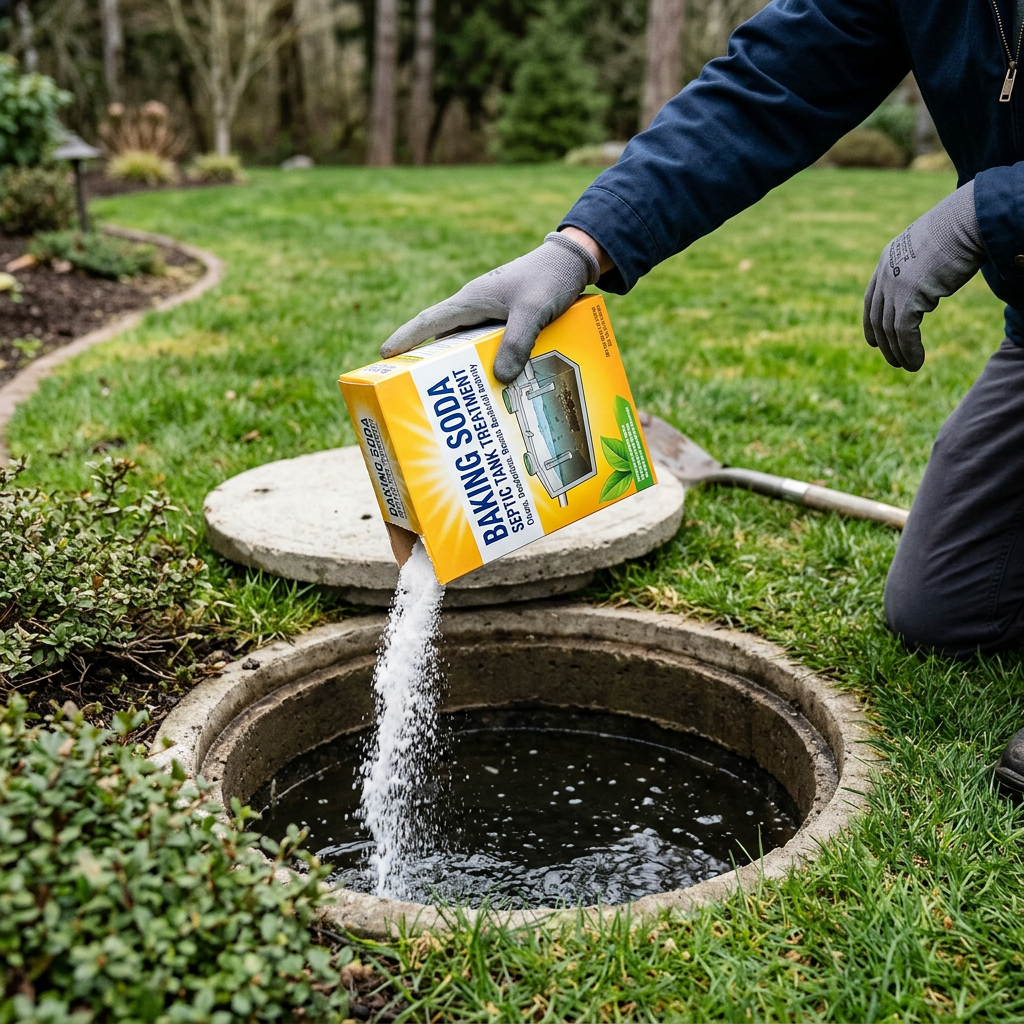
- Vinegar and warm water can freshen drains without killing tank bacteria. Avoid heavy use of baking soda with vinegar in the tank.
- Avoid perfumes that mask smells without fixing the cause.
Example: if the yard vent stinks on still evenings, a carbon filter can cut odor by absorbing gases as they exit. You may need to replace the cartridge every few months.

What to avoid so you do not kill the tank bacteria
- Skip bleach dumps, drain openers, antibacterial soaps in large amounts, and solvent-based cleaners.
- Do not pour oils, paint, or harsh chemicals down drains.
- Avoid random “shock” additives. Many do little, some harm the system.
Healthy bacteria do the hard work. Protect them, and your tank will smell less.
Simple steps for yard smells near the tank or drainfield
- Tighten or replace cracked riser and lid gaskets. Seal gaps to stop gas leaks.
- Add a vent filter or extend the vent stack above the roofline to lift gases higher.
- Redirect downspouts and surface water away from the drainfield to reduce saturation.
- Rope off the area. Keep vehicles and heavy foot traffic off the field.
These changes often ease odors in a few days, especially after rain.
Long-Term Septic Tank Odour Treatment Plan That Keeps Smells Away
A few steady habits keep the system healthy. Think of this as low-cost insurance for clean air and a long-lasting drainfield.
Maintenance schedule and good habits
- Pump the tank every 2 to 5 years, based on household size and tank size. Keep records.
- Spread out laundry and dishwasher use to avoid big surges.
- Scrape plates into the trash. Limit fats, oils, and grease.
- Flush only toilet paper. No wipes, floss, pads, or trash.
Tip: a family of four with a 1,000-gallon tank often needs pumping about every 3 years. Ask your local provider what fits your use.
Improve airflow and venting for cleaner air
- Raise short vents to at least roof height. Add a wind cap or carbon filter if odors linger.
- Keep snow, leaves, and nests off vents.
- Check for cracked vent pipes in attics or walls if indoor smells return.
Proper venting lets gases escape safely, preventing pressure in your home, and supports septic tank odour treatment.
Protect the drainfield and stop smells at the source
- Keep trees and deep roots away. Plant grass, not bushes.
- Grade soil to shed water. Divert downspouts and sump lines.
- Never park or build on the field. Avoid heavy compacting.
- If the field is soggy often, call a pro to check for clogs or saturation.
A dry, well-aerated field helps bacteria work and keeps odors down.

Seasonal tips for winter and summer
- Winter: prevent frozen vents and traps. Add a small amount of RV antifreeze in floor drains if needed. Keep snow off vents.
- Summer: heat can boost odors. Flush with normal water use, maintain filters, and check lids for leaks.
Simple seasonal checkups prevent minor problems from turning into costly repairs, including septic tank odour treatment.
When to Call a Pro and What It May Cost
Sometimes you need expert tools. If you see red flags, do not wait. A prompt visit can stop damage and protect your health.
Red flags that need expert help now
- Sewage backup in tubs or toilets.
- Gurgling in many fixtures at once.
- Pooling water or strong odor over the tank or drainfield after dry weather.
- Repeat odors after you tried the quick fixes.
Tests and repairs pros use to stop septic odors
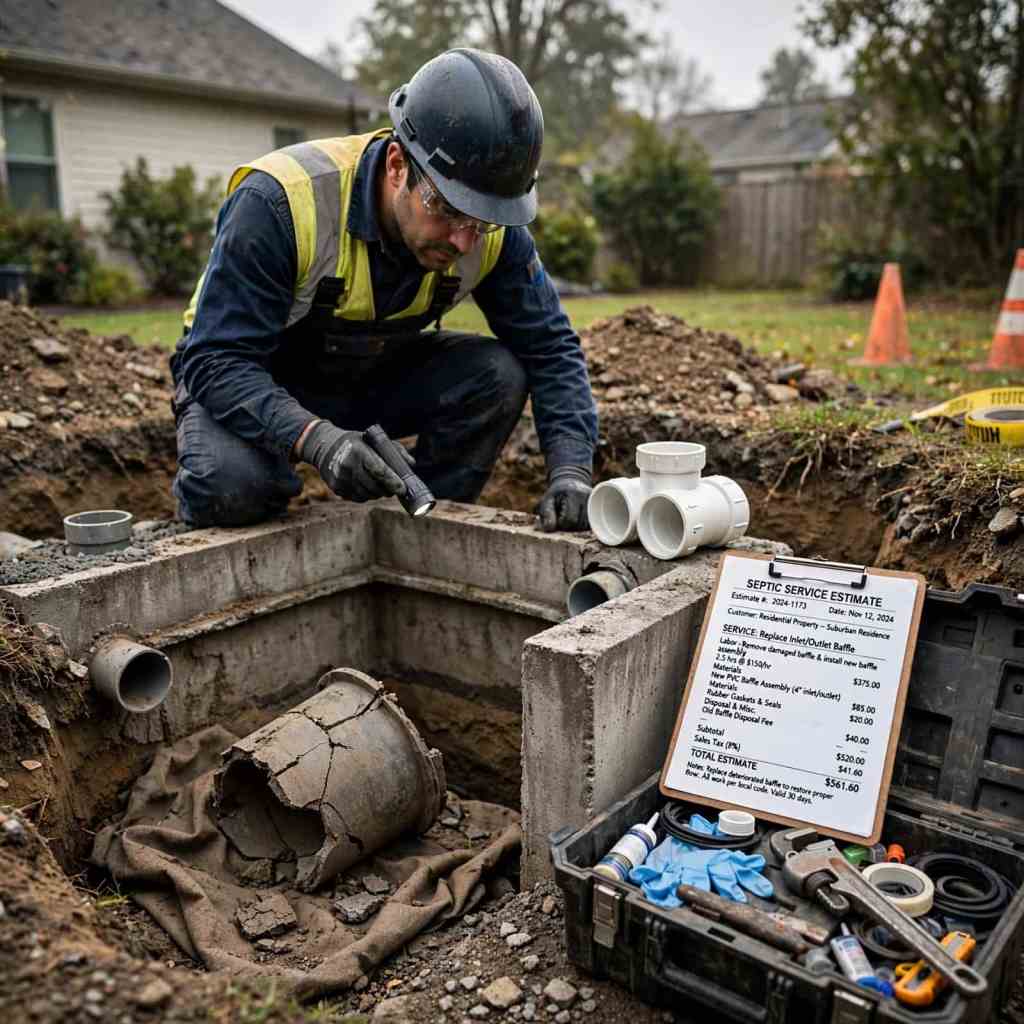
- Pumping and inspection of baffles and tees.
- Camera scoping of lines to locate breaks or blockages.
- Smoke testing to find hidden leaks or vent issues.
- Jetting laterals, replacing cracked lids, fixing vent height, or adding filters.
These tools spot what you might miss, from a cracked wall vent to a broken baffle, and they are useful for septic tank odour treatment.
Typical costs and timeframes in the US
- Pumping: $250 to $600, 1 to 2 hours.
- Basic lid or gasket repair: $50 to $250 for parts, same day.
- Vent filter: $30 to $150 for parts, under 1 hour.
- Line jetting or camera scope: $200 to $600, 1 to 3 hours.
- Drainfield repairs: varies widely, days to weeks.
Get local quotes, since soil, access, and permits affect price.
Smart questions to ask before you book
- Are you licensed and insured for septic work in this area?
- What do you think is the root cause of the odor?
- What tests will you run first, and why?
- What will the visit cost, and what is included?
- Do you offer a written report and photos?
Clear answers help you compare bids and avoid repeat visits.
Conclusion
You can remedy septic tank odour treatment with a cool scheme. Recognize the lodgement, commence with ten-minute inspections, use harmless remedies with a known and trustworthy odour neutraliser, and get a simple repair routine as directed. If there are any indications of failure, call a professional before the damage manages in size.
Start today: Check for signs now, do all the repairs today, then have a pump-up and a vent upgrade. Do it with regard to the home, with regard to the health of those staying in the home and with regard to the peace that comes of a fresh yard and clear and clean air in the house, and then repeat your emphasis on septic tank odour drinks treatment so the trouble does not return.
Give your septic system extra support with SeptiFix, an easy-to-use monthly tablet designed to help maintain a cleaner, healthier tank between professional inspections.
Affiliate Disclaimer
Some links in this article may be affiliate links. If you click a link and make a purchase, we may earn a small commission at no additional cost to you.
We only recommend products and services that may be useful for septic system maintenance and care. Affiliate relationships do not affect the information or recommendations in this article.
EPA: Frequently Asked Questions About Septic Systems
Related Posts