Drainfield
Septic Drainfield: How It Works, Warning Signs, and Care Tips
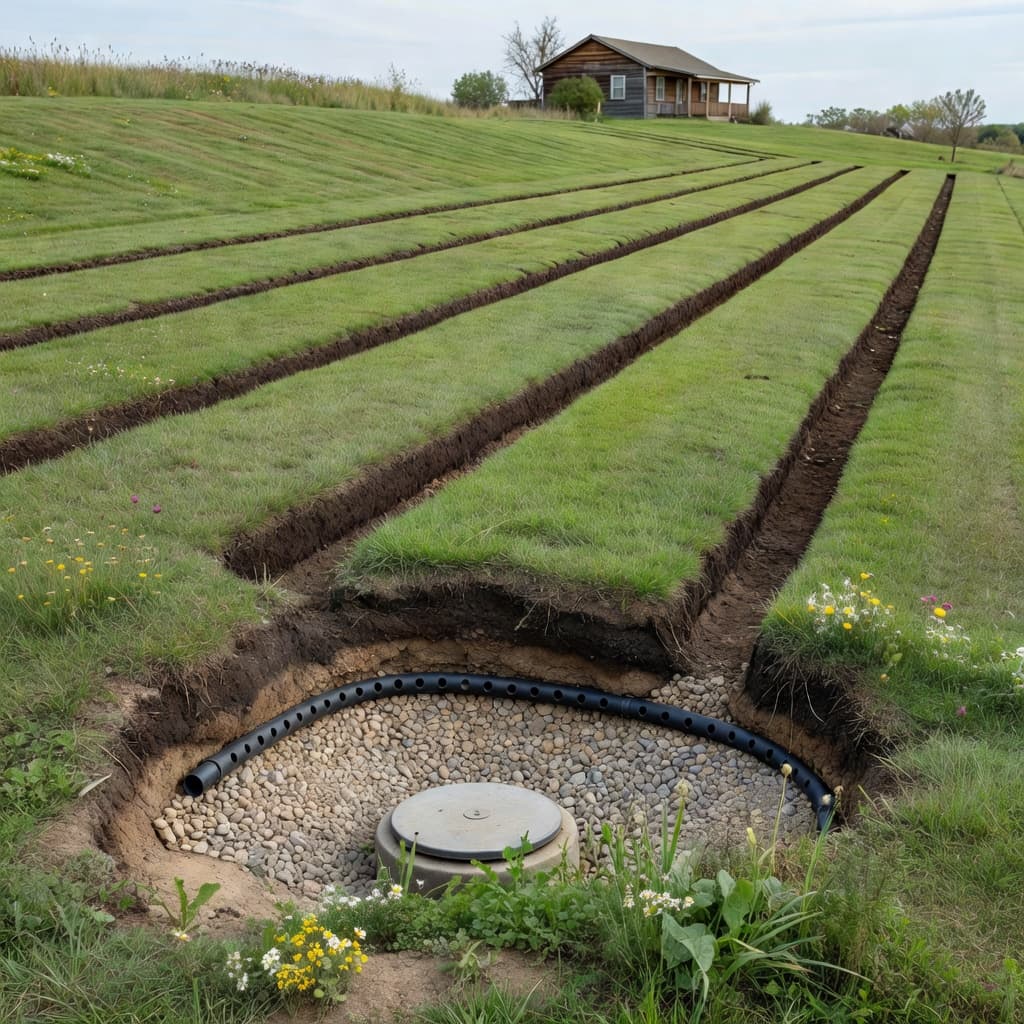
A septic drainfield is a critical component in all onsite wastewater treatment systems. The drainfield receives liquid waste from the septic tank for filtration and treatment by the surrounding soil.
A drainfield may also be referred to as a leach field, leach bed, disposal field, or soil absorption system. Even though it is buried beneath the ground, the drainfield does require regular maintenance. Over-saturation with too much water; excessive vehicle use over the drainfield; failure to perform routine maintenance on the system; root growth into the pipes and soil by trees and other vegetation are just a few of the common ways that the integrity of the drainfield can be compromised.
If a septic drainfield fails to function properly, it can create a myriad of costly repair issues including backed-up sewage, unpleasant odors emanating from the area where the drainfield exists (especially when there is excess water), surface water collecting around the septic drainfield causing additional drainage concerns, and slow draining of water through plumbing fixtures. Understanding how your drainfield functions will enable you to maintain your septic system effectively, potentially prevent future costly repairs due to premature failure of the drainfield.
Key Takeaways
- The drainfield is the part of your septic system that accepts liquid effluent discharged from the septic tank.
- The soil within the drainfield has an important role in removing impurities and pathogens from the wastewater to prevent them from migrating into groundwater and/or surface water bodies.
- When too many gallons of wastewater are fed through the drain field at one time, they fill up the pore spaces in the soil which then creates a saturated condition and causes the drain field to fail.
- Do not park, build on top of, put down anything with weight, (ie. storage sheds) or sit anything else heavy on top of the drain field.
- Be sure to keep all rainwater from roofs, sump pumps, and run-off from surfaces away from the drain field.
- Planting some type of grass (or shallow rooted plants) over this area is recommended as well.
- You may notice slow draining, bad smells coming out of the sewer line, or soggy ground near where the drain pipe enters the ground. If you see these conditions it is likely there is a malfunction in the drain field.
- If the drain field is malfunctioning or damaged pumping out the tank will not correct it.
- Call a licensed septic service provider if you notice any of these malfunctions.
What Is a Septic Drainfield?
A septic drainfield is the part of a septic system that receives wastewater from the septic tank.
The septic tank separates wastewater into three layers:
- Sludge, which settles at the bottom
- Scum, which floats on top
- Effluent, which is the liquid layer in the middle
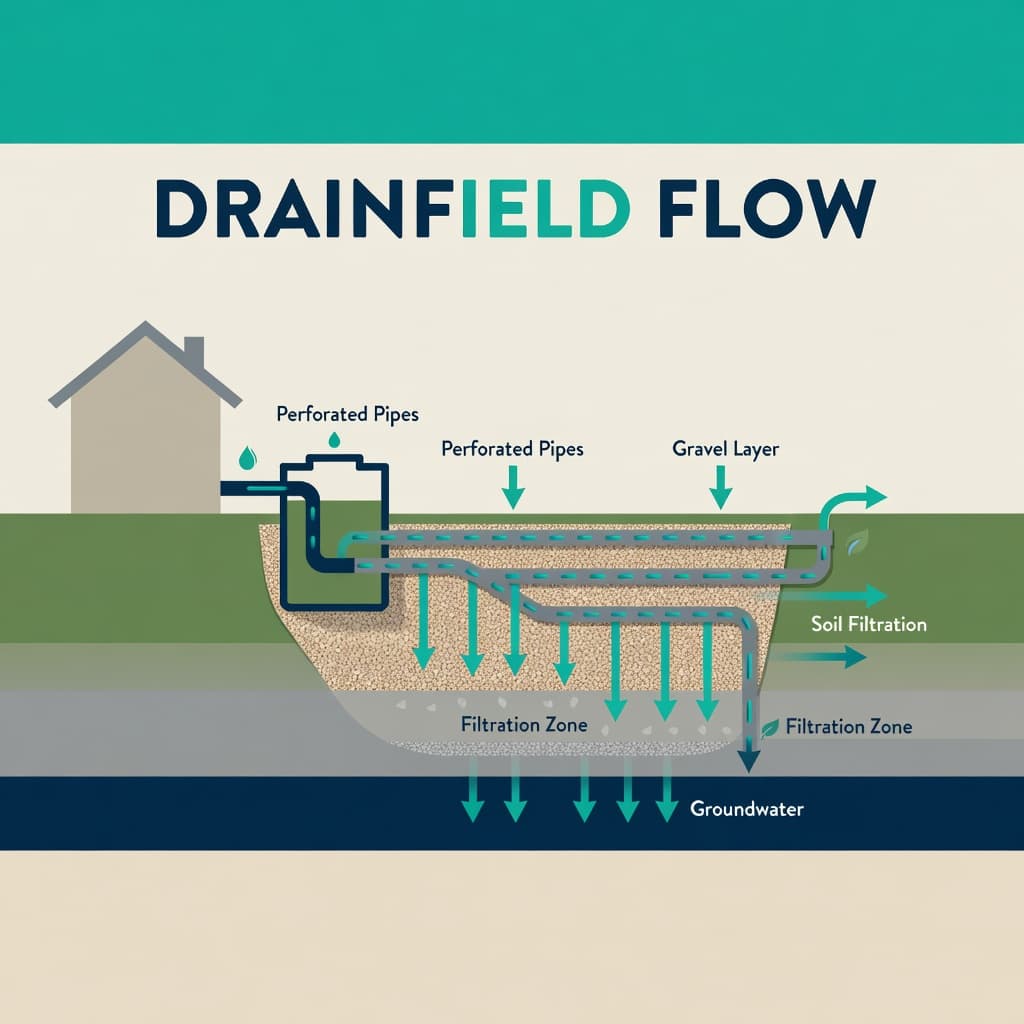
The liquid that is flowing out of the tank goes down a special discharge (or exit) pipe. Once it exits the tank, it flows down into the “drain field” through one or more of three different types of piping systems:
1. Perforated pipes are pipes with holes in them that allow the wastewater to flow through the pipe.
2. Chambers are essentially large tanks which hold a portion of the drainage water at a time.
3. Other approved methods for distributing the wastewater include but are not limited to gravity-fed sand filters, septic mounds, etc.
Once the wastewater enters the soil, it begins to move slowly through the soil. During this process, many of the suspended solids are removed from the water by soil particles and/or beneficial bacteria, along with some of the bacteria and pollutants found within.
Once the wastewater has moved sufficiently downward through the soil, it will begin to recharge groundwater or otherwise dissipate harmlessly through the natural processes of the earth.
How Does a Septic Drainfield Work?
A typical septic system works in several stages.
1. Wastewater leaves the home
Water from toilets, sinks, showers, washing machines, and dishwashers flows through the home’s plumbing.
The wastewater moves into the septic tank by gravity or with the help of a pump.
2. Solids settle in the septic tank
The tank holds the wastewater long enough for separation to occur. Heavy solids sink to the bottom and form sludge. Grease and lighter materials float to the top and form scum.
Bacteria break down some of the waste, but they do not remove everything. Sludge and scum continue to build up and must eventually be removed through professional pumping.
3. Liquid effluent enters the drainfield
The liquid layer between the sludge and scum leaves the tank through the outlet pipe. It may flow into a distribution box, dosing tank, or pump system before reaching the drainfield.
The distribution system helps spread the effluent across the field.
4. Soil filters and treats the wastewater
Perforated pipes release the effluent into the surrounding soil. The soil filters the wastewater as it moves downward.
This treatment process depends on proper soil conditions, enough space, and a steady flow of wastewater. Heavy rain, flooding, or too much household water can overwhelm the system.
Warning Signs of a Failing Drainfield
Signs of a failing drain field (drain field problems) are often slow developing; however, some signs can arise rapidly. If you observe one or more of the following signs, contact a septic professional.
Slow drains and toilets
A clogged drain in your home will produce slowing drains. In addition, it could be an indication that your septic system or drain field is having difficulty accepting all the wastewater produced by your household.
Contact a septic professional if multiple drains begin to run slowly simultaneously.
Sewage backups
When sewage backs up into a toilet, tub, sink, or floor drain; you need to immediately stop using water and contact a licensed septic service provider.
Be cautious of coming into contact with the sewage. Keep children and pets out of the area where contamination has occurred.
Foul odors
When you smell strong sewer odors around your septic tank and/or drain field, you may have a full tank, pipe obstruction, damaged distribution system or a malfunctioning drain field.
Strong sewer odor may be present when the soil is saturated with water due to rainfall. This is because saturated soil cannot absorb waste as effectively as dry soil.
Standing water or wet soil
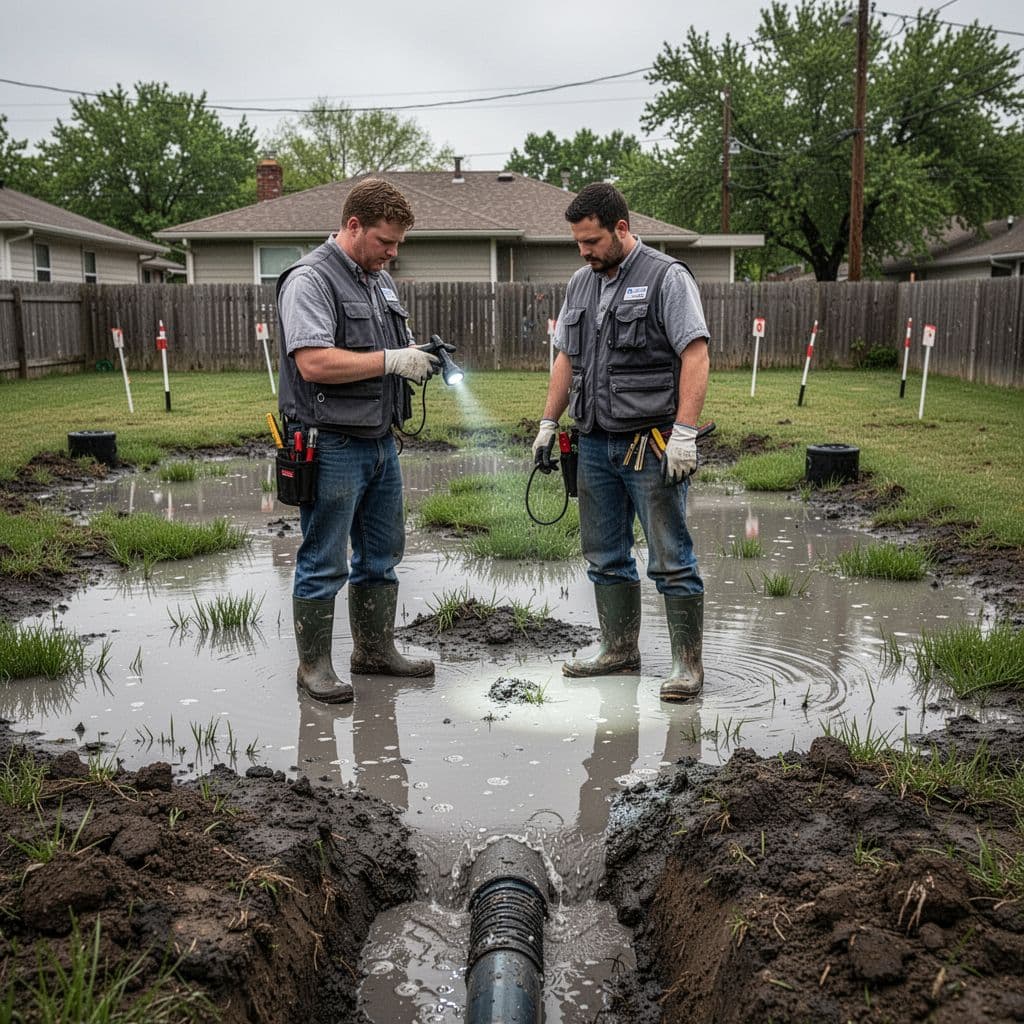
If puddles form on the surface and/or your lawn appears soggy near the location of your drain field, it is likely that either the soil is saturated with water or that waste is rising toward the top instead of being dispersed through the soil.
Neither condition is normal unless you recently experienced heavy rainfall.
Bright green or unusually thick grass
An abnormal growth pattern such as very bright green grass growing faster than the rest of your lawn over the top of your drain field may indicate that waste is rising towards the top of the drain field.
While some grass growth is expected over a functioning drain field, consider this symptom along with other possible symptoms before calling for assistance.
Gurgling plumbing
You hear gurgling noises from your toilets, sinks or pipes? This indicates there is a restriction in the flow of waste. It is difficult to determine whether the reason for this restriction is a plumbing clog, a full septic tank or a malfunctioning drain field.
High water alarm
Are you utilizing a septic system with a pump and alarm? If your high water alarm goes off, it may mean that your pump has failed, there is an electrical problem in your pump, or there is an obstruction in one of the lines leading to the drain field.
Regardless of what caused your high water alarm to go off do not ignore it. Refer to your equipment instructions and then call a qualified professional.
What Causes Drainfield Problems?
Drain fields have some common problems that affect their function.
Too much water
A drainfield becomes “overloaded” when too much water enters it. When there’s excessive use of water during a short period (for example running multiple loads of clothes, long hot showers and running all appliances at once) then the drainfield gets overwhelmed with excess water.
Try to spread your usage around the week. Fix leaky toilets and sinks right away.
Heavy rain and flooding
No rainwater should ever enter a drainfield. Gutters, down spouts, sumps, and run-off water can cause a saturated condition.
If you notice that the drainfield is already flooded do not continue to add additional water until the conditions dry up. If you smell sewer gas, have standing water, or back-up sewage, call a professional.
Driving or parking on the drainfield
Never park or drive vehicles onto a drainfield. The weight will compress the soil causing damage to the pipes below. Never let anyone store anything on top of a drainfield. This includes building sheds, driveways, patios, swimming pools, etc. Be aware of how close you build structures such as garages or decks.
Also be aware of what type of equipment you bring in close proximity to a drainfield including mowers and construction equipment.
Buildings and paved surfaces
Do not place sheds, patios, decks, pools, concrete, or asphalt over the drainfield without guidance from your local permitting authority and a septic professional.
Impermeable surfaces can block evaporation and reduce the oxygen that helps the soil treat wastewater.
Tree and shrub roots
Roots can grow large enough to enter pipes and disturb the soil around them. Plant grass and shallow-rooted plants over or near the drain field. Ask a local professional which plants are safe for your system.
Poor septic tank maintenance
When a septic tank has not been properly maintained (pumped regularly), it allows sludge to accumulate and travel downstream towards the drain field. Once in the drain field, this sludge can fill the pores in the soil and greatly limit the drain fields’ ability to absorb effluent.
Pumping the tank does not fix most failed drain fields.
Unsuitable waste
Flush only human waste & toilet paper. Dispose of wipes, paper towels, diapers, feminine hygiene products, dental floss, grease, chemicals and other waste away from the septic system.
Using garbage disposals will also increase the amount of solids entering your tank.
How to Protect Your Septic Drainfield
Good daily habits can help extend the life of the drainfield.
Control water use
Use water-efficient fixtures and repair leaks. Space out laundry and dishwasher use instead of running several appliances at once.
Avoid sending large amounts of water into the system in a short period.
Keep rainwater away
Make sure roof gutters and downspouts direct water away from the tank and drainfield. Do not discharge sump pumps or surface runoff onto the field.
The goal is to keep the soil around the drainfield from becoming saturated.
Protect the area from traffic
Mark the drainfield location so household members, guests, and contractors know where it is. Do not drive or park vehicles over it.
Keep construction, storage, and heavy landscaping work away from the area.
Choose suitable plants
Grass and shallow-rooted ground cover are usually safer choices for the drainfield. Avoid vegetable gardens because wastewater may come into contact with food crops.
Avoid trees and large shrubs near the field unless a septic professional approves the location.
Dispose of waste correctly
Do not pour cooking oil, grease, paint, solvents, or harsh chemicals down the drain. Keep wipes and paper products out of the toilet, even when the package says they are flushable.
These items can increase solids, harm helpful microorganisms, or clog pipes.
Schedule inspections and pumping
The correct schedule depends on tank size, household size, water use, and the amount of sludge and scum in the tank.
The EPA commonly recommends inspections every one to three years and pumping every three to five years, but local rules and site conditions may require a different schedule.
Keep written records of inspections, pumping, repairs, and alarm service.
What to Do If You Suspect a Drainfield Problem
Take these steps if you notice warning signs:
- Stop using water immediately to avoid additional stress on your septic system.
- Do not use water if sewage is backing up into the home.
- Keep children and pets away from wet or contaminated areas where they may be exposed to sewage or bacteria.
- Avoid driving or walking over the drainfield unless necessary.
- Avoid adding chemicals or septic additives directly into the system in an attempt to quick fix it.
- Contact a licensed septic professional for inspection of the septic system.
- Follow local health department guidance if sewage has reached the ground surface or you believe your private well may have been affected by sewage.
Do not dig into the drainfield or attempt to repair underground pipes yourself. A professional can inspect the tank, outlet, distribution box, pump, soil, and drainfield.
Can Pumping Fix a Failing Drainfield?
Pumping can be helpful to the process of removing the excess solid matter from your septic system when it has become full with liquid waste or when there are excessive amounts of “sludge” in your septic tank. In addition to removing excess solids that could clog the drainfield, pumping will also assist in preventing additional solids from entering the drainfield.
Pumping however, does NOT repair soil compaction, broken/crushed pipes, inadequate/incorrectly designed systems, hydraulic overloading of the drainfield, or when the ground around the drainfield becomes completely saturated for an extended period of time.
Therefore, it is imperative that a trained and licensed service provider assesses the problem first before suggesting a solution. Solutions may involve repairing/ replacing damaged pipes, fixing pumps, treating the soil to restore drainage, installing a new drainfield (also known as a leach bed), or upgrading your entire septic system.
Frequently Asked Questions
How long does my septic drainfield last?
A well-designed and well-maintained drainfield can serve you for many years. The length of time will depend upon how much water you use, what your soil is like, if your tank has been properly maintained, and whether the drainfield was constructed and drained correctly.
Can i plant grass over my drainfield?
You can usually plant grass over your drainfield as well as other shallow-rooted plants. However, you should avoid planting tree’s, large shrubbery and vegetables in this area unless a qualified professional recommends such planting.
Can i drive over my septic drainfield?
No. Vehicles and heavy equipment can compact your soil and damage your underground piping. It is best to keep the area around your drainfield clear of traffic and heavy loads.
Why is my drainfield smelling after it rained?
It could be because the heavy rain caused the soil to become saturated and slowed down the flow of wastewater through the field. Another reason could be a clogged or blocked vent, a damaged pipe under the drainfield, or an actual failure of the drainfield. If the odor persists even after the ground dries up, call a septic professional.
Will additives fix my drainfield?
No additive can fix crushed pipes, saturated soil, poor drainage or a complete failure of your drainfield. Additives should never be used in place of regular inspections, pump-out, and repairs.
Should I use the drainfield after sewage surfaces?
Do not enter the drainfield. Avoid any water usage until you have been told it is safe by a licensed septic service provider or local public health authority.
Final Thoughts
The drain field is where your septic system handles and distributes wastewater silently each day. It will work most efficiently if the soil in this area is free flowing, there is no heavy vehicle traffic, and it has a reasonable volume of water being introduced to it.
You should protect the drain field from vehicles, construction, excessive rainfall, plants that have long roots, grease, and improper disposal of waste. Be aware of slow draining, bad smells, saturated soil conditions, overly lush greenery growing over the drainfield, and backed-up sewage.
Do not depend on chemical treatments or additives to quickly solve a problem with your drainfield. Immediately reduce water usage and hire a certified/licensed septic technician to inspect the drainfield.
Give your septic system extra support with SeptiFix, an easy-to-use monthly tablet designed to help maintain a cleaner, healthier tank between professional inspections.

Affiliate Disclaimer
Some links in this article may be affiliate links. If you click a link and make a purchase, we may earn a small commission at no additional cost to you.
We only recommend products and services that may be useful for septic system maintenance and care. Affiliate relationships do not affect the information or recommendations in this article.
Further Reading
- How Often Should You Pump a Septic Tank?
- Issues With Septic Tanks: Signs and Safe Fixes
- Septic Tank Smells After Rain
- Septic Tank Care and Maintenance Made Simple
- Septic Tank Treatment
Official U.S. Government Resources
- How Septic Systems Work
- How to Care for Your Septic System
- Why Maintain Your Septic System?
- Frequent Questions About Septic Systems
- Resolving Septic System Malfunctions
Local septic regulations vary by state, county, and municipality. Check your local requirements and contact a licensed professional for advice about your property.